

Published December 23, 2025
Key Takeaways
- Cravings often follow triggers and routines, so identifying patterns is a key part of reducing urges.
- Warning signs Can include loss of control, tolerance, and withdrawal, focus on real-life impact, not labels.
- Medication options like naltrexone, acamprosate, and disulfiram may support treatment when prescribed and monitored.
- Monthly injections (extended-release naltrexone) can be an option for people who prefer not to take a daily pill.
- Safe stopping matters because quitting suddenly can be dangerous for people with heavy or long-term alcohol use.
- Helping someone is more effective with calm conversations, specific examples, and clear boundaries around safety.
- Rehab levels range from outpatient to residential care, depending on severity, stability, and withdrawal risk.
- Emergency symptoms such as seizures, severe confusion, or hallucinations require urgent medical attention.
- Sober living can add structure, accountability, and peer support while someone follows a recovery plan.
- FAQ answers address common questions about detox, medications, and how to get help.
On This Page · 26 Sections
Many people search for AA gift ideas because they want to support someone who is trying to change their drinking. One useful “gift” is clear information: what alcohol craving medication is, what alcohol dependence signs can look like, and how to offer help without taking over.
This article reviews common medicines used for alcohol use disorder (AUD), along with safer steps for getting care. It is general information, not personal medical advice.
Understanding cravings and alcohol use disorder
Cravings are more than “wanting a drink.” For some people, cravings are a strong urge that shows up when the brain links alcohol with stress relief, reward, or daily routine. Triggers can include stress, certain friends, specific places, or even a time of day.
If you want practical coping tools beyond medication, see our guide on overcoming alcohol cravings with mindfulness and meditation.
Alcohol use disorder is a medical condition that involves trouble controlling alcohol use despite harm. It can range from mild to severe. Many people can reduce drinking or stop drinking with the right plan and support.
Alcohol dependence signs and symptoms of an alcoholic
There is no single home test that confirms AUD. But there are common patterns that can signal risk.
Signs of an alcoholic in daily life
These signs often focus on control, consequences, and priorities:
- Drinking more than intended or for longer than intended
- Wanting to cut down, but not being able to
- Spending a lot of time drinking, getting alcohol, or recovering
- Choosing alcohol over work, school, family, or hobbies
- Continuing to drink even when it causes harm
- Strong cravings, especially in stressful moments
Physical signs of alcoholism
Physical signs can include tolerance and withdrawal. Withdrawal symptoms may include nausea, sweating, shaking, anxiety, and sleep problems. Severe withdrawal can include confusion, hallucinations, or seizures and needs urgent medical care.
How to know if someone is an alcoholic
If you are asking “how to know if someone is an alcoholic,” focus on function. Is alcohol disrupting health, safety, or responsibilities? Are there repeated efforts to stop drinking alcohol that do not last? Those patterns matter more than one weekend of heavy drinking.
For examples of how alcohol problems can show up even when someone “seems fine,” see 8 telltale signs of a high-functioning alcoholic.
How to spot an alcoholic female
People sometimes search “how to spot an alcoholic female” because they worry about a partner, friend, or family member. The core symptoms are the same for women and men. What can differ is how fast health problems show up, since alcohol can affect bodies differently. The safest approach is to watch for the same red flags: loss of control, harm, tolerance, and withdrawal.
Alcohol craving medication: what it is and what to expect
Medicines are one part of treatment. They do not “fix” alcohol use disorder on their own. But they can make cravings easier to manage, lower relapse risk, and help some people stay engaged in recovery.
If you’re already in recovery and navigating prescriptions, our resource on taking prescription medications in recovery explains common considerations.
In the United States, three medications are approved to treat AUD: naltrexone, acamprosate, and disulfiram. Other medicines are sometimes used off label when a doctor believes benefits may outweigh risks.
For a plain-language overview of FDA-approved alcohol craving medication options, see NIAAA’s medications overview for alcohol use disorder.
Naltrexone
Naltrexone is a common drug for alcohol cravings. It blocks opioid receptors linked to reward. For many people, that can reduce the “buzz” from alcohol and help reduce heavy drinking.
Naltrexone comes as a daily pill and as a long-acting injection. It is not right for people who are using opioids, because it can trigger withdrawal. Doctors may also review liver health before and during treatment.
Extended-release injectable naltrexone
Extended-release injectable naltrexone is the monthly shot to stop drinking that many people ask about. It is given about every four weeks. Some people prefer it because it reduces missed doses and keeps levels steadier than a daily pill.
The dosing schedule and key warnings for the monthly shot for alcoholism are outlined in the FDA prescribing information for Vivitrol (extended-release naltrexone).
This medicine is often started after a person has stopped drinking for several days. Injection-site pain or swelling can happen, and the shot must be given by a trained health professional.
Acamprosate
Acamprosate is a medicine to help stop drinking after a person has already stopped. It is used to help maintain not drinking. It may support the balance of brain signaling that can be thrown off after long-term drinking.
Acamprosate is not a good fit for everyone. Severe kidney disease can make it unsafe, so doctors consider kidney function when prescribing.
Disulfiram
Disulfiram does not reduce cravings in the same way. Instead, it causes an unpleasant reaction if alcohol is used. Even small amounts of alcohol can cause flushing, nausea, vomiting, headache, and a racing heart. More severe reactions can also occur.
Because of this, disulfiram takes planning. People need to avoid alcohol in drinks and in hidden sources, such as some cough syrups or mouthwashes.
Other drugs to help quit alcohol
Some doctors use other drugs to help quit alcohol when the approved options do not fit. Examples include topiramate and gabapentin. Research suggests they may reduce drinking for some people, but they are not FDA-approved for AUD. A doctor can explain risks, benefits, and why an off-label option is being considered.
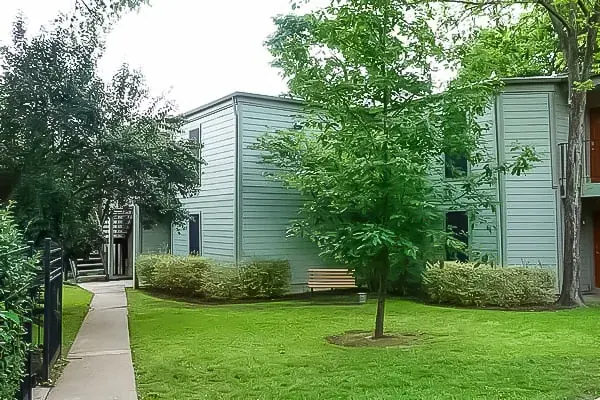
Inside Rustic Creek, our Austin flagship







Eudaimonia's Success Stories – Real People, Real Freedom
Help to stop drinking: building a safer plan
Many people search “how can i stop drinking alcohol” or “how to quit drinking alcohol.” A useful plan usually addresses both the body and the daily routine.
If you’re unsure about tapering vs. stopping all at once, review the dangers of quitting “cold turkey” before making a plan.
How to avoid drinking alcohol in high-risk moments
These steps are simple, but they often help:
- Identify triggers (stress, loneliness, paydays, certain people or places)
- Remove alcohol from the home when possible
- Plan an alternative for the hour you usually drink
- Use support: counseling, AA or other peer groups, and sober friends
- Track progress and adjust goals when needed
For a deeper look at what can spark urges and how people plan around them, read common relapse triggers to avoid.
If someone has strong physical dependence, a supervised detox may be needed. Severe withdrawal can be life-threatening, so it is safer to ask a doctor before stopping abruptly if heavy daily drinking is present.
How do you help an alcoholic?
It is common to feel torn between helping and feeling powerless. No one can force another person to change, but loved ones can reduce barriers to care and protect safety.
If you are searching for how to help someone stop drinking, how to help someone with a drinking problem, or how to help someone with alcoholism, the focus is usually the same: talk honestly, offer practical support, and connect the person to professional care when possible.
How to deal with an alcoholic day to day
Dealing with an alcoholic often means balancing compassion with limits. Try to focus on what you can control: your words, your safety, and your boundaries.
If you’re also navigating stress, conflict, or codependency dynamics at home, this resource on coping strategies for living with an addict may help you plan healthier boundaries.
How to help an alcoholic friend or family member
Here are approaches that are often recommended:
- Talk when the person is sober and the moment is calm.
- Use “I” statements, such as “I’m worried about your health.”
- Avoid arguing when the person has been drinking.
- Do not cover up consequences or make excuses for missed work or harm.
- Set clear boundaries around safety, money, and children.
- Get support for yourself, such as family support groups.
For more ideas on day-to-day support that doesn’t turn into enabling, read how to support family members recovering from alcoholism.
How to get an alcoholic help
“Help” can mean several levels of care. A primary care provider can screen for AUD, review health risks, and discuss medicine to help stop drinking. Treatment can also include therapy, intensive outpatient programs, or residential rehab.
If you are wondering how to get someone to stop drinking, aim for one step at a time: a medical visit, a counseling session, or a treatment call. Offering practical help (rides, childcare, help with insurance) can make it easier to accept care.
Recovery from alcoholism and rehab options
Recovery from alcoholism (or recovery from AUD) is often a long-term process. Many people reduce drinking or stop drinking, and some relapse. Relapse is usually treated as a sign that the plan needs to change, not as a personal failure.
Some people use outpatient care as part of recovery planning, and our intensive outpatient program (IOP) overview explains how that level of support typically works.
If you’re comparing step-down options, sober living with outpatient support is one common combination people use to stay structured while rebuilding daily routines.
Rehab for alcoholics
Rehab for alcoholics can be inpatient (residential) or outpatient. It may be considered when:
- Withdrawal risk is high or past withdrawal has been severe
- Drinking has caused major medical, legal, or safety problems
- The home setting is not stable for recovery
- Outpatient care has not been enough so far
If you’re deciding what comes after treatment, our page on what sober living is and how it works breaks down structure, expectations, and who it may fit.
When to get urgent help
Call emergency services right away if someone has seizures, confusion, hallucinations, severe shaking, chest pain, or trouble breathing after reducing or stopping alcohol. These can be signs of severe withdrawal or other medical emergencies.
For non-emergency treatment referrals in the United States, SAMHSA’s National Helpline (1-800-662-HELP) is available 24/7, and FindTreatment.gov can help locate services.
For U.S. treatment referrals, USA.gov lists the SAMHSA National Helpline and links to FindTreatment.gov (find help for substance abuse).
How Eudaimonia Recovery Homes Can Help to Stop Drinking
Eudaimonia Recovery Homes can support people looking into alcohol craving medication and next steps. It offers sober living homes that are alcohol- and drug-free. A stable place to live can make it easier to follow a care plan. Residents have house rules, shared routines, and peer support. The program includes regular alcohol and drug tests for added structure. Eudaimonia states that many Texas homes have staff on-site 24/7. They also note that residents can access clinical and outpatient services when needed. This can help someone stay connected to a doctor who prescribes medication to quit drinking. Family support may also be offered, which can help set clear limits at home.
Your Future Is Waiting
Tell us what you are looking for and admissions will walk you through the houses, the phases, and what a room actually costs.