
Published January 23, 2026 · Updated August 5, 2026
Key Takeaways
- When cravings usually calm downWhy the first week is often hardest and what improves in weeks and months.
- Why cravings happenHow reward learning, stress rebound, and habit loops drive urges.
- Withdrawal vs cravingsDetox signs and symptoms, alcohol withdrawal days, and safety red flags.
- Detox time vs craving timeA realistic timeline for detoxing and when cravings typically ease.
- Detox meds and withdrawal medsWhat medicine is used for alcohol withdrawal and why “best” depends on risk.
- Safe alcohol detox planningHow to avoid withdrawal from alcohol complications with screening and support.
- Ways to reduce cravingsSimple tools and routines that make cravings shorter and less intense.
- Support after detoxHow structure and sober living can help cravings fade faster.
On This Page · 32 Sections
Alcohol cravings can feel urgent, confusing, and exhausting. Many people expect cravings to disappear once detox is “over.” In reality, cravings usually fade in stages. The timeline depends on your drinking history, your nervous system, and what support you have in place.
If you are searching “when do alcohol cravings stop” or “alcohol cravings how long,” you are usually trying to answer two questions at once:
- How long does detoxing take, and what happens during alcohol withdrawal days?
- How long does it take to stop craving alcohol after your body is medically stable?
This guide explains both. It is general education, not personal medical advice. If you think withdrawal could be severe, seek medical care.
The short answer: when cravings usually calm down
For many people, cravings are strongest in the first week. That is when sleep is disrupted, anxiety is high, and the brain is searching for its old “off switch.” Cravings often start to feel more manageable after 2 to 4 weeks of consistent sobriety and routine.
How long before alcohol cravings stop completely? Some people reach a point where cravings are rare after a few months. Others still get occasional cravings for a year or longer, especially in high-stress situations or around strong triggers. In most cases, the pattern is the same: cravings become less frequent, less intense, and easier to ride out.
How long does it take to stop craving alcohol?
Many people notice that “background” cravings drop after the first month. But “cue cravings” can show up later. A cue craving is an urge linked to a place, time, emotion, or social pattern that used to predict drinking (for example: Friday nights, conflict, loneliness, or celebrations).
In other words, how long does it take to stop craving alcohol depends on two tracks: physical stabilization (days) and habit re-training (weeks to months).
What changes the timeline?
- How much and how often you drank, and for how many years
- Whether you had withdrawal symptoms in the past
- Co-occurring anxiety, depression, PTSD, or insomnia
- Stress level, sleep quality, and social environment
- Whether you use ongoing treatment, support groups, or alcohol craving medication
Why alcohol cravings happen in the first place
Cravings are not a moral failure. They are a learned brain-and-body response. With repeated drinking, alcohol becomes tied to relief, reward, and routine. When you stop, the nervous system has to recalibrate.
Three forces commonly drive cravings:
- Reward learning: alcohol trains the brain to expect quick relief or pleasure in certain situations.
- Stress rebound: heavy drinking can disrupt calming brain chemicals, so anxiety and agitation rise after quitting.
- Habit loops: triggers (stress) link to routines (drink) and rewards (numbness or escape).
It helps to name the kind of craving you are having:
- Physical cravings: restlessness, shakiness, stomach tension, or a “need” feeling in the body.
- Emotional cravings: “I can’t handle this,” “I deserve a drink,” or “I need to shut my brain off.”
- Social cravings: the pull to drink because of people, places, or events.
Skill practice matters because cravings tend to come in waves. If you want a step-by-step method, see our guide on urge surfing to beat cravings.
Alcohol withdrawal days vs cravings: detox signs, symptoms, and safety
Cravings are common during withdrawal, but they are not the same thing. Withdrawal is the body’s physical rebound after a dependent nervous system loses alcohol quickly. Cravings can continue after detox because the brain is still healing and learning new routines.
Alcohol withdrawal days: what many people experience
Alcohol withdrawal symptoms can begin within hours after the last drink. Symptoms often peak in the first few days. Many people feel physically safer after about 3 to 7 days, but sleep and mood can take longer to stabilize.
If you want a detailed breakdown, read How Long Do Alcohol Withdrawals Last? Detox Timeline.
Detox signs and symptoms
Detox for alcohol can include tremor, sweating, nausea, anxiety, irritability, insomnia, fast heart rate, and high blood pressure. Severe withdrawal can include confusion, hallucinations, and seizures.
Because symptoms can escalate quickly, a safe alcohol detox plan is often medical. MedlinePlus summarizes alcohol withdrawal signs, symptoms, and risks (Alcohol withdrawal).
Can you die if you stop drinking alcohol?
Yes. Alcohol withdrawal can be life-threatening for some people, especially after heavy daily drinking, a long drinking history, or past severe withdrawal. The risk comes from complications like seizures and delirium tremens. If you have had severe withdrawal before, do not try to “white-knuckle” detox for alcohol at home.
Can you have a heart attack from alcohol withdrawal?
Alcohol withdrawal can strain the cardiovascular system. Rapid heart rate, high blood pressure, dehydration, and electrolyte shifts can raise risk in vulnerable people. Chest pain, fainting, severe shortness of breath, or confusion are emergency warning signs.
When to get emergency help
If any of these are happening, treat it as urgent.
- Seizure, fainting, confusion, severe agitation, or hallucinations
- Uncontrolled vomiting, severe dehydration, or inability to keep fluids down
- Chest pain, severe shortness of breath, or blue lips/face
- Very high fever, severe shaking, or inability to stay awake
Eudaimonia's Success Stories – Real People, Real Freedom
How long does detoxing take, and when do cravings ease?
People often ask “how long does detoxing take” because they want a finish line. Detox is usually measured in days. Craving recovery is usually measured in weeks and months.
A practical cravings timeline (what “normal” can look like)
- Days 1–3: cravings can spike along with anxiety, poor sleep, and irritability.
- Days 4–7: physical symptoms may ease, but cravings can rise at “usual drinking times.”
- Weeks 2–4: many people feel steadier; cravings still happen, but they pass faster.
- Months 2–3: triggers become clearer; urges are often less intense with practice and support.
- Months 4–12: cravings often become less frequent; they may still show up in high-stress moments.
This is why “how long to stop craving alcohol” is not a single number. Cravings usually shrink over time, but they can reappear when you are tired, stressed, hungry, lonely, or in old routines.
Post-acute symptoms and “late cravings”
Some people notice a second wave of mood symptoms after the first week: low motivation, sleep problems, irritability, or anxiety. These “late” symptoms can make cravings feel stronger even when detox is technically done. The body is stable, but the brain is still rebalancing stress and reward systems.
How long does it take to recover from alcohol?
Recovery is not only physical. Sleep, mood, focus, and stress tolerance can improve over months. Many people notice major changes by 90 days, with continued gains across the first year. If cravings stay intense past the first month, that is often a sign you need more support, not that you are “doing it wrong.”
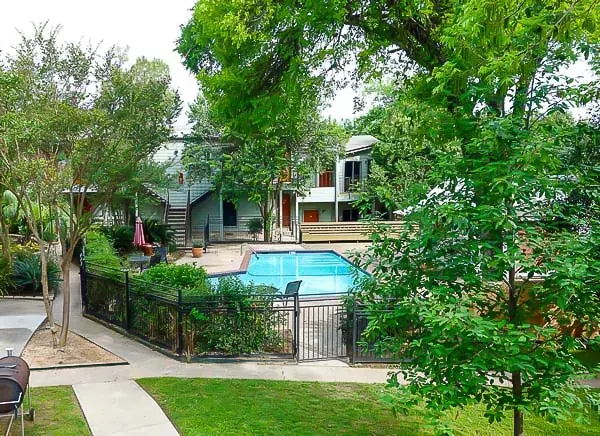
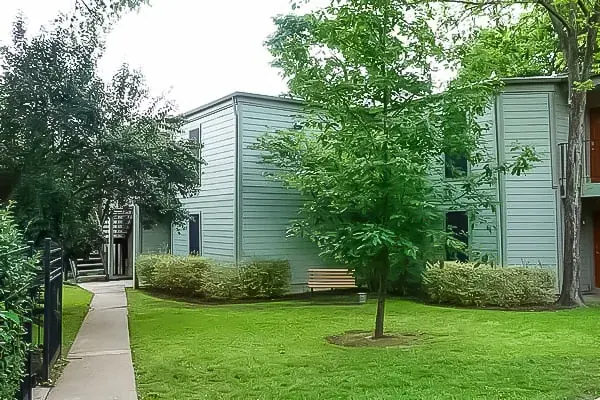
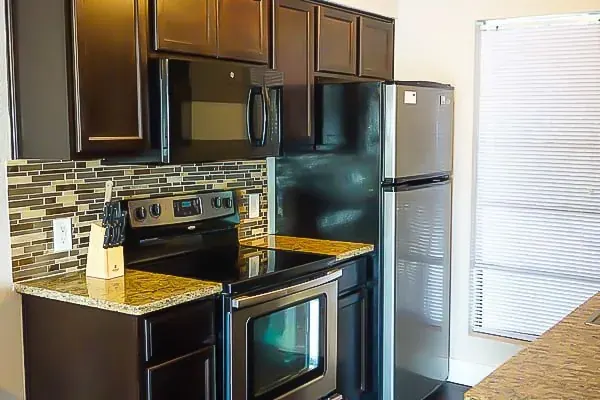
Inside Rustic Creek, our Austin flagship





Alcohol detox medication and drugs used to treat withdrawal
Search terms like “alcohol detox medication,” “drugs for detoxing from alcohol,” and “best alcohol withdrawal medication” usually mean: what will keep me safe and reduce symptoms. The answer depends on your medical risk, alcohol withdrawal days history, and overall health.
What medicine is used for alcohol withdrawal?
Clinicians use medications for alcohol withdrawal to calm the overactive nervous system, prevent seizures, and reduce dangerous spikes in blood pressure and heart rate. In monitored settings, benzodiazepines are commonly used. Vitamins (especially thiamine) and fluids may also be part of care, because heavy alcohol use can deplete nutrition.
Drugs used to treat alcohol withdrawal
Drugs used to treat alcohol withdrawal are chosen based on symptom severity and risk factors. You may also hear the phrase medications used for alcohol withdrawal. These are not “one-size-fits-all” prescriptions. A clinician adjusts the plan for age, liver health, other medications, and past withdrawal complications.
What drugs are used for alcohol detox and alcohol withdrawal?
What drugs are used for alcohol detox may include symptom-targeted medications for nausea, sleep, anxiety, or blood pressure in addition to primary withdrawal medication. What drugs are used for alcohol withdrawal is chosen to prevent severe complications like seizures and delirium tremens.
Alcohol craving medication after detox
Detox medications treat withdrawal. Alcohol craving medication is different. For some people, ongoing treatment includes FDA-approved medications that can reduce the urge to drink or support abstinence. NIAAA outlines treatment options, including counseling, support groups, and medications (Treatment for alcohol problems).
If you want a plain-language overview of options people ask about online, see our article on alcohol craving medication and getting help.
How to avoid withdrawal from alcohol and plan a safe detox
People ask “how to avoid withdrawal from alcohol” because withdrawal is scary. The safest approach is not guessing; it is assessing risk and getting medical guidance when needed.
Important reality: if your body is dependent, you cannot “avoid” withdrawal entirely. What you can do is lower risk by detoxing safely.
Who is higher risk for severe withdrawal?
- Daily heavy drinking or long-term heavy drinking
- Past withdrawal seizures, hallucinations, or delirium tremens
- Heart disease, uncontrolled high blood pressure, or serious medical illness
- Older age or limited support at home
- Mixing alcohol with sedatives or other drugs
What safe alcohol detox usually includes
- Assessment of your drinking pattern and health history
- Monitoring of symptoms, pulse, blood pressure, hydration, and sleep
- Medications for alcohol withdrawal when appropriate
- Nutrition support, including thiamine, and a plan for sleep and anxiety
If you are thinking about detox for alcohol, talk to a medical professional first, especially if you have ever had withdrawal symptoms. That is the safest way to prevent complications.
How long to stop craving alcohol: strategies that lower cravings
Cravings are usually time-limited. They rise, peak, and fall. The goal is to build a response plan for the 5 to 20 minutes when the urge is loud.
Use a simple “recognize, avoid, cope” plan
NIAAA’s Rethinking Drinking project offers a worksheet-based approach to handling cravings and triggers (How to stop alcohol cravings). The core idea is to notice patterns early and practice new responses until urges lose strength.
Quick tools for the moment a craving hits
- Delay: set a 10-minute timer and commit to not drinking until it ends.
- Change your state: shower, walk, stretch, or step outside for fresh air.
- Drink and eat: water plus a snack can reduce cravings driven by dehydration or low blood sugar.
- Text or call someone: cravings shrink faster when you are not alone.
- Move locations: leave the room where you usually drank and do a different activity.
How to overcome withdrawal symptoms of alcohol and reduce relapse risk
- Prioritize sleep: consistent wake time, low caffeine, and a dark, cool room.
- Eat regularly: protein and complex carbs help steady blood sugar swings.
- Build structure: plan evenings and weekends before cravings start.
- Remove cues: clear alcohol, bar tools, and “drinking spots” from your space.
- Get support: therapy, peer support, and daily check-ins reduce isolation.
If cravings feel constant, intrusive, or tied to depression or panic, that is a sign to reach out. Support and treatment can reduce cravings faster than time alone.
Support after detox: structure makes cravings easier
Cravings usually fade faster when your environment supports recovery. Structure reduces decision fatigue. Accountability makes it harder for cravings to turn into actions.
If you are stepping down from detox or treatment and want a stable place to rebuild routines, explore Eudaimonia’s sober living options.
If you want to talk through next steps and timing, you can reach our team here: contact Eudaimonia Recovery Homes.
Even if you are not sure what level of support you need yet, a conversation can help you plan safely. The right plan can shorten the time cravings control your day.
ow Eudaimonia Recovery Homes Supports You While Alcohol Cravings Fade
Eudaimonia Recovery Homes can help when you’re asking, “when do alcohol cravings stop,” because cravings often fade faster when your day-to-day environment supports sobriety instead of testing it. Their sober living homes provide structure, accountability, and a recovery-focused community: three things that reduce the “automatic” pull to drink when stress, boredom, or old routines hit.
Instead of trying to power through cravings alone, residents can lean on peer support, consistent house expectations, and routines that protect early recovery. That matters because cravings tend to spike at predictable times, like evenings, weekends, or after conflict, and having a stable plan can make those moments more manageable.
Eudaimonia’s model is especially helpful after detox, when withdrawal may be improving but triggers and habits can still drive urges. A sober living setting can also reduce exposure to alcohol cues, making it easier to practice coping skills until cravings become less frequent and less intense. For many people, the difference is not willpower, it’s having the right level of support while the brain and body recalibrate. If you’re unsure what kind of help you need, Eudaimonia can guide you toward a practical next step that matches your recovery goals and your current level of stability.
Your Future Is Waiting
Tell us what you are looking for and admissions will walk you through the houses, the phases, and what a room actually costs.