
Published September 10, 2019 · Updated August 5, 2026
Key Takeaways
- Why you might hate being sober: the brain, emotions, and routines are adjusting.
- When it’s urgent: some symptoms require immediate medical support.
- 5 ways to change how sobriety feels: treatment engagement, emotional work, and daily structure matter.
- Build a life you don’t want to escape: boredom and isolation are common relapse risks.
- Support options that make sobriety easier: sober living, peer support, and outpatient care.
On This Page · 14 Sections
It can be frustrating to quit alcohol or drugs and realize your first honest thought is, “man i hate being sober.” If that’s where you are, you’re not the only one. Hating sobriety doesn’t automatically mean you made the wrong choice or that recovery “isn’t for you.” It usually means something underneath the surface needs attention: your stress level, your support system, your mental health, your routines, or your expectations.
This article explains why do i hate being sober can feel like a real question (not just a mood), and it gives five practical ways to change the experience without pretending it’s easy. It is educational information, not medical advice. If you feel unsafe or think you may be experiencing withdrawal, seek professional help right away.
Why You Might Hate Being Sober
Hating being sober is often less about willpower and more about transition. Substances can become a fast way to manage stress, social pressure, uncomfortable feelings, or even boredom. When you remove that tool, your mind and body have to relearn how to regulate.
Here are a few common reasons people feel stuck in the “I hate being sober” mindset:
1) Your brain and body are recalibrating. If you used alcohol or drugs heavily, stopping can come with real physical and emotional discomfort. Some people experience withdrawal symptoms that range from mild to severe. If you have been drinking heavily, quitting suddenly can be dangerous, medical support may be needed.
2) Emotions you numbed can feel louder. Anxiety, sadness, grief, guilt, or trauma may surface more sharply when you’re sober. This is one reason people relapse: not because they “don’t care,” but because they don’t yet have enough tools for the emotional rebound.
3) Life can feel flat at first. Many people report low motivation or a lack of pleasure early on. That “gray” feeling can make sobriety feel pointless even when it’s protecting your health and relationships.
4) Your routines and identity may be changing. If your evenings, weekends, or friendships centered on substances, sobriety can feel like a social loss. That can create loneliness and the sense that you’re missing out.
5) Triggers don’t disappear just because you quit. Stress, certain places, specific people, or even celebrations can bring cravings back. If you want a deeper look at how triggers work, read common relapse triggers to avoid and consider building a plan before high-risk moments happen.
When Hating Sobriety Needs Urgent Help
Sometimes “I hate being sober” is emotional frustration. Other times it’s a warning sign that you need more support than you currently have.
Get urgent help now if any of the following are true:
- You think you may be experiencing severe withdrawal symptoms (confusion, hallucinations, seizures, chest pain, or feeling medically unstable).
- You have thoughts of harming yourself or you feel unable to stay safe.
- You are using again in a way that feels out of control.
If you are in immediate danger, call your local emergency number. In the U.S., you can also contact the 988 Suicide & Crisis Lifeline (call/text/chat) for immediate support. For treatment referrals and information, SAMHSA’s National Helpline is a free, confidential resource.
If your situation is not an emergency but you feel stuck, it may help to talk with a clinician, a sponsor, or a recovery professional. In many cases, the goal isn’t “force yourself to like sobriety.” The goal is to remove what’s making sobriety miserable.
Eudaimonia's Success Stories – Real People, Real Freedom
5 Ways to Change How Sobriety Feels
The five steps below keep the spirit of your original post, but add the “why” and the practical details people are searching for. You don’t have to do all of them at once. Choose one or two that feel realistic this week.
1) Fully engage in treatment (and don’t “white-knuckle” it)
If you’re in a program right now, the fastest way to stay miserable is to stay on the sidelines. Recovery tends to improve when you use the supports you have access to: therapy, groups, skills practice, accountability, and aftercare.
If you’re exploring next steps, you can learn more about structured support through an intensive outpatient program (IOP). If your biggest struggle is “What do I do with my time now?”, programs that support work, school, and service can also help, see the Support Employment Volunteering (SEV) Program.
2) Address personal issues, not just the substance
Many people discover that once they quit, they still have anxiety, depression symptoms, relationship stress, or unresolved pain. Substances may have been masking those issues, not causing all of them. That’s why counseling and mental health support can be essential.
If anxiety is a major driver for you, building a daily coping routine can make sobriety feel more doable. For practical ideas, explore 8 hobbies that can help reduce anxiety and test one hobby for two weeks before deciding it “doesn’t work.”
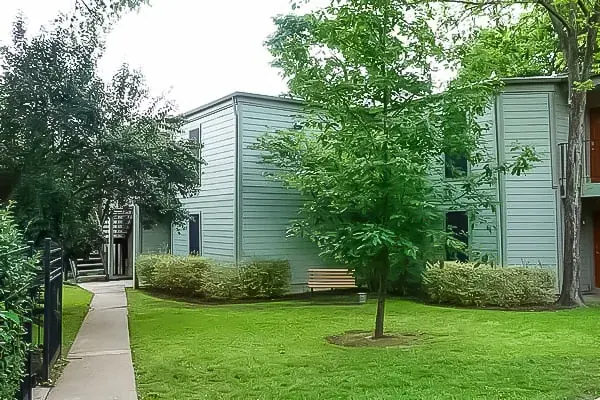
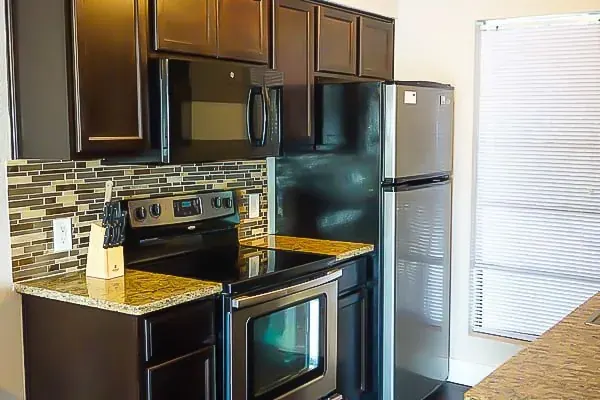
Inside Rustic Creek, our Austin flagship






3) Reframe what you’ve gained (without minimizing the loss)
Sobriety can include real loss: some friendships change, some social situations feel awkward, and you may grieve the “easy off switch” substances provided. A balanced reframe doesn’t deny that. It simply adds the other side of the equation.
Try a simple weekly check-in: write down (a) what sobriety has cost you this week and (b) what sobriety protected or gave you this week. If you want a skills-based way to strengthen confidence over time, read how to improve self-efficacy in addiction recovery.
4) Get social on purpose (isolation makes sobriety feel worse)
Isolation is a common relapse risk because it increases stress and removes accountability. Even if you don’t feel like being around people, a small amount of consistent connection can change your week.
If you do well with peer accountability, consider structured recovery support. Eudaimonia offers a peer recovery support program (MAP), and you can also learn why community support matters by reading the importance of recovery support at a sober living home.
5) Keep an open mind and treat sobriety like an experiment
People often expect sobriety to feel instantly better. But early recovery can be uncomfortable while your body and routines adjust. A more useful approach is to run small experiments: “If I do X for 10 days, does Y improve?”
Examples: 20-minute walks after dinner, a consistent sleep window, two recovery meetings per week, or one new sober activity each weekend. If social events feel like a trigger, consider “replacement rituals” that still feel celebratory, ideas like good mocktails for sober events can help some people stay social without feeling left out.
Build a Life You Don’t Want to Escape
One reason people say “I hate being sober” is that sobriety reveals a life that needs rebuilding. That sounds heavy, but it’s also actionable. When your days have structure and meaning, cravings often become easier to manage.
Start with three pillars:
Structure: A predictable routine reduces decision fatigue. This matters because cravings often hit when you’re tired, hungry, stressed, or bored.
Connection: Put two recurring check-ins on your calendar each week (a meeting, a friend, a family member, a group). Consistency matters more than intensity.
Enjoyment: If substances were your main “fun,” you may need to relearn enjoyment. That can include exercise, music, cooking, learning, volunteering, or low-pressure social activities. Enjoyment is not a luxury in recovery; it’s part of relapse prevention.
If relapse has been a repeating cycle, it can help to learn the warning signs early. Review top signs of relapse and build a plan for what you will do when those signs show up (who you call, where you go, what you change that day).
Support Options That Can Make Sobriety Easier
If you are doing the “right things” and still feel miserable, you may benefit from more structure, not more self-criticism. Support options exist on a spectrum, and the best fit depends on your history, your environment, and your current risk level.
Sober living: A recovery-focused living environment can reduce exposure to triggers and increase accountability. Learn about the program here: sober living homes. If you’re considering moving in, review things to know about sober living homes before moving in.
Accountability systems: Some people do best with clear expectations and routine check-ins. Eudaimonia’s alcohol and drug screening program is one example of structured accountability in sober living.
Step-down structure: If you’re rebuilding independence, a phased approach can help. See the three-phase program for a gradual transition model.
Outpatient support: If you need therapy, groups, and skills training while living at home, consider an intensive outpatient program (IOP).
If you want to talk through options, you can contact Eudaimonia Recovery Homes for information about sober living and recovery support services.
Your Future Is Waiting
Tell us what you are looking for and admissions will walk you through the houses, the phases, and what a room actually costs.