

Published February 1, 2026
Key Takeaways
- What makes a mocktail “good” in recovery?Use a checklist to balance flavor, triggers, and ingredient transparency.
- Build a mocktail menu that works for groupsKeep options simple, batch consistently, and set up an easy station.
- Good mocktail recipes and a list of common virgin drinksTry 12 crowd-friendly recipes, from famous mocktails to crisp “house” drinks.
- How to make mocktail drinks taste like more than juiceFollow a 5-step method to add structure, aroma, and better balance.
- Non alcoholic cocktails to order at a barUse a short script and pick popular mocktails that most bars can make.
- Make mocktails part of a bigger recovery planPair social tools with relapse prevention skills and support services.
On This Page · 25 Sections
A mocktail is a mixed beverage that delivers the flavor, texture, and ritual of a cocktail, without alcohol. For many people in recovery, good mocktails make birthdays, holidays, and dinners feel social again while protecting sobriety.
This guide focuses on good mocktails for real life: beverages you can serve at a sober living gathering, bring to a family celebration, or order calmly when you are out. You will get a practical mocktail menu framework, plus mocktail drink recipes that taste balanced instead of syrupy.
If you are rebuilding your health, it can help to remember why you chose sobriety. The CDC summarizes how alcohol use can increase health risks, including several cancers. CDC: Alcohol use and your health.
What makes a mocktail “good” in recovery?
“Good” is not only about taste. In recovery, the best mocktails support your goals, respect triggers, and match the setting, because a beautiful beverage can still feel risky if it recreates old routines too closely.
That “too close” feeling is common because the brain links taste, smell, and environment with prior use. Those sensory cues can produce a conditioned response, even when a beverage is alcohol-free.
Use this checklist when choosing alcohol free mocktails for yourself or a group:
- Truly alcohol-free: Ask what is in the glass, and avoid “secret splashes.” For packaged products, labeling can be confusing. The Alcohol and Tobacco Tax and Trade Bureau explains when “non-alcoholic” may be used on malt beverage labels and why some products still state “contains less than 0.5% alcohol by volume.” TTB labeling guidance.
- Balanced flavor profile: Good mocktail recipes rely on contrast: citrus for brightness, a measured sweetener for roundness, and carbonation or crushed ice for structure.
- Trigger-aware presentation: Some people prefer beverages that do not smell or look like alcohol. Others enjoy “classic” styles. The safest option is the one that supports your individualized plan.
- Fits your environment: Many sober homes are substance-free by design, and they may set boundaries around anything that feels alcohol-adjacent. If you live in structured housing, review expectations and keep choices straightforward. Sober living community rules can help you plan.
Build a mocktail menu that works for groups
A strong mocktail menu is compact, clear, and repeatable, especially in recovery-focused spaces. You do not need 15 options; for most gatherings, three to five beverages is enough, particularly when water and coffee are available.
Use this “menu mix” to cover different preferences without turning hosting into a project:
- One bubbly option for celebration (citrus + carbonated water).
- One herbal option for freshness (mint, basil, rosemary, or cucumber).
- One fruit-forward option that stays crisp (use citrus to cut sweetness).
- One comfort option for evening (warm spice, creamy texture, or decaffeinated tea).
Cocktail and mocktail drinks use the same building blocks. The difference is that mocktail drinks need extra layering to replace the “bite” alcohol brings, so aromatics, spices, and acidity matter more than extra sugar.
If you want easy mocktail drinks, start with one base, one citrus, and one bubbly mixer, then add an herb garnish for aroma.
A quick mocktail station checklist
- One clear sign: “Alcohol-free mocktails,” so guests do not have to explain.
- Two kinds of ice: cubes for sipping and crushed ice for blended beverages.
- Acid options: lemons and limes, plus a small bottle of 100% juice.
- Flavor layers: mint, rosemary, sliced cucumber, and a cinnamon shaker.
- Low-sugar mixers: sparkling water, unsweetened tea, and ginger beer.
- Labels: note caffeine, allergens, and any “0.0%” products.
Batching math that stays consistent
If you want good mocktails for a crowd, consistency matters more than novelty. Use this simple ratio as a starting point, then adjust to taste:
- 4 parts base (tea, juice, or a chilled fruit blend)
- 1 part acid (lemon or lime)
- 1/2 part sweetener (simple syrup, honey, or maple)
- Top with bubbles right before serving to preserve carbonation
Mix the base, acid, and sweetener in advance, then keep the concentrate refrigerated. Add sparkling water at the end so the beverage stays lively instead of going flat.
For readers building longer-term stability, a structured living environment can matter as much as the drink choice. A sober living house can add accountability and peer support while you rebuild daily habits. This guide explains how sober living houses work and what to look for.
Eudaimonia's Success Stories – Real People, Real Freedom
Good mocktail recipes and a list of common virgin drinks
Below is a practical list of virgin drinks you can serve at home or request when you are out. Some are famous mocktails, and others are simple “house” beverages that feel special with the right garnish.
These mocktail ideas are written as single servings. For a batch mocktail for a party, multiply ingredients, chill the base, and adjust sweetness right before serving.
1) Mint-Lime Sparkler (Virgin Mojito style)
- 6–8 fresh mint leaves
- Freshly squeezed juice from 1/2 lime
- 1–2 teaspoons simple syrup or honey
- Ice
- Carbonated water
- Gently muddle mint with lime juice and sweetener, then add ice and carbonated water for a bright, aromatic finish.
- Garnish with a mint sprig and lime wheel, then sip slowly and notice the cooling sensation.
This is one of the most popular mocktails because it is refreshing, widely available, and easy to reorder.
2) Ginger-Citrus Fizz
- Approximately 3/4 cup ginger beer (check the label)
- Freshly squeezed juice from 1/2 lime
- 2 orange slices
- Ice
- Fill a glass with ice, add lime juice, and pour in ginger beer, then stir gently to keep the carbonation.
- Add orange slices for aroma, because citrus oils make the beverage taste more complex.
When people ask for fun mocktails, ginger is a great answer because it adds heat without alcohol.
3) Cucumber-Mint Cooler
- 4 cucumber slices
- Freshly squeezed juice from 1/2 lime
- 1 teaspoon simple syrup
- Ice
- Carbonated water
- Muddle cucumber with lime juice and syrup, then add ice and top with carbonated water for a crisp, spa-like profile.
- Stir briefly and garnish with cucumber, especially if you want a cleaner, less sugary finish.
4) Pomegranate Rosemary Spritz
- 1/4 cup pomegranate juice
- Freshly squeezed juice from 1/2 lemon
- 1 teaspoon maple syrup
- Ice
- Carbonated water
- 1 rosemary sprig
- Add pomegranate juice, lemon juice, and maple syrup over ice, then top with carbonated water and stir lightly.
- Clap the rosemary between your hands to release aroma, then add it as garnish for an herbal finish.
5) Light Piña Colada Mocktail
- 1/2 cup pineapple juice
- 1/4 cup coconut milk
- 1/2 cup crushed ice
- Pinch of salt
- Blend pineapple juice, coconut milk, crushed ice, and salt until smooth, then pour immediately so the texture stays creamy.
- Serve with a pineapple wedge if you want a classic presentation without extra sweetness.
This is a classic in the category of common mocktails, but the salt keeps it from tasting like candy.
6) Virgin Mary (savory mocktail)
- 3/4 cup tomato juice
- 1 tablespoon lemon juice
- Dash of hot sauce
- Pinch of celery salt
- Ice
- Stir tomato juice, lemon juice, hot sauce, and celery salt with ice, then taste and adjust seasoning for a savory profile.
- Garnish with lemon and sip slowly, because savory beverages can feel grounding when sweets are unappealing.
Savory mocktail drinks can work well for people who want less sweetness and more bite.
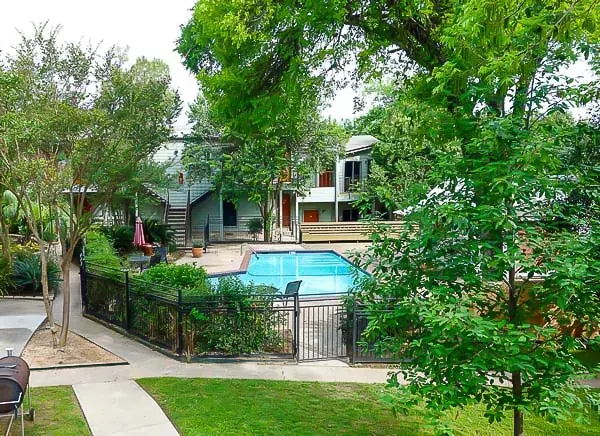
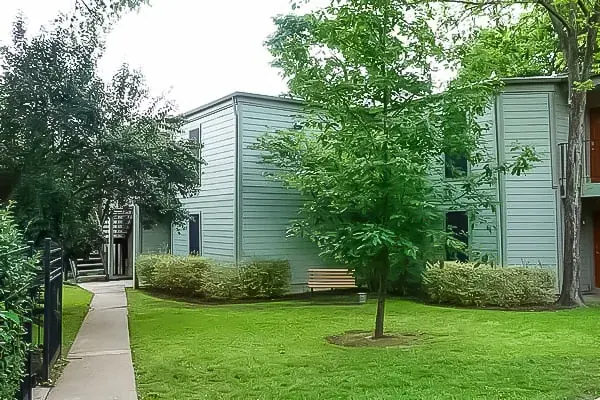
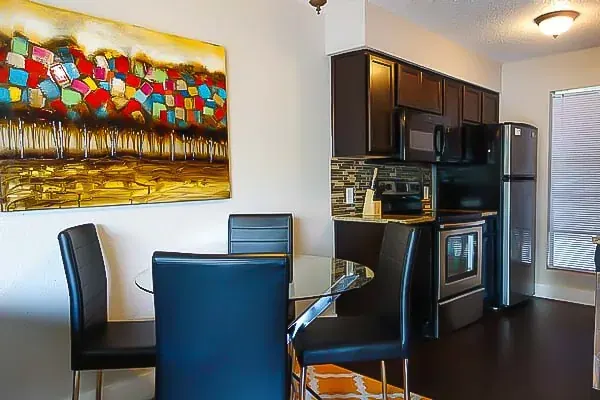
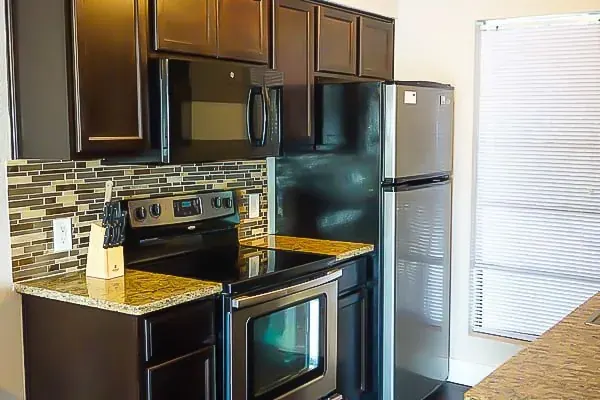
Inside Rustic Creek, our Austin flagship




7) Arnold Palmer with a citrus twist
- 1/2 cup iced black tea or decaffeinated tea
- 1/2 cup lemonade
- Ice
- Combine tea and lemonade over ice, then stir until the beverage tastes balanced rather than sharply sour.
- Finish with a lemon peel twist to add aroma without adding more sugar.
8) Blackberry-Sage Iced Tea
- 1/2 cup brewed tea, chilled
- 1/4 cup blackberries
- 1 teaspoon honey
- 2 sage leaves
- Ice
- Muddle blackberries with honey, add ice, pour in chilled tea, and stir until the color and sweetness distribute evenly.
- Rub sage on the rim, then add leaves to the glass, because the aroma changes the entire flavor perception.
9) Grapefruit “Paloma” mocktail
- 1/2 cup grapefruit juice
- Freshly squeezed juice from 1/2 lime
- 1 teaspoon agave or simple syrup
- Carbonated water
- Ice
- Combine grapefruit juice, lime juice, and sweetener over ice, then top with carbonated water and stir once.
- Add a salted rim if you like, because salt can soften bitterness and sharpen citrus.
10) Orange Cream Soda
- 1/4 cup orange juice
- 1/2 teaspoon vanilla syrup (avoid alcohol-based extracts)
- Carbonated water
- Ice
- Add orange juice and vanilla syrup over ice, then top with carbonated water and stir gently to keep the bubbles.
- Garnish with an orange wheel and serve immediately for a nostalgic, dessert-like option.
11) Watermelon-Lime Agua Fresca
- 1 cup seedless watermelon, blended
- Freshly squeezed juice from 1/2 lime
- Pinch of salt
- Ice
- Blend watermelon until smooth, stir in lime juice and salt, then chill briefly so the flavor tastes cleaner.
- Serve over ice and add carbonated water if you want extra lift and a lighter mouthfeel.
12) Cozy Cinnamon-Apple Cooler
- 3/4 cup apple cider or apple juice
- Freshly squeezed juice from 1/2 lemon
- Pinch of cinnamon
- Ice (or serve warm without ice)
- Stir apple cider with lemon juice and cinnamon, then taste and adjust with more lemon if it feels too sweet.
- Serve over ice, or warm it gently on the stove, for a comforting option during colder seasons.
Warm options are helpful for winter gatherings and can reduce the urge to sip quickly.
If you want a fast list of “always available” orders, these are common virgin drinks in many restaurants: soda water with citrus, ginger beer with lime, iced tea with lemon, or juice topped with carbonated water.
How to make mocktail drinks taste like more than juice
If you have tried mocktail recipes that taste flat, the fix is usually structure. This is the easiest way to learn how to make mocktail drink options that feel intentional, even when the ingredient list is short.
In practice, good mocktail recipes become great mocktail recipes when you add aroma, texture, and a little acidity.
The best mocktail recipes usually use the same five-step method, which is also the simplest way to learn how to prepare mocktail drinks at home:
- Pick a base: tea, juice, coconut water, or flavored seltzer.
- Add acid: lemon or lime juice makes flavors pop.
- Add gentle sweetness: a teaspoon of syrup is often enough.
- Add texture: crushed ice, bubbles, or a quick shake adds body.
- Add aroma: herbs, citrus peel, or spice changes the whole drink.
A small detail can do big work. For example, a pinch of salt can reduce bitterness and make fruit taste brighter. If sugar swings affect your mood, use carbonated water to stretch juice and keep the beverage lighter.
To upgrade presentation without complicating the process, freeze citrus wheels or berries into ice cubes. That adds color and slower dilution, which keeps flavor concentration steadier over time.
When you are building mocktail drink recipes for a group, label ingredients clearly. That matters for allergies, caffeine, and recovery preferences, especially in shared spaces.
Non alcoholic cocktails to order at a bar
Choosing non alcoholic cocktails to order at a bar can feel awkward at first, especially if you are used to “just getting a drink.” A simple script helps, and it also makes your request easier for a busy bartender to execute.
- “Can you make something alcohol-free, not too sweet, with citrus and herbs?”
- “Please make it with no bitters and no alcohol-based ingredients.”
- “Sparkling water with lime is perfect if the bar is busy.”
These are popular mocktails most bars can make with basic ingredients:
- Soda water + lime (add a splash of cranberry or grapefruit if you want color).
- Virgin mojito (mint, lime, soda, simple syrup).
- Virgin mule (ginger beer, lime, ice).
- Arnold Palmer (iced tea + lemonade).
- Virgin Mary (tomato juice, lemon, spice).
If you want cocktail-like complexity without imitation, ask for a citrus-and-herb spritz served in a rocks glass. That phrasing keeps the request simple and reduces the chance of alcohol-based modifiers.
If you are early in sobriety, the location matters as much as the beverage. Some people find bars triggering, even with a mocktail in hand. If that is you, choose restaurants with food, bring a supportive friend, and plan an exit.
Make mocktails part of a bigger recovery plan
Mocktails are not a treatment tool by themselves. They are a social support tool, meant to replace the ritual without restarting the craving cycle.
If you are building new routines, daily coping skills still matter. These relapse prevention tips can help you plan for stress, cravings, and high-risk situations, including parties and holidays.
If you need more structure than “willpower,” support levels like sober living and intensive outpatient care can create stability. Eudaimonia’s intensive outpatient program is one option for therapy and accountability while you live at home or in a sober environment.
For additional peer support, the MAP PRSS support program can help you stay engaged between appointments and strengthen follow-through.
If you or someone you love needs immediate help finding treatment resources, SAMHSA’s National Helpline is a free and confidential option in the United States. SAMHSA’s National Helpline can connect you to information and referrals.
Whether you are building a mocktail menu for a sober home cookout or learning how to make a mocktail drink after work, keep the focus on what you are protecting: your health, your relationships, and your future.
How Eudaimonia Recovery Homes Supports Good Mocktails for Sober Events
Good mocktails can make sober events feel welcoming, social, and celebratory without putting recovery at risk. Eudaimonia Recovery Homes helps residents build the daily structure and supportive community that makes alcohol-free choices easier to stick with, even in high-pressure settings. In a sober living environment, you can practice real-world skills like planning ahead for gatherings, bringing a favorite alcohol free mocktail, and setting clear boundaries when people are drinking around you. Peer support also helps you spot triggers early, so you can choose mocktail drinks that feel safe for you rather than recreating old patterns.
With consistent routines, accountability, and recovery-focused guidance, residents can learn how to enjoy a mocktail menu without feeling deprived or left out. Eudaimonia’s supportive setting reinforces relapse-prevention habits, like checking in with others, eating regularly, staying hydrated, and leaving situations that don’t feel stable. Over time, the goal is bigger than just finding good mocktails: it’s building a lifestyle where celebrations, connection, and confidence don’t depend on alcohol. If you’re looking for a recovery environment that supports practical, sustainable sobriety in everyday moments, Eudaimonia Recovery Homes can help you strengthen the foundation that keeps you moving forward.
Your Future Is Waiting
Tell us what you are looking for and admissions will walk you through the houses, the phases, and what a room actually costs.