
Published January 17, 2023 · Updated March 11, 2026
Key Takeaways
- What sober living houses are and how they work
- How sober living homes support addiction recovery
- Common rules in sober living housing
- Typical length of stay in sober living
- Average costs of sober living homes
- How to choose the best sober living house
- Benefits of sober living housing
- Differences between sober living homes and halfway houses
- Who should consider sober living homes
On This Page · 19 Sections
Sober living houses play an important role in the recovery journey for many people leaving addiction treatment. These homes provide a structured, substance-free environment that helps residents transition from rehab back into everyday life.
However, not all sober living houses offer the same experience. Choosing the right sober living home can influence accountability, stability, and long-term recovery success. Understanding what sober living housing provides and what to look for in a program can help you make an informed decision.
This guide explains what sober living houses are, how they work, and the most important factors to consider when choosing the best sober living home for your needs.
What Are Sober Living Houses?
Sober living houses are structured residences designed for people recovering from drug or alcohol addiction. These homes offer a safe environment where residents commit to living free from substances while continuing their recovery.
Unlike inpatient treatment centers, sober living homes allow individuals to maintain more independence. Residents typically work, attend school, or participate in outpatient treatment while living in the home.
Most sober living houses include shared living spaces, house meetings, and expectations for personal responsibility. These environments encourage accountability and community support during early recovery.
How Sober Living Homes Support Recovery
Transitioning from treatment back into everyday life can be challenging. Sober living homes help bridge that gap by providing structure and peer support.
Residents often benefit from:
- A substance-free living environment
- Peer support from others in recovery
- Accountability through house rules
- Access to recovery meetings and outpatient programs
- A gradual transition back to independent living
For many individuals, sober living housing offers stability during a critical stage of recovery.
Common Rules in Sober Living Houses
Most sober living houses follow guidelines designed to promote accountability and safety. While specific rules vary between homes, many share similar expectations.
Typical sober living rules may include:
- Maintaining sobriety at all times
- Participating in recovery meetings
- Following curfews
- Completing regular drug testing
- Contributing to house responsibilities
These guidelines help residents maintain structure and develop healthy routines.
Eudaimonia's Success Stories – Real People, Real Freedom
How Long Can Someone Stay in Sober Living?
The length of stay in sober living homes can vary depending on individual recovery goals. Some residents stay for a few months, while others remain longer as they build stability in their personal and professional lives.
Many recovery professionals recommend at least 90 days in sober living housing following treatment. However, longer stays can provide additional support while individuals strengthen coping skills and recovery habits.
How Much Do Sober Living Houses Cost?
The cost of sober living homes depends on location, amenities, and the type of housing offered. Monthly costs typically range from a few hundred dollars to several thousand dollars.
Expenses often include rent, utilities, and shared household costs. Some homes also provide additional services such as recovery coaching, transportation, or case management.
Before choosing a sober living home, it is helpful to understand the full cost structure and what services are included.
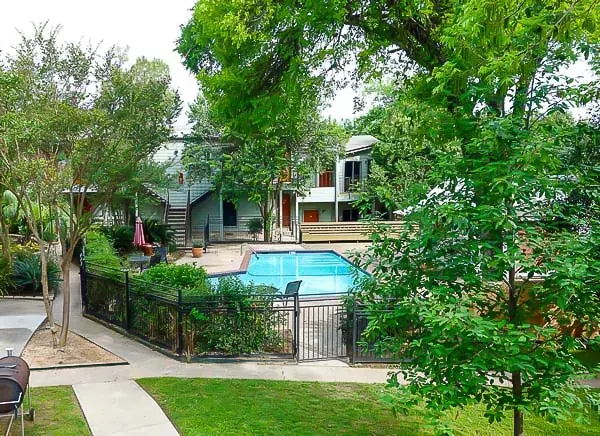
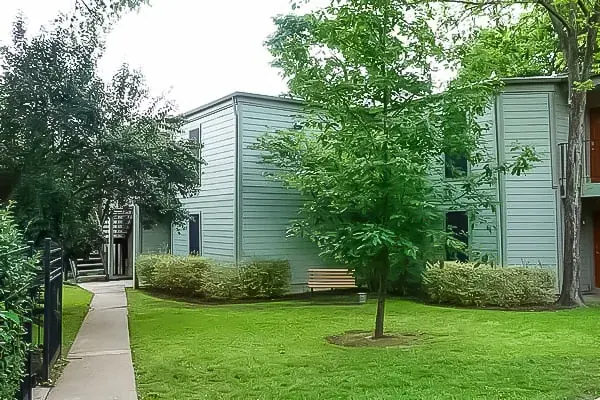
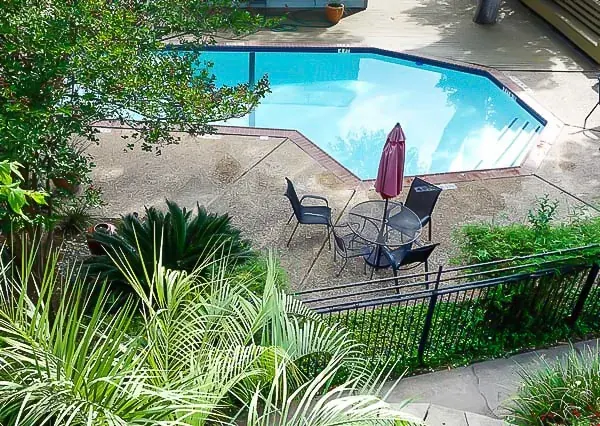
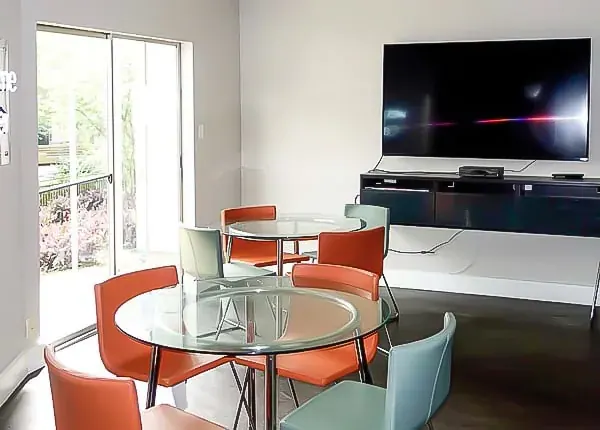
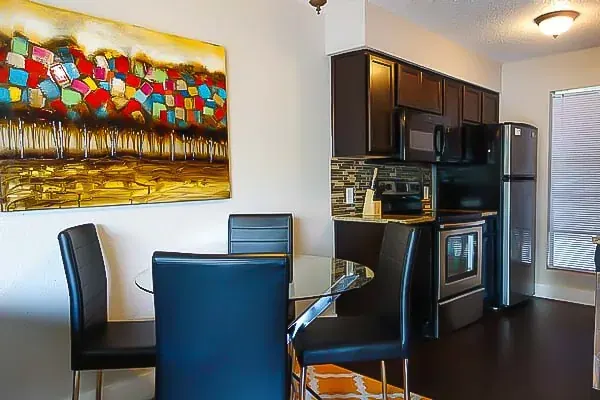
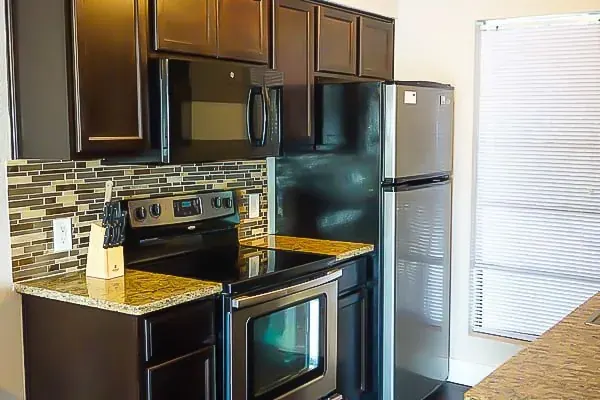
Inside Rustic Creek, our Austin flagship


How to Choose the Best Sober Living Home
Finding the right sober living house involves evaluating several important factors. Not every environment will provide the same level of structure, support, or community.
Look for Structured Programs
Homes that provide clear expectations, recovery meetings, and accountability systems tend to offer stronger recovery support.
Evaluate the Living Environment
A supportive and respectful environment is important. Residents should feel safe, motivated, and encouraged to maintain sobriety.
Ask About Recovery Support
Some sober living homes coordinate with outpatient treatment programs, therapy services, or recovery groups.
Review House Rules
Clear house rules help maintain a consistent recovery environment.
Consider Location
Location can influence access to work, school, treatment services, and recovery meetings.
Benefits of Sober Living Housing
Sober living homes provide several advantages for individuals transitioning from treatment into independent living.
Benefits may include improved stability, peer support, and accountability. Living with others who share similar recovery goals can create an environment where residents support each other through challenges and milestones.
These homes also encourage responsibility and independence, helping individuals rebuild daily routines that support long-term recovery.
Sober Living Homes vs Halfway Houses
Sober living houses are sometimes confused with halfway houses, but the two serve different purposes.
Halfway houses are often government-run or court-mandated programs for individuals leaving incarceration. Sober living homes are typically privately operated residences that focus specifically on addiction recovery.
While both offer structured environments, sober living homes often provide more flexibility and recovery-focused support.
Who Should Consider Sober Living?
Sober living houses can benefit individuals who have recently completed detox or inpatient treatment. They can also support people participating in outpatient programs who want a structured recovery environment.
Individuals who feel uncertain about returning directly to their previous living situation may find sober living housing especially helpful.
Finding the Right Recovery Environment
The best sober living houses create environments where individuals can rebuild routines, strengthen recovery skills, and develop supportive relationships.
Choosing a sober living home involves evaluating structure, accountability, location, and community. Taking time to research options can help individuals find a supportive setting that aligns with their recovery goals.
Your Future Is Waiting
Tell us what you are looking for and admissions will walk you through the houses, the phases, and what a room actually costs.