
Published April 12, 2018 · Updated February 27, 2026
Key Takeaways
- Know what sober living is (and isn’t)
- Expect house rules, structure, and accountability
- Plan for rent, deposits, and monthly expenses
- Prepare for shared living with sober roommates
- Understand drug testing and relapse policies
- Keep outside recovery supports in place
- Confirm policies on pets, visitors, and belongings
- Use a checklist to compare homes in any city
- Use a move-in checklist to reduce surprises
- Get quick answers in the FAQ
Important: This article is for general education and does not replace professional medical or legal advice. If you need help finding treatment or support resources, you can contact SAMHSA’s National Helpline.
On This Page · 17 Sections
Moving into a sober living home is a practical step: you get a substance-free place to live while you rebuild routines like work, school, relationships, and day-to-day responsibility.
This guide explains what to expect before You move in: rules, costs, roommates, accountability, and the questions that help you compare homes.
1) Sober living homes aren’t treatment centers
A sober living home (sometimes called a sober living house, sober house, recovery residence, or transitional housing) is a substance-free place to live with other people who are also committed to recovery. The goal is stability: a safe place to sleep, clear expectations, and a peer environment that supports sobriety.
What sober living typically does not provide is 24/7 medical care like an inpatient rehab. Many residents attend outpatient treatment, therapy, or recovery meetings while they live in sober housing. If you’re still sorting out definitions, start here: Sober House: Everything You Need To Know.
Homes can vary widely, so it helps to ask what level of support they offer. The National Association of Recovery Residences (NARR) describes “levels of support” based on staffing and services. If you want to see how sober living houses are described in research literature, an open-access overview is available on PubMed Central.
2) Expect house rules, structure, and accountability
Most sober living homes keep the environment stable by using house rules. Rules vary by location and provider, but they often cover curfew, chores, meeting attendance, visitor policies, and prohibited items (including alcohol and drugs).
If you want to preview the types of expectations many programs use, review: Sober Living Community Rules and Expectations. For family members and friends, this guide on visiting someone in a sober living home can help set realistic expectations around visits.
Tip: ask how rules are enforced
Two homes can have similar rules but very different follow-through. Ask who enforces rules (house manager vs. staff), how issues are documented, and what happens after a rule violation.
3) Sober living residents pay rent
Sober living isn’t usually free. In most homes, residents pay rent (often monthly), plus a deposit and sometimes program fees. Costs vary by city, room type (shared vs. private), and how much staffing and programming is included.
Before you commit, ask for a written breakdown of move-in costs, what rent includes (utilities, Wi‑Fi, furnishings, supplies), refund policies, and notice requirements. Insurance often covers clinical services (like outpatient treatment) more readily than housing itself, so it’s important to understand what is and isn’t included.
If cost is a major factor, this internal guide provides a helpful starting point: Pros and Cons of Sober Living Homes (including cost factors).
4) You’ll live with sober roommates
Many people search for “sober roommates” because living with peers who understand recovery can reduce isolation and support healthier routines. In sober living, roommates aren’t only a housing arrangement, they’re part of the accountability system.
Shared living also means shared responsibility and occasional conflict. A well-run home sets expectations for respect, cleanliness, and communication, and has a clear process for addressing issues like chores, boundaries, and safety.
If you’re trying to understand how sober living compares to finding sober roommates on your own, this article may help: How to Find Sober Roommates.
5) Drug testing and relapse policies are common
Many sober living houses use drug and alcohol testing as part of accountability. Testing policies vary, but random testing is common. The goal is to protect the living environment and respond quickly if someone is struggling.
Before you move in, ask how often testing happens, what happens after a positive test, how prescription medications are verified, and how privacy is protected. For a detailed overview of what screening can look like in sober living, see: Alcohol & Drug Screening in Sober Living.
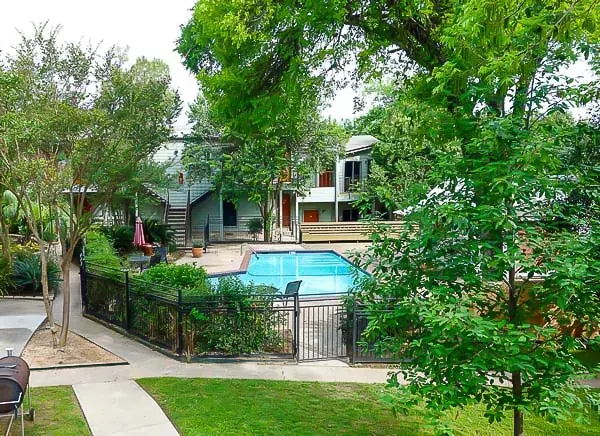
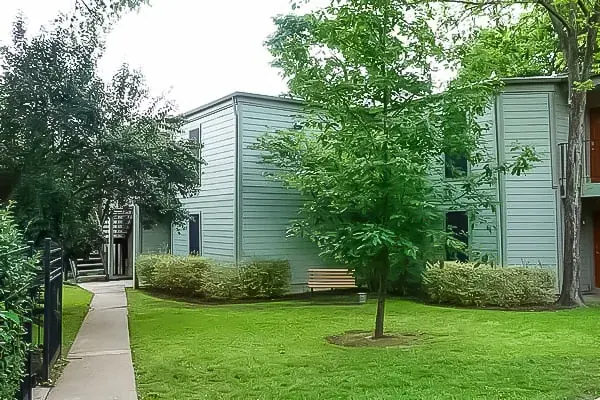
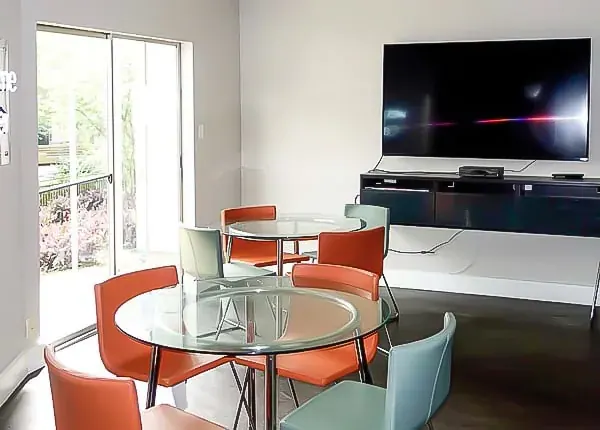
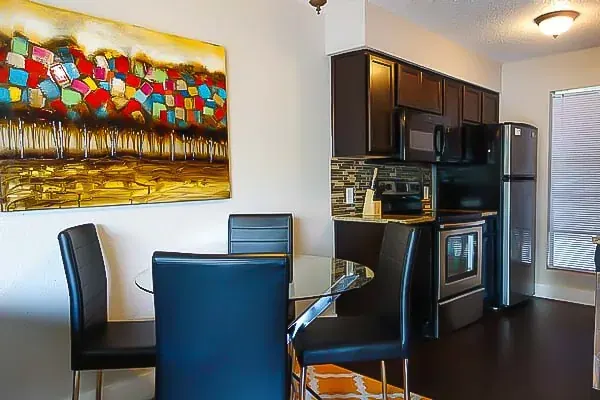
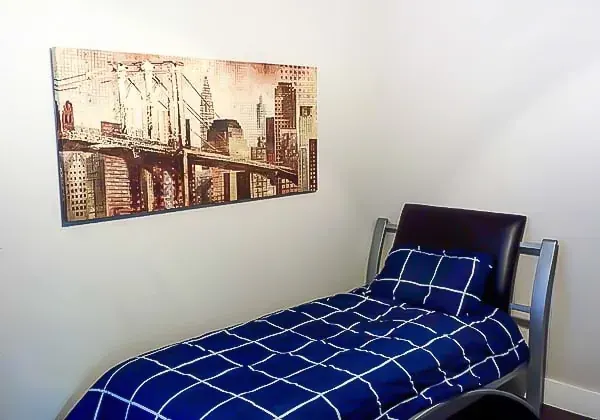
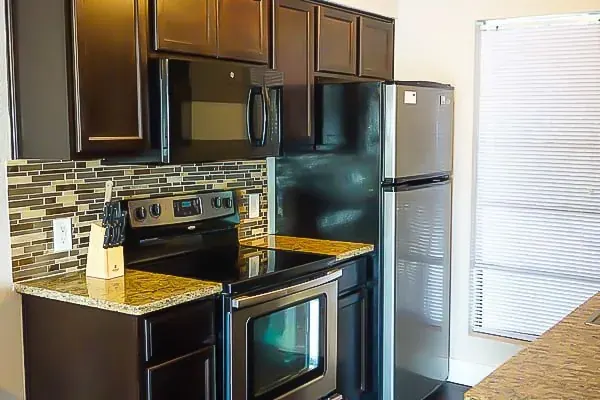
Inside Rustic Creek, our Austin flagship


Eudaimonia's Success Stories – Real People, Real Freedom
6) Recovery support usually continues outside the house
Sober living can provide a stable base, but most residents also rely on outside supports: often a mix of outpatient counseling (or IOP), recovery meetings, peer support, and help rebuilding work or school routines.
If you’re early in recovery and thinking about triggers, this overview may be useful: Common Relapse Triggers to Avoid.
7) Policies on pets, visitors, and belongings vary by home
Sober living houses are shared environments, so policies matter. Two areas that often surprise new residents are visitor rules and pet policies.
Visitors: Many homes allow visitors but require approval, limit visiting hours, and restrict guests to common areas. Overnight guests are often not allowed.
Pets: Some homes are pet-friendly, others are not, and many have restrictions based on size, breed, temperament, or number of animals. If a pet is part of your stability plan, confirm requirements early: Pet-Friendly Sober Living.
Belongings: Most homes allow personal items, but may restrict alcohol-containing products, certain electronics, and anything that creates safety risks. Always ask for a “what not to bring” list.
How to choose a sober living home in your area
This step has the biggest impact on your experience. A sober living home can be supportive and stable, or stressful and unsafe, depending on how it’s run. Use a comparison checklist, even if you’re searching in different cities.
For example, you might be searching for sober living Philadelphia, comparing a sober house Providence RI option, or looking up sober living Loveland in Colorado. The city changes, but the evaluation questions stay mostly the same.
Start with this internal checklist: How to Choose a Sober Living Home.
Questions to ask on a call or tour
- Can I get the house rules in writing?
- How do you handle curfew, chores, and conflict between residents?
- What is the drug testing policy, and what happens after a positive test?
- What supports are available (house manager, peer support, outpatient referrals)?
- What does rent include, and what extra costs should I expect?
- How do you keep the home safe (intake screening, visitor controls, emergency procedures)?
Local tip for Providence, Rhode Island
If you’re specifically looking for a sober house in Providence, Rhode Island, you can also check statewide resources. Rhode Island maintains a public-facing “open beds” resource for recovery housing: Rhode Island Open Beds. (Availability changes quickly, but it can be a helpful starting point.)
Local tip for Philadelphia
If Philadelphia is your target city, you may also want to compare general “sober living near me” options with programs that publish clear rules, costs, and support levels. Here is a local guide to compare housing types and expectations: Sober Living Near Me: Philadelphia.
Move-in checklist: what to bring and how to prepare
Reducing surprises in the first week helps you focus on routines. Before your move-in date, confirm the documents you need, medication policies, what the house provides (furniture, linens, kitchen basics), and how you’ll handle transportation and work/school in the first two weeks.
For a practical packing list, use: What to Bring to Sober Living.
Your Future Is Waiting
Tell us what you are looking for and admissions will walk you through the houses, the phases, and what a room actually costs.