

Published December 11, 2025 · Updated February 18, 2026
Key Takeaways
- What sober living is and how it provides a drug‑ and alcohol‑free bridge between treatment and fully independent living in Philadelphia.
- Different types of housing include men’s and women’s sober homes, halfway houses, and 3/4 houses, each offering its own level of structure and support.
- Daily structure and rules such as curfews, drug testing, chores, and participation in work, school, or treatment help residents build stable recovery routines.
- Costs and length of stay vary by home, with many residents staying several months and some programs offering low‑cost or publicly supported options.
- How to find housing involves using state licensing tools, county offices, and treatment referrals to locate safe, reputable sober living near you in Philadelphia.
- How Eudaimonia helps by offering structured, gender‑specific sober living with on‑site support and phased programming for people transitioning back to independent life.
- Common questions answered in the FAQ, covering eligibility, rules, costs, gender‑specific homes, and how sober living fits into long‑term recovery.
On This Page · 22 Sections
Sober Living
Philadelphia
If you live in Philadelphia and keep typing “sober living near me” or “sobriety houses near me” into a search bar, you are usually looking for one thing: a stable place to live that supports recovery, not relapse. This guide explains what sober and halfway housing looks like in Philadelphia, how it differs from treatment, the kinds of homes available for people, what daily life is like, and how to check that a home is safe and accountable. It also shows how to find sober living using reliable local and national resources rather than guesswork.
What Is Sober Living in Philadelphia?
In Pennsylvania, recovery or sober living housing is generally a drug‑ and alcohol‑free shared home where residents support one another, follow house rules, and build daily routines that support long‑term recovery. Research and state guidance describe these homes as a bridge between treatment and fully independent living, offering structure without the intensity of rehab.
When recovery or sober living housing receives referrals or funding from state agencies, it must be licensed by the Pennsylvania Department of Drug and Alcohol Programs (DDAP). Licensing is intended to create a network of recovery houses that meet minimum safety and quality standards across the state.
Many people think of this kind of residence as a sobriety home, residential sober living, or simply a “sober house.”
The Pennsylvania Department of Drug and Alcohol Programs describes licensed recovery and halfway houses as part of a statewide network of safe homes that support sustained recovery.
Sober homes, halfway houses, and 3/4 houses
You will see a lot of overlapping language when you start searching:
- Sober living homes / recovery houses. These are drug‑ and alcohol‑free homes that focus on peer support, structure, and accountability. Residents usually pay program fees or rent and can often stay as long as they follow rules and keep working on recovery.
- Halfway houses. In Pennsylvania, licensed halfway houses are more treatment‑oriented. They provide a home‑like setting plus structured programming that helps people adjust to community life, often after residential treatment or incarceration.
- 3/4 houses. Sometimes written “three‑quarter houses” or searched as “3 4 houses near me,” these are step‑down recovery homes with less supervision than a traditional halfway house. They are still substance‑free but may have looser schedules and fewer formal services.
In everyday conversation, people mix these terms together. What matters most is how the specific house is run: its rules, staffing, safety practices, and connection to treatment or community supports.
How sober living differs from rehab and outpatient care
Sober living is housing, not a level of clinical care:
- Detox or residential rehab is staffed by medical and clinical professionals and focuses on stabilization, counseling, and medical management.
- Outpatient or intensive outpatient (IOP) provides scheduled therapy and groups while you live elsewhere.
- A sober living home provides a place to live with clear rules, drug testing, curfews, and peer support. Many residents attend outpatient care or community support meetings while living there.
Because sober living is not a medical service, health insurance may not pay for it directly, though some halfway houses receive public funding or grants.
Who residential sober living is for
Residential sober living can be helpful if:
- You have completed detox or rehab and do not yet feel ready to return to your previous living situation.
- Your current home has active substance use, unsafe conditions, or relationships that could undermine recovery.
- You have legal, employment, or family obligations that fit better with a structured home than with another inpatient stay.
People in sober living may be working, looking for work, attending school, or participating in outpatient treatment while using the house as a stable base.
Types of Sober Living Near Me in Philadelphia
When you search for sober homes near me, sober houses near me, or sober living houses near me, you will notice several types of housing.
Sober living for men and halfway houses for men
Many homes in and around Philadelphia are men‑only. Listings might appear as:
- sober living for men near me
- sober living houses for men near me
- halfway house for men
These houses often focus on building peer support among men who are working, returning to school, or rebuilding relationships. Expectations usually include curfews, random drug testing, participation in recovery meetings, and completing chores.
For men who are ready for structured housing with on-site support, you can learn more about our men’s sober living in Philadelphia, including amenities, expectations, and how to apply.
Sober living homes for women and female halfway houses
Gender‑specific options for women can appear under searches such as:
- female sober living near me
- female halfway houses near me
- halfway houses for women near me
- sober living homes for women
- sober houses for women near me
Women’s homes may place extra emphasis on safety, privacy, and trauma‑informed routines. Some coordinate with childcare providers, parenting programs, or women’s health services, though the details vary by house.
If you’re looking for a safe, structured home designed for women in recovery, explore our women’s sober living in Philadelphia to see housing options, program details, and admission steps.
Co‑ed, LGBTQ+, and other specialized homes
Alongside men’s and women’s housing, Philadelphia and the surrounding counties also have co‑ed homes and houses that focus on specific groups such as LGBTQ+ residents, young adults, or people with certain professional licenses. These are still recovery houses or sober homes but tailor their culture and expectations to the people they serve.
3/4 houses and other step‑down options
After some time in a structured sober house or halfway house, people may move into a 3/4 house. These homes:
- Still require abstinence and often use drug testing.
- Offer more freedom around schedules, visitors, and curfew.
- Expect residents to manage more of their own daily responsibilities.
If you search for “3/4 houses in Philadelphia” or even “3 4 houses near me,” you are usually looking at this type of step‑down housing. They can be useful for people who are working full‑time and need less oversight but are not ready to live alone.
Daily Life in a Philadelphia Sobriety Home
News coverage and resident stories in Philadelphia describe “recovery houses” or sobriety houses as places where people pay rent, share chores, attend support meetings, and follow rules that help maintain a substance‑free environment.
Although every house is different, many follow a similar pattern.
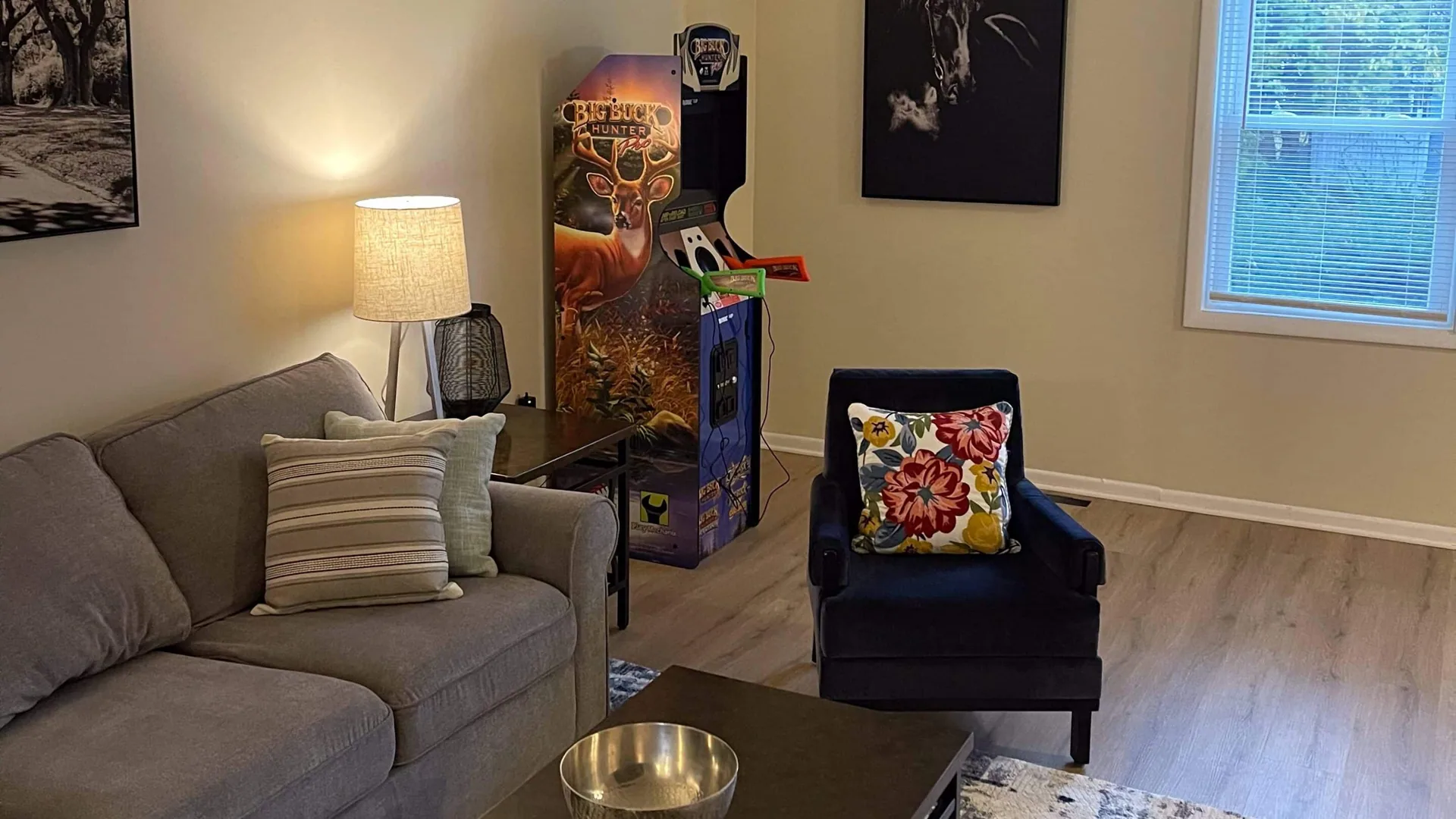
If you’d like a closer look at what sober living in Philadelphia is like day to day, this overview walks through routines, rules, and resident experiences in more detail.
Inside the Philadelphia homes
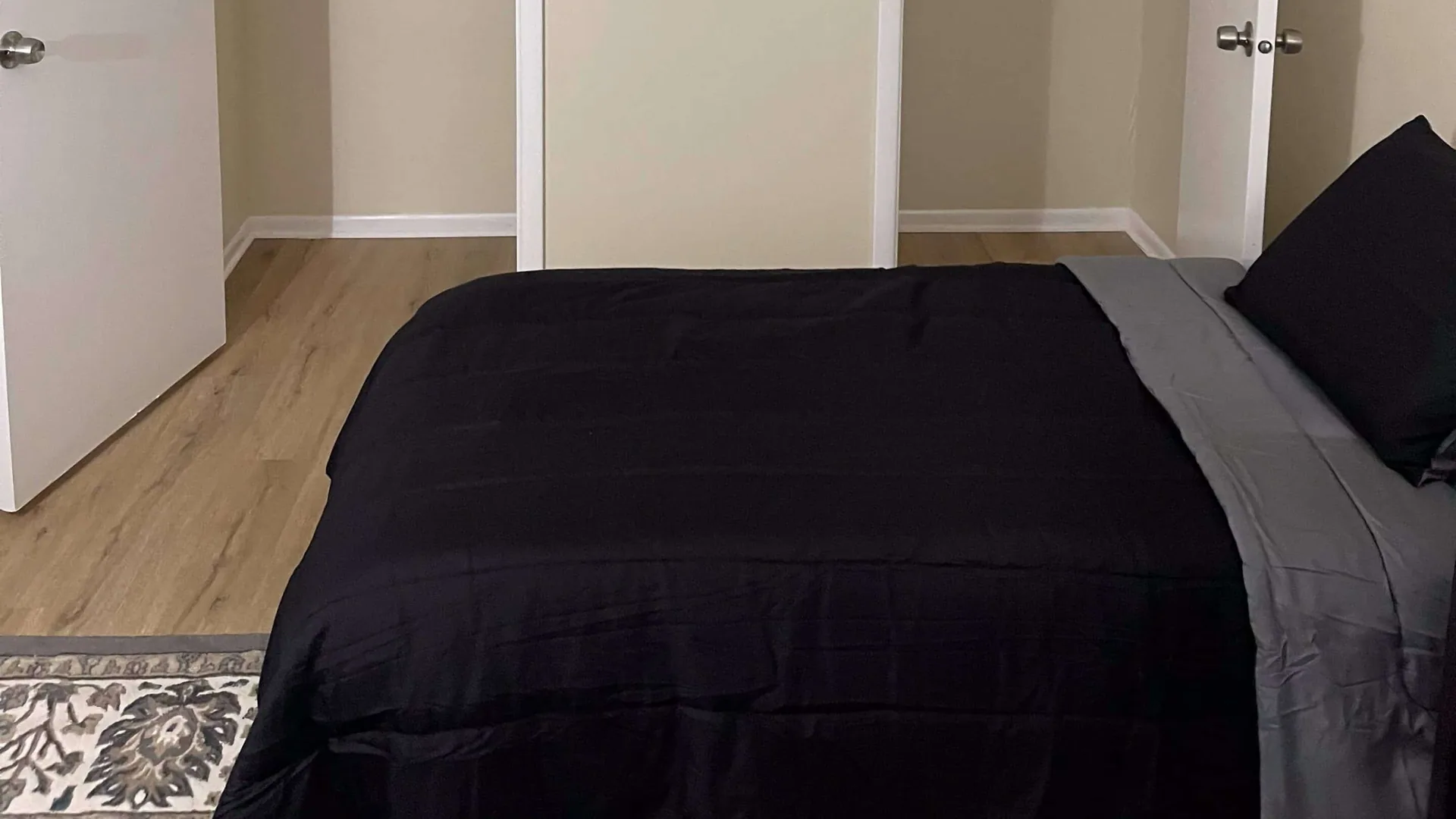
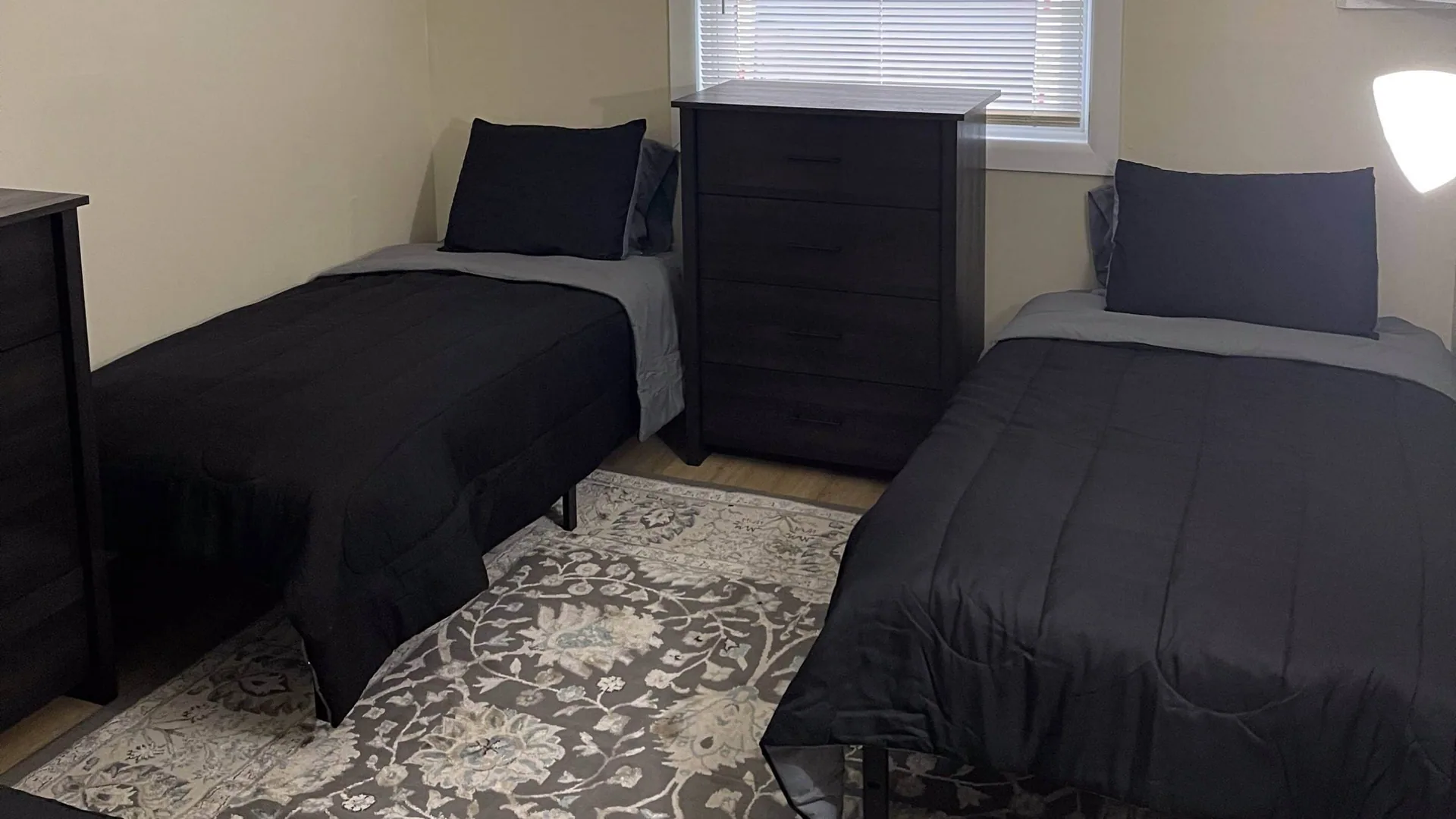

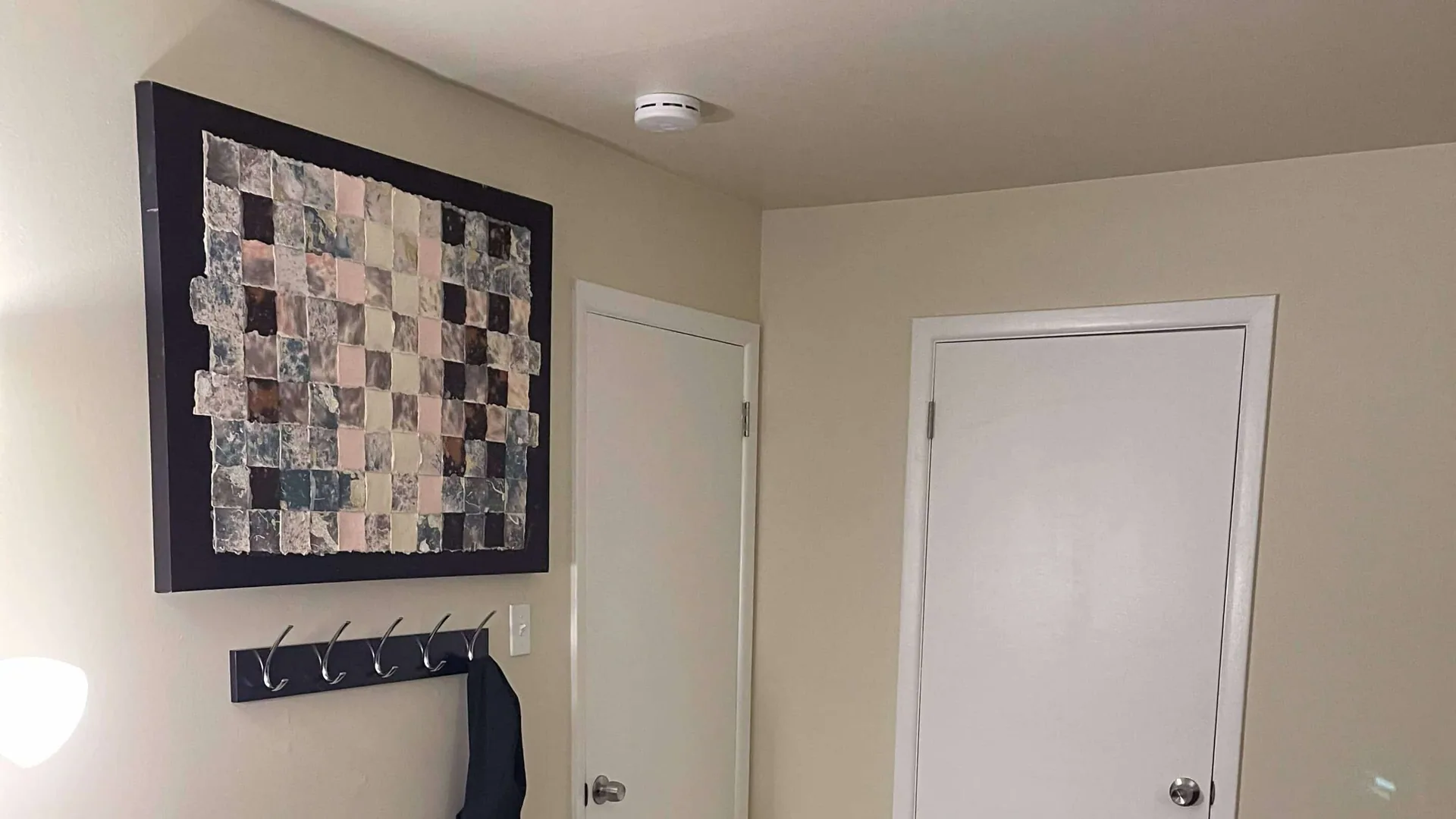
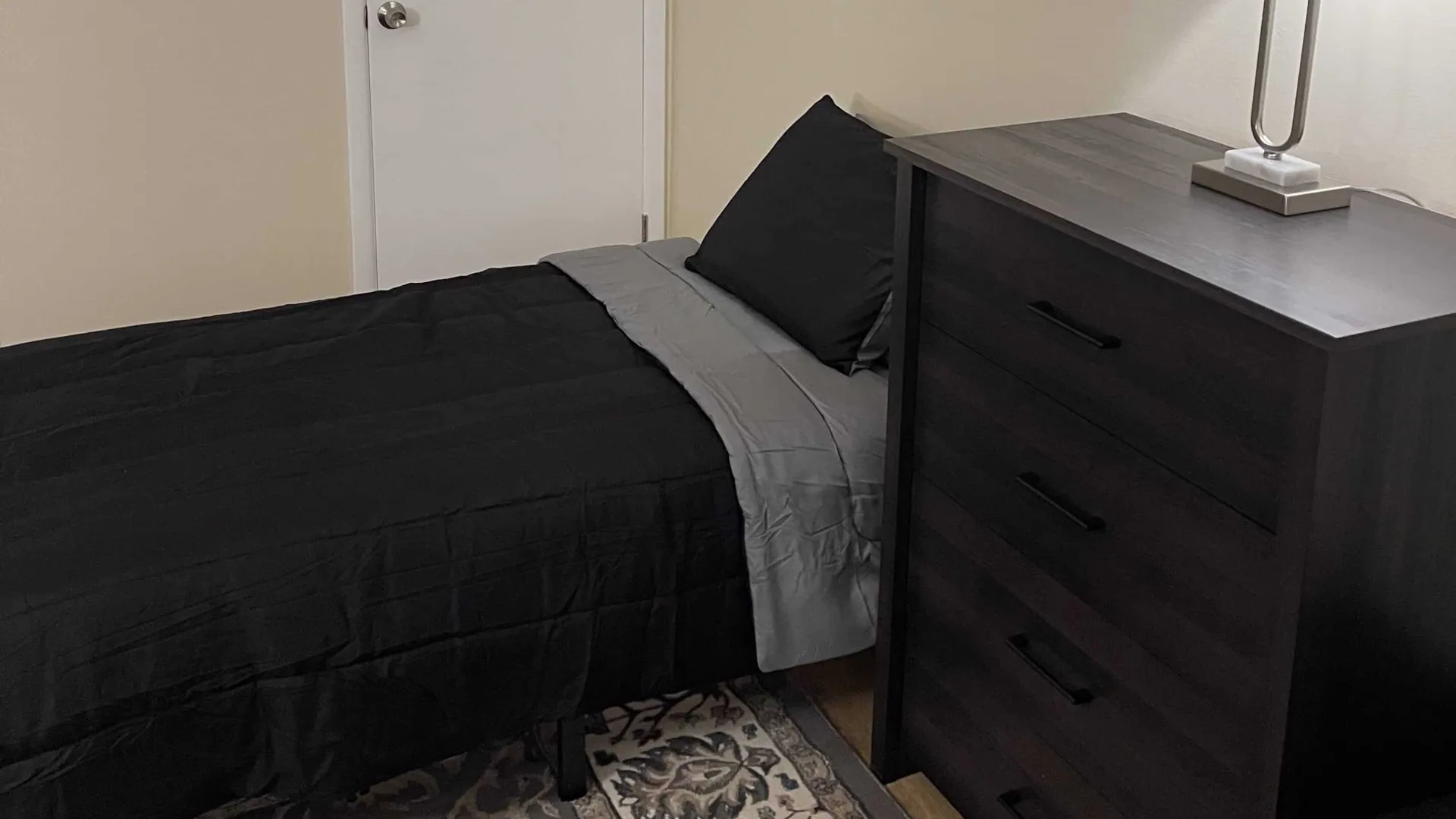
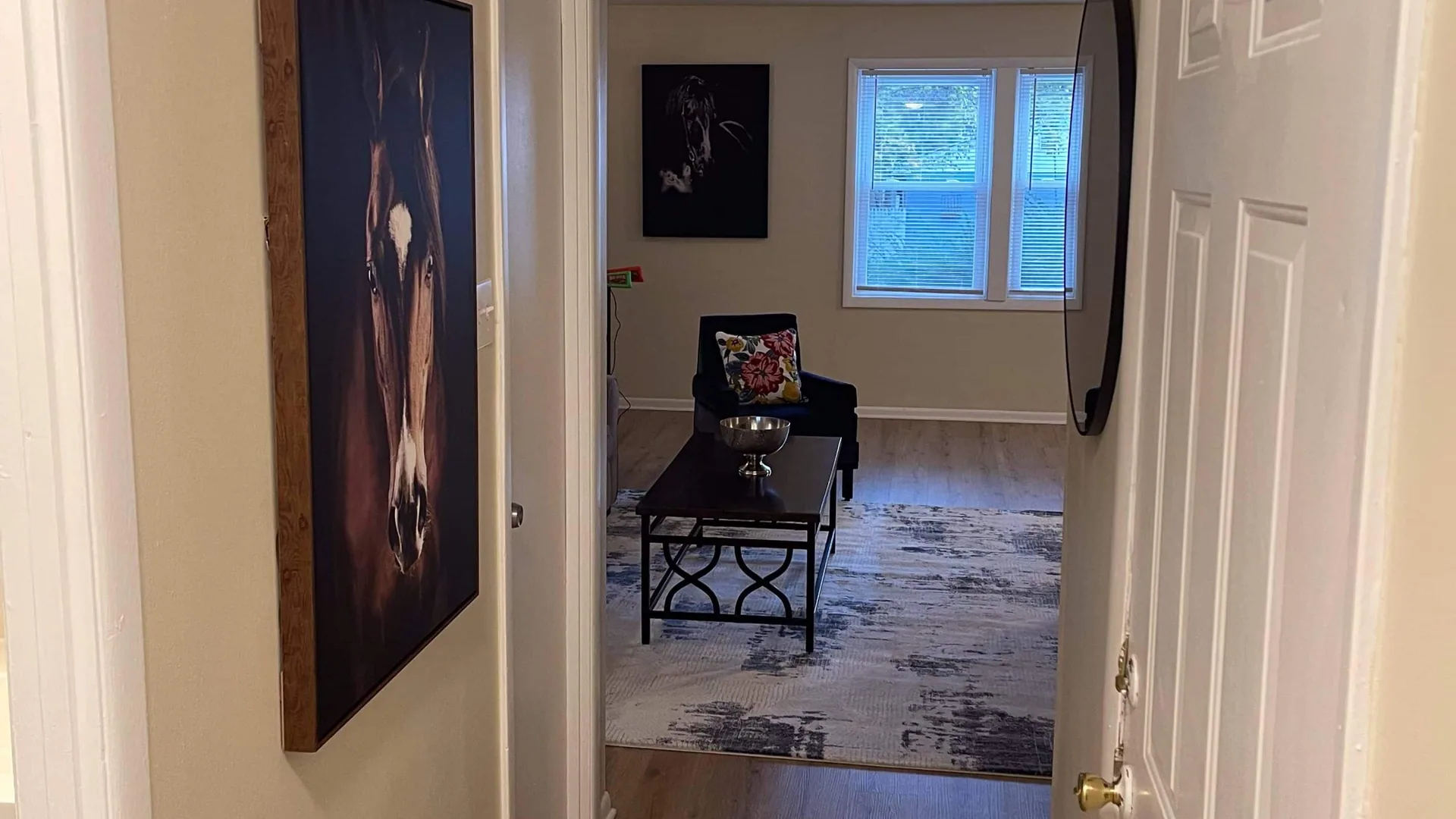
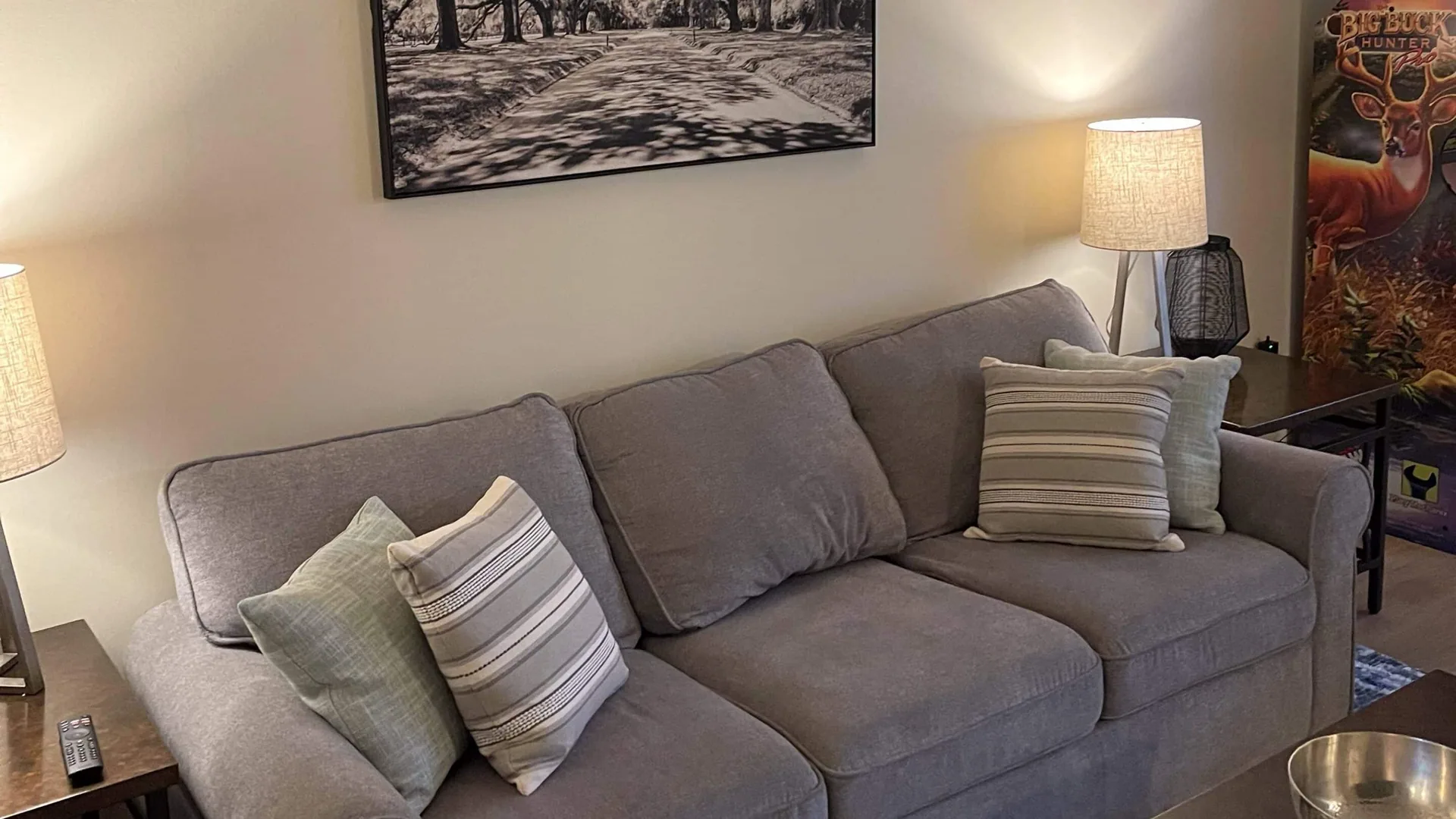


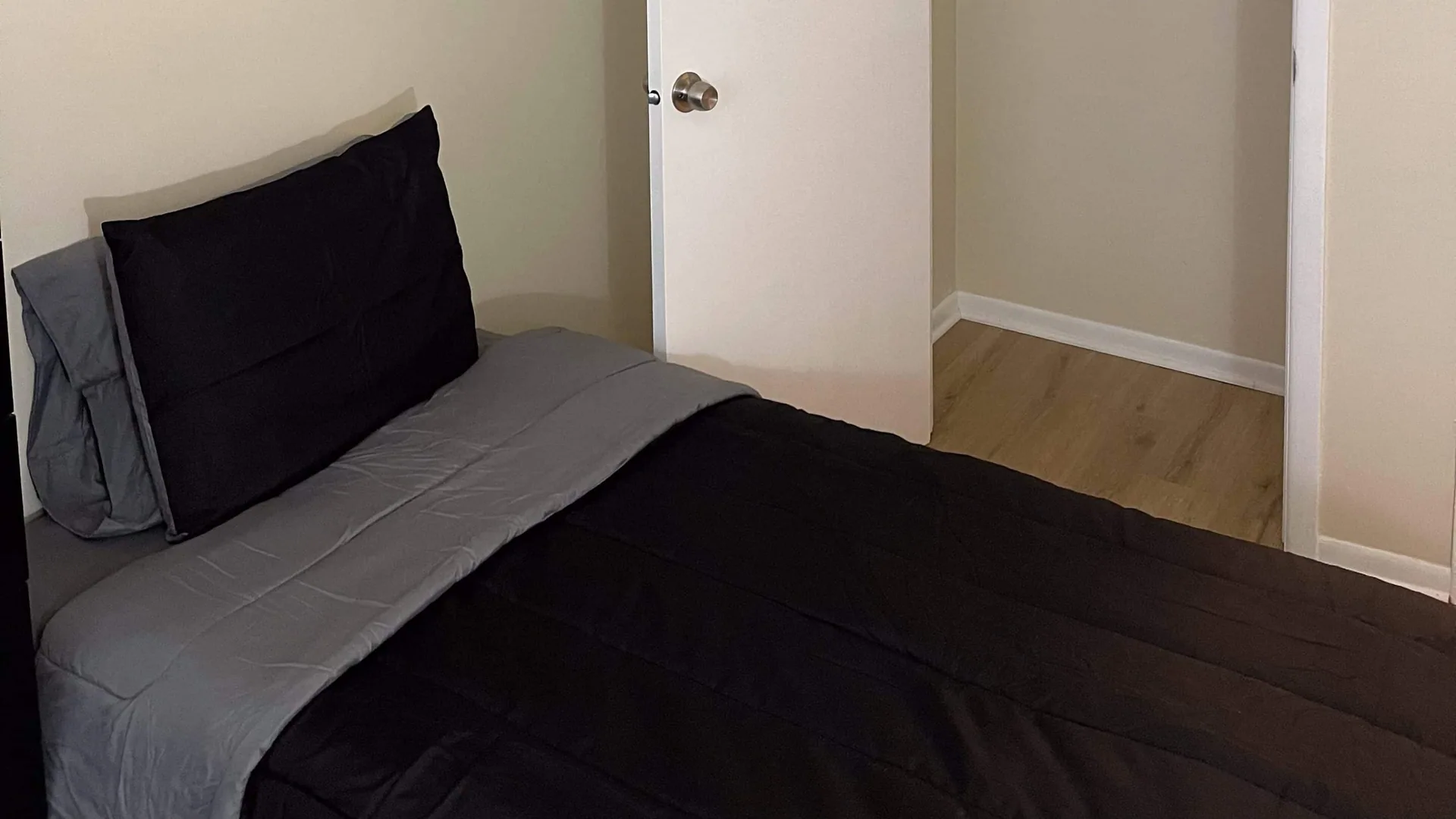


House rules and expectations
A typical day in a sober home might include:
- Waking up by a set time and completing morning chores.
- Keeping shared spaces clean and respecting roommates’ sleep and study time.
- Regular or random drug and alcohol testing.
- Required attendance at house meetings and outside support groups.
Breaking rules, such as missing curfew, failing a test, or bringing substances into the house, can lead to extra accountability, temporary restrictions, or discharge, depending on the home’s policies.
Work, school, and community support
Most sober living programs near me expect residents to be engaged in something productive during the day:
- Employment or active job search
- School, job training, or volunteering
- Outpatient treatment or counseling
Philadelphia’s transit system and dense network of support groups make it realistic to live in sober housing without a car, especially in neighborhoods close to bus routes or the subway.
One study of people in outpatient treatment found that those who lived in structured sober housing were more likely to stay in treatment longer and complete it successfully.
Safety, oversight, and licensing
Some, but not all, recovery houses and halfway houses in Pennsylvania are licensed through DDAP. Any recovery or sober living housing that accepts referrals or funding from state or federal programs must hold this license, and the state maintains a facility locator and downloadable lists of licensed recovery and halfway houses.
For a broader overview of recovery housing and sober living options in Philadelphia, this resource explains how licensed homes work, who they serve, and how they connect with local treatment providers.
Licensed homes agree to meet standards around safety, documentation, and basic quality of care. Unlicensed houses may still operate legally but require more careful screening from residents and families.
Pennsylvania’s Chapter 717 regulations set out the legal authority, application process, and operating standards for licensed drug and alcohol recovery houses.
Eudaimonia's Success Stories – Real People, Real Freedom
Cost, Length of Stay, and Free or Low‑Cost Options
Fees for sober living facilities near me vary widely. Some homes charge a weekly program fee, while others collect monthly rent that includes utilities and basic supplies. Prices depend on:
- Neighborhood and size of the home
- Whether meals or transportation are included
- Level of on‑site staffing and support
Because sober living is housing rather than treatment, private insurance often does not pay for it directly. Some halfway houses and recovery residences receive public funding or grants, especially when they are tied to the justice system or state referral networks.
Length of stay. Many professionals suggest at least 90 days in residential sober living, with some people choosing six months to a year or longer, depending on progress, finances, and available support.
Free or low‑cost options. When people search for free halfway houses near me or half way homes near me, they are usually hoping for publicly funded or charity‑supported housing. In Pennsylvania, these options are often linked to:
- County drug and alcohol offices
- Court or probation programs
- Nonprofit organizations with specific eligibility rules
The state’s recovery and halfway housing locator can help identify licensed programs, and local social service agencies can clarify which homes have sliding‑scale fees or scholarship beds.
How to Find Sober Living Near Me in Philadelphia
When you are ready to look at specific houses, you might search phrases like:
- sober living homes near me
- sober living houses near me
- sober living places near me
- sober homes near me
- halfway house near me or is there a halfway house near me
Those searches are a starting point, not the final answer. To find sober living that fits your needs, combine online results with trusted referrals and state resources.
For a step-by-step walk‑through of local options, you can also read our 2025 guide to sober living homes in Philadelphia, which covers licensing, referrals, and what to expect from different types of recovery housing.
Use local and state resources
Useful tools and contacts include:
- Pennsylvania’s licensed recovery and halfway housing locator. This state tool lists recovery houses and halfway houses that meet DDAP licensing standards.
- County drug and alcohol offices. These offices coordinate local services and may know which sober living programs near me have space or funding help.
- Current treatment providers. Therapists, IOP programs, and case managers can share feedback about local homes based on prior clients’ experiences.
Nationally, SAMHSA’s National Helpline (1‑800‑662‑HELP) and FindTreatment.gov can also provide referrals and information about treatment and recovery supports.
Questions to ask sober living houses near me
When you call or visit a potential sobriety home, it can help to ask:
- Is the home licensed or affiliated with any recognized recovery‑housing network?
- What are the rules about curfew, visitors, employment, and substance use testing?
- How many residents share each bedroom and bathroom?
- Is there an on‑site manager or staff member, and how are conflicts handled?
- What is included in the program fee (utilities, food, transportation, groups)?
- What happens if someone relapses or breaks house rules?
These questions apply to sober living for men near me, sober living for women near me, and mixed‑gender homes alike.
How Eudaimonia Recovery Homes Supports Sober Living in Philadelphia
Eudaimonia Recovery Homes offers professionally managed sober homes and apartments that can serve people searching for sober living near me in Philadelphia. Each residence is alcohol‑ and drug‑free, with clear rules, regular drug and alcohol testing, and on‑site management to help residents stay accountable.
Residents move through a three‑phase recovery program that focuses on building daily routines, life skills, and relapse‑prevention strategies while still allowing them to work, attend school, or participate in outpatient care. Gender‑specific housing options and peer support groups give residents the chance to live with others who share similar experiences and goals.
The homes are fully furnished and situated in recovery‑friendly areas with access to public transportation, support meetings, and job opportunities, which helps daily life feel more stable. For people leaving detox, rehab, or an unsafe living situation, Eudaimonia’s structure offers a way to practice independence while still having expectations and support.
Families can stay involved through communication with staff and program updates, which may help rebuild trust over time. Together, these features make Eudaimonia a practical option for people in Philadelphia who want sober housing that supports a gradual transition to independent living.
Your Future Is Waiting
Tell us what you are looking for and admissions will walk you through the houses, the phases, and what a room actually costs.


