

Published July 22, 2026
On This Page · 10 Sections
Sober Living
Philadelphia
Yes, there are sober living homes in Philadelphia that accept residents straight from jail. Eudaimonia Recovery Homes in Philadelphia works with individuals transitioning from incarceration who are committed to recovery. While we can’t accept residents who are actively intoxicated or in need of medical detox, we do welcome those coming directly from jail or prison who are ready to begin or continue their sobriety journey. The key requirements are a commitment to staying sober, willingness to follow house rules, and in many cases, verification of insurance benefits or payment arrangements.
Why Sober Living After Incarceration Matters
Leaving jail or prison is one of the most vulnerable times in a person’s recovery. Without stable housing and a sober support system, the risk of relapse and reoffending increases dramatically. That’s where sober living homes in Philadelphia fill a critical gap.
Many people leave incarceration with nowhere to go except back to the same environments, people, and triggers that contributed to their substance use in the first place. A structured sober living environment offers accountability, peer support, and time to rebuild life skills without the chaos of early reentry.
At Eudaimonia Recovery Homes, we’ve seen how powerful this transition can be when someone has the right support. Our Philadelphia location provides structure, drug and alcohol testing, house meetings, and a community of others working toward the same goal: long-term sobriety.
What Makes Eudaimonia Different for Jail Releases
Not all sober living homes are equipped or willing to accept residents coming straight from incarceration. Some have strict policies that exclude anyone with recent legal involvement. Eudaimonia takes a different approach.
We understand that incarceration is often part of someone’s story, not the end of it. Our focus is on where you’re headed, not just where you’ve been. If you’re committed to recovery and willing to engage with the structure we provide, we’ll work with you to make placement possible.
Our Philadelphia sober living home emphasizes accountability and community. Residents participate in regular drug and alcohol screenings, attend house meetings, and are expected to work toward employment, education, or volunteer commitments. This structure is especially helpful for individuals reentering society after jail, because it provides clear expectations and daily rhythm.
Requirements for Admission from Jail in Philadelphia
If you’re being released from jail and considering sober living homes in Philadelphia, here’s what Eudaimonia typically requires:
- Sobriety upon arrival: You must be sober when you move in. If you need medical detox, that must happen before admission.
- Commitment to recovery: This means willingness to submit to drug and alcohol testing, attend house meetings, and follow all house rules.
- Insurance verification or payment plan: We work with many insurance providers and can help verify your benefits. Payment plans may also be available.
- No active warrants: You cannot have outstanding warrants or pending legal issues that would disrupt your stay.
- Willingness to participate: Recovery housing works best when residents engage with the community, seek employment or education, and take responsibility for their own progress.
We don’t require you to have completed a formal treatment program before entering sober living, though many residents do transition to us after rehab. If you’ve maintained sobriety while incarcerated and are ready to continue that commitment, you may be eligible.
How to Arrange Placement Before Release
Planning ahead is crucial. If you or a loved one is scheduled for release, reaching out to sober living homes in Philadelphia before the release date can make the transition much smoother.
Here’s how the process typically works:
- Contact Eudaimonia as early as possible: Even if release is weeks or months away, starting the conversation early allows time to verify insurance, answer questions, and prepare.
- Verify insurance benefits: Many residents use insurance to cover part or all of their sober living costs. Our admissions team can help check your coverage and explain out-of-pocket costs.
- Complete a brief intake interview: This helps us understand your situation, recovery history, and goals. It’s also a chance for you to ask questions about what life is like in our Philadelphia home.
- Coordinate move-in logistics: We’ll work with you or your family to arrange transportation from the jail or prison to the sober living home.
The earlier you begin this process, the less stressful the transition will be. Uncertainty about housing is one of the biggest sources of anxiety for people leaving incarceration, and having a placement lined up brings peace of mind.
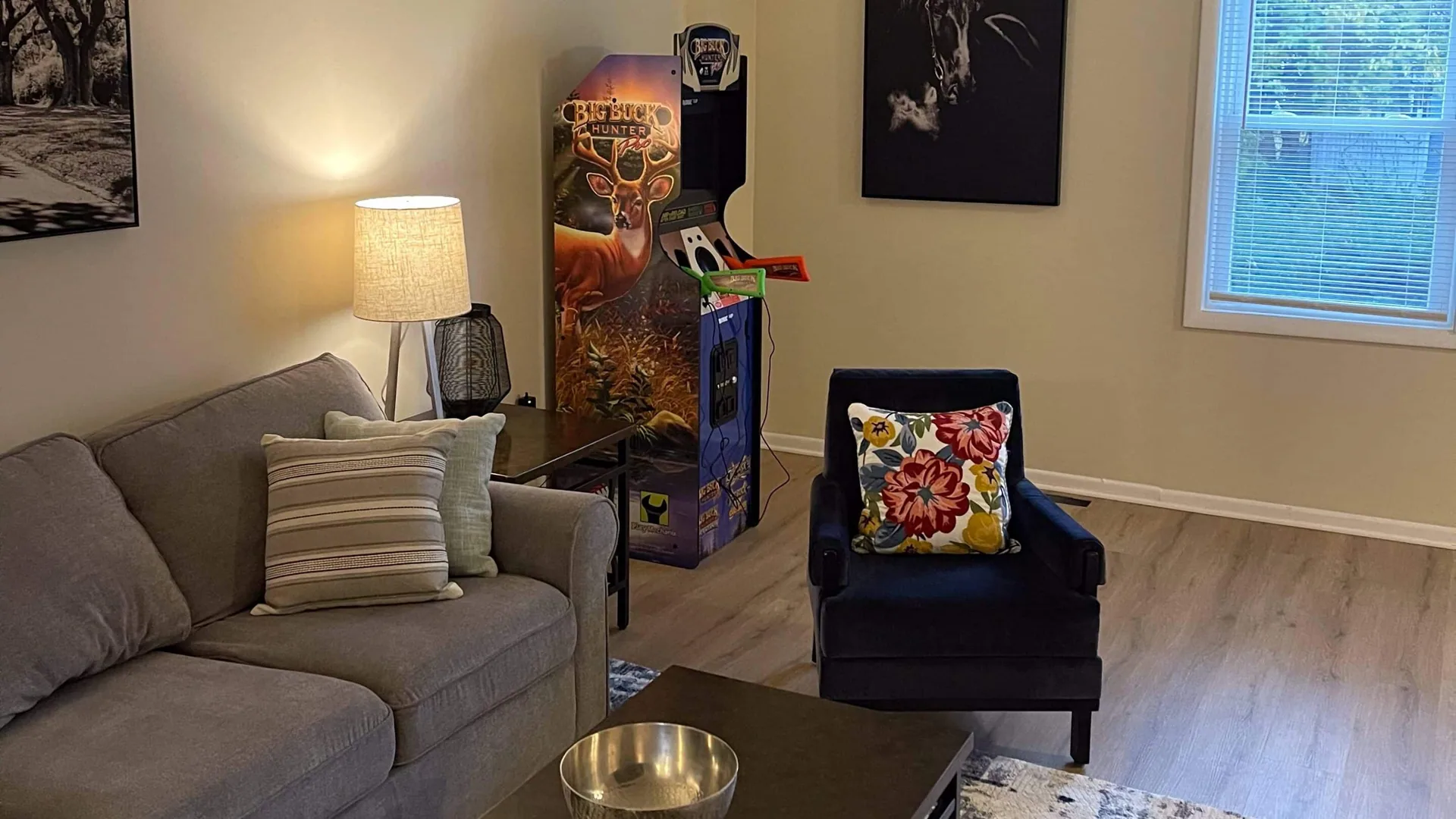
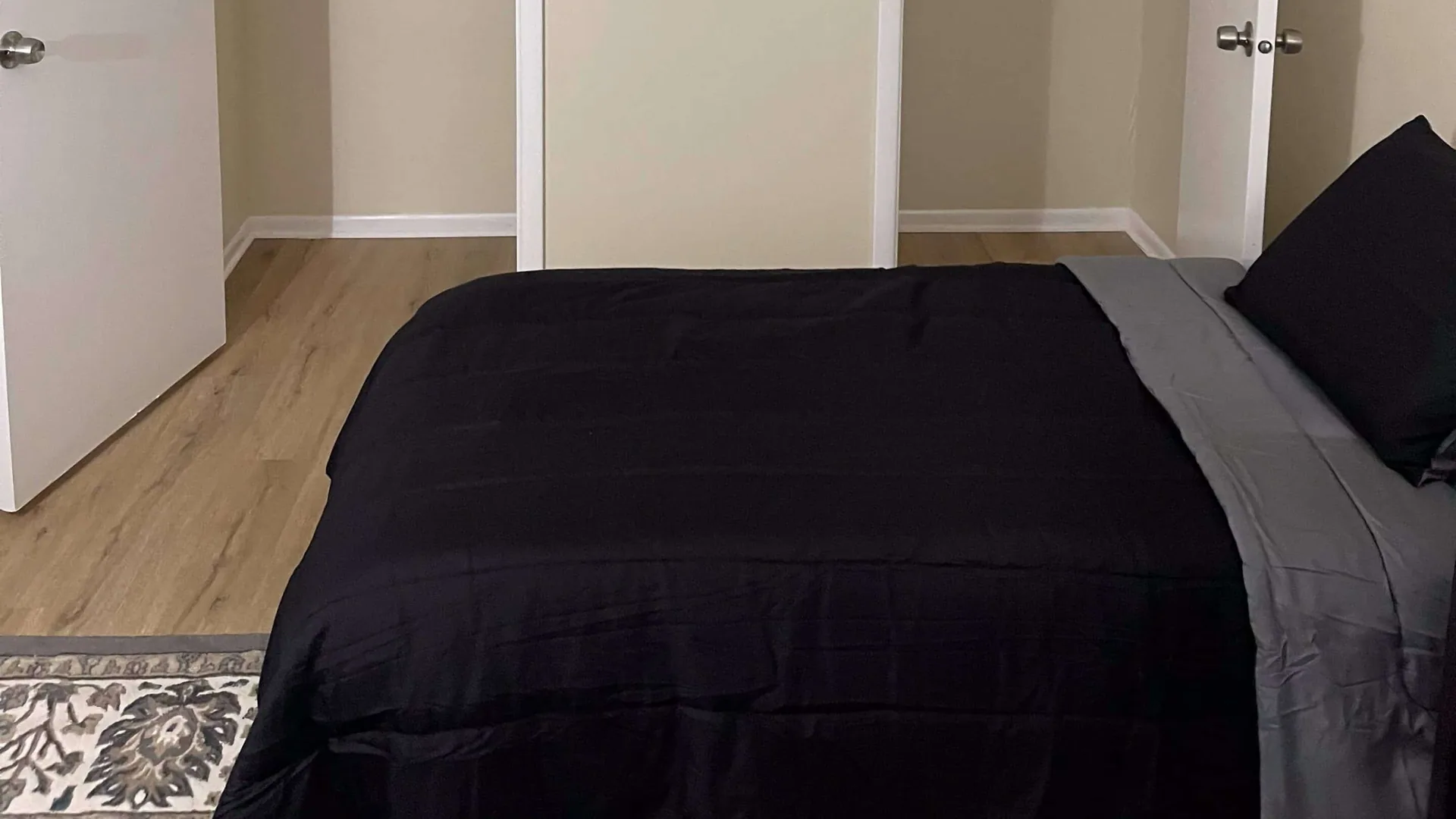
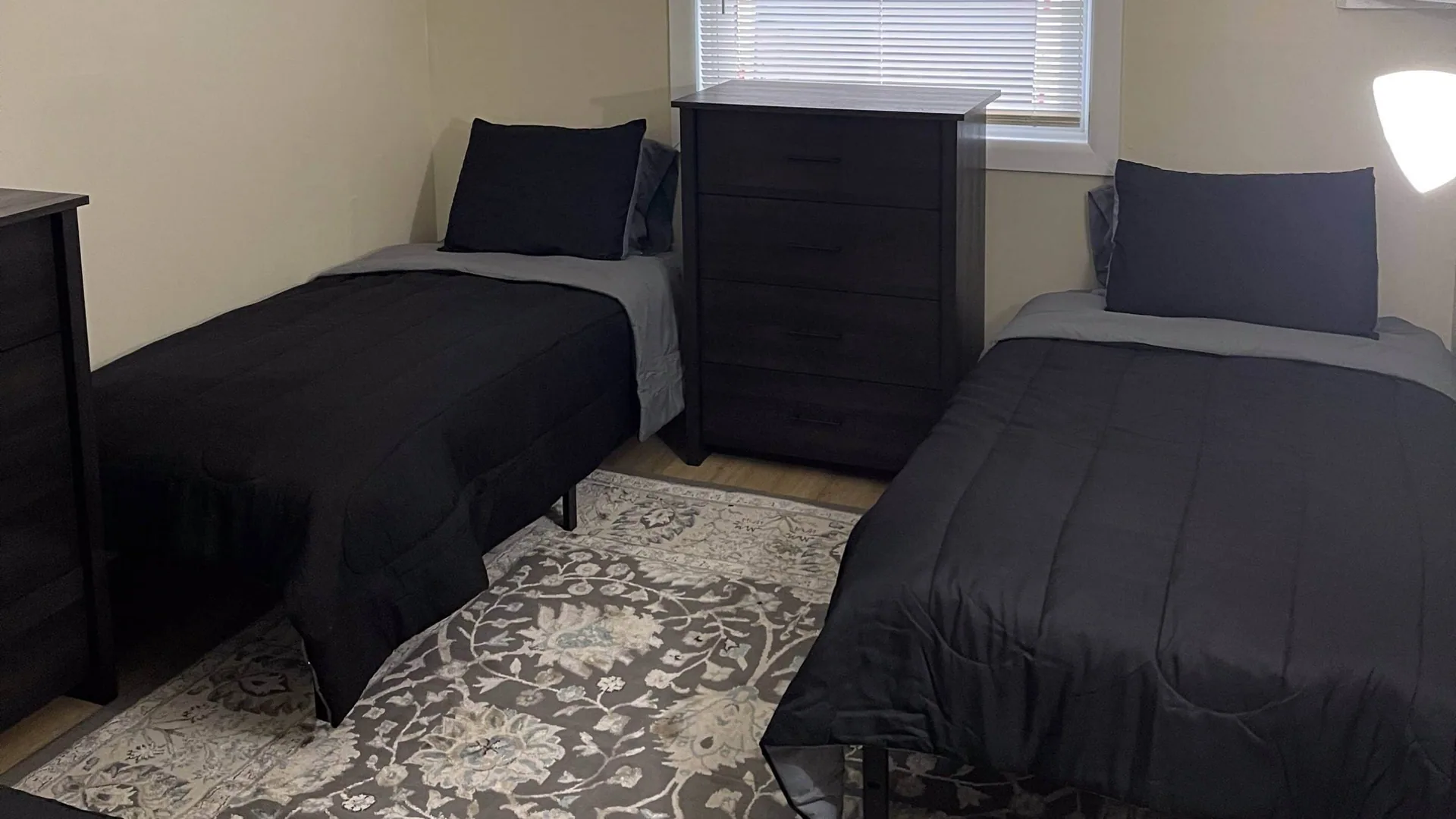
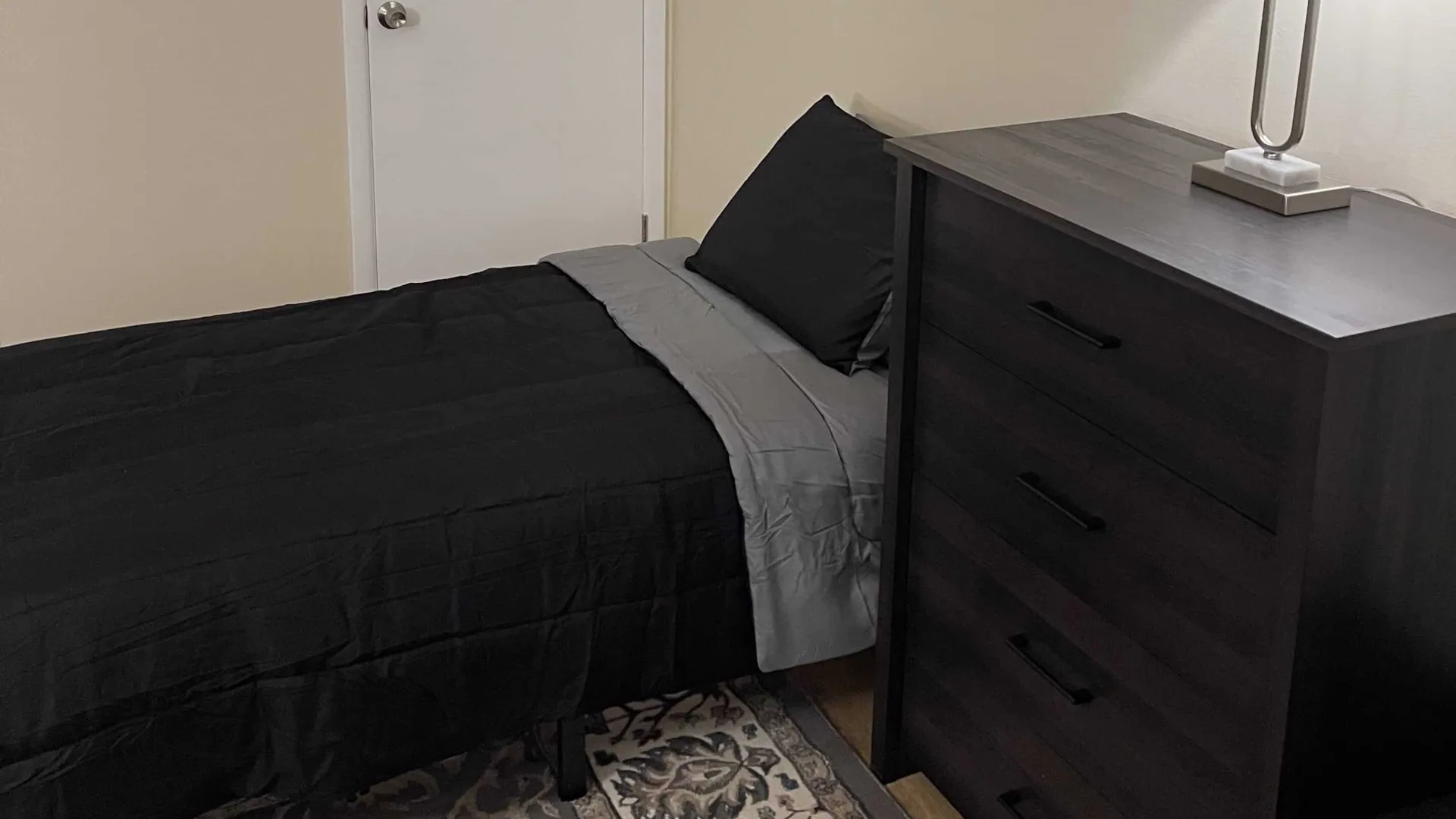
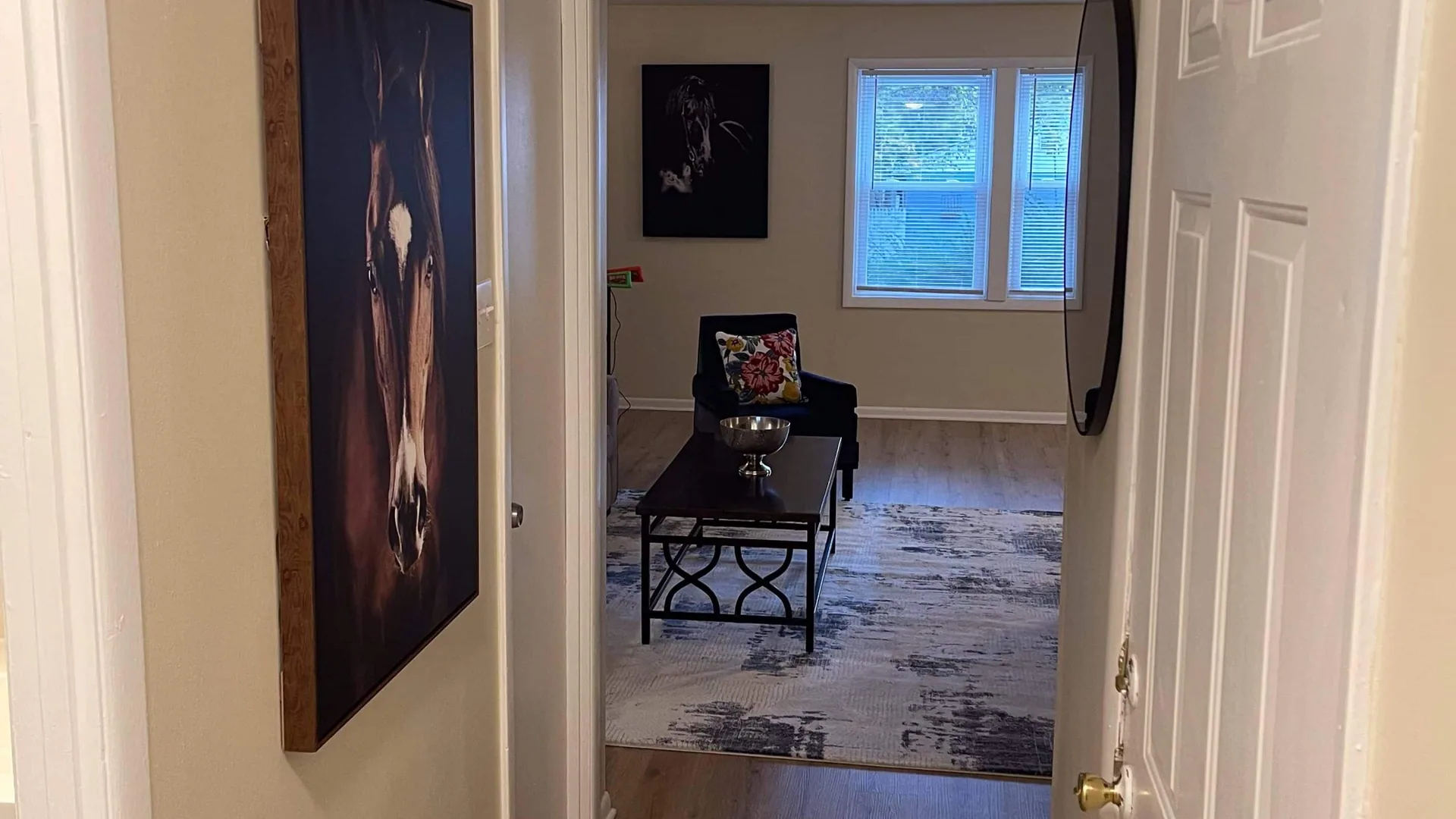
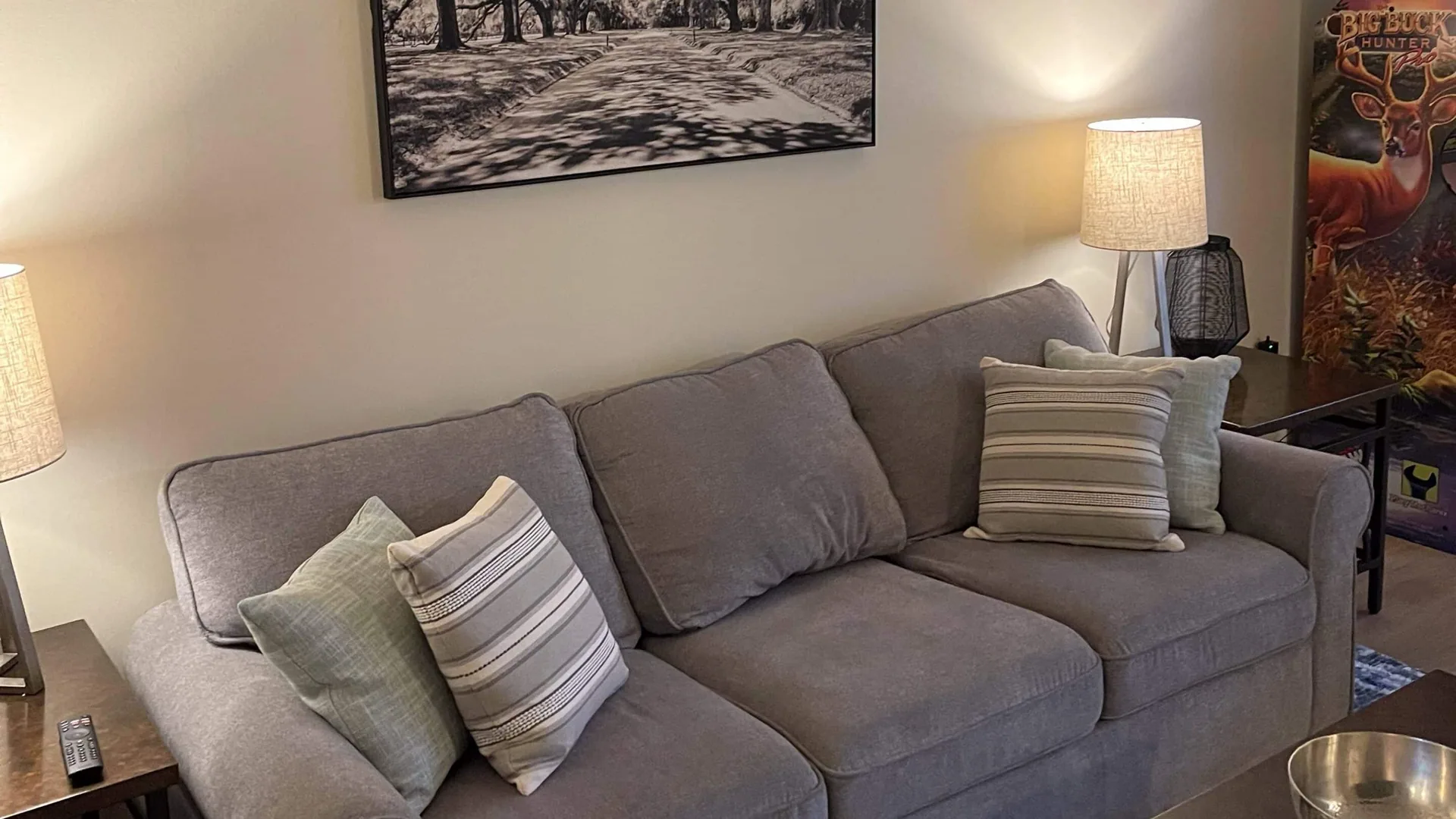
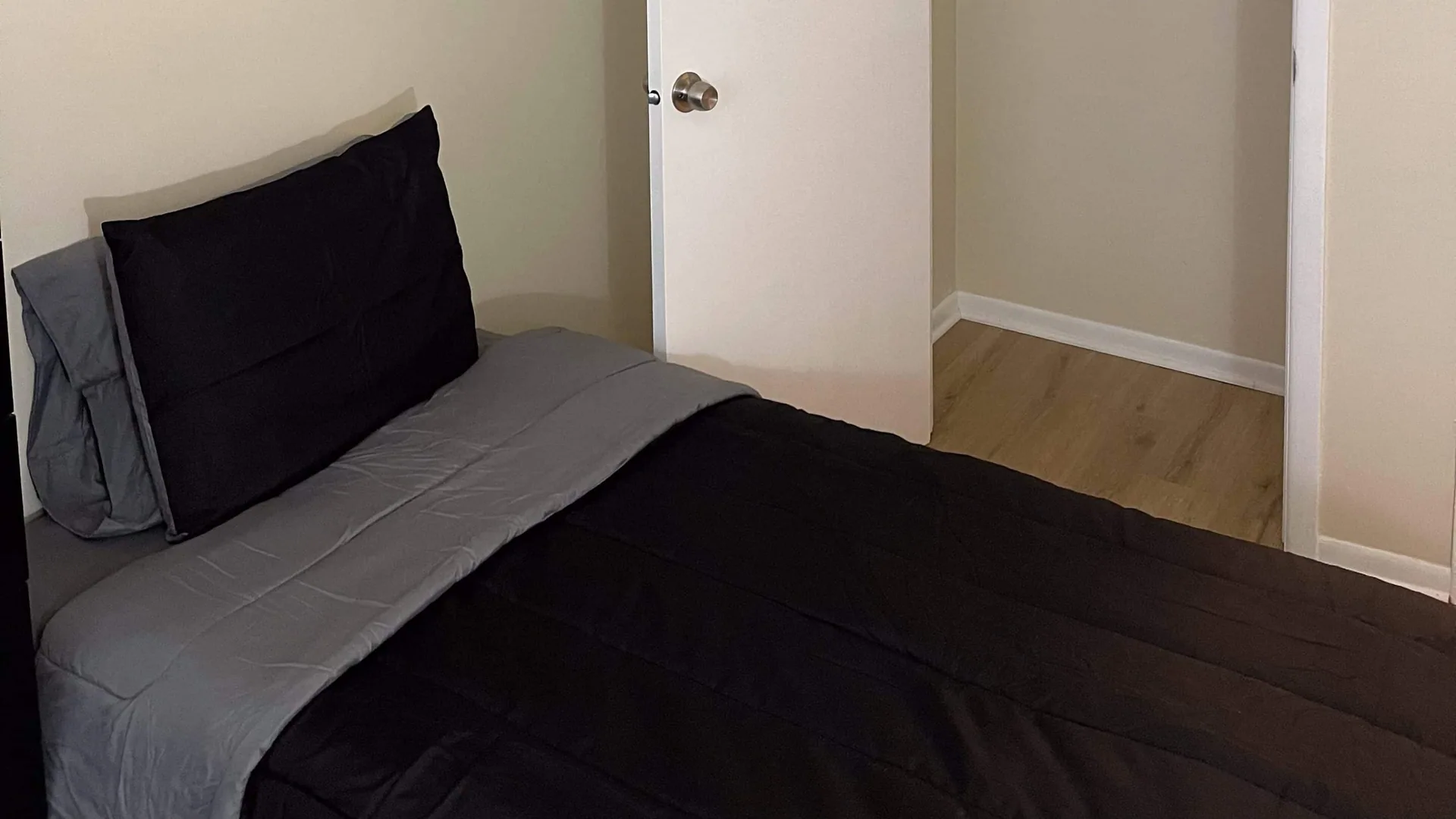
Inside the Philadelphia homes





Life in Sober Living After Jail
Once you move into Eudaimonia’s Philadelphia sober living home, your focus shifts to building the life you want. The first few weeks are often the hardest, as you adjust to freedom, structure, and the daily work of staying sober.
Residents share rooms, contribute to household chores, and participate in weekly house meetings. You’ll be expected to find employment or engage in productive activities like school, treatment, or volunteer work. Random drug and alcohol testing keeps everyone accountable.
What makes sober living different from halfway houses or parole-mandated housing is the emphasis on peer support. You’re surrounded by others who understand the struggle, and that shared experience creates a powerful sense of community. Many residents form friendships that continue long after they leave.
Can Parole or Probation Officers Support Sober Living?
Yes. In many cases, parole or probation officers actively encourage or even require sober living as a condition of release. Having stable, drug-free housing can strengthen your case for early release or reduced supervision.
If your parole or probation officer is involved in your reentry plan, let them know you’re arranging placement at a sober living home. Eudaimonia can provide documentation confirming your residency and participation in our program, which may be required for compliance reporting.
Some residents find that living in a structured sober environment makes it easier to meet other conditions, like attending 12-step meetings, maintaining employment, and passing drug tests. The accountability built into sober living aligns well with the expectations of parole and probation.
What If You Relapse or Struggle?
Relapse is always a risk, especially during major life transitions like reentry from jail. Eudaimonia’s approach is firm but compassionate. We require sobriety, and any violation of that expectation has consequences, which may include discharge from the home.
However, we also recognize that recovery is a process. If a resident is honest about a slip, willing to return to treatment if needed, and committed to getting back on track, we’ll work with them to explore options. The goal is always long-term recovery, not punishment.
That said, sober living only works if everyone in the house is committed to the same standard. Allowing active use in the home jeopardizes the safety and sobriety of every other resident, so we take violations seriously.
How Long Can You Stay?
There’s no set limit on how long you can live in sober living. Some residents stay for a few months, while others remain for a year or more. The length of your stay depends on your goals, your progress, and your readiness to live independently.
For individuals coming from jail, we often recommend staying at least six months. That gives you time to stabilize, find work, rebuild relationships, and develop the habits and routines that support long-term sobriety. Rushing the transition to independent living can increase relapse risk.
Eudaimonia’s Philadelphia sober living home is a place to grow, not just a place to sleep. The longer you stay engaged with the community and the structure, the stronger your foundation will be when you do move on.
Getting Started with Eudaimonia in Philadelphia
If you’re being released from jail and need sober living in Philadelphia, the first step is reaching out. Whether you’re still incarcerated or a family member is helping coordinate, starting the conversation early makes all the difference.
Eudaimonia Recovery Homes is here to support your transition and your recovery. Our Philadelphia location offers the structure, accountability, and community you need to build a new life after incarceration.
Ready to take the next step?
Eudaimonia Recovery Homes provides structured sober living and recovery support in Philadelphia, PA. Call (215) 770-0350 to speak with our team today.


