

Published December 16, 2025 · Updated February 26, 2026
Key Takeaways
- OHS intake is a practical starting point if you are facing homelessness or an urgent housing crisis in Philadelphia.
- Section 8 basics can help you understand how vouchers work, but waitlist status can affect timelines.
- Tax-credit units may offer affordable rents through individual properties, even when voucher waitlists are closed.
- Rent and deposit help can support short-term stability, but programs may have changing eligibility and funding.
- Eudaimonia support may help by offering a structured, substance-free living environment while you build stability in recovery.
- Family resources often combine prevention help, nonprofit support, and longer-term affordable housing options for households with children.
- Tenant legal help can be important when issues involve eviction risk, repairs, subsidies, or fair housing concerns.
- Step-by-step plan makes it easier to gather documents, track applications, and follow up without missing deadlines.
On This Page · 33 Sections

Sober Living
Philadelphia
Looking for affordable sober living in Philadelphia can feel like two searches. You may want a recovery-focused place to live. You may also need help paying rent or finding a stable lease.
This guide explains housing programs in Philadelphia. It also covers ways to get housing help in philadelphia. The focus is on practical steps and plain language. For a Philadelphia-based option focused on men in recovery, you can explore men’s sober living in Philadelphia.
This is general information, not legal advice. Program rules, funding, and waitlists can change. When something looks promising, confirm details with the agency or provider.
If you want to check availability and begin the intake process, you can apply for sober living online.
What “housing assistance” means in Philadelphia
“Housing assistance” is a broad label. In practice, it usually falls into four buckets.
Rent subsidies and vouchers
A subsidy lowers what you pay each month. Vouchers are one type, but they are not always open for new applications.
Affordable units with property waitlists
Some buildings set aside units with below-market rent. Each property may have its own waitlist and screening rules.
Short-term money for a crisis
Some programs help with back rent, a security deposit, or a utility bill. These programs can run out of funds.
Support that helps you keep housing
Case management, housing search help, and legal support can matter as much as cash. This is common when the problem is paperwork, deadlines, or a landlord dispute.
Housing assistance Philadelphia PA: big public programs
Philadelphia Housing Authority (PHA): public housing and admissions
PHA runs several affordable housing options. These include public housing and voucher-based programs. It also notes that many people are on its waitlist, which can affect timing.
If a waitlist is closed, check again later. Also build a second plan. That might include tax-credit units, nonprofit programs, or a private rental with short-term help.
Housing Choice Voucher (Section 8): what to know
PHA describes the Housing Choice Voucher program as rental help. It lets eligible households rent from private landlords, with part of the rent subsidized. The program is funded by HUD and is often called Section 8.
Two details matter for planning.
- Waitlist status: PHA states the HCV waitlist is currently closed and was last opened in January 2023.
- Basic application info: when the list is open, applicants may be asked for household and income details like contact info, address, and estimated annual income.
If your goal is housing in philadelphia that you can afford soon, do not depend on vouchers alone. Start a second track.
For current voucher details and local waitlist announcements, review the PHA Housing Choice Voucher page.
Project-based and tax-credit apartments (LIHTC)
Many people find affordable units through project-based programs or Low Income Housing Tax Credit (LIHTC) buildings. PhillyTenant recommends looking up developments and contacting each building. Then you apply directly with the property. It also recommends following up at least once per year to confirm you are still on the waitlist.
This option can take time. Still, it can be realistic when voucher waitlists are closed.
Housing help in Philadelphia: rent, deposit, and utility support
Office of Homeless Services (OHS): prevention, intake, and referrals
OHS says it works with more than 60 providers. It says the system includes prevention and diversion aid, plus emergency and temporary housing.
If you need help paying rent or you are at risk of homelessness, the City says you can:
- Call the Homelessness Prevention InfoLine at (215) 686-7177 and follow the prompts, or
- Visit a City-funded homeless intake center.
For the City’s current intake steps, required documents, and callback expectations, see the City of Philadelphia homelessness services page.
The City also warns that call volume can be high. It says it may take more than 72 hours to get a call back.
For general questions, OHS lists (215) 686-7175. For help for someone living outdoors, it lists the Homeless Street Outreach Hotline at (215) 232-1984.
Local rent and deposit help: how to search without guessing
Philadelphia’s “get help with paying rent” page lists organizations that may offer support services. It may include rent help or back-rent help, depending on funding and eligibility. It is normal to contact several places.
The City also maintains a directory of agencies that may support tenants at risk of eviction on its Get help with paying rent page.
If you see a program name from an older article or flyer, confirm it is open. For example, PHDC notes that the FreshStartPHL move-in assistance enrollment period is closed. It points renters with arrears to the City’s Eviction Diversion Program.
Utility and water help: avoid shutoffs and extra fees
Utility shutoffs can create fees and new housing problems. PhillyTenant lists utility assistance options, including LIHEAP and other programs, plus notes on where to apply.
If you are not sure what fits, use PA 211 as a referral hub. It can help you find programs by ZIP code.
Eudaimonia's Success Stories – Real People, Real Freedom
Housing programs in Philadelphia that align with recovery needs
Sober living vs transitional vs supportive housing
These housing types can sound similar. In practice, they work in different ways.
Sober living (recovery housing) is usually a shared home with a substance-free rule. It may be privately funded. Transitional housing is often time-limited and paired with services. Supportive housing is long-term housing with services.
PA 211 describes transitional housing/shelter as extended shelter with supportive services designed to help people transition into permanent housing.
If you want a deeper explanation of local recovery housing models (including sober living and other recovery residences), see our guide to recovery housing in Philadelphia.
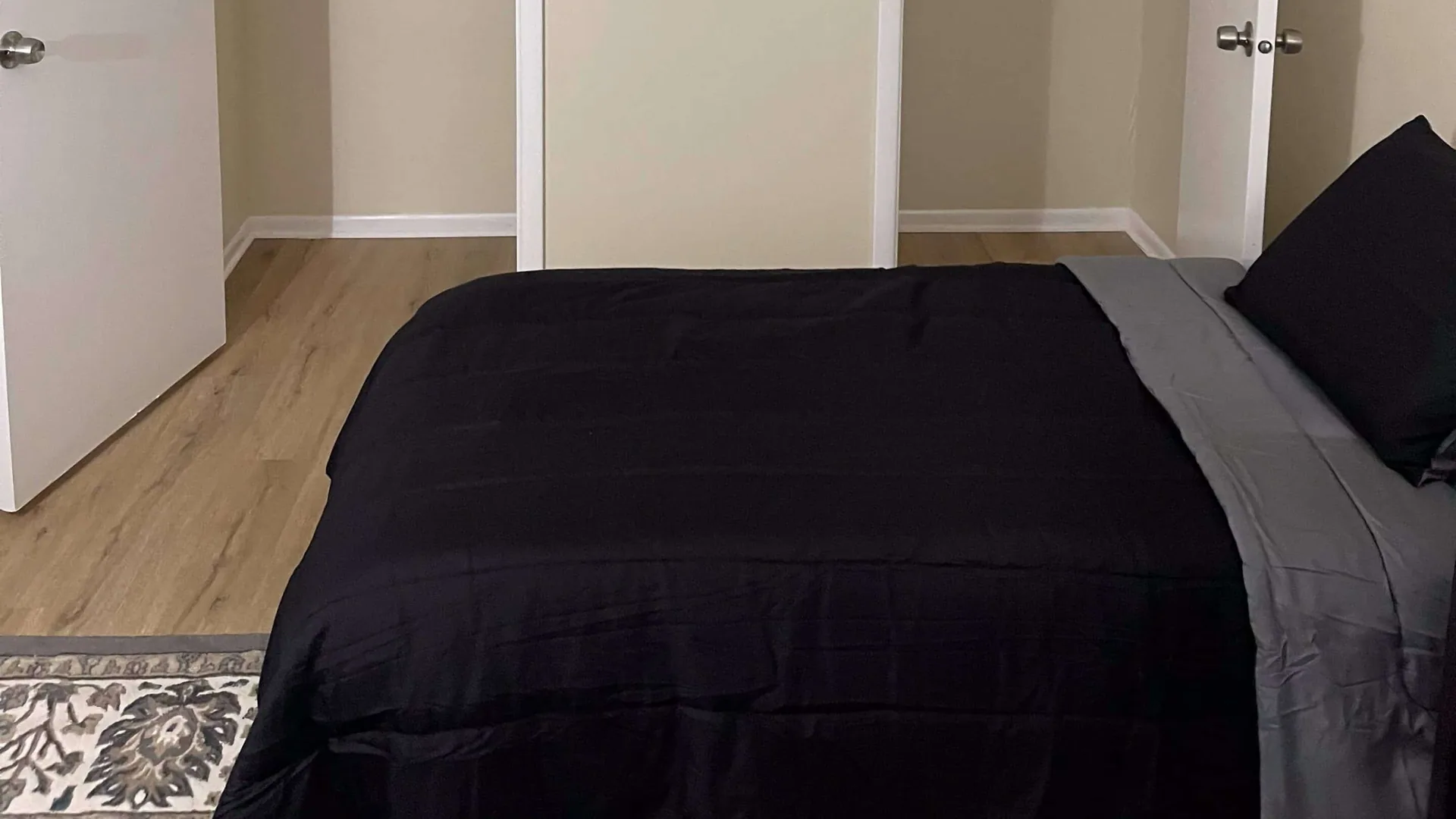
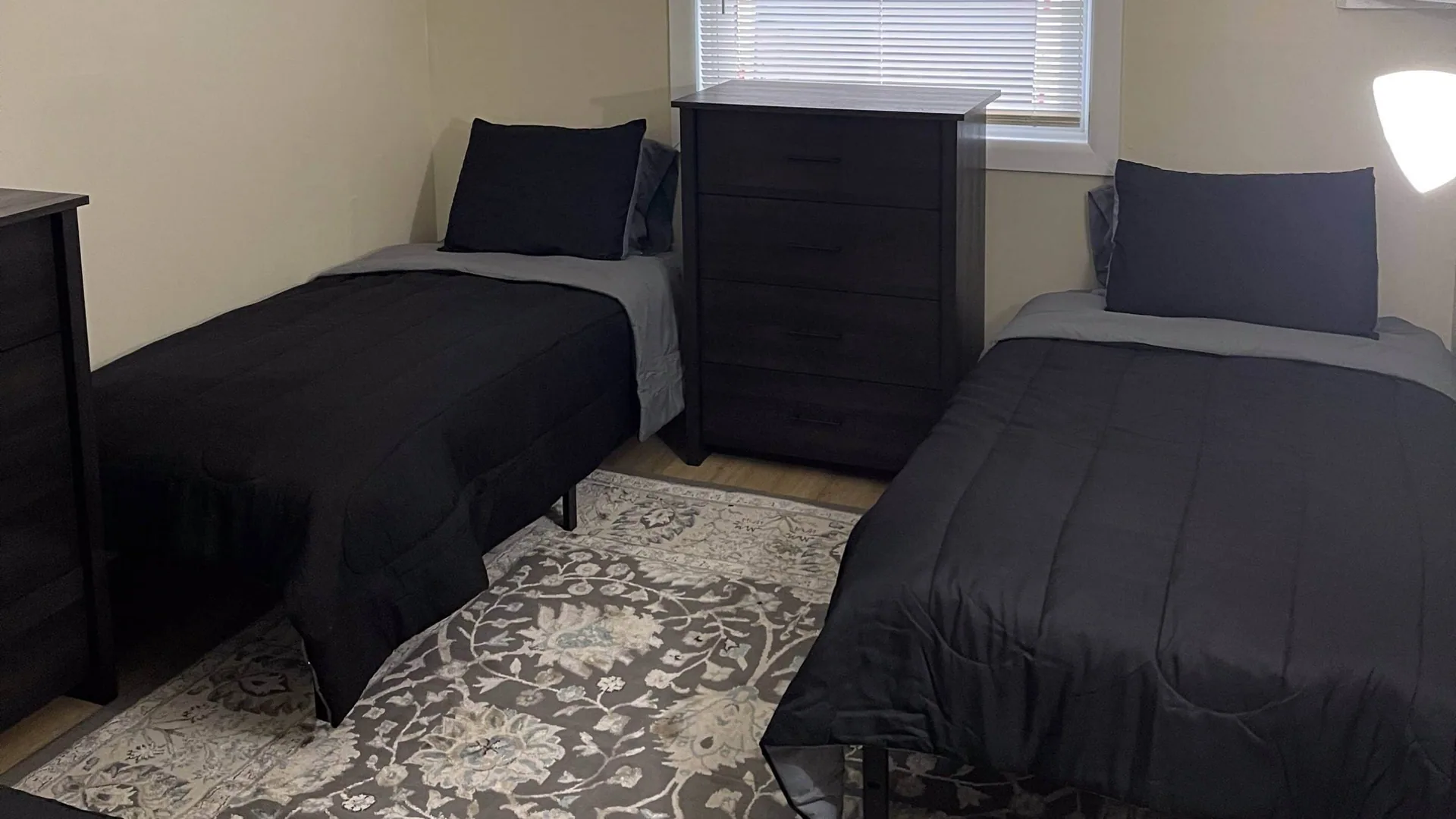
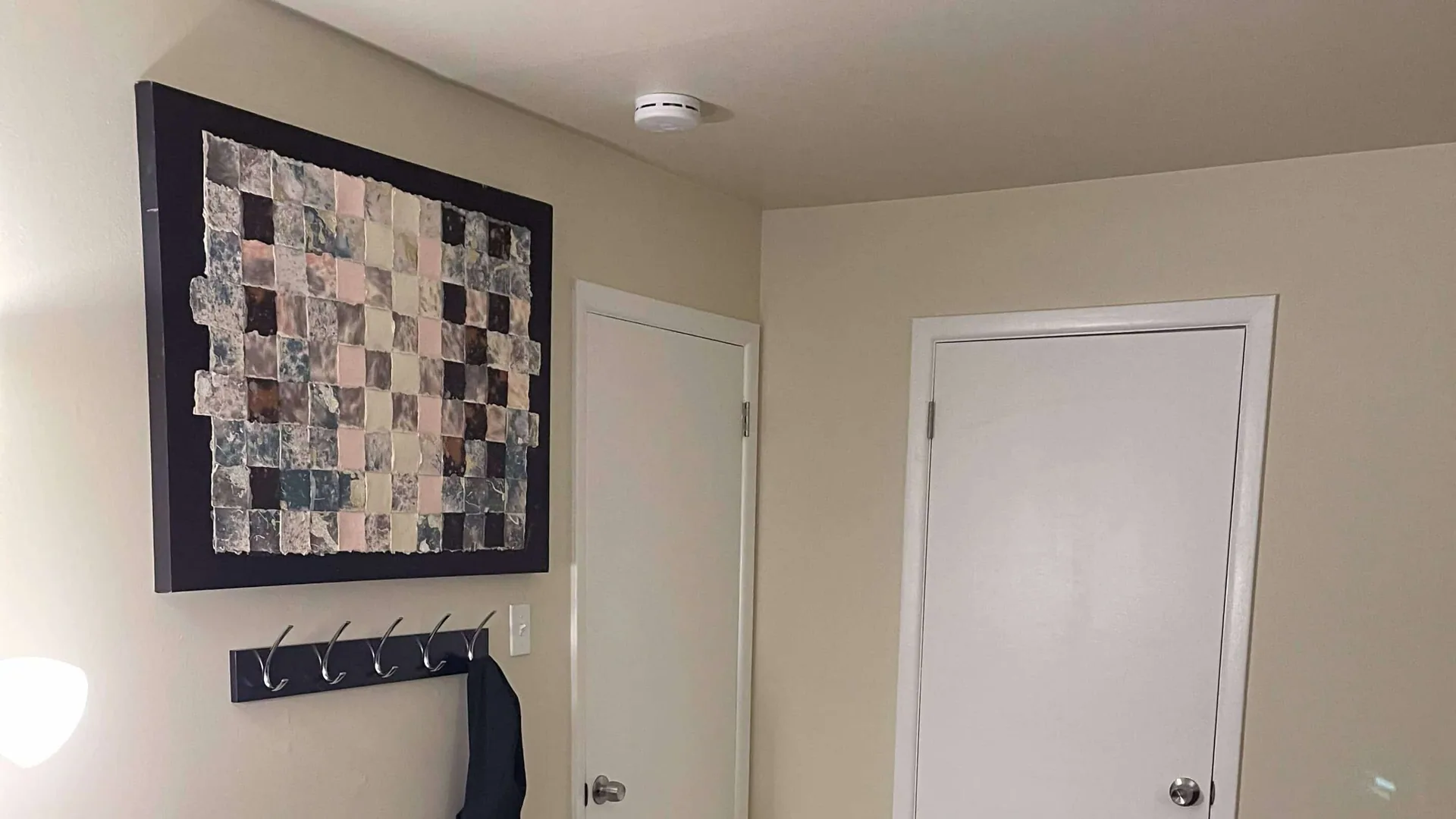
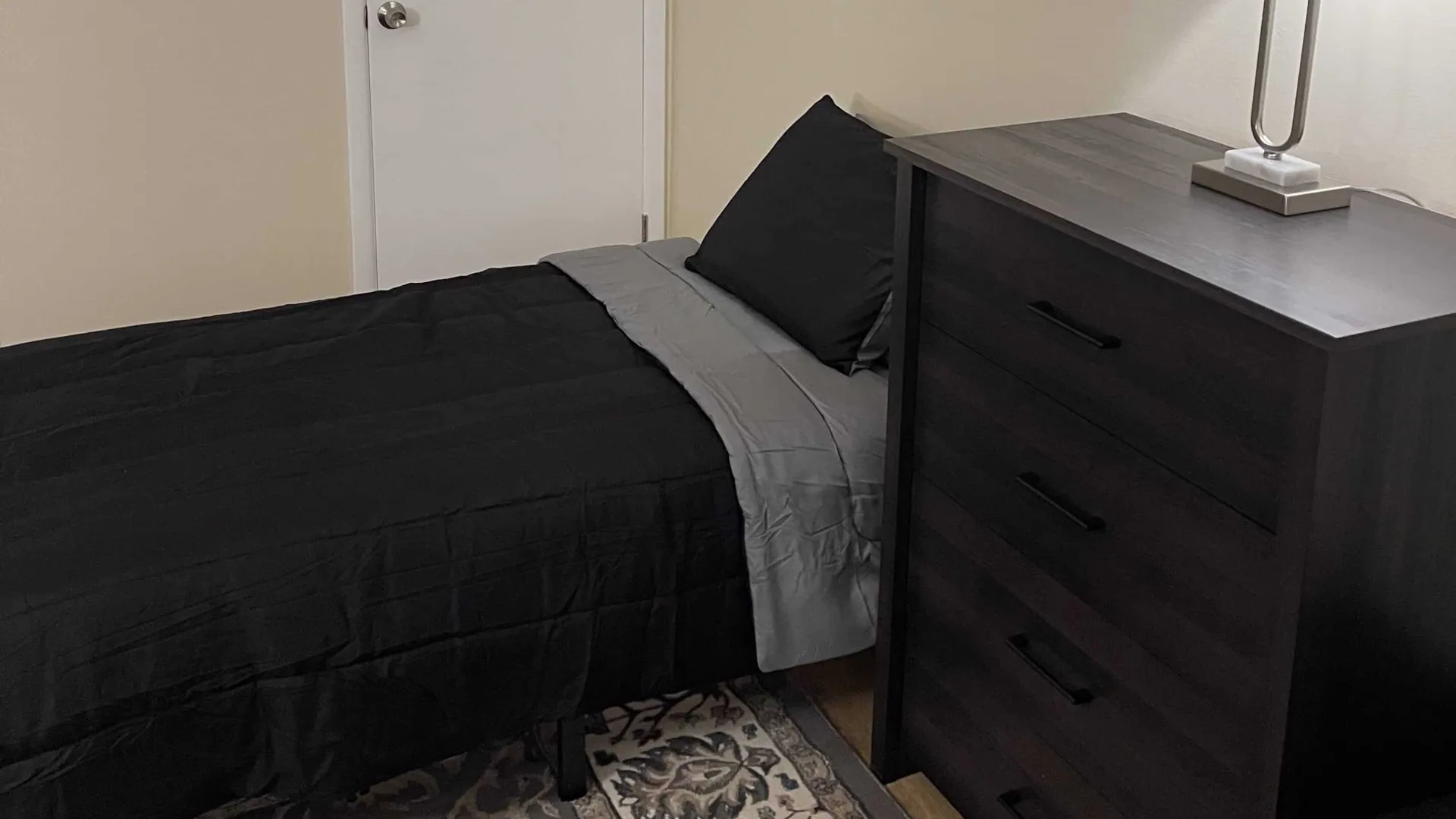
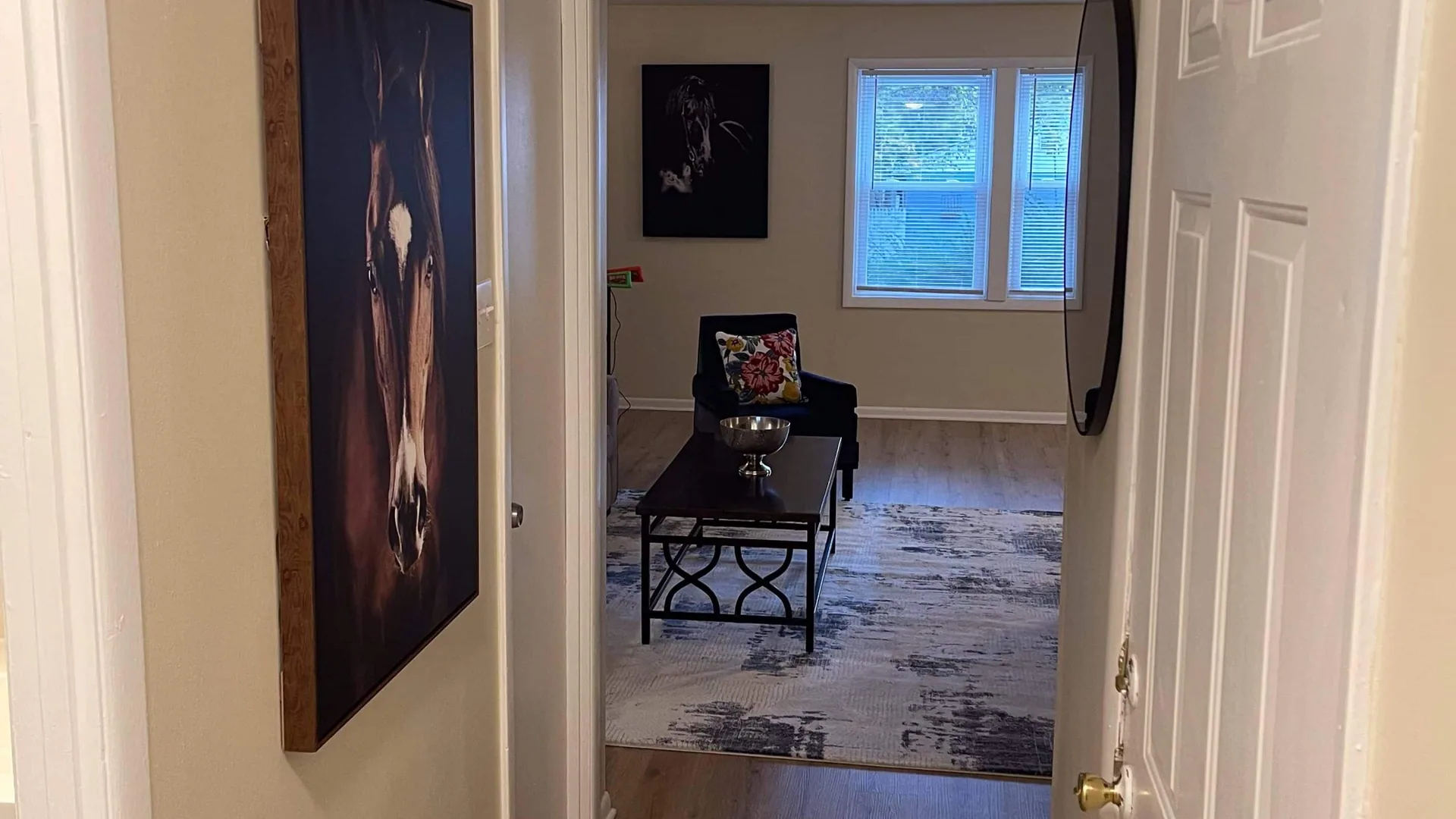
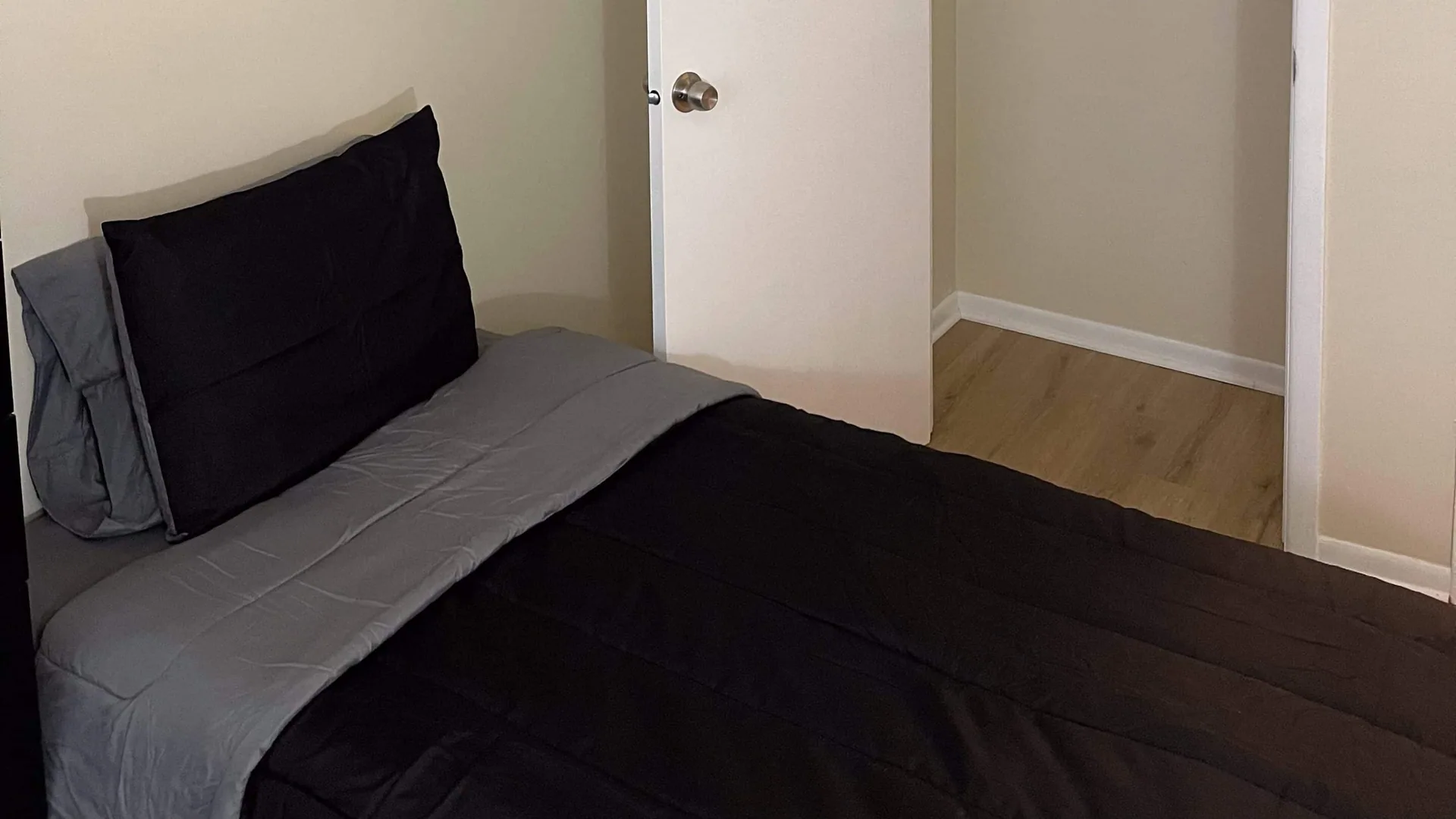
Inside the Philadelphia homes






Questions to ask a sober living home about cost and rules
When you compare affordable sober living philadelphia options, ask questions that protect your budget.
- What is the total cost per week or month, and what is included?
- Are utilities included, and are there extra charges?
- What rules are required (curfew, meetings, chores, visitors)?
- What happens after a rule violation or substance use?
- Are medications allowed, including medication-assisted treatment if that applies?
- How do people leave the home, and is there a refund policy?
For more detail on what daily life can look like and how to compare options, review our sober living in Philadelphia, PA guide.
Clear answers help you compare homes without guessing.
How to line up housing with a case manager
If you have a counselor, case manager, sponsor, or reentry worker, involve them early. They can help you gather documents. They can also help you track deadlines. This matters because many programs require proof and follow-up.
Housing resources Philadelphia for families and single mothers
Low income housing in Philadelphia for single mothers: a practical approach
Single mothers often need housing that supports school, childcare, and safety. Many families use more than one track.
- Prevention help, if rent is behind.
- Family-focused nonprofits, for shelter or longer-term planning.
- Subsidized housing waitlists, for longer-term affordability.
Family Promise of Philadelphia says it works with families with children to prevent eviction, provide shelter, and support long-term self-sufficiency.
If a family is already in crisis, the City explains how to contact intake social workers and case managers through the Prevention, Diversion & Intake unit.
Women who want a structured, substance-free home environment can review women’s sober living in Philadelphia to compare what to look for and what questions to ask.
When safety is a factor: domestic violence and emergency moves
If safety is part of the housing problem, focus on safety first. A hotline, advocate, or legal aid group can help you plan a safer move. If you are in immediate danger, call 911.
Tenant rights and legal support
PhillyTenant and Community Legal Services
PhillyTenant collects local information on rental assistance, utility help, and how to apply for subsidized housing.
Community Legal Services (CLS) says its Housing Unit helps low-income tenants in public and subsidized housing. It lists issues like evictions, voucher terminations, disability accommodations, rent calculations, and repair problems. It also suggests gathering documents like leases, court papers, rent receipts, proof of income, and messages with a landlord or housing agency.
Fair housing and disability accommodations
Housing access can involve fair housing rules and reasonable accommodations. The Arc of Philadelphia’s housing resource list points to local fair housing resources. It explains that unfair rental practices and unsafe conditions may be addressed through the city’s fair housing system.
A simple step-by-step plan
Step 1: Pick your lane
Decide what you need most right now.
- Keep your current housing.
- Find a new affordable unit.
- Find emergency shelter.
- Find a recovery-focused shared home.
You can work on more than one lane. Still, it helps to name your top priority.
Step 2: Collect documents once
Many applications ask for the same items. The City’s homeless services page lists birth certificates, Social Security cards, and income proof dated within the last 30 days.
A starter folder can include:
- Photo ID, if you have it.
- Birth certificates and Social Security cards for household members.
- Recent income proof, like pay stubs or benefit letters.
- Lease, landlord notices, and court papers, if eviction is involved.
Step 3: Track every application
Write down the date you applied, who you spoke to, and what they asked you to submit. For property waitlists, PhillyTenant suggests following up at least once per year.
Step 4: Use PA 211 as a backstop
When you are stuck, PA 211 can help you find housing and utility resources by ZIP code. It says you can dial 211 or text your ZIP code to 898-211.
How Eudaimonia Recovery Homes Supports Affordable Sober Living in Philadelphia
Eudaimonia Recovery Homes can support the goal of affordable sober living in Philadelphia by offering a structured, substance-free place to live while someone focuses on recovery. Shared housing can reduce monthly costs compared with renting alone, which may help residents keep up with rent while they rebuild income and stability.
A consistent home environment can make it easier to follow treatment plans, attend appointments, and keep a steady work schedule. Clear house expectations, such as curfews and routine responsibilities, can add day-to-day structure without replacing clinical care.
Residents may also benefit from living with peers who are working toward similar goals, which can reduce isolation and support accountability. When someone needs outside help, the home can serve as a steady base while they explore housing programs in Philadelphia and other community services.
This can be useful when a resident is gathering documents, making calls, and tracking applications for assistance. By pairing stable housing with practical, recovery-aligned routines, Eudaimonia Recovery Homes can help residents stay housed while they plan for longer-term independent living.
Your Future Is Waiting
Tell us what you are looking for and admissions will walk you through the houses, the phases, and what a room actually costs.


