

Published December 9, 2025 · Updated February 18, 2026
Key Takeaways
- Recovery housing in Philadelphia provides a stable, drug‑ and alcohol‑free bridge between intensive treatment and fully independent living.
- Recovery housing models include sober living houses, halfway houses, and other recovery residences that share core features of structure, accountability, and peer support.
- Sober living program structure in Philadelphia relies on house rules, curfews, testing, and required engagement in treatment or support groups to keep residents focused on recovery.
- Benefits of sober living include reduced relapse risk, stronger daily routines, practical life skills, and a recovery‑supportive peer community.
- Finding reputable recovery housing involves using state and local directories, checking for DDAP licensing, and asking detailed questions about rules, services, and neighborhood fit.
- Eudaimonia Recovery Homes offers a structured men’s sober living home in Philadelphia that combines safe housing, peer accountability, and ongoing recovery support.
On This Page · 27 Sections
Sober Living
Philadelphia
Recovery housing gives people in early recovery a stable place to live while they rebuild their lives. In Philadelphia, options range from informal recovery homes to licensed halfway houses and structured sober living houses.
Together, these settings form a bridge between intensive treatment and fully independent living.
When people search for “sober living Philadelphia” or “halfway house Philadelphia,” they are usually trying to understand what these options look like in real life, how safe they are, and whether they are a fit for their stage of recovery. This guide explains how recovery homes in Philadelphia work, how they are regulated, and what to look for when comparing programs across the city, including in Northeast Philadelphia.
What Is Recovery Housing?
Recovery housing is an umbrella term for drug‑ and alcohol‑free homes that provide structure, peer support, and accountability for people with substance use disorders. Sober living houses, recovery residences, and halfway houses all fall under this broader category.
To see how these models work in practice at Eudaimonia, you can review our sober living homes overview.
Research describes sober living houses as alcohol‑ and drug‑free residences that use rules, house meetings, and peer support to help people maintain abstinence and transition back into everyday life.
Recovery Homes vs. Recovery Residences vs. Sober Living
These terms are often used interchangeably, but they usually point to slightly different models:
- Recovery homes in Philadelphia is a general phrase that can refer to any residence focused on sober living, whether it is privately run, nonprofit, or publicly funded.
- Philadelphia recovery residences often describes homes that follow national quality standards and may belong to a state or national recovery housing network.
- Sober living houses in Philadelphia are typically peer‑driven homes with clear rules, curfews, and expectations around meetings, work, or school.
- Halfway houses usually include more formal programming and may serve people under legal supervision or coming directly from inpatient treatment.
These descriptions are consistent with national recovery housing standards that define four levels of recovery residences based on staffing, governance, and recovery support services (National Alliance for Recovery Residences standards).
In practice, many homes blend features from more than one category, so it is important to ask each provider how their program actually operates.
Where Recovery Housing Fits in the Continuum of Care
Recovery housing sits between intensive services (like detox or residential treatment) and living completely on your own. Residents are expected to manage their own recovery plans while getting day‑to‑day support from housemates, staff, and community resources.
Studies have found that when sober living homes are combined with mutual‑help groups and outpatient services, residents often show higher rates of abstinence and better long‑term outcomes.
Types of Recovery Housing in Philadelphia
Sober Houses in Philadelphia
Sober houses in Philadelphia are usually privately operated or nonprofit homes that provide:
- A drug‑ and alcohol‑free living environment
- House rules around curfews, guests, and chores
- Required attendance at recovery meetings or outpatient care
- Peer support and informal mentoring
These homes may not provide clinical treatment on site, but they strongly encourage or require residents to stay engaged with counseling, medication, or other services in the community.
Halfway House Philadelphia Options
A halfway house Philadelphia program often feels more structured than a typical sober living home. Many halfway houses:
- Are tied to the justice system or operate under contracts with public agencies
- Serve people exiting residential treatment or incarceration
- Include on‑site groups, case management, or vocational support
In Pennsylvania, recovery or sober living homes that receive referrals from state agencies or use state or federal funding must be licensed by the Department of Drug and Alcohol Programs (DDAP). This licensing process is designed to promote safety, accountability, and consistent standards across programs.
State licensing guidance specifies that any drug and alcohol recovery house receiving public funding or referrals must hold a DDAP recovery house license (Pennsylvania DDAP recovery house licensure).
Other Philadelphia Recovery Residences
Philadelphia also supports a network of recovery residences through the city’s Recovery House Initiative. These DDAP‑licensed homes offer meals, NA/AA meetings, life‑skills groups, transportation to treatment, and support with securing long‑term housing for residents who meet program criteria.
Some of these homes are gender‑specific, some accept parents with children, and others focus on low‑barrier housing for people who may still be stabilizing on medication for addiction treatment.
How Sober Living Philadelphia Programs Work
Daily Structure and House Rules
A typical Philly sober living house uses simple but clear rules to keep residents safe and focused on recovery. Common expectations include:
- No alcohol or drugs on or off the property
- Random or scheduled drug and alcohol testing
- Participation in recovery meetings, therapy, or outpatient care
- Curfews and quiet hours
- Shared chores and regular house meetings
These rules may feel strict at first, but they create predictable routines that reduce chaos and help residents practice sober living skills before returning to full independence.
Support, Services, and Peer Community
While each home is different, many sober living Philadelphia programs emphasize:
- Peer support. Residents attend meetings together, talk through triggers, and share strategies that have worked for them.
- Life skills. Some homes help with budgeting, job searches, cooking, or time management.
- Transportation and coordination. Recovery houses connected to city initiatives may provide rides to treatment or support navigating benefits and housing resources.
At Eudaimonia, these services are organized into a structured recovery support program that combines monitoring, life-skills training, and relapse-prevention tools. Residents can also access our MAP PRSS Support Program, which pairs each person with a peer recovery support specialist for ongoing guidance after treatment.
The goal is to give people enough structure to stay safe without removing the responsibility of managing their own recovery plans.
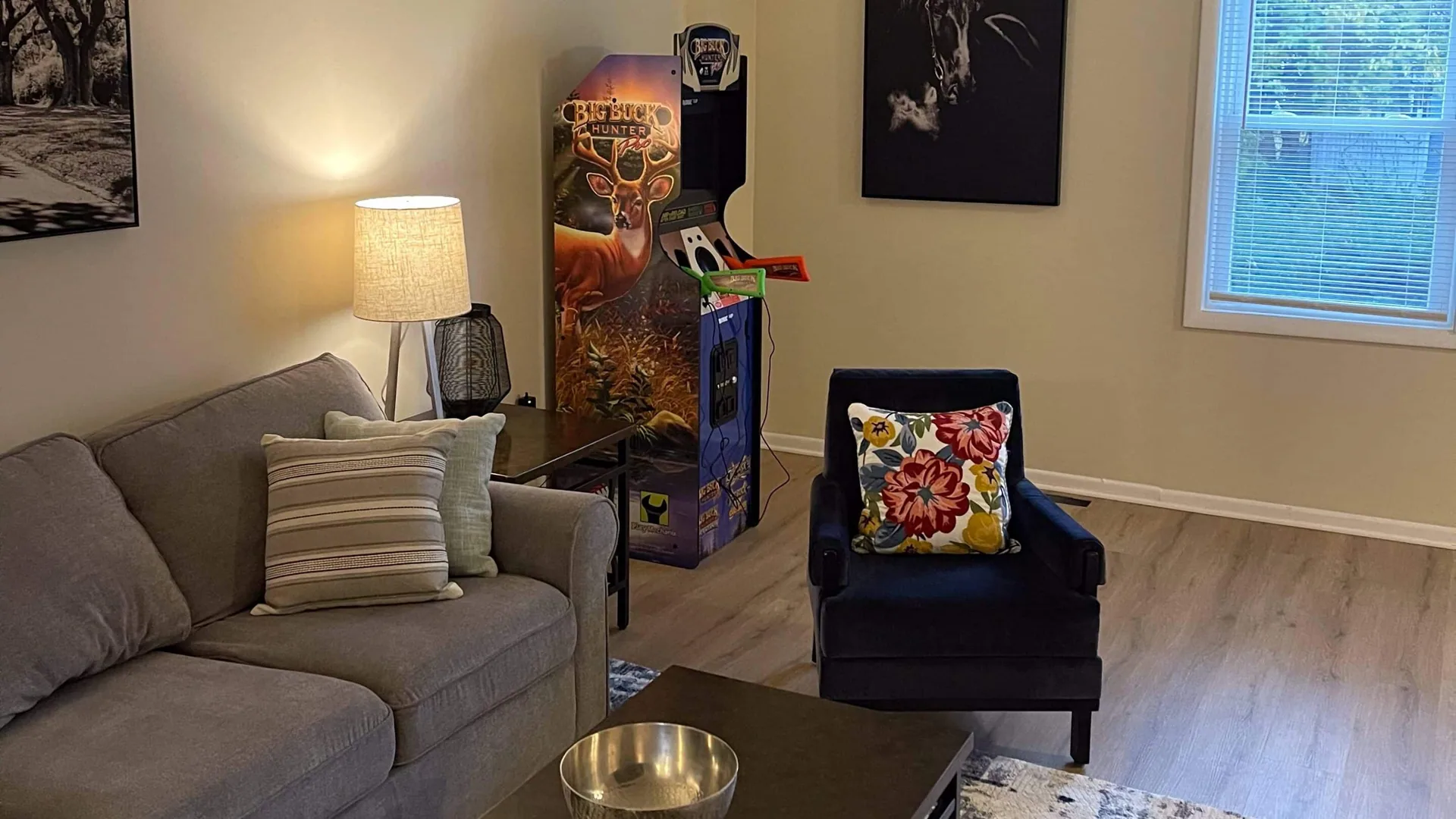
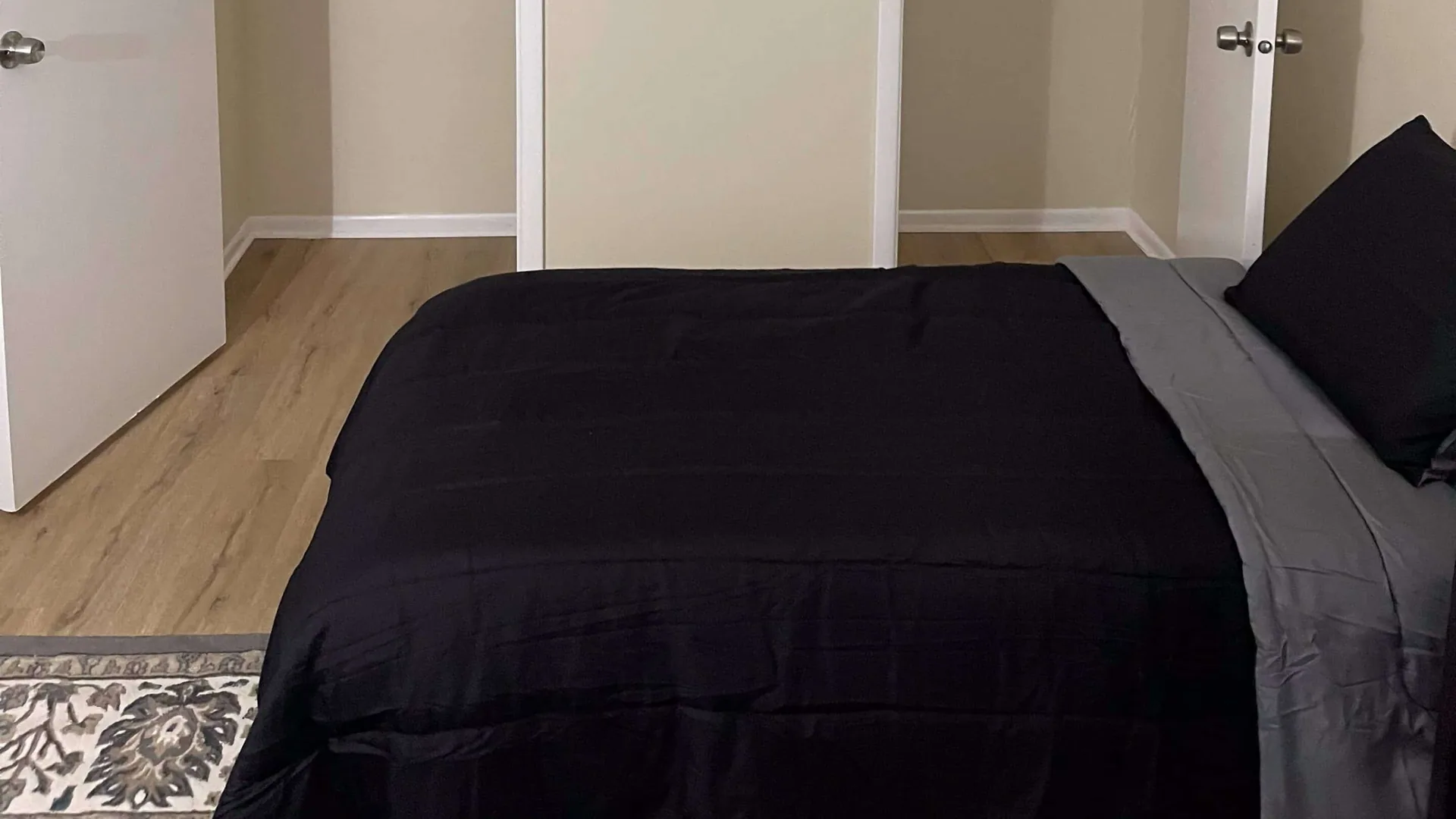
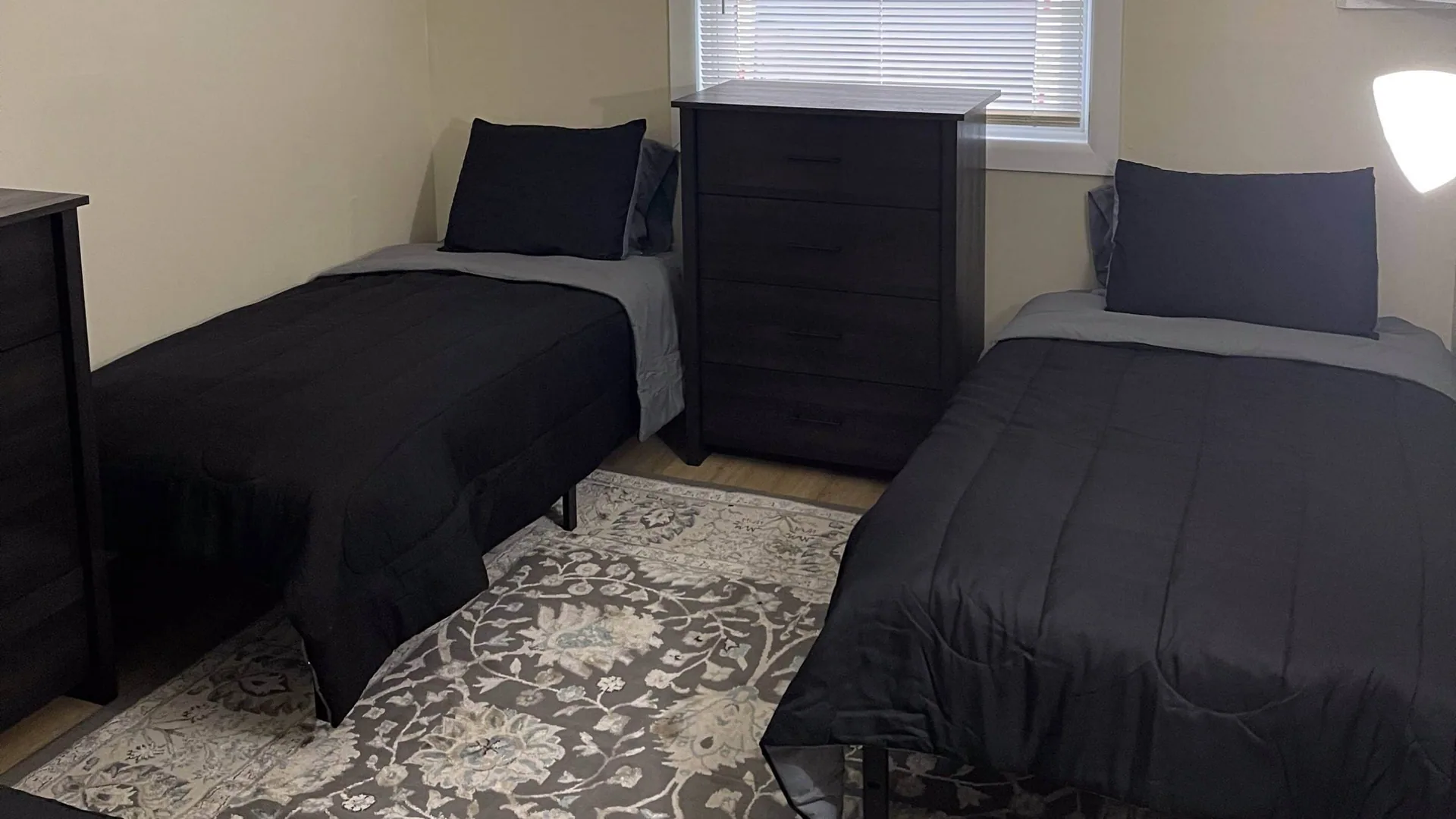
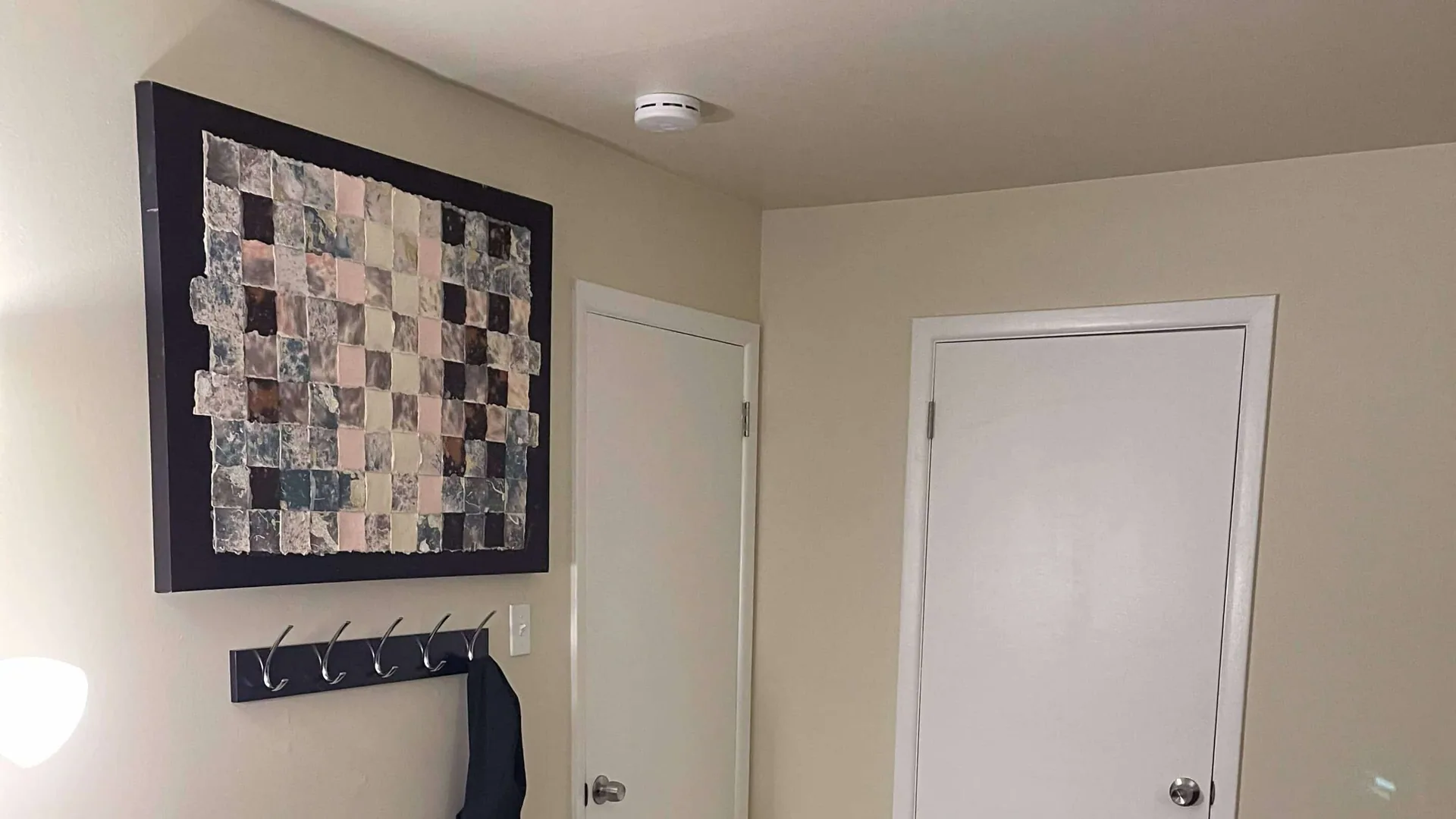
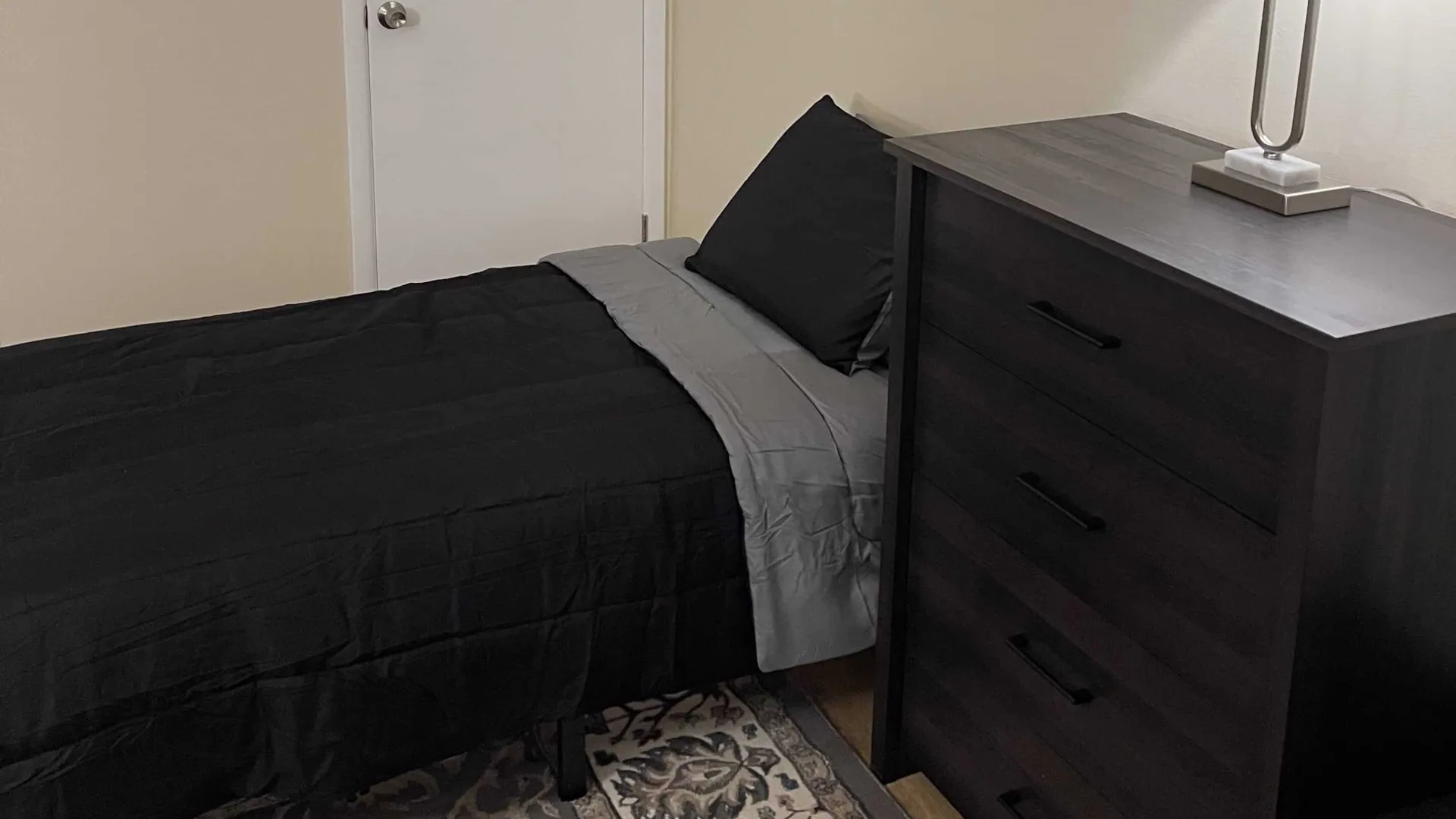
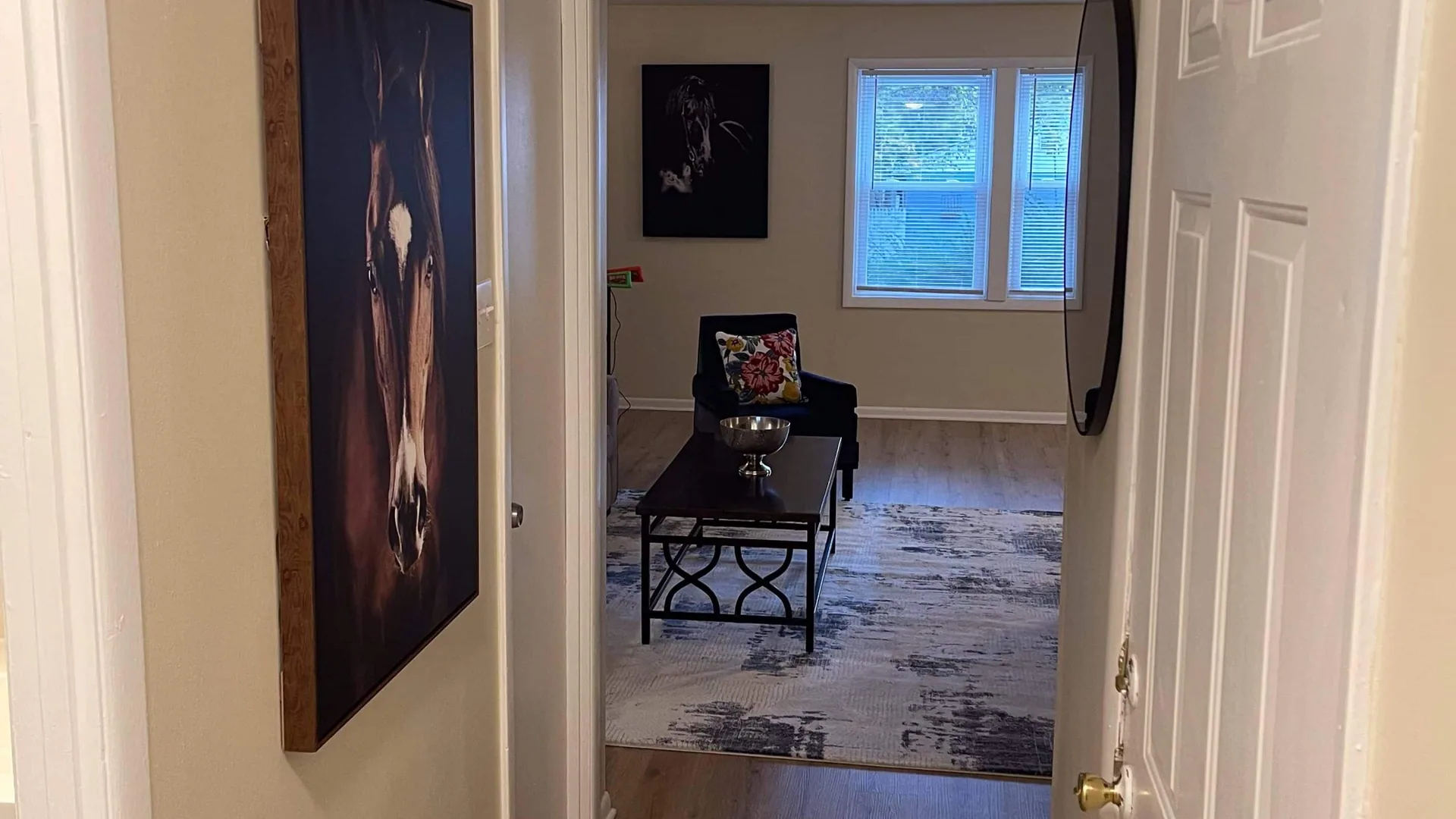
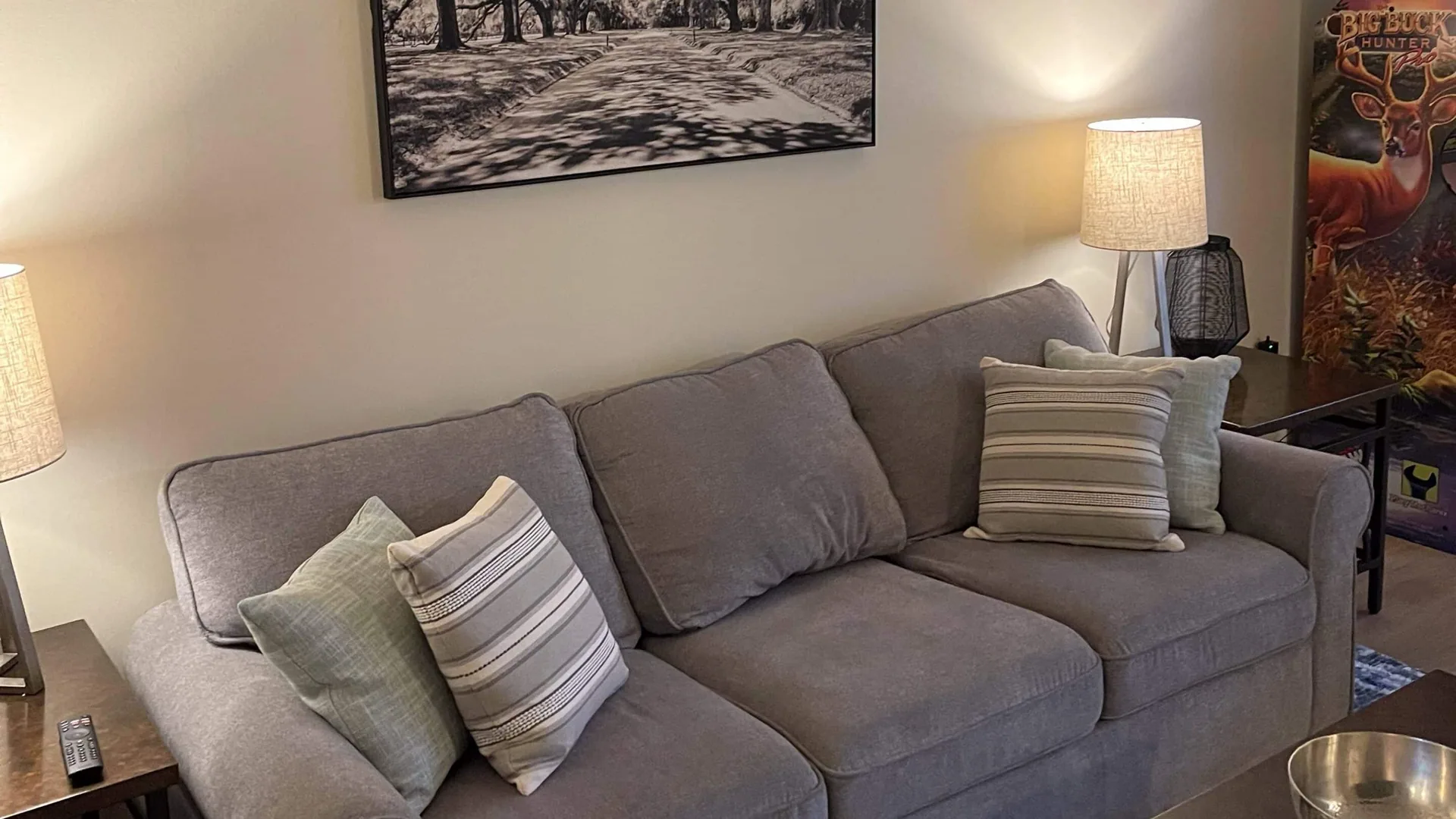
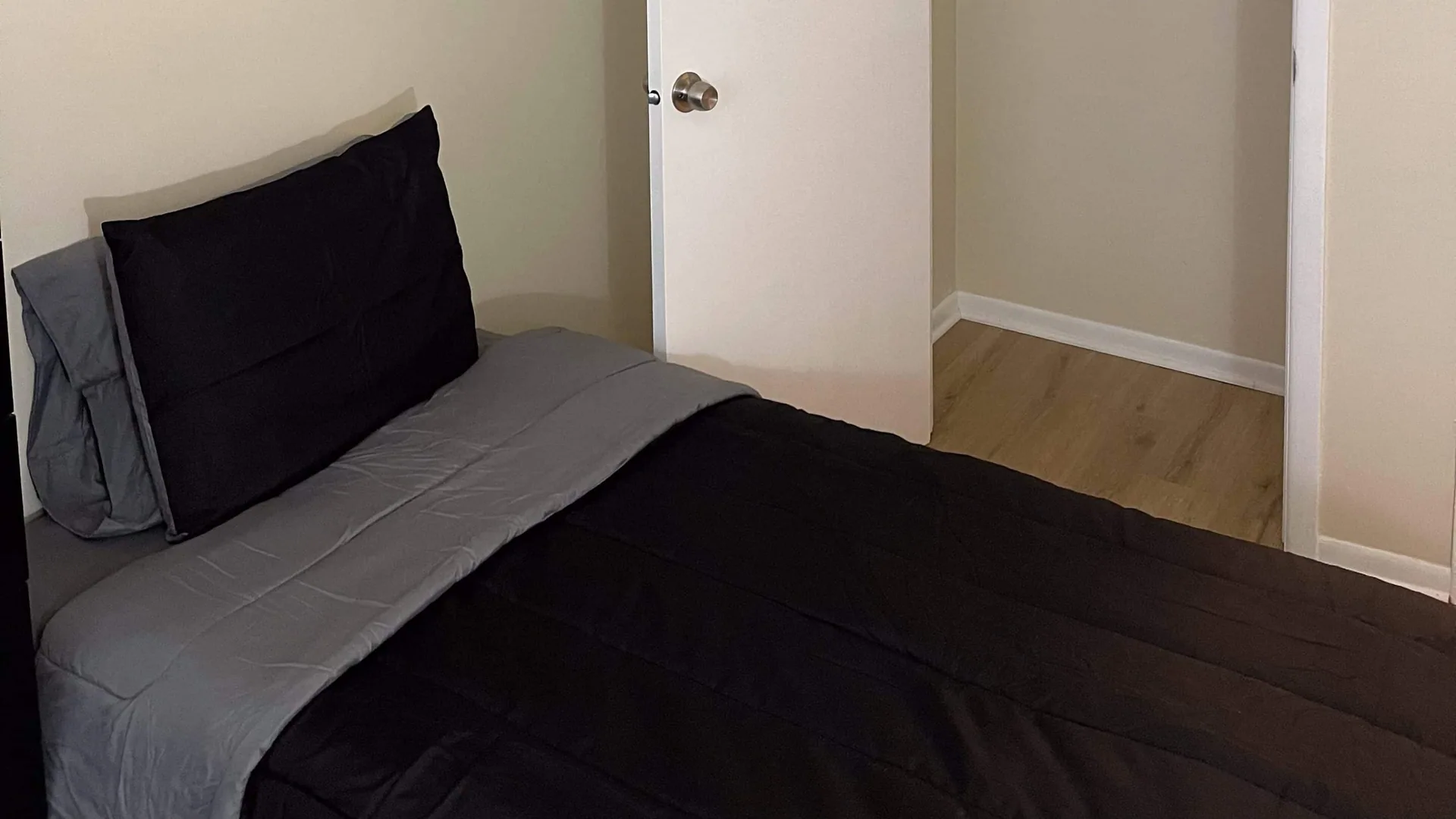
Inside the Philadelphia homes





Length of Stay, Costs, and Funding
Length of stay varies. Some residents stay only a few months; others remain longer while they stabilize work, school, and family relationships. Many programs ask residents to commit to at least 90 days, with longer stays encouraged when possible.
Costs also vary:
- Privately run sober living houses usually charge weekly or monthly program fees.
- Some recovery residences have sliding scales, scholarships, or partial public funding.
- For DDAP‑licensed recovery houses that are part of city or state initiatives, minimal fees may be required if residents are working.
Because there is no single pricing model, it is important to ask for a clear breakdown of fees, what is included, and whether payment assistance is available.
Eudaimonia's Success Stories – Real People, Real Freedom
Benefits of Philly Sober Living
Lower Relapse Risk and Stronger Routines
Living in a home where everyone is working toward sobriety reduces exposure to substances and high‑risk situations. Research suggests that this kind of structured, peer‑supported environment can reduce relapse rates compared with returning immediately to an unsupervised setting.
In one 18‑month follow‑up study, residents of sober living houses showed significant improvements in substance use, employment, psychiatric symptoms, and arrests compared with their status at entry (sober living houses 18‑month outcomes study).
Daily routines, such as wake‑up times, chores, work or school, and evening meetings, also help residents rebuild habits that support long‑term recovery.
Life Skills, Work, and School
Many sober living houses in Philadelphia expect residents to:
- Work, look for work, or attend school
- Build a weekly schedule and stick to it
- Practice managing money, time, and responsibilities
By the time someone is ready to move out, they often have more stable employment, a clearer budget, and a routine that can continue in independent housing.
Family and Community Connections
Recovery housing often encourages residents to repair relationships with family and loved ones when it is safe to do so. At the same time, residents build a new recovery community through meetings, sponsors, and peers. These relationships can continue long after someone has left the home.
Finding Recovery Homes in Philadelphia
Using State and City Resources
If you are starting from scratch, it helps to use official public resources:
- DDAP’s facility locator lists licensed recovery and halfway houses across Pennsylvania and can be filtered by county.
- Philadelphia’s Recovery House Initiative offers information on eligibility, referrals, and the range of services provided at funded recovery houses in Philadelphia.
These tools are useful starting points when you want to confirm that a home is licensed and part of an established network.
Questions to Ask Any Philly Sober Living House
When touring or calling possible homes, consider asking:
- Is the home licensed or certified, and by whom?
- What are the expectations around meetings, work, or school?
- How is drug testing handled, and what happens after a relapse?
- Are visitors allowed, and what are the curfew rules?
- How many residents live in the home, and is it co‑ed or single‑gender?
- Do you accept people on medication for addiction treatment?
The answers will help you compare one philly sober living house to another and decide which environment will support your specific goals.
Neighborhoods and Recovery Houses in Northeast Philadelphia
Location matters. Some people prefer recovery houses in Northeast Philadelphia because of quieter residential streets, access to public transit, or proximity to family. Others may want to be closer to Center City, West Philly, or South Philly for work and school.
Regardless of the neighborhood, look for:
- Safe, well‑maintained housing
- Easy access to bus, subway, or regional rail stops
- Nearby recovery meetings and outpatient services
- House rules that match your needs for structure and independence
When searching online, phrases like “recovery houses in northeast philadelphia” or “sober houses in philadelphia” can help narrow the options by area.
When to Choose a Halfway House Philadelphia Program
Legal or Court‑Involved Situations
A halfway house may be recommended or required for people leaving jail or prison, especially when supervision conditions include structured housing. These programs tend to offer more oversight, frequent reporting, and closer coordination with probation or parole.
If you are navigating a legal case, it is important to confirm that the halfway house Philadelphia program you are considering meets any specific court requirements.
Moving From Detox or Residential Treatment
People leaving detox or residential rehab often need more structure than a standard sober living home provides. A halfway house or highly structured recovery residence can offer:
- Daily groups or counseling
- On‑site staff around the clock
- Closer monitoring of medication and appointments
Later, some people step down from a halfway house into more flexible sober living Philadelphia housing as they gain confidence and stability.
How Eudaimonia Recovery Homes Supports Recovery Housing in Philadelphia
Eudaimonia Recovery Homes operates a fully furnished men’s sober living home in Philadelphia. They can help with recovery housing in Philadelphia by providing a structured, drug‑ and alcohol‑free living environment for adults in early recovery. The Philadelphia men’s home offers fully furnished housing with clear rules, curfews, and expectations that support residents as they adjust to life without substances.
On‑site house management and regular drug and alcohol testing help maintain accountability and safety for everyone in the home. Residents are encouraged to engage in outpatient treatment, support groups, or counseling in the community so they can build a stable network outside the house. Daily routines, shared chores, and house meetings teach practical skills such as time management, communication, and responsibility. The program also emphasizes peer support, giving residents the chance to learn from one another and discuss challenges in a recovery‑focused setting.
As residents progress, staff can provide guidance on next steps, including employment, education, and long‑term housing planning. In these ways, Eudaimonia Recovery Homes offers a consistent, supportive base for people who need recovery housing in Philadelphia while they work toward greater independence.
When you are ready to move into a recovery home, our what to bring to sober living checklist makes it easy to pack and prepare for your first day.
Your Future Is Waiting
Tell us what you are looking for and admissions will walk you through the houses, the phases, and what a room actually costs.


