

Published October 6, 2025 · Updated February 26, 2026
On This Page · 9 Sections
Sober Living
Philadelphia
If you’re searching for sober living homes Philadelphia PA, you’re already taking a smart, hopeful step. Philadelphia offers a robust network of recovery residences and supportive housing designed to help individuals maintain long‑term sobriety after detox or treatment. Yet, when you start looking, the results can be confusing: different house types, different rules, and pages that don’t explain how to verify licensing, what PARR certification means, or how to navigate DBHIDS and BHSI referrals. This guide solves that.
In the sections below, you’ll learn exactly what sober living is, how it works in Philadelphia, how to choose a safe, structured home, and how to apply. You’ll also see how Pennsylvania’s licensing rules fit together with PARR standards, along with a practical FAQ built around common questions people ask online. Whether you’re early in your recovery journey or helping a loved one, here’s how to find supportive housing that keeps the focus on recovery And daily life, right here in Philly.
What Is a Sober Living Home? (and how it differs from halfway houses)
A sober living home (sometimes called a recovery house or recovery residence) is a substance‑free, community‑based living environment that supports people transitioning from active addiction to independent living. Residents typically share a house, follow house rules (such as curfews, drug/alcohol testing, and meeting attendance), contribute to chores, and build life skills such as budgeting, job readiness, and relapse prevention strategies.
Sober living vs. halfway houses: While these terms are often used interchangeably, there are meaningful differences. Nationally, many halfway houses are time‑limited, sometimes affiliated with the criminal justice system, and may include more programmatic requirements. Sober living homes (recovery residences) are typically peer‑oriented, can be time‑flexible, and focus on supportive, structured living that complements outpatient care, work, or school.
In Philadelphia and across Pennsylvania, there’s an additional layer: licensure and certification. If a recovery house is receiving state referrals or public funding, Pennsylvania requires DDAP licensure. Separately, the Pennsylvania Alliance of Recovery Residences (PARR) offers voluntary certification aligned with NARR Standards, useful for quality assurance even when licensure isn’t required.
How Sober Living Works in Philadelphia
DBHIDS Recovery House Initiative & local referral pathwaysPhiladelphia’s Department of Behavioral Health and Intellectual Disability Services (DBHIDS) coordinates a long‑standing Recovery House Initiative that connects individuals in outpatient treatment with recovery housing. The aim is straightforward: pairing treatment with a stable, recovery‑focused living environment improves outcomes.
DBHIDS also maintains Housing & Homeless Services, a unit that helps Philadelphians with behavioral health needs access housing resources.
DDAP licensing vs. PARR certification (and why it matters)Pennsylvania’s Department of Drug and Alcohol Programs (DDAP) requires licensure for recovery houses that receive public referrals or funding. This licensure, enforced since 2022, focuses on resident safety (e.g., smoke/CO detectors, fire code compliance) and program integrity. Whether or not you’re accessing public funding, DDAP licensure is a strong signal the home meets statewide standards.
PARR certification is a voluntary quality mark aligned with the National Alliance for Recovery Residences (NARR) standards. PARR outlines Levels I, IV (from peer‑run to clinically supported), offering consumers clarity on structure and services. If you’re choosing without a public referral, PARR can help you compare apples to apples.
Who Sober Living Helps (and when)
Sober living is ideal for people who:
Have completed detox or an inpatient/residential program and want a structured and supportive step‑down.
Are in outpatient, intensive outpatient, or partial hospitalization and need a supportive living environment aligned with recovery.
Need time to rebuild daily life routines, work or return to school, strengthen support groups, and practice relapse prevention before living entirely independently.
Houses often serve men and women in separate homes (or separate floors/units), and some homes are MAT‑friendly (supporting medications for opioid/alcohol use disorders) while others are abstinence‑only. Carefully review policies as you shortlist options.
What to Expect Day‑to‑Day
Every home is different, but most sober living homes provide structured routines that may include:
Substance‑free environment with random or scheduled drug/alcohol testing.
Curfews and a progression system that rewards consistent recovery behaviors.
Participation in 12‑step programs or alternative peer groups (as outlined by house policy).
Chores and shared responsibilities to keep the home clean and safe.
Life skills Development: budgeting, cooking, scheduling, job/search coaching.
Support groups (in‑house or community‑based) to build connection and accountability.
House managers or peer leaders who mediate issues and model recovery.
The goal is to build healthy routines that carry into independent living, one day at a time.
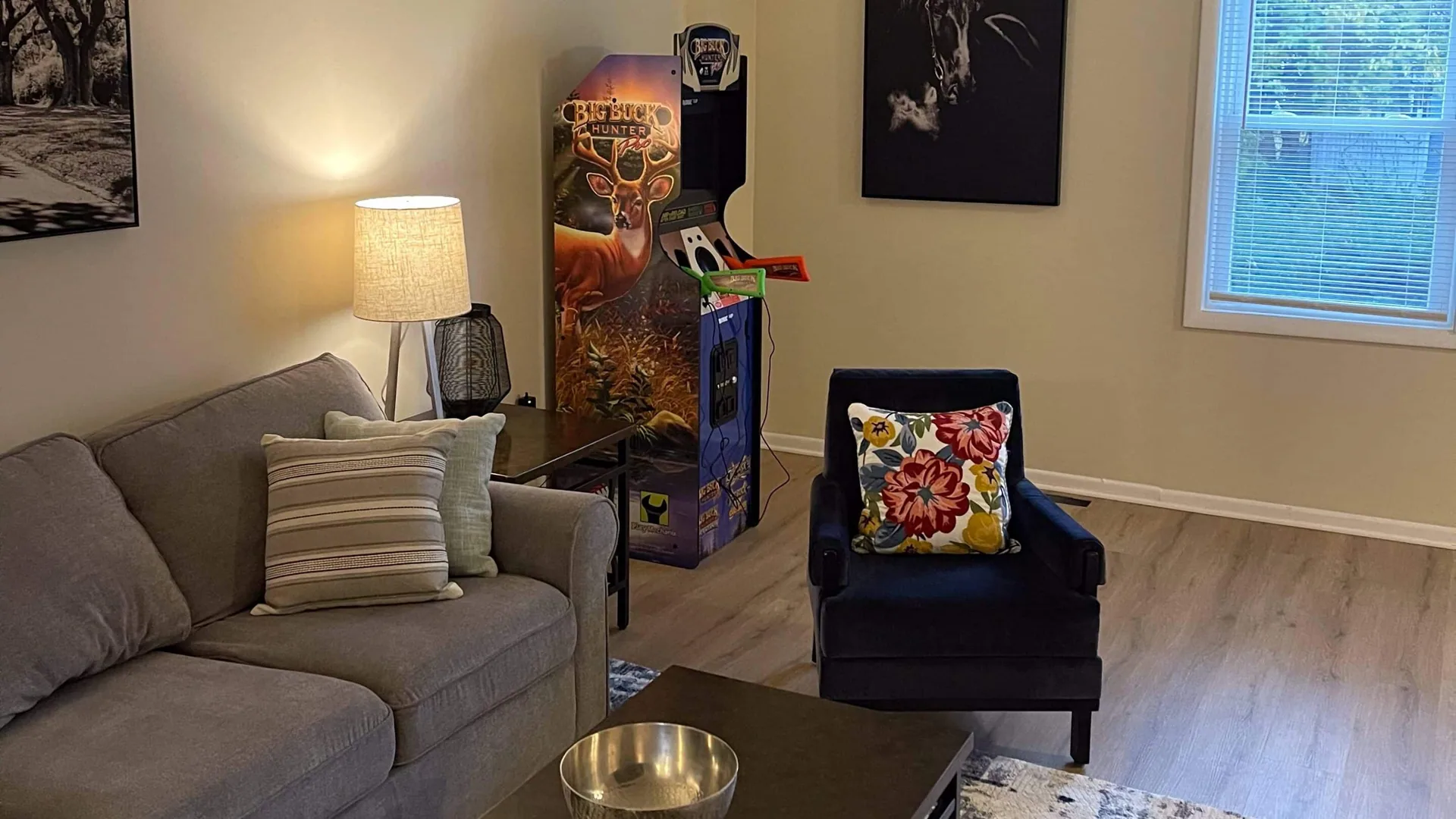
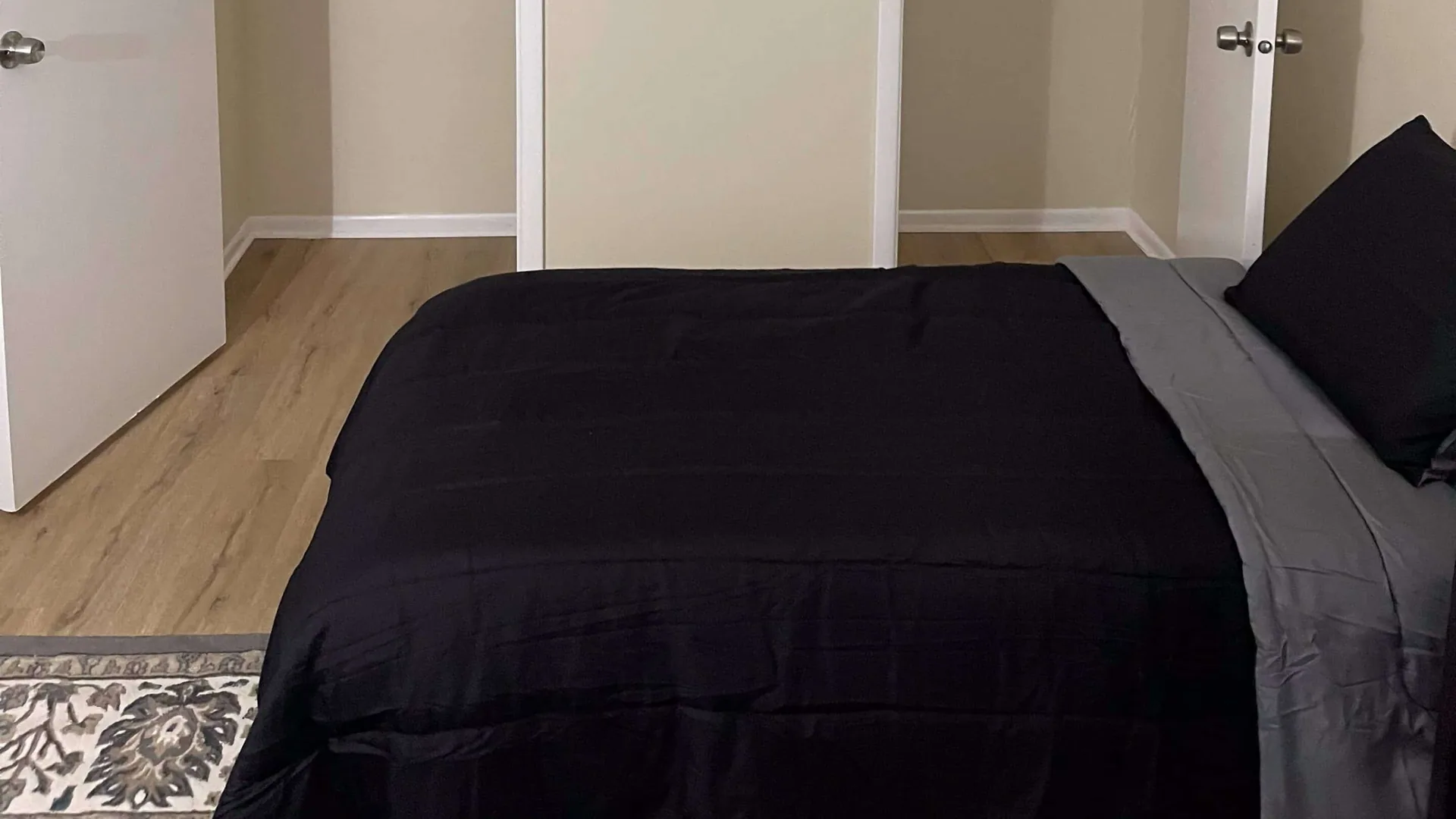
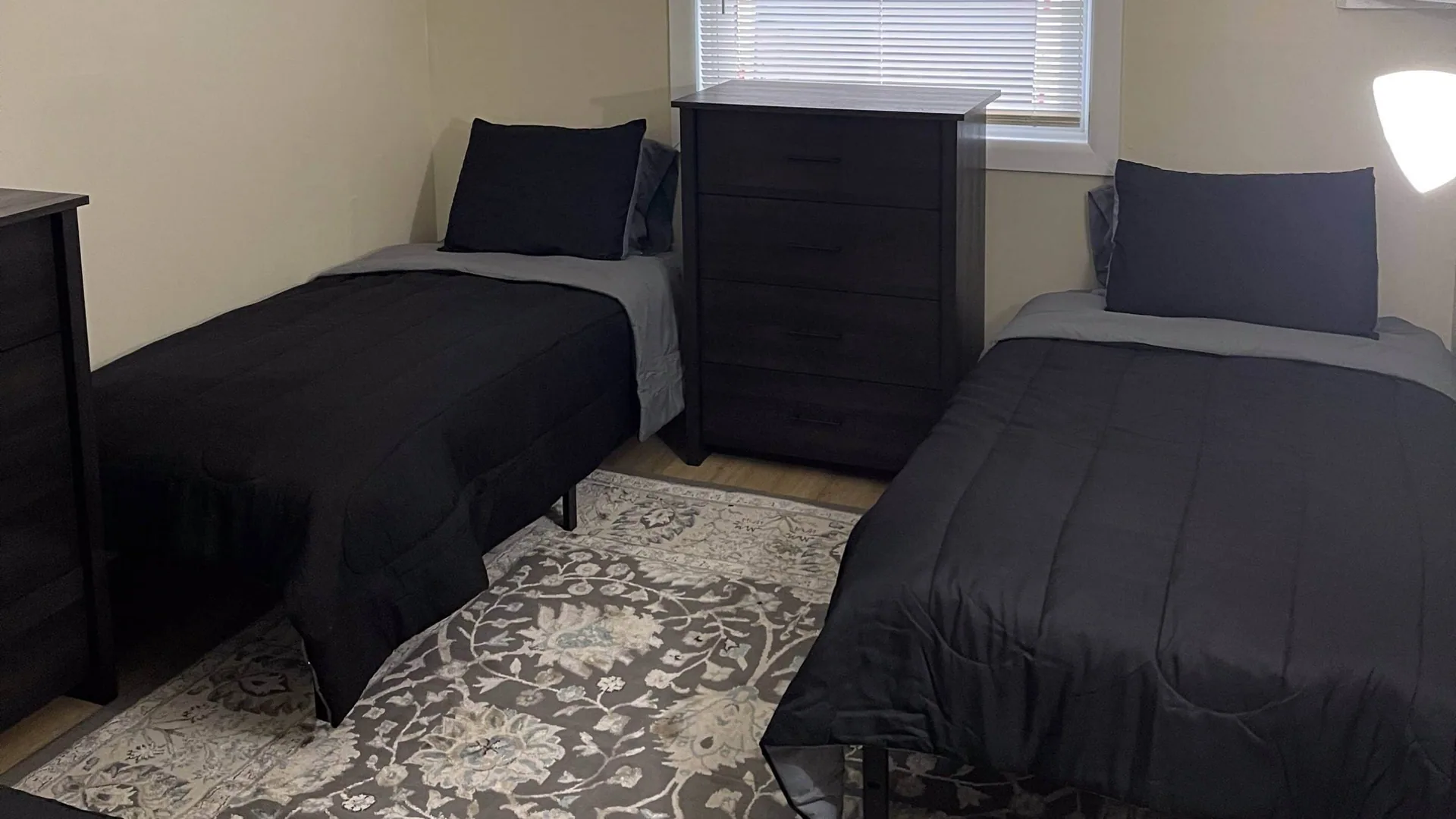
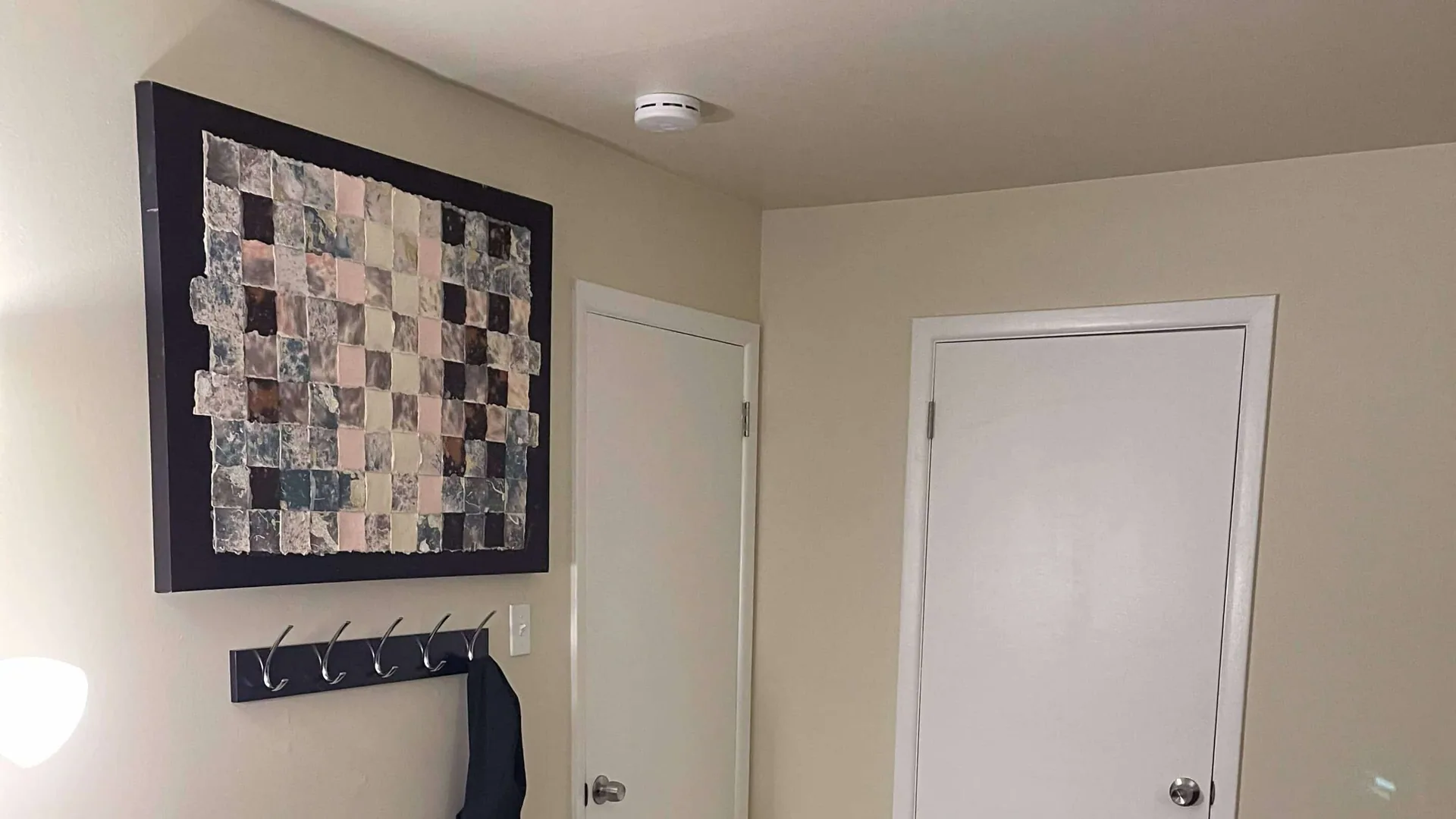
Inside the Philadelphia homes

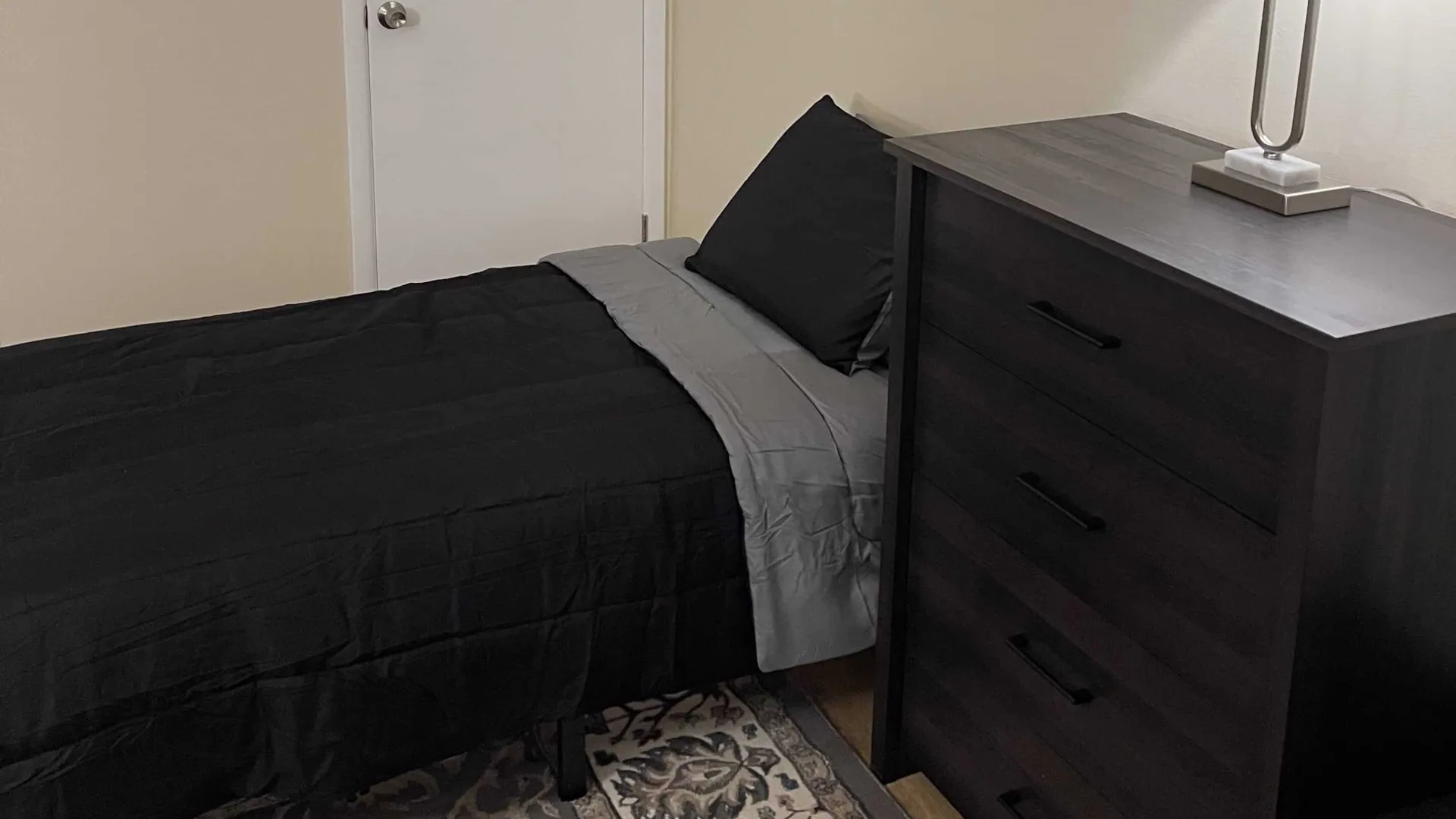
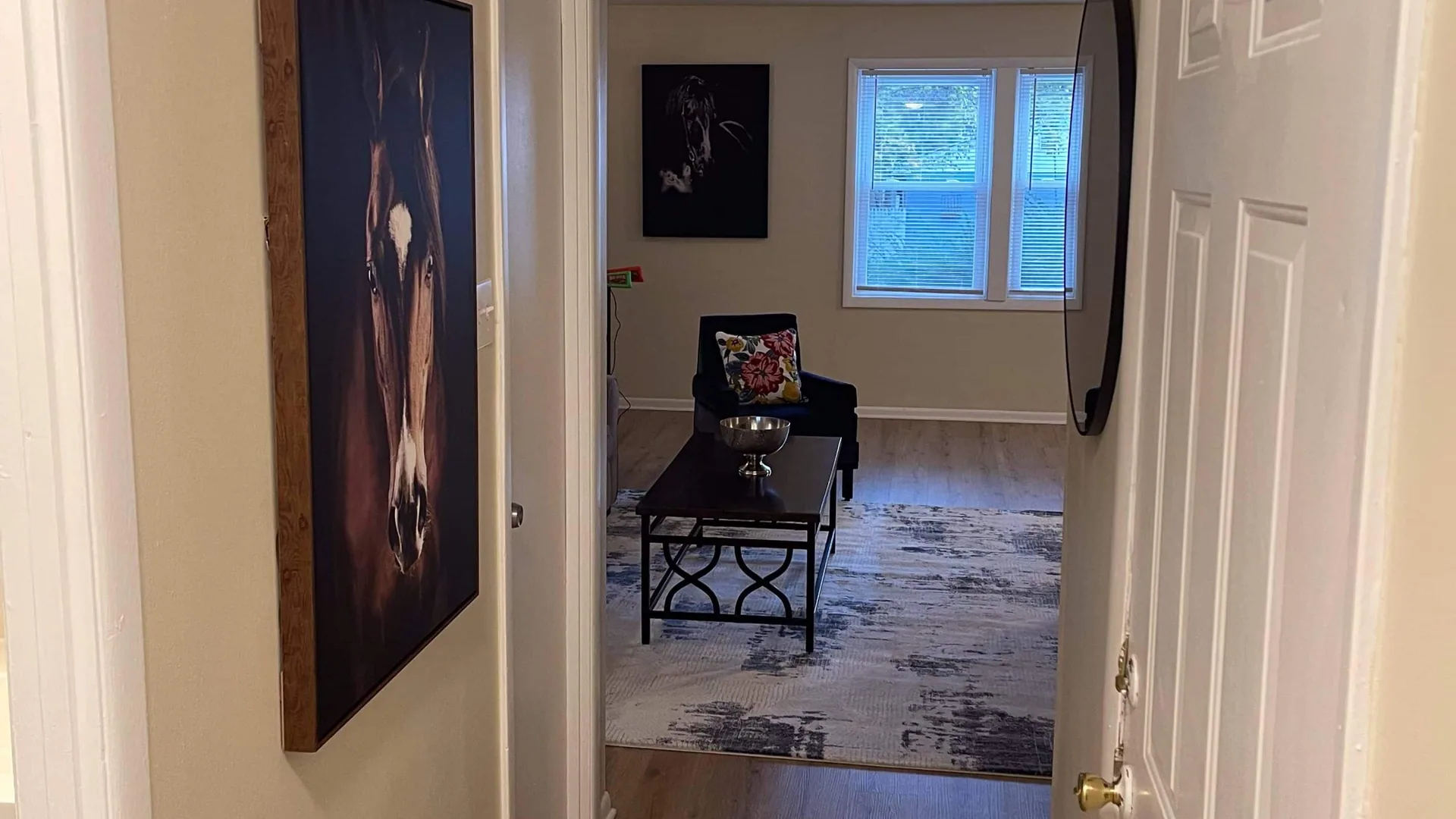
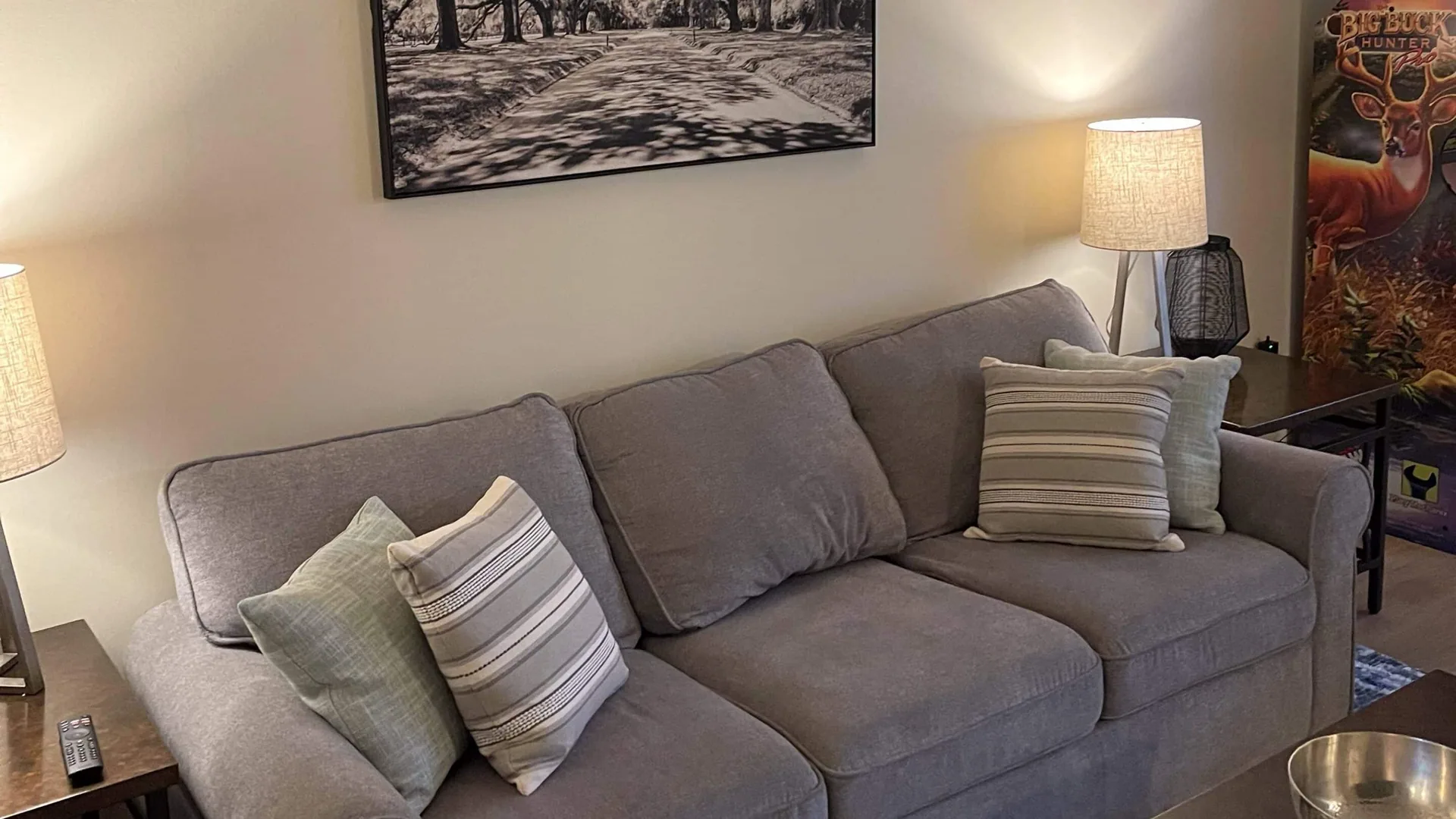


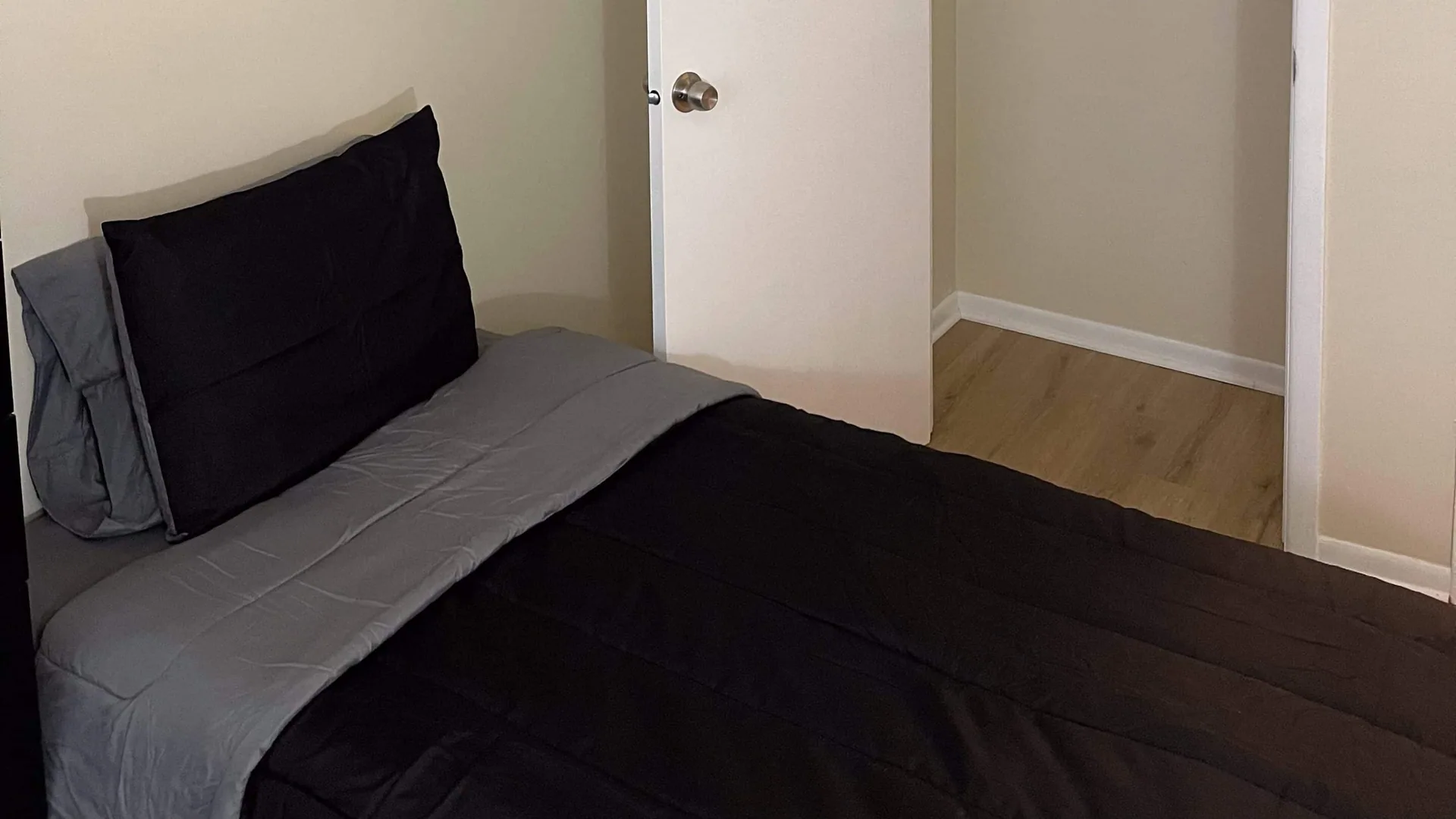


Cost & Payment Realities in Pennsylvania
Most sober living homes are private‑pay because they’re not treatment programsThey’re housing with recovery support. As a result, health insurance typically does not cover sober living, though some homes offer sliding‑scale rates or scholarships, and community foundations sometimes provide assistance. For those in publicly funded treatment pathways, DDAP‑licensed recovery houses may be accessible through referral programs.
Tips:
Ask about entry fees, weekly/monthly rent, included amenities (utilities, Wi‑Fi, laundry), testing fees, and deposit policies.
Clarify whether transportation (to work, school, therapy) is supported or if the home is near bus/train lines.
Oxford Houses vs. Staffed Recovery Residences (pros & cons)
Oxford House (peer‑run)Residents democratically govern the house, share expenses, and may stay as long as they remain abstinent, pay their share, and aren’t disruptive. There’s no outside house manager; accountability comes from the members. Pros: affordability, autonomy, strong peer culture. Cons: less staff oversight; fit depends on personal accountability.
Staffed recovery residencesOften have house managers, more structured rules, and coordination with outpatient providers. Pros: more oversight, built‑in support and routine. Cons: higher cost, less autonomy.
There’s no one “right” model, your stage of recovery, support needs, and work/school plans should drive the choice.
Eudaimonia's Success Stories – Real People, Real Freedom
Frequently Asked Questions (FAQ)
Are sober living homes in Philadelphia licensed?If a recovery house receives state referrals or public funding, it must be DDAP‑licensed. Private‑pay homes may not be required to license, but PARR certification is a strong quality indicator.
What’s the difference between a sober living home and a halfway house?Sober living emphasizes peer support and flexible length of stay; halfway houses can be more time‑limited and sometimes court‑connected. Always check rules, staffing, and structure.
How do I get into a sober living home through the city?Call BHSI at 215‑546‑1200 for assessment if you’re uninsured/unsure of coverage. Ask about DBHIDS recovery housing options and eligibility.
Do sober living homes take insurance in PA?Typically noThey’re not treatment programs. Some offer sliding‑scale fees or scholarships. If you need public support, ask about DDAP‑licensed houses accessed via referral.
How long can I stay in a sober living home?Length of stay varies by home; Oxford Houses allow residents to stay as long as they remain abstinent, pay shared expenses, and follow rules. Staffed homes set their own policies.
What are typical sober living rules?Expect abstinence, drug/alcohol testing, curfew, meetings (12‑Step or alternatives), chores, and respectful conduct; violations can lead to loss of privileges or discharge.
Are there MAT‑friendly sober living homes in Philadelphia?Yes, but policies vary. Ask each home about buprenorphine, methadone, naltrexone, and medication storage/supervision.
How do I verify a home is legitimate?Check DDAP licensure (when applicable) and look for PARR certification. Tour the home, meet staff/peers, and review the handbook before paying fees.
Which Philly neighborhoods have sober living homes?Options exist across the city. South Philadelphia, University City (e.g., Oxford House presence), and Northeast Are common clusters, each with different transit/job access.
What if I’m stepping down from inpatient?Have your discharge planner coordinate a warm handoff to a sober living home and outpatient provider.
Your Future Is Waiting
Tell us what you are looking for and admissions will walk you through the houses, the phases, and what a room actually costs.


