
Published July 17, 2017 · Updated March 17, 2026
On This Page · 5 Sections
Following completion of treatment1 for drug or alcohol addiction, it’s not always easy to make a smooth transition home. In fact, the risk of relapse2 is great when the recovering addict goes back to an environment where drug- and alcohol-free living is not supported. Triggers3, association with former drug and alcohol users, even family members who continue do use, make it extremely difficult for the newly recovered addict to remain sober. Furthermore, the now-clean addict may lack sufficient resources to live independently, having lost a job or with no employment at all. Clearly, an alternative solution is called for. One that works well is transitioning to a sober living home4 that offers continuing recovery support.
What Does Recovery Support Entail?
Recovery support at a sober living home encompasses several key areas, each of which contributes to helping the newly recovered individual build upon the foundation of sobriety, gain self-confidence, learn new skills, receive consistent support, and be held accountable for his or her actions. The goal is to become strong enough and equipped with sufficient tools and skills to live independently.
How long this takes varies, as there is no set timetable for recovery5 that works for everyone. What matters more than how long someone lives at a sober living home is that he or she receives all the support and encouragement necessary to gain strength and confidence in sobriety, to learn to make better decisions, to craft goals and create action plans to achieve them, to build communication skills and demonstrate responsibility.
While recovery support at sober living homes covers many distinct aspects of learning to live a productive, confident, joyous and safe living in sobriety, newly sober individuals need the most support in four areas: monitoring, coaching, support and training.
Monitoring
A recovering addict faces many obstacles in his or her sobriety journey, any one of which could derail the progress made and propel the individual back into active addiction. During the transitional stay at a sober living home, residents benefit from a comprehensive and integrated monitoring program implemented by a recovery coach6 or program coordinator. The curriculum-based monitoring program assists sober living home residents to realize their personal vision, build a solid set of life skills and establish a sound network of support that comprises therapists, family, managers of the sober living home, sponsors and others involved in the recovering addict’s life.
In addition, residency at a sober living home involves monitoring for any substance use, with testing occurring randomly to ensure compliance with the house rules of no drug or alcohol use or mind-altering substances. The first 90 days of recovery are the most difficult, as relapse is common during this time. Careful drug monitoring7 helps ensure continuing sobriety and build the sense of accountability and responsibility in the recovering addict.
Coaching
The goal of living a life in sobriety may seem all-but elusive to some, especially those who’ve been hard-core or chronic alcoholics or drug users for years. In and out of treatment on multiple occasions, with no support network, possibly no job and little or no self-confidence, burdened with various physical and/or emotional conditions that need attention, the concept of living a happy and productive life in sobriety is one that can perhaps only be achieved with compassionate and caring coaching. Recovery support at a sober living home provides such coaching to its residents.
Overcoming the fear of failure, gaining strength through learning effective strategies and techniques to deal with recurring problems, fostering hope and belief in abilities aren’t easy to do. Yet, they’re critical to being able to reclaim a life previously ravaged by addiction.
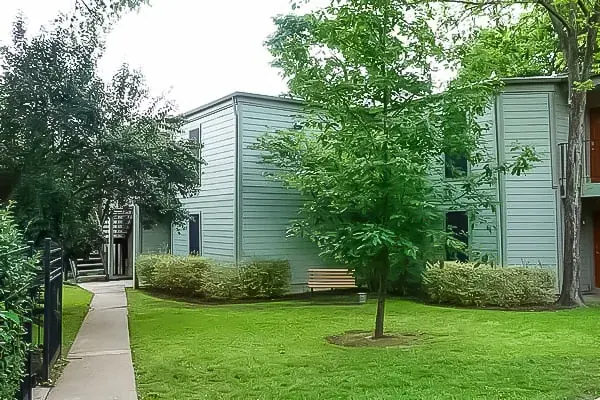
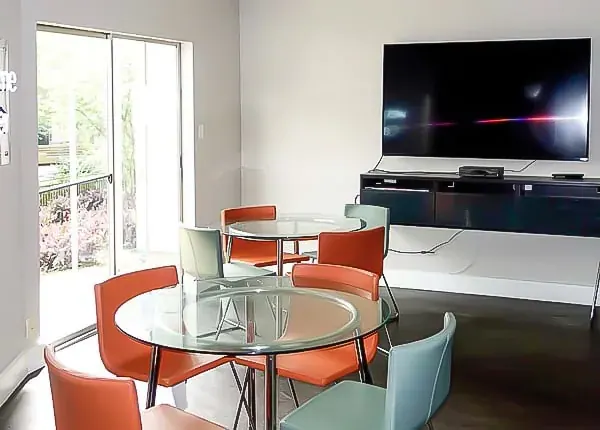
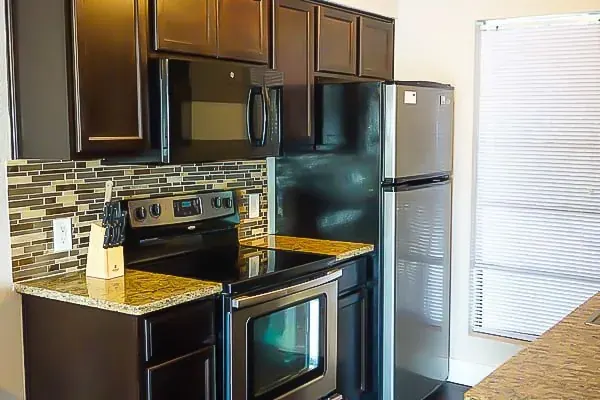
Inside Rustic Creek, our Austin flagship





Support
Every addict in recovery has unique and diverse needs. All recovering addicts require a solid support system while they build upon their strengths in recovery. They may need to find a job, a new place to live, or help mending relationships with family and friends. Recovery support at a sober living home makes it easier to work on these major areas, while still residing in a safe environment surrounded by peers engaged in a similar life-affirming journey of recovery.
A crucial element of support for the addict in recovery living at a sober living home involves relapse prevention8. As such, effective relapse prevention curriculum available to sober living home residents should include a comprehensive look at the relapse causes, risks and different relapse prevention techniques.
Recovery support also benefits the sober living home resident to:
- Learn techniques and strategies to help when cravings or urges to use9 Surface, to prevent returning to substance use during difficult or challenging times.
- Learn how to manage the tendency toward negative thinking using cognitive behavioral therapy10 training or the help of others.
- Learn effective techniques to deal with conflict. This may involve the use of coping strategies or backing away, taking it down a notch, so that conflict does not escalate into heated arguments that increase the potential for relapse.
Training
Many individuals entering a sober living home need to learn how to do a resume, how to present themselves during a job interview, how to fill out a job application. An integral part of living at a sober living home is the opportunity to learn new skills, to receive training that may allow the newly-recovered individual secure gainful employment. This crucial support helps promote long-term stabilization and increase the likelihood of maintaining sobriety upon leaving the sober living home.
While it’s possible to return home immediately following treatment for substance use, for many newly-sober individuals this is not the best course of action. Following a recommended stay at a transitional sober living home can provide many recovering addicts the solid foundation they need to re-enter society and live a productive, substance-free life.
References:
- https://www.drugabuse.gov/publications/principles-drug-addiction-treatment-research-based-guide-third-edition/drug-addiction-treatment-in-united-states
- https://easyread.drugabuse.gov/content/what-relapse
- https://easyread.drugabuse.gov/content/why-it-so-hard-quit-drugs
- https://www.ncbi.nlm.nih.gov/pmc/articles/PMC3057870/
- https://www.drugabuse.gov/related-topics/recovery
- https://www.ncbi.nlm.nih.gov/pmc/articles/PMC2687654/
- https://www.rethinkingdrinking.niaaa.nih.gov/Tools/Interactive-worksheets-and-more/Stay-in-control/Coping-With-Urges-To-Drink.aspx
- https://www.drugabuse.gov/publications/principles-drug-addiction-treatment-research-based-guide-third-edition/evidence-based-approaches-to-drug-addiction-treatment/behavioral