Published December 26, 2017 · Updated June 14, 2025
On This Page · 5 Sections
Updated on August 11th, 2020
Early sobriety is a time full of challenges, adjustments, milestones, and change, which can all be very exciting and advantageous, but also overwhelming. The sobriety journey is different for everyone, but all people in recovery will face various challenges and obstacles as they learn to adopt a new sober lifestyle. For some people, the challenges they face in early sobriety may include bouts of depression.
How Prevalent is Depression in Early Sobriety?
According to the 2016 National Survey on Drug Use and Health, among the 19 million adults with a substance use disorder, about 43.3 percent of them also suffered from mental illness.1 The presence of both a substance use disorder and a mental illness is called a co-occurring disorder.2 Co-occurring disorders are common, and people with substance use disorders are more likely to suffer from mental illness.
In early sobriety, it is not uncommon for people to struggle with mental illness, such as anxiety and depression. In fact, mood and anxiety disorders are the most common type of mental illness diagnosed alongside substance use disorders.3 While mental illness may be present all throughout the recovery journey, depression is common in the days, weeks, and months following the completion of a drug and alcohol rehab program.
Typically, in drug and alcohol rehab, both the mental illness and the substance use disorder are treated simultaneously with a blend of clinical and medical evidence-based treatment methods. After rehab, individuals enrolled in a sober living program should continue to address both disorders with therapeutic resources, continued medication regimens, and peer support groups such as 12-step group meetings. This is highly important, as the co-existence of a mental disorder and a substance use disorder is associated with higher rates of relapse.3
What Are the Common Signs of Depression in Sobriety?
Some individuals in recovery may have never experienced depression before entering into a life of sobriety. The transition into a sober living home can be difficult and symptoms of depression may be misconstrued as stress or growing pains as the adjustment is made.
If you believe that you or a loved one may be suffering from depression, several telltale signs may indicate you are correct. Here are some of the most common signs of depression:4
- Extreme loss of energyWe all get tired sometimes, but if you find that even the simplest tasks such as getting ready for the day or completing your household chores at your sober living home are extremely taxing for you, this may signify extreme fatigue.
- Frequently feeling sad or empty While it is normal to feel sad sometimes, feeling down in the dumps, empty, or depressed nearly every single day is not healthy or normal.
- Disinterest in hobbies and activities If you never feel like doing the things you used to enjoy, such as playing sports, going to the movies, or painting, this sudden lack of interest in things that used to bring you pleasure is a red flag.
- Insomnia or sleeping too muchGetting too much or too little sleep is often a sign of depression.
- Lack of concentrationIf you find that you are consistently unable to concentrate, have difficulties remembering things or find it very difficult to make decisions, you may be suffering from depression.
- Suicidal thoughts and/or actionsIf you regularly think about death, plot suicide attempts, or actually engage in a suicide attempt you need to seek help immediately.
Sobriety and Holiday Depression: Why It Happens
Christmas and New Year’s are expected to be a time for celebration, happiness, and holiday cheer, but many people struggle with depression this time of year too. Holiday depression and winter blues are very real, according to researchers at the National Institutes of Health (NIH).5
Although the winter blues is not a medical diagnosis, it is a very common condition and hospitals and emergency responders report higher incidences of suicide and attempted suicide during this time of year. Mental health professionals also report a significant increase in people complaining about depression during the holiday season.6
The NIH states several different possible causes for the winter blues, including:
- Painful reminders of absent loved ones
- Stress associated with the holidays
- Fewer daylight hours
- Hormonal changes
- Unrealistic expectations about the holiday experience
- Excessive self-reflection
Newly sober individuals may also experience holiday depression as they reflect on past alcohol or drug abuse and the people they hurt in the process, or they may feel a lack of purpose in life after getting sober.
Unlike major depression, the holiday blues are short-lived and you can expect to emerge from this emotional slump soon, but be aware that the transition will be gradual. If you suffer from depression year-round, your therapist, counselor, or doctor can help you manage your symptoms during the holiday season and throughout the year.
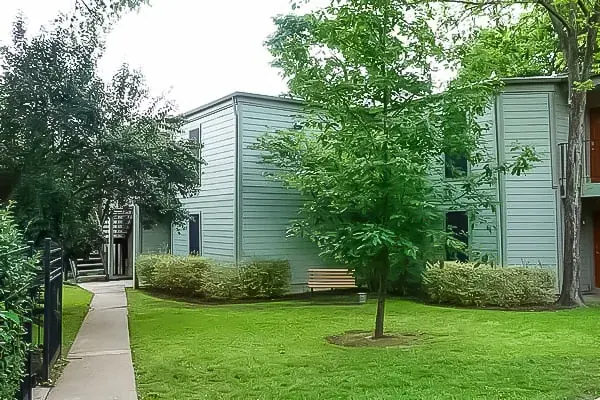
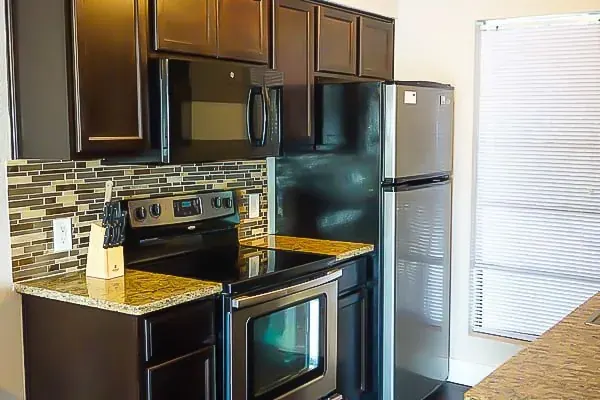
Inside Rustic Creek, our Austin flagship






How to Cope with Depression in Sobriety: 5 Tips
Sober living residents and individuals who are new to recovery must understand that depression in early sobriety is normal and it is nothing to be ashamed of. Many people feel like they lack purpose or have a void to fill after giving up their addiction. Others may miss doing drugs or drinking alcohol and feel excessively guilty about those feelings. These are all normal experiences and many of the other people in your transitional home may even be feeling the same way.
Even with the support resources provided by Eudaimonia’s transitional living programs, men and women who are suffering from depression in early recovery may still need to dedicate some extra time and effort to manage their depression. The following coping strategies may help those who are struggling.
- Exercise regularly – Although high-intensity exercise releases endorphins that make us feel good, low-intensity exercise that is sustained over time produces a release of proteins called neurotrophic or growth factors, which cause nerve cells to grow and make new connections. Research has shown that the hippocampus (the part of the brain that regulates mood) in depressed people is smaller, but exercise supports nerve cell growth in the hippocampus, which improves brain function and relieves depression.7
- Meditate 47 different studies analyzed in JAMA Internal Medicine determined that meditation helps people manage anxiety, depression, and pain.8 In rehab, clients learn the importance and the practice of meditation but in a transitional living program, it’s up to them to keep the practice going. Maintaining a regular time for meditation each day can help people in recovery manage and reduce feelings of depression.
- Continue attending group meetingsIn most sober living programs (such as Eudaimonia), this is a requirement, but it’s also extremely healthy to continue attending group support meetings. These meetings not only provide accountability during a very vulnerable time, but they also provide mental, spiritual, and interpersonal support from peers in recovery. Community support is essential for lasting sobriety.
- Make time to have funAlthough residents of sober living houses have responsibilities to uphold such as attending meetings, managing their finances, and maintaining employment, it’s also important to make time for fun. People in recovery, especially those suffering from depression, should spend some amount of time every day doing something they enjoy. Whether it’s writing in a journal or going for a hike, these activities give purpose and value to life.
- Don’t be afraid to ask for helpIn some cases, a sober living resident may feel completely consumed by their depression. It’s okay to ask for help. At Eudaimonia, house managers, program coordinators, and sober living peers are all available to discuss personal issues. Eudaimonia also provides therapeutic services to those who need it on a case by case basis.
Sober Living Homes for Newly Sober People
Maintaining your sobriety at any time of the year or in any stage of addiction recovery can be a challenge. Sober living homes can support newly sober individuals by providing safe, supportive transitional housing and accountability. Many sober living homes also provide recovery support services and access to clinical care to help clients reintegrate into society and manage ongoing co-occurring disorders like depression.
Eudaimonia Recovery Homes provides sober living homes, recovery support services, and access to clinical counseling for men and women who are recovering from addiction. Our gender-specific transitional housing programs offer safe, supportive living spaces with peer accountability and plenty of resources to help keep you on track. Each resident is also required to attend community support groups, such as local 12-Step Program meetings or other alternatives. This keeps residents actively engaged in their recovery and connects them with other like-minded individuals.
If you are struggling to manage your depression and stay sober, just remember that you are not alone and there are many people available to help you. Get in touch with your sponsor, house manager, or program coordinator to get help or call Eudaimonia Recovery Homes to enroll in a sober living program today.
References:
- https://www.samhsa.gov/data/sites/default/files/NSDUH-FFR1-2016/NSDUH-FFR1-2016.htm#mde
- https://www.samhsa.gov/disorders
- https://link.springer.com/article/10.1007/s11469-017-9784-5
- https://psychcentral.com/disorders/depression/depression-symptoms-major-depressive-disorder/
- https://newsinhealth.nih.gov/2013/01/beat-winter-blues
- https://www.psychologytoday.com/blog/wired-success/201011/why-people-get-depressed-christmas
- https://www.health.harvard.edu/mind-and-mood/exercise-is-an-all-natural-treatment-to-fight-depression
- http://www.npr.org/sections/health-shots/2014/01/07/260470831/mindfulness-meditation-can-help-relieve-anxiety-and-depression