

Published December 12, 2025 · Updated March 6, 2026
Key Takeaways
- What sober living isSober living in Houston provide drug- and alcohol-free housing with peer support, creating a bridge between formal treatment and fully independent living.
- How sober homes differSober living homes and halfway houses both support recovery, but they usually serve different populations and offer different levels of structure, supervision, and court involvement.
- Types of housing optionsHouston offers a range of sober living options, including standard recovery residences, women’s homes, family-friendly housing, and apartment-style sober living properties.
- Core benefits of sober livingLiving in a structured sober environment supports stability, reduces exposure to triggers, builds peer connections, and allows people to keep working with outpatient or community-based treatment.
- Steps to get into housingGetting into sober living typically involves clarifying your needs, researching reputable homes, completing a screening or application, and reviewing the program’s rules and expectations.
- Typical rules and expectationsMost sober living homes require abstinence, curfews, regular testing, participation in recovery activities, and shared household responsibilities to maintain a safe, accountable environment.
- Starting a sober houseOpening a sober home in Texas means choosing a business structure, understanding zoning and fair-housing rules, following recovery residence standards, and building ethical policies and procedures.
- Support from EudaimoniaEudaimonia Recovery Homes offers structured sober living in Houston with gender-specific options, on-site support, and convenient locations that complement detox, rehab, and outpatient treatment.
On This Page · 25 Sections
Sober Living
Houston
1010 Waverly St, Houston, TX
Choosing where to live after rehab or during early recovery is a major decision. For many people in Houston, a sober home offers the structure and support they need to stay on track, rebuild daily routines, and move toward independent living.
Research on sober living houses shows that drug‑ and alcohol‑free homes with peer support and clear expectations can improve long‑term outcomes when combined with outpatient care and mutual‑help groups.
Ready to take the next step? Start your application today or visit our admissions FAQ to get answers to your most common questions.
This guide explains how sober living works in Houston, how it compares with a rehab halfway house, what to expect from sober living home rules, and what to know if you’re searching for “sober houses near me” or even thinking about starting a sober house yourself.
What Sober Living Means in Houston
Sober living meaning and sober house meaning
A sober living home (sometimes called a sober home, sober living facility, or sober living center) is a residence where people in recovery live together in a drug‑ and alcohol‑free space.
Typical features include:
- A structured sober living environment with curfews, chores, and regular house meetings
- Random alcohol and drug testing
- Required participation in work, school, or outpatient treatment
- Attendance at recovery meetings such as AA, NA, or SMART Recovery
In practice, sober living meaning and sober living home meaning are simple: a safe place to live where everyone agrees to stay substance‑free and support one another.
Sober living is not the same as formal treatment. Many residents still attend outpatient therapy or medical care, but the home itself focuses on housing, accountability, and community.
Sober living and rehab: how they work together
People often move into sober living after:
- Medical detox
- Residential or inpatient rehab
- An intensive outpatient program
Living in a sober home while continuing therapy is sometimes referred to as sober living drug rehab or “sober living and rehab.” The home provides the day‑to‑day structure, while treatment providers handle therapy and medical needs.
Some individuals step down through several levels of care: detox, residential treatment (at programs such as Briarwood Detox Center or Nova Recovery Center when appropriate), then residential sober living, before returning to completely independent housing.
Research on structured sober housing linked to outpatient programs shows that residents are more likely to stay in treatment longer and complete their episodes of care successfully.
Sober Living vs. Halfway House
Many people search for “rehab halfway house” or “halfway house sober living homes” and see both terms used together. Understanding the difference between sober living home and halfway house can help you choose the right setting.
Key differences
Sober living home
- Usually privately owned or run by a recovery organization
- Entry is voluntary; residents sign agreements rather than court orders
- Focus is on peer support, daily structure, and gradual independence
- Often linked with community resources, outpatient care, and employment help
Halfway house
- Historically connected to the criminal‑justice system, especially for people leaving jail or prison
- May be publicly funded or operated by non‑profits
- Residents may be required to live there as a condition of parole, probation, or a treatment program
- Often more rules, tighter schedules, and closer monitoring
Today, the terms overlap. Some homes function as a sober living halfway house, combining elements of both. A drug rehab halfway house or halfway house for people with alcohol use disorder typically offers group living and case management for people leaving inpatient treatment who still need strong supervision.
In Houston, both options exist. What matters most is whether the home is safe, substance‑free, and aligned with your recovery needs.
If you’re still deciding between different housing options, our guide to halfway houses in Houston explains when a TDCJ-approved facility is required and how private sober living compares.
Types of Sober Living Options in Houston
Houston offers a range of sober living locations, from modest houses in residential neighborhoods to more structured apartment‑style programs. If you already know Houston is the right city for you, you can compare specific men’s and women’s homes on our Houston sober living locations page.
Many reputable homes follow the National Alliance for Recovery Residences (NARR) standards, which define four levels of recovery residences ranging from peer‑run homes to clinically staffed programs.
Common options include:
Standard recovery residences
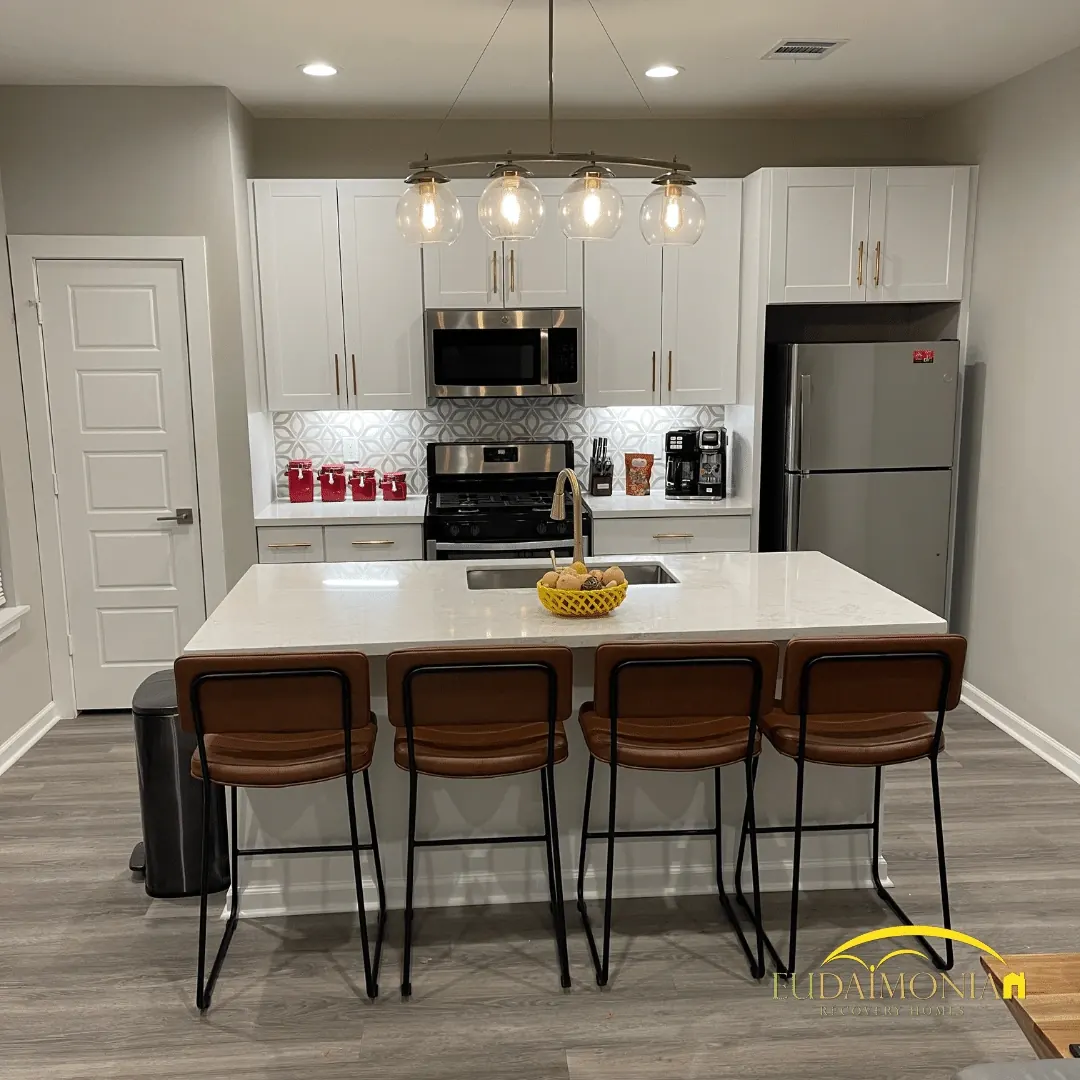
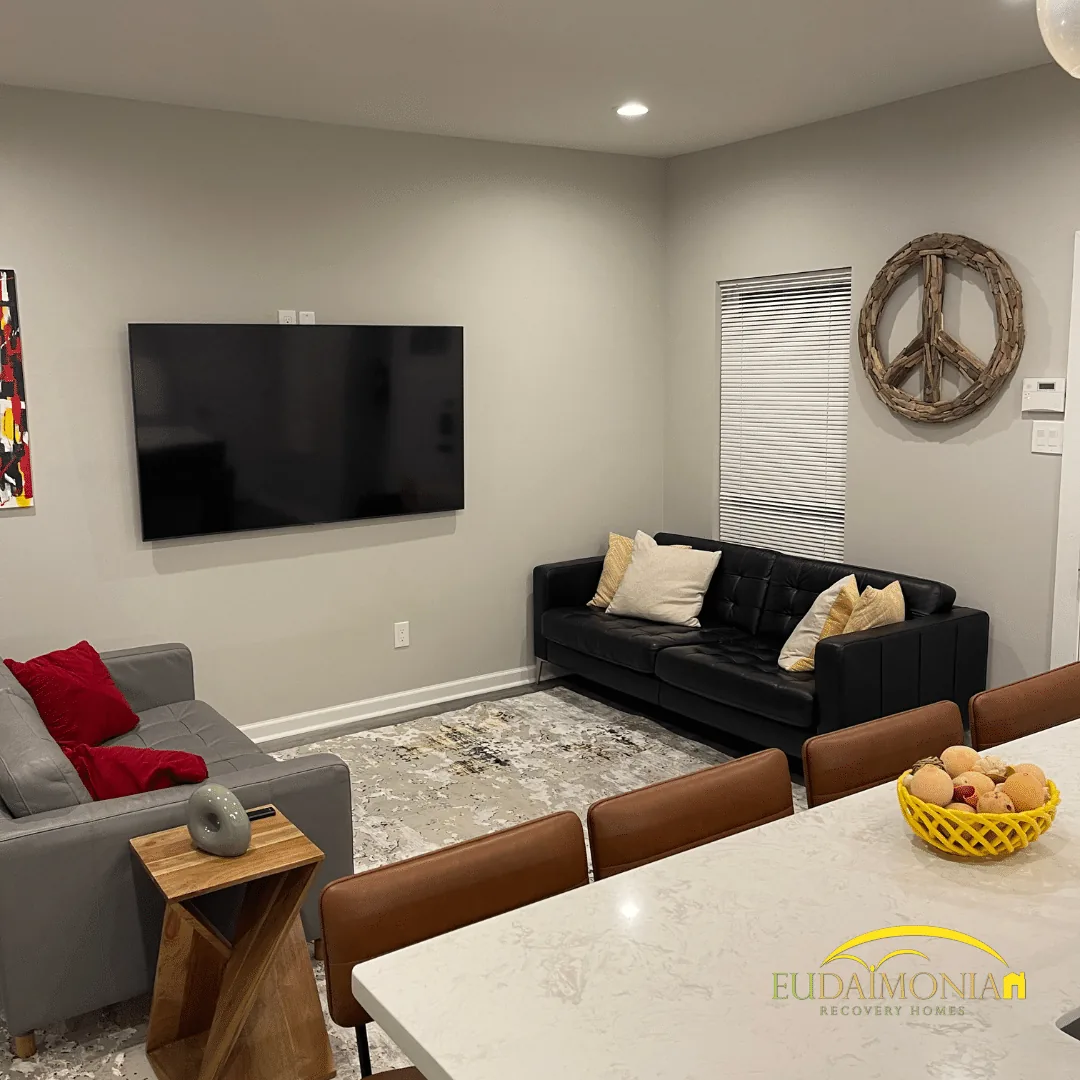
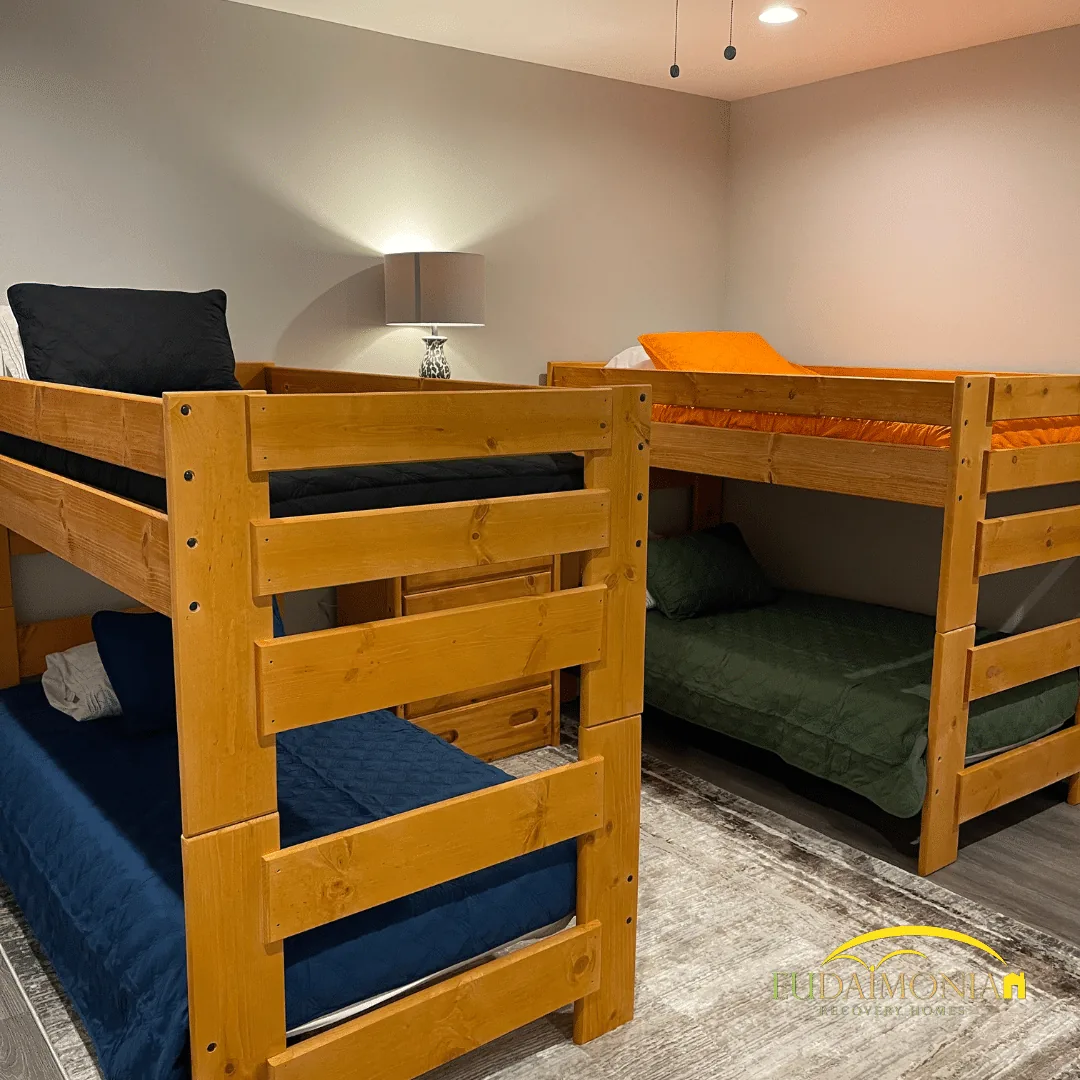
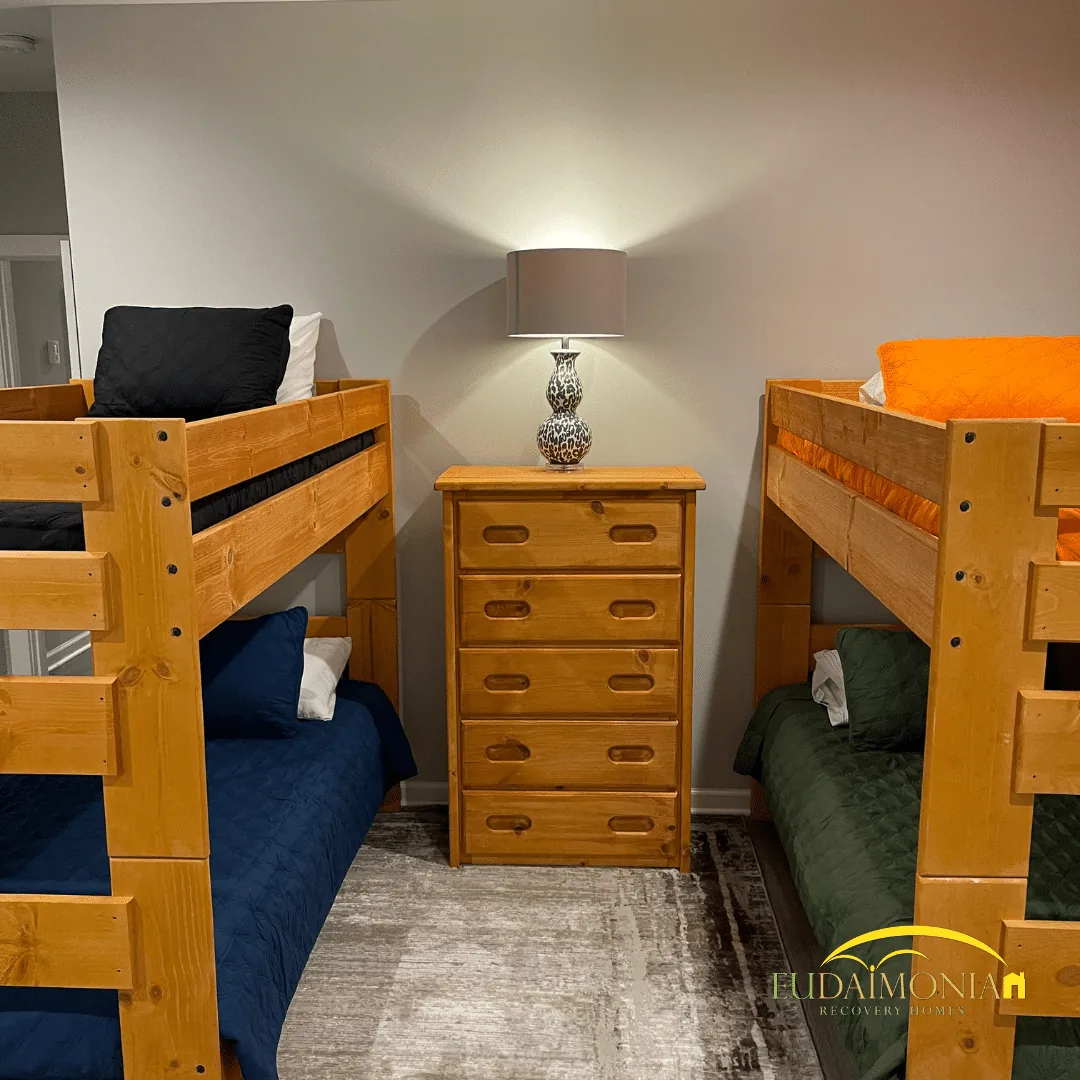
These are typical sober living homes in Houston’s neighborhoods. Residents share bedrooms and common areas, split chores, and follow common rules. Many people find them when searching for sober living places near me or sober houses near me online.
Sober living homes for specific groups
- Sober living houses for women provide gender‑specific support and privacy, which some people find more comfortable.
- Other homes may focus on men, LGBTQ+ residents, or young adults.
- Some communities also offer sober living homes for families, where adults in recovery can live with partners or children in a structured environment.
For men who want structure, community, and clear expectations, our men’s sober living in Houston describes amenities, room options, and program features in more detail.
If you’re seeking a gender-specific setting, our women’s sober living home in Houston offers a structured, women-only environment with routines and support tailored to women in recovery.
These specialized sober living communities often address issues such as parenting, relationships, and gender‑specific safety.
Apartment‑style sober living properties
Some programs offer sober living rooms for rent in apartment buildings or multi‑unit homes. Residents may have more privacy but still agree to house rules, testing, and participation in recovery activities.
These sober living properties can suit people who are working full‑time or further along in recovery but still want a built‑in support network.
Eudaimonia's Success Stories – Real People, Real Freedom
Benefits of Sober Living in Houston
Houston is a large metro area with expanding employment opportunities, colleges, and a growing recovery community. These factors make sober living especially useful here
1. Safe, structured daily life
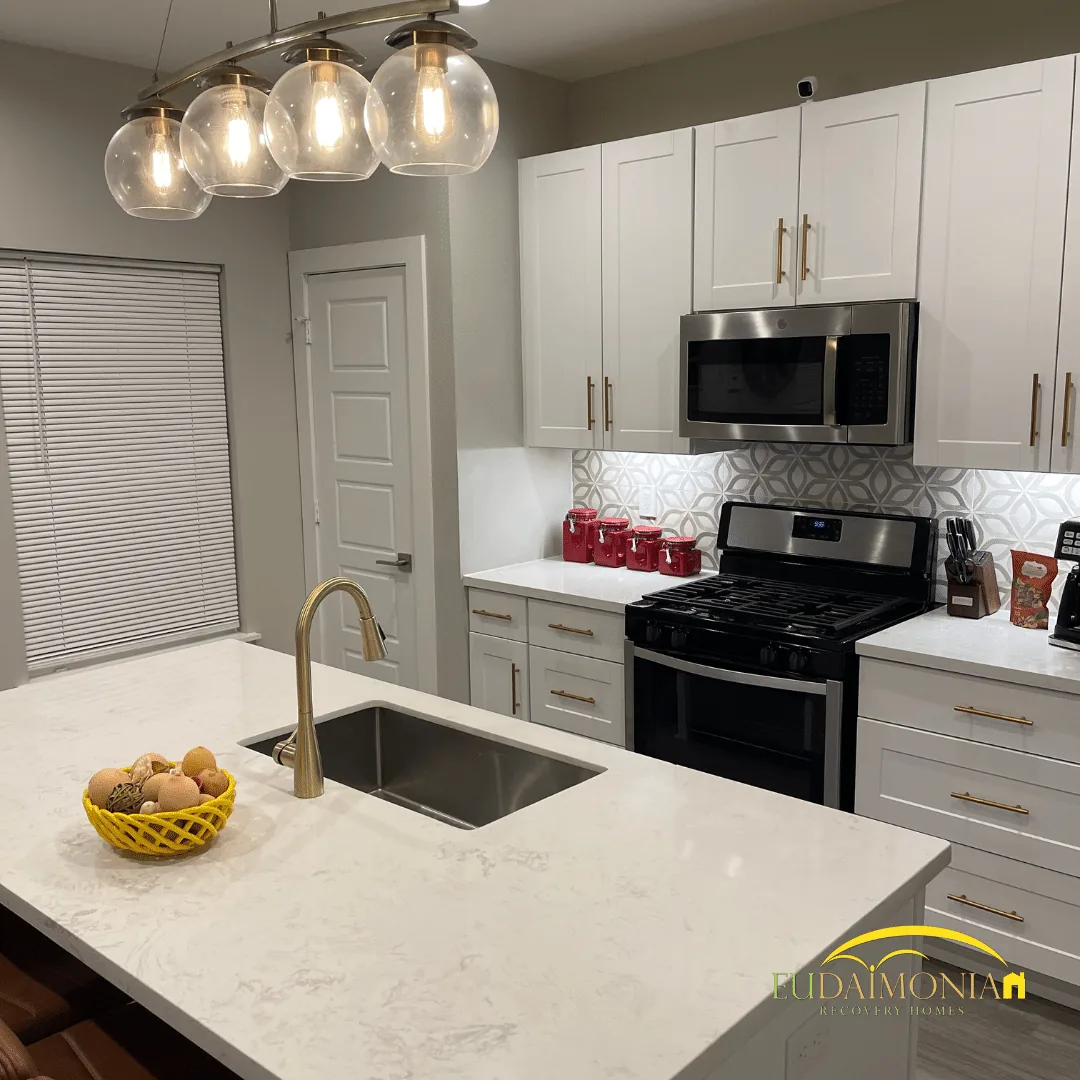
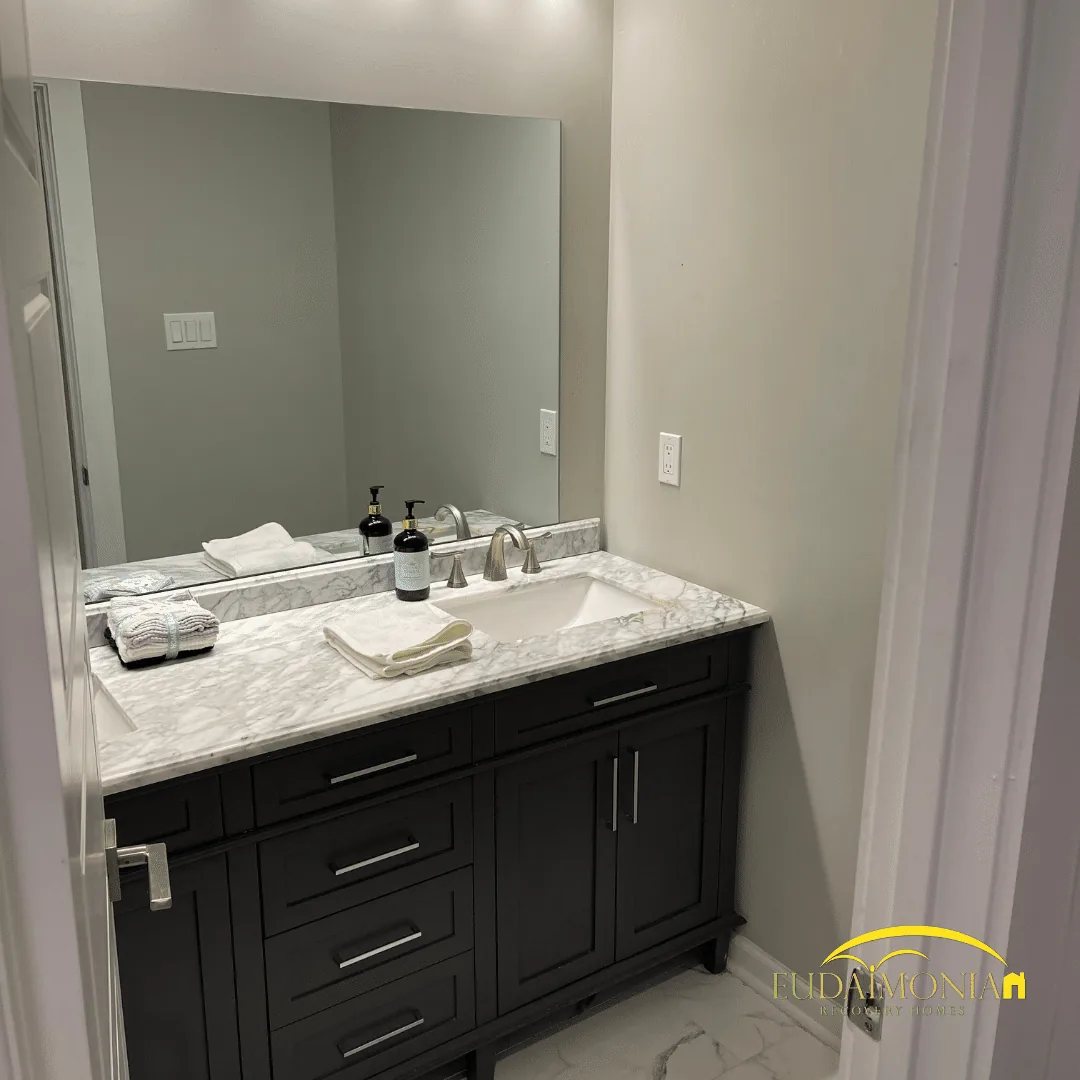
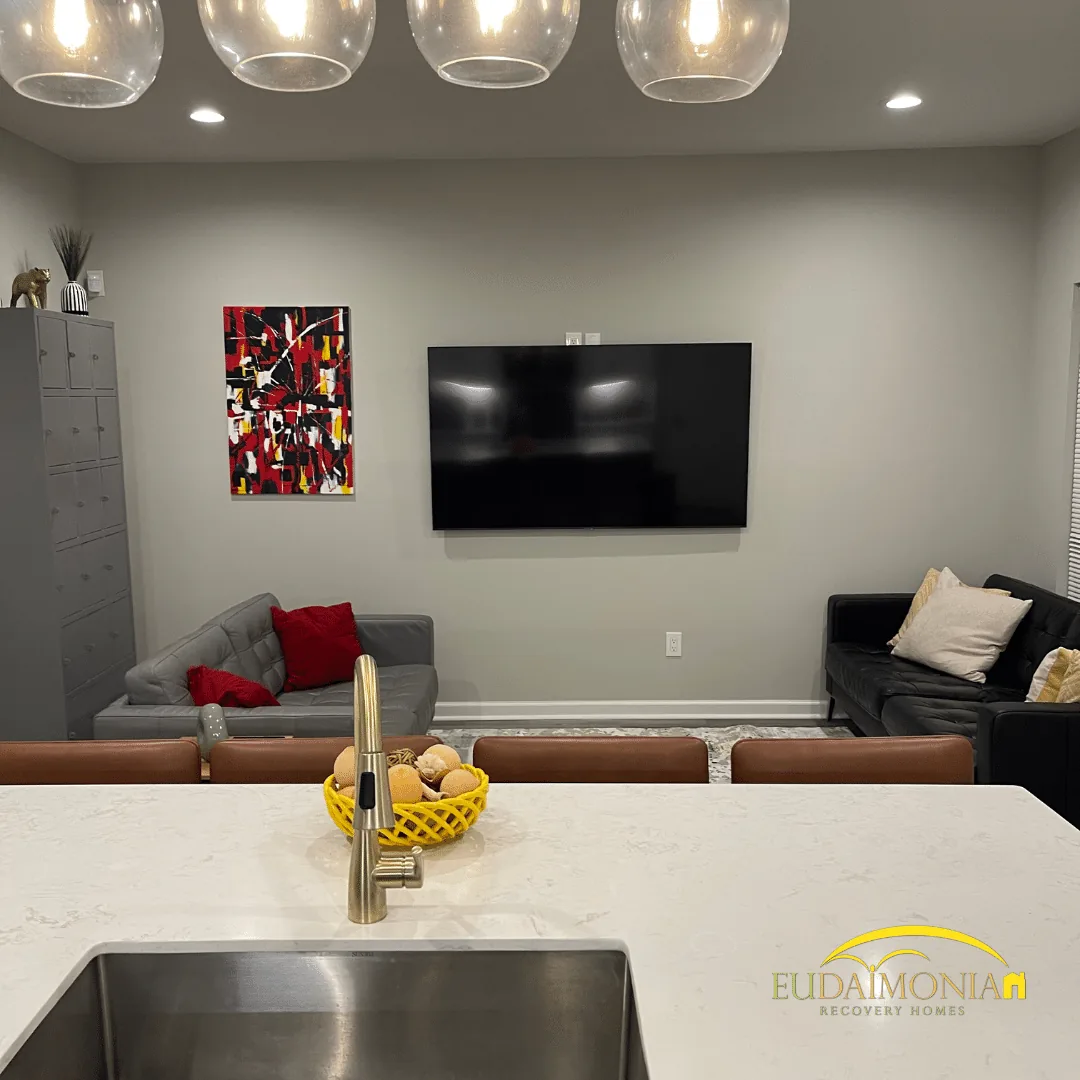
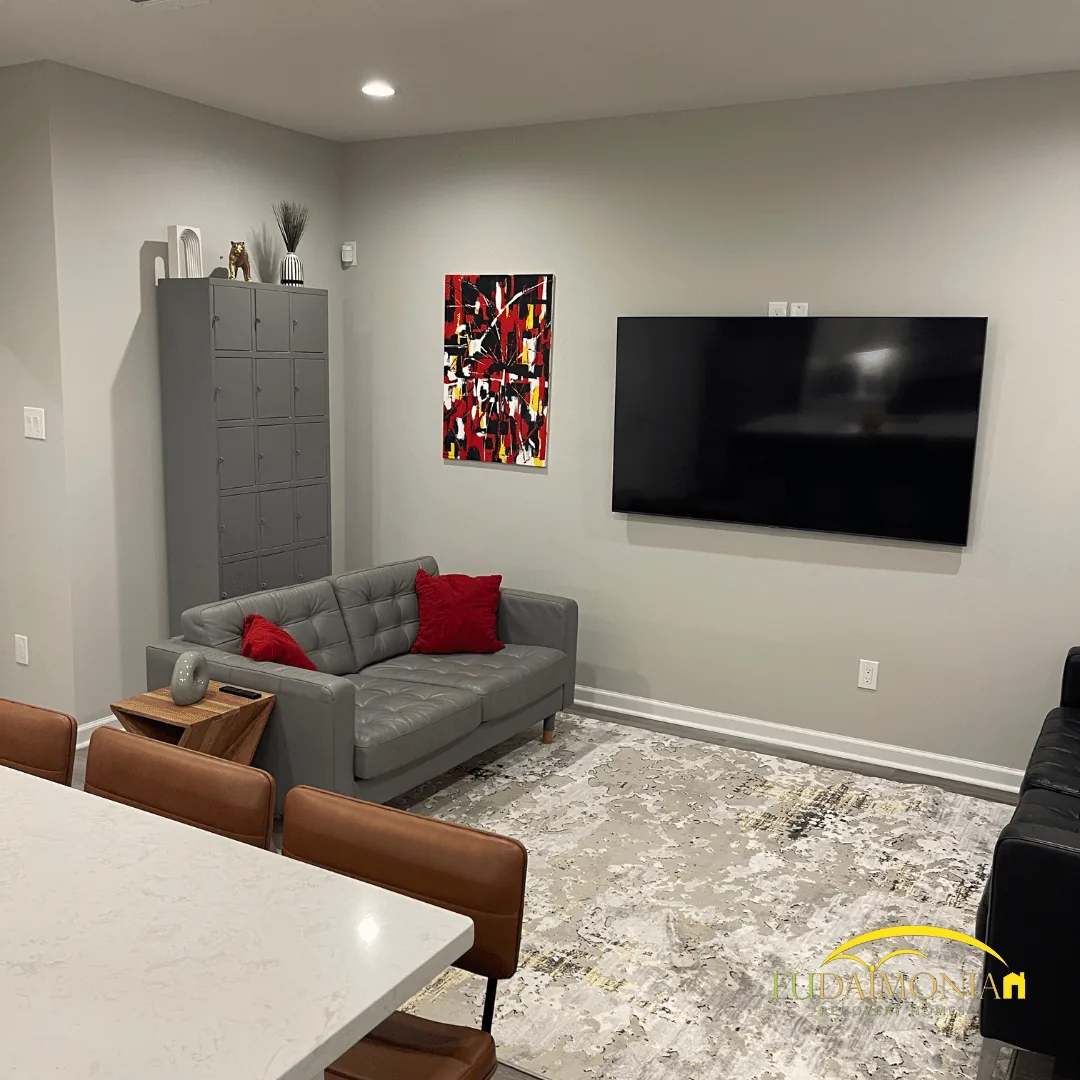
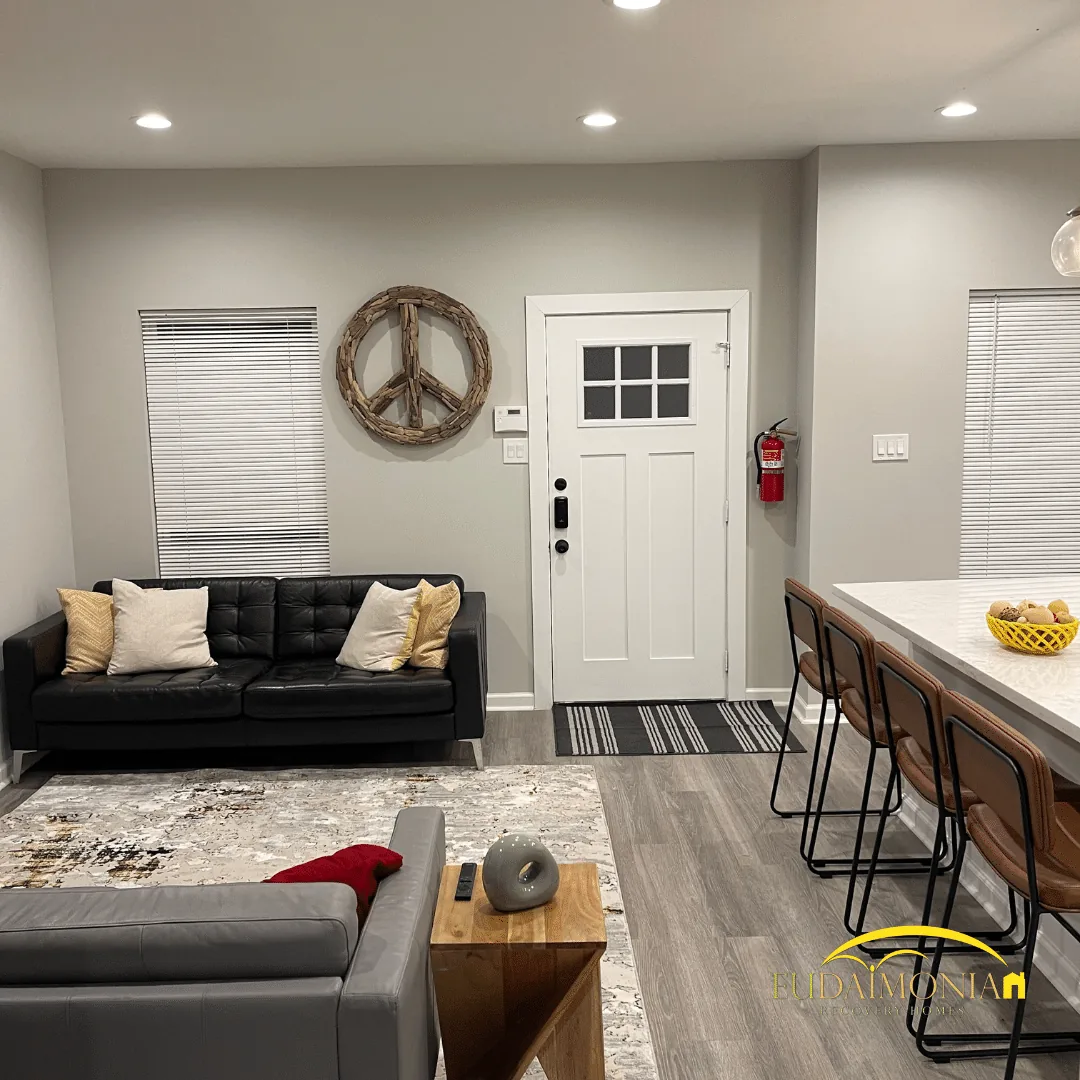
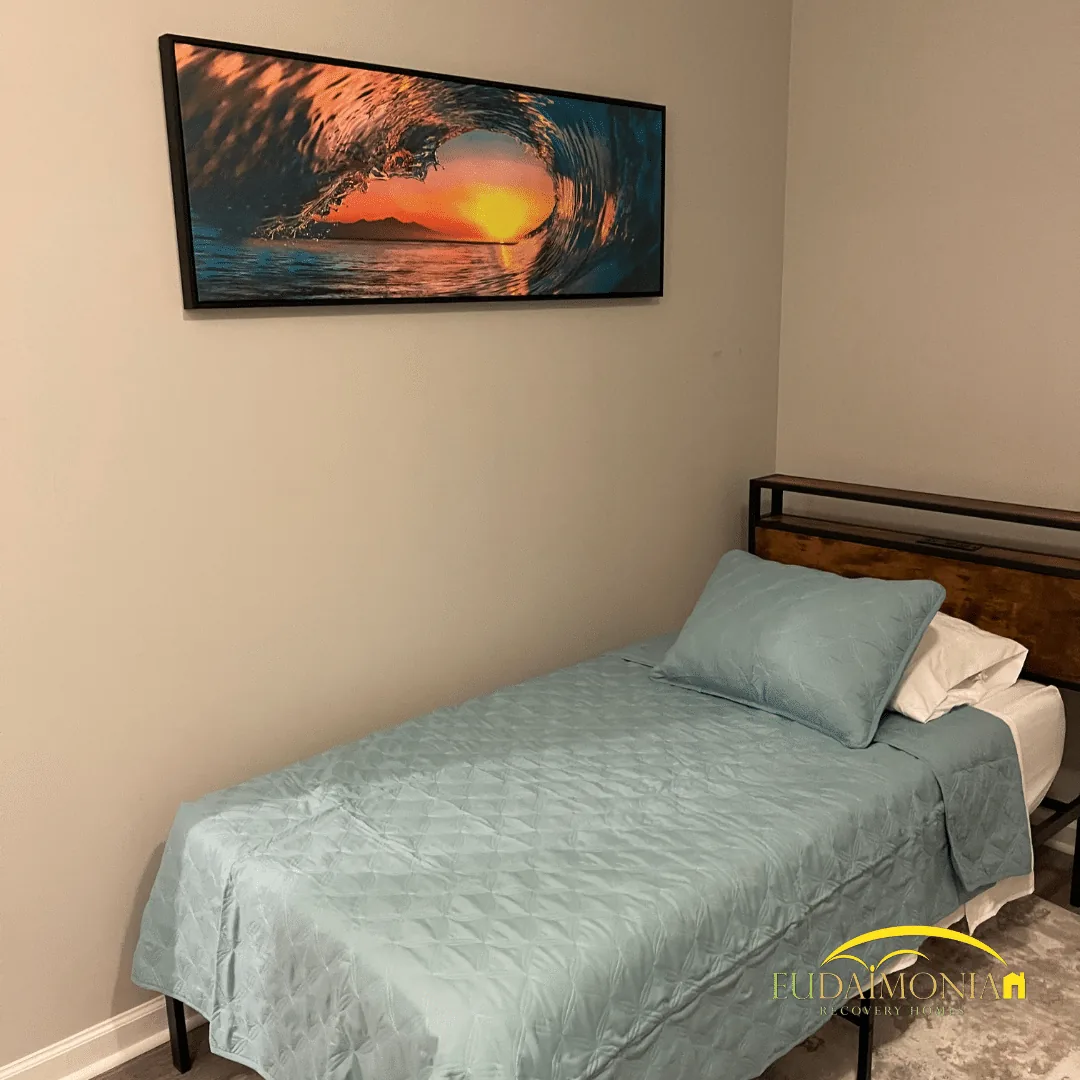
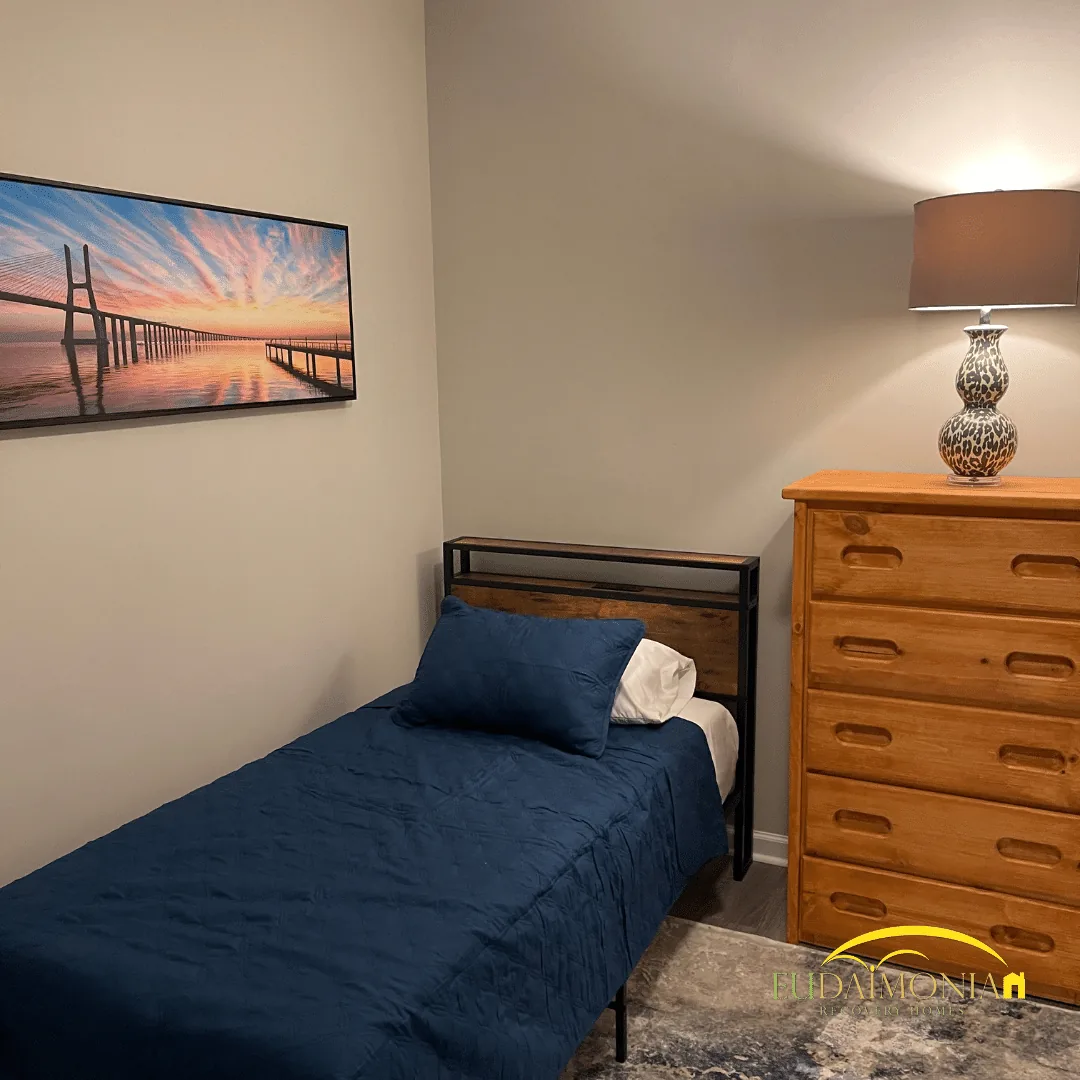
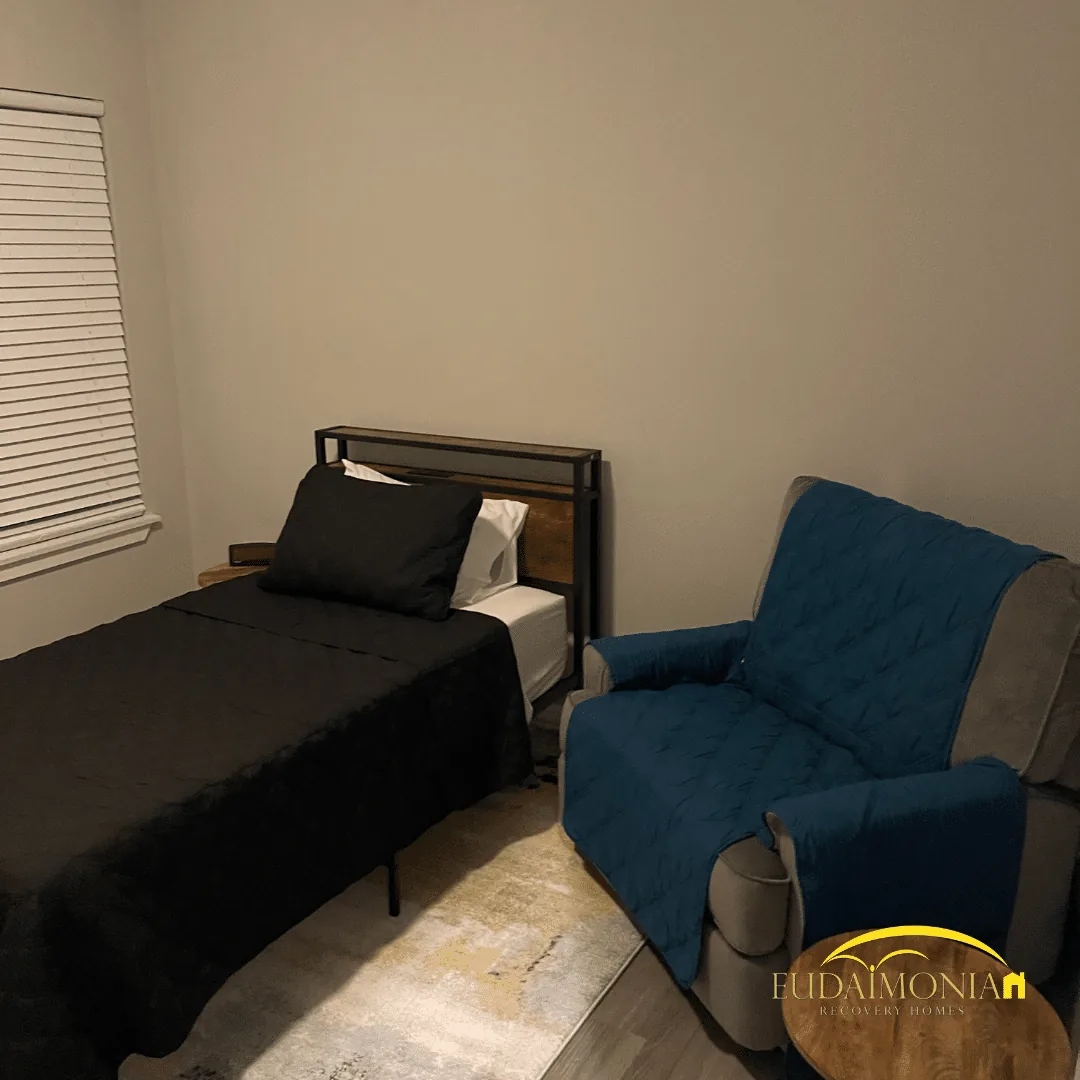
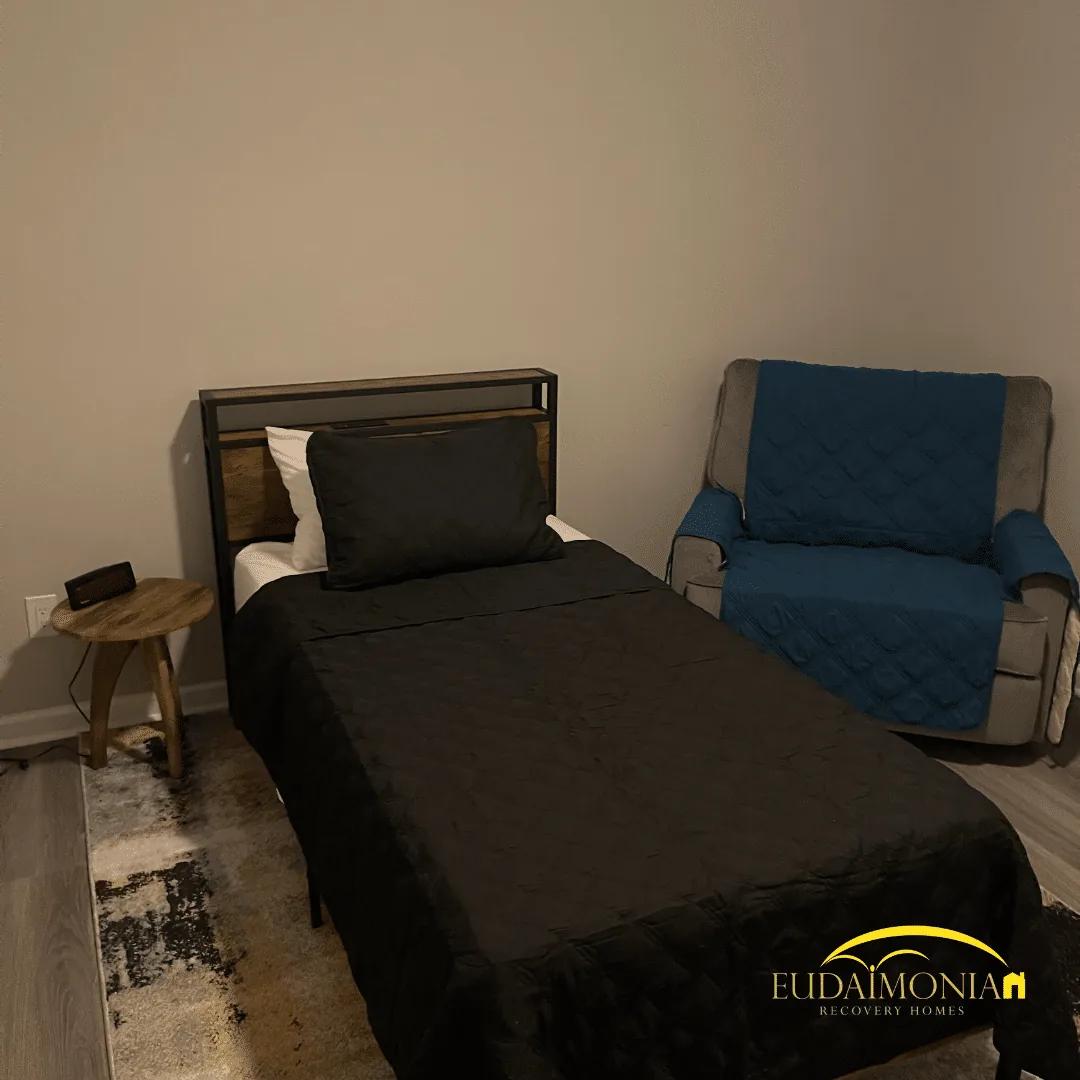
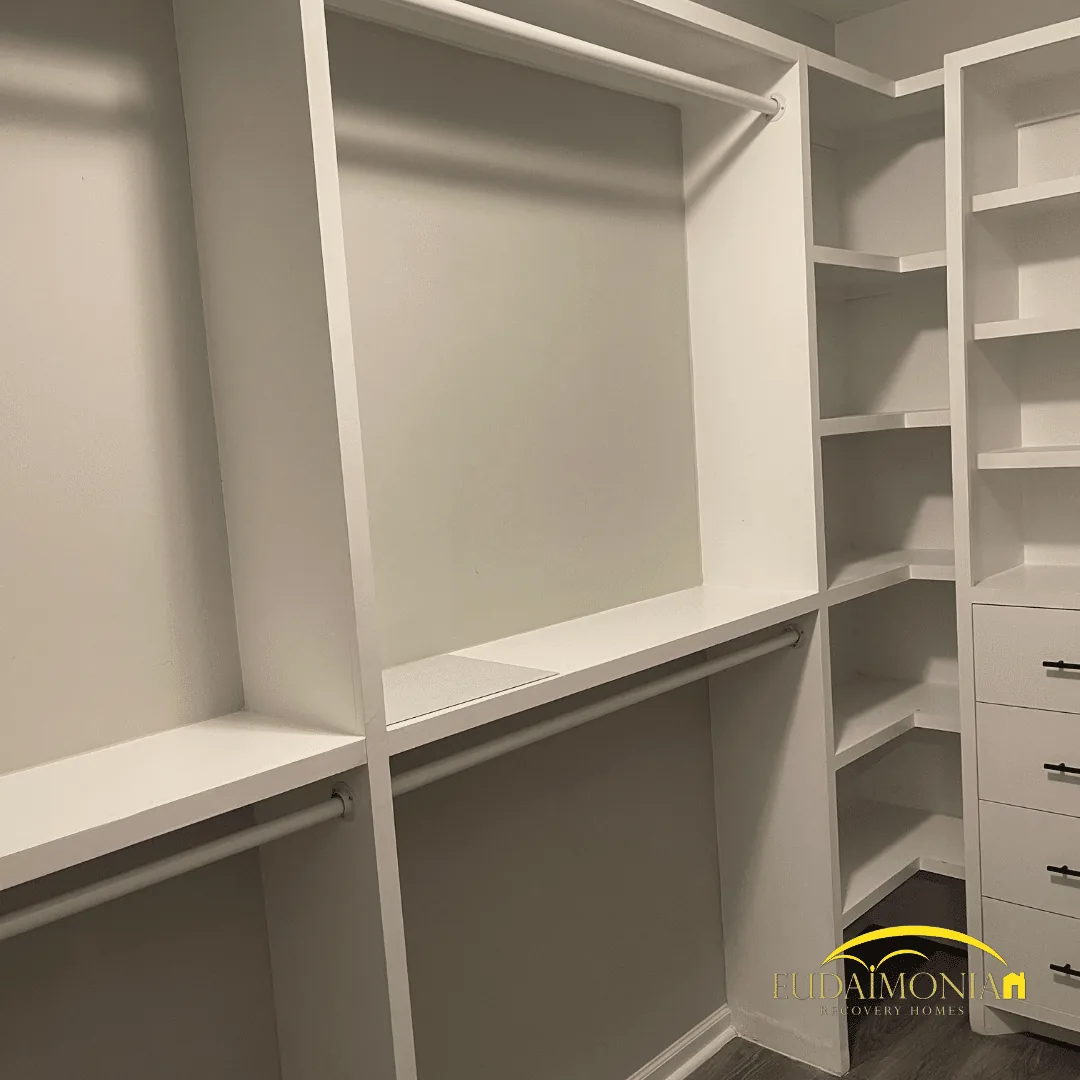
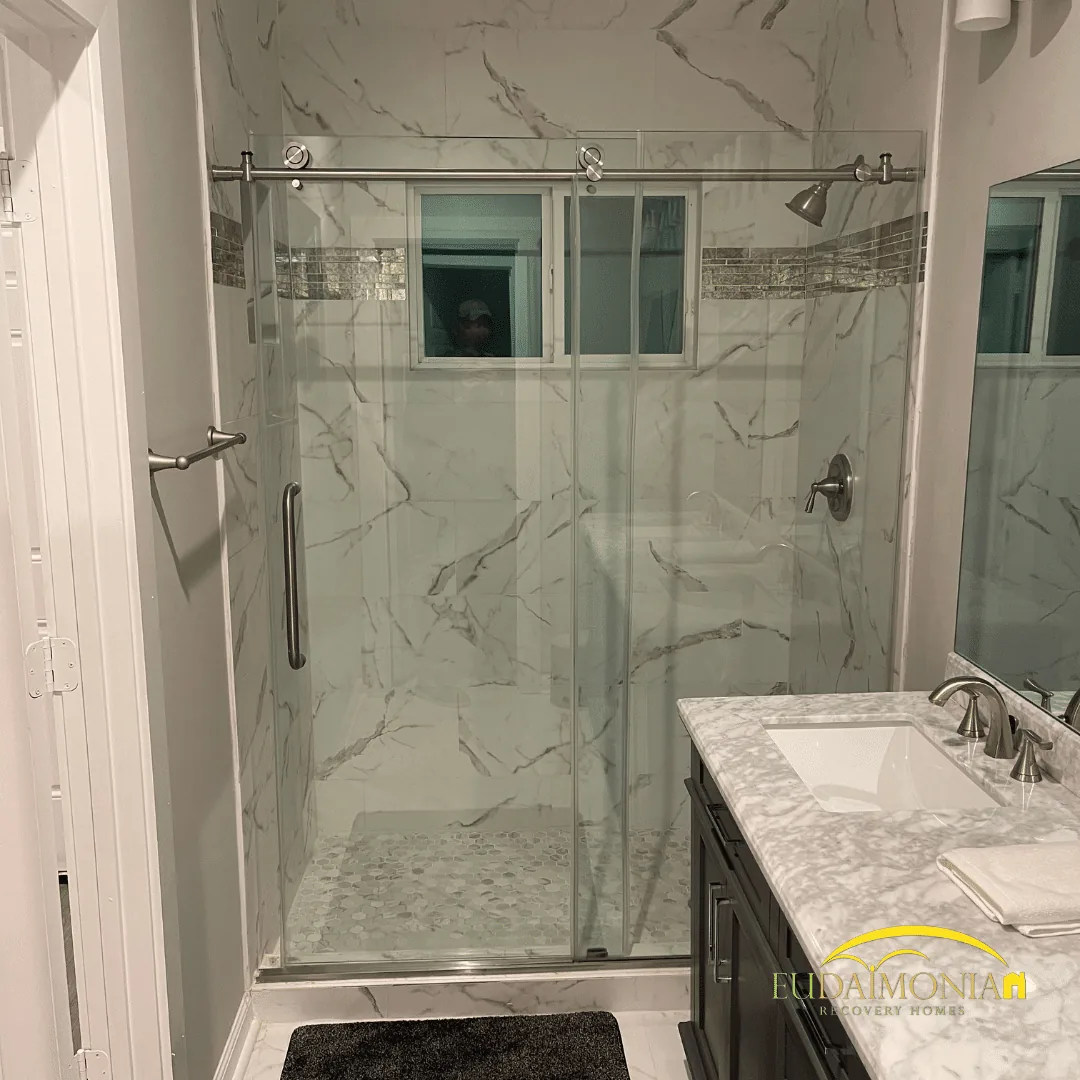
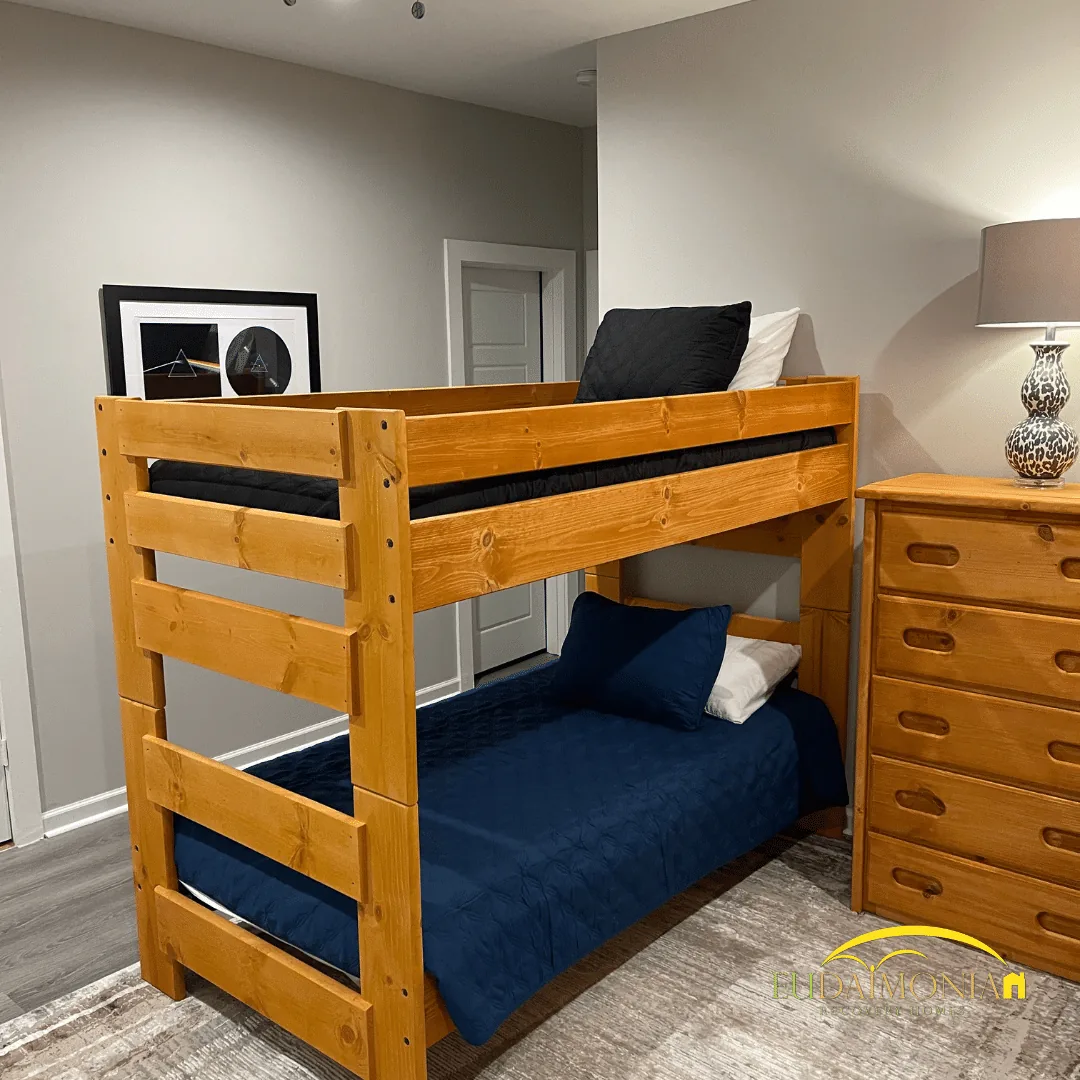
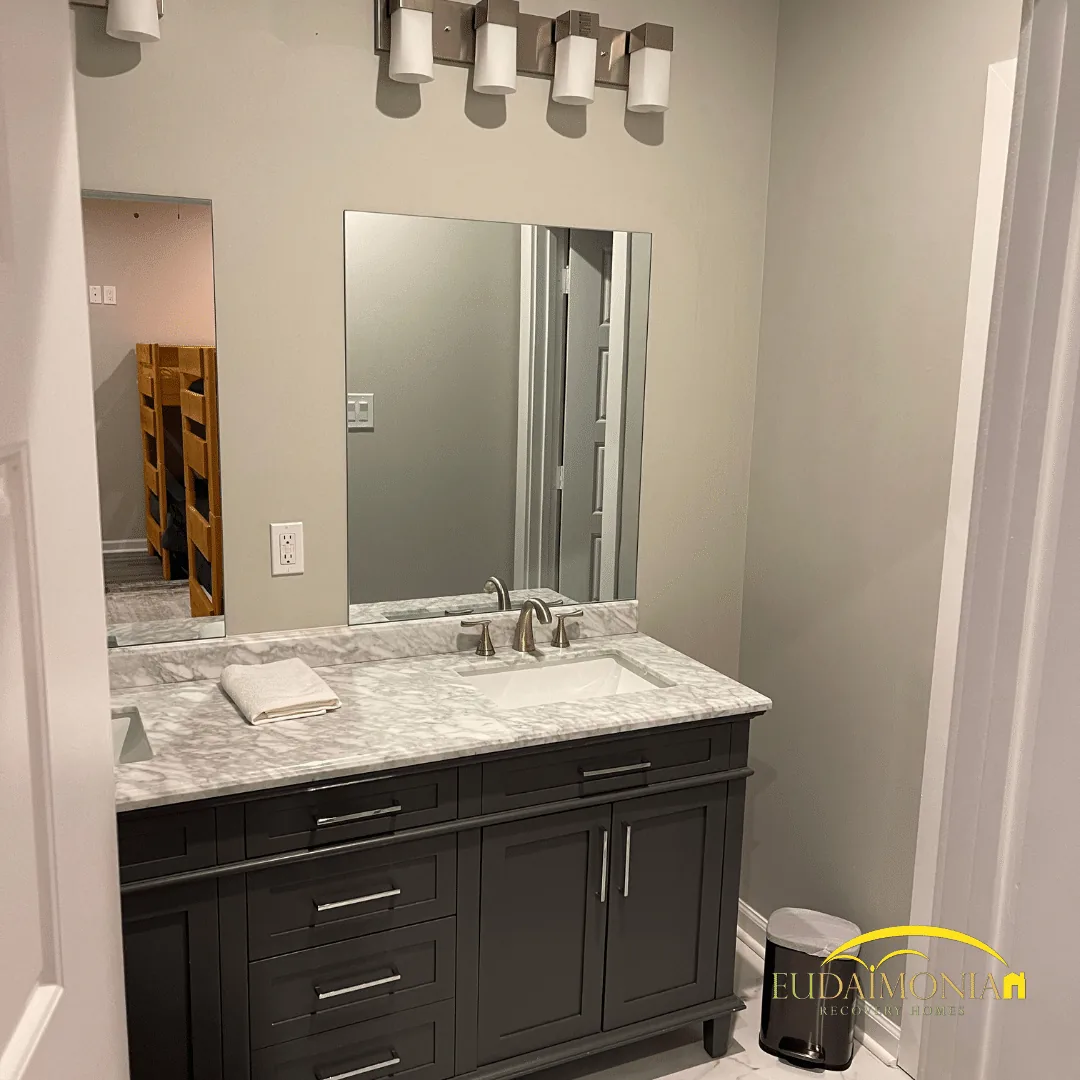
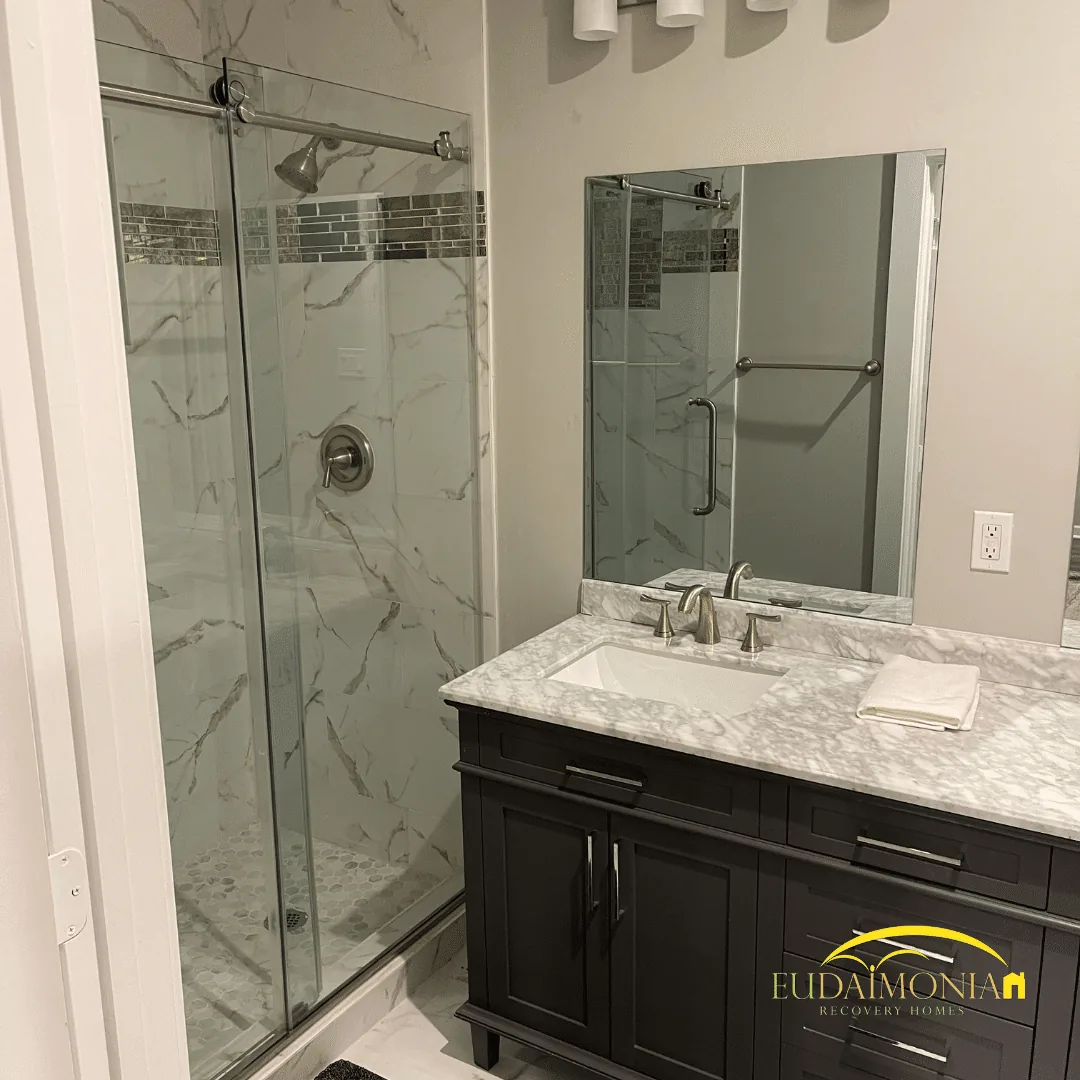
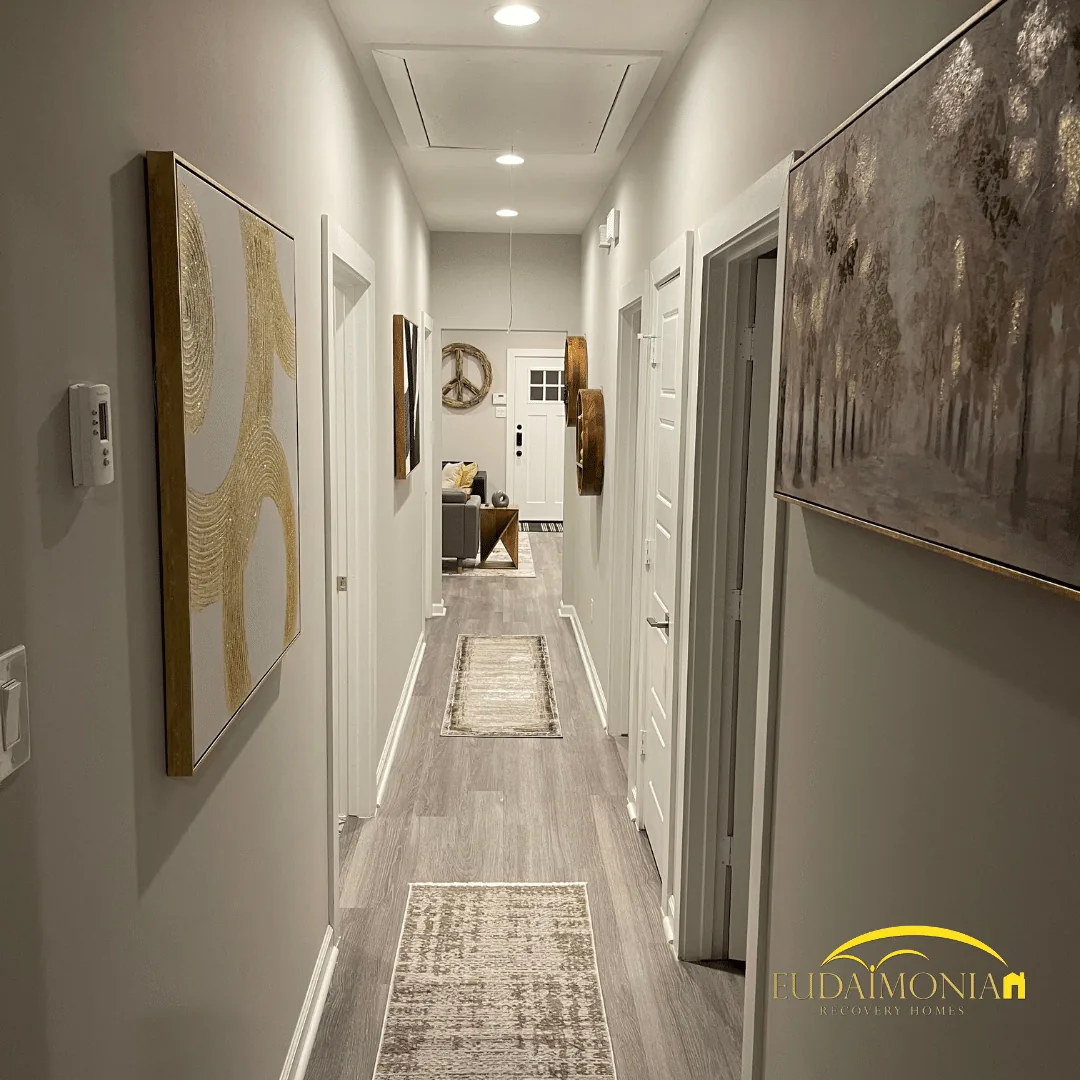
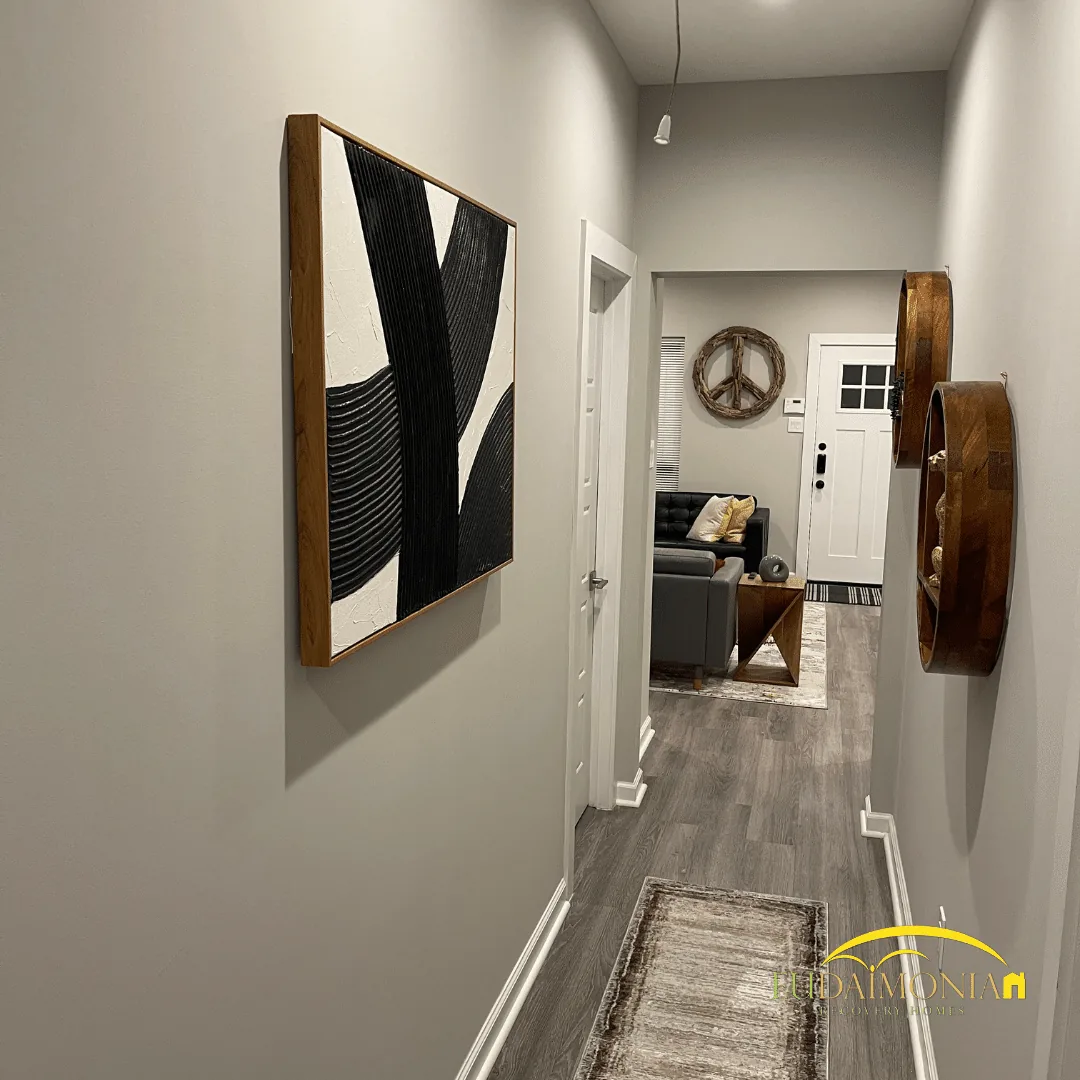
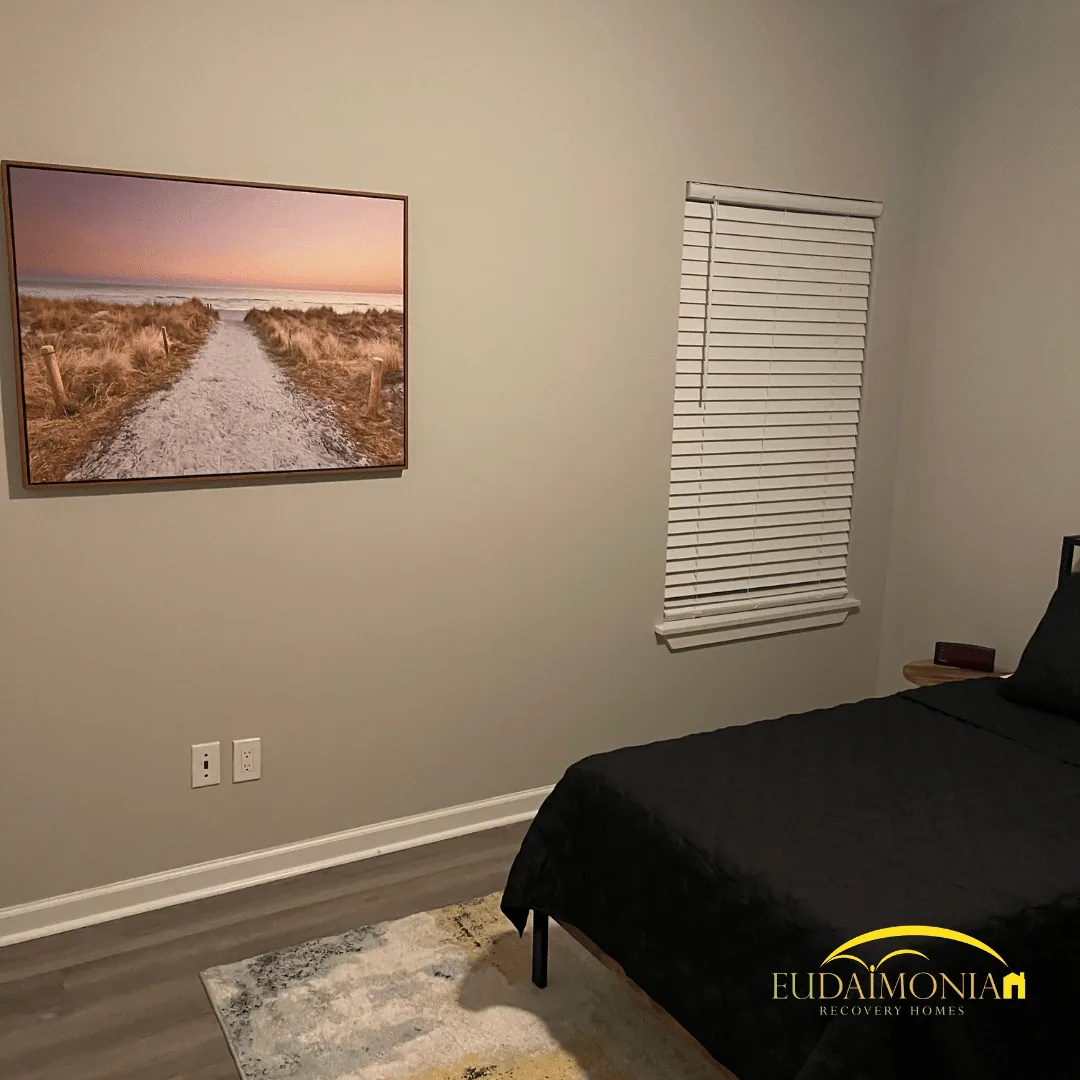
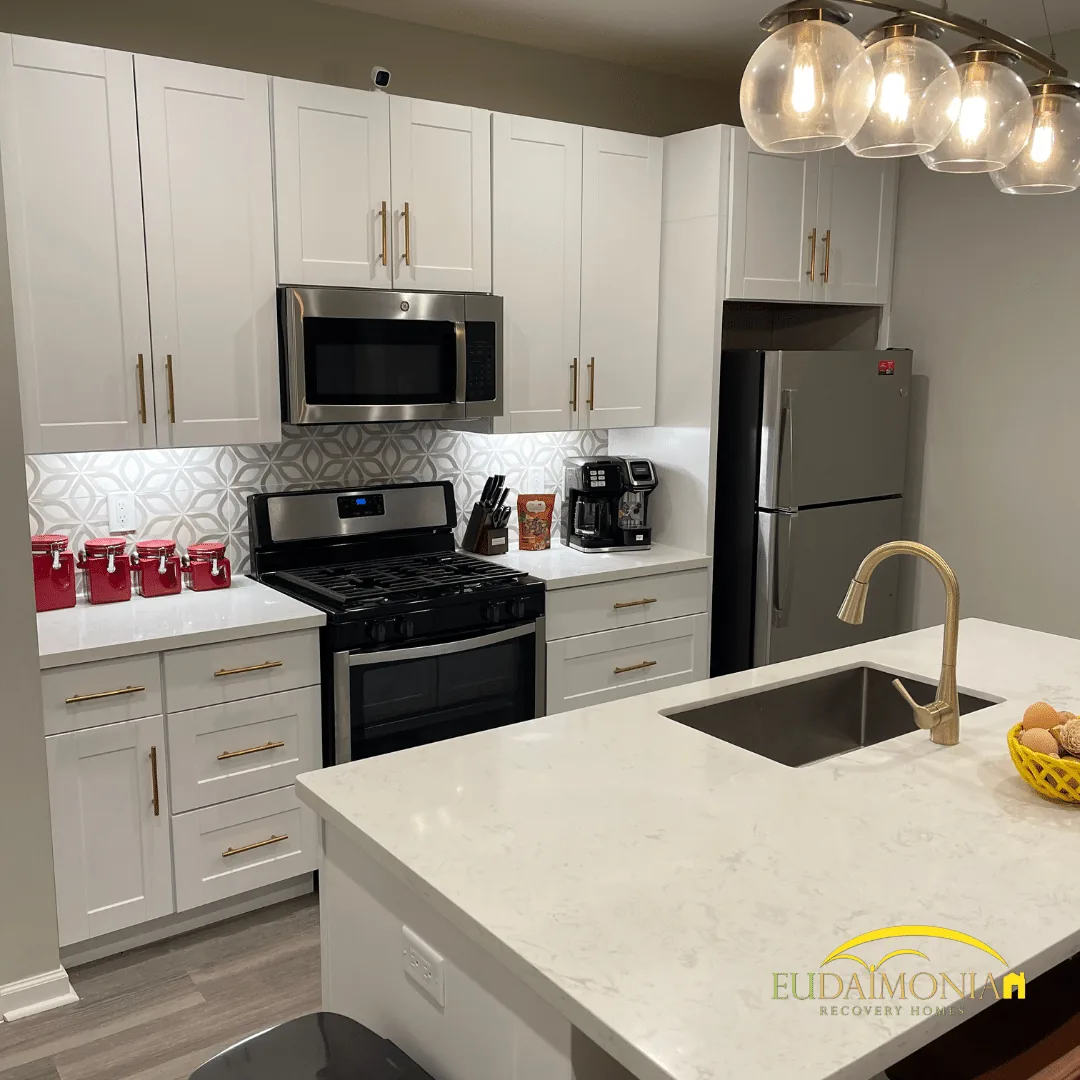
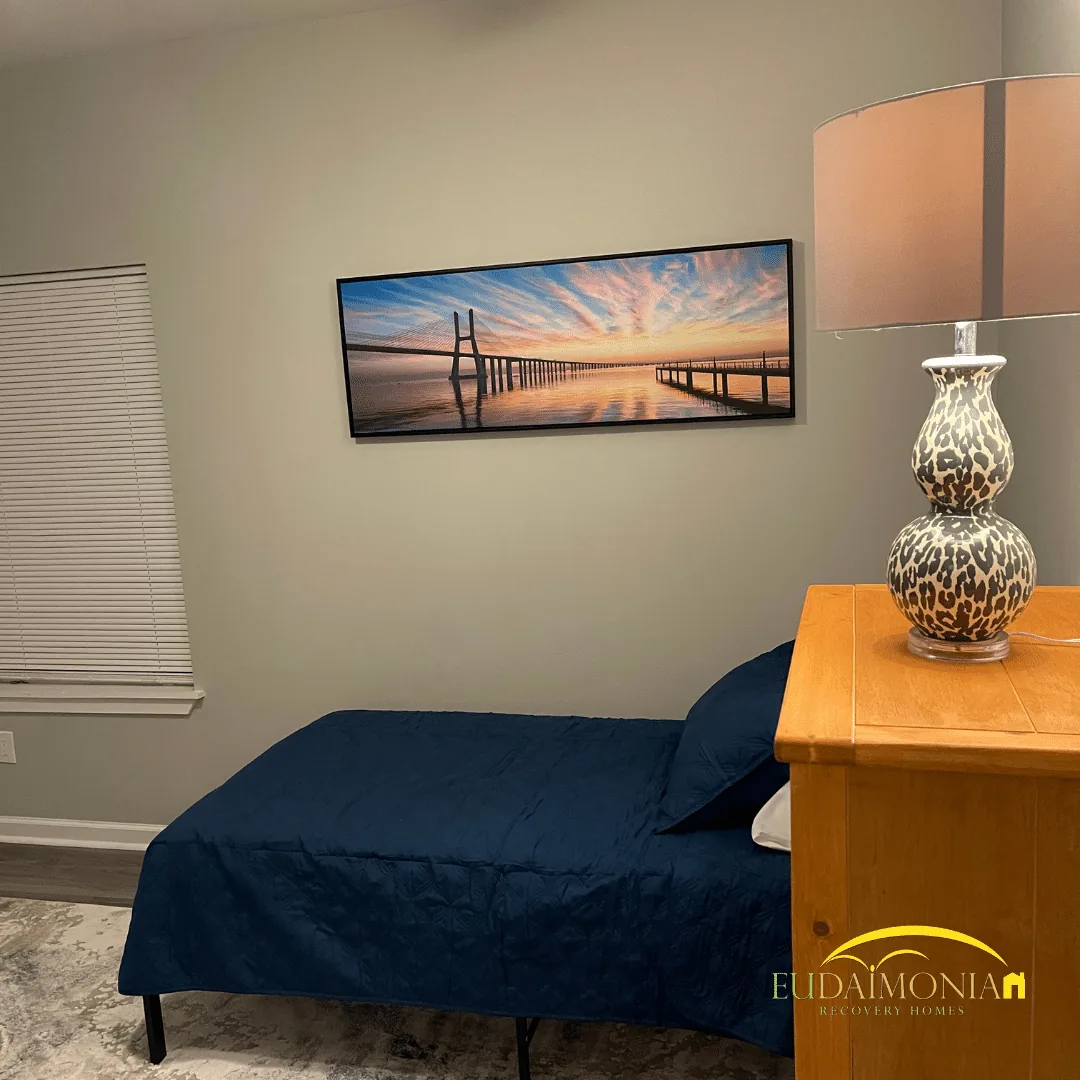
Living in a structured sober living environment reduces exposure to people, places, and situations linked to past substance use. Common sober living home rules include:
- No alcohol or drug use on or off the property
- Curfews and quiet hours
- Required participation in work, school, or volunteering
- Regular drug and alcohol testing
- Shared household responsibilities and meetings
This structure can lower relapse risk and help residents re‑learn routines like getting up on time, budgeting, cooking, and following through on responsibilities.
2. Peer support and sober community
Residents live with others who understand withdrawal, cravings, and rebuilding life in recovery. Studies on sober living houses show that peer support and accountability, combined with 12‑step or similar programs, can significantly improve abstinence rates.
In Houston, many homes encourage:
- Group check‑ins or house meetings
- Shared rides to recovery meetings
- Peer mentoring for newer residents
Over time, these relationships form the core of many people’s long‑term support network.
One 18‑month follow‑up study of people living in sober living houses while attending outpatient treatment found significant improvements in substance use, employment, and legal outcomes over time.
3. Connection to treatment and local resources
Most reputable homes maintain relationships with outpatient clinics, counseling practices, and community agencies. Residents may attend:
- Intensive outpatient programs
- Individual or family therapy
- Medication‑assisted treatment when appropriate
- Vocational or educational services
This mix of housing and services is sometimes called sober living drug rehab, but technically the clinical care happens off‑site while the home focuses on recovery‑oriented living.
4. Space to rebuild health and independence
Evidence suggests that sober living can support improvements in physical and mental health, self‑esteem, and quality of life, especially when people stay six months or longer.
In Houston, that might look like:
- Returning to work or starting a new job
- Enrolling in college or trade training
- Repairing relationships with family and friends
- Building new, substance‑free social activities
For many people, sober living is where they first experience daily life without alcohol or drugs as the center.
How to Get Into a Sober Living House
If you are wondering how to get into sober living or how to get into a sober living house, the process is usually straightforward.
Step 1: Clarify what you need
Think about:
- How much structure you want
- Whether you prefer a co‑ed home, men’s or women’s housing
- Whether you need proximity to work, school, or specific neighborhoods
Knowing your priorities makes it easier to narrow down sober living locations that fit.
Step 2: Search for sober houses near you
You can:
- Ask your detox, residential, or outpatient provider for referrals
- Talk with a therapist, case manager, or peer recovery coach
- Use national directories such as SAMHSA’s FindTreatment.gov and Texas‑specific recovery housing lists
When you look up sober living places near me or sober houses near me, focus on homes that are certified or aligned with National Alliance for Recovery Residences (NARR) standards, as recognized by Texas agencies and networks like TROHN.
For a deeper dive into pricing, accreditation, and what daily life looks like, review our detailed 2025 Houston sober living guide before you choose a home.
Step 3: Apply and interview
Most programs:
- Ask for a short phone screening
- Review your substance use and treatment history
- Explain house expectations and financial arrangements
You may tour the property, meet current residents, and review written rules before moving in. This is your chance to see if the sober living home feels like a good fit.
Typical Sober Living Home Rules and Expectations
Rules vary by house, but many Houston homes include the following elements:
- Abstinence from alcohol and all non‑prescribed drugs
- Participation in recovery meetings or therapy
- Curfews and check‑ins with house staff or a house manager
- Sharing chores such as cleaning common areas and cooking
- Respectful conduct toward roommates and staff
- Paying rent and program fees on time
In return, residents receive:
- A stable, residential sober living environment
- Access to supportive peers and staff
- Space to practice new coping skills
For many, this level of accountability is more helpful than moving directly from inpatient care into independent housing.
Considering Starting a Sober House in Texas?
Some people feel called to give back by starting a sober house of their own. If you are asking, “How do I start a sober living home?”, there are several steps to consider.
Texas law allows recovery residences in many residential zones and offers voluntary certification that can strengthen trust with neighbors and referral sources.
Key elements include:
- Choose a business structure. Many operators form an LLC or nonprofit for liability protection and funding options.
- Understand zoning and fair‑housing rules. People in recovery are protected under federal housing law, but local rules on occupancy and boarding homes still apply.
- Select and prepare a property. Look for a safe, code‑compliant house near transportation, jobs, and treatment resources.
- Create clear policies. Strong resident agreements, safety procedures, and structured sober living environment guidelines are essential.
- Pursue certification if possible. NARR‑aligned certification through Texas networks can improve credibility and make grant funding more accessible.
Running a sober home is more than offering sober living rooms for rent. It involves consistent leadership, ethical operations, and a genuine commitment to residents’ well‑being.
How Eudaimonia Recovery Homes Supports Sober Living in Houston
Eudaimonia Recovery Homes offers structured sober living in Houston that directly supports the benefits described above. By providing alcohol‑ and drug‑free residences, they create a stable environment where residents can focus on recovery goals without constant exposure to triggers. Each home uses clear house rules, regular drug and alcohol testing, and daily routines to help residents rebuild accountability and healthy habits.
On‑site managers and peer leaders are available to guide new residents, answer practical questions, and encourage participation in meetings and outpatient services. Many residents continue therapy, intensive outpatient programs, or medication management while living at Eudaimonia, so housing and clinical care can work together rather than in isolation.
If you have completed detox or residential treatment at a program such as Briarwood Detox Center or Nova Recovery Center, Eudaimonia’s Houston sober living homes can provide a next step as you transition back into work, school, and family life.
The homes are located in areas with access to public transportation, employment opportunities, and a wide range of recovery meetings, which supports long‑term lifestyle change. Through shared responsibilities, group activities, and mutual support, residents can practice living sober one day at a time while building a social network that continues after they move out.
Your Future Is Waiting
Tell us what you are looking for and admissions will walk you through the houses, the phases, and what a room actually costs.