

Published January 6, 2026 · Updated February 27, 2026
Key Takeaways
- Sober living basics can help you understand what recovery housing provides and what it does not.
- Halfway vs. sober living can differ in supervision, structure, and who the program is designed to serve.
- 3/4 houses explained so you can ask about real rules and support instead of relying on labels.
- Who it helps includes people leaving treatment or unstable housing who need a safer environment.
- What to expect includes typical rules, routines, and the role of accountability in the home.
- House rules matter because consistent expectations help protect the recovery setting for everyone.
- Choose location wisely so work, outpatient care, and meetings are realistic to maintain in Houston.
- Housing types commonly include men’s homes, women’s homes, and select couples options.
- Cost realities vary widely, so confirm what is included and what “free” options require.
- Getting admitted is usually straightforward when you know the screening steps and move-in expectations.
- Long-term stability often improves when housing supports routines, savings, and a transition plan.
- Eudaimonia support can help with structure, accountability, and practical move-in details.
On This Page · 35 Sections
Sober Living
Houston
1010 Waverly St, Houston, TX
If someone searches “sober living near me” in Houston, they are usually trying to find a safe, substance-free place to live that supports staying sober. Where a person lives can support sobriety or make relapse more likely. This is especially true during the early transition back to work, school, and daily responsibilities. A sober living house is one option that sits between formal treatment and living fully on your own.
This guide explains what people often mean when they search for sober houses near me, how sober living compares with a halfway house, and what to evaluate before move-in.
It also covers cost questions, including cheap sober living near me and long term sober living near me, along with the realistic limits behind “free halfway houses near me.”
If you want to compare structured options in one place, start with our sober living in Houston, TX overview for men’s and women’s homes.
What sober living means in Houston
Sober living homes are shared residences where people agree to live without alcohol and without non-prescribed drugs. Most homes have written house rules, a routine, and some level of oversight or accountability. Some homes are peer-run, and some have a house manager who coordinates expectations and resolves problems. The purpose is not to replace therapy, detox, or rehab. The purpose is to add stability so recovery skills can develop in real-world conditions. For a federal overview of recovery housing models and how they fit into recovery support, see HUD Exchange’s Recovery Housing Program Models Quick Guide.
Sober houses near me vs. halfway house options
Many people use “halfway house sober living homes” as one idea, but the terms can describe different setups and different levels of supervision. A halfway house is often tied to a court, probation, parole, or another public program. It may have required classes, set time limits, or stricter supervision rules. For an example of how “halfway house” is used in reentry settings, see the Federal Bureau of Prisons explanation of residential reentry centers (RRCs).
A sober living house is often privately operated and may allow more flexibility with length of stay, work hours, and daily structure. Either model can help. The best fit depends on legal requirements, relapse risk, and how much structure a person needs to stay stable.
For a Houston-specific breakdown of rules, supervision, and what to expect, read our guide on halfway houses and sober living in Houston.
3/4 houses near me (three-quarter houses)
Searches like “3/4 houses near me” often refer to three-quarter houses, sometimes called 3/4 houses. People use the term for housing that is less strict than a halfway house but more structured than living alone. The label is not consistent from place to place. It is more useful to ask about rules, support, and how the home responds to relapse or repeated rule breaks.
Who sober living can help
Sober living can work for different stages of recovery, including people who need support but do not need 24/7 medical monitoring. It can also help people who are stable in treatment but need a safer living environment.
Halfway house for alcoholics and early sobriety support
A halfway house for alcoholics can be helpful after detox or rehab, especially when strong structure is needed right away. Alcohol is easy to access, and triggers can be common in social, family, and work settings. A structured home can reduce exposure to high-risk situations. It can also support routines, coping skills, and a stronger support network.
When current housing makes sobriety harder
Sober living can also make sense when a person’s current home is unstable, unsafe, or closely tied to past use. Moving into a sober home can create distance from people, places, and patterns that raise relapse risk. It can also support consistent sleep, appointments, and healthier daily habits.
What to expect in a sober living facility
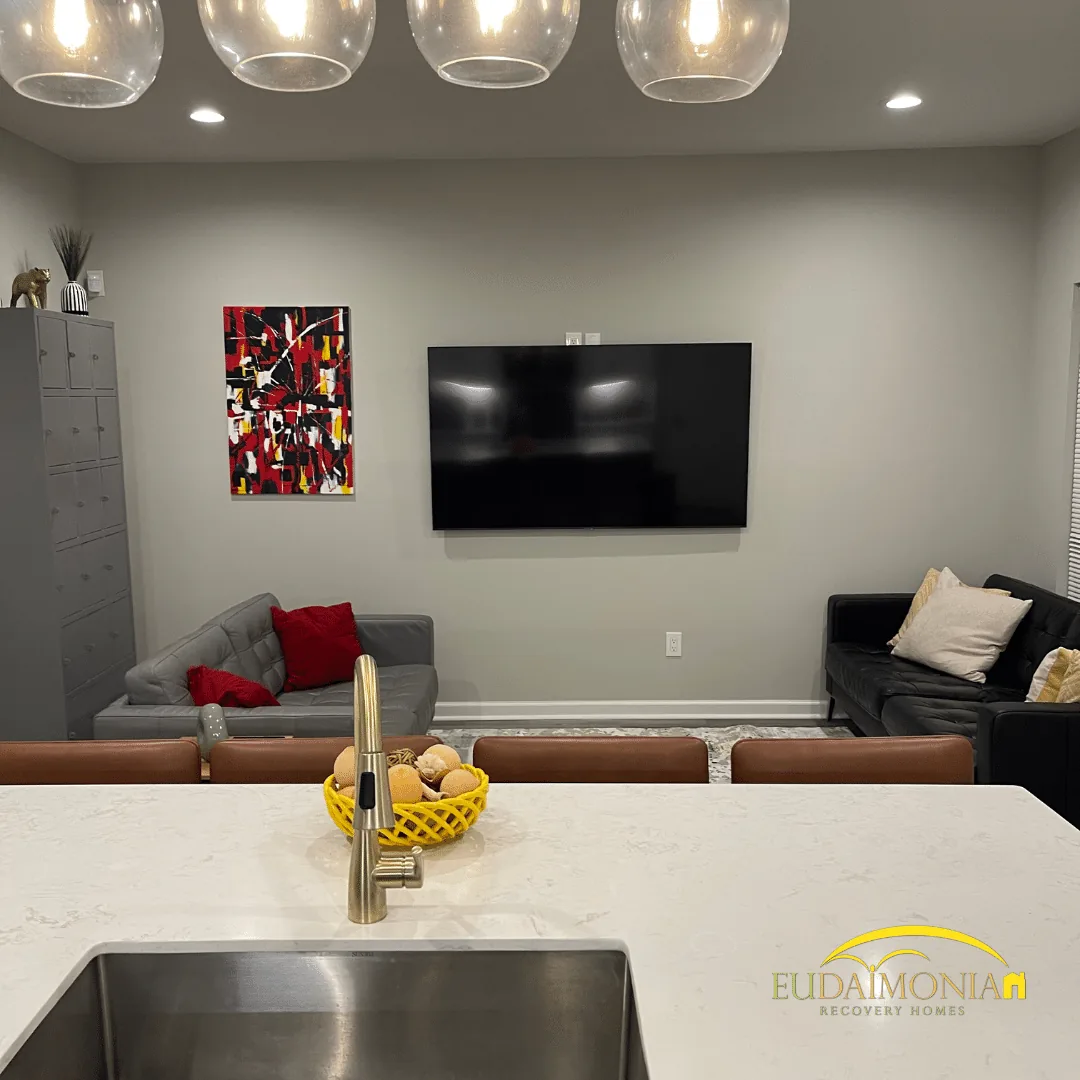
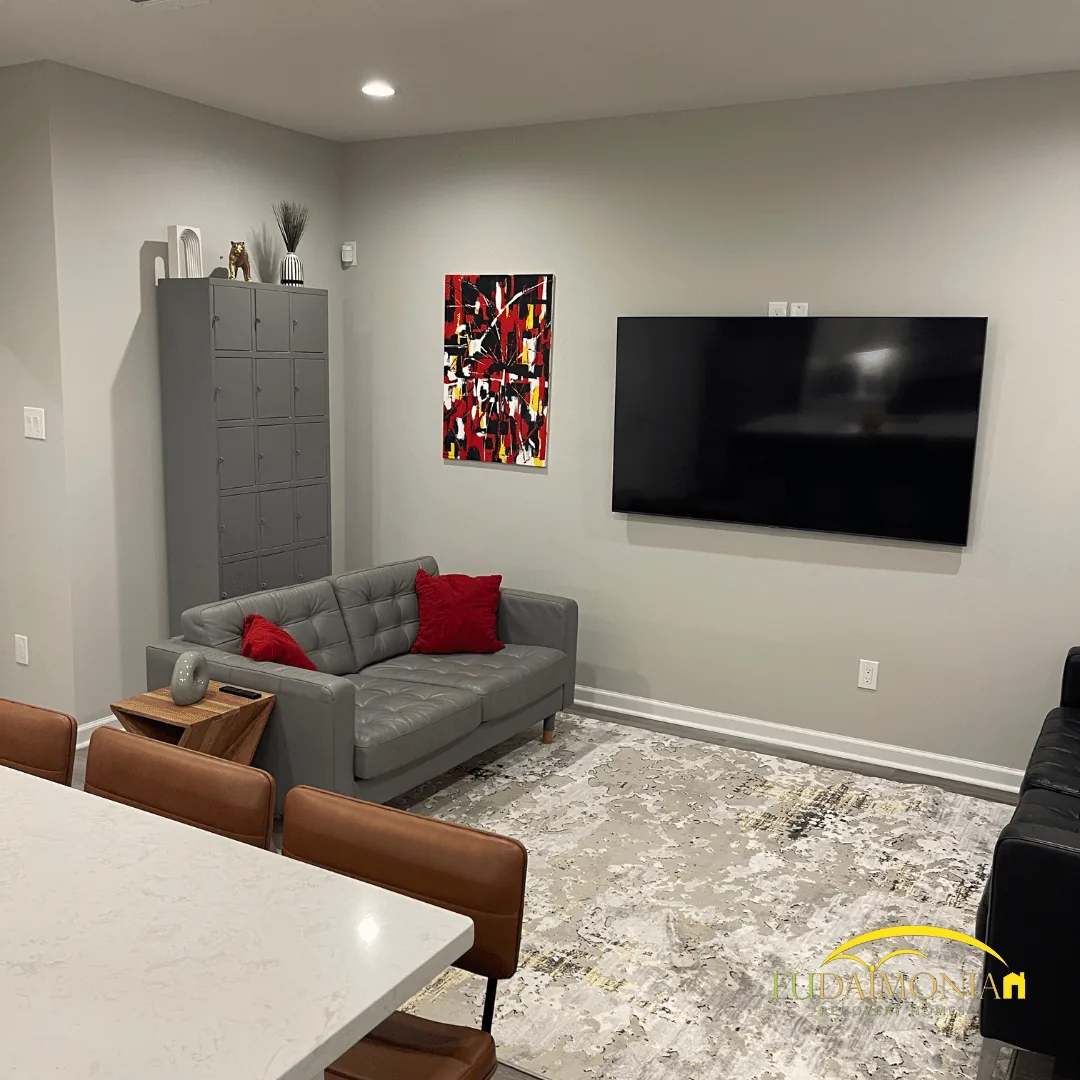
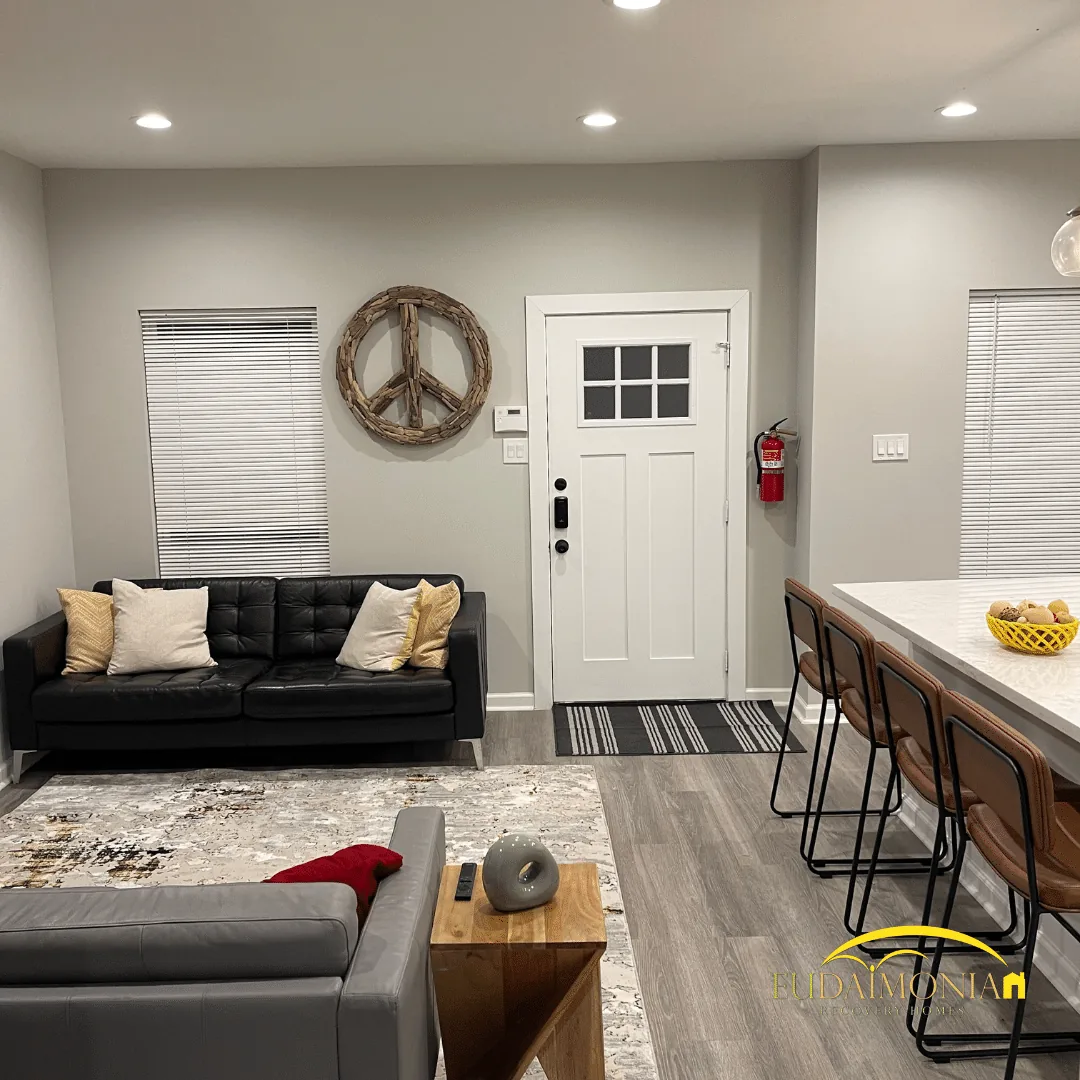
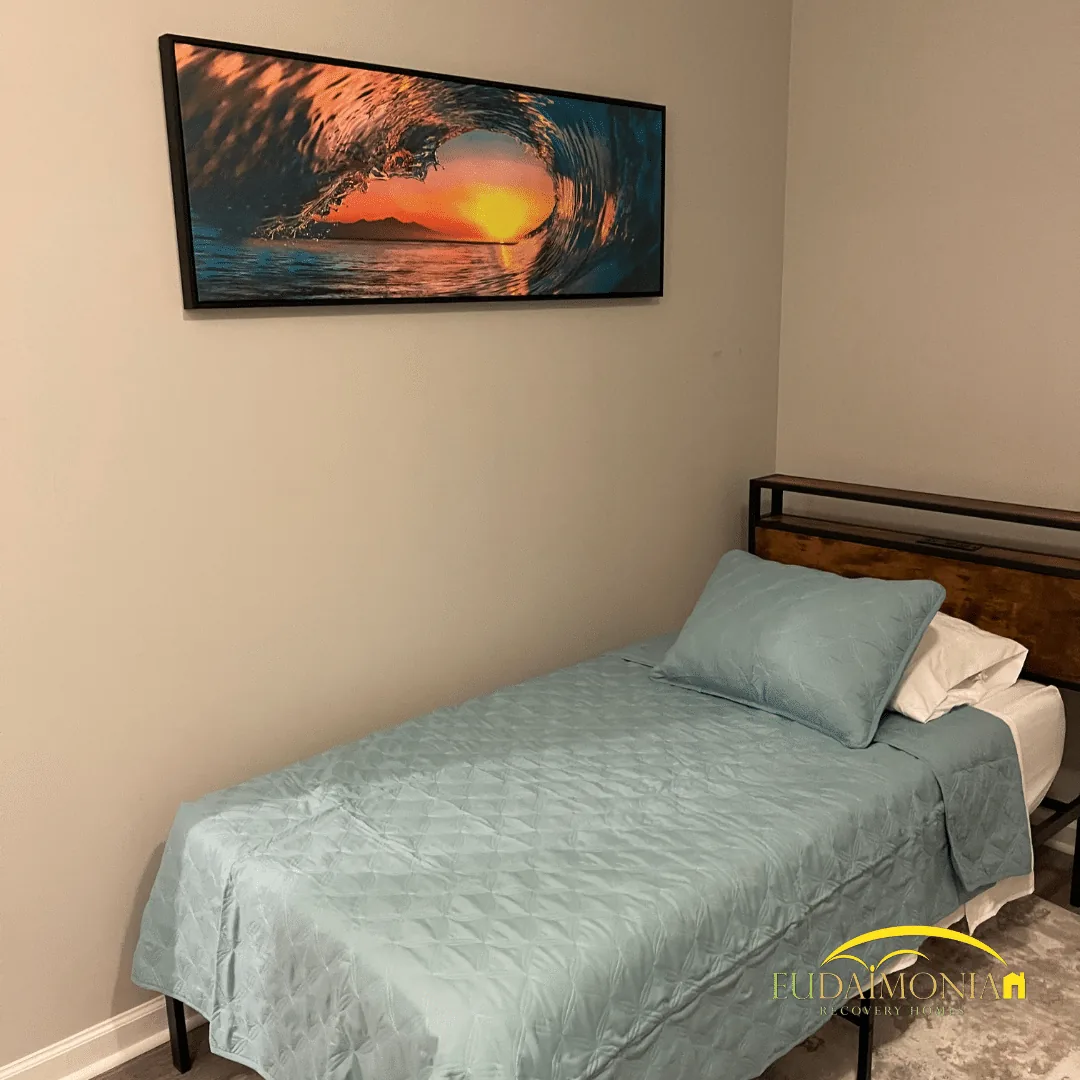
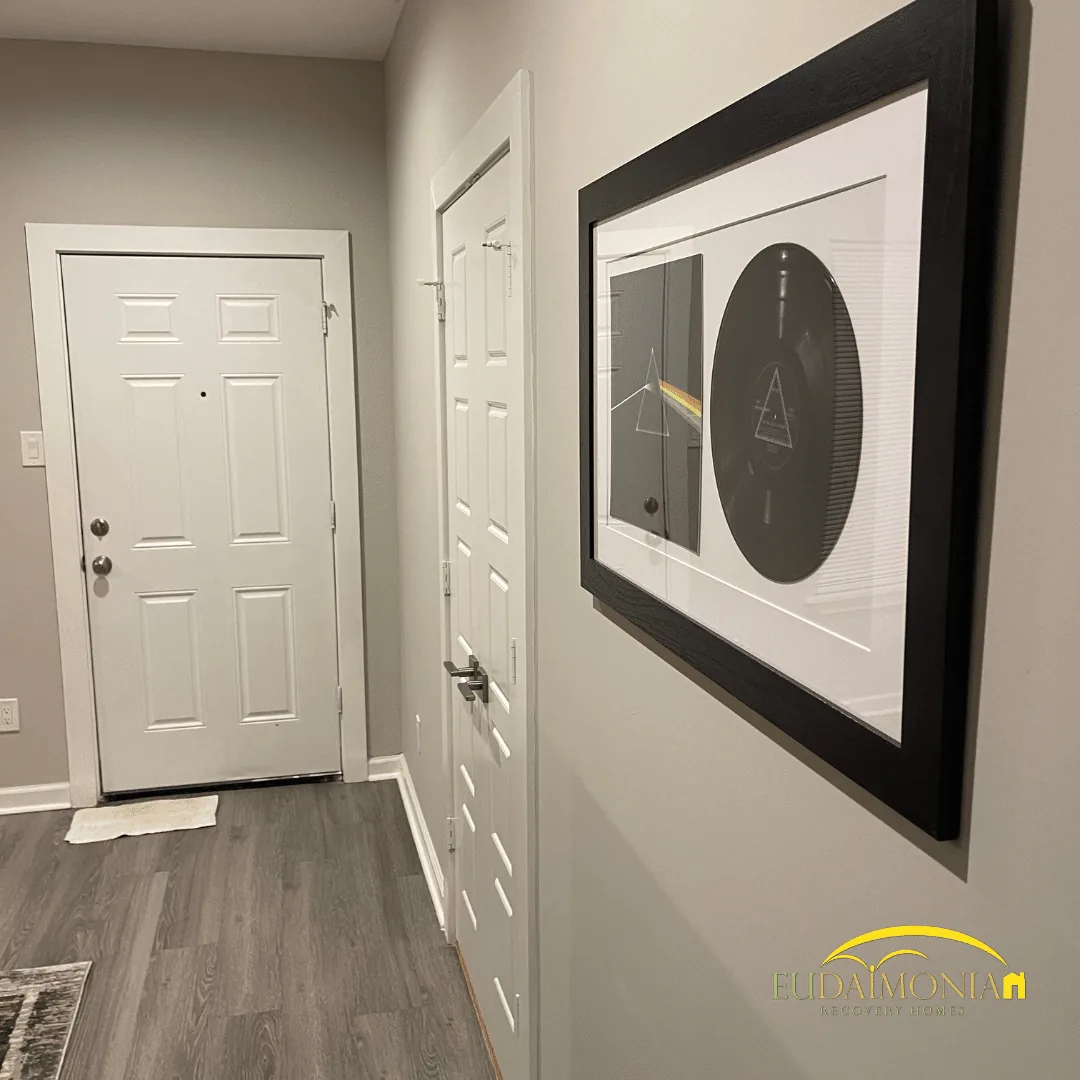
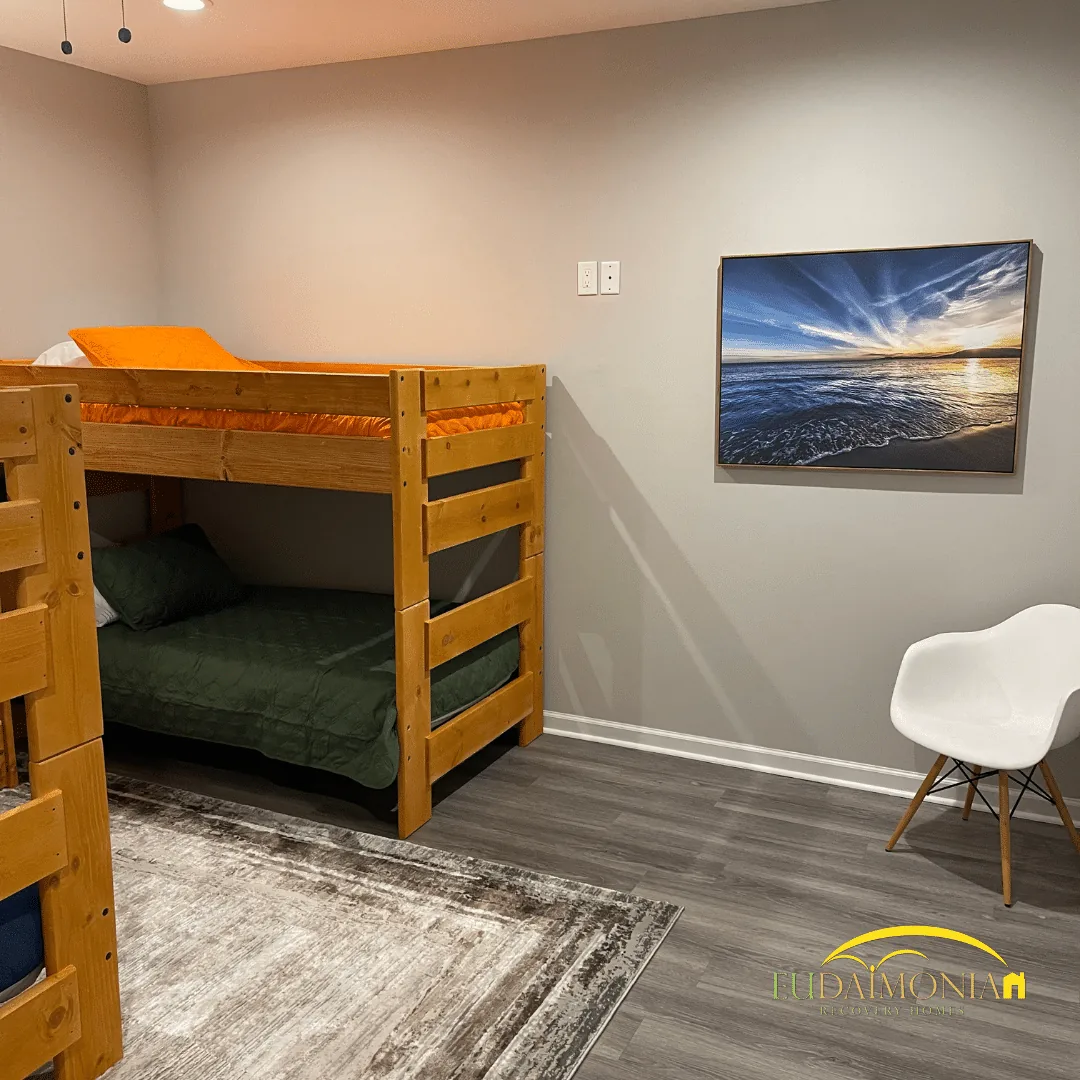
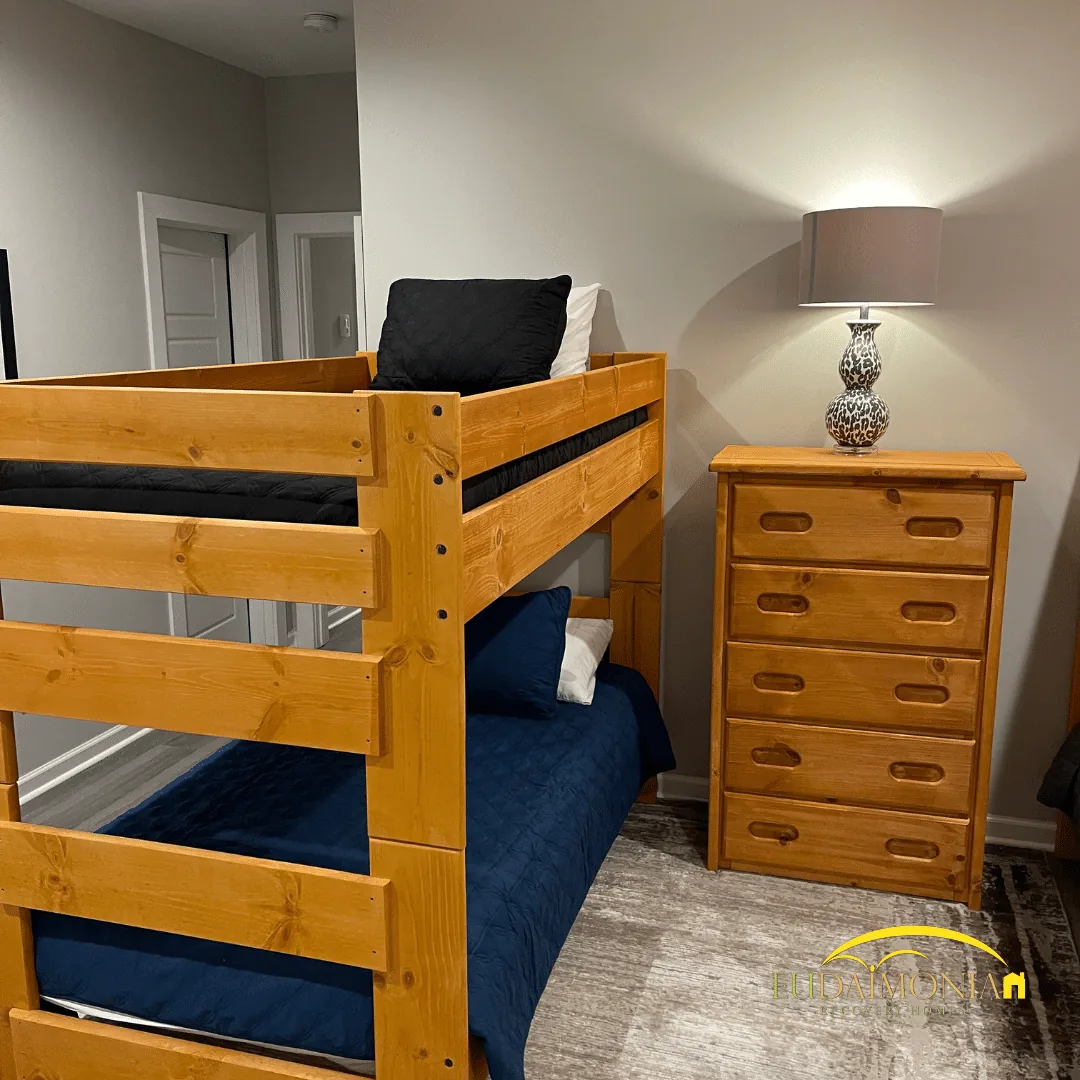
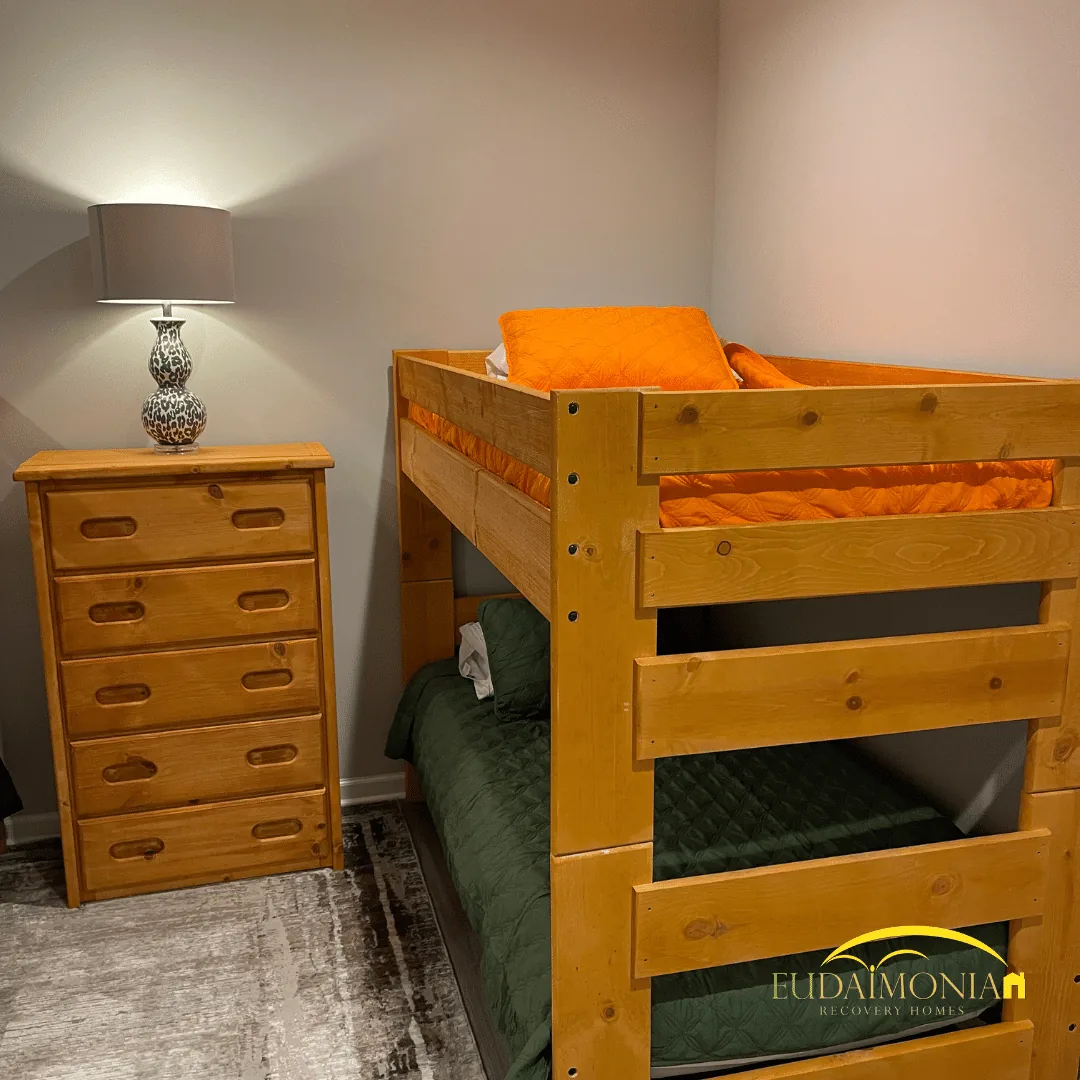
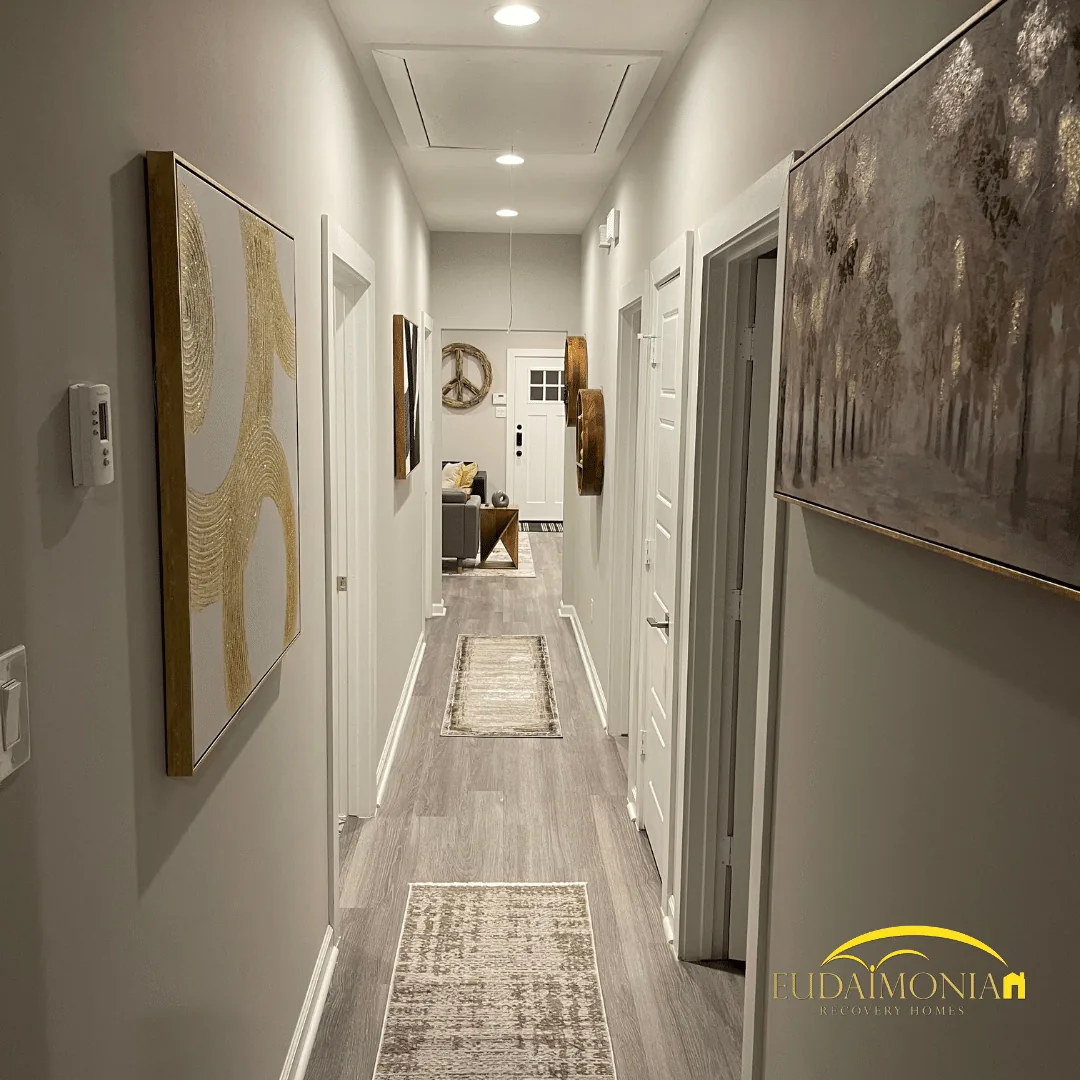
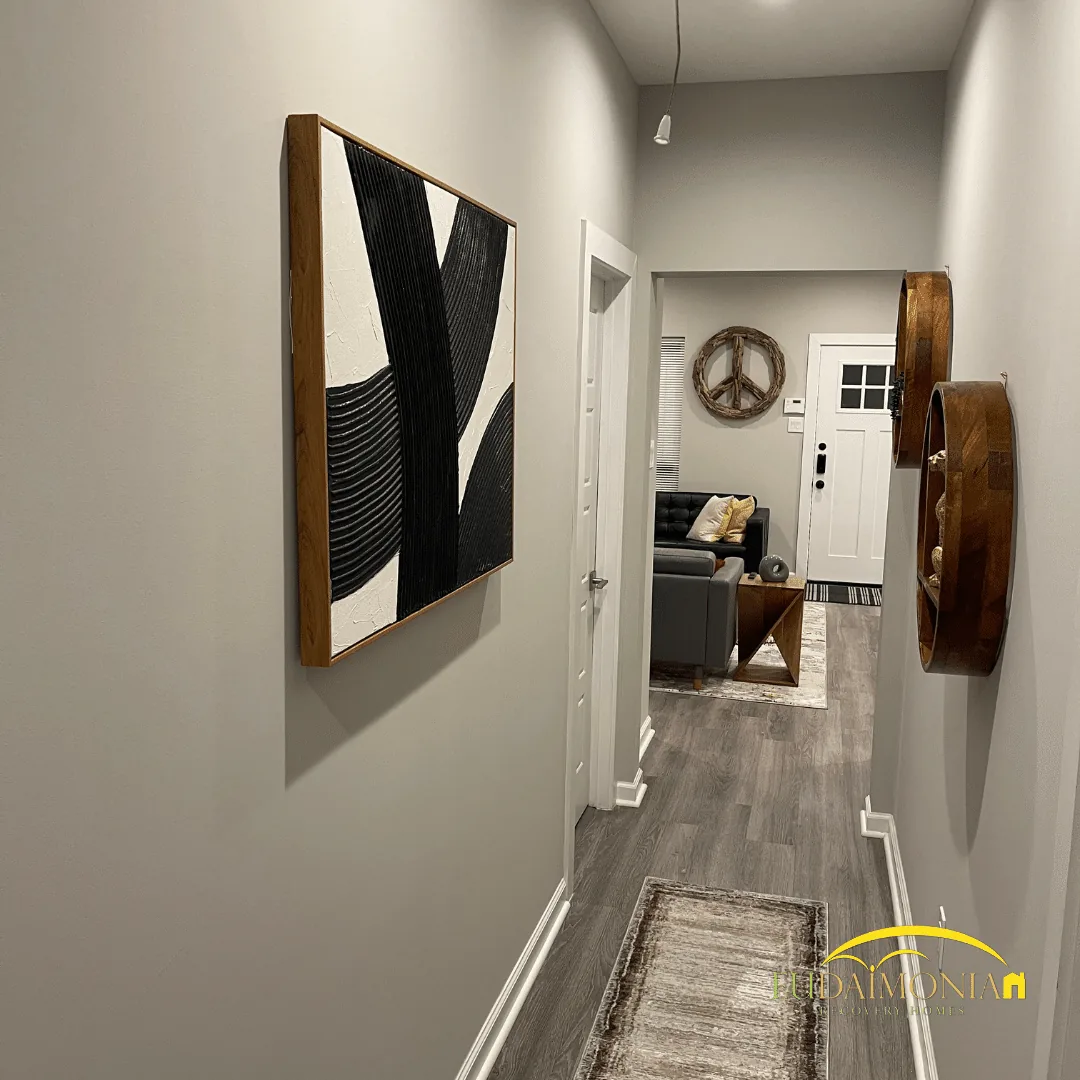
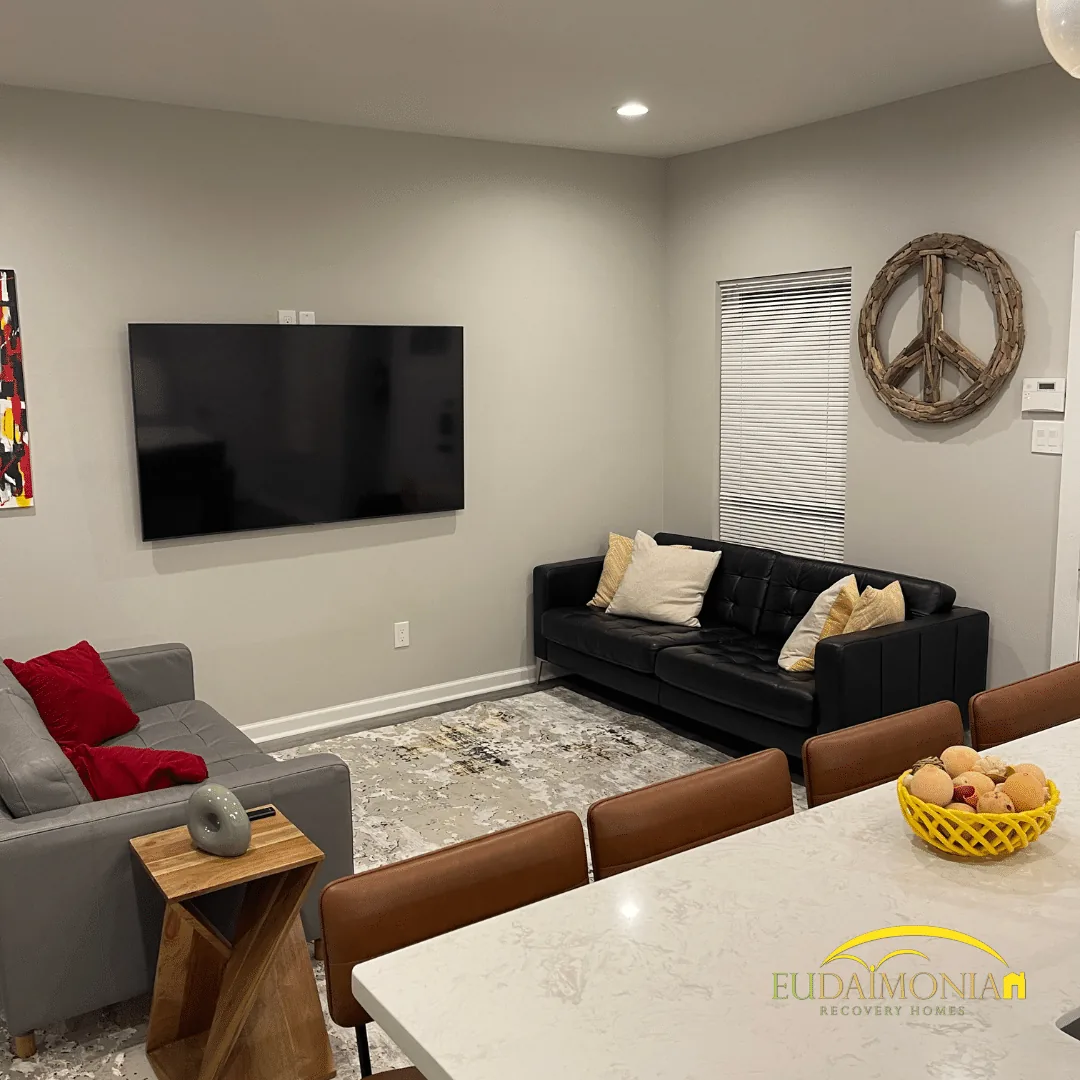
A sober living facility can look like a regular home, but it usually runs with clear expectations and community standards. Details vary, so it helps to request the rules in writing and confirm how they are enforced.
Rules, supervision, and house culture
Most sober living houses require abstinence, basic chores, and respect for shared spaces. Many homes use curfews, house meetings, and random or scheduled alcohol and drug testing. Some also require meeting attendance, outpatient participation, or a recovery plan. The goal is a predictable, low-drama environment where issues are addressed early, before they become crises. For industry definitions and expectations around sober living structure and peer accountability, review NARR’s recovery residence standards.
Daily life: work, school, and recovery time
Many residents work or attend school while living in sober housing. A typical week can include commuting, budgeting, meal planning, and fitting meetings or counseling into a realistic schedule. In Houston, travel time matters. An overly demanding commute can raise stress, reduce sleep, and weaken follow-through on recovery routines.
Residential sober living vs. “sober living rehab”
Some people search “sober living rehab” and expect on-site clinical services. Traditional sober living is housing plus accountability and recovery support. Counseling, medication management, or intensive outpatient care often happens off-site. If someone needs medical monitoring, help with withdrawal risk, or daily clinical treatment, a higher level of care may be a safer starting point than sober living alone.
Research on treatment-linked recovery housing has found that structured sober living during outpatient care can support engagement and completion outcomes (see this Journal of Substance Abuse Treatment study on recovery housing).
Medication policies and MAT
Medication policies vary by sober living home, and it is important to confirm rules in advance, especially for controlled medications or medications used for addiction treatment. Some residences are supportive of medication-assisted treatment (MAT) when medications are prescribed and used as directed, while others may have restrictions or additional safeguards (such as secure storage). For guidance on medication-assisted recovery considerations in recovery residences, see NARR’s Medication-Assisted Recovery brief.
Sober living communities and locations in Houston
People also search “sober living communities,” “sober living locations,” or “sober living places near me.” These phrases often point to how housing is organized and how easy it will be to maintain a routine.
Community-style programs vs. single houses
Some sober living programs operate multiple homes under the same standards, staff, and policies. Others are one home with a smaller group. A larger model may offer more structure and more peer support. A smaller home may feel quieter and simpler. Neither is automatically better. The best choice is the one that matches the person’s needs and follows its own rules consistently. In Texas, a practical starting point for comparing options is the Texas Recovery Oriented Housing Network (TROHN) directory and certification resources.
Choosing a location that supports a routine
For many people, the best “sober living near me” option is close to what they must do each day: work, school, outpatient care, or family obligations. It can help to look at access to meetings, grocery stores, and reliable transportation. Practical barriers can turn into stress and missed commitments. A good location reduces last-minute pressure and makes it easier to follow a plan.
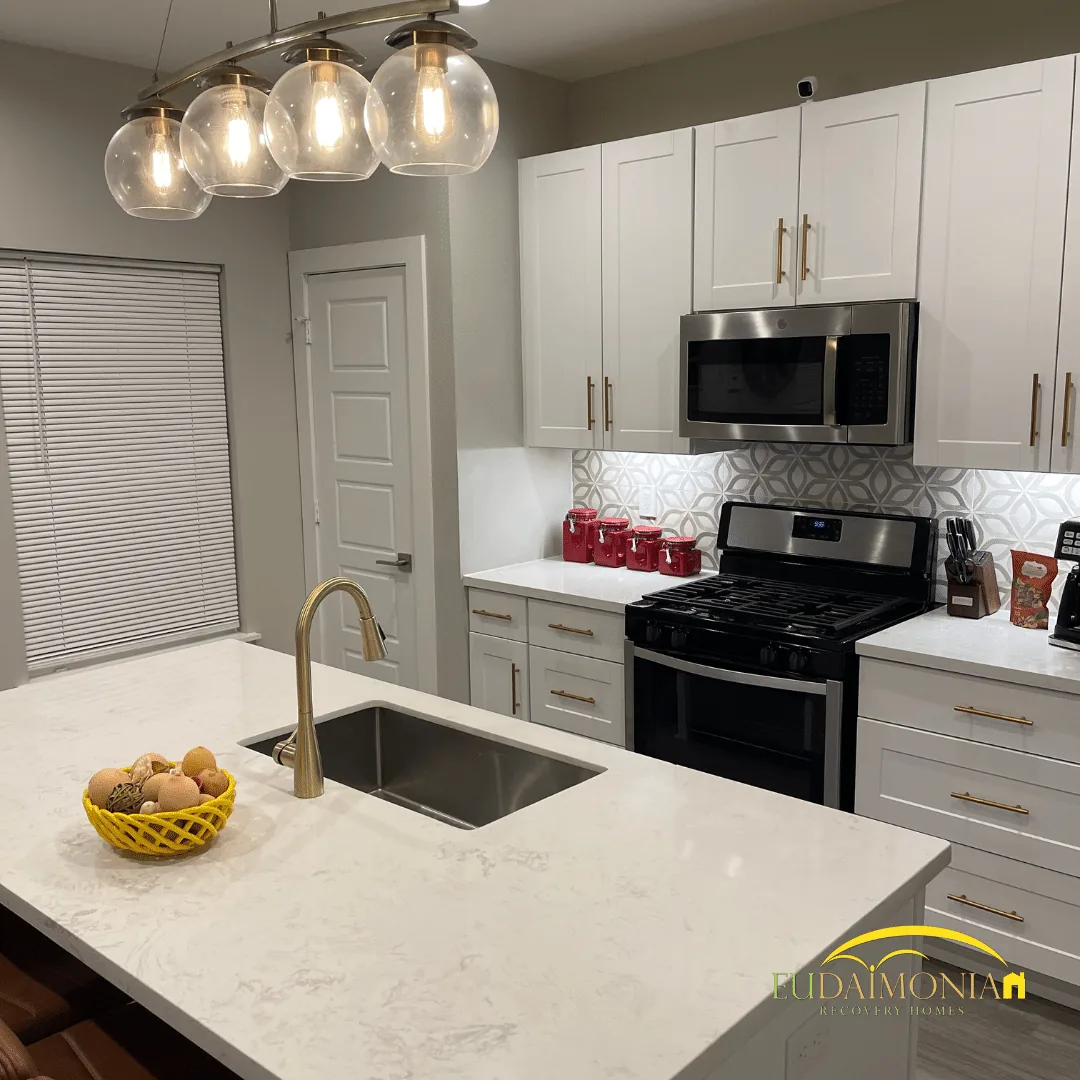
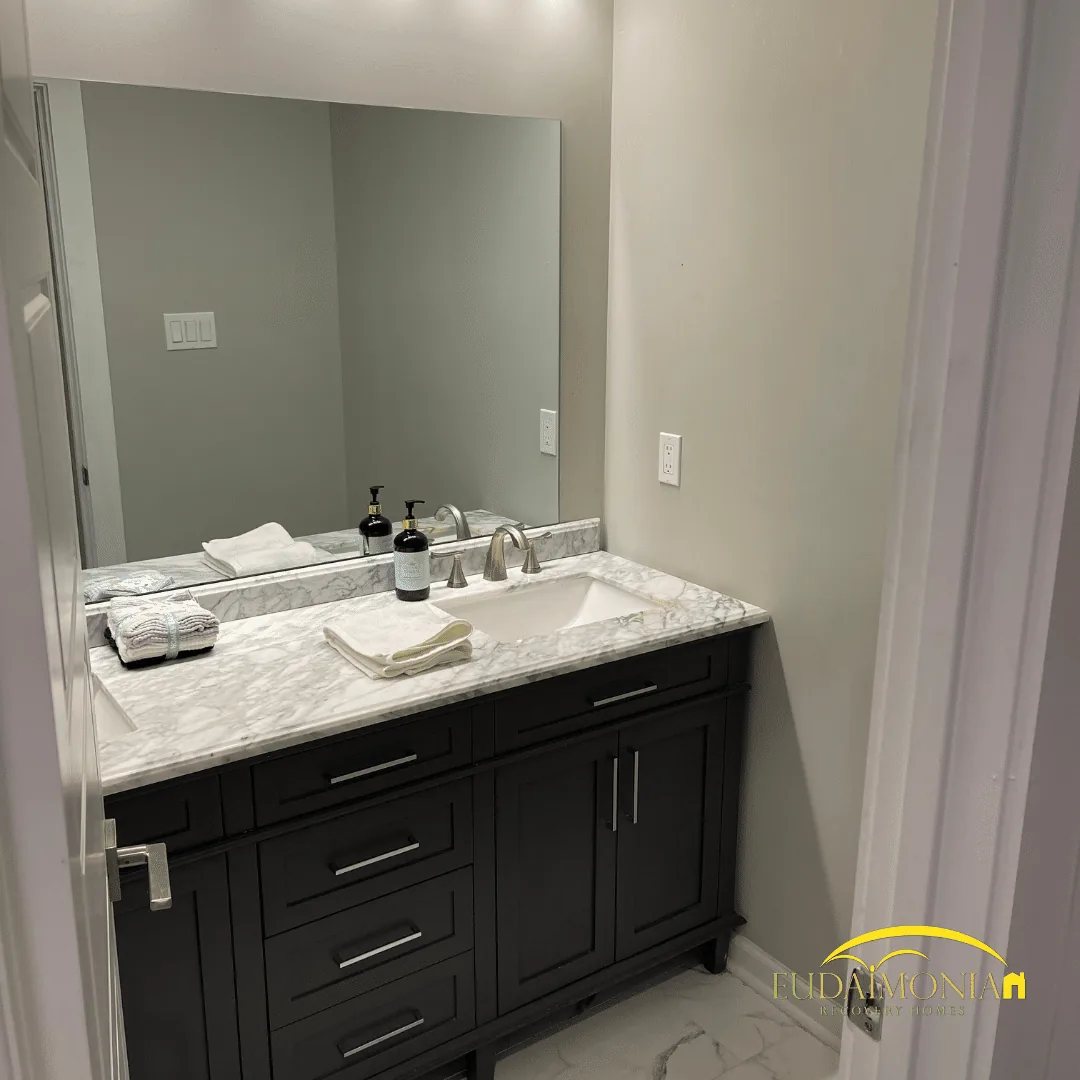
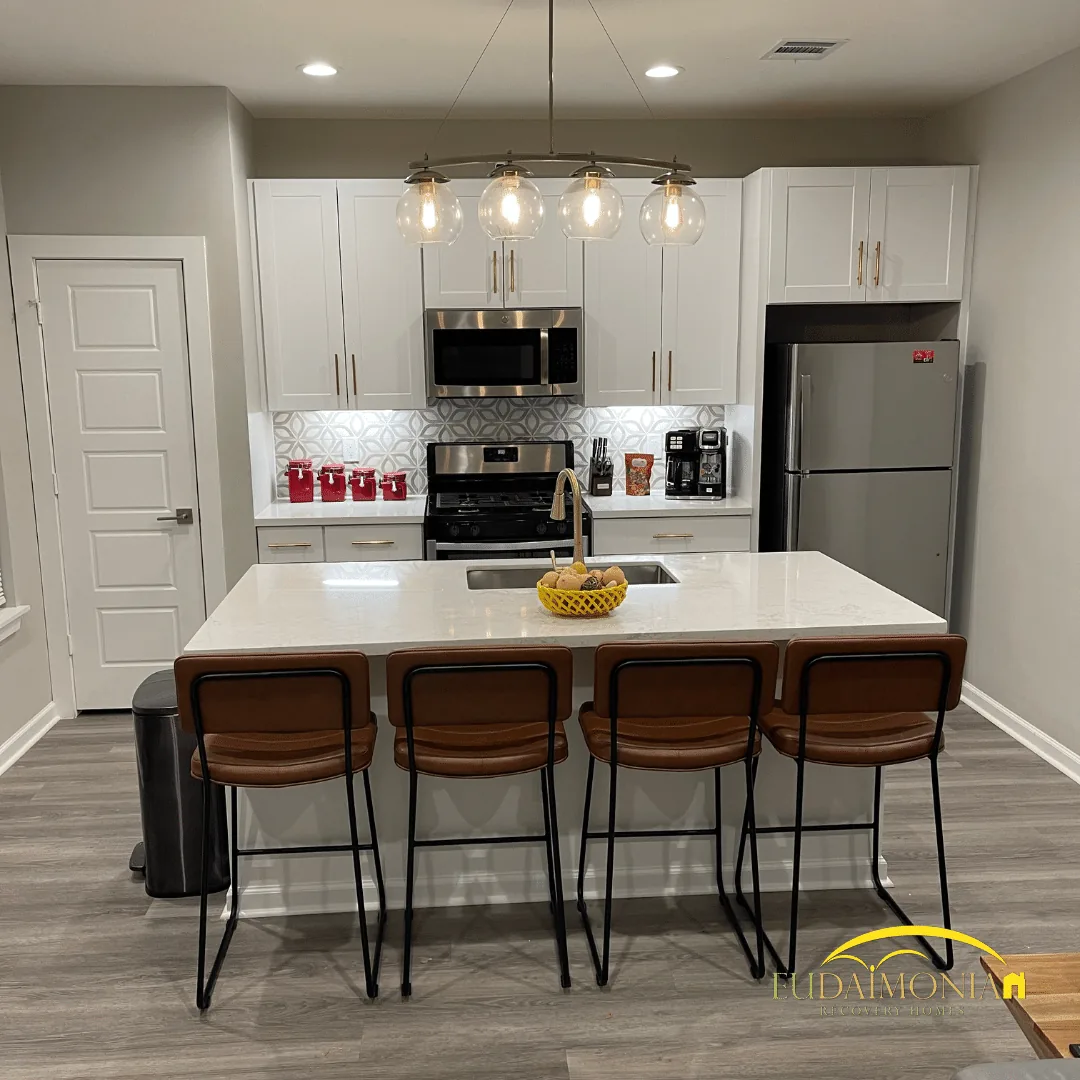
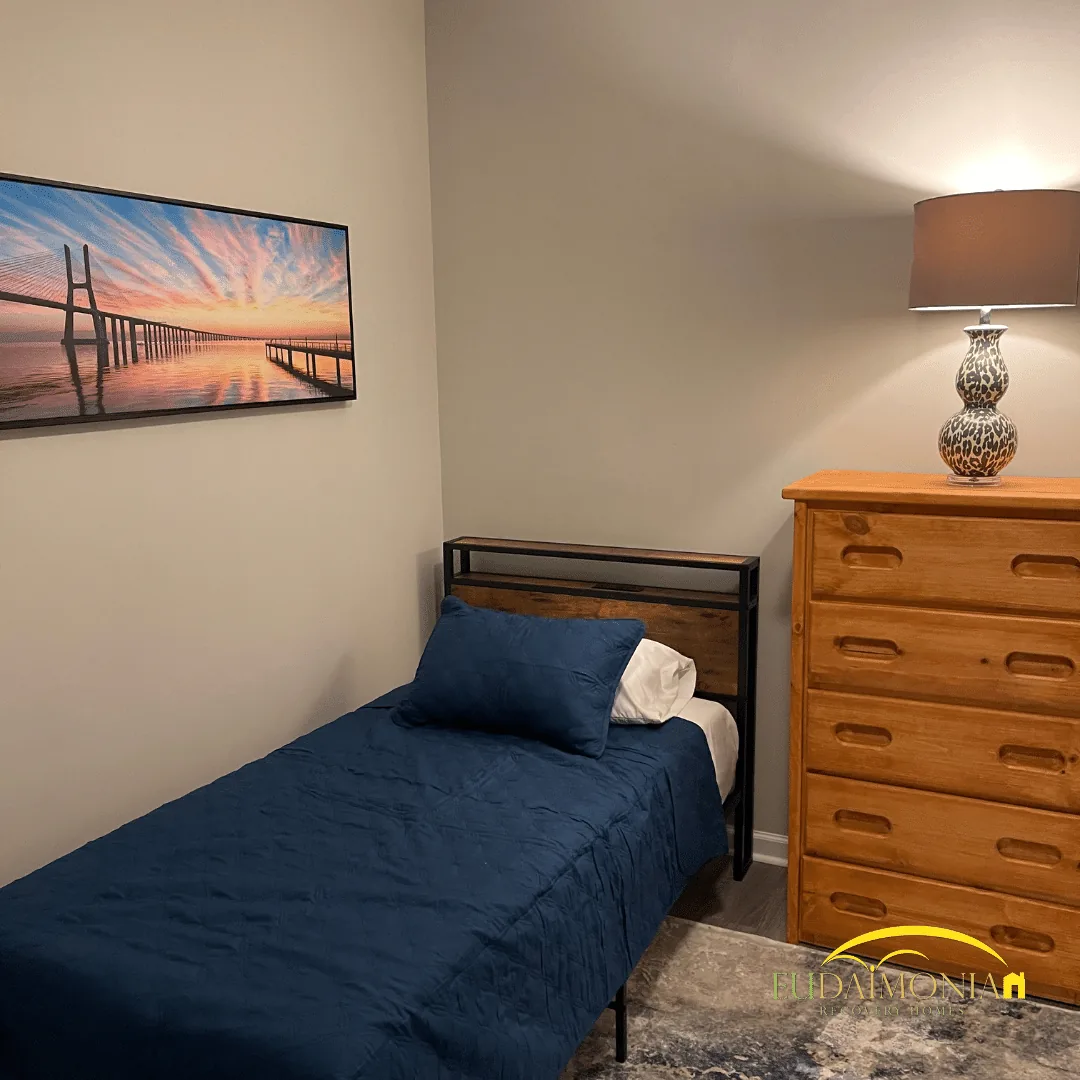
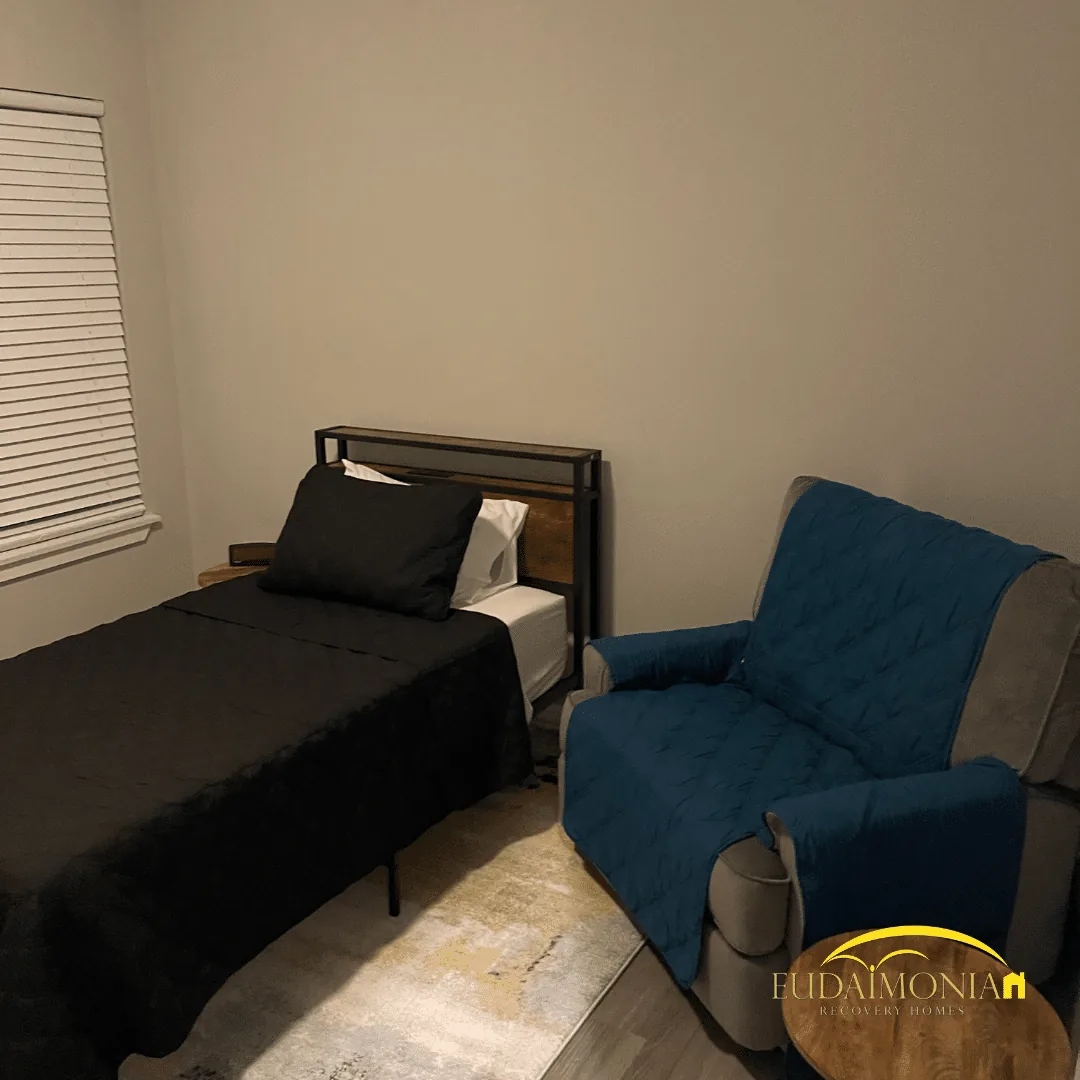
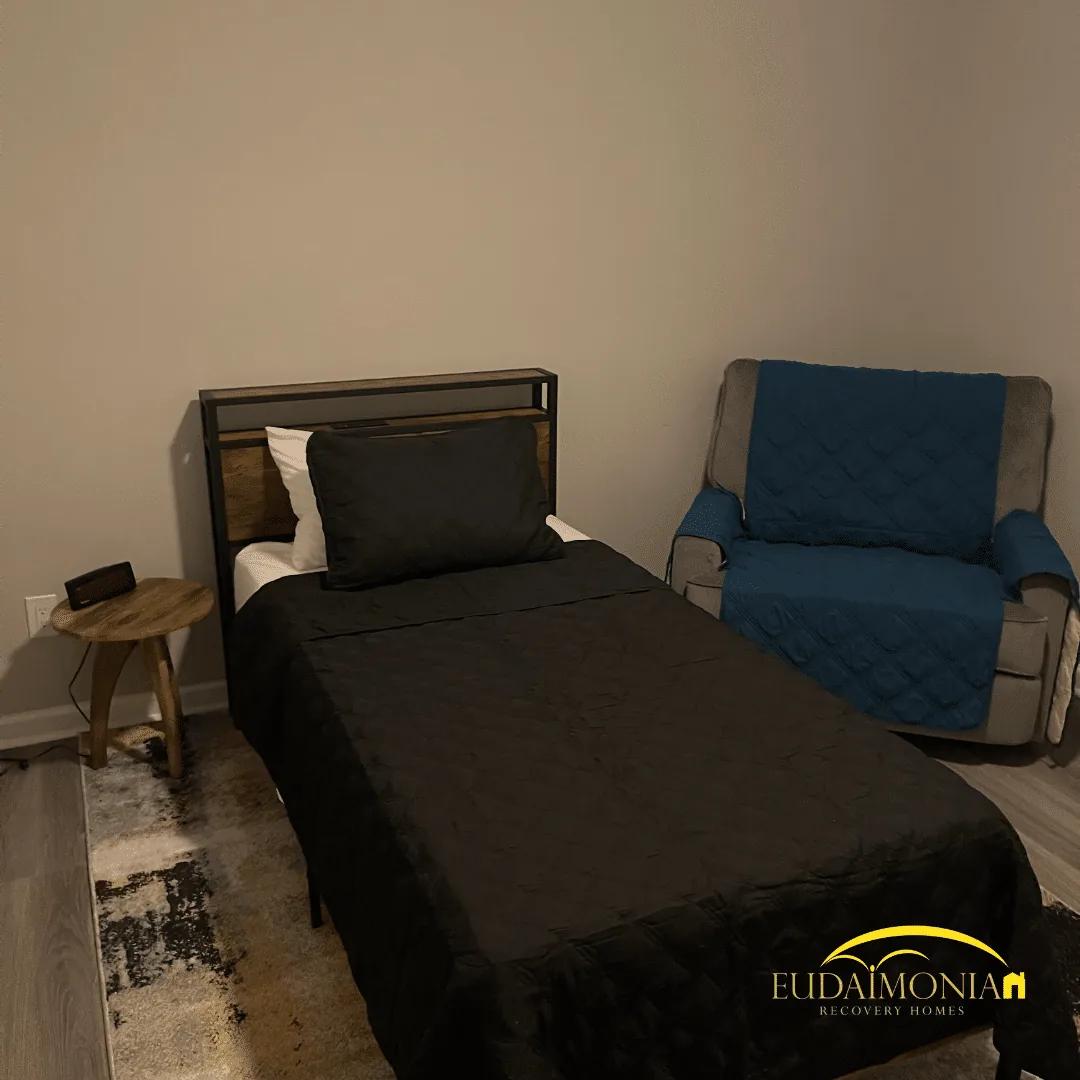
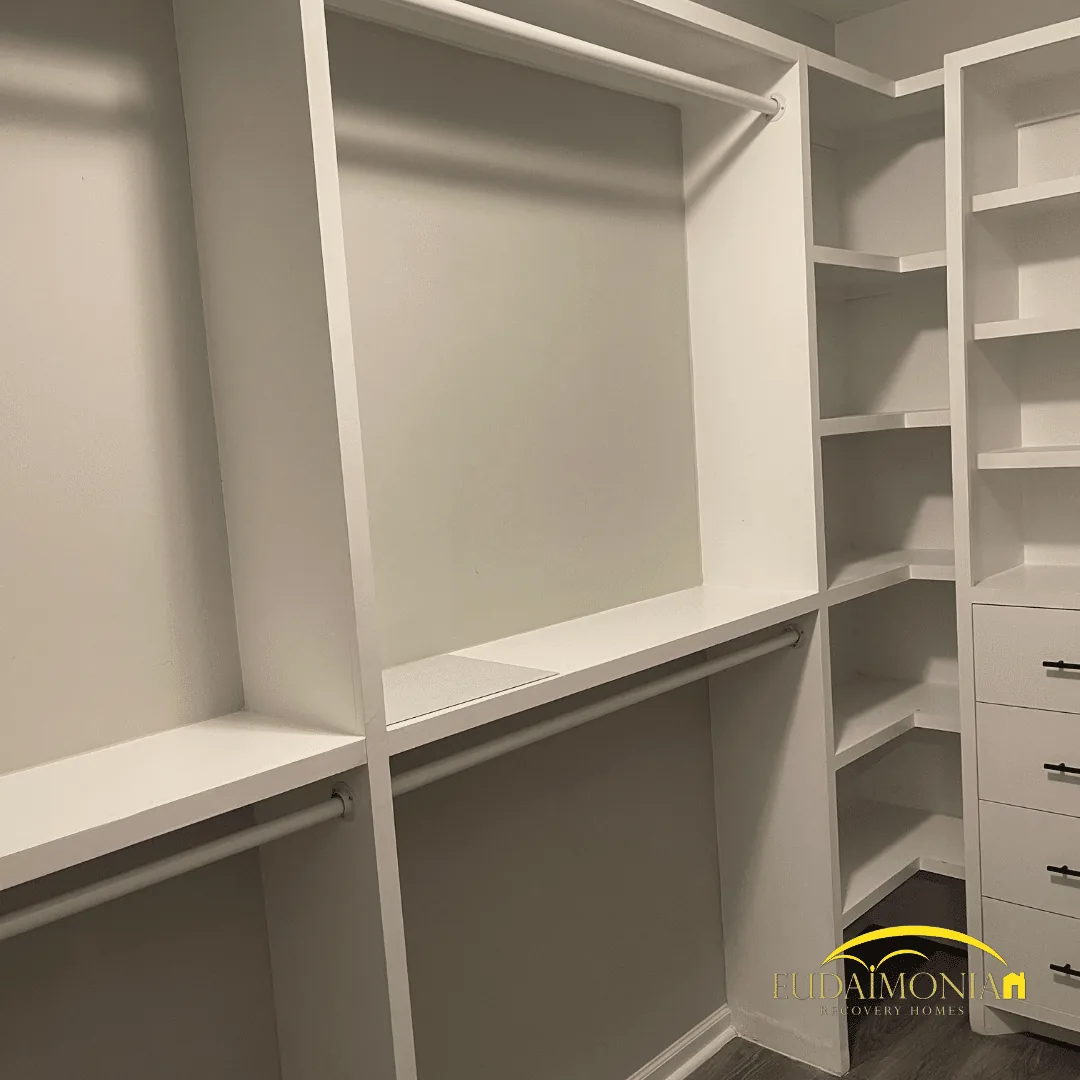
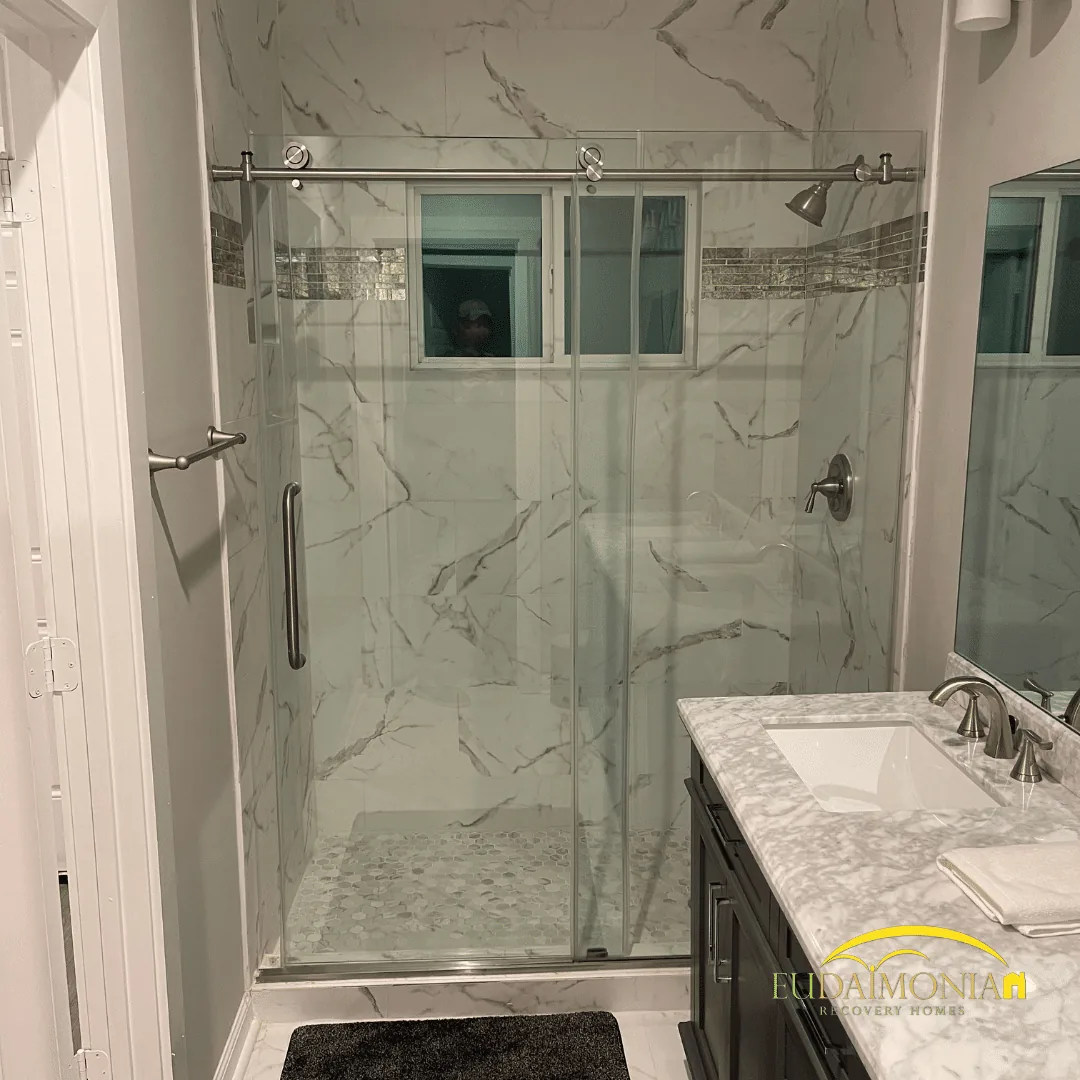
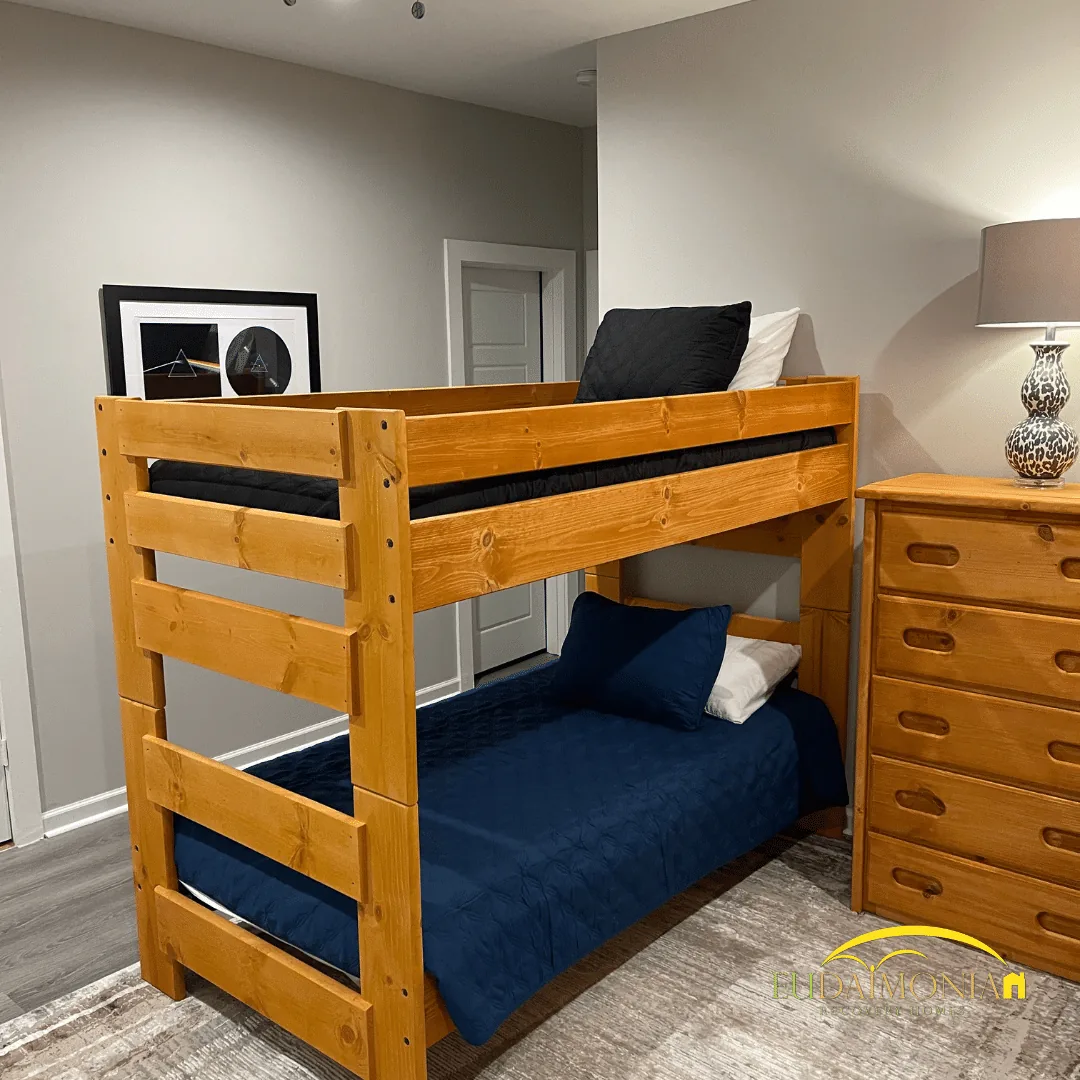
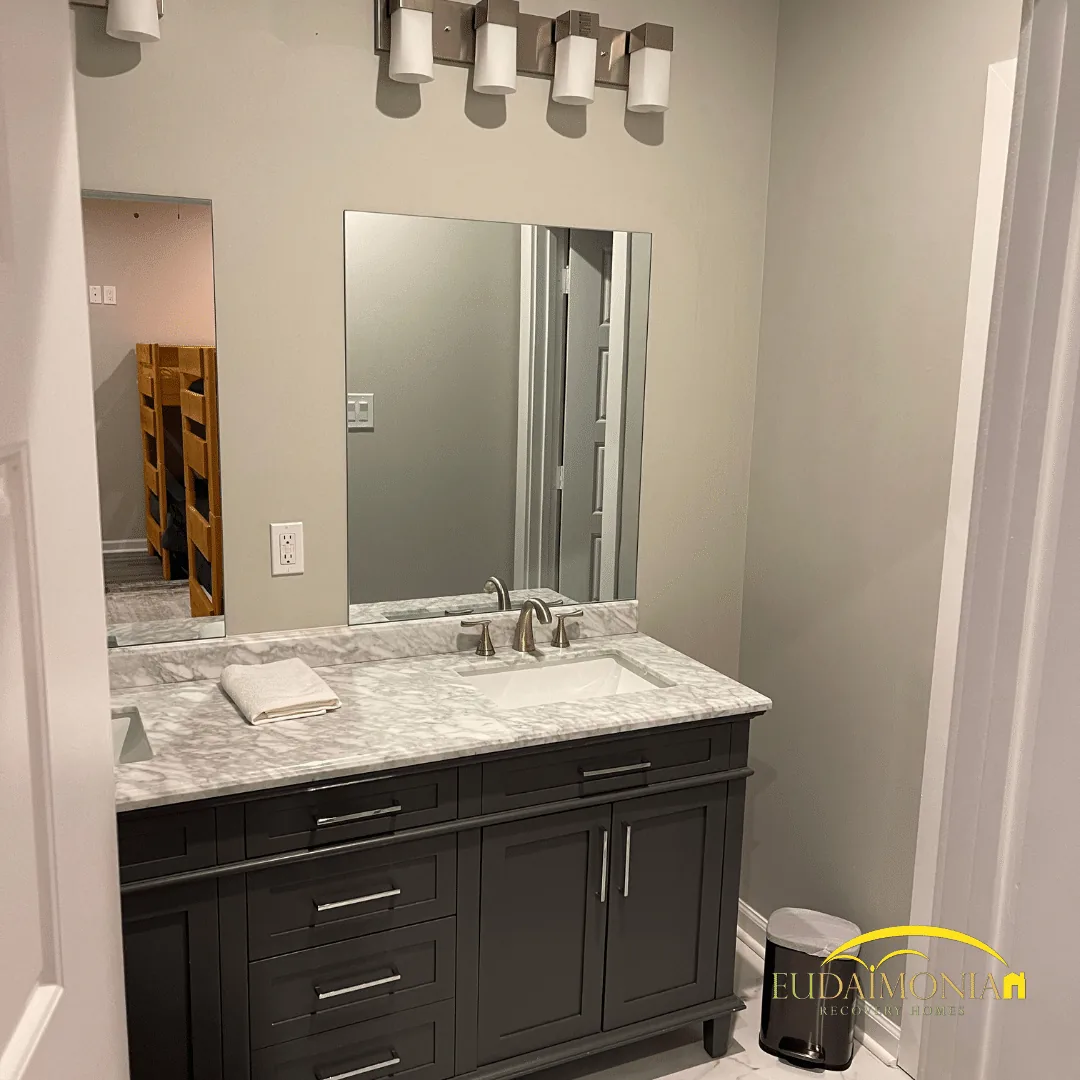
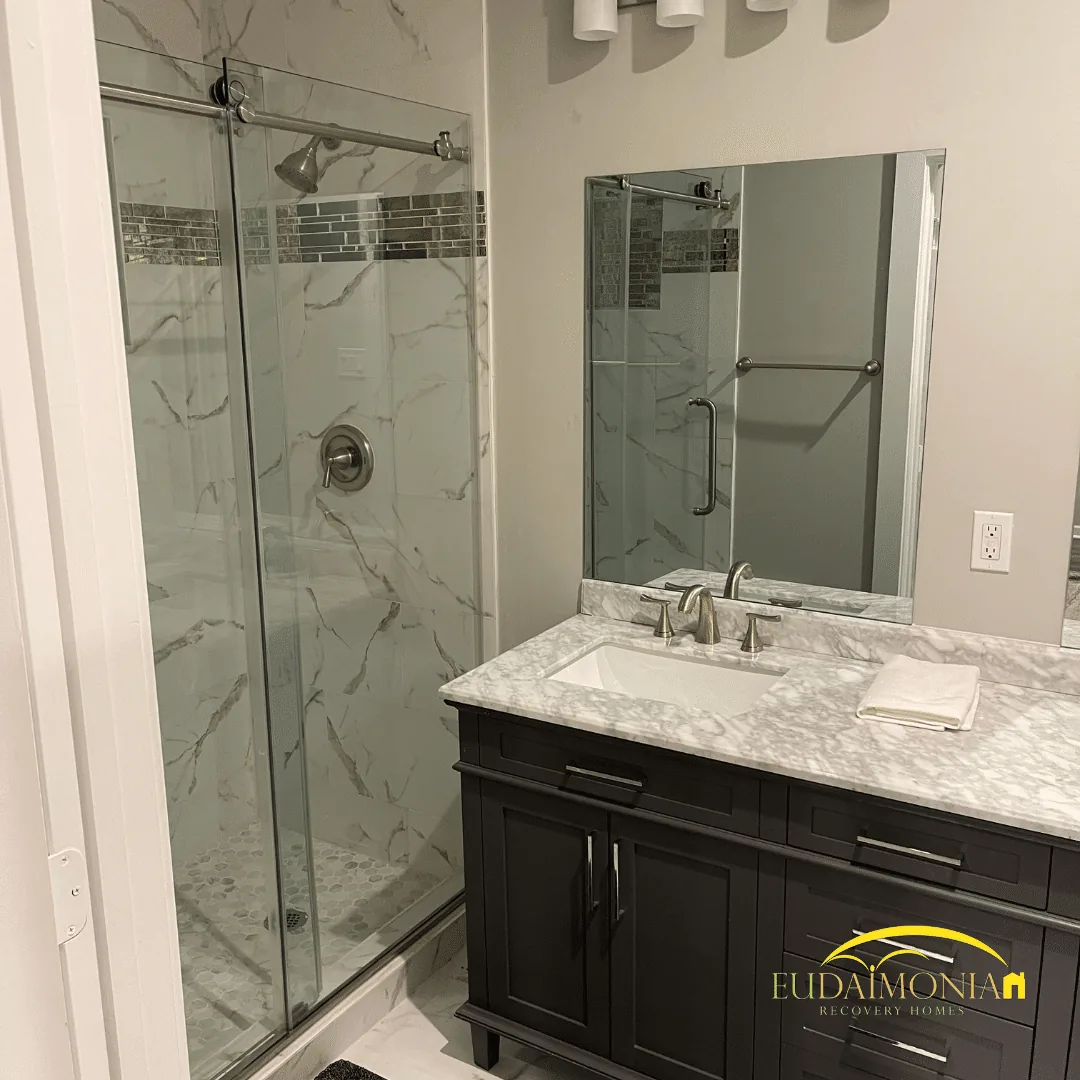
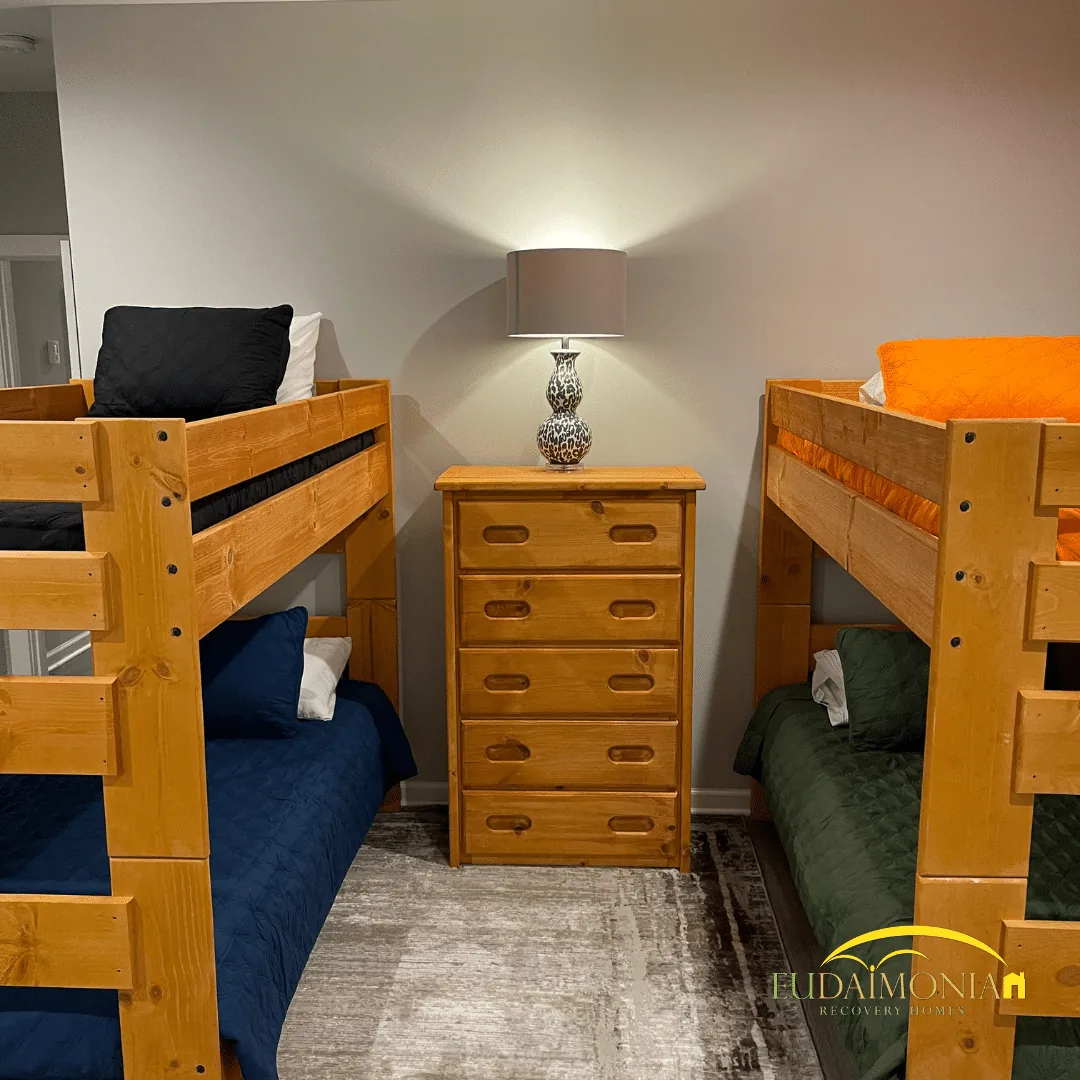
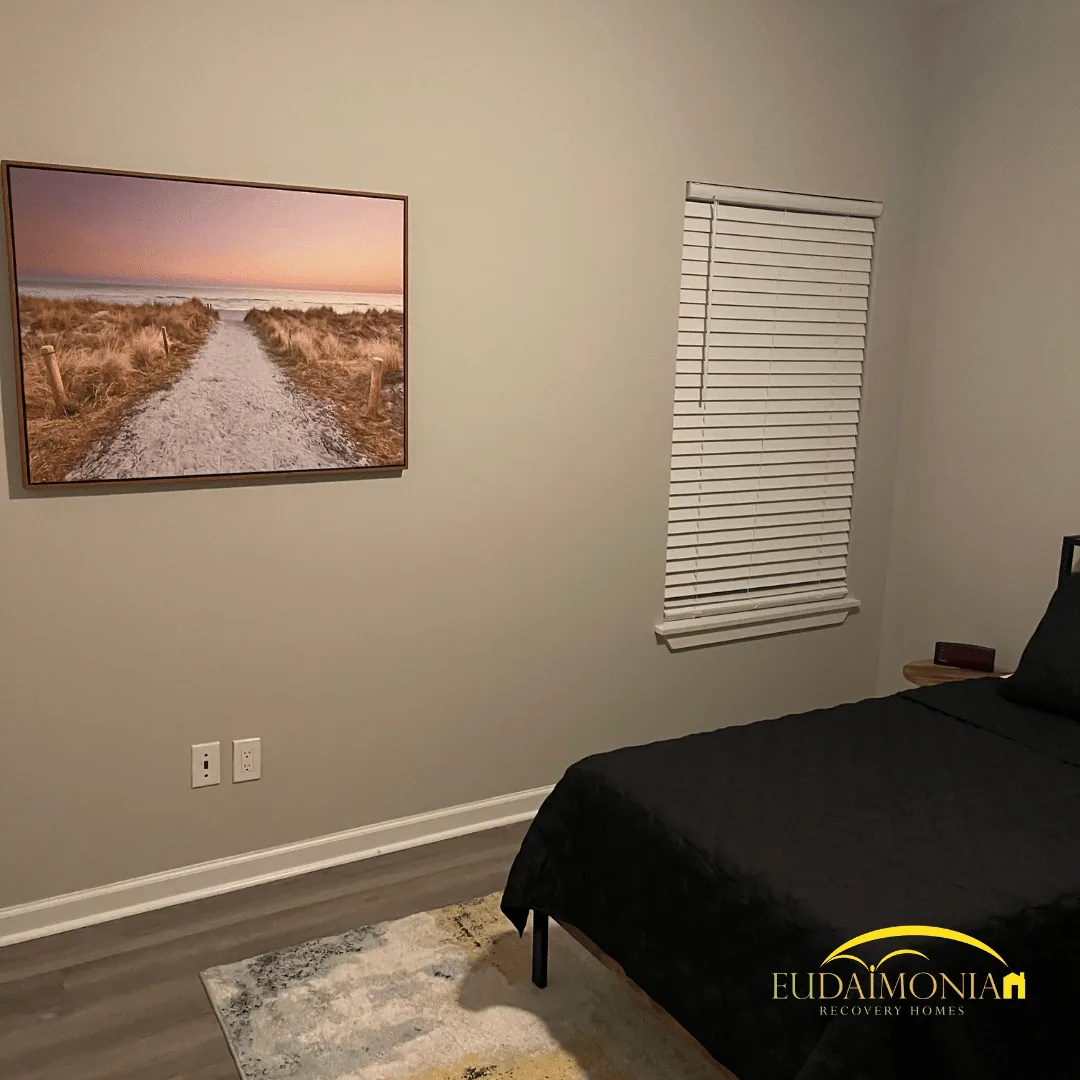
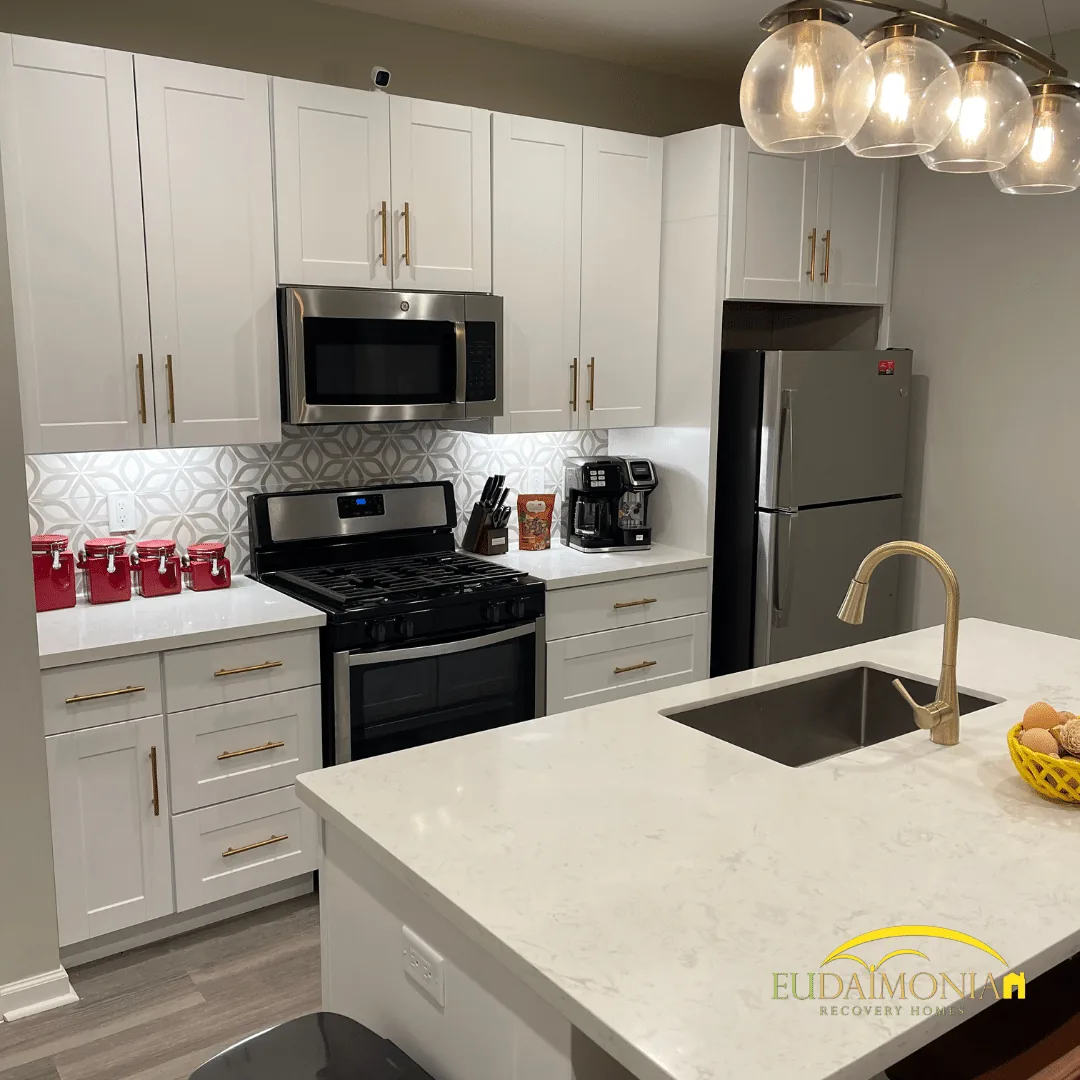
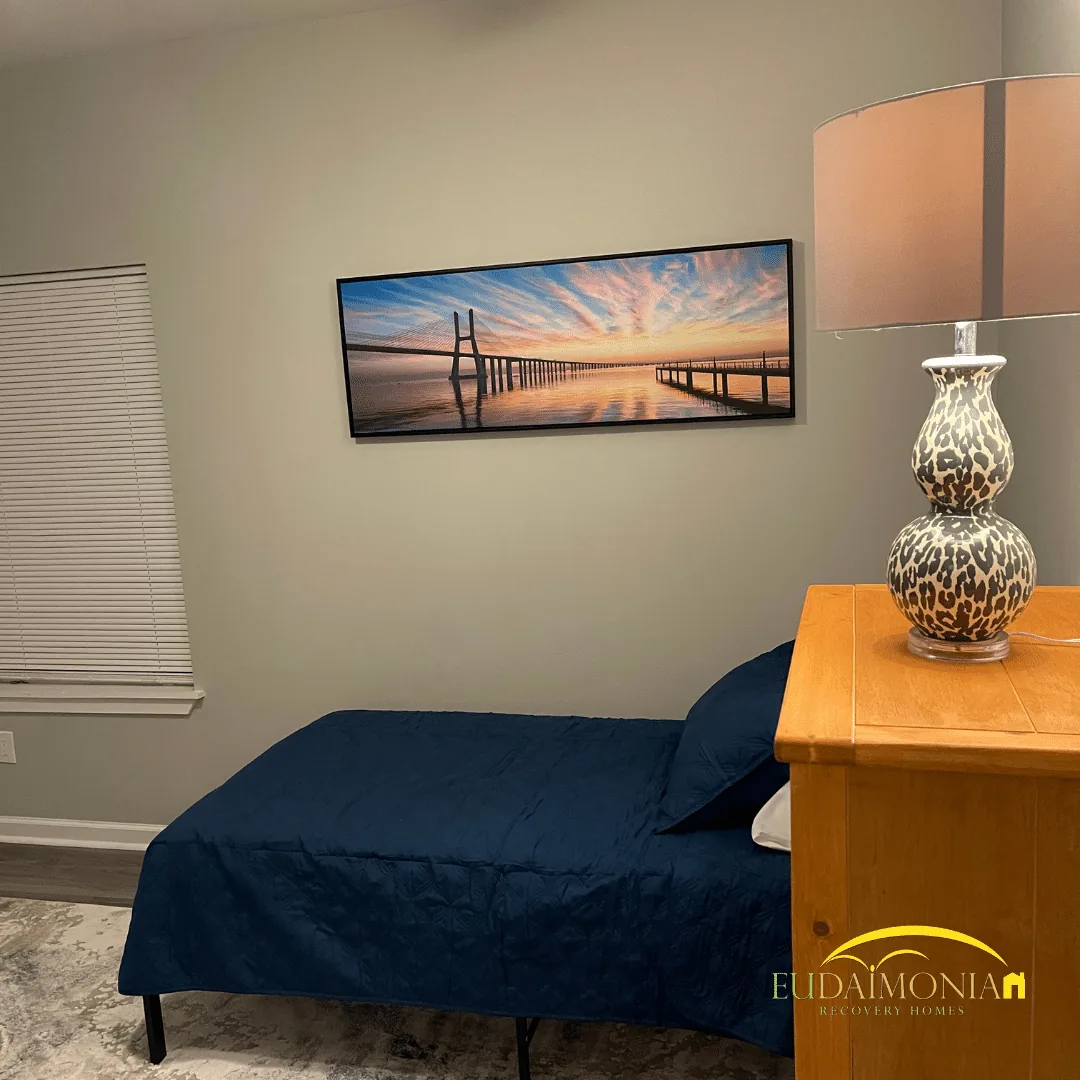
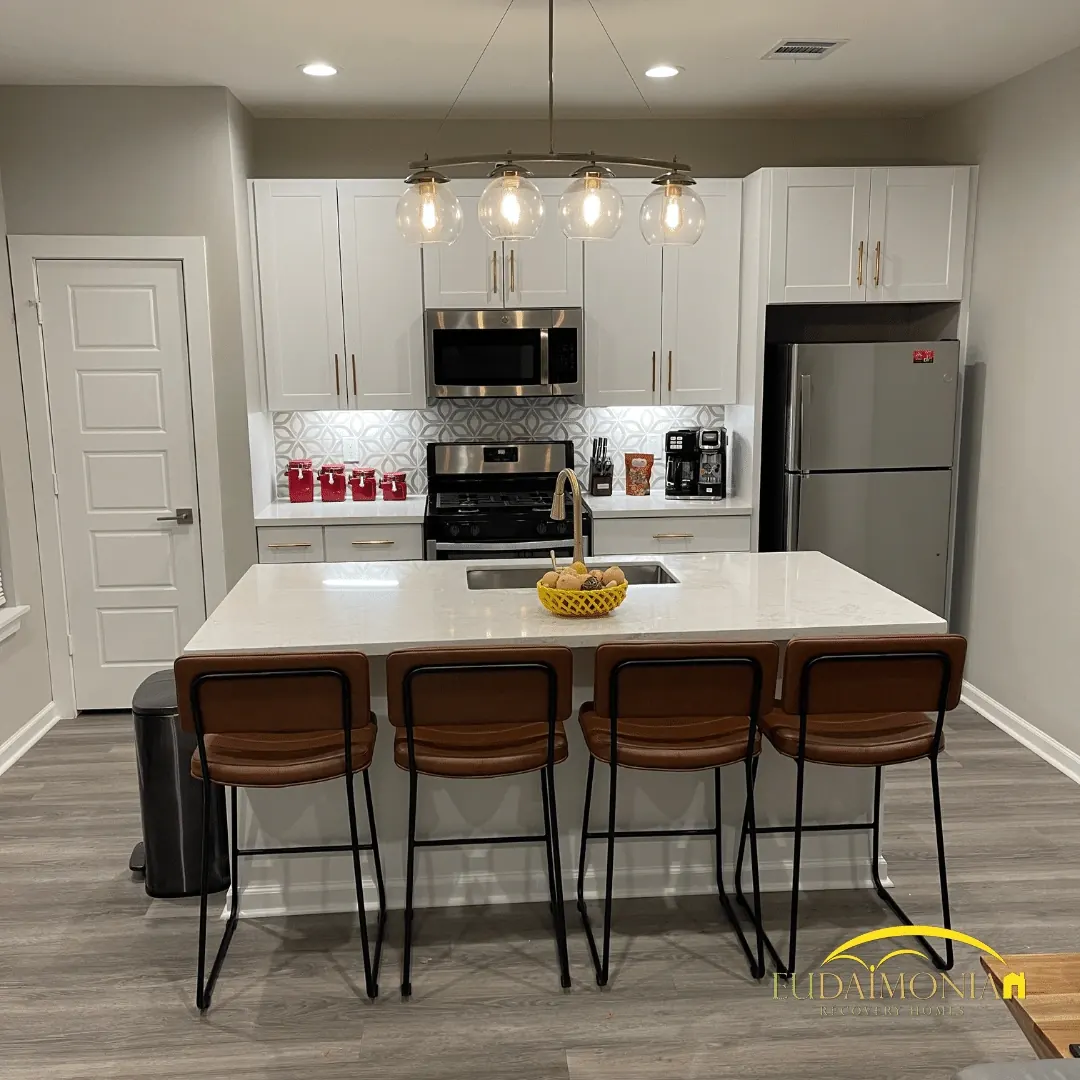
Eudaimonia's Success Stories – Real People, Real Freedom
Options by household type
Search terms are often specific, such as “mens sober house,” “halfway houses for women near me,” or “sober living houses for couples.” These categories exist for safety, comfort, and long-term success.
Mens sober house and sober living houses for men near me
A mens sober house may focus on work routines, peer accountability, and clear boundaries in shared spaces. When comparing sober living houses for men near me, check how the home handles conflict, missed curfew, and a positive test. The response process matters as much as the rule itself.
If you’re specifically looking for a men’s home, you can review men’s sober living in Houston to see what structured housing can look like in the area.
Sober houses for women near me and sober living homes for women
Sober living homes for women may place added focus on privacy, safety planning, and a calm environment. Some women prefer women-only housing to reduce stress or distraction in early recovery. When looking at sober houses for women near me, ask about visitor limits, room setup, and how the home responds to harassment, boundary issues, or repeated conflict. When comparing sober living houses for women, confirm that rules are applied consistently.
For women who want gender-specific housing in the area, explore women’s sober living in Houston and compare structure, expectations, and availability.
Sober living houses for couples
Some people look for sober living houses for couples so both partners can stay in a stable setting while building sober routines. Couples housing is not available everywhere, and it may come with added expectations to prevent repeated conflict and unhealthy dynamics. It tends to work best when both partners have separate support systems, not only each other. Examples include counseling and individual peer groups.
Cost and affordability
Cost is a major reason people delay a move. Searches like “cheap sober living near me” and “free halfway houses near me” are common, but pricing, services, and funding differ from one home to the next.
Cheap sober living near me: what “cheap” often means
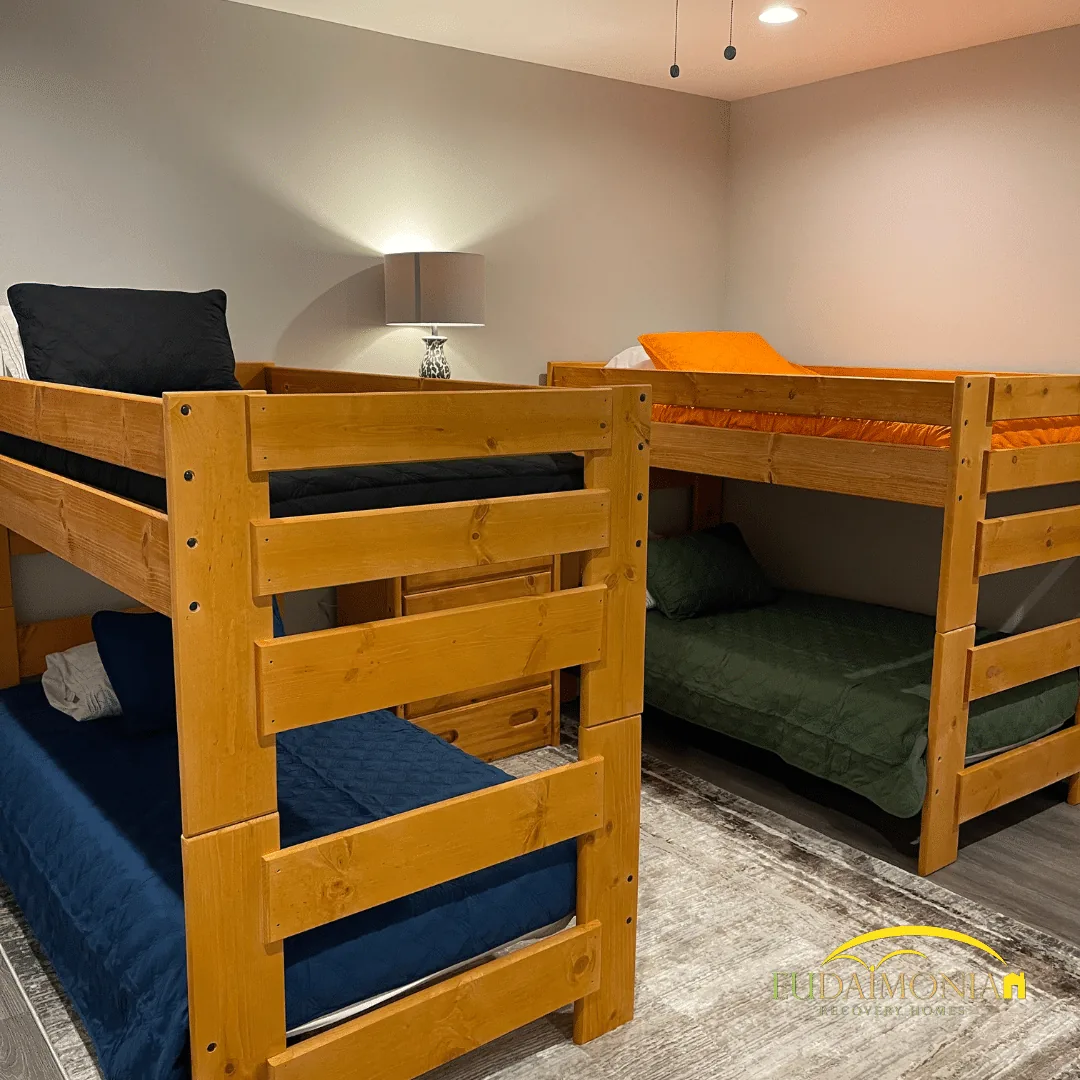
Lower-cost sober living often means shared rooms and fewer amenities. Rent may still include utilities and basic household items, but some homes add separate fees for screening, testing, or program participation. Before choosing only on price, ask for a clear breakdown of what is included and what is optional. Hidden costs can affect monthly stability.
Free halfway houses near me: what is realistic
Free housing can exist through certain programs, grants, or re-entry services, but it is usually limited, eligibility-based, and time-bound. Some programs also require work, classes, or a strict schedule. If cost is the main barrier, it can help to ask about payment plans, sliding-scale options, or referral pathways through local social services.
Insurance and sober living costs
In many cases, insurance does not cover sober living housing itself because housing is usually treated as room-and-board rather than a medical service. However, insurance may cover clinical care (such as outpatient treatment) that someone attends while living in sober housing, depending on the plan and provider. As policy context, MACPAC notes that Medicaid generally cannot pay for rent or room and board (with limited exceptions), which helps explain why sober living housing costs are often paid out-of-pocket (see MACPAC’s Medicaid’s Role in Housing issue brief).
How to get into a sober living house
Many people ask “how to get into a sober living house” because they want clear steps and a predictable process. Most admissions follow a similar path.
Step-by-step intake steps
- Make a short list of sober homes near you in Houston that match gender, budget, and needed structure.
- Contact each home to ask about availability, rules, and total monthly cost.
- Complete a phone screening about recent use, treatment history, medications, and safety concerns.
- Review the rules in writing, confirm expectations, and sign the agreement.
- Confirm a move-in date and plan the first week (work, meetings, transportation, and basic supplies).
Questions to ask before move-in
A short set of questions can prevent surprises:
- What are the rules on abstinence and testing?
- Who enforces the rules, and how are conflicts handled?
- What is the curfew, and are work exceptions allowed?
- How are prescribed medications handled and stored?
- What happens if someone relapses?
If you want a longer checklist for comparing sober homes, see our guide on how to choose a sober living home.
What to bring and what is often limited
Most houses allow clothing and hygiene items and ask for basic identification. For a practical packing checklist, review what to bring to sober living before move-in day.
Many homes limit alcohol-based products, weapons, and non-prescribed controlled drugs. Some also limit visitors or the amount of personal property, since space is shared and safety rules apply to everyone.
Long term sober living near me
Long-term sober living near you often comes up when someone wants stability while rebuilding work, health, and relationships. A longer stay can give time to build savings, practice routines, and reduce exposure to old triggers.
How long can someone stay?
Length of stay varies. Some homes have a minimum stay, while others are month-to-month. Many people stay until they have steady income, reliable support, and a housing plan that will not pull them back into high-risk settings.
For a Houston-specific look at timelines and what affects length of stay, see how long you can stay in sober living in Houston.
When to consider more treatment support
Sober living is not medical care. If someone has repeated relapse, serious withdrawal risk, or severe mental health symptoms, it may be safer to start with a higher level of care. After stability improves, the next step can be sober housing.
Conclusion
Searching for sober living houses near you in Houston is often time-sensitive. A practical approach is to compare more than one option, ask direct questions about rules and total cost, and choose a level of structure that fits current risk. With the right fit, sober living can provide a stable base for work, treatment, and long-term sobriety.
How Eudaimonia Recovery Homes Supports Sober Living in Houston
Eudaimonia Recovery Homes can help people who are searching for sober living near them in Houston by providing a structured place to live while they focus on recovery and daily stability. For many people, the biggest challenge after treatment is not the plan. It is having a consistent environment that supports the plan.
A sober living setting can reduce exposure to common triggers by maintaining clear rules around alcohol and drug use. It can also support accountability through routines, shared expectations, and peer support from others who are also working on sobriety. For someone comparing options like sober houses, 3/4 houses, or halfway house placements, Eudaimonia Recovery Homes can help clarify what level of structure may be appropriate.
The intake process can also help confirm practical details such as move-in requirements, house rules, and what to expect during the first few weeks. If a person is already in outpatient care or counseling, sober living can make it easier to stay consistent with appointments and recovery activities. Over time, stable housing can support longer-term goals like returning to work, rebuilding relationships, and preparing for independent living.
Your Future Is Waiting
Tell us what you are looking for and admissions will walk you through the houses, the phases, and what a room actually costs.