
Published February 22, 2026 · Updated February 16, 2026
Key Takeaways
- What “addict counseling” meansDefine roles and terms so you can seek the right kind of support.
- Where counseling fits in recoveryUse a roadmap mindset to match support to risk and recovery stage.
- What happens in counseling sessionsTurn sessions into measurable goals, skill practice, and relapse planning.
- Using an addiction counselor onlineMake telehealth more effective with preparation and structure.
- Choosing the right counselorAsk targeted questions that reveal quality, fit, and safety.
- Counseling in sober livingPair therapy with routines and accountability for real-world practice.
- When to step up careKnow the signs that you need more support than counseling alone.
On This Page · 24 Sections
The road to recovery is rarely a straight line. Most people need a repeatable plan that includes support, skill-building, and a place to practice new habits in daily life. For many, that plan centers on substance abuse counselingWhether it is in-person, virtual, individual, group-based, or a blend of all three.
This guide explains what addiction counseling is, what an addiction counselor actually helps with, and how to turn counseling sessions into steady progress. If you are considering an addiction counselor online, working with a local provider, or combining counseling with sober living or an intensive outpatient program, the sections below will help you make informed next steps.
What “addict counseling” means in recovery
People use the phrase addict counseling in different ways. In clinical settings, it usually points to drug and alcohol counseling (also called substance use counseling), where a trained professional helps a person change patterns of use, rebuild coping skills, and reduce relapse risk.
At its best, counseling is not just “talking about the past.” It is a structured process that helps you do four things:
- Clarify what’s driving use (stress, trauma, depression, anxiety, grief, social pressure, or habits).
- Build practical coping skills for cravings, triggers, and high-risk situations.
- Create accountability through goals, check-ins, and a plan for setbacks.
- Strengthen your support system so recovery is not a solo project.
Common roles you may hear
Titles vary by state and workplace, and the right fit matters more than the label. Still, these terms are common:
- Substance abuse counselors: Professionals who provide counseling, education, and behavior-change support for substance use disorders.
- Addiction therapist: Often a licensed mental health therapist who treats substance use and co-occurring mental health conditions.
- Addiction specialist: A broader term that may refer to clinicians with specialized training in addiction care (for example, counseling, medicine, or case management).
- Drug and alcohol abuse counselor: A phrase often used by the public that generally means a counselor who focuses on alcohol and other drug problems.
If you have been searching for counseling drug support, it can help to translate that into a more specific goal, such as: “I need counseling for cravings,” “I need help staying sober after treatment,” or “I need help rebuilding my life after relapse.” Those details guide the right level of care.
How counseling fits on the road to recovery
Recovery is easier to sustain when care matches the level of risk. Counseling can be part of almost every level of care, but how it looks may change over time.
For example, early recovery may start with medical stabilization and a higher level of structure. Later, counseling often shifts toward relapse prevention, relationships, and long-term life planning. If you want a clear overview of what higher-structure care can involve, this guide on inpatient drug rehab and what to expect can help you understand the step-down path into outpatient and community support.
A simple “recovery roadmap” to keep in mind
- Stabilize: address withdrawal risk, safety, sleep, nutrition, and basic routines.
- Engage: start regular therapy sessions and build a consistent weekly schedule.
- Practice: use counseling skills in real life: work, family, relationships, and stress.
- Maintain: keep supports in place, watch for relapse warning signs, and adjust quickly when stress rises.
The key idea is simple: counseling is the training, and everyday life is the “practice field.” The more often you practice the skills, the more durable the change becomes.
Eudaimonia's Success Stories – Real People, Real Freedom
What happens in substance abuse counseling sessions
A lot of people feel unsure about what they are “supposed to do” in counseling. That uncertainty can lead to passive sessions that feel supportive, but do not create momentum. A useful frame is to treat counseling like skill-building with a plan.
Step 1: A clear assessment and a working diagnosis
Most counseling starts with an intake assessment. Expect questions about substances used, frequency, withdrawal history, mental health symptoms, medical history, family and relationship stress, legal or work concerns, and what has helped or not helped in the past.
Step 2: A short list of goals that can be measured
“Stay sober” is a good intention, but it is not a measurable plan. Better goals describe a behavior you can track. For example:
- Attend two recovery meetings per week for the next 30 days.
- Practice a craving skill (urge surfing, delay-and-distract, or coping statements) daily.
- Create a relapse prevention plan and review it weekly.
- Repair one relationship boundary with a scripted conversation.
If you want a deeper explanation of relapse language and why “slip” and “relapse” are handled differently in treatment planning, see what counts as a relapse.
Step 3: Evidence-based tools that match your needs
Substance abuse counseling often blends several approaches. Depending on your history and goals, you may work on:
- Motivation and commitment: strengthening your reasons to change when ambivalence shows up.
- Thinking and behavior patterns: noticing the thoughts that lead to use and practicing new responses.
- Emotion regulation: learning to handle anger, shame, anxiety, and loneliness without escaping.
- Trauma-informed care: when past trauma is closely tied to substance use patterns.
- Family or couples work: rebuilding trust and setting boundaries.
Step 4: “Between-session” practice (the part that changes outcomes)
Progress usually accelerates when you treat counseling as weekly training and take the skills home. Ask your counselor for a small weekly assignment, such as:
- Write down your top three triggers and what you did instead of using.
- Track cravings for seven days (time, place, intensity, and coping response).
- Plan a sober routine for one high-risk time (for many people, evenings or weekends).
If you need ideas for replacing drinking rituals with healthier habits, this guide to what to do instead of drinking can help you build a practical “swap list.”
Step 5: A plan for setbacks and higher-risk moments
Good counseling assumes that cravings, stress, and occasional setbacks can happen. The goal is not perfection. The goal is rapid course-correctionCatching a slide early, asking for help, and increasing support before a full relapse.
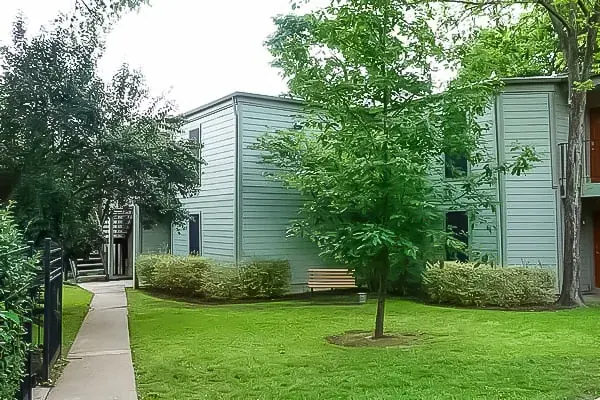
Inside Rustic Creek, our Austin flagship







Using an addiction counselor online in real life
Online counseling can reduce barriers that keep people from getting help. A secure virtual session can be a strong fit when transportation is difficult, work hours are tight, or stigma makes in-person appointments feel overwhelming.
Telehealth can also support continuity when you travel, change jobs, or move. In many cases, it works best as part of a wider plan that includes recovery meetings, community support, and structured programming when needed. For example, some people pair online sessions with an intensive outpatient program (IOP) schedule.
Federal telehealth guidance notes that tele-treatment can be used in substance use care and may be part of integrated models that combine counseling with other services. You can review best-practice considerations on Telehealth.HHS.gov.
How to make online sessions more effective
- Choose a private location and use headphones when possible.
- Arrive with a “one-sentence goal” (for example: “I need a plan for weekend cravings.”).
- Bring real examples: texts, schedules, triggers, or recent arguments, details matter.
- Ask for homework so the week between sessions has structure.
When virtual care may not be enough
Online counseling is not a substitute for emergency care or medical detox. It may also be too thin if your environment is unsafe, relapse risk is high, or you cannot stay sober between sessions. In those cases, a higher level of support is often a safer choice.
How to choose the right addiction counselor or therapist
Finding the right counselor is about fit, skill, and safety, not marketing. The goal is to choose a provider who can deliver evidence-based care, coordinate with other supports, and help you adjust the plan when life changes.
If you want a structured set of questions to guide your calls, the National Institute on Alcohol Abuse and Alcoholism offers a practical list for comparing therapists with addiction specialties. See the questions and what to listen for on NIAAA’s Alcohol Treatment Navigator.
Questions that usually reveal quality fast
- What is your training in substance use treatment? (Ask about licensure and specialized experience.)
- How do you measure progress? (Goals, skills practice, and outcome tracking.)
- How do you handle relapse? (Plan adjustments, added support, and non-shaming responses.)
- Do you treat co-occurring mental health issues? (Or coordinate referrals when needed.)
- What does a typical plan look like? (Frequency, duration, and between-session expectations.)
Green flags and red flags
- Green flags: clear structure, collaborative goal-setting, experience with substance use, and a plan for setbacks.
- Red flags: vague promises, no plan for relapse, no interest in coordination of care, or a style that feels shaming or dismissive.
Making drug and alcohol counseling work in sober living
Some people use the term halfway house to describe a structured transition back into everyday life. Others say recovery home or sober living. While programs differ, the common goal is the same: stable housing plus accountability while you build coping skills.
Many people do best when counseling is paired with an environment that supports recovery routines. A sober living home can provide structure, accountability, and peer support while you build real-world skills. Learn what a sober living home is and how it supports recovery on Eudaimonia’s sober living overview page.
This matters because counseling progress is easier to keep when your daily life reduces exposure to triggers and increases positive structure. In practical terms, sober living can make it easier to:
- Keep a consistent sleep schedule.
- Show up to counseling and recovery meetings on time.
- Use peer accountability when cravings spike.
- Practice communication and conflict skills in a real community.
A weekly structure that supports counseling goals
Here is a simple way to build a week around counseling so it stays actionable:
- One “planning block” After your session (10–20 minutes) to write the week’s homework and schedule it.
- Two practice blocks (15 minutes each) to rehearse coping skills before high-risk times.
- One accountability check-in with a trusted peer or mentor to review progress.
- One recovery community activity to reinforce connection and reduce isolation.
Whether you live in sober living, a family home, or transitional housing, the principle is the same: turn insight into scheduled action.
When to get more help than counseling alone
Counseling is powerful, but sometimes it is not enough by itself. It may be time to step up support when any of these are true:
- You cannot stay sober between sessions.
- You have a history of dangerous withdrawal symptoms.
- Drug or alcohol use is linked to suicidal thoughts or self-harm.
- Your living situation makes recovery unstable or unsafe.
- Relapse is happening repeatedly despite a solid effort.
If you or someone you love needs immediate, confidential support and help finding treatment resources, the SAMHSA National Helpline is a free, 24/7 information and referral service in the United States.
Important: This article is educational and is not a substitute for medical or mental health advice. If you are in danger, call 911.
How Eudaimonia Recovery Homes Supports Your Addict Counseling Journey
Eudaimonia Recovery Homes can support people seeking addict counseling by providing a stable living environment that helps counseling skills “stick” in everyday life. When someone is working with an addiction therapist or an addiction specialist, progress often depends on consistent routines, accountability, and fewer daily triggers. That is where sober living can make a practical difference, because it creates structure that supports healthier choices between counseling sessions. In addition, recovery housing can reduce isolation by surrounding residents with peers who understand the recovery process and reinforce positive habits.
Many people also benefit from pairing drug and alcohol counseling with a more structured weekly schedule, such as an intensive outpatient program, while living in a supportive home setting. As a result, substance abuse counseling becomes more actionable because residents can practice coping strategies in real time, then bring those experiences back to their counselor. Over time, that combination can strengthen relapse prevention, improve emotional regulation, and rebuild confidence in work, relationships, and daily responsibilities.
Your Future Is Waiting
Tell us what you are looking for and admissions will walk you through the houses, the phases, and what a room actually costs.