

Published February 15, 2026 · Updated August 5, 2026
Key Takeaways
- Why “just don’t drink” isn’t a planUnderstand cravings and plan a response before urges peak.
- The Sober Swap MethodMatch sober activities to the “job” alcohol used to do for you.
- Fast sober activities for cravingsUse 5-, 15-, and 60-minute swaps to bridge high-risk moments.
- Sober social ideasChoose safer settings, use scripts, and plan your exit and follow-up.
- What sober people do long-termBuild routines around connection, movement, growth, and service.
- When swaps aren’t enoughKnow safety limits and when to add professional support.
- How sober living and IOP helpUse structure, community, and accountability to make sobriety sustainable.
- FAQGet clear answers for nights, weekends, stress after work, and social pressure.
On This Page · 31 Sections
Looking for alternatives to alcohol can feel urgent because the “after work” hours suddenly look empty. The goal is not to stay busy; it is to replace what alcohol used to do For you, stress relief, confidence, connection, or a break from your thoughts, with sober activities that meet the same need.
This guide gives you a simple method to choose sober activities on purpose, plus quick options for cravings and social ideas that don’t revolve around drinking. If you’ve ever wondered what do a lot of sober people do for fun, the answer is usually this: they build routines that protect mood, sleep, and relationships while keeping risk predictable.
Quick answer (for “things to do instead of drinking”): Pick one activity from each bucket—move, connect, create, and recoverThen schedule it during your highest‑risk hours.
Why “just don’t drink” isn’t a plan
Alcohol often becomes a default because it is fast, reliable, and socially normalized, so your brain learns a simple pattern: cue → urge → habit → short-term reward. When you remove alcohol, the cue and urge can still show up on schedule, especially when you are tired, stressed, hungry, or alone.
The National Institute on Alcohol Abuse and Alcoholism describes cravings as a mix of thoughts, feelings, and physical sensations that pull you toward drinking even when you want to stop, and they recommend planning ahead. Their “recognize, avoid, cope” approach is a practical way to choose your next move when an urge hits. NIAAA: How to Stop Alcohol Cravings.
Start with a clearer definition
Sober activities are alcohol-free actions that meet a real need (relief, reward, connection, or meaning) without increasing relapse risk. The best sober activities are not random; they are easy to repeat, easy to start, and aligned with your recovery priorities.
Ask one question before you choose an activity
Instead of asking, “What should I do tonight?” ask: “What am I trying to feel right now?” Most urges fall into a few categories, stress, loneliness, boredom, celebration, or discomfort, so naming the category helps you pick a replacement that fits.
The Sober Swap Method: match the “job” alcohol did
If you want a usable list of things to do instead of drinking, start here. This method reduces trial-and-error burnout by matching activities to the role alcohol played in your daily life.
1) If alcohol was your stress switch
- Downshift walk: Walk for 10 minutes and breathe in a steady 4-count rhythm.
- Body reset: Take a hot shower, then run cold water on your face for 20–30 seconds.
- “Close the day” routine: Write three lines: what happened, what you feel, what you need.
- Guided relaxation: Use a 10-minute muscle relaxation or breathing track.
2) If alcohol was your social glue
- Meetings or peer support: Put one on your calendar as a standing plan, even when you feel “fine.”
- Food + activity hang: Choose coffee, breakfast tacos, trivia night, bowling, or a matinee.
- Micro-connection: Text two people: “Thinking of you, free to talk for 10?”
- Service with others: Join a park cleanup, food pantry shift, or help a neighbor.
3) If alcohol was your reward at the end of the day
- Replacement ritual: Use the same glass and same time, pick a different drink, then do a “first 10 minutes” activity.
- Small adventure: Take a sunset drive, make a new playlist, or try a new dessert spot.
- Game or hobby sprint: Do 20 minutes of a game, guitar, drawing, or a puzzle.
- Recovery win log: Track one benefit you noticed today (sleep, mood, money, focus).
4) If alcohol was your confidence or “permission”
- Practice the first line: Rehearse a simple opener (“Good to see you. How have you been?”).
- Do something hard on purpose: Choose a short workout, cold plunge, or a tough phone call you’ve avoided.
- Skill class: Try improv, dance, martial arts, or public speaking, confidence grows through repetition.
- Clothing/space reset: Tidy your room, put on clean clothes, and step outside for five minutes.
5) If alcohol was your escape hatch
- Change the scene: Leave the room, walk around the block, or sit in a different chair.
- Hands-on focus: Cook, meal prep, fix something small, or build a simple kit.
- Emotion labeling: Name the feeling, rate it 1–10, and watch it shift for five minutes.
- Support contact: Call someone safe before you “decide” anything alone.
Tip: The best alternative is the one you will actually do at 7:30 p.m. on a Tuesday, so choose options that are low friction, not “perfect.”
Fast sober activities for cravings: 5, 15, and 60 minutes
Cravings usually rise, peak, and fall, which means your job is to bridge the peak with something structured. These options work when you are tired, irritated, or alone, and they are designed to start quickly.
5-minute replacements (start now)
- Hydrate + snack: Drink water and eat something simple with protein or fiber.
- Text a check-in: Message a friend, sponsor, peer, or family member.
- One small reset: Set a timer and clean one small area (sink, counter, car seat).
- Breathing drill: Do 20 slow breaths with a long exhale to calm the stress response.
15-minute replacements (change your state)
- Grounding walk: Walk outside and notice five things you can see, four you can hear, three you can feel.
- Mobility: Do a short stretch routine for hips, shoulders, and back.
- Make food: Cook one thing (eggs, oatmeal, stir-fry) and eat it mindfully.
- Journal prompt: “If I drink, what happens next hour, next morning, next week?”
60-minute replacements (build momentum)
- Move: Do a workout class, gym session, or a long walk with a podcast.
- Errand stack: Groceries + pharmacy + one “future you” task.
- Create: Write, paint, build, or learn a new skill online.
- Prep for tomorrow: Cook ahead so you have an easy meal during your next trigger window.
Eudaimonia's Success Stories – Real People, Real Freedom
Sober social ideas that don’t revolve around alcohol
Social pressure is real, and you do not need a dramatic explanation. You need a plan with three parts: what you’ll drink, how you’ll leave, and who you’ll text afterward.
Choose environments that make sobriety easier
- Daytime plans: Breakfast, hiking, coffee, museum, or a workout class.
- Activity-first nights: Comedy show, live music with seated tickets, escape room, or bowling.
- Home-based connection: Game night, movie night, cook-off, or watching a series together.
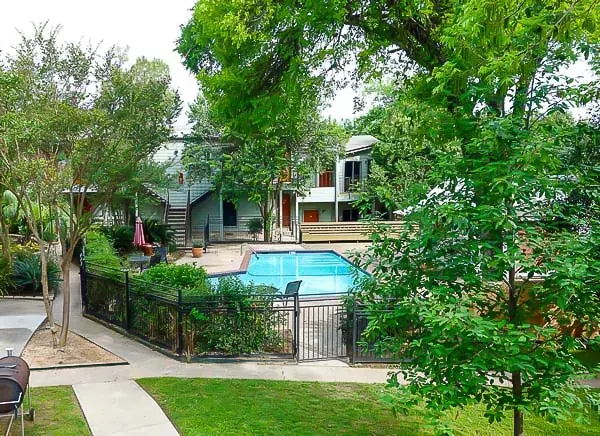
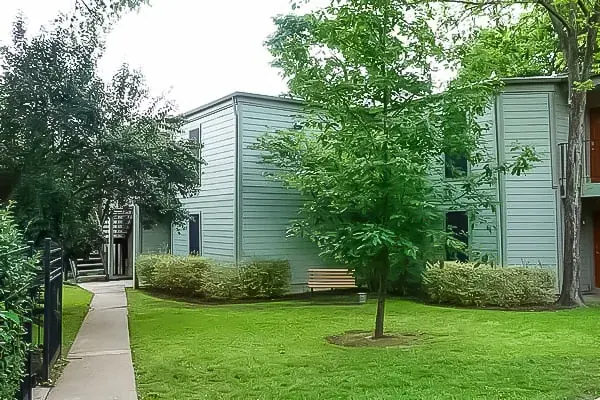
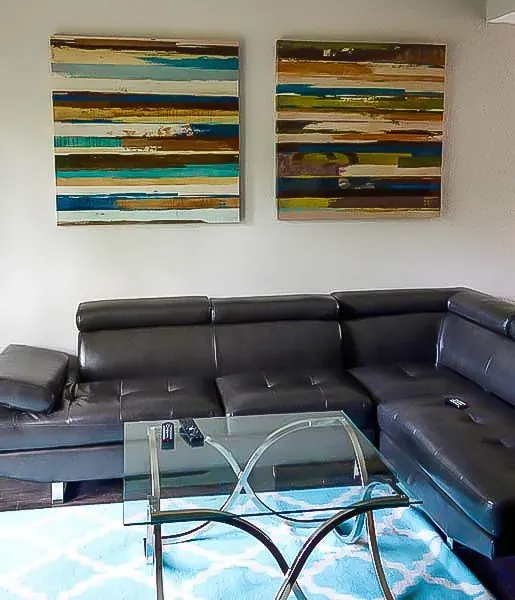
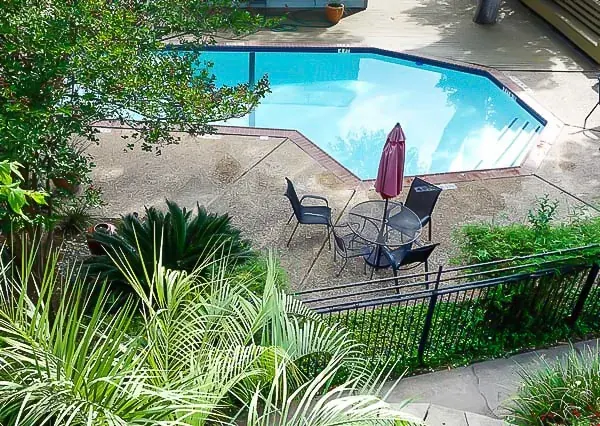
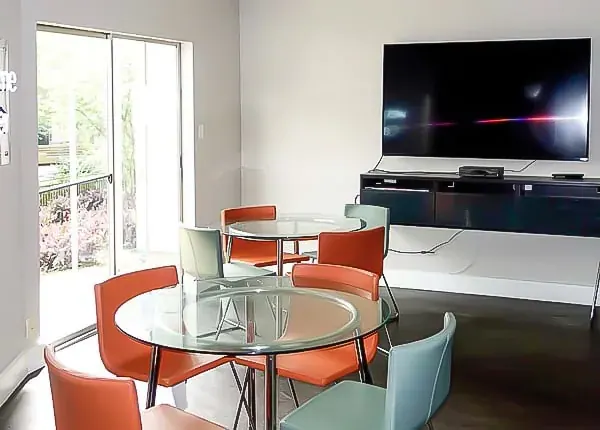
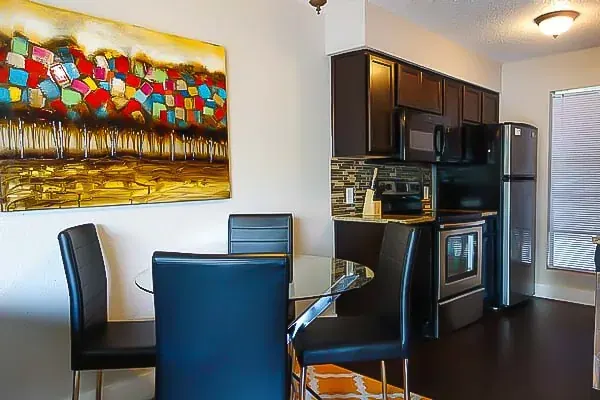
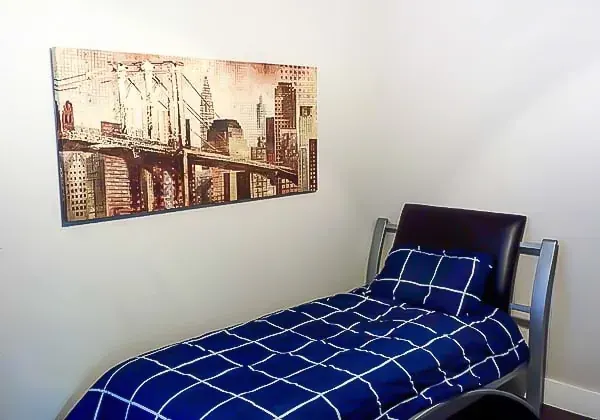
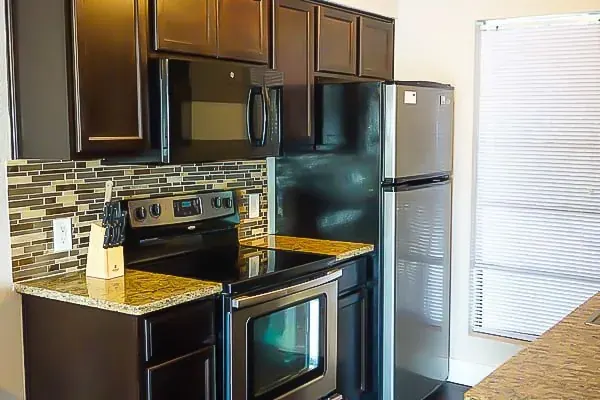
Inside Rustic Creek, our Austin flagship
Use “scripts” to remove decision fatigue
- Simple: “No thanks, I’m not drinking tonight.”
- Health-forward: “I’m taking a break from alcohol, and I feel better without it.”
- Boundary: “I’m good with what I have, let’s talk about you.”
Many people add a sober community to their weekly routine, which turns “sober activities” into real relationships instead of solo willpower. If you’re curious about what happens in meetings, this guide breaks down the flow and common formats: AA Meeting Format: Meaning, Script, Types, and Timing.
For people in recovery housing: clear house rules reduce last-minute pressure and keep boundaries consistent. If you want an example of how structure supports sobriety, review common expectations here: Sober Living Community Rules.
What do a lot of sober people do long-term
When sobriety lasts, it usually looks less like willpower and more like design. Many people build a life around four pillars: connection, movement, growth, and service.
Connection: people who support your goals
- Weekly check-ins: One standing call with someone who wants you well.
- Group support: Meetings, therapy groups, alumni groups, or sober meetups.
- Repair work: Honest apologies, boundary-setting, and consistent follow-through.
Movement: a proven mood stabilizer
Exercise is not a moral requirement, but it is a powerful regulation tool for sleep and mood. The CDC notes that adults need at least 150 minutes of moderate-intensity physical activity per week, plus muscle-strengthening activities on two days, and you can break the minutes into small chunks that fit real life. CDC: Physical Activity Guidelines for Adults.
- Low barrier: Walk after meals, take stairs, or do a 10-minute home routine.
- Social movement: Join a hiking group, rec league, or fitness class.
- Skill-based: Try climbing, yoga, swimming, or martial arts (progress is motivating).
Growth: learning to tolerate life without numbing
- Therapy skills: Distress tolerance, communication, emotion regulation.
- Creative practice: Music, art, writing, or building something with your hands.
- Career and education: Job training, volunteering, or a class that moves you forward.
Service: meaning that lasts longer than a buzz
- Micro-service: Help one person each week in a concrete way.
- Community: Volunteer shift, mentoring, or supporting newcomers in recovery.
- Home responsibility: Cook for housemates, share chores, or plan a sober outing.
A simple weekly template you can copy
- Pick your high-risk hours (often late afternoon and evening).
- Schedule two connection points (meeting, call, or group).
- Schedule three movement blocks (walk, class, gym, or sport).
- Add one growth block (therapy homework, learning, or a class).
- Add one service block (volunteering or helping someone).
If you repeat this template for a month, you’ll have evidence of what works for you, and you won’t be guessing in high-risk moments.
When “what to do instead of drinking” isn’t enough
Some people can swap habits safely on their own, while others need medical or clinical support, especially if drinking was heavy, long-term, or connected to withdrawal. Alcohol withdrawal can be dangerous, so if you have had withdrawal symptoms before, or you drink heavily, talk with a clinician before stopping suddenly.
If you want a practical way to track early changes and build structure, this guide can help you plan safer next steps: Quitting Alcohol: What to Track, What to Expect.
If you need help finding treatment or support resources, SAMHSA’s National Helpline is a free, confidential, 24/7 referral and information service in the U.S. SAMHSA: National Helpline.
Signs you may need more than activity swaps
- You drink to avoid panic, depression, or intense emotional pain.
- You can’t stop once you start, or you black out when you drink.
- You have morning shakes, sweating, nausea, or severe anxiety when you don’t drink.
- Your relationships, work, or legal situation are getting worse.
How sober living and IOP support sober activities
Sober activities are easier when your environment supports them, and structure is often the missing ingredient. Recovery housing, often called sober living or halfway housesPlus structured outpatient care can reduce exposure to alcohol, add accountability, and keep you connected to people who understand the process.
Why structure matters in early recovery
- Clear expectations: You don’t have to negotiate with yourself every day.
- Built-in community: You are not doing weekends alone.
- Routine: Sleep, meals, meetings, work, and exercise become predictable.
- Support: When cravings spike, help is close.
If you’re exploring clinical support, learn how intensive outpatient care works here: Intensive Outpatient Program (IOP). If you’re wondering how it fits into real life, this walkthrough shows a sample week: What Does an IOP Schedule Look Like?.
If safe housing, accountability, and a recovery home environment would help you stabilize, you can review the admissions steps here: Admissions.
How Eudaimonia Recovery Homes Supports Sober Activities and Alternatives to Alcohol
Eudaimonia Recovery Homes helps people build sustainable sober activities by providing a stable living environment, daily structure, and a supportive community focused on long-term recovery. Instead of trying to figure out what to do instead of drinking on your own, you can lean on routines that make healthy choices easier during high-risk hours. With accountability, peer support, and recovery-focused expectations, residents have consistent opportunities to practice things to do instead of drinking in real life, not just in theory. This kind of environment also reduces exposure to triggers that can derail progress early on. Just as important, Eudaimonia encourages connection through community-based support, which can make social sober activities feel natural and enjoyable over time.
Many residents find that building a weekly rhythm, work, meetings, exercise, hobbies, and rest, helps cravings feel more manageable and days feel more purposeful. If you’re also involved in outpatient care, recovery housing can help you stay grounded between sessions by supporting healthy habits and reliable routines. Over time, these small, repeated choices can turn sober activities into a lifestyle that supports confidence, relationships, and stability. When you have the right environment and support, alternatives to alcohol become easier to stick with, even on stressful days.
Your Future Is Waiting
Tell us what you are looking for and admissions will walk you through the houses, the phases, and what a room actually costs.