
Published August 23, 2019 · Updated January 23, 2026
Key Takeaways
- IOP basics and who it’s for
- Typical IOP schedule (days, hours, format)
- Example weekly schedule at Eudaimonia
- What happens in an IOP meeting
- Common IOP topics in group therapy
- Your IOP plan and aftercare
- FAQ: IOP schedule questions
On This Page · 19 Sections
If you’re considering an intensive outpatient program, one of the first practical questions is simple: What does an IOP schedule look like? Most IOPs follow a predictable weekly rhythm, several therapy blocks per week, so you can stay in treatment while still managing work, school, or family responsibilities.
Below you’ll learn what a typical IOP schedule looks like, what happens during an IOP meeting, and which IOP topics are commonly covered. You’ll also see an example schedule from Eudaimonia so you can picture how it may fit into real life.
Editor’s note: This article is general information, not medical advice. If you or someone you know is in immediate danger, call 911. If you’re in the U.S. and need 24/7 support, call or text 988.
IOP Basics: What It Is and Who It’s For
An intensive outpatient program (IOP) is a structured level of care that provides multiple hours of therapy each week while allowing you to live at home (or in sober living) rather than staying overnight at a facility. IOP can support substance use recovery and can also be an outpatient program mental health option for concerns like anxiety, depression, trauma, or co-occurring conditions.
Compared to once-weekly outpatient therapy, IOP offers more frequent support. Compared to inpatient/residential care, IOP is less disruptive because you return to daily life after sessions. The best fit depends on safety, stability, symptoms, and your support system.
Typical weekly time commitment
Many programs are designed around 9+ hours per week of structured services, often spread over 3 to 5 days. Exactly how many sessions you attend depends on clinical need and program design.
What a Typical IOP Schedule Looks Like
While every provider is different, many intensive outpatient schedules share a few patterns:
Frequency: 3–5 days per week
A common structure is three sessions per week, with some programs meeting four or five days depending on needs.
Duration: around 3 hours per session
Many IOPs run in three-hour blocks. Schedules are often offered in the morning or evening to fit real-life commitments.
Format: group + individual care
Most IOP schedules combine group therapy with periodic individual sessions and care coordination. Some programs also add family sessions or skills workshops.
Simple “typical week” example: Mon/Wed/Fri group blocks (about 3 hours each) plus one individual session scheduled separately.
Example Weekly IOP Schedule at Eudaimonia
Below is an example IOP schedule used by Eudaimonia’s program.
| Day | Morning Session | Evening Session |
|---|---|---|
| Monday | 9:00 a.m. – 12:00 p.m. | 6:00 p.m. – 9:00 p.m. |
| Tuesday | No scheduled group session (individual sessions may be scheduled) | |
| Wednesday | 9:00 a.m. – 12:00 p.m. | 6:00 p.m. – 9:00 p.m. |
| Thursday | 9:00 a.m. – 12:00 p.m. | 6:00 p.m. – 9:00 p.m. |
| Friday, Sunday | No scheduled group session | |
How enrollment works: Clients typically enroll in either the morning track or the evening track, not both. Individual therapy sessions are scheduled separately.
Program length and total sessions
Eudaimonia’s IOP is commonly structured as an eight-week program with a total of 24 group therapy sessions. A typical three-hour group day includes an education/skills portion and a process group portion.
To compare this schedule with other outpatient options, see the outpatient treatment overview.
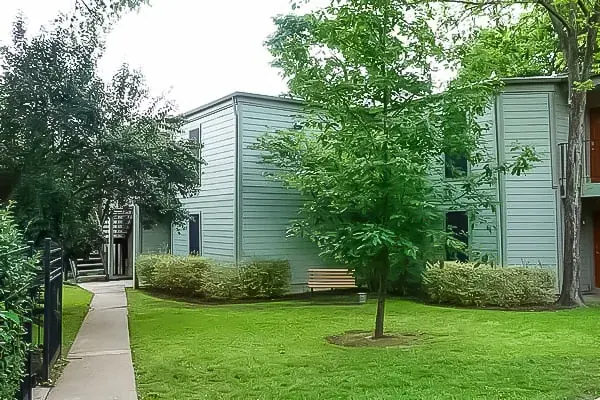
Inside Rustic Creek, our Austin flagship







What Happens During an IOP Meeting?
People sometimes use the phrase IOP meeting To describe a scheduled IOP session, usually a clinician-led group therapy block. Many sessions follow a steady arc: brief check-in, skill-building or education, then guided discussion (“process”).
Over time, seeing the same peers each week can make it easier to practice new skills, talk through challenges, and stay accountable.
Between sessions, many programs encourage peer support. If you want help finding options, Eudaimonia maintains a directory of recovery meetings by city and area.
Common IOP Topics in Group Therapy
IOP topics usually focus on practical skills and the real-life situations where those skills get tested.
- Relapse prevention planning and trigger management
- Problem-solving and decision-making
- Cognitive restructuring (challenging unhelpful thoughts)
- Communication skills and boundary-setting
- Family dynamics and relationship repair
- Stress management and emotion regulation
- Stages of change and motivation
- Health education (as appropriate)
For more examples, see: 13 common discussion topics in substance abuse group therapy.
Your IOP Plan: Goals, Support, and Aftercare
Alongside the weekly schedule, most programs develop an IOP planA treatment plan that clarifies goals, session frequency, and the types of therapy used. That plan can change as someone stabilizes or needs more support.
Many programs combine groups with individual sessions. You can learn more about Eudaimonia’s approach on the therapeutic services page.
As the program ends, discharge planning often focuses on relapse prevention, continuing therapy, and community supports.
IOP Results: What Progress Can Look Like
People often search for IOP results Because they want to know what “success” looks like. Results vary, but many people track progress through practical changes: more stable routines, stronger coping skills, and earlier response to relapse risks.
If recovery-supportive housing is part of your plan, explore sober living options and how a stable environment can support consistency.
Practical Tips for Balancing IOP and Daily Life
IOP is designed to fit real life, but it still takes planning. Pick a time block you can keep, treat sessions like standing appointments, and build routines (sleep, meals, transportation) around your session days.
If work, volunteering, or routine-building support would help, see support for employment and volunteering.
Cost and Insurance: Questions to Ask
Coverage varies by plan and provider network. Before you start, ask whether IOP is covered under behavioral health, whether preauthorization is required, and what your out-of-pocket cost may be.
For Eudaimonia-specific details, start here: insurance accepted for IOP. You can also read: Can I use insurance to pay for IOP?
Next Steps
If you’re considering IOP, an assessment with a qualified provider can help confirm the best level of care. If you’re exploring Eudaimonia’s program, start with the outpatient treatment overview and then review insurance accepted for IOP.
References and helpful resources
Your Future Is Waiting
Tell us what you are looking for and admissions will walk you through the houses, the phases, and what a room actually costs.


