

Published February 10, 2026 · Updated June 10, 2026
Key Takeaways
- Inpatient care overview clarifies what inpatient drug rehab is and how it can support early stability in the road to recovery.
- Inpatient vs outpatient explains how levels of care differ and when outpatient options (including alcohol outpatient therapy) may fit.
- What happens in rehab summarizes the typical flow from intake and assessment to daily treatment structure.
- Detox and safety highlights how detox facilities and detoxification centers focus on stabilization and monitoring before ongoing treatment.
- Length of stay outlines common timelines and when long term drug rehab may be considered.
- Step-down planning emphasizes why aftercare and step-down support matter after discharge from inpatient care.
- Costs and low-cost options points to common payment questions and ways to explore public or lower-cost resources.
- Choosing a rehab place reframes “best” as a match between clinical needs, services offered, and aftercare planning.
- Recovery housing support describes how structured sober living can serve as a practical bridge after inpatient treatment.
- Common rehab questions provides quick answers to frequent concerns about detox, inpatient care, outpatient care, and cost.
On This Page · 26 Sections
For many people, the road to recovery starts with one basic need: a safe place to stop using and begin care. There are many addiction treatment services, and they are not all the same. Some are built for people who can keep living at home. Others are built for people who need full-time support. That choice can feel hard.
This article explains inpatient drug rehab, what happens during a stay, how long it can last, and how it compares with outpatient care. It also explains common search terms, such as detox facilities, alcohol rehab, and drug and alcohol treatment centers.
What's the Difference Between Detox and Residential Treatment?
Detox (detoxification) and residential treatment are two different stages of addiction care. Detox is the first step: a short, medically supervised process that helps the body safely clear alcohol or drugs and manage withdrawal symptoms, typically lasting a few days to about a week. Residential treatment (also called inpatient rehab) is a longer, live-in program that begins after detox, focusing on the underlying causes of addiction through therapy, counseling, and structured daily support, usually over several weeks.
In short: detox addresses the physical dependence and stabilizes the body, while residential treatment addresses the psychological and behavioral side of recovery. Most people complete detox first, then step down into residential treatment, and later into lower levels of care such as outpatient programs or sober living.
Inpatient rehab and the road to recovery
Inpatient substance abuse treatment means living at a treatment center while getting care for substance use. It is also called live-in treatment. The main features are a set routine, daily therapy, and staff support 24/7.
In many drug and alcohol treatment centers, inpatient care is one step in a larger plan. A person may start with detox, move into inpatient care, and then step down to outpatient services.
What inpatient care is designed to do
Inpatient care is often used to support safety in early recovery, build skills through therapy and learning, and plan for what comes after discharge. These aims are common across alcohol treatment centers and programs focused on other drugs.
When inpatient care may be recommended
A doctor or counselor may suggest inpatient care when the risks are higher at home. This can include risky withdrawal, repeated relapse, or an unsafe living situation. Some people also choose inpatient care because they want space away from daily triggers while they build new habits.
Inpatient vs outpatient care
Inpatient and outpatient programs can use many of the same therapy tools. The main difference is the level of support.
Outpatient options, including alcohol outpatient therapy
Outpatient care means a person lives at home and attends scheduled services. Alcohol outpatient therapy may include weekly counseling, group sessions, or day programs.
Some outpatient services run through a clinic drug rehab model. In that setting, care may include medical visits, counseling, and medicine support in a clinic. Outpatient treatment can also be used after inpatient care as a step-down option.
If you are comparing step-down options, our guide to IOP after rehab explains how intensive outpatient care can fit after inpatient treatment.
Key differences that affect daily life
Inpatient care usually means a controlled setting with limited access to alcohol or drugs, a planned daily schedule, and staff support day and night. Outpatient care usually means more flexibility for work, school, or caregiving, but also more exposure to everyday triggers and less support between sessions.
Because of these differences, the “right” level of care depends on the person’s needs and risks.
What happens during an inpatient drug and alcohol program
Most inpatient programs follow a similar path: intake, detox, therapy, and planning. The details vary by rehab places, but the core steps are similar.
Intake and assessment
Treatment often begins with an intake visit and an assessment. Staff may ask about health history, substance use patterns, current medicines, and mental health symptoms. The goal is a plan that fits the person, not a one-size-fits-all schedule.
Research-based guidance from the National Institute on Drug Abuse notes that effective care is tailored to individual needs and may require different lengths and levels of support.
Detox facilities and detoxification centers
Detox is the process of managing withdrawal while substances leave the body. Detoxification centers may be separate programs, or they may be part of a larger inpatient service.
Medical monitoring can matter because withdrawal can be serious for some people. In those cases, detox facilities may use medicines and regular check-ins to lower risk and ease symptoms. (medlineplus.gov)
Detox is usually the first step, not the full answer. After detox, many people continue with drug and alcohol treatment that focuses on cravings, coping skills, and long-term support.
SAMHSA’s clinical guidance in TIP 45 on detoxification explains detox as a medically informed stabilization process that should connect to ongoing treatment rather than stand alone.
The term ETOH rehab is clinical shorthand that some people use when they mean alcohol rehab.
Therapy, routines, and daily structure
A typical inpatient day is planned. Many programs use a routine because it reduces stress and helps people practice steady habits.
Common parts of a day may include group therapy, one-on-one counseling, and classes about triggers, relapse, and planning. Time for meals, rest, and light activity is also part of most schedules.
Some programs also offer support for mental health needs. People sometimes call this mental rehab, but programs may describe it as combined mental health and addiction care.
Family contact and support
Family involvement looks different across programs. Some centers limit contact early in treatment. Others offer scheduled calls, visits, or family sessions. When family sessions are available, they often focus on communication, boundaries, and practical support after discharge.
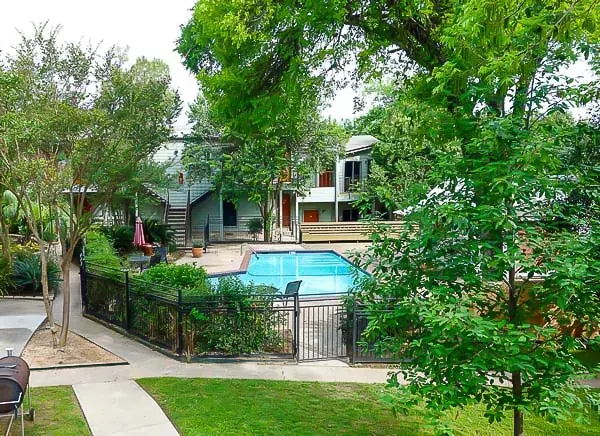
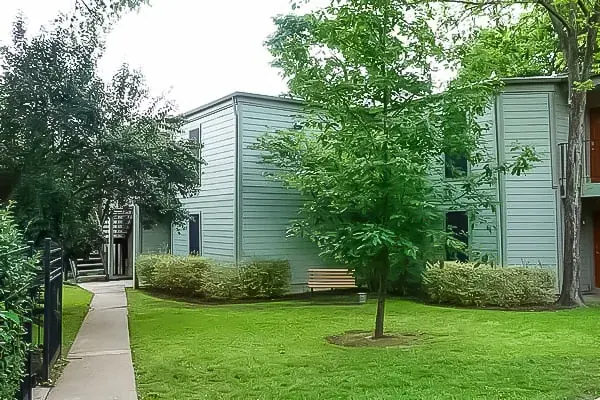
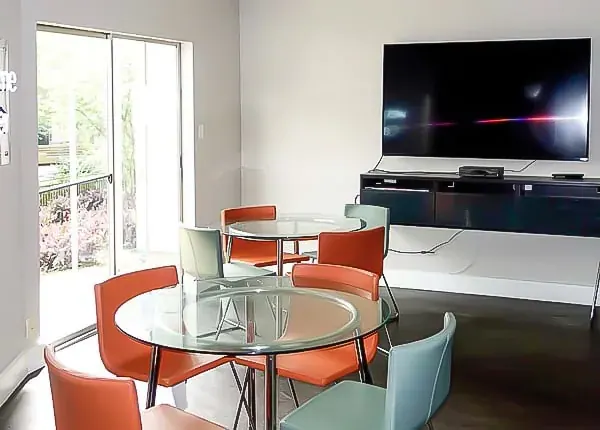
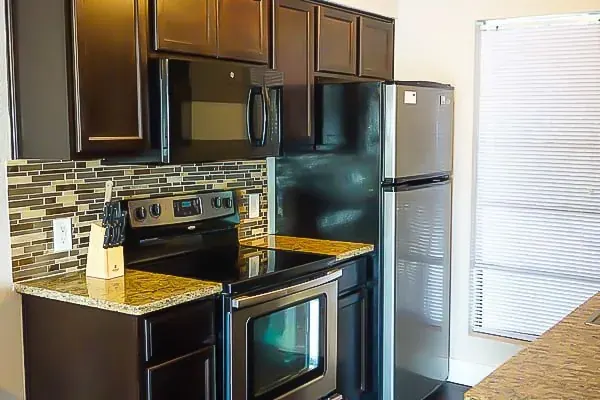
Inside Rustic Creek, our Austin flagship




Eudaimonia's Success Stories – Real People, Real Freedom
How long inpatient rehab lasts
Length of stay depends on medical needs, progress in treatment, and real-world factors like work and insurance coverage.
Standard lengths and long term drug rehab
Many programs offer 30-, 60-, or 90-day options. Some people need a short stay for safety and a stable start. Others do better with long term drug rehab, especially when substance use has been severe or long-lasting.
Long term drug treatment centers may offer phases. Early phases are more structured. Later phases may add more freedom, while keeping treatment support in place.
If you are building a longer-term plan after discharge, this guide on sober living length of stay explains common timelines and factors that can influence how long people remain in structured housing.
Long term substance abuse treatment can also include long stretches of outpatient care after inpatient treatment. Many long term treatment centers focus on daily skills and a steady routine.
Step-down care after inpatient treatment
Discharge planning often starts early. A common step-down plan is:
- Inpatient care (live-in)
- Intensive outpatient or day treatment
- Standard outpatient counseling and peer support
For added structure between treatment and independent living, some people choose sober living homes while continuing outpatient services.
This kind of path can help people avoid a sudden drop in support. Many programs stress aftercare because the weeks after discharge can be high-risk.
For practical next steps, see our guide on the Rehab-to, sober living transition, including common challenges and planning tips after discharge.
Paying for care and finding low-cost options
Cost is a real barrier for many people. Prices vary widely, and coverage rules differ across plans and states.
Insurance and payment questions
When contacting drug and alcohol treatment centers, it can help to ask direct questions:
- Is detox billed separately from inpatient care?
- What services are included (therapy, medicines, labs)?
- What is the likely out-of-pocket cost after insurance?
- Are payment plans or sliding-scale fees available?
Free rehabilitation and public resources
Searches like free alcohol rehab, free drug rehabilitation, and free rehabilitation often point to public or state-funded programs. These options can be important. They may also have rules about who qualifies and long waitlists.
In the United States, SAMHSA lists treatment locators and referral options, including FindTreatment.gov and the National Helpline. These tools can help people find services that match needs and budget. (samhsa.gov)
How to choose among rehab places
Many people want “the best” option and type phrases like best addiction treatment centers, best alcohol rehab centers, best alcohol treatment centers, best drug treatment centers, and best substance abuse treatment centers. “Best” is not one standard. A better question is whether a program matches the person’s needs and situation.
Some people search for “rehab drug and alcohol” because they want care that treats both, not just one substance.
What “best” can mean in practice
When comparing alcohol treatment centers or other programs, it can help to check for a clear assessment and a personal plan, staff who explain services in plain language, support for mental health needs when needed, and an aftercare plan that goes beyond a discharge date.
A program should also be able to describe its drug and alcohol program in clear terms: what is offered, how often, and what happens next.
Where to go for addiction help today
If someone is not sure where to go for addiction help, one step is to check urgency. Overdose risk, severe withdrawal, or self-harm thoughts can require emergency care.
When the situation is not an emergency, a treatment locator and a clinical assessment can help narrow options. In the U.S., SAMHSA’s referral resources are a starting point for finding addiction treatment services, including detoxification centers and outpatient care. (samhsa.gov)
For a neutral starting point to compare programs by location and level of care, you can use FindTreatment.gov’s treatment locator.
If stable housing is part of your plan, you can review our sober living locations to see where structured recovery housing is available.
On the road to recovery, inpatient care can provide a stable base. The next steps, aftercare, support, and ongoing treatment, often help that stability last.
How Eudaimonia Recovery Homes Supports Recovery After Inpatient Rehab
Inpatient drug rehab often provides a controlled setting for detox and early treatment, but many people still need a stable plan for the weeks and months after discharge. Eudaimonia Recovery Homes can support that next stage by offering sober, structured housing designed for people in recovery, which may be a practical step-down after a residential stay. Their residences include gender-specific sober homes and apartments, and participation is tied to a defined program structure rather than housing alone. Eudaimonia also describes a three-phase program that emphasizes accountability and life skills, such as budgeting and maintaining employment, which can help some residents rebuild daily routines after inpatient treatment.
The sober living approach can include rules and monitoring practices intended to lower relapse risk in the living environment while residents focus on consistency and stability. In Texas, the organization states that a staff member is on-site 24/7 at its recovery homes, which may add oversight during early recovery. Eudaimonia also indicates its program is meant to support ongoing sobriety alongside outpatient services, which can allow residents to continue therapy while living in the community. In that way, someone learning what to expect from inpatient drug rehab can view sober living as one possible bridge between intensive care and long-term independence.
Your Future Is Waiting
Tell us what you are looking for and admissions will walk you through the houses, the phases, and what a room actually costs.