

Published November 26, 2025 · Updated February 18, 2026
Key Takeaways
- Structured daily life in sober living homes Philadelphia creates routines, curfews, testing, and peer accountability that bridge the gap between rehab and fully independent living.
- Benefits and challenges include safety, peer support, and real‑world life skills alongside common issues like personality conflicts, house quality differences, and financial pressure.
- State and city standards such as DDAP licensing, PARR certification, and Philadelphia’s Recovery House Initiative influence how recovery homes operate and who may qualify for publicly funded beds.
- Options beyond Philadelphia matter for women who face limited or unsafe local choices and may benefit from gender‑specific women’s sober living in Austin or other structured programs in different cities.
- Choosing the right home means checking licensing, house condition, rules, supports, costs, and red flags so the environment matches your recovery needs, budget, and daily responsibilities.
- Eudaimonia’s role is to provide structured, recovery‑focused housing in Philadelphia and Austin that follows these principles and supports residents as they build stable, sober lives.
When you search for sober living homes Philadelphia Or type sober living near me, it’s normal to wonder what sober living in Philadelphia PA, or sober living Philly in general, actually feels like. Living in a sober house is not the same as staying in rehab or going straight back to your old apartment. It sits in the middle: more freedom than treatment, more structure than living alone.
Below is a neutral, experience‑based look at what daily life is like in Philadelphia sober living, and how women who can’t find the right fit locally sometimes look to women’s sober living in Austin, Texas for additional options.
On This Page · 30 Sections
Sober Living
Philadelphia
What It’s Like to Live in a Sober House in Philadelphia, PA
First days in sober living Philly
The first few days usually feel structured and unfamiliar. Most houses:
- Review written rules and expectations
- Assign a bed, storage space, and chores
- Ask for emergency contacts, medications, and recent treatment history
New residents quickly learn simple routines: curfew times, when drug testing happens, and how sign‑in/sign‑out logs work. There is often a brief adjustment period: learning to share a room again, remembering quiet hours, and getting used to house meetings.
Many people describe those early days as a mix of relief and discomfort. Relief comes from having a safe place to sleep where people are not using substances. Discomfort comes from giving up some privacy and independence while you rebuild trust.
Daily routines, rules, and accountability
Across sober living homes Philadelphia, daily life often follows a similar pattern:
- Morning:
- Wake‑up expectations so residents are not sleeping all day
- People head to work, job search, classes, or appointments
- Some houses require a certain number of meetings or treatment hours per week
- Afternoon:
- Residents return from work or outpatient care
- Chores like cleaning shared spaces or preparing meals
- Quiet time for personal tasks, schoolwork, or exercise
- Evening:
- Recovery meetings (on‑site or in the neighborhood)
- House meetings to check in, share updates, and address conflicts
- Curfew check and sign‑in
Rules are usually clear: no drugs or alcohol, no violence, respect for other residents, and consequences for repeated violations. Consequences might include written warnings, increased check‑ins, or, in serious cases, discharge.
Work, school, and recovery in the city
Philadelphia’s size works in favor of many sober living residents. There are:
- Numerous mutual‑help meetings (12‑Step, SMART, and other groups) in Center City, South Philly, and other neighborhoods
- Public transit through SEPTA, making it easier to reach jobs, school, or treatment without a car
- Local networks like DBHIDS, BHSI, and Community Behavioral Health (CBH) that coordinate publicly funded treatment and housing referrals for residents who qualify
For many people, a typical weekday blends recovery routines with ordinary city life: commuting, working, cooking, and relaxing with housemates in the evening.
Benefits and Challenges of Sober Living Homes Philadelphia
Structure, safety, and peer support
From resident reports and program descriptions, recurring benefits include:
- Safe, substance‑free environment, Random testing and clear rules reduce exposure to alcohol and drugs.
- Peer accountability, Living with others in recovery makes it harder to hide relapse warning signs and easier to stay motivated.
- Built‑in daily structure: Curfews, chores, and routines replace the chaos many people knew before.
- Life skills practice: Budgeting shared bills, planning meals, time management, and conflict resolution happen in real time.
Many residents say that simple, predictable structure is what makes sober living feel different from living with friends or family.
If you want a broader breakdown beyond Philadelphia, this article on the pros and cons of sober living homes takes a deeper look at how these houses work in general.
Common challenges residents talk about
Neutral feedback about sober living Philly also includes recurring concerns:
- Personality conflicts, Sharing bedrooms and common areas can create tension, especially when residents are at different stages of recovery.
- House quality differences, Some homes are clean and well‑maintained; others may feel crowded or worn, particularly in lower‑cost options.
- Rules that feel strict, Curfews or guest policies may feel controlling at first, even though they are meant to protect the group.
- Financial pressure, Paying weekly or monthly program fees can be stressful, especially while returning to work.
Experiences vary widely between operators, which is why touring homes, reading reviews, and asking detailed questions are important.
How long people usually stay
Length of stay is rarely fixed. However, common patterns include:
- 0–3 months: learning routines, stabilizing from recent treatment, and dealing with early cravings
- 3–6 months: building employment or school routines, repairing relationships, and saving money
- 6, 12 months: gradually taking on more independence, later curfews, less staff oversight, or planning the move to independent housing
Many providers encourage residents to stay until they have consistent income, a stable support network, and a relapse‑prevention plan that works outside the house.
Eudaimonia's Success Stories – Real People, Real Freedom
How Pennsylvania and Philadelphia Shape Your Experience
Licensing, DDAP, and PARR: why they matter
In Pennsylvania, recovery or sober living houses that receive state referrals or government funding must hold a DDAP recovery house license. The goal is to ensure a network of safe, recovery‑oriented homes and to set minimum standards for housing connected to public systems.
Alongside licensing, the Pennsylvania Alliance of Recovery Residences (PARR) offers voluntary certification based on national NARR standards. PARR evaluates homes on governance, operations, safety, and recovery supports and certifies those that meet its quality benchmarks.
For residents, this means:
- Licensed or certified homes have been reviewed against written standards.
- You can check a provider’s status through DDAP or PARR directories.
- You can ask to see proof of licensing or certification before moving in.
Local referral systems and public funding
Philadelphia’s Department of Behavioral Health and Intellectual disAbility Services (DBHIDS) oversees a large network of substance‑use services. For uninsured residents, Behavioral Health Special Initiative (BHSI) can help determine which programs and housing options are available, based on clinical need and funding rules.
Some recovery houses in Philadelphia are part of the city’s Recovery House Initiative, which funds licensed homes as a step‑down from treatment. Residents who qualify may be placed into these homes through referrals rather than private pay.
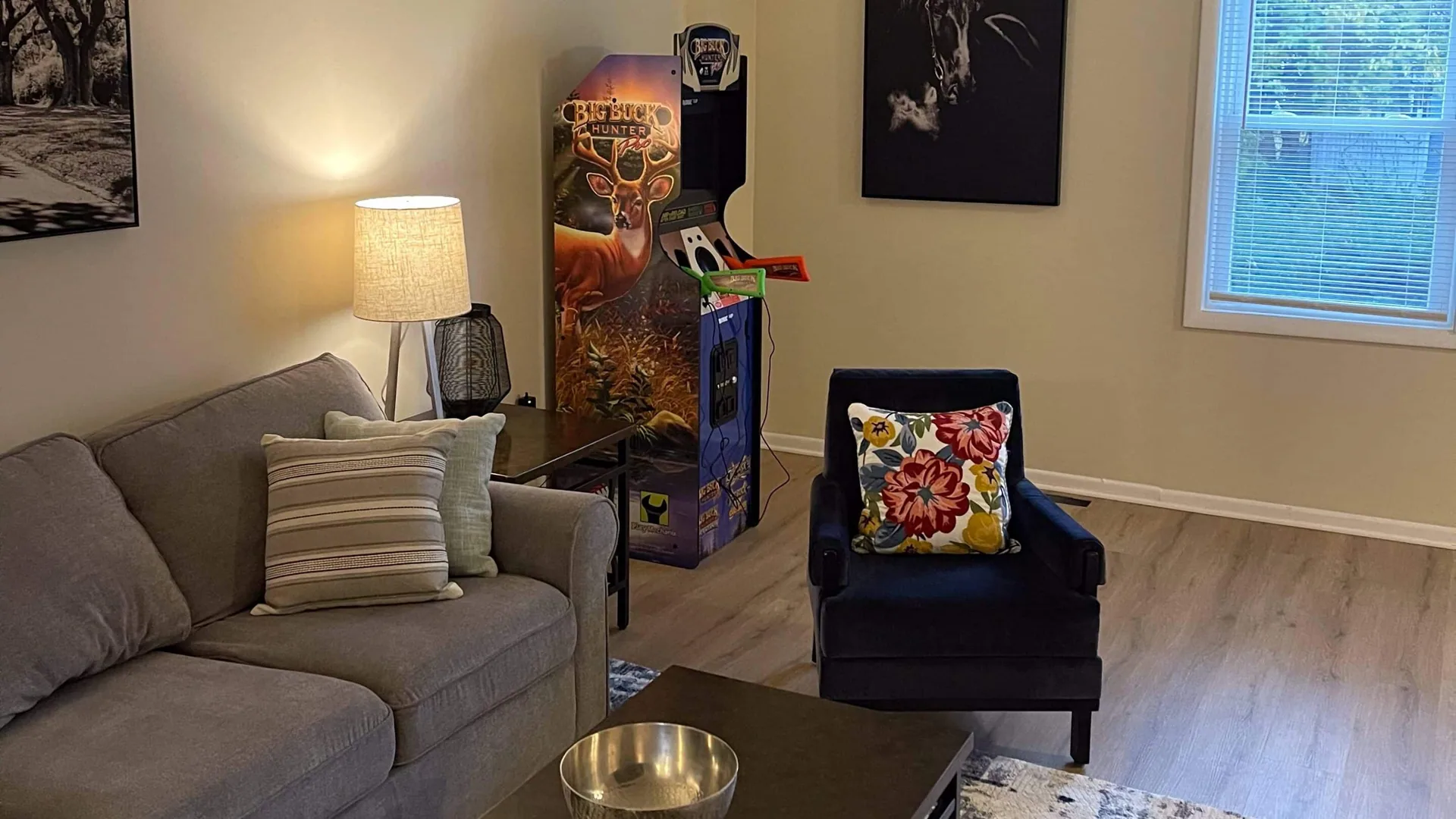
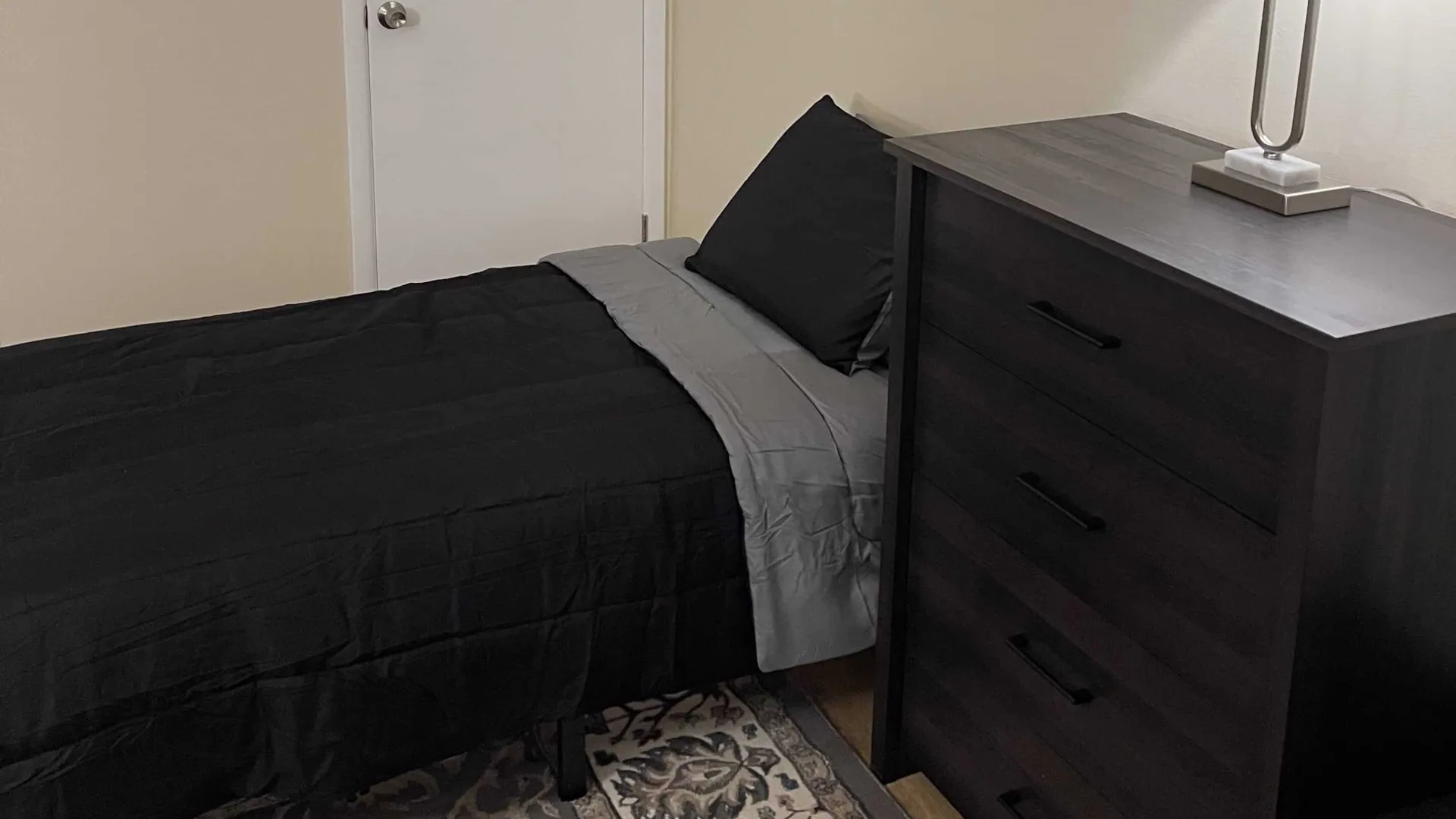
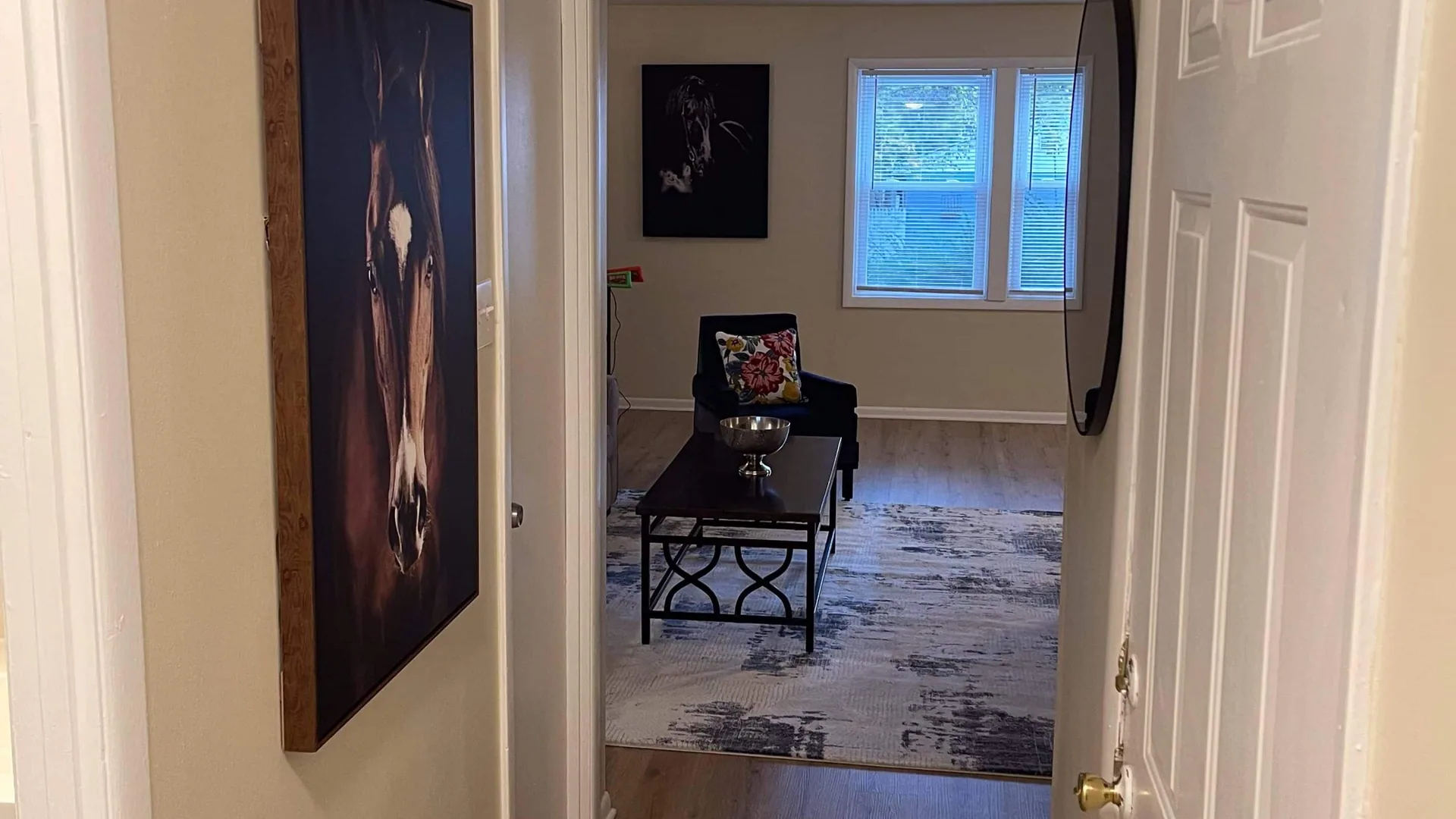
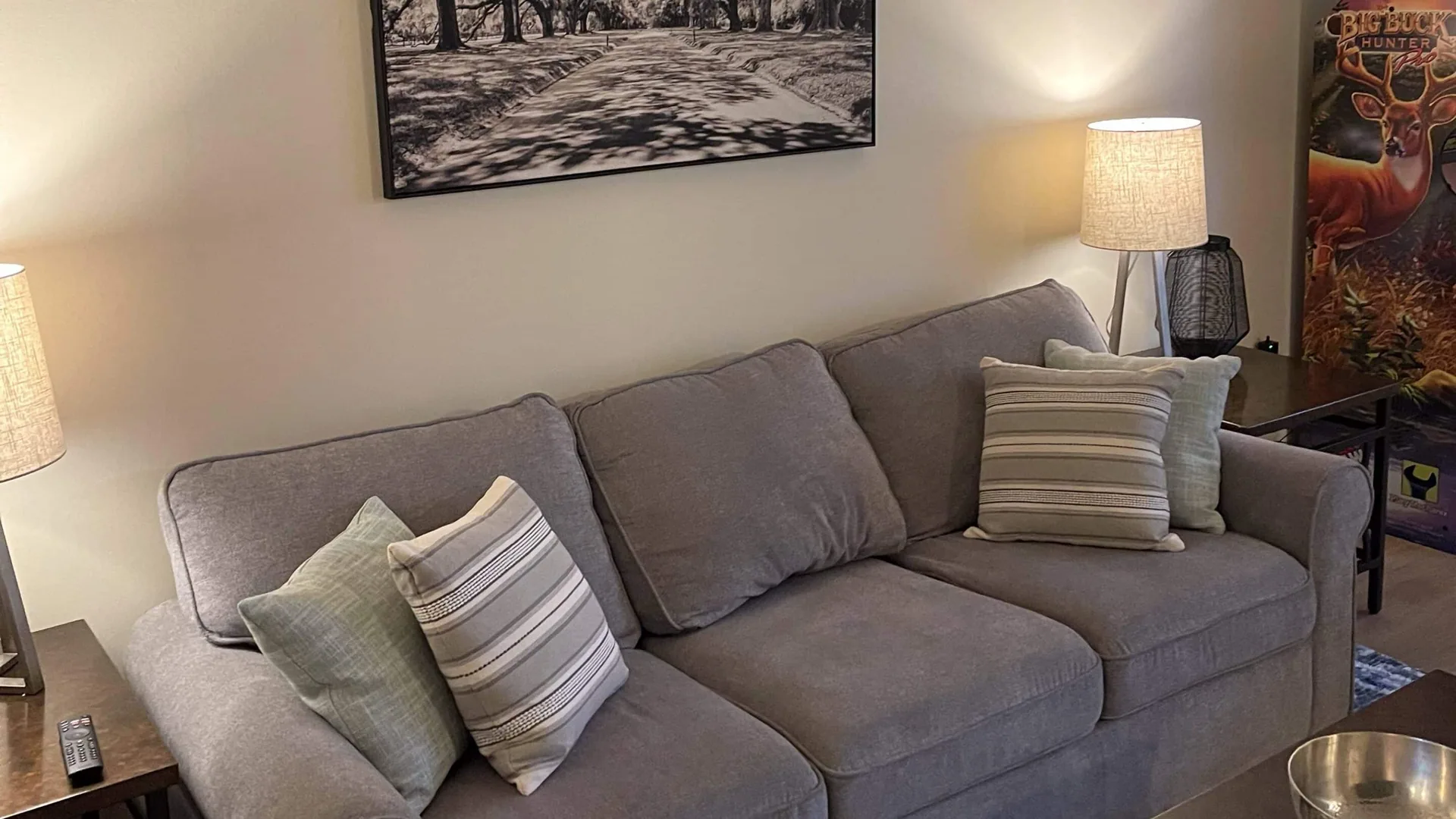
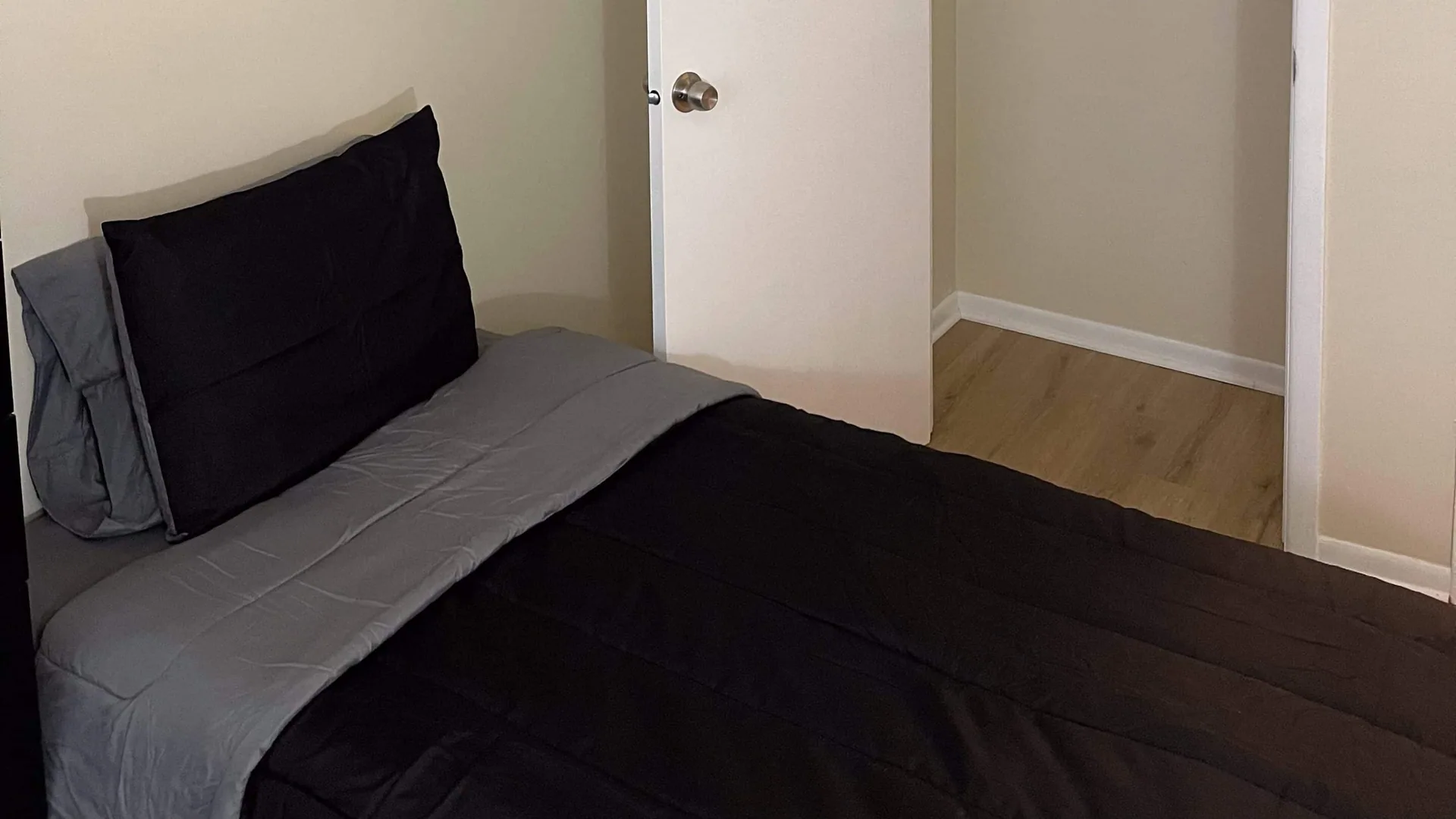
Inside the Philadelphia homes
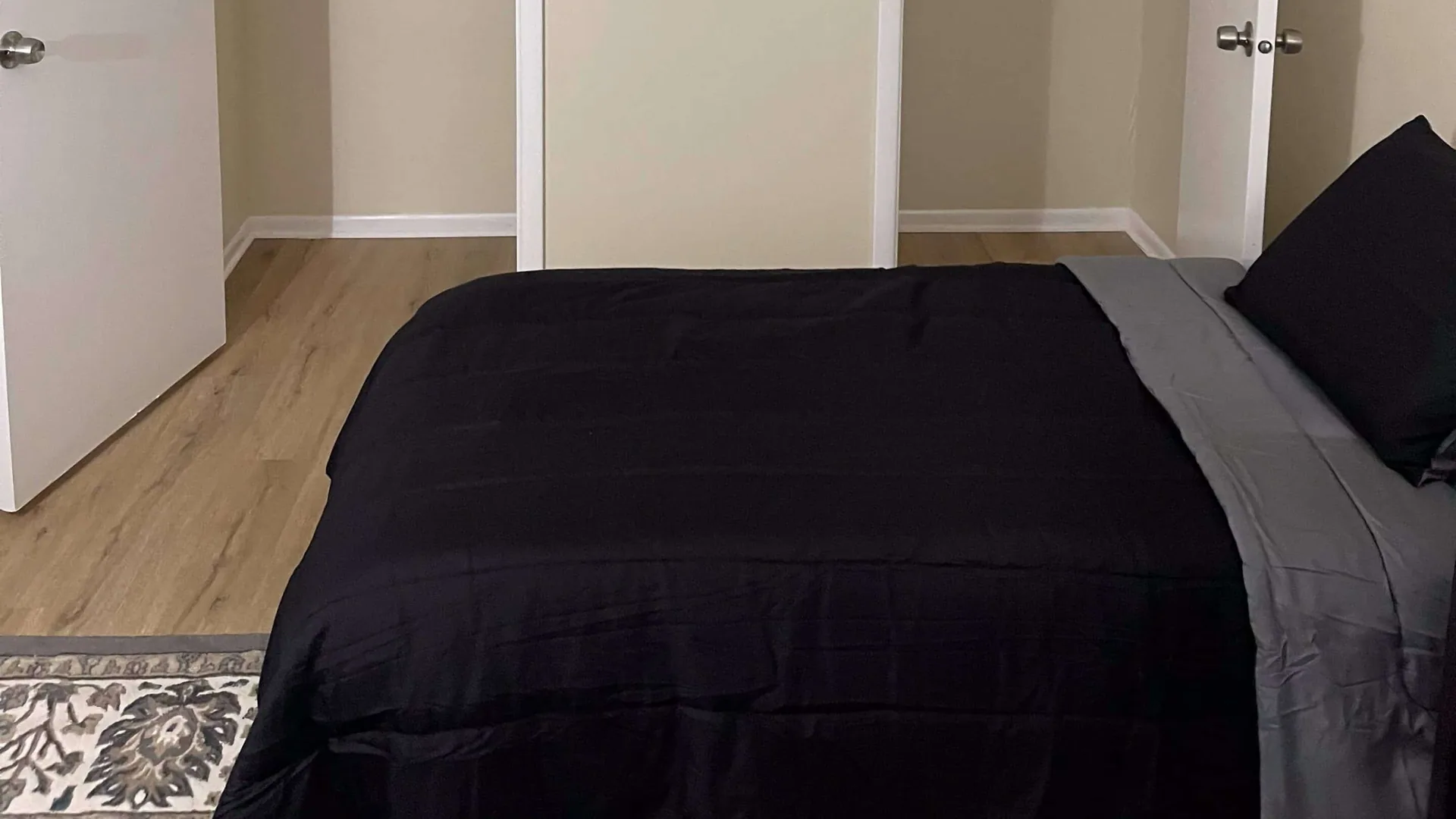
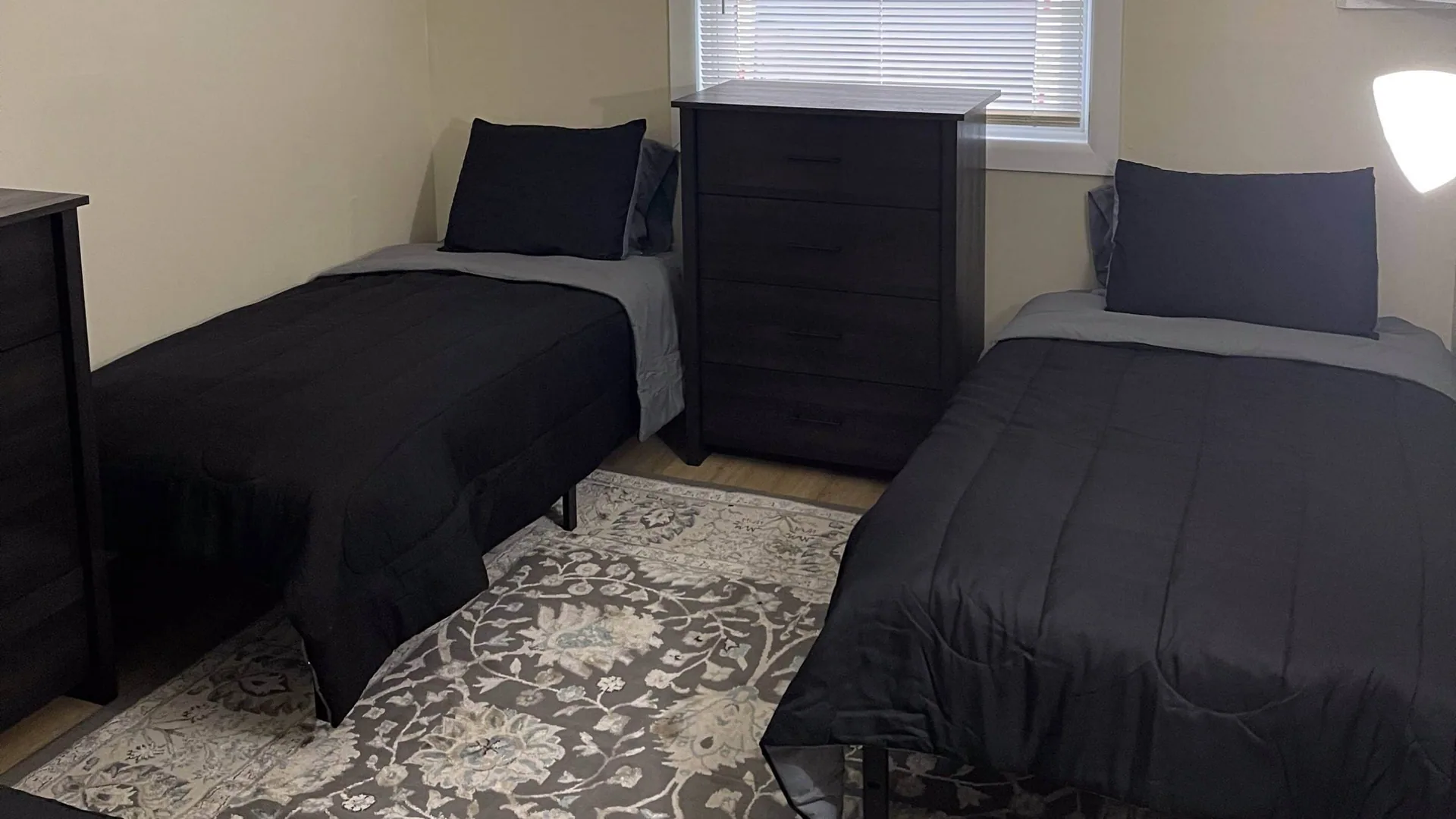

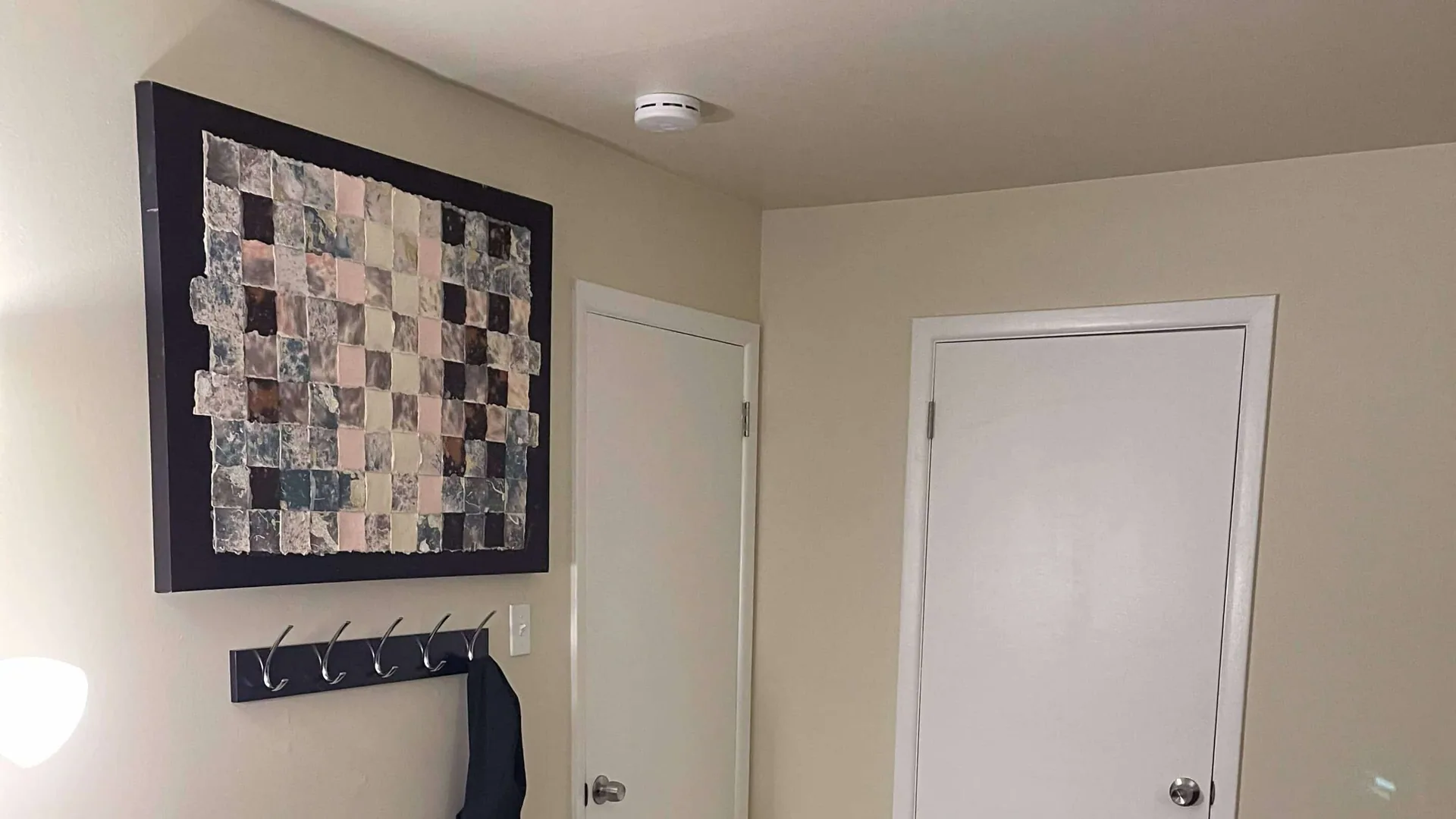




Neighborhoods, transit, and meetings
Sober living Philly is not limited to one neighborhood. Houses may be located near:
- North or Northeast Philadelphia corridors with bus and rail access
- South Philly row‑home blocks
- Suburban‑edge areas in the city or nearby counties
When you tour homes, it helps to check:
- Distance to your job, school, or treatment program
- Walking time or bus routes to meetings and grocery stores
- How safe and comfortable you feel walking in the area after dark
When “Sober Living Near Me” Isn’t Enough: Looking Beyond Philly
Why some women consider sober living Austin for women
For women, especially, the local picture can feel tight: limited beds, mixed‑gender houses, or environments that don’t match personal safety needs. Some women look beyond sober living Philly to gender‑specific women’s sober living in Austin, Texas when:
- They need a bed quickly and local homes are full
- They want a women‑only environment with clear boundaries and on‑site staff
- They feel too close to local triggers, such as unsafe relationships or neighborhoods tied to their use
Austin sober living for women often combines fully furnished homes, structured schedules, and close access to IOP or outpatient services in the same city, which can appeal to women who want housing and clinical care in one area.
Relocating is not right for everyone; it involves leaving local supports and navigating a new city. But for some women, distance plus structure is part of what makes early recovery feel manageable.
Questions to ask about women’s sober living (any city)
Whether you stay local or consider Austin, useful questions include:
- Is the house women‑only, or are there mixed‑gender common spaces?
- Who is on staff after hours, and how are safety concerns handled?
- Are trauma‑informed policies in place, especially around visitors and room assignments?
- How are conflicts or harassment addressed?
- What is the average age range and typical length of stay?
Neutral, factual answers to these questions can say more about a program than any marketing language.
Balancing distance from home with support
If you are weighing sober living near me against an out‑of‑state option, consider:
- Support network: Can family or friends visit or join virtual sessions?
- Aftercare: If you move back to Philadelphia later, how will you connect to local meetings and providers?
- Cost and travel: Are flights or long bus rides realistic for admissions, visits, and eventual discharge?
Many people choose an approach that feels realistic rather than ideal, close enough to stay connected, structured enough to stay safe.
How to Choose a Sober Living Home That Fits You
Quick checklist before you move in
Use this neutral checklist when comparing sober living homes Philadelphia:
Licensing and certification
- DDAP‑licensed if they receive public referrals or funding
- PARR‑certified, if possible, for added quality assurance
House condition
- Clean common areas, working appliances, adequate space
- Reasonable number of residents per bedroom
Rules and expectations
- Clear written rules about substance use, guests, curfews, and chores
- Consistent consequences that do not feel arbitrary
Recovery supports
- Required meetings or check‑ins
- Links to outpatient treatment, peer groups, or case management
Cost transparency
- Up‑front explanation of fees, deposits, and refund policies
- Clear statement of what is included (utilities, Wi‑Fi, basic supplies)
For a step‑by‑step guide to sober living in Philadelphia PA, you can dive deeper into recovery housing rules, costs, and local referral options.
Questions to ask current or former residents
Where possible, talk with someone who has lived in the house. Useful neutral questions include:
- Did you feel safe and respected by staff and other residents?
- Were rules enforced fairly for everyone?
- How responsive was the house manager to problems?
- Did the environment support your work, school, or family responsibilities?
Direct resident feedback often reveals day‑to‑day realities that brochures don’t capture.
Red flags to watch for
Potential warning signs, regardless of city, include:
- Overcrowded bedrooms or consistently messy common spaces
- Frequent reports of on‑site substance use with little response
- No written rules or refusal to discuss them before move‑in
- Pressure to pay cash without receipts or written agreement
- Staff who discourage questions about licensing, certification, or referrals
If you encounter several of these issues at once, it may be worth looking at other sober living near me options or expanding your search radius.
How Eudaimonia Recovery Homes Supports Sober Living in Philadelphia PA
Eudaimonia Recovery Homes can support people searching for sober living homes Philadelphia by pairing safe, drug‑free housing with clear daily structure and peer accountability. Our Eudaimonia sober living homes combine structure, peer support, and real‑life responsibilitie
Their homes are designed to feel more like real life than treatment, so residents can practice routines, work, school, meetings, and chores, while still having support close by. House managers help keep everyone on track with curfews, check‑ins, and regular testing, which many residents find useful when “sober living near me” needs more than just a room to rent.
Eudaimonia also emphasizes recovery community, encouraging residents to plug into local meetings and resources so that sober living in Philadelphia PA becomes part of a broader support network rather than a stand‑alone step. For women who feel stuck or unsafe in their current environment, Eudaimonia can coordinate moves to women’s sober living in Austin, offering a gender‑specific setting with similar rules and expectations.
That flexibility lets residents choose between staying rooted in sober living Philly or starting fresh in another city, without having to learn a completely new program. Across locations, the focus stays on building stable daily habits, learning to handle triggers, and gradually earning more independence. In this way, Eudaimonia Recovery Homes can turn the idea of sober living homes Philadelphia into a practical, lived experience instead of just a search result.
Your Future Is Waiting
Tell us what you are looking for and admissions will walk you through the houses, the phases, and what a room actually costs.


