

Published October 27, 2025 · Updated October 3, 2025
On This Page · 11 Sections
Sober Living
Philadelphia
Philadelphia is home to a strong recovery community, from neighborhood meetings and peer supports to structured recovery residences. If you or a loved one is looking for sober living in Philadelphia PA, this guide explains how recovery housing works, what it costs, how to assess quality, and the exact steps to get started, grounded in Pennsylvania’s licensing rules and Philadelphia’s local referral system. We’ll also share a practical checklist you can use to compare homes, plus a curated set of local resources to help you move forward with confidence.
What Is Sober Living, and How Does It Work?
A sober living home (also called a recovery residence or transitional housing) is a drug‑ and alcohol‑free group living environment for people in recovery. Unlike inpatient rehab, sober living is not A treatment program; instead, it’s a structured, supportive home that reinforces daily routines: think curfews, house meetings, chores, regular drug/alcohol testing, and accountability among peers. Residents usually work, go to school, and/or attend outpatient treatment while they live there. The goal is independence, stability, and a lifestyle that supports long‑term recovery.
Sober living homes typically provide:
Structure and accountability: Curfews, testing, and house rules to protect the environment.
Peer support: Living with others who set the same goal, staying sober, makes it easier to keep going.
Life skills & community: Budgeting, job search readiness, meal planning, time management, and support groups.
Pennsylvania Rules: DDAP Licensure vs. PARR/NARR Certification
In Pennsylvania, there are two important quality signals you’ll see when you research sober living:
DDAP Licensure (State Requirement in Certain Cases).
If a recovery house receives referrals from state agencies or state‑funded facilities, or receives federal/state funds, the home must be licensed by Pennsylvania’s Department of Drug and Alcohol Programs (DDAP). Licensing is designed to ensure a network of safe, recovery‑oriented houses across the Commonwealth. If you’re being referred through a publicly funded program, or your stay might be publicly supported, you’re likely to be placed in a licensed home.PARR Certification (Voluntary Quality Standard).
The Pennsylvania Alliance of Recovery Residences (PARR) is the state affiliate of the National Alliance for Recovery Residences (NARR). PARR certifies homes that meet NARR standards: covering governance, operations, recovery support, and safety. PARR certification is voluntary (separate from DDAP licensure) but it’s a strong indicator that a home follows nationally recognized best practices.
How this helps you choose:
If you’re relying on public referrals or funding, look for DDAP‑licensed homes.
Even if you’re paying privately, PARR‑certified residences can add assurance of quality.
Ask providers which standard(s) they meet, and request documentation or a link to their listing.
Philadelphia‑Specific: DBHIDS, BHSI & Getting Connected
In Philadelphia, the Department of Behavioral Health and Intellectual disAbility Services (DBHIDS) coordinates a wide network of supports for substance use disorders. If you’re uninsured and not sure where to start, Behavioral Health Special Initiative (BHSI) is a key access point: call 215‑546‑1200 (M, F, 8:30 a.m.–5 p.m.) for help navigating available services and referrals. If you’re covered by Medicaid, Community Behavioral Health (CBH) manages behavioral health benefits for eligible Philadelphians.
DBHIDS has also operated a Recovery House Initiative that emphasizes treatment engagement, safety, and coordination (e.g., staff coverage, urine screening, communication with treatment/case management). Understanding these expectations will help you evaluate local homes.
What It Costs in Philadelphia
Costs vary widely depending on location, services, certification, and amenities. Across the U.S., sober living can range from a few hundred dollars to several thousand dollars per month. In practice, many Philadelphia‑area providers publish modest weekly or monthly rates. For example:
One PA operator lists $155, $205/week depending on location and room type (example outside Philly proper, but in‑state).
A Philadelphia men’s sober living program cites $650, $900/month Per resident (example, actual rates vary).
National overviews note a large $500, $5,000/month range depending on amenities and services. Treat these as general benchmarks, not local guarantees.
Budgeting tips:
Ask whether fees include utilities, Wi‑Fi, laundry, and supplies (many residences include them).
Clarify deposits, intake fees, and refund policies upfront.
Confirm whether participation in specific outpatient programs or meeting attendance affects your costs.
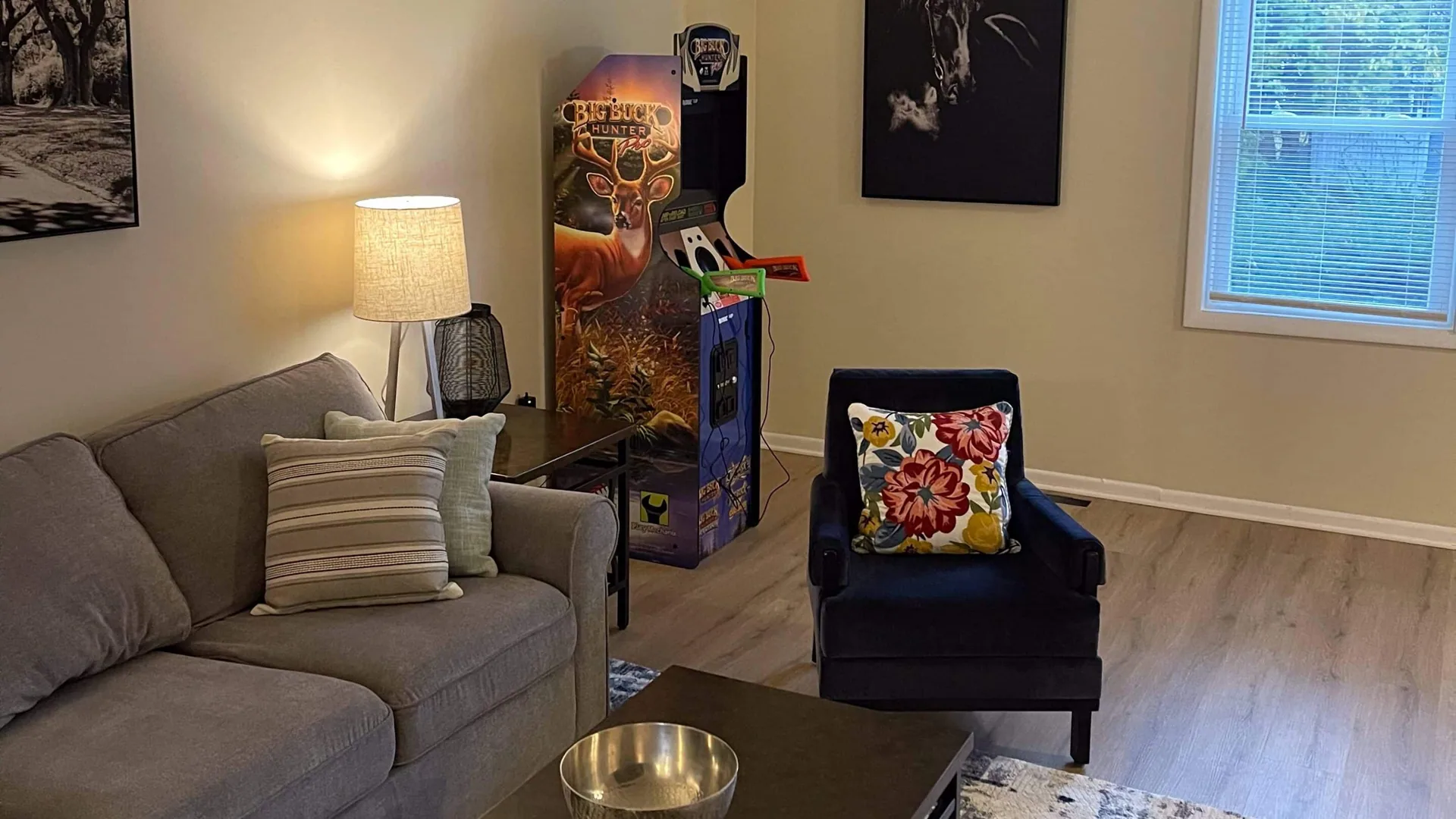
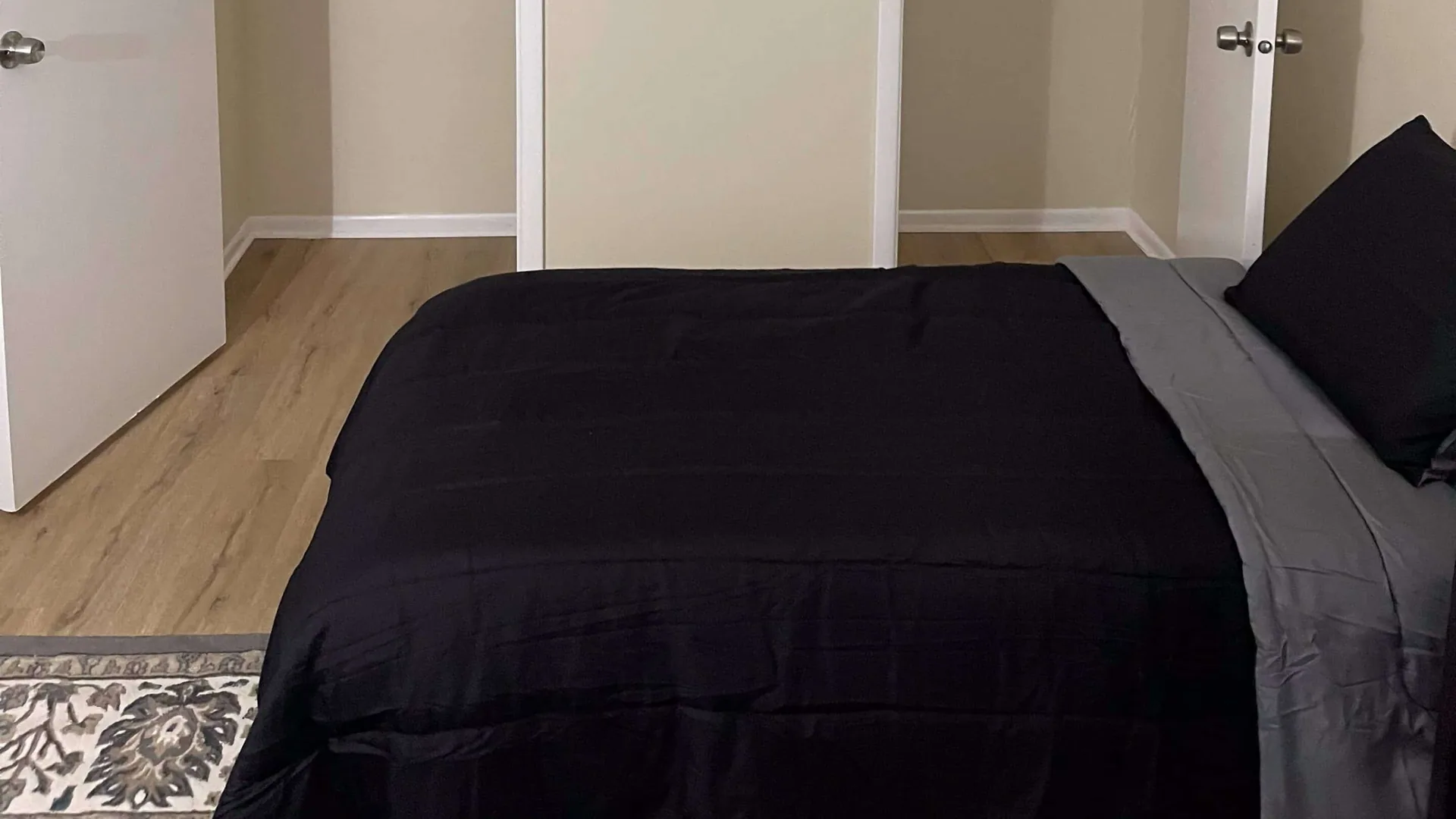
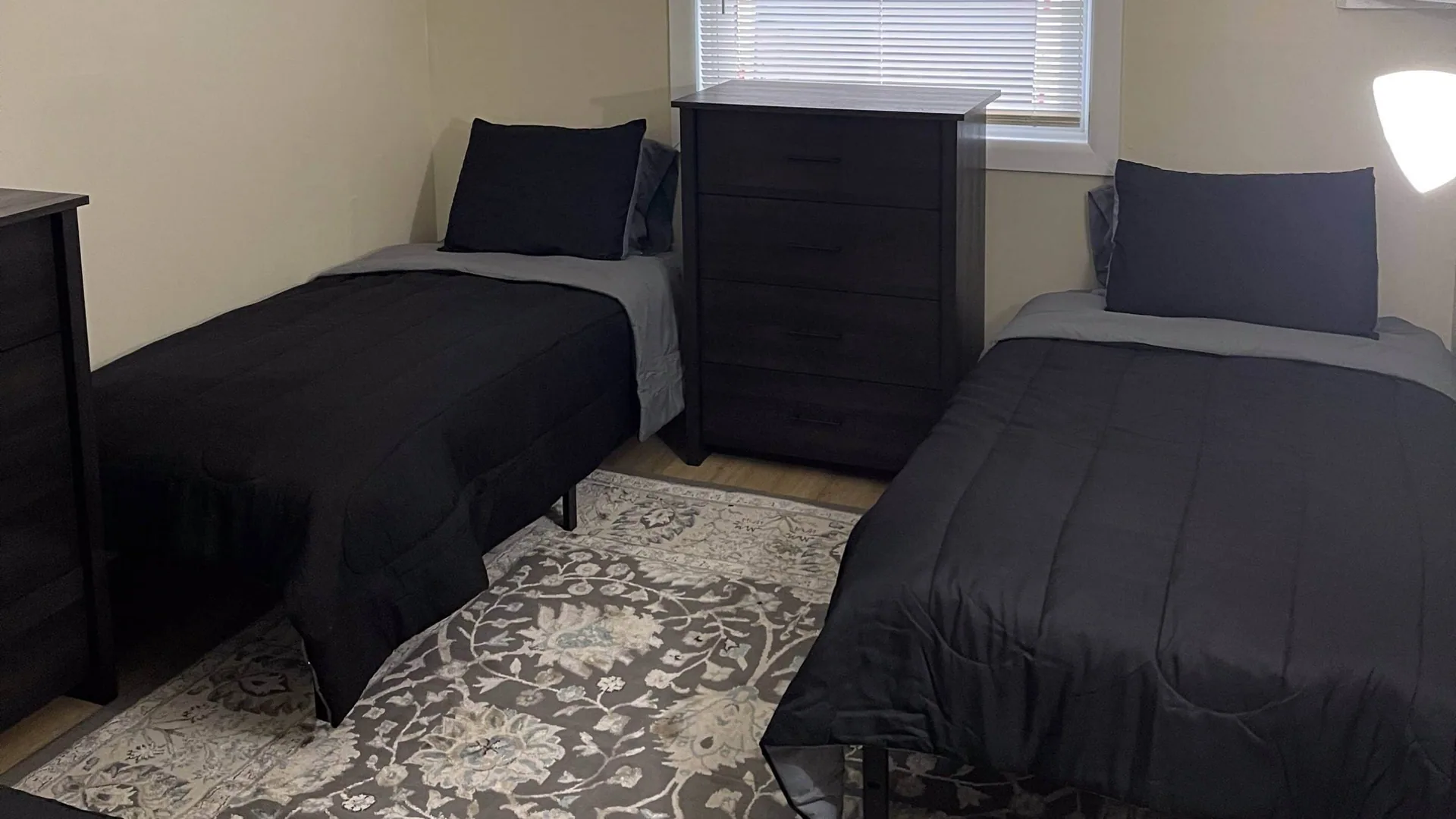
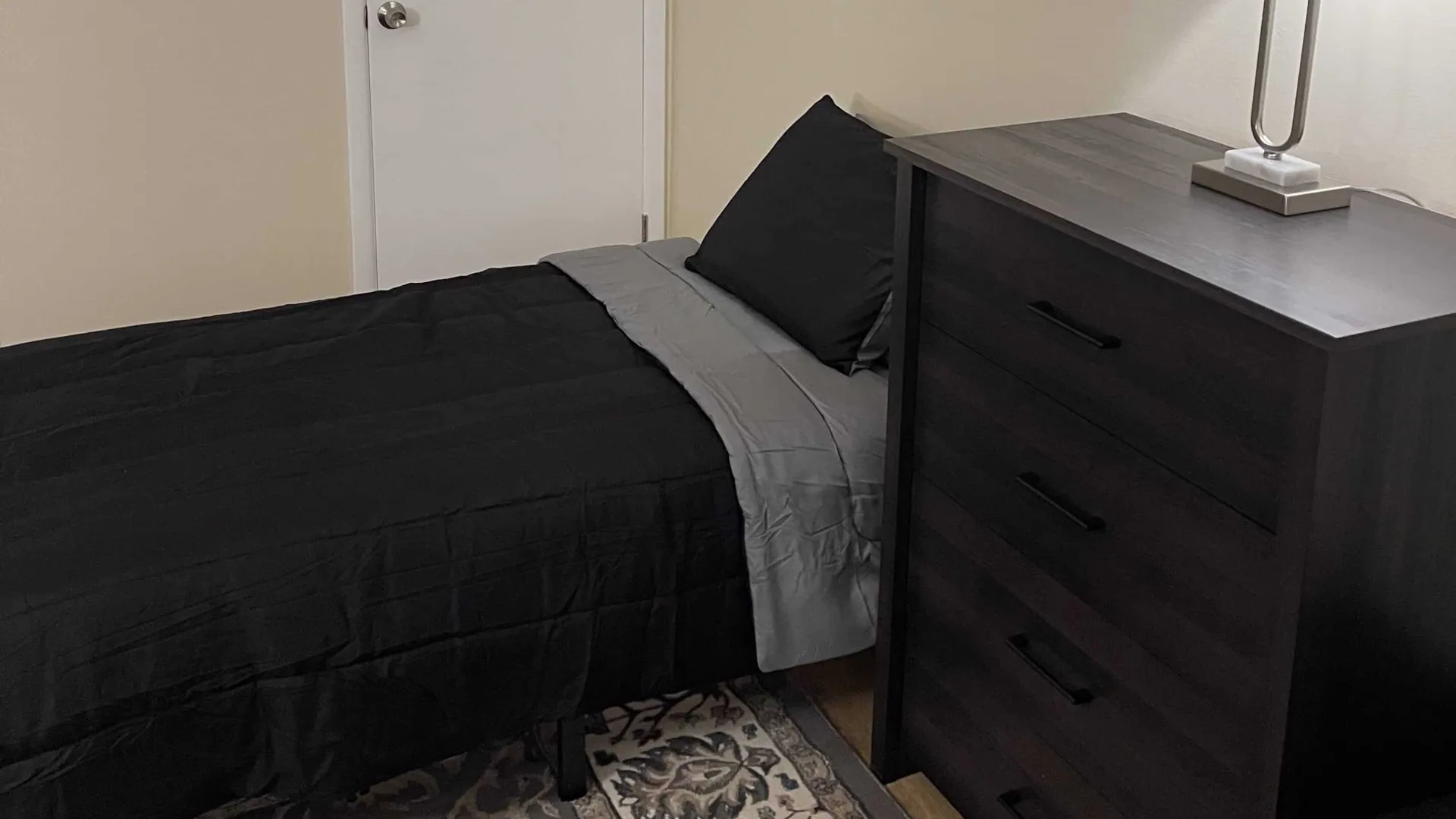
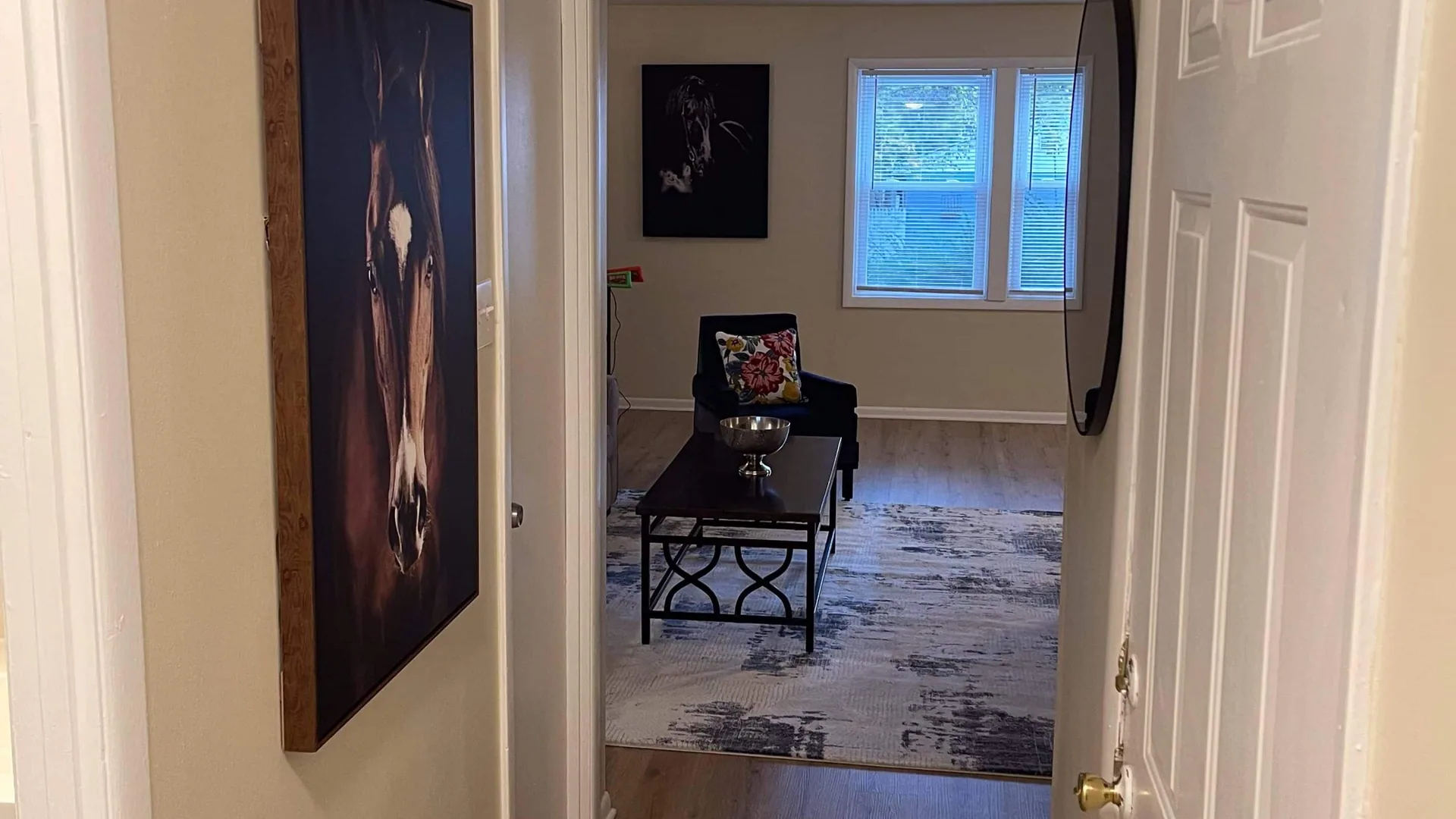
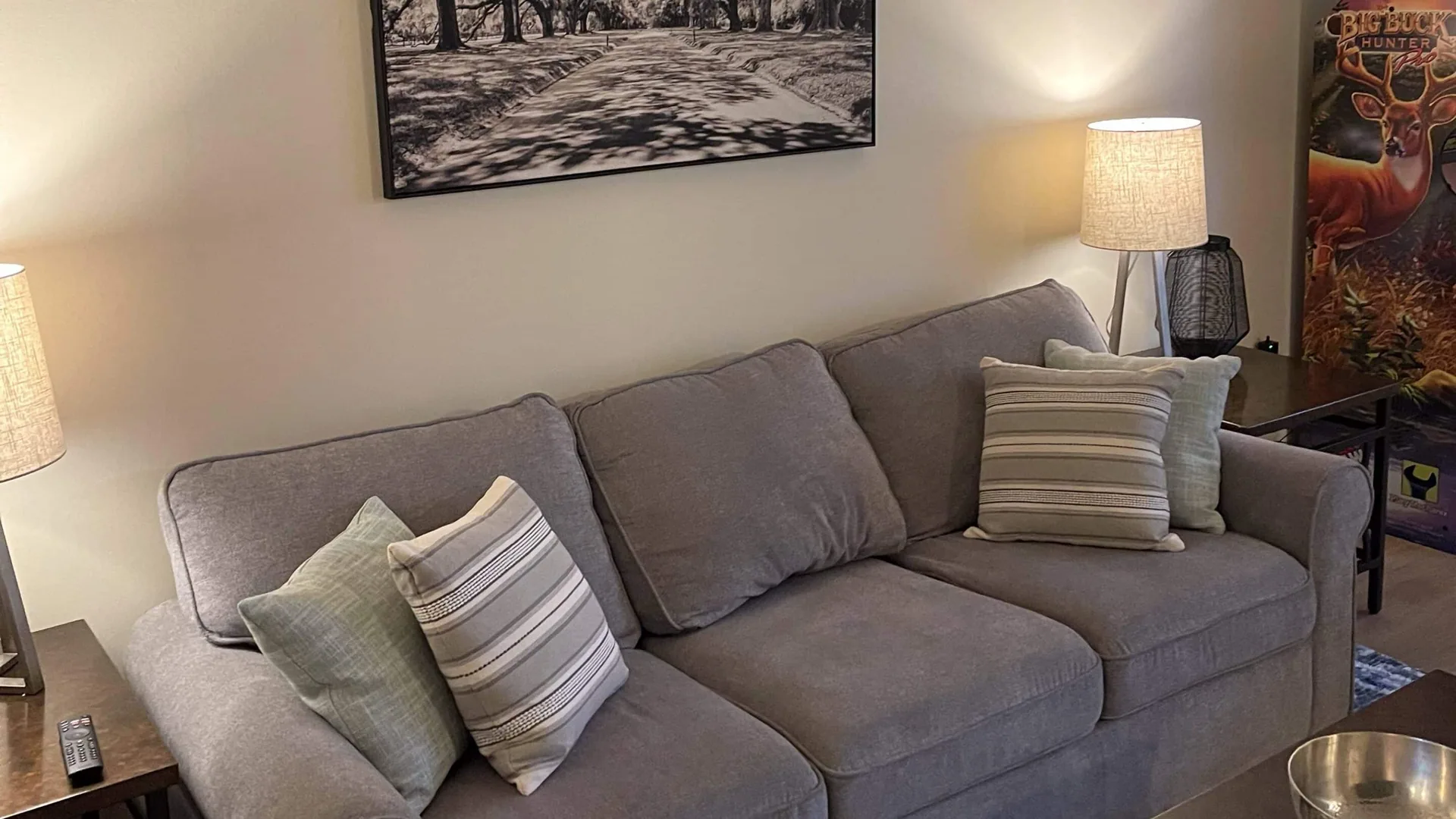
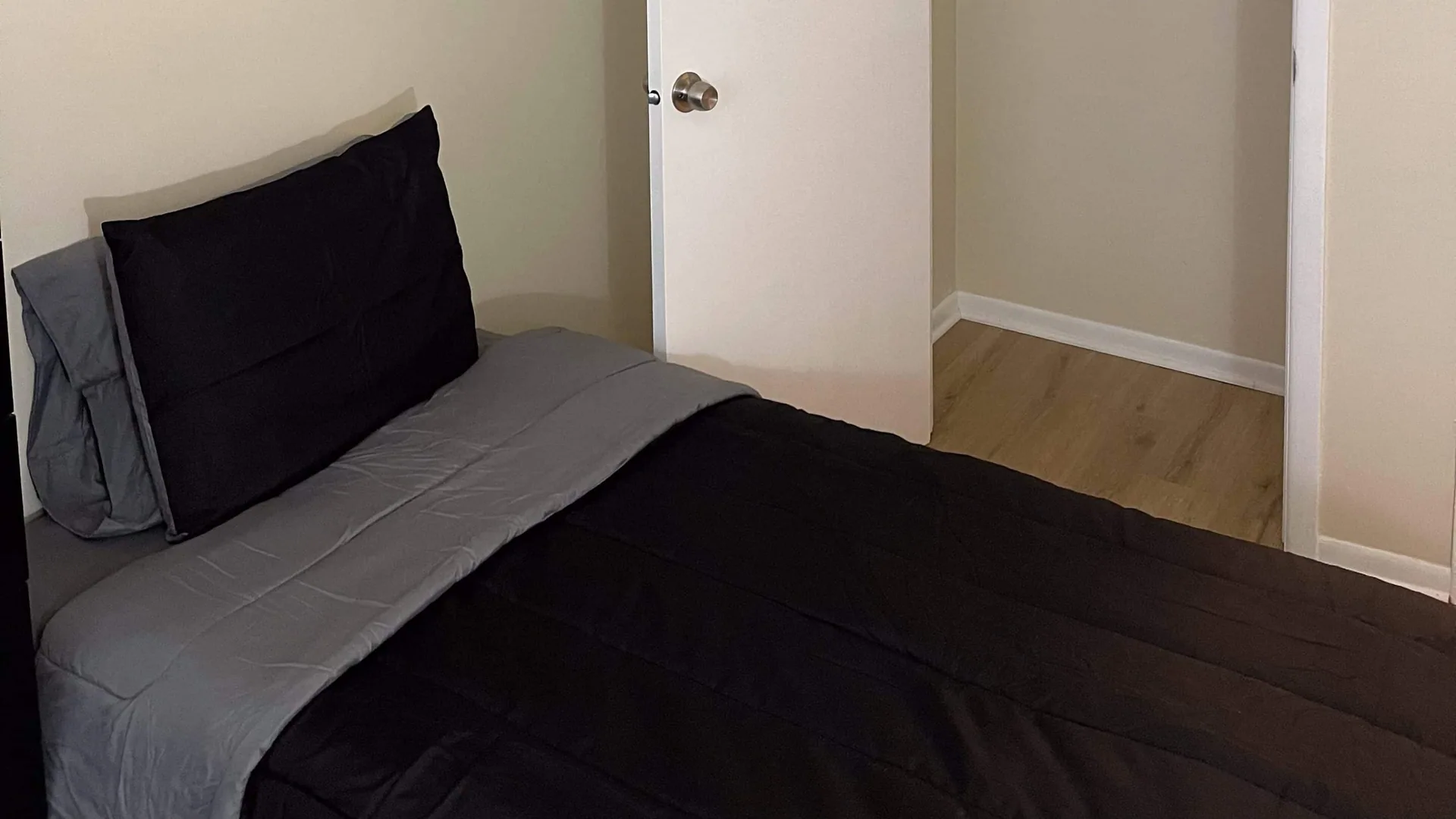
Inside the Philadelphia homes





What to Expect Day‑to‑Day: Rules, Curfews, and Community
Most homes maintain clear house rules and culture to protect recovery. Expect the following in many Philadelphia recovery residences:
Drug/alcohol testing (often random and observed) and a zero‑tolerance policy for use.
Curfews And accountability structures, e.g., sign‑in/out, chore schedules, shared responsibilities.
House meetings and peer supportCommunity is a core part of the model.
Work/school/volunteering encouraged; many residents attend IOP/OP treatment or mutual‑help meetings.
Remember, sober living is designed to help you build stability: routines, employment or education, and a recovery‑first life that lasts beyond move‑out.
Neighborhoods & Access: Think Transit, Jobs, and Meetings
When comparing homes, map out travel times to work or school, meeting locations, and outpatient clinics. The less time you spend commuting, the easier it is to maintain routines. Consider if the neighborhood’s energy fits your recovery style, some people prefer quieter areas; others thrive near city amenities and employment centers. (Use SEPTA trip planner times during your evaluation.)
Life After Move‑In: Building a Recovery‑First Routine
Strong sober living programs complement outpatient treatment and recovery supports. In Philadelphia’s system, practice guidelines emphasize recovery, resilience, and self‑determination, principles that align well with the culture of quality recovery residences. Keep a weekly rhythm: meetings, therapy/IOP, work/school, chores, and healthy social time. Over time, transition from structure to independence with a solid support network.
Eudaimonia's Success Stories – Real People, Real Freedom
Frequently Asked Questions (FAQ)
What is a sober living home, and how is it different from rehab?Sober living is a drug‑ and alcohol‑free shared home with rules, testing, and peer support. It is not a treatment program; most residents attend outpatient treatment, work, or go to school while living there.
Are sober living homes licensed in Pennsylvania?If a recovery house receives public referrals/funding, it must be DDAP‑licensed. Many homes also pursue PARR (NARR) certification, which is voluntary but signals quality.
How much does sober living cost in Philadelphia?Costs vary, but examples show weekly rates in the low hundreds or monthly rents in the mid‑hundreds for basic programs; premium options cost more depending on amenities and services. Always verify current pricing with the provider.
How long can I stay in sober living?There’s no one‑size‑fits‑all timeline. Many people stay several months to a year or more, based on goals and progress; ask each home about typical lengths of stay and graduation criteria.
What rules should I expect?Most homes require abstinence, drug/alcohol testing, curfews, house meetings, and chores. You’ll need to respect roommates and maintain the environment.
Is sober living covered by insurance in Pennsylvania?Insurance rarely pays rent for sober living because it’s not treatment; however, outpatient treatment services (IOP/OP/MAT) are often covered. For local referral pathways, contact BHSI (uninsured) or your CBH‑network provider (Medicaid).
What’s the difference between a halfway house and a recovery house in PA?“Halfway house” can refer to licensed residential programs, while “recovery house/sober living” focuses on housing with structure but not treatment. Licensing and oversight differ; ask about DDAP licensure and any certifications.
How do I find open beds?Call providers directly and check Oxford House vacancies for peer‑run options. City agencies and treatment providers can help with referrals, especially when public funding is involved.
Do I need to be in treatment to live in sober living?Many homes require ongoing outpatient treatment or meeting attendance; DBHIDS emphasizes coordination between homes and providers to support outcomes.
How do I know a home is reputable?Look for DDAP licensure (if applicable) and/or PARR certification, ask to review house rules, talk with current residents, and verify transparent pricing, staffing, and a clear relapse policy.
Your Future Is Waiting
Tell us what you are looking for and admissions will walk you through the houses, the phases, and what a room actually costs.


