

Published January 2, 2026 · Updated March 25, 2026
Key Takeaways
- Know what sober living is so you can separate recovery housing from clinical treatment and set realistic expectations.
- Clarify “halfway house” meaning before you rely on results from searches like “couples halfway houses near me.”
- Expect clear house rules including routines, accountability, and boundaries that support both partners’ recovery.
- Check if it’s a fit by considering safety, readiness, and whether living together supports or strains sobriety.
- Search Austin options wisely by using directories, verifying couples policies, and asking specific questions before touring.
- Compare “top sober homes” using objective quality signals like written policies, resident protections, and consistent enforcement.
- Plan for total costs by confirming monthly rent, what’s included, and how budgeting changes when two partners are placed.
- Understand Eudaimonia’s approach to couples support so your expectations match the housing structure available in Austin.
- Know when you need more than housing, including when to seek higher-level care or urgent crisis support.
On This Page · 32 Sections

Sober Living
Austin
10506 Parkfield Dr, Austin, TX 78758
Searching for a sober living house for couples in Austin, Texas often starts with “sober living for couples near me” or “couples halfway houses near me.” Those searches can pull up many kinds of housing, and the labels are not always clear.
This guide explains what sober living homes for couples usually are, how they differ from other options, and what to look for if you want a safe and structured place to rebuild daily life.
What sober living homes for couples are
Sober living homes for couples are alcohol- and drug-free residences that focus on structure, peer support, and clear house rules. They are often part of “recovery housing,” meaning a home environment that supports sobriety while residents return to work, school, outpatient care, and community life.
Sober living vs. treatment
Sober living is usually not the same as clinical treatment. Treatment programs often include medical or licensed services, such as detox, therapy, and formal care planning. Sober living focuses on daily stability, rules, routines, and accountability, so people can practice sober skills outside of treatment.
Sober living vs. “couples halfway houses near me”
“Halfway house” can mean different things. In the criminal-legal system, a halfway house (often called a residential reentry center) supports people who are nearing release, with structured supervision and reentry help. In addiction care, some people use “halfway house” as a casual term for transitional sober housing. If you search couples halfway houses near me, confirm which type it is and whether couples are allowed. For an Austin-focused comparison and decision framework, see our guide to halfway house alternatives in Austin.
For a federal explanation of halfway houses as Residential Reentry Centers, review the BOP definition of halfway houses (RRCs).
How couples sober living houses usually work
Each residence sets its own rules, but many follow a similar pattern: a substance-free environment, routine expectations, and shared accountability. National standards describe sober living as housing that uses house rules and peer accountability to help keep a safe, drug-free home.
NARR outlines how many sober living homes use house rules and peer accountability as core safety features in its NARR standards for sober living homes.
Common rules and expectations
Many couples sober living houses use some mix of curfews, house meetings, chores, and random substance tests. Rules may also cover guests, respect, and required sober support. The main goal is to lower risk by making daily life more predictable.
Boundaries for couples
Couples often do better when the residence supports both the relationship and the individual. That can mean each partner has personal sober duties, such as their own sponsor, meetings, or therapy, while also building shared routines. These boundaries can reduce the risk that one partner becomes the other’s main “enforcer,” which can add stress.
When sober living for couples may be a fit
Sober living for couples can be a good match when both partners want sobriety, can follow rules, and can handle conflict without escalation. It can help after inpatient care, during outpatient care, or during a transition like returning to work.
For a broader view of couples-focused recovery housing options across the state, see our sober living for couples in Texas guide.
Screening and readiness
Many residences screen for safety and readiness. This may include a sobriety requirement, agreement to testing, and an expectation of active sober work. Some homes also look at relationship stability, since intense conflict can raise relapse risk.
When separate housing may be safer
In some cases, living together is not the safest option. Ongoing violence, threats, or repeated sabotage of sobriety can signal that separate housing and more support are needed. A licensed professional can help map out safer steps.
Eudaimonia's Success Stories – Real People, Real Freedom
Benefits of sober living homes for couples
Couples sober living houses can help when the environment is well run and both partners stay engaged. The benefits usually come from structure, less access to substances, and support beyond the relationship.
A stable, substance-free place to live
A drug- and alcohol-free residence can reduce access and limit day-to-day triggers. That stability can make it easier to focus on sleep, meals, and consistent responsibilities.
Structure that supports follow-through
Early sobriety can feel shaky, especially right after inpatient care. Curfews, meetings, and routines can reduce “open time,” which is often when cravings and quick choices show up. Structure is not a cure, but it can support follow-through.
Accountability that is shared
A key advantage of sober living is that support does not rely only on the couple. Peer support, house leadership, and outside meetings can create a wider safety net. Guidance and research often describe recovery housing as a supportive, home-like environment with peer support that helps people sustain sobriety.
Clear rules can support trust
Addiction can blur boundaries and increase secrecy. A residence with written rules and steady follow-up can reduce confusion. For couples, that can support trust-building, because the “rules of the house” are not being re-argued in every conflict.
Practice healthier talking in daily life
Couples may learn tools in therapy, but daily living is where skills get tested. Shared chores, schedules, and stress can bring up old patterns. A sober environment can make it easier to pause, use coping skills, and ask for help before conflict becomes a relapse trigger.


Connection to Austin’s sober community
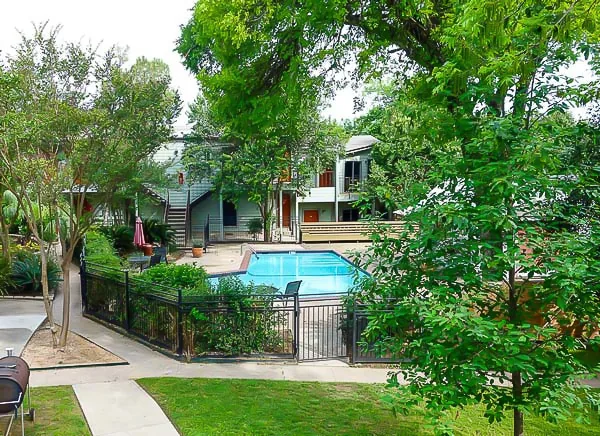
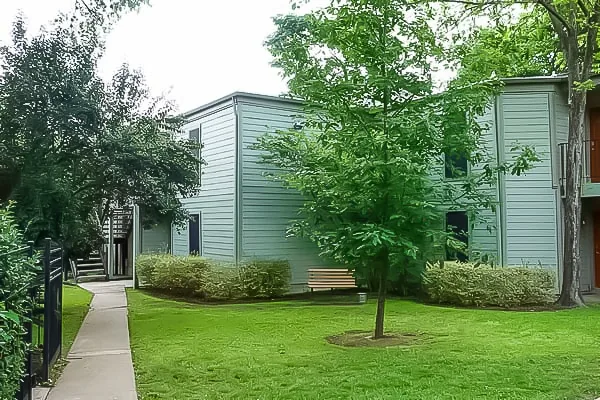
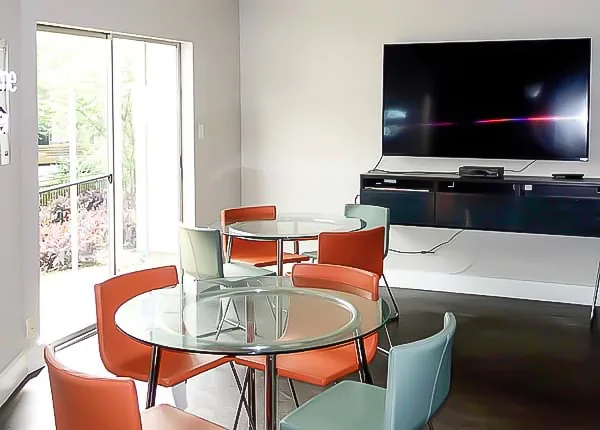
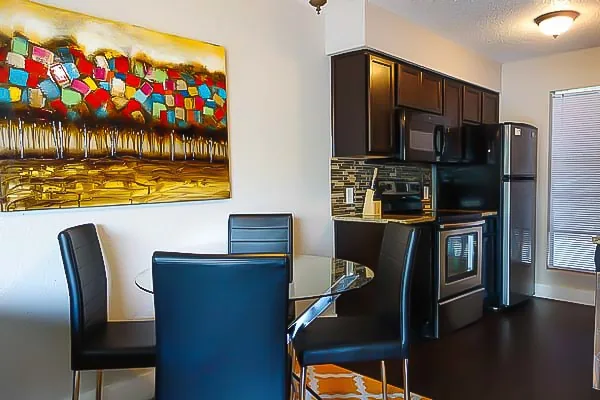
Austin has many peer-support meetings and sober activities across the city. A structured residence can make it easier to keep a weekly rhythm, work, appointments, and meetings, without moving straight back into a high-risk environment.
Finding “sober living for couples near me” in Austin
When people search sober living for couples near me, they are balancing location and trust. Location matters for jobs and appointments. Trust matters because “sober living” is not one single model, and quality can vary.
If you want a location-based overview of housing options and what structured sober living typically includes, review our sober living in Austin, TX page.
Use directories and standards as a filter
In Texas, the Texas Recovery Oriented Housing Network (TROHN) offers education, a directory, and a way to file a grievance. Nationally, NARR describes levels of recovery residences and how sober homes use rules and peer accountability. These tools do not replace a tour, but they can help you compare options using shared terms.
In Texas, TROHN is described by NARR as the affiliate responsible for certification, a directory, and a grievance process; see TROHN’s role in certifying recovery housing in Texas.
Questions to ask before you choose a home
A short call can show whether a residence is likely to fit. Consider asking:
- Are couples allowed, and what living setup is offered?
- What are the screening and sobriety rules for each partner?
- What sober activities are required each week?
- How are relapses handled, and what leads to discharge?
- How are privacy, visitors, and boundaries handled for couples?
- What is the monthly cost, and what does it include?
For a broader checklist (including common red flags), use this guide on how to choose a sober living home.
“Near me” in Austin can still be far
Austin is spread out, and commute stress matters. Many couples focus on access to work areas, outpatient visits, and meeting locations. It can help to plan around the schedule you have now, not only the schedule you hope to have later.
For a deeper breakdown of neighborhoods, costs, and what to compare, see our complete guide to Austin sober living homes.
How to compare “top sober homes” without relying on labels
Searches like “top sober homes” or “top sober house” are common, but “top” is not a regulated label. In practice, it often means the home is consistent, clear, and focused on resident safety.
If you want a structured checklist for comparing options, read our guide on top sober homes in Austin.
Look for written policies and resident protections
Ask for written rules, expectations, and a move-in agreement. Policies about respect, reporting concerns, and how decisions are made can tell you more than photos. NARR also points to ethics and resident rights as part of quality recovery housing.
Confirm what support is real and what is optional
Some homes are peer-run. Others have house managers or staff. Either model can work, but it should be clear what support exists day to day and what services require outside providers.
Match cost to your plan
A higher price does not always mean a better fit. A “top sober home” for one couple may be the wrong setting for another. Ask what is included (utilities, furnishings, supplies), what is extra, and what happens if one partner leaves before the other.
Cost and planning for a couples sober living house
Costs vary by area, room type, and what is included. Couples often plan for housing fees, transportation, and ongoing care costs. It also helps to plan for time, not just rent, because stability often builds over months.
For Austin-specific ranges and what fees commonly include, see our sober living cost breakdown in Austin.
When you may need more than housing
If either partner is dealing with withdrawal, severe cravings, or serious mental health symptoms, a higher level of care may be needed. Treatment and sober living can work together. Housing alone may not be enough during a crisis.
Crisis and immediate help
If there is an immediate safety emergency, call 911. For treatment referral and information, SAMHSA’s National Helpline is available 24/7 at 1-800-662-HELP (4357). If you or someone else is in emotional distress or suicidal crisis, call or text 988.
You can confirm both numbers in one place on SAMHSA helplines (988 and 1-800-662-HELP).
How Eudaimonia Recovery Homes Supports Couples in Austin
Eudaimonia Recovery Homes can support Sober Living for Couples in Austin, TX by offering a structured, substance-free living environment designed to help residents stay focused on daily recovery. For many couples, the biggest benefit is having clear house expectations that reduce uncertainty and make it easier to build stable routines.
A sober home setting can also help both partners practice accountability without relying only on each other to “police” sobriety. Eudaimonia can be a practical option for couples who want housing that fits around work, outpatient care, and recovery meetings in the Austin area. A consistent living setup can reduce common relapse triggers tied to isolation, unstructured time, and stressful housing changes. Couples may also benefit from being part of a recovery-focused community where support is broader than the relationship itself.
In addition, having a clear intake process and house guidelines can help couples understand whether the environment matches their goals and boundaries. Overall, Eudaimonia Recovery Homes can help couples focus on stability, responsibility, and long-term follow-through while they rebuild day-to-day life in sobriety.
Your Future Is Waiting
Tell us what you are looking for and admissions will walk you through the houses, the phases, and what a room actually costs.


