

Published December 9, 2025 · Updated February 18, 2026
Key Takeaways
- Looking beyond halfway houses often means choosing recovery-focused housing instead of programs that are mainly tied to the justice system.
- Texas halfway houses usually function as structured reentry centers for people leaving prison on supervision, with time‑limited, state‑linked stays.
- Sober living homes are the primary halfway house alternative in Austin, offering voluntary, abstinent, peer‑supported housing between treatment and independent living.
- Sober vs halfway models differ in purpose, funding, and length of stay, with sober living focused on long‑term recovery rather than legal requirements.
- Daily structure in sober living includes house rules, curfews, drug testing, chores, and regular recovery activities that help residents build stable routines.
- Housing options in Austin range from men’s and women’s homes to couples and LGBTQ+ sober living, allowing people to choose the peer environment that fits best.
- Costs and funding for sober living are usually paid by residents, and truly free sober living is rare, though some programs offer scholarships or sliding‑scale rent.
- Starting a sober house in Austin requires meeting local housing standards, following recovery‑housing best practices, and creating clear written policies and procedures.
On This Page · 25 Sections

Sober Living
Austin
10506 Parkfield Dr, Austin, TX 78758
After detox or rehab, many people are not ready to move straight back home. They want structure, sober housing, and support, but not the justice‑system focus that often comes with a halfway house.
In Austin and across Texas, residential sober living homes are the main halfway house alternatives for people whose priority is recovery, not parole.
This guide explains what a halfway house is in Texas, how sober living houses differ, and how to decide which type of sobriety home fits your needs in Austin.
Why People Look Beyond a Halfway House
When people first hear about a halfway house, they often picture a place that blends freedom with supervision. In Texas, though, halfway houses mainly serve people leaving prison and moving onto parole, rather than anyone finishing addiction treatment.
If you are coming from a detox or rehab program and not from incarceration, you may prefer alternatives such as:
- Residential sober living homes focused only on recovery
- Gender‑specific recovery homes for men or sober living homes for women
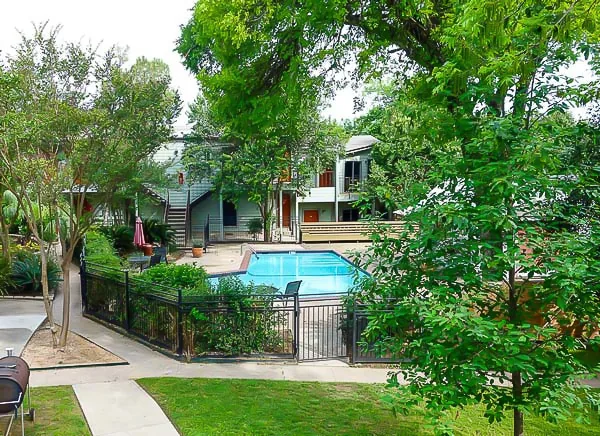
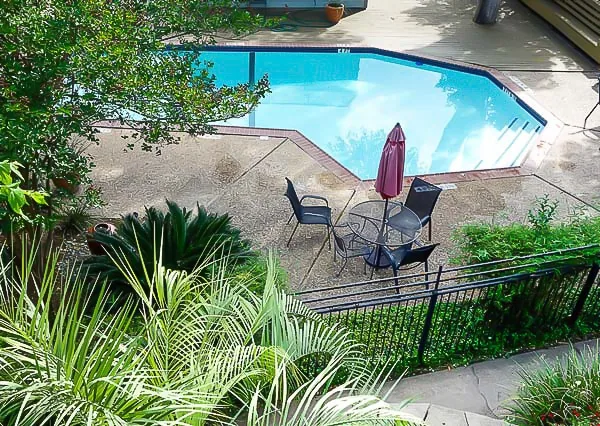
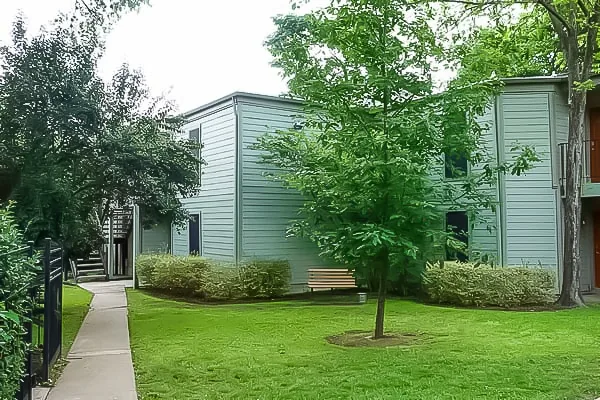
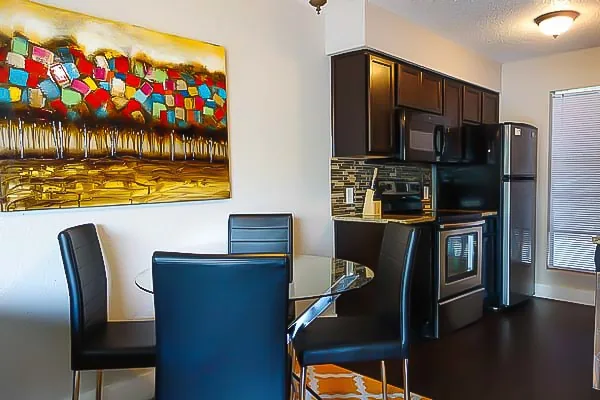
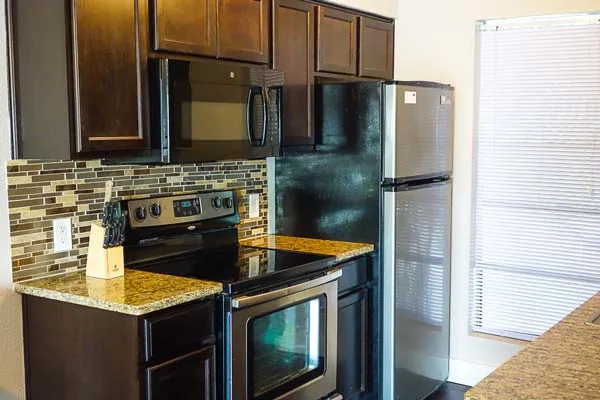
- Smaller, more comfortable sober living homes that feel like shared apartments rather than institutions
Online searches like “best sober living homes,” “best sober living houses,” or “sober living places in Austin” usually reflect this desire for recovery‑focused housing instead of half way homes tied to the criminal‑justice system.
What “Halfway House” Means in Texas
Across the U.S., the term “halfway house” can mean many things: addiction housing, community corrections, or a mix of both. In Texas, a halfway house has a more specific role.
- It usually serves people leaving prison and transitioning to parole.
- It may be funded or contracted by the state.
- Stays are often time‑limited and tied to legal or supervision requirements.
You may see listings for a halfway house for men, a male halfway house, or similar terms. These facilities often have dorm‑style rooms, strict curfews, and detailed reporting requirements. For someone whose only goal is stable recovery after treatment, that level of security and supervision may feel unnecessary.
Because of this, many people search for half way homes that are not correctional in nature, and they end up looking at sober living instead.
Sober Living Homes as Austin’s Primary Alternative
Typical sober living environments
Sober living homes, sometimes called sober housing, sober living center programs, or simply “sober home living”—are residences where everyone agrees to stay abstinent and participate in house life.
Common features include:
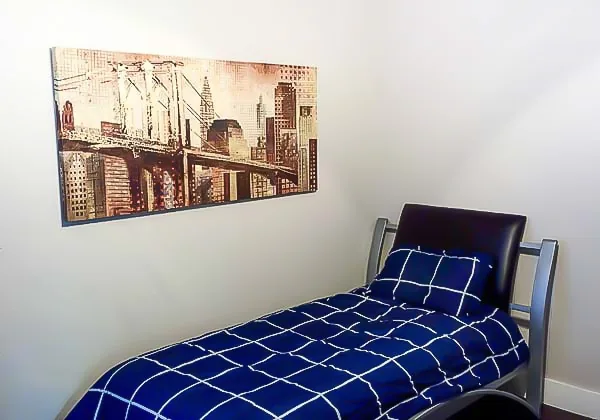
- Shared or private bedrooms in a house or apartment
- A house manager or peer leader
- Regular drug and alcohol testing
- House meetings and basic chores
- Weekly or daily connection to outside recovery meetings or therapy
National standards describe these as sober living environments or “recovery residences” that emphasize peer support, safe housing, and accountability rather than clinical treatment.
In Austin, Eudaimonia Recovery Homes provides sober living in Austin, TX with gender-specific homes and apartment-style options that follow this recovery-focused model.
Types of residential sober living in Austin
Austin’s recovery community offers a range of residential sober living options:
- Recovery homes for people of all genders
- LGBTQ+ sober living in Austin
- Apartment‑style programs that feel like independent sober living places
- Structured homes with curfews and on‑site support staff
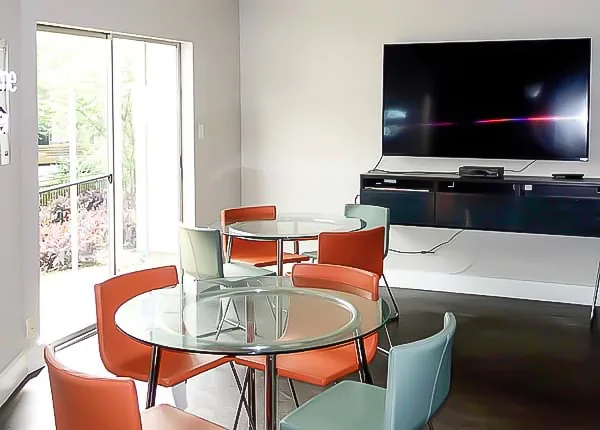
Programs like Eudaimonia Recovery Homes provide gender‑specific houses and fully furnished apartments in Austin, sometimes grouped with intensive outpatient services, job search help, or transportation.
Difference Between Sober Living Home and Halfway House
Many people search for “difference between sober living home and halfway house” or “difference between sober house and halfway house” before they decide where to live. The distinctions matter, especially in Texas.
For a deeper comparison of these models, see our full guide on the difference between sober living homes and halfway houses.
Key contrasts, based on Texas‑specific and national guidance:
Purpose
- Sober living: Voluntary housing that supports long‑term recovery after treatment.
- Halfway house: Often focuses on social and legal reintegration for people on parole or in court‑mandated programs.
Funding
- Sober living homes are usually paid for by residents’ rent and fees.
- Halfway houses are frequently government‑funded or subsidized.
Length of stay
- Sober living residents can often stay as long as they follow the rules.
- Halfway house stays are usually time‑limited and set by contracts or legal requirements.
Structure and feel
- Sober living homes aim for a home‑like setting with peer support and shared responsibility.
- Many halfway houses feel more institutional and may resemble dorms.
Some programs may describe themselves as a sober living halfway house, combining elements of both models, but it is still important to ask about funding, rules, and who they primarily serve.
To clarify these models, the NARR National Standard 3.0 defines four levels of recovery residences and sets baseline expectations for abstinent housing, governance, and recovery support services across the continuum of recovery housing.
Eudaimonia's Success Stories – Real People, Real Freedom
Daily Life and Sober Living Home Rules
Research on sober living homes shows that residents often improve substance use outcomes, employment, and legal status while they live in structured recovery residences.
Typical sober living home rules include:
- No alcohol or drug use, with regular testing
- Participation in 12‑step meetings, SMART Recovery, or other support
- Curfews and overnight‑stay policies
- Respectful behavior toward roommates and staff
- Completion of agreed‑upon chores
- School, work, or active job search for able residents
In many homes, this kind of structure makes sober home living feel predictable and safe without being as strict as an inpatient facility. Over time, residents practice budgeting, cooking, and time management so that moving out of the sobriety home feels like a natural step rather than a cliff.
Summarizing multiple longitudinal studies, the Alcohol Research Group’s sober living houses research shows that residents typically report sustained reductions in alcohol and drug use, fewer arrests, and better employment outcomes over 12 to 18 months.
Options for Men, Women, and Couples
Austin has many gender‑specific and specialized sober living options.
- Men’s programs. A mens sober house or other recovery homes for men may emphasize accountability, employment, and peer mentorship among male residents. In Austin, Eudaimonia Recovery Homes operates men’s sober living in Austin that follows this approach.
- Women’s programs. There are sober living homes for women and sober living houses for women that focus on safety, trauma‑informed support, and parenting or family issues. Eudaimonia offers women’s sober living in Austin that provides this kind of recovery‑oriented housing.
- Couples and co‑ed options. Some sober living homes for couples or couples sober living houses allow partners to live in the same property, sometimes in separate rooms or units. Policies on dating and co‑ed living vary, so it is important to ask each house for details.
Choosing between these options comes down to comfort level, personal history, and what kind of peer group feels most supportive.
Costs, Insurance, and Free Sober Living
Sober living homes in Texas are usually not covered by insurance and are funded by resident rent, sometimes with small program fees.
- Average rents often fall somewhere between “shared housing” prices and modest apartment rates, depending on amenities.
- Luxury sober living properties may cost more, especially if they include private rooms and extra services.
Because of this funding model, free sober living is uncommon. People who need low‑ or no‑cost options sometimes explore:
- State‑funded halfway houses, if they qualify through the justice system
- Nonprofit recovery residences with scholarship beds
- Short‑term help from treatment programs or community charities
When comparing costs, it can help to ask whether utilities, furnishings, transportation, or internet are included in rent, since these can add up outside a structured home.
How to Start a Sober House in Austin
Some readers are less interested in moving into a house and more curious about how to start a sober house or how to start a sober living house of their own. Setting up a sober living facility in Texas involves several steps.
1. Research state and local requirements.
Texas sober living homes must meet basic housing and safety standards, such as being structurally sound, clean, and properly furnished, and many cities have zoning rules for group housing.
2. Align with recovery‑housing standards.
Groups like the National Alliance for Recovery Residences (NARR) and the Texas Recovery‑Oriented Housing Network set best‑practice guidelines related to ethics, resident rights, and operations. Registering or certifying with these bodies can build trust.
In Texas, the Texas Recovery Oriented Housing Network (TROHN) serves as the statewide NARR affiliate, certifying recovery residences that meet national standards, offering a grievance process, and publishing a directory of accredited homes.
3. Develop clear policies.
Written rules about sobriety, curfews, visitors, payments, refunds, and discharge help keep the sober living facility consistent and fair for everyone.
4. Plan for staffing and oversight.
Even a small sober living center or house needs someone responsible for safety checks, conflict resolution, and drug testing.
Starting a sober living home is a serious commitment; legal counsel and consultation with experienced operators in Austin are recommended.
Connecting Sober Living With Treatment and Community Support
Sober living works best as part of a broader recovery plan. Many residents step down from medical detox or residential treatment into residential sober living instead of returning directly home.
In Central Texas, for example, people may attend detox at Briarwood Detox Center, complete inpatient or outpatient care at Nova Recovery Center, and then move into structured sober living at Eudaimonia Recovery Homes as the final step in a full continuum of care.
No matter where someone receives clinical treatment, the goal of sober living is the same: a safe, temporary base where they can practice recovery, rebuild routines, and gradually move toward independent life.
Choosing the Best Sober Living Houses for Your Needs
Because “best sober living homes” and “best sober living houses in Austin” are subjective, it helps to define what “best” means for you. Consider:
- Location relative to work, school, or support meetings
- Whether you prefer a quiet neighborhood or busier part of town
- House size, roommate expectations, and available privacy
- Level of structure, from more flexible homes to those that feel close to a sober living halfway house
Ask each program for a written list of rules, costs, and what is included in rent. A reputable sobriety home will answer questions openly, allow you to tour if possible, and encourage you to compare options instead of pressuring you to sign up immediately.
In Austin, halfway houses still play an important role for people leaving incarceration, but they are not the only path. For many people in recovery, sober living houses, apartments, and other recovery residences offer a more flexible, recovery‑centered way to bridge the gap between treatment and independent life.
How Eudaimonia Recovery Homes Supports Halfway House Alternatives in Austin
Eudaimonia Recovery Homes offers structured sober living in Austin that acts as a recovery‑focused alternative to traditional halfway houses. Residents live in alcohol‑ and drug‑free homes where clear rules, regular drug testing, and house meetings help support daily accountability. Gender‑specific homes and apartment‑style options allow people to choose an environment that fits their comfort level and stage of recovery.
Each residence is designed to feel like a real home, which helps residents practice everyday skills such as budgeting, meal planning, and maintaining a routine. Eudaimonia also encourages participation in outside recovery meetings, therapy, or outpatient services, so housing and treatment work together rather than in isolation. On‑site staff or house managers monitor safety, respond to concerns, and reinforce the expectations that keep the community stable.
For people leaving detox or rehab, this combination of structure and independence can ease the transition back into work, school, and family life. Because stays are not tied to court or parole requirements, residents and their support teams can focus primarily on long‑term sobriety goals. In this way, Eudaimonia Recovery Homes serves as a practical option for those who want the support of a halfway house alternative in Austin without the justice‑system emphasis.
Your Future Is Waiting
Tell us what you are looking for and admissions will walk you through the houses, the phases, and what a room actually costs.


