
Published October 18, 2021 · Updated June 23, 2026
On This Page · 9 Sections
Integrate mindfulness practices and principles with cognitive-behavioral relapse prevention skills.
Perhaps you’ve completed rehab, and now you’re starting to resume a normal life. Indeed, there are many more challenges to overcome. So, how do you cope with everyday challenges and emotions? What do you do if you feel an urge to use drugs or drink alcohol?
In rehab, you should have had lengthy discussions with treatment professionals about how to address these issues. More than likely, you also created a relapse prevention plan to help you cope. But, it’s always helpful to have a sobriety toolbox that’s overflowing with resources that will help you stay sober. Mindfulness-based relapse prevention is one such tool you should carry with you in recovery.
Related post: How to Practice Mindfulness in Sobriety
What Are the Benefits of Mindfulness-Based Relapse Prevention, and How Does It Work in Recovery?
Mindfulness-Based Relapse Prevention (MBRP) is an evidence-based approach that combines mindfulness practices with cognitive-behavioral relapse-prevention skills. Its core benefit is teaching people to notice cravings, triggers, and difficult emotions with awareness rather than reacting automatically, creating a pause between urge and action where a healthier choice can be made. Over time this reduces the power of cravings, improves emotional regulation, lowers stress, and strengthens the self-awareness that protects long-term sobriety.
It works by training you to observe internal experiences (thoughts, feelings, physical urges) non-judgmentally, so a craving becomes something you can ride out rather than something that controls you, a skill often called “urge surfing.” Through guided meditation, breathing exercises, and present-moment awareness practiced over a structured program, MBRP helps replace automatic relapse patterns with mindful, intentional responses.
What is mindfulness-based relapse prevention?
Mindfulness-based relapse prevention (MBRP) is a type of aftercare treatment for drug and alcohol addiction. It integrates mindfulness practices and principles with cognitive-behavioral relapse prevention skills. Dr. Alan Marlatt and his colleagues developed MBPR at the Addictive Behaviors Research Center at the University of Washington.1
Through MBRP, people in recovery use mindful awareness to be present in the current moment and acknowledge that they have a choice to make. MBRP helps individuals recognize that they have control over their behavior and can choose to respond to triggers in ways that support their sobriety rather than derail it.
Nonetheless, the creators of mindfulness-based relapse prevention did not intend for it to replace other forms of addiction treatment. Instead, researchers designed it to be an extension of treatment that helps people maintain the positive changes they’ve made in rehab. They created the approach to help people in the early stages of recovery when they are most likely to relapse.
What are the primary goals of MBRP?
According to Dr. Alan Marlatt and his colleagues, the primary goals of this treatment approach include:2
- Become more aware of personal triggers and your reactions to them: MBRP can help you develop a personal awareness of your triggers, as well as how you tend to respond to them. Often, this process feels automatic, but MBPR helps you stop the habitual reactions and develop a more mindful approach that empowers you by helping you realize your control over your behavior.
- Modify your relationship with discomfort: The discomfort caused by negative emotions and physical experiences is unpleasant. However, MBRP helps you learn how to recognize these experiences, acknowledge them, and respond in a way that’s conducive to your recovery. Instead of judging your thoughts and cravings, MBRP helps you disconnect from them and change your perspective on discomfort.
- Learn to be more compassionate toward yourself: Additionally, MBRP can help you foster a nonjudgmental attitude toward yourself and your experiences as you work through the challenges of early sobriety.
- Build a lifestyle that supports ongoing recovery: As you establish a new life for yourself after addiction treatment, MBRP can help you prioritize mindfulness and your recovery as you build a healthy daily routine.
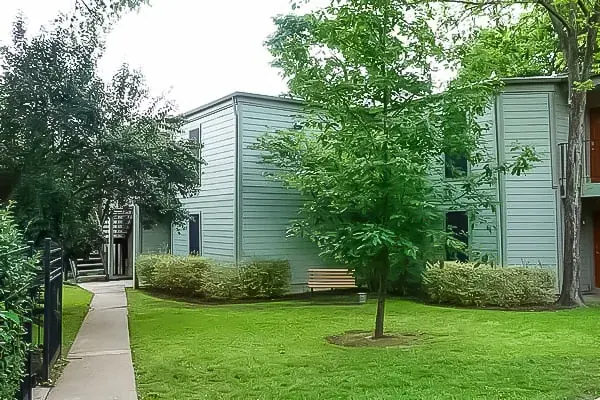
Inside Rustic Creek, our Austin flagship







How does mindfulness-based relapse prevention work?
Mindfulness-based relapse prevention essentially helps you sustain long-lasting recovery by teaching you to use mindfulness practices to support your sobriety and address old and new triggers.3
First of all, one of the main techniques used in mindfulness-based relapse prevention is called urge surfing. To do this, you use mindfulness practices to ride the wave of an urge or craving to prevent giving in to it. Essentially, you acknowledge the desire without acting on it and allow it to pass, like a wave that washes over you.
When you have cravings or urges to use drugs or drink alcohol, it’s all too easy to give into them, even when you know it’s not the right thing to do. In fact, sometimes it can even feel like an automatic response that you can’t control.
Instead, MBRP works by helping you manage your emotional distress and take the time to respond intentionally to urges. Consequently, emotions like shame, fear, or anger are less likely to lead to relapse.
How effective is MBRP?
A 2014 study designed to measure the effectiveness of MBRP compared to cognitive-behavioral relapse prevention and 12-Step approaches found that it was significantly effective in reducing relapse rates.4
Undoubtedly, MBRP is effective. Regardless, mindfulness-based relapse prevention is a treatment technique that’s most effective when it’s learned in a therapeutic context with an addiction treatment professional or therapist. So, if you’re attending individual or group therapy sessions to enhance and support your recovery, MBRP may be an excellent topic of discussion or another treatment method to explore.
Is mindfulness-based relapse prevention right for me?
Researchers have found that MBPR is best suited for people who have already completed initial treatment for drug and alcohol addiction and wish to maintain the positive lifestyle changes they’ve made. Yet, like other types of aftercare treatment, the best relapse prevention methods will depend on the individual and their treatment needs.
MBPR is all about establishing the practice of mindfulness and developing self-compassion. In doing so, you’ll become more resilient to challenges related to your addiction. Trying to resist or control urges is futile. Instead, using mindfulness-based relapse prevention to enhance your recovery might produce better results and help you sustain the positive changes you worked so hard to achieve in rehab.
If you’ve already completed detox and rehab and you find that you struggle to cope with cravings and urges to use, mindfulness-based relapse prevention might be a good fit for you.
Related post: 5 Myths About Relapse Debunked
Recovery support for all at Eudaimonia Recovery Homes
To conclude, at Eudaimonia Recovery Homes, we recognize that the journey of addiction recovery is different for everyone. We provide a wide range of recovery support services to help our clients sustain long-lasting and fulfilling recovery, including:
- Peer Recovery Support Specialist Program
- Individualized three-phase program for each client
- Employment assistance
- Volunteer placement
- Educational planning
- Regular alcohol and drug screening
Eudaimonia also operates several sober living homes and apartments in Austin, Houston, and Colorado Springs. Our experienced sober house managers run these homes and are also available to assist and guide residents as needed. Additionally, many of our residents also complete our intensive outpatient program (IOP), which provides ongoing treatment and support as they gradually assimilate into a lifestyle of recovery.
If you’re new to sobriety, our staff can help you achieve long-term success. Through various recovery support services, IOP, and access to therapeutic care, the caring professionals at Eudaimonia can help you learn how to manage your emotional experience and behavior as you adjust to your new sober life after rehab. Please call (713) 818-2361 to learn more about our sober living homes and recovery support services when you’re ready.
References: