

Published February 6, 2026
Key Takeaways
- Start with safetyCheck withdrawal risk and know when medical care is the safest option.
- Pick a targetDecide whether to cut back on alcohol or quit completely based on risk and control.
- Remove frictionSet up your environment, scripts, and if-then plans that prevent impulse drinking.
- Get through week oneUse a simple 7-day structure to stabilize sleep, mood, and routine.
- Handle cravingsUse urge-surfing and short reset skills when you want to drink.
- Add supportKnow the levels of care, detox, therapy, IOP, and sober living, that make quitting sustainable.
- Respond to slipsUse a 24-hour reset plan to prevent a lapse from turning into a relapse.
- Support someone elseHelp a loved one with boundaries and next steps without taking over.
On This Page · 34 Sections
If you are searching for how to quit drinking, you are usually trying to solve two problems at once: stop the alcohol and stay safe while you change. If you are asking, “how can I stop drinking,” the best place to start is a safety-first plan.
This guide shares practical, recovery-informed advice to quit drinkingIncluding how to cut back on alcohol and how to quit drinking alcohol completely.
Important safety note: If you drink heavily, drink every day, or have had withdrawal symptoms before, stopping suddenly can be dangerous. The safest way to stop drinking alcohol is to get a medical evaluation first, especially if you are unsure about your withdrawal risk.
- Best way to quit drinking alcohol: match the plan to your physiological risk, triggers, and support.
- Easy way to stop drinking (in real life): reduce access, increase accountability, and use short craving skills.
- How to stop drinking alcohol at home: only attempt this if your risk is low and you have a clear safety plan.
Start with safety: can you stop drinking at home?
Before you focus on willpower, start with safety. Alcohol withdrawal is the body’s stress response after alcohol is reduced or stopped, especially after long-term heavy drinking. Withdrawal can range from mild discomfort to life-threatening complications. A medical overview from MedlinePlus on alcohol withdrawal explains common symptoms, including when urgent care is appropriate.
If you want a plain-language timeline, see our guide on how long alcohol withdrawals last. It explains when symptoms often start, when they peak, and why medically supervised detox is safer for many heavy drinkers.
One key mindset shift: Physical dependence is a biological adaptation, not a personal failure. If your nervous system has adjusted to alcohol, you need a safety-first plan, not shame.
Quick self-check: signs you may be physically dependent
You do not need a label to take safety seriously. Physical dependence means your nervous system has adapted to alcohol, so a sudden stop can create over-activation. If several items below are true, quitting booze may be riskier than it looks, and a clinician-guided plan is a safer next step:
- You drink in the morning to steady nerves or stop nausea.
- You get shaky, sweaty, anxious, or nauseated when alcohol wears off.
- You have needed more alcohol over time to feel the same effect.
- You have tried to stop drinking liquor and felt worse instead of better.
Red flags: get medical help before you quit drinking
If any of the items below apply, the best way to stop drinking is to get clinical guidance before you stop:
- You have had seizures, hallucinations, or delirium tremens in the past.
- You drink every day and feel withdrawal symptoms between drinks.
- You have significant medical conditions (heart disease, liver disease) or you are pregnant.
- You take sedatives or other medications that affect the central nervous system.
- You cannot have a sober support person check on you during the first 72 hours.
If you are already having severe confusion, hallucinations, chest pain, fainting, or a seizure, call 911 or go to an ER. This is not the moment to “push through.”
Decide your target: cut back on alcohol or quit completely
The best way to quit drinking alcohol is the plan you can follow consistently and safely. For some people, the first step is to cut back on alcohol consumption. For others, the safest path is abstinence because “one” reliably turns into more. The right next move is often a few clear tips to quit drinking, not a perfect life overhaul.
Think of this as choosing a target behavior, reduction or abstinence, plus the support that makes it sustainable. Your target can change over time as you learn what your brain and body will actually tolerate.
Cutting back vs. quitting: a simple decision guide
- Consider cutting back first if your risk is low, you do not have withdrawal signs, and your goal is to reduce harm while you build coping skills.
- Consider quitting completely if alcohol is harming your health, relationships, work, or safety, or if you have tried to cut back on drinking and it never sticks.
If you feel stuck, use a structured tool to clarify your next step. NIAAA’s Rethinking Drinking “Thinking about a change” page includes plain-language prompts and worksheets to help you decide how to cut back on drinking alcohol or quit.
How to cut back on alcohol: a structured “step-down” plan
If your risk is low and your goal is to reduce drinking first, treat it like a behavior-change project. These steps make cutting back more realistic than relying on motivation alone:
- Track your baseline for 7 days: when you drink, how much, and what you felt right before.
- Set a measurable limit: not “less,” but a number you can track and follow.
- Slow the pace: drink water between drinks and avoid high-alcohol “top ups.”
- Build alcohol-free days: start with one or two and protect those evenings with plans.
- Calibrate weekly: adjust your limits using your tracking data, not guilt or ego.
If you cannot keep the limits you set, that is useful information, not a reason to quit trying. Many people move from “cut back” to “quit drinking safely” after they see how strong the habit loop is.
What “tapering” means (and what it does not mean)
Tapering means reducing your drinking gradually rather than stopping suddenly. People use a taper to lower withdrawal risk, but it is not a DIY guarantee. If you have withdrawal risk, the safest plan is clinician-guided. If your risk is low and you are cutting down, the goal is to reduce both quantity and speed Of drinking, not to “switch” to a different type of alcohol.
Build a quit plan that removes friction
Most people fail because the plan is vague. The easy way to quit drinking is not a secret trick. It is a low-friction system. These are practical ways to give up drinking that make alcohol harder to access and sobriety easier to maintain, one day at a time, with clear rules you can repeat.
Step 1: write your “why” in one sentence
Keep it specific and personal. Examples: “I want to stop drinking liquor so I can be present with my kids,” or “I am leaving alcohol because it is worsening my anxiety.” Put it on your phone lock screen so you see it during cravings and decision fatigue.
Step 2: reduce access and plan your environment
- Clear alcohol from your home (or ask a friend to do it).
- Avoid “high-risk” hours for the first week, especially late afternoons and nights.
- Stock simple alternatives: flavored water, tea, electrolytes, and easy meals.
- Move money and cards if impulse buying is part of your pattern.
Step 3: tell one person and make a check-in plan
Quitting works better with accountability. If social pressure is a trigger, use simple scripts that reduce debate and protect privacy. A simple script like “No thanks, I’m not drinking tonight” can help you handle events without over-explaining.
Step 4: build “implementation intentions” for predictable triggers
Pick three high-risk situations and write a simple if-then plan. Example: “If I drive past the liquor store after work, then I will take the longer route home and call someone for five minutes.” This is boring, but it is effective because it reduces decision-making in the moment.
Step 5: plan for the “HALT” moments
Many urges are not about alcohol. They are about being hungry, angry, lonely, or tired. If you can predict your HALT moments, you can protect them: eat earlier, step out of stressful rooms, message someone supportive, and go to bed on purpose.
Eudaimonia's Success Stories – Real People, Real Freedom
A step-by-step plan for the first 7 days
If you are quitting at home with low risk, your first week should focus on stabilization and routine. This is often the most practical way to safely stop drinking. If you are in medical detox or working with a clinician, follow that plan first and use the steps below as supportive structure. These are simple tips for quitting alcohol that reduce decision fatigue.
- Day 0 (today): Set a start time, remove alcohol access, and schedule a check-in with one person.
- Day 1: Eat three times, hydrate, and keep the day simple. Expect sleep disruption and mood swings.
- Day 2–3: Protect evenings. Plan one recovery action after work: walk, meeting, therapy homework, or journaling.
- Day 4: Rebuild routine: wake time, meals, movement, and a “no negotiating” bedtime.
- Day 5–6: Reduce isolation and boredom on purpose. Schedule one sober activity with another person.
- Day 7: Review triggers and wins. Update your plan for the next 7 days, not “forever.”
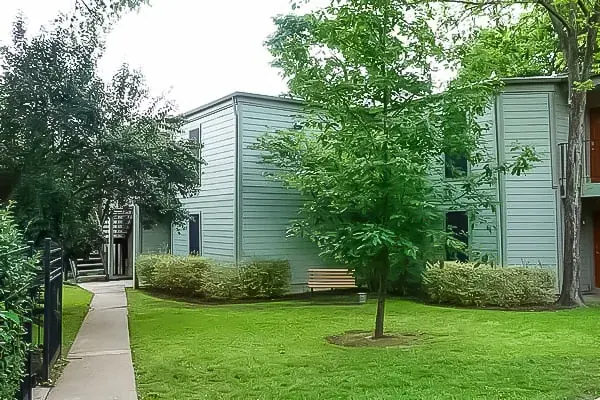
Inside Rustic Creek, our Austin flagship







What you might feel in early sobriety
Many people feel better physically before they feel better emotionally. Sleep architecture can be disrupted, anxiety can spike, and irritability can increase; this does not mean quitting is not working. It often means your nervous system is recalibrating and learning new regulation strategies.
Tips to stop drinking when evenings are the danger zone
- Change location: do not sit in the same chair where you usually drink.
- Change inputs: eat protein, drink water, and lower caffeine after noon.
- Change contact: message a support person before cravings peak.
- Change the script: “Not tonight” is enough. You do not owe a debate.
Cravings: what to do when you want to drink
Cravings are not proof you are failing. They are a learned brain-and-body alarm that usually peaks and falls within minutes. If you have ever thought, “I want to drink but I’m not drinking,” treat that moment like an emergency drill, not a moral test.
Cravings often get easier over time, but the timeline varies. Our guide on when alcohol cravings stop explains why urges fade in stages and how detox differs from longer-term cravings.
Urge surfing: a practical skill for alcohol cravings
Urge surfing is a mindfulness-based technique that treats a craving like a wave: it rises, crests, and falls. Instead of fighting the urge, you observe physical sensations (tight chest, restless hands) while you choose a safe action. This approach often reduces the feeling that cravings are “commands.”
The “3-minute reset” for an alcohol craving
- Delay: set a timer for 3 minutes and breathe slowly.
- Drink: have water, tea, or something with electrolytes.
- Disrupt: change rooms, step outside, or take a brief walk.
- Decide: choose the next safe action (message, meeting, shower, food).
When you want to drink but you are staying alcohol-free
Some urges are emotional and specific: shame, grief, loneliness, or anger. If you feel “I want to drink but not drinking,” name the feeling out loud and choose one action that matches the real need (connection, rest, food, or calm). That small translation often reduces intensity.
Medication and treatment support for cravings
Some people benefit from medication as part of recovery, especially when cravings are persistent or relapse risk is high. Our overview of alcohol craving medication and getting help explains common options and how to pair them with counseling and recovery support.
How to quit alcohol safely with real support
If you have tried the best way to stop drinking and keep restarting, the issue is rarely motivation. It is usually a support gap, plus a habit loop that was built over time. Alcohol use disorder is treatable, and many people need more than self-help tools to stabilize and stay steady.
Treatment often works best as a continuum of care: detox for medical safety, therapy for skill-building, outpatient programming for structure, and recovery housing for daily accountability. Your exact mix depends on your health, history, and environment.
Where to start if you need help now
If you are in the U.S. and want confidential help finding treatment, SAMHSA’s National Helpline offers free, 24/7 referral support for individuals and families.
Levels of care that can support quitting
- Medical detox: best for moderate to high withdrawal risk, especially with past severe symptoms.
- Therapy: builds coping skills, addresses anxiety or depression, and strengthens relapse prevention planning.
- Intensive outpatient (IOP): structured treatment while you live at home or in recovery housing.
- Sober living / recovery housing: a substance-free environment (sometimes called a halfway house) with accountability, routine, and peer support.
If you want to learn what IOP involves and how it can fit with work or school, see our overview of intensive outpatient treatment.
Recovery housing and sober living can add routine, peer support, and clear boundaries that reduce relapse risk during early change.
If you slip: what to do next (without shame)
A slip does not erase progress, but it is a signal that the plan needs adjustment. Shame often keeps people drinking. A fast, practical response helps you safely stop drinking again sooner and reduces escalation.
Lapse vs. relapse: keep the response practical
A lapse is a brief return to drinking. A relapse is a return to old patterns. Either way, the most effective response is the same: reduce risk, reconnect to support, and tighten the plan.
24-hour reset plan after a slip
- Tell the truth quickly to one safe person. Secrecy fuels relapse.
- Remove remaining alcohol and avoid “hair of the dog.”
- Rehydrate and eat even if you do not feel like it.
- Identify the trigger chain: what happened in the 6 hours before you drank?
- Add one layer of support for the next week (extra meetings, therapy, IOP, or sober living).
Turn the slip into a lesson, not a verdict
Ask three questions: What did I feel? What did I tell myself? What did I do next? This is how you find the “gap” in your plan. Then you build a repair step that fits your real life, not your ideal life.
If slips are frequent, consider whether withdrawal, untreated anxiety, depression, or trauma is driving the cycle. That is a clinical problem, not a character flaw, and it deserves professional support.
How to help someone quit drinking (without taking over)
If you are searching for how to help someone quit drinking, focus on safety, boundaries, and one next step. You cannot control another person’s drinking, but you can reduce barriers to care and protect the people around them.
- Talk when they are sober and the moment is calm.
- Use “I” statements: “I’m worried about your health” works better than accusations.
- Offer specific help: a ride to an appointment, childcare for a meeting, help making a call.
- Set safety boundaries around driving, violence, money, and children.
- Refuse to cover consequences that keep the drinking invisible.
- Get support for yourself so you are not carrying this alone.
If you are unsure what level of care fits, start with a screening visit in primary care or a treatment referral call. Even one supportive conversation can be the first step toward lasting change.
How Eudaimonia Recovery Homes Supports How to Quit Drinking for Long-Term Success
Quitting alcohol can feel overwhelming at first, especially if you’ve tried to stop before and ended up back in the same routine. Eudaimonia Recovery Homes can help with how to quit drinking by providing a stable, substance-free living environment that reduces daily triggers and supports healthier habits. Instead of facing cravings and stress alone, you’re surrounded by peers who understand the process and can help you stay accountable. Many residents benefit from structure, such as consistent routines, recovery-focused expectations, and encouragement to build a support network.
Eudaimonia also helps people strengthen relapse prevention skills, so the goal isn’t just quitting alcohol, but staying alcohol-free in real life. For individuals who need more than willpower, recovery housing can add the missing layer of consistency that makes change stick. Additionally, when appropriate, Eudaimonia can support the transition into outpatient care and ongoing recovery resources that reinforce progress. Over time, this combination of accountability, community, and structure can make how to quit drinking feel more manageable and sustainable.
Your Future Is Waiting
Tell us what you are looking for and admissions will walk you through the houses, the phases, and what a room actually costs.