

Published November 6, 2025 · Updated February 18, 2026
Key Takeaways
- Sober living is housingNot treatment, and pairs best with licensed IOPs. Keep your nonprofit “housing‑only” and connect residents to outside IOP providers when clinically recommended.
- Know Houston and Texas rules before you lease or open. City vs. county permitting, certificates of occupancy, and (only if you deliver treatment) state licensure all affect your setup.
- Fair‑housing protections apply to men in recovery who are not currently using illegal drugs. Use reasonable‑accommodation practices and avoid blanket policies that create risk (e.g., across‑the‑board MAT bans).
- Form a Texas nonprofit and secure 501(c)(3) status early. File Texas formation documents, get an EIN, submit IRS Form 1023/1023‑EZ, and then apply for Texas tax exemptions.
- Build a clear, accountable house culture tailored for men. Set curfews, meeting requirements, work/school expectations, random testing, and a MAT‑friendly stance with coordination to prescribers.
- Partner with local, licensed IOPs rather than launching clinical services on day one. Make IOP participation policy‑driven while you remain a housing provider.
- Fund the mission with resident fees, donor‑funded scholarships, and grants. Use scholarships to create “free” or low‑cost beds and maintain equitable access.
- Handle property, safety, and permits as a standing checklist. Confirm zoning/occupancy, obtain required permits, maintain inspections, and consider TROHN certification for standards and referrals.
- Operate like a nonprofit with a working board and transparent policies. Adopt governance policies, track outcomes, carry proper insurance, and file your Form 990 each year.
- Standardize intake from first call to move‑in. Screen, verify IOP plans, complete UA on arrival, orient residents, and stabilize routines within 72 hours.
Starting a nonprofit sober living home for men can fill a real gap in Houston’s recovery system. This guide explains the model, the rules you must know in Houston and Texas, how to pair with intensive outpatient care (IOP), and where “free” or low‑cost options fit.
On This Page · 30 Sections
Sober Living
Houston
1010 Waverly St, Houston, TX
What “men’s sober living” means (and how it fits with IOP)
Sober living is housing, not a treatment center. It offers a safe, drug‑ and alcohol‑free home with peer support and basic structure. Residents follow house rules, pay program fees or rent, and work or attend school or treatment.
When sober living sits alongside intensive outpatient programs (IOP)—Often 8–12 weeks of group and individual therapyIt increases structure without removing daily freedom.
Houston & Texas rules at a glance
City of Houston: boarding/lodging permits
Many sober homes inside Houston city limits fall under boarding or lodging facility rules. Expect a pre‑application, certificate of occupancy, and an annual permit with inspections. Review the Houston Permitting Center’s “Residential Facilities” and Boarding Home pages before you sign a lease.
Harris County (outside city limits)
If your property is in unincorporated Harris County, you’ll work with the Sheriff’s Boarding Home Detail and related Class II permit steps; fire and life‑safety standards apply.
State licensing (only if you provide treatment)
Running an IOP yourself or any substance‑use treatment under your nonprofit requires Texas HHSC licensure as a chemical‑dependency treatment facility. Most housing providers don’t do this; they refer to licensed IOPs and keep their program non‑clinical.
Voluntary certification (TROHN / NARR)
Texas’ affiliate of NARR, the Texas Recovery Oriented Housing Network (TROHN), offers voluntary certification for recovery residences. Certification aligns you with national standards and can help with referrals and credibility. TROHN outlines costs, steps, and reviewer site visits.
Fair‑housing protections
People in recovery (not currently using illegal drugs) are generally protected under the Fair Housing Act (FHA). Cities and HOAs must consider reasonable accommodations (for example, group‑home occupancy). Your house rules must still protect safety and avoid direct threats.
Step‑by‑step: form your Texas nonprofit
1) Incorporate in TexasFile Form 202 (Nonprofit Corporation) with the Texas Secretary of State, appoint a registered agent, and adopt bylaws and a conflict‑of‑interest policy.
2) Get an EINApply for an Employer Identification Number (EIN) after formation (online with the IRS). You’ll use this for banking, payroll, and tax filings. IRS general guidance applies.
3) Apply for 501(c)(3)File Form 1023 (or 1023‑EZ if eligible) electronically to seek federal recognition as a charitable organization. Keep your mission and activities aligned with charitable purposes in the application and your bylaws.
4) Claim Texas tax exemptionsOnce you have an IRS determination letter, apply to the Texas Comptroller for sales‑ and franchise‑tax exemption (Form AP‑205 or AP‑204 based on your status).
Program model for men in Houston
House culture & daily structure
Keep the schedule simple, consistent, and transparent:
- Curfews & check‑ins with progressive privileges
- Meeting requirements (12‑step, SMART, church‑based, or mutual‑aid equivalents)
- Work/school readiness and weekly goal setting
- Random testing and clear relapse response paths (safety first)
- MAT‑friendly stance if you accept residents on buprenorphine or methadone; coordinate dosing with outside providers
This matches what top Houston pages highlight: safety, accountability, and routine. For examples of a structured daily routine and accountability, see our men’s sober living program
Partnering with IOPs (don’t build a clinic on day one)
Most men’s sober homes in Houston partner with licensed IOPs rather than run treatment themselves. Examples of reputable Houston‑area IOPs include Menninger Clinic, Nova Recovery Center, and Meadows Outpatient, each with structured, multi‑week curricula. Your home can set a policy that residents must attend an IOP or counseling if clinically recommended, while you remain a housing provider.
To compare neighborhoods, addresses, and availability, explore our Houston sober living homes and room options
For step‑by‑step intake and scheduling details, review our Intensive Outpatient Program (IOP)
Funding the mission (including “free” or low‑cost beds)
Build a mixed‑revenue model
Resident program fees/rent: Your base revenue stream: priced to cover housing, utilities, testing, and staff.
Donor‑funded scholarships: Create a “sponsor a bed” fund for men exiting detox/treatment with no savings.
Grants and partnerships: Watch Texas recovery‑housing and homeless‑services channels for opportunities (e.g., agencies listed by the Fletcher Group; coordinate with local CoC).
Where “free sober living Houston” fits
Truly free housing is rare; more common are low‑cost or scholarship‑supported beds. In Houston, referrals often include:
- Oxford House: Peer‑run, self‑supporting shared housing with modest weekly expenses. Residents manage the home democratically.
- Sober Living America (Houston): Faith‑based recovery housing that advertises help even when someone has “no money” (verify current terms and intake).
- Open Door Mission (men): Faith‑ and evidence‑based residential recovery for men; not the same as sober living, but important for no‑cost referrals.
- The Council on Recovery: Not housing, but a key access point regardless of ability to pay; good for assessments and navigation.
- Houston Recovery Center (Sobering Center): Short‑stay sobering and care navigation, not housing, but critical in crisis and linkage to services.
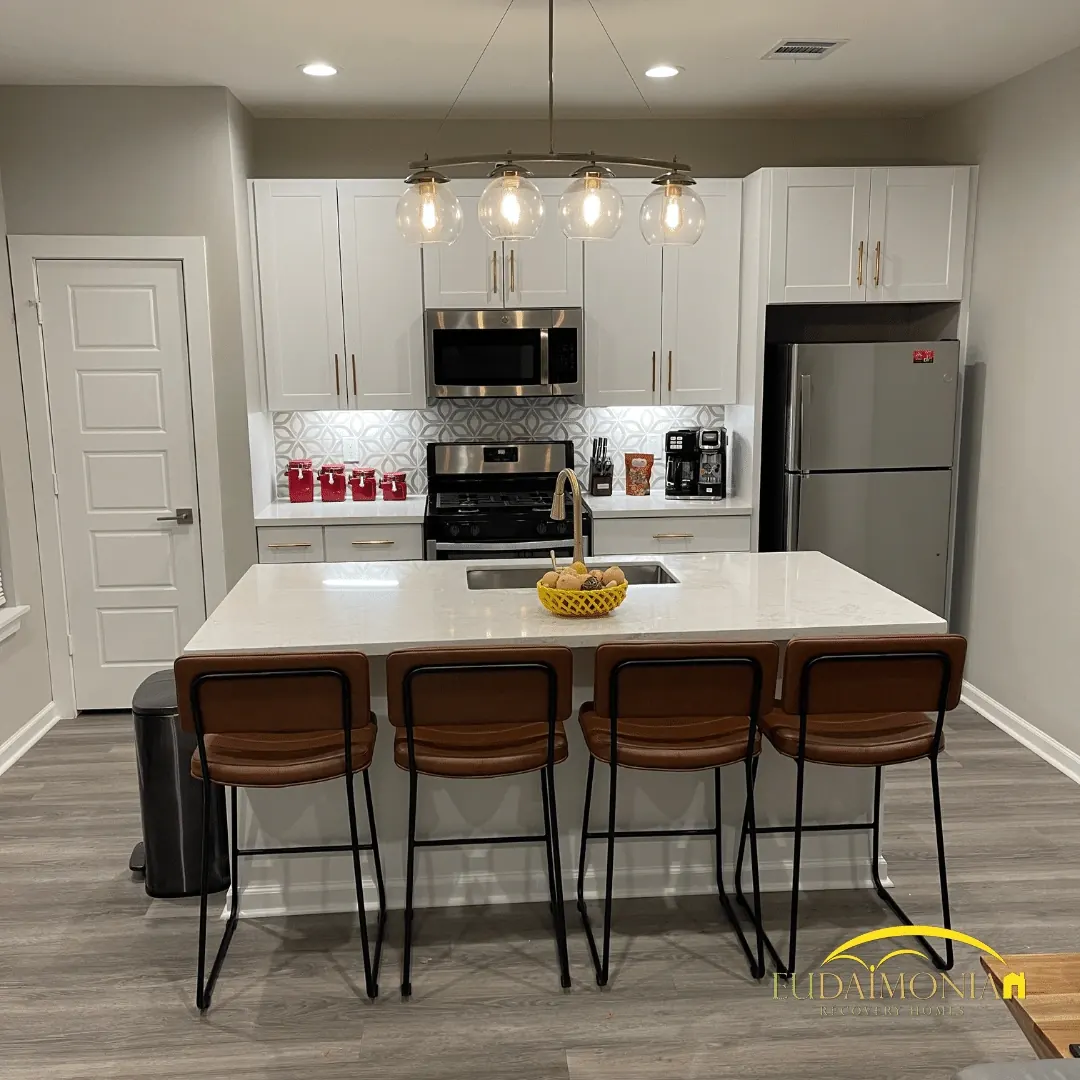
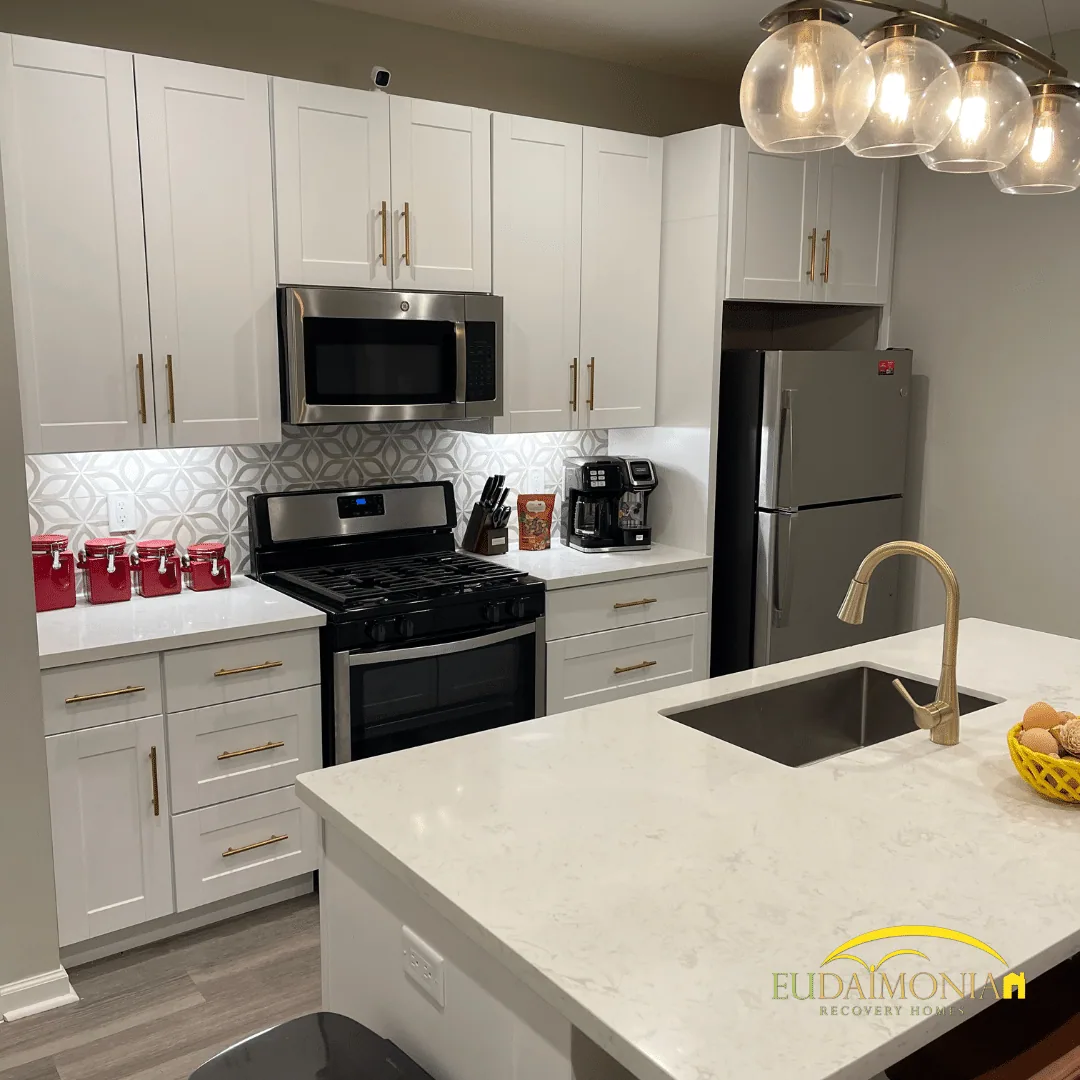
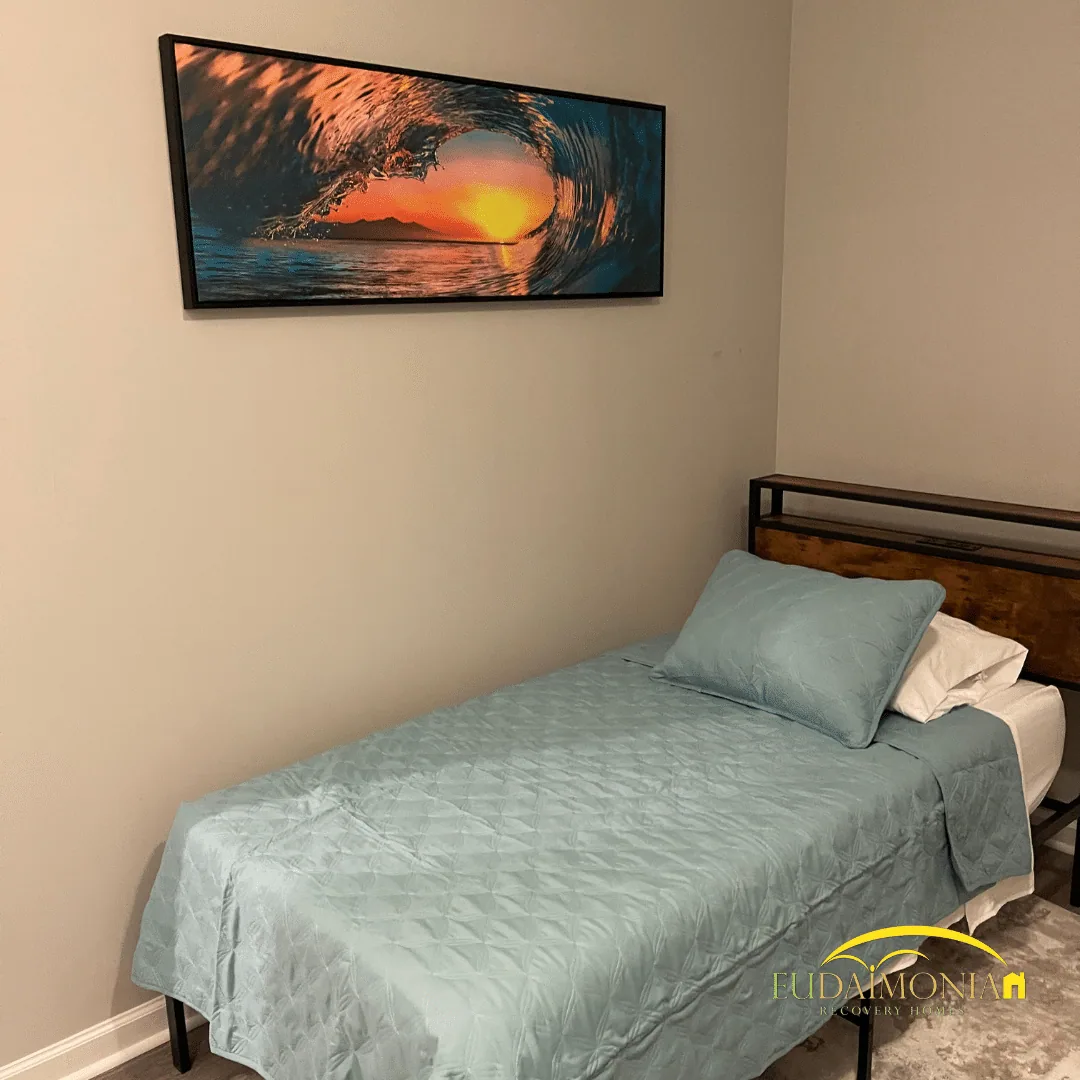
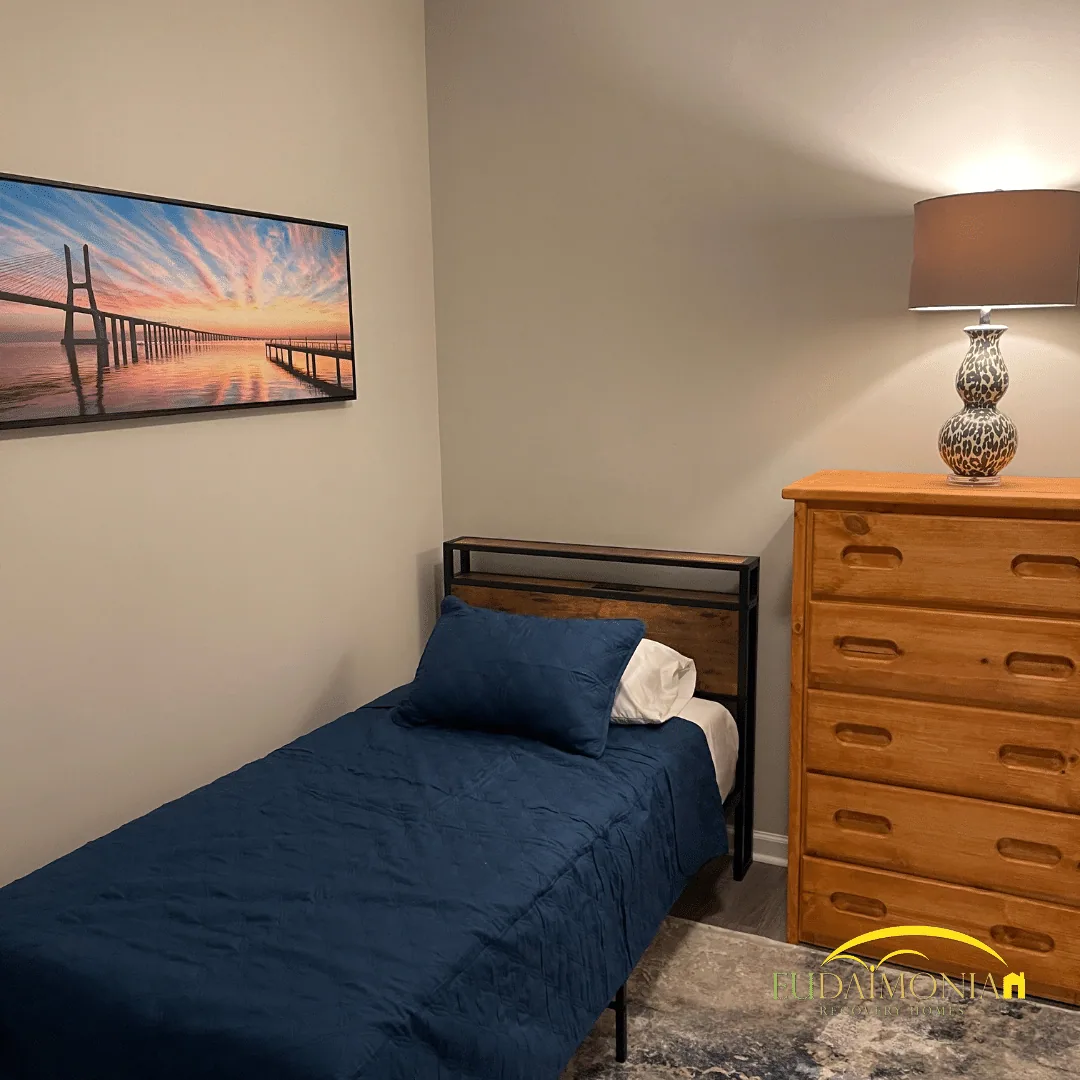
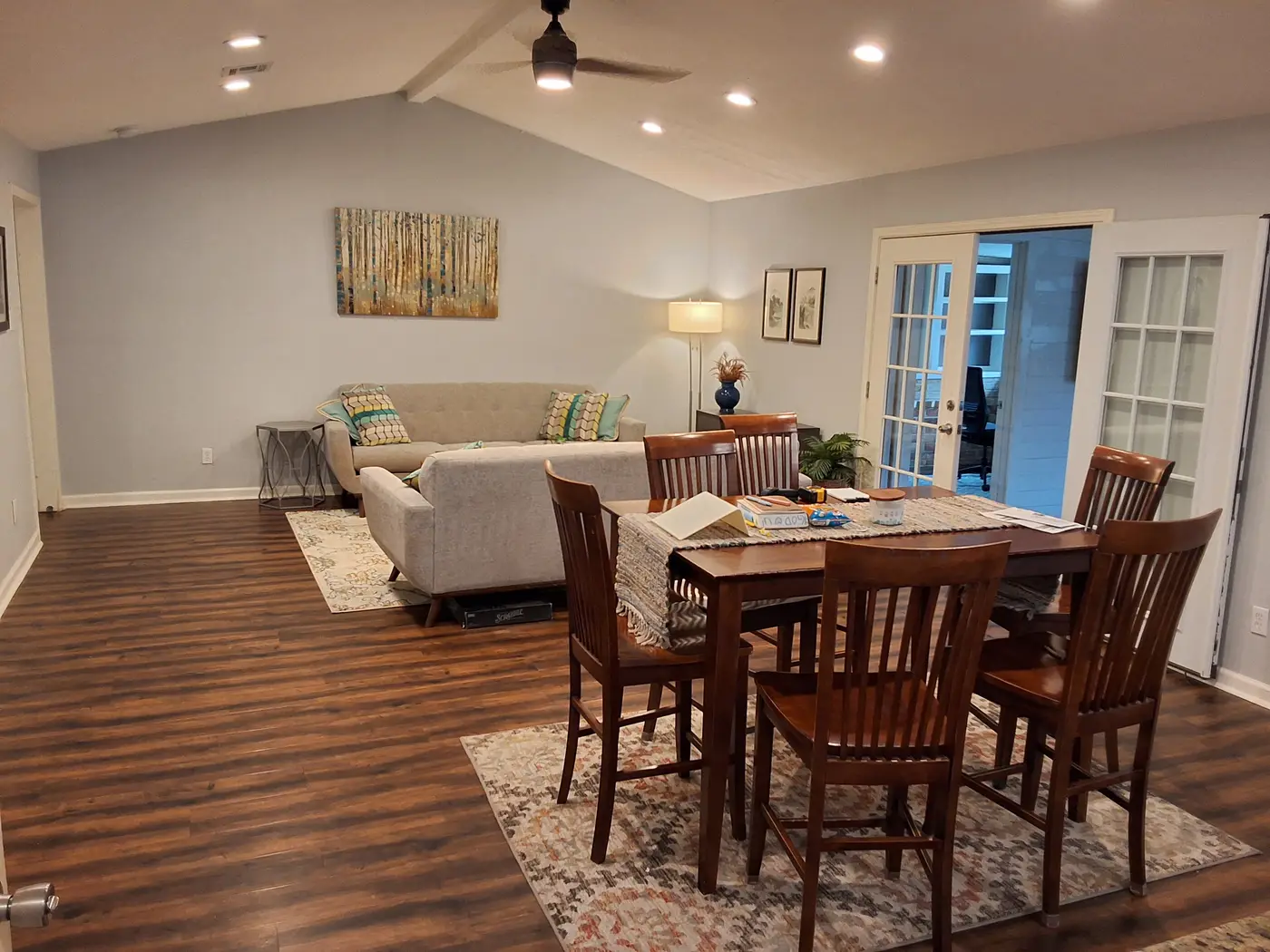
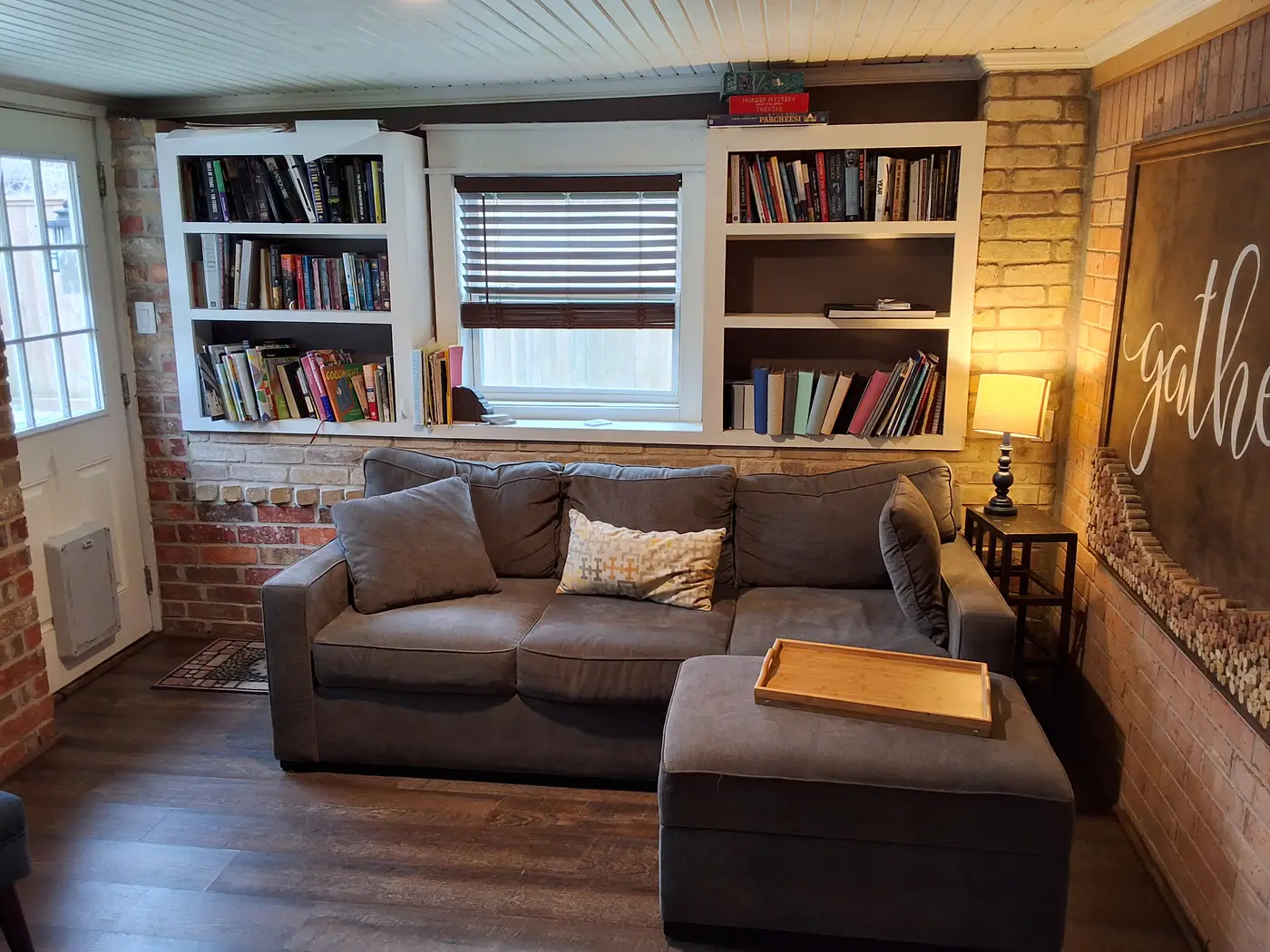
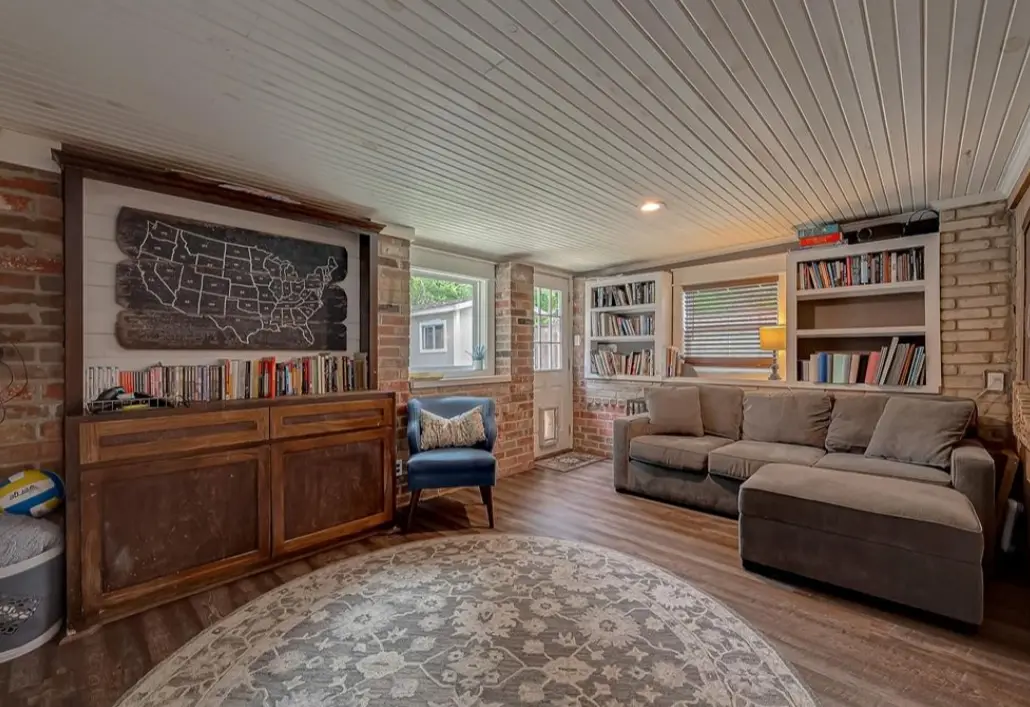
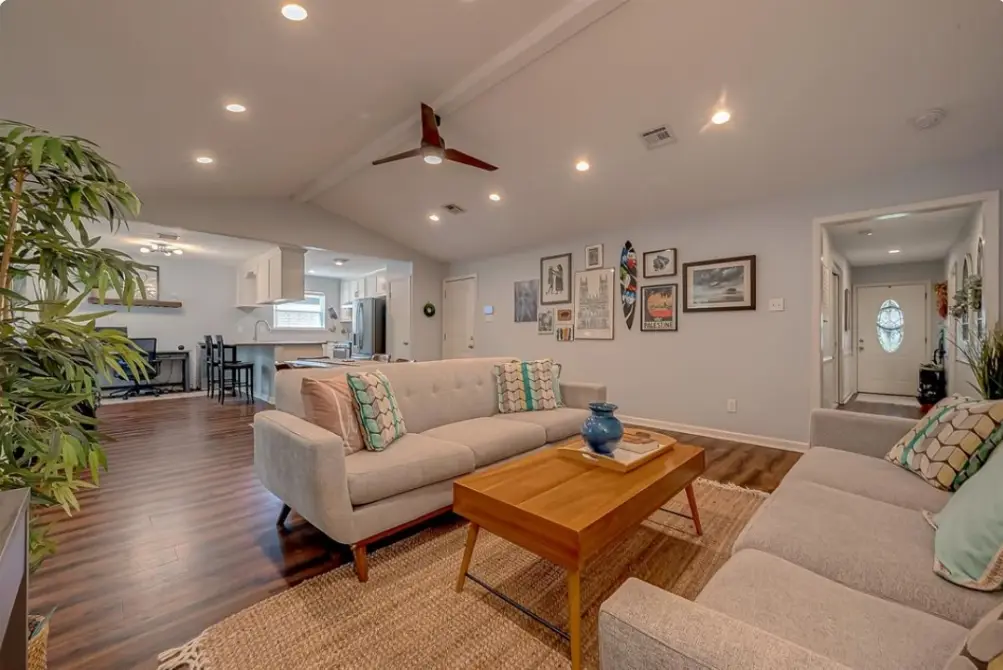
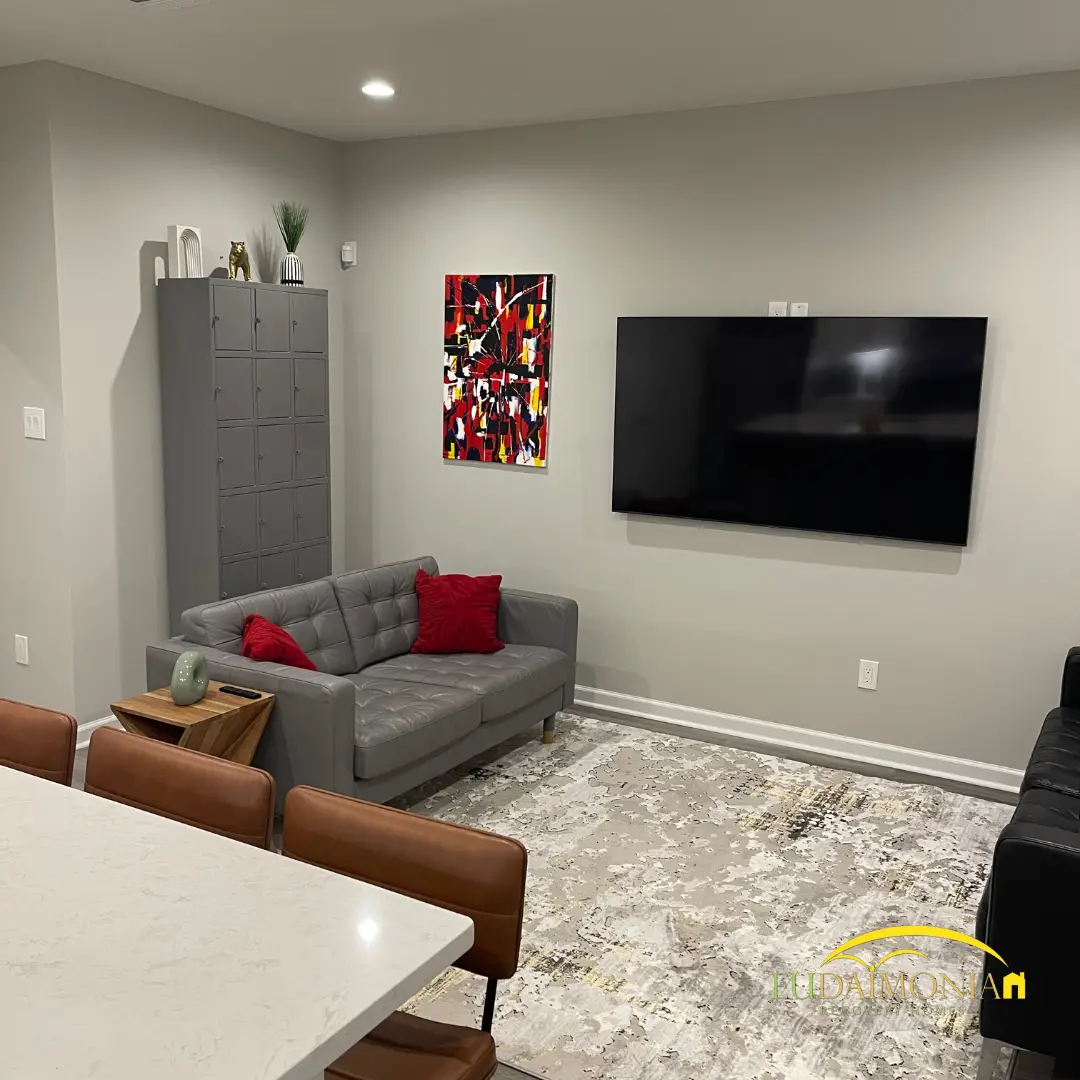
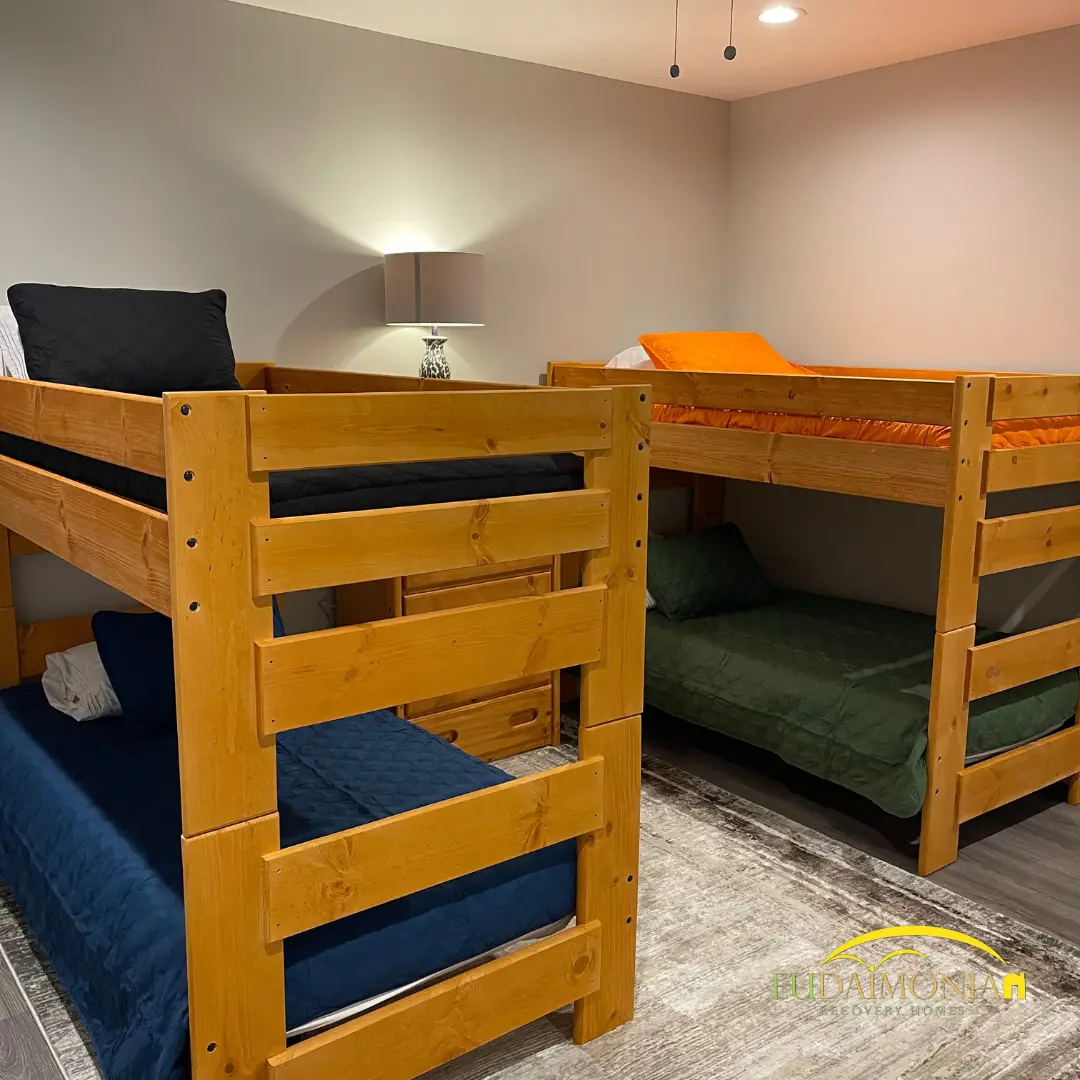
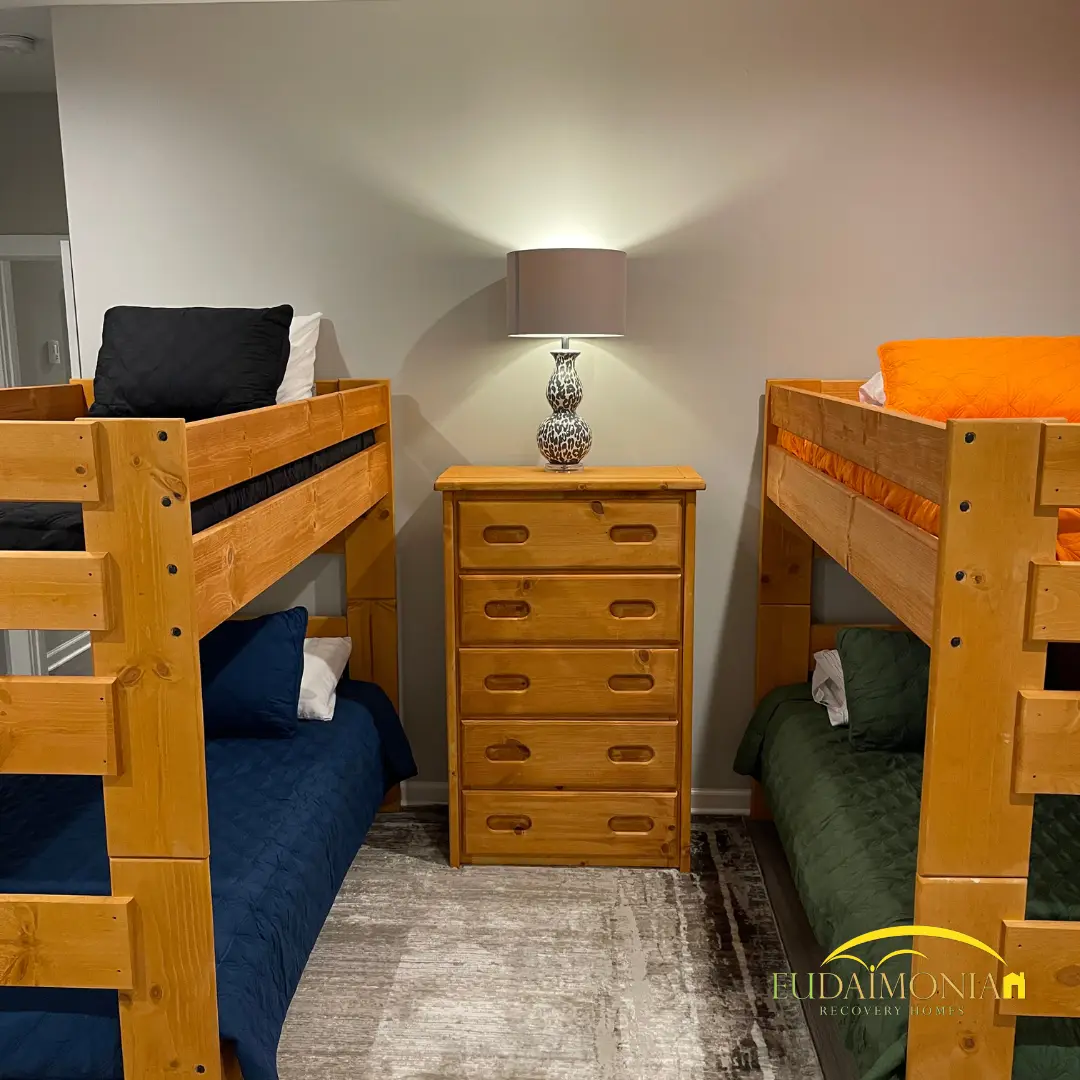
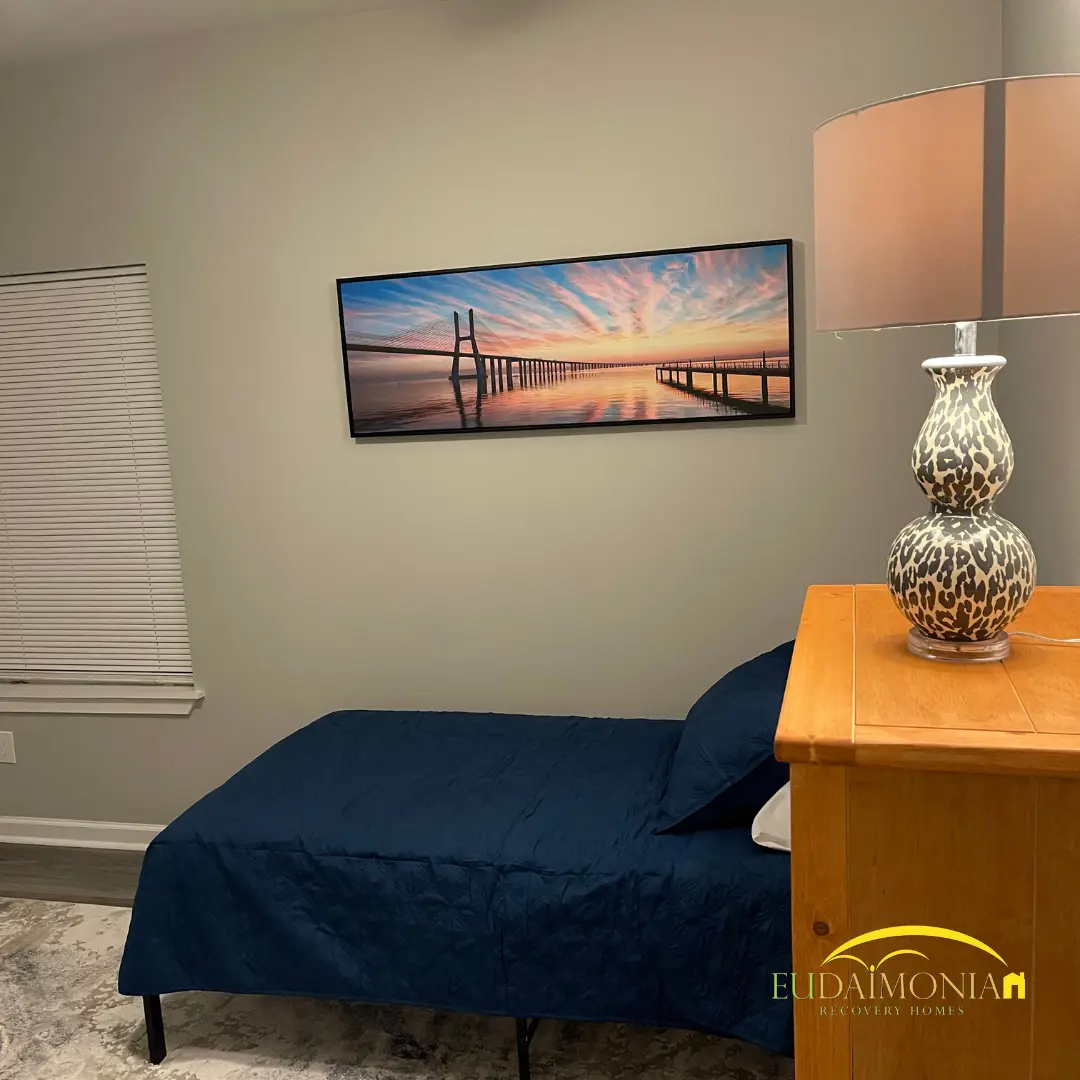
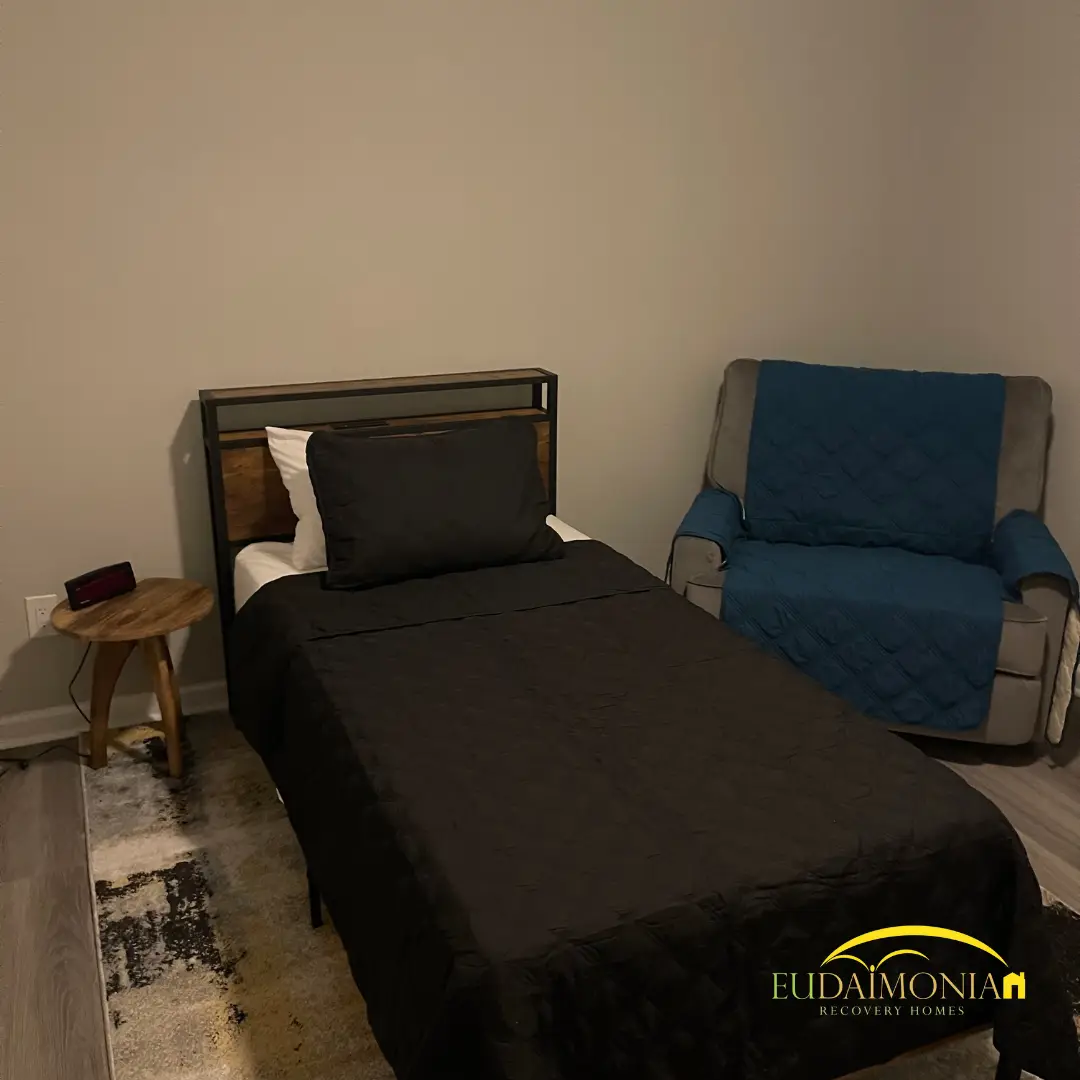
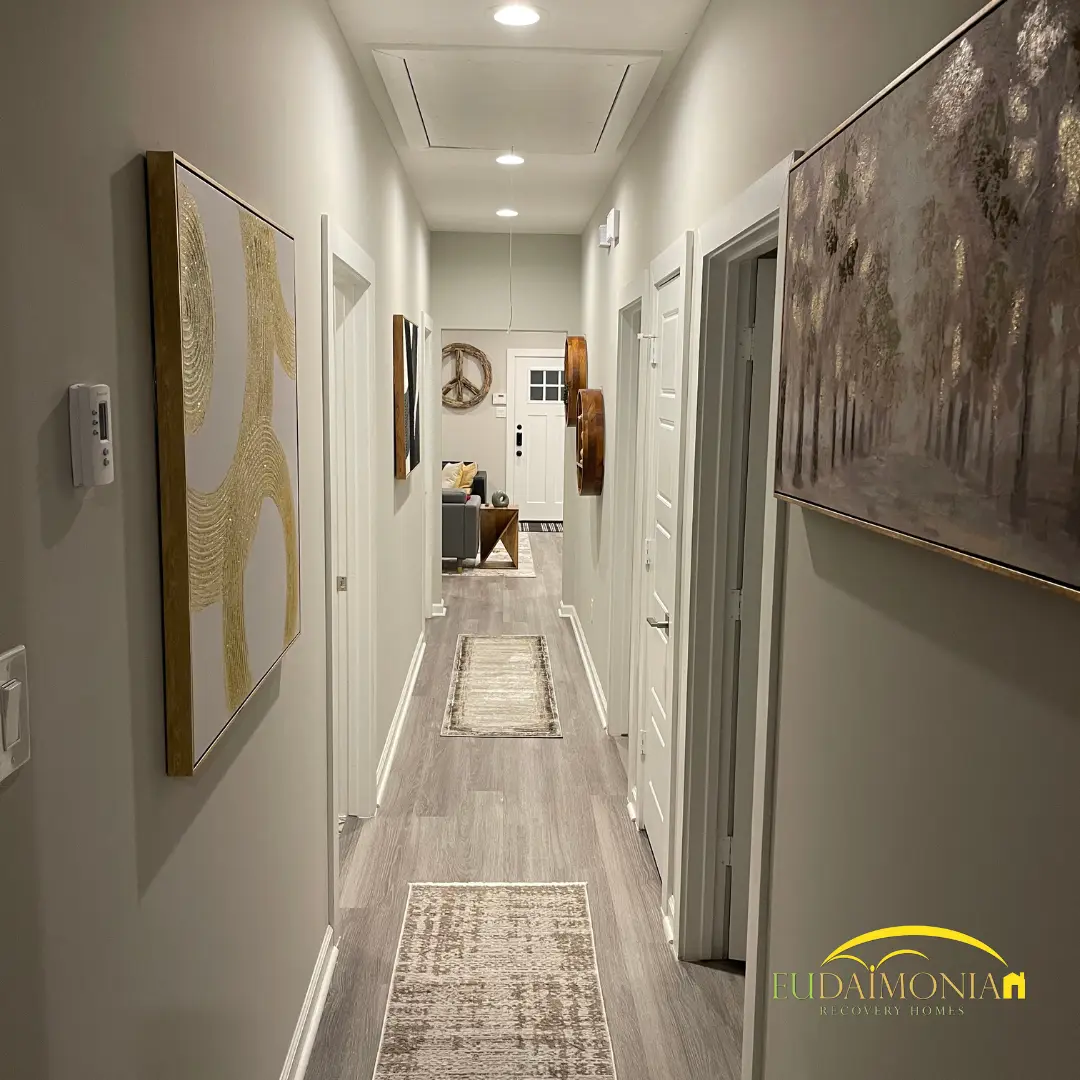
Inside the Houston homes


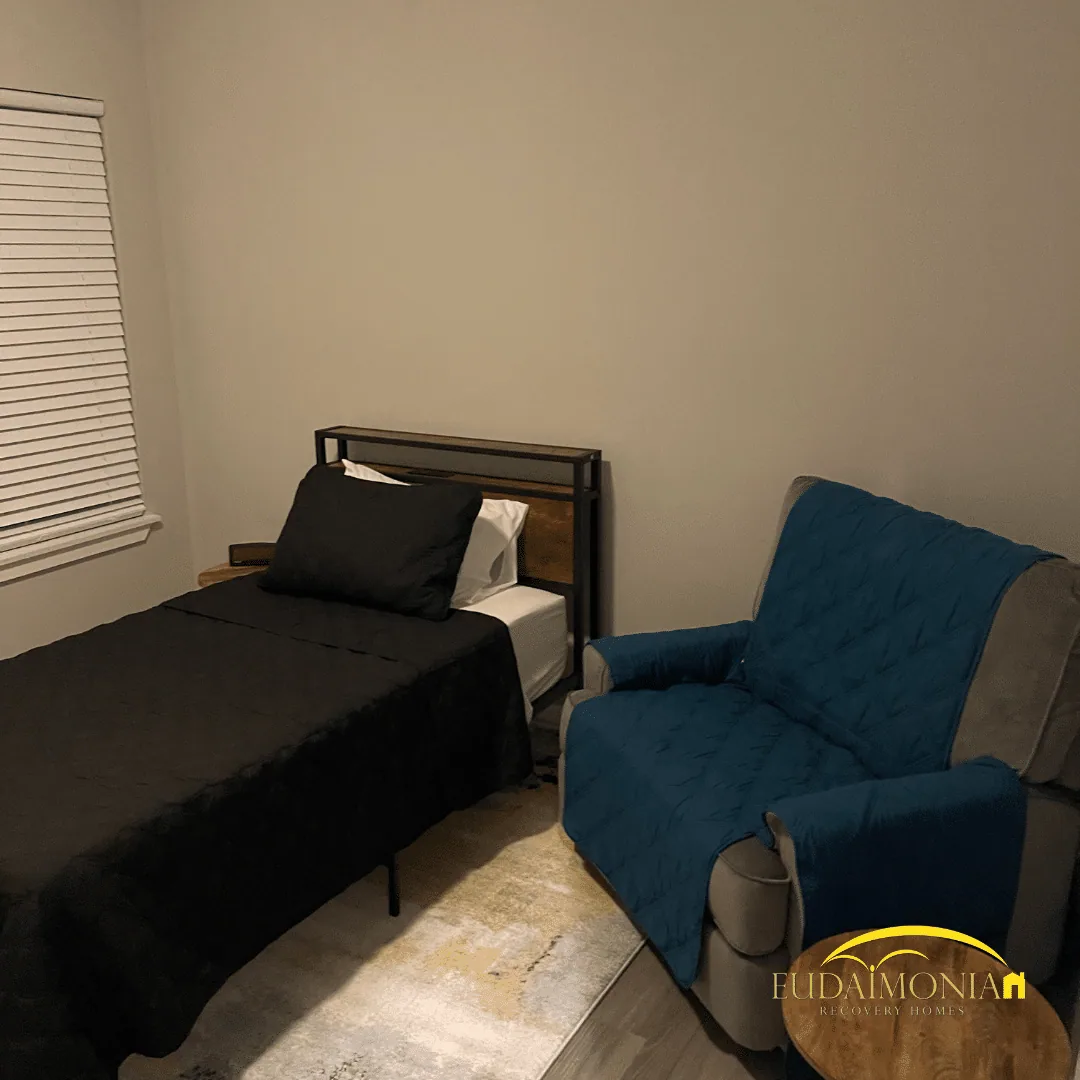
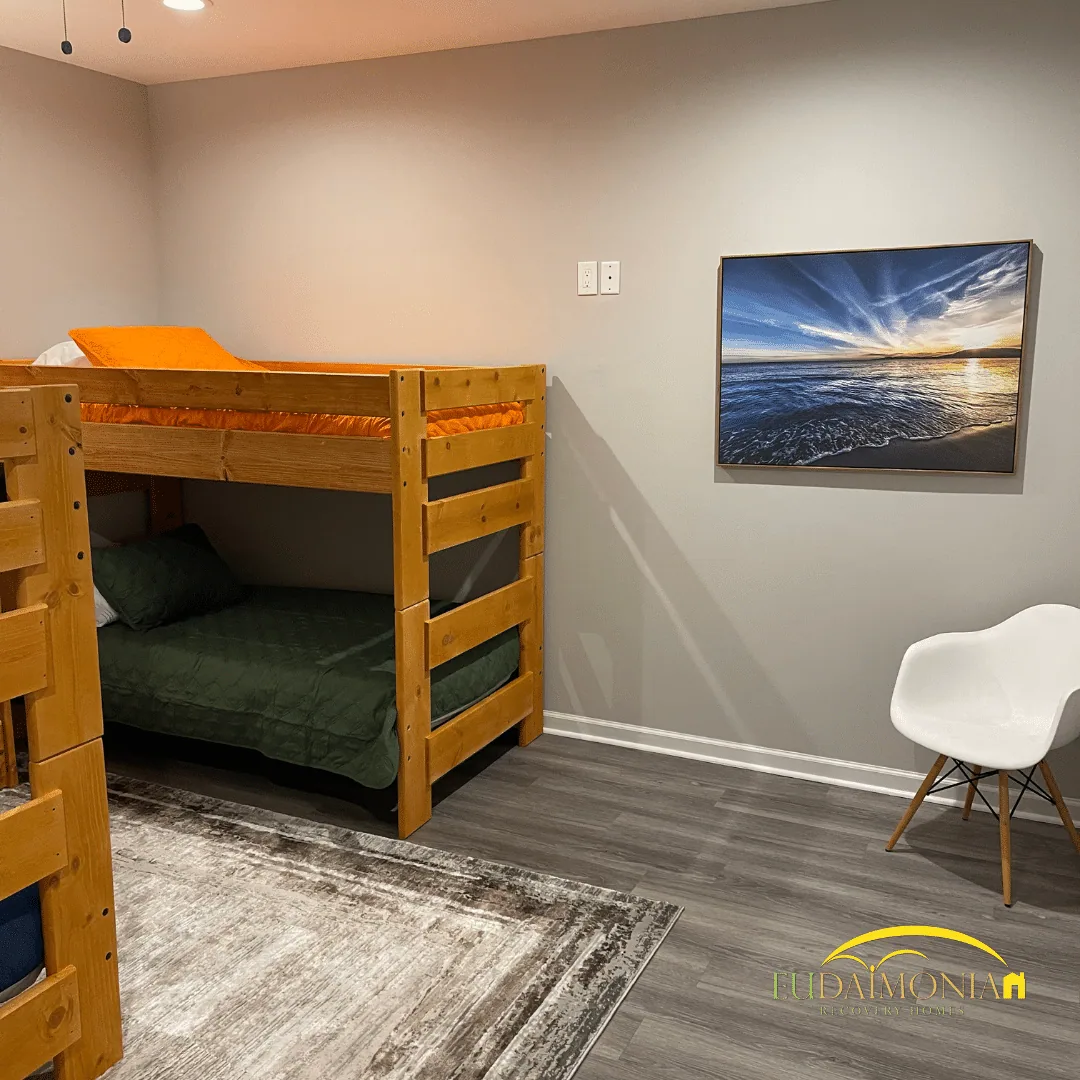


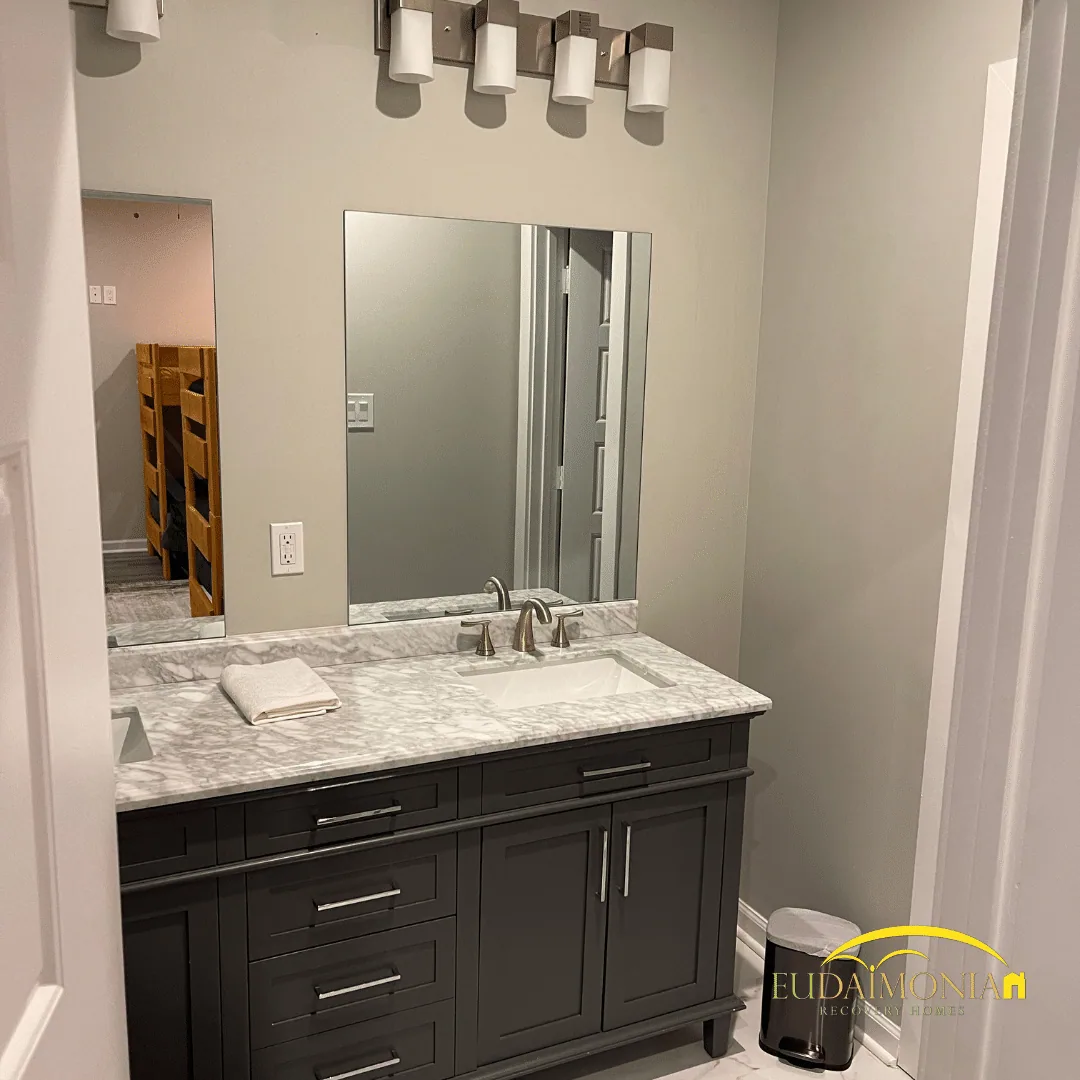


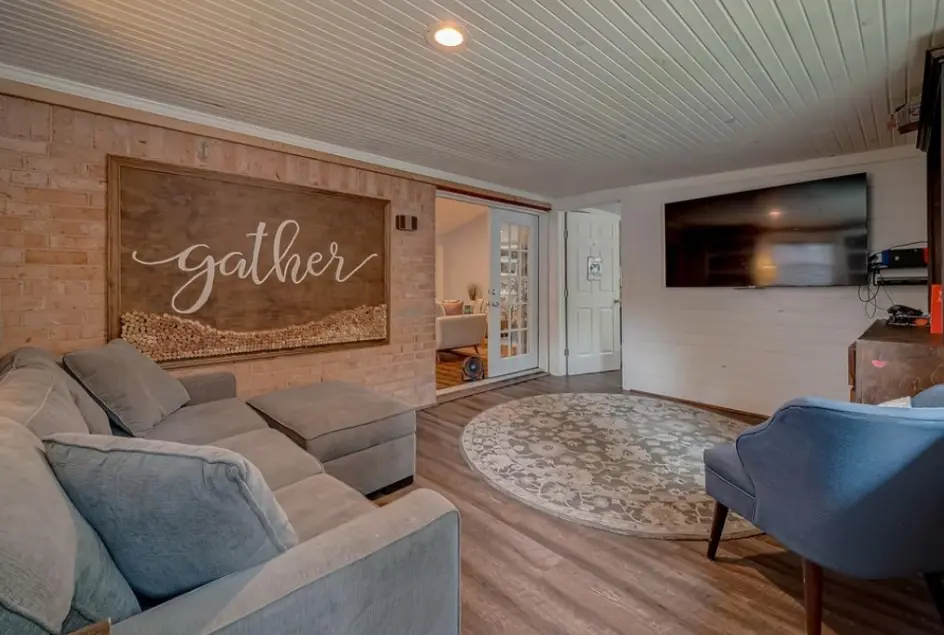
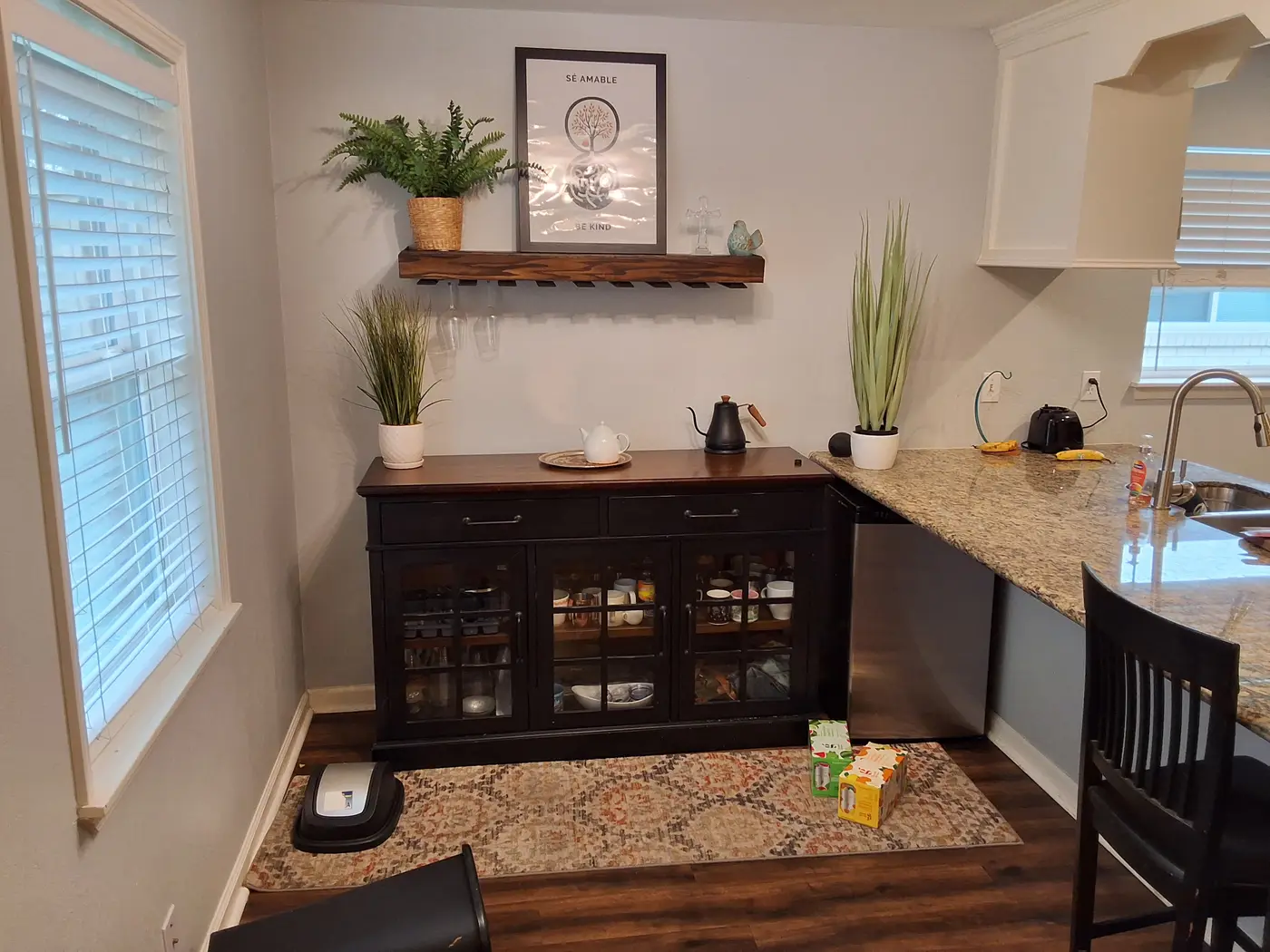
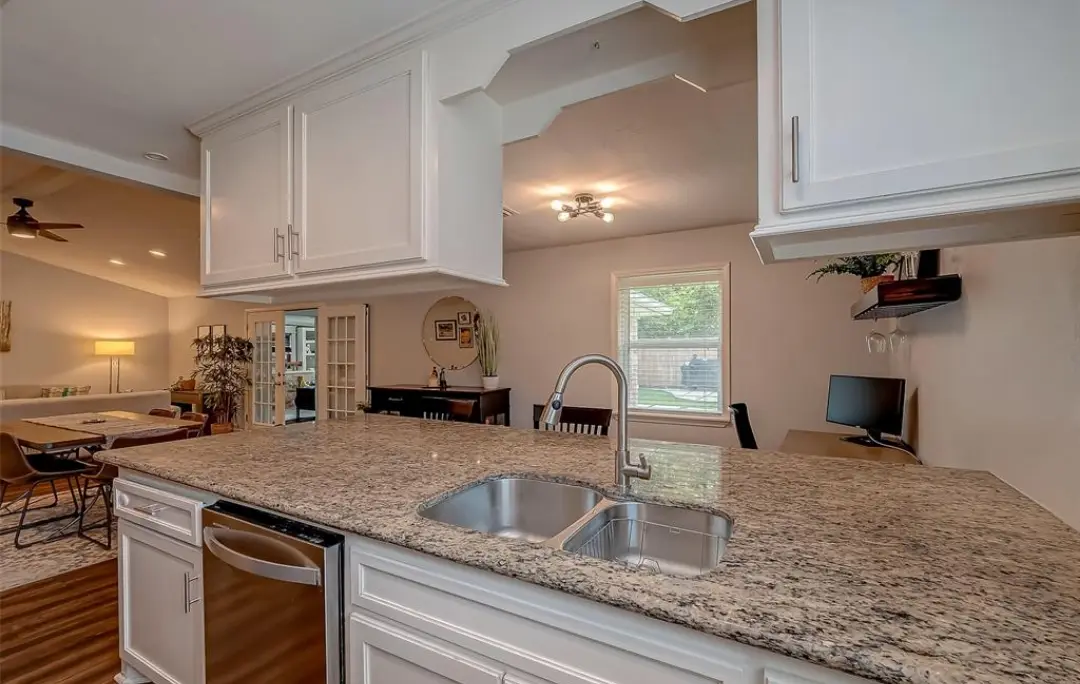
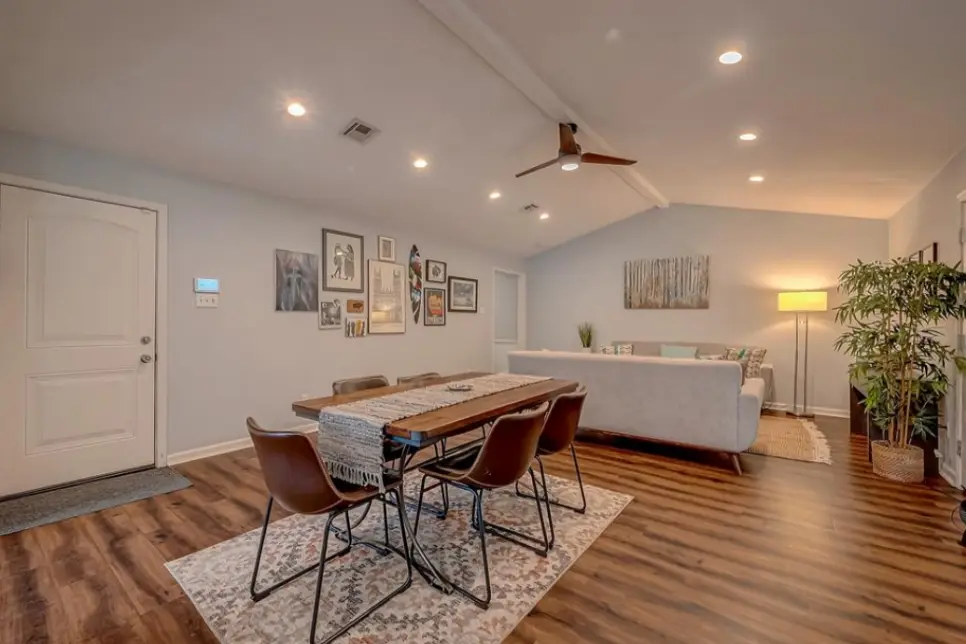
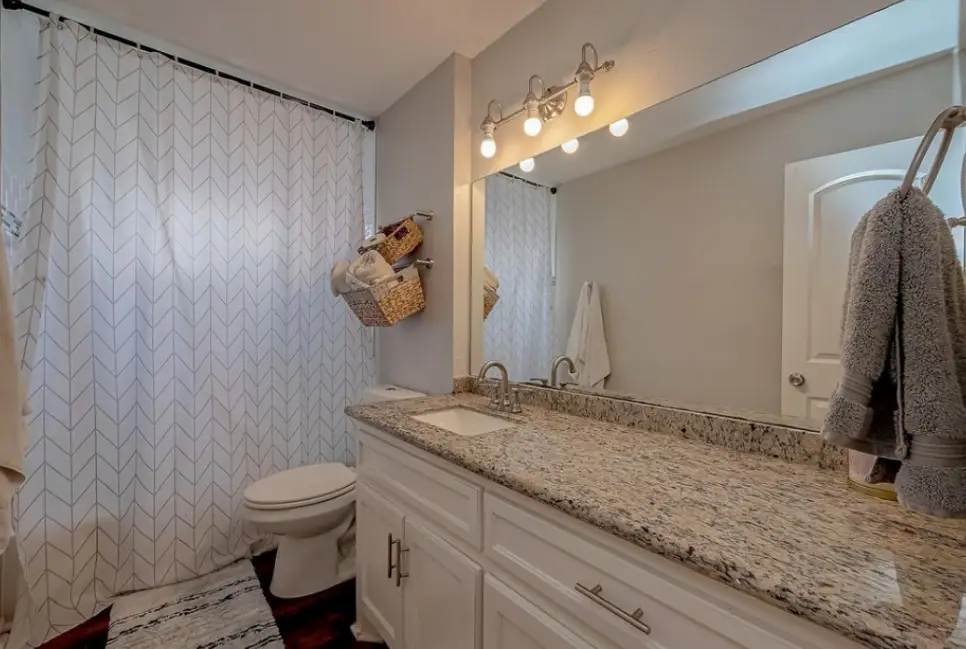
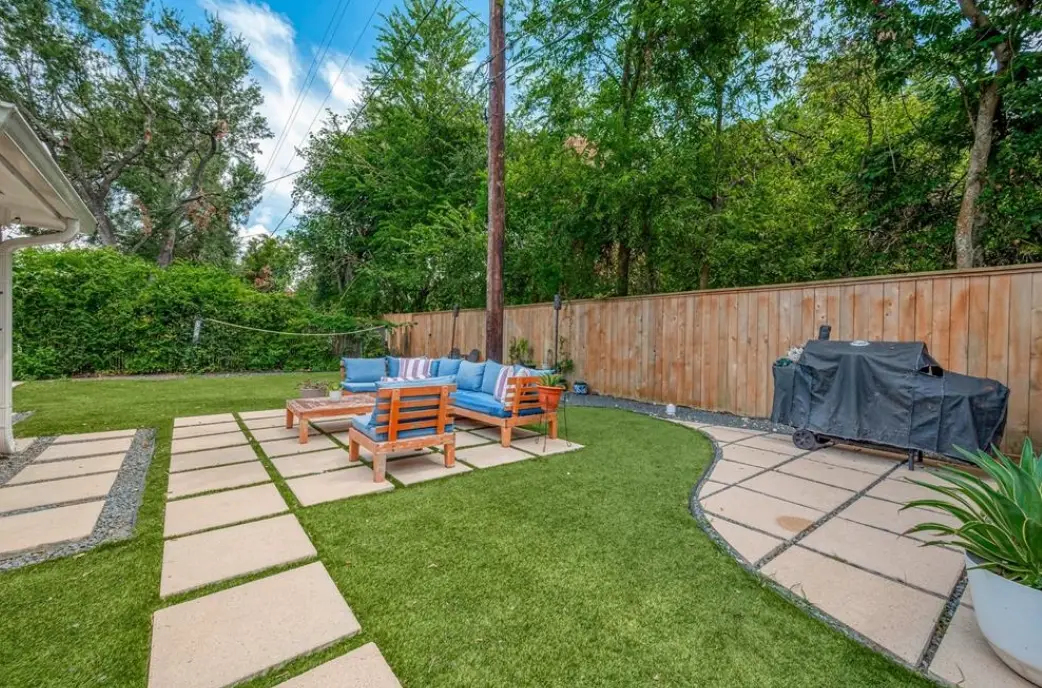
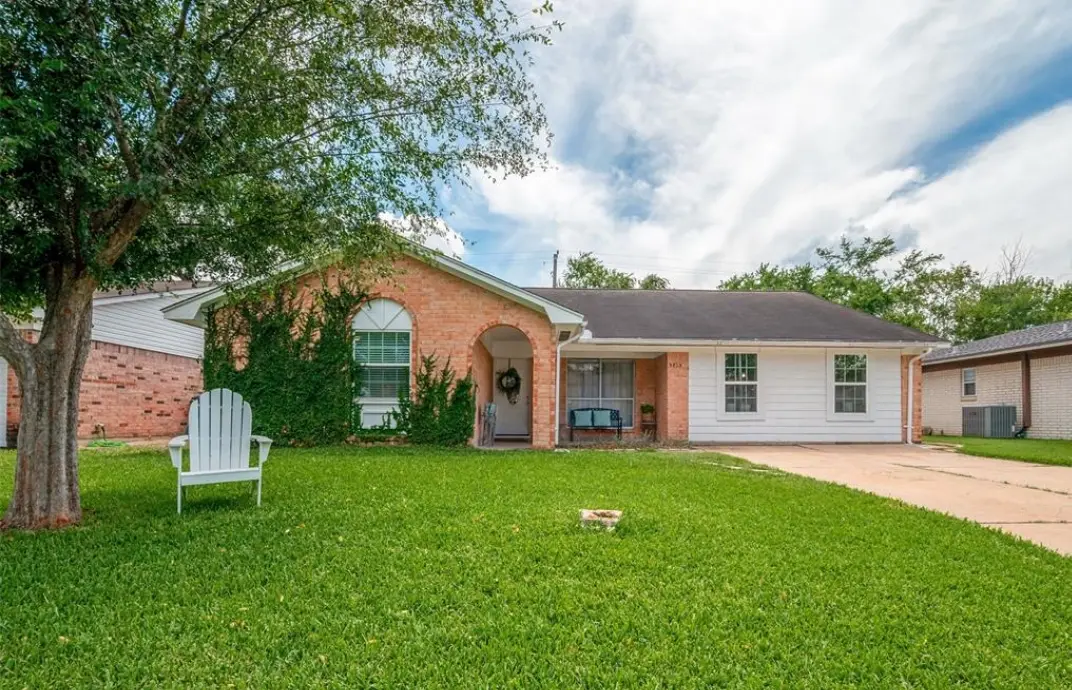
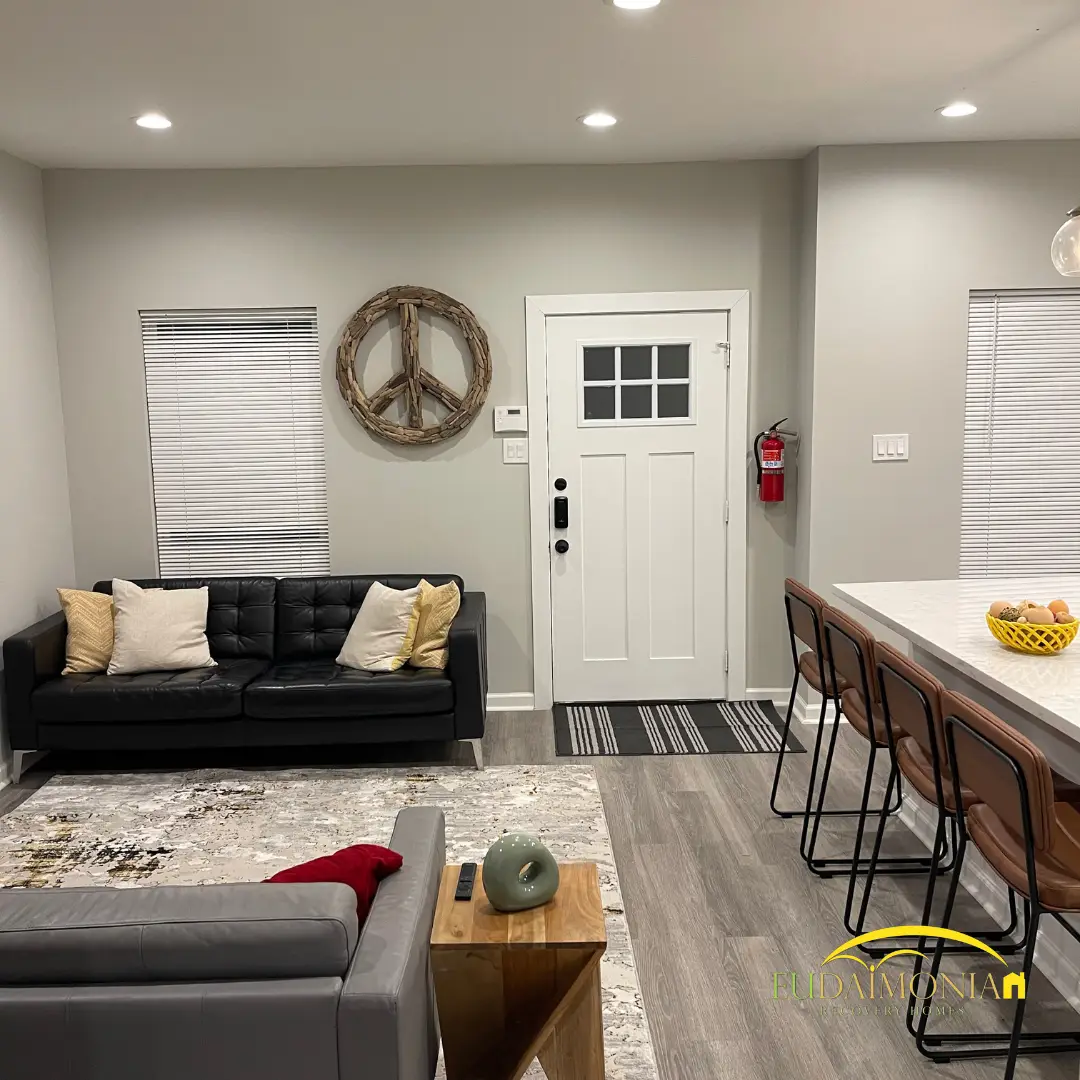
Property, safety, and compliance checklist
Before opening
- Confirm zoning/occupancy and whether the address is inside the City (City permit) or in unincorporated County (HCSO permit).
- Obtain or validate Certificate of Occupancy as required by Houston.
- Draft resident handbook (curfews, meetings, testing, guest policy, medications, MAT acceptance).
- Carry insurance (general liability; property; directors and officers for your board).
- Implement incident and relapse response protocols that put safety first and coordinate with IOP/clinicians when needed.
- Consider TROHN certification for standards, grievance process access, and listing.
After opening
- Keep permit renewals, inspections, and logs current (city/county cadence is annual).
- Track outcomes: length of stay, IOP completion, employment/school status, stable housing on exit.
- Maintain relationships with hospitals, detox units, courts, and IOPs for steady, appropriate referrals.
Governance: run it like a nonprofit
Board and policies
Seat a small, skilled board (finance, legal, clinical advisor) and adopt conflict‑of‑interest and whistleblower policies. Keep minutes and review quarterly metrics.
Reporting and tax compliance
File your annual IRS Form 990 series as required, keep donor records, and maintain the Texas tax‑exempt account with the Comptroller. (Use your IRS determination letter when applying for state exemptions.)
Intake flow: from first call to move‑in
Practical steps
- Phone screening (substance use history, meds including MAT, probation terms).
- Verify IOP plan (external provider) if clinically indicated.
- Deposit/fee discussion and scholarship screening.
- Urinalysis on arrival; sign house rules; room orientation.
- 72‑hour stabilization: schedule, meetings, and case plan set.
Medical Disclaimer
The information provided on this page is for educational and informational purposes only. It should not be considered a substitute for professional medical, legal, or clinical advice, diagnosis, or treatment. Establishing or operating a sober living home does not replace licensed medical or mental health care, including intensive outpatient or inpatient treatment. Individuals seeking medical support for substance use or mental health concerns should consult a qualified healthcare professional. In the event of a medical emergency, suspected overdose, or thoughts of self-harm, call 911 immediately in the United States. For free and confidential mental health assistance, contact the 988 Suicide & Crisis Lifeline, available 24 hours a day, seven days a week.
Select Our 1010 Waverly St, Houston, TX Location
Select LocationVisit Our 6824 Dumble St, Houston, TX Location
Select LocationChoose Our 10506 Parkfield Dr, Austin, TX Location
Select LocationEudaimonia's Success Stories – Real People, Real Freedom
How Eudaimonia Supports Sober Living
Eudaimonia Recovery Homes provides men’s sober living in Houston, giving you a nearby blueprint to model your nonprofit’s structure and resident experience. Their Houston residence shows how to pair safe, furnished housing with clear rules, structured schedules, and on‑site recovery resources. Core accountability features, three‑phase programming, live‑in house managers, and regular drug and alcohol testing, offer policy examples you can adapt to your handbook.
Because the organization connects housing with intensive outpatient care, including traditional and online IOP in Austin and Houston, you can mirror that “housing‑only plus IOP partnership” approach when designing your service mix. If you want a ready referral pathway, aligning intake and attendance expectations with Nova Recovery Center, their sister organization, helps residents move smoothly between sober housing and therapy.
Their Houston‑focused guide on choosing a sober living halfway house can inform your market scan and donor messaging by clarifying what families and referrers look for. For staffing, Eudaimonia’s emphasis on peer support and 12‑step familiarity points to hiring criteria and training topics that match local expectations.
Finally, the published Houston room options and price tiers provide concrete benchmarks you can use to forecast operating costs and set scholarship goals for low‑ or no‑cost beds.
Your Future Is Waiting
Tell us what you are looking for and admissions will walk you through the houses, the phases, and what a room actually costs.