

Published May 13, 2026 · Updated May 14, 2026
On This Page · 8 Sections
If you or someone you love needs help with substance abuse and you’re worried about how to pay for it, you’re not alone. One of the most common questions people ask when reaching out for help is: “How do I find Medicaid rehab centers in Texas?” The good news is that Medicaid does cover addiction treatment in Texas, and with the right steps, you can find quality care without bearing an impossible financial burden. This guide walks you through exactly how to locate addiction treatment centers that accept Medicaid in Texas, what coverage typically looks like, and what to do once you’ve completed a formal treatment program.
Does Medicaid Cover Addiction Treatment in Texas?
Yes: Texas Medicaid, administered through the Texas Health and Human Services Commission (HHSC), covers a range of substance abuse and mental health services. This is made possible in part by federal parity laws, which require insurance plans, including Medicaid, to cover mental health and substance use disorder treatment at the same level they cover medical or surgical care.
In Texas, Medicaid coverage for addiction treatment typically includes:
- Medical detoxSupervised withdrawal management in a clinical setting
- Inpatient or residential rehabAround-the-clock care in a structured environment
- Intensive Outpatient Programs (IOP)Structured treatment several days per week while living at home or in a sober living environment
- Outpatient counseling and therapyIndividual and group therapy sessions
- Medication-Assisted Treatment (MAT)Medications like buprenorphine, methadone, or naltrexone combined with counseling
- Peer support servicesRecovery coaching and community-based support
Coverage details vary depending on whether you’re enrolled in standard Medicaid or a Medicaid Managed Care plan. Most Texans receive Medicaid through a managed care organization (MCO), such as Molina Healthcare, United Healthcare Community Plan, or Amerigroup Texas, and each MCO has its own network of approved providers.
Step-by-Step: How to Find Medicaid Rehab Centers in Texas
Finding addiction treatment that accepts Medicaid in Texas doesn’t have to feel overwhelming. Follow these steps to locate in-network facilities and get the help you need as quickly as possible.
- Call your Medicaid plan directly. The most reliable starting point is contacting your specific Medicaid managed care organization. The number is printed on your Medicaid card. Ask them to provide a list of in-network substance abuse treatment providers in your area. Be specific: tell them whether you need detox, residential care, or outpatient services.
- Use the Texas HHS online provider directory. The Texas Health and Human Services website allows you to search for substance use disorder treatment providers by zip code, county, and type of service. Visit hhs.texas.gov and look under the behavioral health resources section.
- Contact the Texas Substance Use Disorder Helpline. The Texas Department of State Health Services (DSHS) operates a statewide helpline at 1-800-662-HELP (4357). Counselors can connect you with Medicaid-accepting providers near you, help you understand your benefits, and even assist with referrals.
- Use SAMHSA’s Treatment Locator. The Substance Abuse and Mental Health Services Administration offers a free, searchable database at findtreatment.gov. You can filter results by payment type, including Medicaid, and by location. This is a quick way to get a broad list of options in Texas.
- Call facilities directly and ask. Once you have a list of potential providers, call each one and ask two key questions: “Do you accept Texas Medicaid?” and “Are you currently accepting new patients?” Availability changes frequently, so getting live confirmation is important.
- Verify authorization requirements. Some services, especially residential treatment or detox, may require prior authorization from your Medicaid plan before coverage kicks in. Ask the treatment facility whether they handle this process or whether you need to contact your MCO directly.
What to Expect When Calling Treatment Centers About Medicaid
Navigating insurance can feel intimidating, especially when you’re already dealing with the stress of a substance use disorder, whether it’s your own or a loved one’s. Here’s what to keep in mind when making those initial calls:
- Have your Medicaid ID number and MCO plan name ready before you call
- Ask whether the facility is in-network with your specific plan (not just “Medicaid” generally)
- Ask about any co-pays or out-of-pocket costs, even with Medicaid coverage
- Inquire about wait times, some facilities may have a waitlist, so it’s worth contacting multiple programs simultaneously
- Ask what the intake process looks like and whether a clinical assessment is required before admission
Don’t get discouraged if the first facility you call isn’t the right fit. Persistence pays off, and advocates, like counselors at the Texas Substance Use Disorder Helpline, can help you move faster through the process.
Medicaid and Substance Abuse Treatment in the Austin Area
If you’re searching for addiction treatment that accepts Medicaid in the Austin, Texas area, you have access to a strong network of providers. Austin is home to several community health centers, nonprofit treatment organizations, and county-funded programs that work with Medicaid patients. The Travis County Integral Care system, for example, provides mental health and substance use services to residents with Medicaid or no insurance at all.
Call Now: (512) 240-6612Austin also has a vibrant recovery community with access to 12-step meetings, SMART Recovery groups, faith-based recovery programs, and peer support networks that can complement formal treatment. Many people who complete Medicaid-funded detox or residential treatment continue their recovery journey by transitioning into structured sober living, a critical step that bridges the gap between intensive care and independent life.
If you’re planning ahead for what comes after a treatment program, exploring Austin’s sober living options early can help you build a complete recovery plan rather than scrambling for next steps upon discharge.
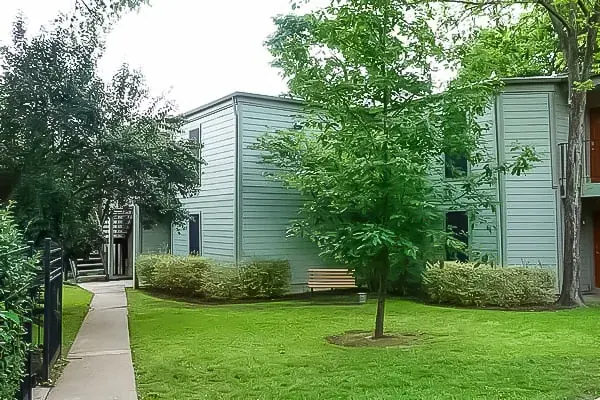
Inside Rustic Creek, our Austin flagship







The Role of Sober Living After Medicaid-Funded Treatment
Completing a detox program or a residential treatment stay is a huge accomplishment, but for most people, it’s not the finish line. Research consistently shows that people who transition into structured sober living homes after treatment have significantly better long-term recovery outcomes than those who return directly to their previous living environment.
Sober living homes provide a peer-supported, substance-free environment where residents can rebuild daily structure, practice recovery skills, and gradually regain independence. They’re especially valuable for people who may not have a safe or supportive home environment to return to after treatment.
It’s important to note that most sober living homes are not covered by Medicaid, they operate differently from licensed treatment facilities and are typically funded through resident fees. However, the relatively modest cost of sober living (compared to continued residential treatment) can make it a very accessible next step. Many residents work part-time, receive government assistance, or use a combination of personal savings and support from family to cover monthly fees.
If you’re in Austin and looking for structured, supportive housing after completing a treatment program, quality sober living options in Austin, TX Are more accessible than many people realize. Eudaimonia Recovery Homes offers structured programs for both men and women designed to support lasting recovery, including options like structured men’s sober living in Austin and structured women’s sober living in Austin.
Tips for Navigating the Financial Side of Recovery
Even with Medicaid coverage, questions about money and insurance can create real barriers to treatment. Here are a few practical tips to keep in mind:
- Don’t assume you won’t qualify. Many people are surprised to find out they are eligible for Medicaid or other state-funded assistance. If you’re not currently enrolled, apply through yourtexasbenefits.comThe process is free and can be completed online.
- Ask about state-funded slots. Some treatment facilities in Texas receive funding through the Texas DSHS and can offer treatment to individuals with no insurance at all, on a sliding scale or at no cost. These “state-funded” beds are separate from Medicaid but are another important resource.
- Look into community health centers (CHCs). Federally Qualified Health Centers (FQHCs) in Texas are required to accept Medicaid and offer a wide range of behavioral health services, often including addiction counseling and medication-assisted treatment.
- Ask about case management services. Many Medicaid-funded programs include a case manager who can help coordinate your care, connect you to community resources, and help with the transition to outpatient or sober living after treatment.
- Plan ahead for aftercare. While Medicaid covers many treatment services, planning for what comes after, including peer support, sober living, and ongoing therapy, is just as important as finding initial treatment. Explore options like the top sober homes in Austin so you have a plan in place before you need it.
You Deserve Support — And Help Is Available
Finding addiction treatment that accepts Medicaid in Texas takes some persistence, but it is absolutely possible. The system can feel complicated, but resources exist at every step, from the SAMHSA helpline and the Texas DSHS to local treatment facilities and peer support organizations. You don’t have to figure this out alone.
If you or your loved one is already in treatment, or getting ready to complete a program, and you’re looking for the next step in the recovery journey, Eudaimonia Recovery Homes is here to help. Our structured sober living homes in Austin, Texas provide the accountability, community, and support that make lasting recovery possible. Call us today at (512) 240-6612 to learn more about our programs and how we can support your next chapter.