

Published February 9, 2026 · Updated August 5, 2026
Key Takeaways
- Define your sober targetClear definitions make the next step easier to choose.
- Prepare before day oneUse a checklist, scripts, and when-then plans to reduce surprises.
- Assess withdrawal riskKnow when quitting can be dangerous and when to get medical help.
- Match support to your needsCombine structure, accountability, and connection so sobriety is realistic.
- Design a sober-friendly environmentRemove access, replace routines, and reduce daily stressors.
- Use a repeatable craving planA 10-minute response can carry you through urges and emotions.
- Build maintenance systemsWeekly reviews and slip plans help you remain sober long term.
- Add support when neededStepping up care can be the turning point that helps you stay sober.
On This Page · 26 Sections
Going sober Is not a single decision. It is a series of choices you repeat when life gets stressful, boring, or painful. If you are searching for how to become sober, the most reliable path is a plan that protects your body, builds support, and teaches practical skills you can use on hard days.
This going sober checklist focuses on what works in real life: how to prepare, how to quit more safely, and how to remain sober once motivation fades. You will also learn how recovery supports like sober living, recovery homes, halfway houses, and intensive outpatient programs (IOP) can help you stay sober while you rebuild your routine.
If you feel overwhelmed, keep it simple: your road to recovery starts when you (1) choose a clear goal, (2) reduce risk, and (3) get support that makes the next 24 hours doable.
Define what “sober” means for you
Before you change your habits, define the target. Clear definitions reduce confusion, lower anxiety, and help you ask for the right kind of support.
- Sober: not using alcohol or non-prescribed drugs.
- Recovery: the ongoing work of building a stable, healthy life without substances.
- Trigger: a cue (place, feeling, person, time) that increases cravings.
- Craving: an urge to use. Cravings often rise, peak, and pass, even when they feel urgent.
If you are ready to go sober, your plan can be more direct: remove alcohol and drugs, reduce exposure to triggers, and add structure that makes follow-through easier.
Three questions that clarify the goal
- Control: can you reliably stop once you start?
- Cost: what are you losing (health, trust, money, time) when you keep using?
- Compulsion: do cravings or stress override your best intentions?
You do not need a perfect label to begin. You need an honest target: “I am going sober, starting now, and I will build the supports I need to maintain it.”
Prepare for sobriety before day one
Many relapses start with an unplanned moment: a rough day, a lonely night, or easy access to alcohol or drugs. Preparation turns those moments into planned situations you can handle.
Use this pre-sobriety checklist
- Pick a start point you can protect (today, tonight, or tomorrow morning).
- Clear your environment: remove alcohol, drugs, and related cues from your home and car.
- Line up support: choose one person you can text or call when urges rise.
- Plan your highest-risk window (often evenings and weekends) with a safe activity.
- Reduce decision fatigue: plan simple meals, hydration, and an early bedtime.
Write a “when-then” plan for the first week
- When I feel restless after work, then I will walk for 10 minutes and call someone before I go home.
- When I get a text to go out drinking, then I will send a short script and suggest a sober option.
- When I feel ashamed, then I will tell the truth to one safe person instead of isolating.
Preparation is not perfection. It is a way to lower friction so the sober choice is easier than the using choice.
Simple scripts that protect your start
- If someone offers you a drink: “No thanks, I’m not drinking today.”
- If you need a safer plan: “I’m focusing on my health. Want to grab food or coffee instead?”
- If you want accountability: “I’m going sober this week. Can I text you if I get cravings?”
Safety first: know when withdrawal needs medical help
If you use alcohol or certain drugs daily, stopping suddenly can cause withdrawal. Withdrawal can range from uncomfortable to dangerous, especially if you have had severe symptoms before.
For a medical overview of alcohol withdrawal symptoms, including serious risks like seizures, see MedlinePlus’ page on alcohol withdrawal.
Alcohol and sedative medications (like benzodiazepines) are two categories where withdrawal can become medically serious. If you are unsure about your risk, talk with a clinician before you quit abruptly.
When the risk is unclear, treat safety as the priority. Eudaimonia also explains typical timing and what people experience in this educational guide: How Long Do Alcohol Withdrawals Last?
Seek urgent medical care if you notice
- Seizures, severe confusion, or hallucinations
- Chest pain, fainting, or trouble breathing
- Uncontrollable vomiting or signs of dehydration
- Suicidal thoughts or inability to stay safe
Safety-based support is not a failure. It is often the fastest way to stabilize so you can work on the deeper reasons you kept using.
Eudaimonia's Success Stories – Real People, Real Freedom
Choose support that fits your risk and your life
Most people do not stay sober through willpower alone. Recovery improves when your plan includes structure, accountability, and connection.
If you are not sure where to start, the U.S. Substance Abuse and Mental Health Services Administration offers a free, confidential helpline for treatment referrals: SAMHSA’s National Helpline.
Common recovery supports, explained
| Support | What it adds | When it helps most |
|---|---|---|
| Intensive outpatient (IOP) | Multiple therapy hours per week while you live at home | When you need clinical structure but must keep working or parenting |
| Sober living / recovery home | Alcohol-free housing, routines, peer accountability | When your current environment is unstable or full of triggers |
| Halfway house | Structured housing that may support reentry and supervision | When you need housing tied to a formal program or requirements |
| Peer support | Connection, shared experience, “call before you use” habits | When isolation is a major relapse driver |
A helpful way to choose support is to ask one simple question: What makes relapse most likely for me? If the weak point is mood, trauma, or stress, therapy and structured clinical care matter. If the weak point is environment, housing and daily accountability matter. Now, if the weak point is isolation, community support matters.
If you want clinical care that fits work and life, learn what IOP can look like here: Intensive Outpatient Program.
If housing is the weak point in your plan, this overview explains what sober living is and why it helps: Sober Living: Meaning, Benefits, and Practical Tools.
Make your environment support sobriety
Environment is not just where you live. It is also what you see, who you spend time with, and what your phone makes easy.
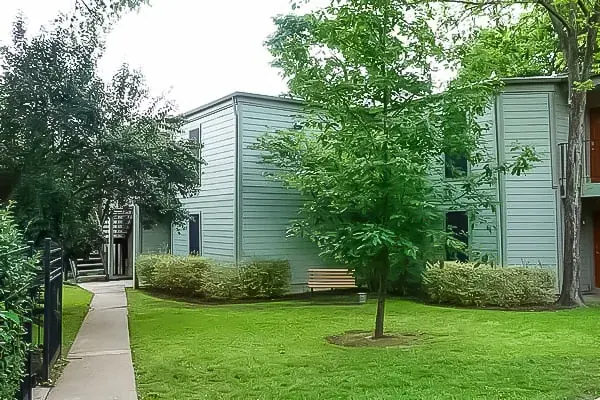
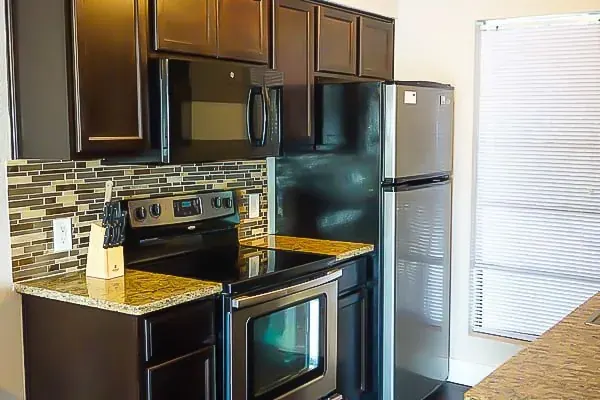
Inside Rustic Creek, our Austin flagship






Three ways to “lower the trigger temperature”
- Remove easy access: delete delivery apps tied to alcohol, clear stored payment methods, and avoid “one last bottle” thinking.
- Replace routines: change the time, place, or people linked to using. New cues help new habits form.
- Reduce stress load: unpaid bills, poor sleep, and chaos raise relapse risk. Handle one practical problem each day.
Build a sober-friendly “default day”
- Morning: a predictable start (shower, food, short walk, simple plan for the day).
- Midday: one supportive contact (text check-in, brief call, or group session).
- Evening: a protected routine (meal, low-stress activity, early wind-down).
If you are going sober while living with people who still use or drink heavily, you may need a stronger boundary. In many cases, a recovery-focused living setting is the safest way to create breathing room for change.
Make your phone support sobriety
- Mute or unfollow accounts that glamorize heavy drinking or drug use.
- Delete contacts you used only for using, or move them to a blocked list.
- Set reminders for meals, hydration, and a nightly wind-down routine.
- Save a “craving list” of three people you can contact quickly.
Use a repeatable plan for cravings and strong emotions
Cravings are not proof you are doing recovery wrong. They are a normal brain and body response to a learned pattern. The goal is not to “never crave.” The goal is to respond in a way that keeps you safe.
The 10-minute sober response
- Pause: tell yourself, “I will not decide for 10 minutes.”
- Shift your body: drink water, eat something small, or walk for five minutes.
- Name the trigger: hungry, angry, lonely, tired, bored, anxious, or ashamed.
- Connect: text or call someone, or go to a meeting or supportive space.
- Return to the next right action: shower, drive home, cook, journal, or sleep.
Common craving thoughts, translated
- “I can’t stand this.” This often means, “I need to change my body state and get support.”
- “One won’t matter.” This often means, “I am bargaining because the urge is loud.”
- “I already ruined it.” This often means, “Shame is trying to push me into secrecy.”
If you want a realistic timeline for how cravings tend to change over weeks and months, see When Do Alcohol Cravings Stop?
Over time, cravings usually become less frequent and less intense when you keep practicing the same response: pause, change state, connect, and return to your plan.
If cravings feel physical (shaky, sweaty, restless), treat your body first. A snack, hydration, and slow breathing can reduce urgency enough to make a safer choice.
How to remain sober: build maintenance systems
Long-term sobriety is easier when you treat it like maintenance, not a test of character. A simple weekly system can reduce surprises.
- Weekly review: identify upcoming stressors and plan support in advance.
- Daily check-in: sleep, meals, mood, cravings, and contact with safe people.
- Accountability: routines, groups, therapy, or structured housing that makes secrecy harder.
Plan for slips before they happen
A lapse can become a relapse when shame leads to secrecy and avoidance. If you use, treat it as a signal, not a verdict. Take action within 24 hours so the pattern does not grow.
- Tell the truth to one safe person.
- Remove access (get rid of remaining substances and avoid high-risk routes or contacts).
- Return to structure (food, sleep, movement, meetings, therapy).
- Add support for the next week (more check-ins, more structure, or safer housing).
This guide explains common relapse patterns and what to do next: What Counts as a Relapse? Recovery Steps That Work
For an evidence-based look at relapse prevention skills (including cognitive and behavioral tools), see this review article in PubMed Central: relapse prevention and recovery skills.
When to add more support on your road to recovery
If you keep trying to get sober and it does not stick, it does not mean you are broken. It usually means your plan needs more support in one or two weak areas.
Consider adding a higher level of support if
- You have repeated relapses in the same setting or with the same people
- Your home environment is chaotic, unsafe, or full of substance use
- Cravings are intense and you cannot stay accountable
- Depression, anxiety, or trauma symptoms keep driving use
If you want help choosing next steps, such as sober living, recovery housing, or outpatient care, you can reach out here: Contact Eudaimonia Recovery Homes.
Your road to recovery can start with one practical step today: a safer environment, a scheduled support meeting, or a clinician check-in. Small steps, repeated, become a sober life.
Reminder: if you are still using, you do not have to “earn” help by hitting a certain milestone. Getting support is often how people finally become and remain sober.
How Eudaimonia Recovery Homes Supports Going Sober on Your Road to Recovery
Going sober is easier when your environment supports your goals, and Eudaimonia Recovery Homes is designed to help people take real steps toward lasting change. Through sober living and structured recovery housing, residents can build steady routines, reduce exposure to triggers, and practice healthy habits that make it more realistic to stay sober day by day. In a supportive home setting, peer accountability and community connection can replace isolation, which is a common driver of relapse. Eudaimonia also encourages residents to use recovery-focused tools like goal setting, coping skills, and consistent daily structure so progress feels manageable.
For many people, having a stable place to live is the difference between repeated restarts and a clear road to recovery. The homes are built to support personal responsibility while still offering guidance, structure, and encouragement during early sobriety. In addition, recovery housing can pair well with intensive outpatient care and other community resources, which helps reinforce how to become sober in real life settings. Most importantly, Eudaimonia helps create a safe, consistent foundation so you can focus on healing, rebuilding trust, and learning how to remain sober over time.
Your Future Is Waiting
Tell us what you are looking for and admissions will walk you through the houses, the phases, and what a room actually costs.