
Published February 21, 2026 · Updated August 4, 2026
Key Takeaways
- Why fruity mocktails can feel like a real alcohol alternativeLearn how ritual, cues, and sensory “bite” affect cravings.
- The fruit-forward mocktail formula (so it doesn’t taste like juice)Use a repeatable structure and ratio to build better fruity virgin drinks.
- Keep fruity mocktails recovery-friendly: sugar, caffeine, and hydrationKeep sweetness steady and reduce crash-and-crave cycles.
- 8 fruity mocktail templates you can mix in 5 minutesMix-and-match fruit, citrus, and fizz with quick templates.
- Make fruity mocktails part of your relapse-prevention planTurn drinks into a coping tool with routines, scripts, and clear boundaries.
- When fruity mocktails are not the right choiceSpot triggers early and switch to simpler, lower-cue options.
On This Page · 31 Sections
If you are looking for alternatives to alcohol, the hardest part is often not the liquid. It is the ritual. You miss the cold glass after work, the “cheers” at dinner, and the moment your body expects relief. Fruity mocktails and other fruity virgin drinks can replace that ritual without the crash, regret, or risk that comes with alcohol.
This guide is built for real recovery life in a sober living home, recovery housing, a halfway house setting, or an intensive outpatient schedule. You will learn a simple “build-a-mocktail” formula, ways to keep drinks from turning into a sugar bomb, and quick fruit-forward templates you can mix in minutes.
Why fruity mocktails can feel like a real alcohol alternative
Mocktail definition: A mocktail is a mixed drink made without alcohol that still uses cocktail-style elements like citrus, herbs, fizz, and garnish.
Alcohol can harm the body and brain, and it can raise health and safety risk even when drinking feels “normal.” The CDC summarizes the ways alcohol use can negatively impact health and why reducing alcohol matters. Alcohol Use and Your Health (CDC).
For many people, the pull of alcohol is not just a taste. It is a learned loop: cue → craving → behavior → relief. The cue might be a Friday night, a certain glass, or a tart-sweet flavor. A mocktail can be helpful when it keeps the cue (the ritual) but removes the harmful behavior (drinking alcohol).
That said, some people find cocktail-style drinks triggering at first. If you notice cravings rising, you are not “doing it wrong.” You are learning what your brain associates with drinking. If cravings feel intense or confusing, this guide can help you understand the pattern: When Do Alcohol Cravings Stop? Timeline and Detox Help.
When mocktails help, they usually help for three reasons:
- They replace the ritual (pour, stir, garnish, sip) so your evening still has a “transition” moment.
- They add sensory satisfactionCold temperature, bubbles, tartness, and aroma, so the drink feels adult, not childish.
- They support stability when you choose ingredients that avoid big blood-sugar spikes and dehydration.
The goal is not to pretend you are drinking. The goal is to give your brain a safer “end of day” signal while you build new coping skills.
The fruit-forward mocktail formula (so it doesn’t taste like juice)
Most fruity virgin drinks fail for one simple reason: they are all sweet and no structure. Alcohol has “bite,” bitterness, and warmth. You can build those sensations without alcohol by using a five-part structure.
Use this simple formula:
- Base: sparkling water, soda water, or chilled herbal tea
- Fruit: muddled fruit, fruit purée, or a small pour of 100% juice
- Acid: lemon or lime juice (this is what makes fruit pop)
- Bite: ginger, citrus peel, tart berries, or tannic tea
- Finish: bubbles + garnish + a pinch of salt (optional)
A reliable starting ratio is 3 parts base + 1 part fruit + ½ part acid. Then add “bite” slowly. If you want it less sweet, dilute with more base and add more citrus.
How to build any fruity mocktail in 60 seconds
- Fill a glass with ice.
- Add fruit (muddle, or add a splash of juice).
- Add citrus juice.
- Top with sparkling water or chilled tea.
- Taste, then adjust: more citrus for brightness, more base for less sweetness.
Easy ways to add “adult” bite without alcohol
- Ginger: fresh grated ginger, ginger tea, or a small splash of ginger juice.
- Tea tannins: chilled black tea adds dryness that reminds people of wine.
- Citrus peel: twist a strip of peel over the drink to release oils.
- Salt: a tiny pinch can make fruit taste fuller, not saltier.
A simple “mocktail kit” for a recovery-friendly kitchen
You do not need a full bar setup to make fruity mocktails feel intentional; a small kit reduces decision fatigue and makes the sober choice easier on hard days.
- Always-ready bases: plain sparkling water, unflavored seltzer, and caffeine-free herbal teas.
- Fruit that lasts: frozen berries, frozen mango, and citrus (lemons and limes keep well).
- “Bite” ingredients: fresh ginger, cinnamon, and a pinch of salt.
- Optional upgrades: fresh mint or rosemary, plus a basic citrus juicer.
If you live with others, label any pre-mixed juice or tea in the fridge, because clarity prevents mix-ups and supports a substance-free environment.
Trigger-aware ingredient checks
Some “non-alcohol” ingredients can still be a problem for certain people in recovery. If you are unsure, ask your clinical team or house manager.
- Avoid extracts (like vanilla extract) if the alcohol content worries you.
- Be cautious with fermented drinks if they feel too close to alcohol or contain trace amounts.
- Skip alcohol-free spirits if the smell, bottle shape, or ritual feels like a cue you are not ready for yet.
Eudaimonia's Success Stories – Real People, Real Freedom
Keep fruity mocktails recovery-friendly: sugar, caffeine, and hydration
Fruit can be supportive, but sugary drinks can also create a fast spike-and-crash cycle. For many people, that crash can feel like anxiety or irritability, which can look a lot like cravings.
Three practical rules keep fruity mocktails feeling steady:
- Dilute juice. Use a small pour of 100% juice and let bubbles do the work.
- Watch added sugars. Syrups, flavored sodas, and “juice cocktails” can add a lot of sugar quickly.
- Balance with acid, tea, or salt. Tartness and dryness reduce the need for sweetness.
If you are trying to cut back on added sugars, the FDA explains how Added Sugars appear on the Nutrition Facts label and why the limit matters. Added Sugars on the Nutrition Facts Label (FDA).
A “sweetness ladder” for fruit-forward drinks
If you want fruity mocktails that stay bright but not cloying, move down this list when possible:
- Lowest sweetness: muddled citrus + sparkling water
- Low sweetness: whole berries + lemon + soda water
- Moderate sweetness: a small splash of 100% juice + lots of bubbles
- Highest sweetness: syrups, sweetened mixers, “nectars,” or soda-heavy blends
Caffeine is another hidden variable. If your base is black tea, green tea, or energy-style mixers, it may increase restlessness and disrupt sleep. If sleep is fragile, choose herbal tea, caffeine-free sparkling water, or plain soda water instead.
8 fruity mocktail templates you can mix in 5 minutes
These are not strict recipes. Think of them as templates you can scale up or down. Start with the ratio above, then adjust sweetness and tartness until it fits your taste.
1) Berry, Citrus Fizz
- Fruit: muddled strawberries or blueberries
- Acid: lemon
- Bite: a few crushed frozen berries (extra tart)
- Base: sparkling water
2) Pineapple, Lime Ginger Splash
- Fruit: pineapple juice (small pour) or crushed pineapple
- Acid: lime
- Bite: grated ginger or ginger tea
- Base: soda water
3) Watermelon, Mint Cooler
- Fruit: blended or muddled watermelon
- Acid: lime
- Bite: mint (rub it between your fingers first)
- Base: sparkling water
4) Mango, Chili Lime Spark
- Fruit: mango purée or nectar (dilute it)
- Acid: lime
- Bite: a tiny pinch of chili powder or chili flakes
- Base: soda water
5) Peach, Tea Spritz (dry and “grown up”)
- Fruit: peach slices or a small pour of peach juice
- Acid: lemon
- Bite: chilled black tea for tannins
- Base: sparkling water
6) Citrus, Rosemary Sparkler
- Fruit: orange segments or orange juice (small pour)
- Acid: lemon
- Bite: rosemary (lightly bruised)
- Base: soda water
7) Apple, Cinnamon Ginger “Soda”
- Fruit: apple juice (small pour)
- Acid: lemon
- Bite: cinnamon + ginger
- Base: sparkling water
8) Pomegranate, Orange Seltzer
- Fruit: pomegranate juice (dilute it)
- Acid: orange + a squeeze of lemon
- Bite: citrus peel (twist it over the glass)
- Base: seltzer
Make it a pitcher (without losing the fizz)
If you are batching for a group, mix fruit + citrus first in a pitcher, then chill it well. Add sparkling water right before serving so it stays fizzy. This also helps you keep the “sweet” part controlled, because you can dilute slowly.
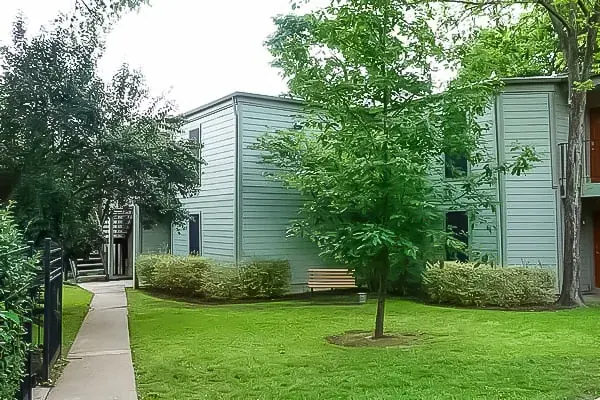
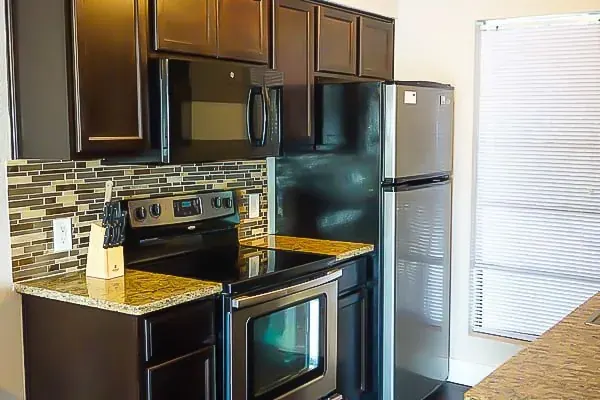
Inside Rustic Creek, our Austin flagship






Common problems (and fast fixes)
- “It tastes like juice.” Add more citrus, more bubbles, or a small splash of chilled tea for dryness
- “It’s too sweet.” Dilute with sparkling water and add a tiny pinch of salt to round the flavor
- “It’s too sour.” Add more fruit, or a little more base, instead of reaching for sweetener
- “It’s flat.” Add sparkling water last, keep it cold, and avoid stirring too aggressively
- “It feels like a trigger.” Switch to a plain glass, skip garnish, and choose a simpler drink for now
Make fruity mocktails part of your relapse-prevention plan
A mocktail is not treatment, but it can be a useful tool when it supports your plan instead of replacing it. The most reliable way to use fruity mocktails is to connect them to a coping skill you already practice.
- Pair with a routine. Make your mocktail after dinner, then take a short walk, shower, or journal.
- Use it as an urge timer. Sip slowly for 10 minutes while you ride out the peak of a craving.
- Lower friction. Put citrus, sparkling water, and frozen fruit where you can see them.
Match the drink to the job the craving is trying to do
Cravings often show up because your brain wants a specific result. You can build your mocktail to match that need without alcohol.
- Stress relief: chilled herbal tea + citrus + berries (calm, low sugar).
- Reward: bright fruit + bubbles + garnish (celebration without intoxication).
- Connection: a pitcher-style drink you can share (social without pressure).
- Comfort: apple + cinnamon + ginger (warm flavors without alcohol).
If you live in recovery housing, your environment may have clear policies about alcohol and alcohol-like items. Review the expectations for a substance-free setting so you do not accidentally bring in a product that violates house rules: Sober Living Community Rules: Substance-Free Environment.
Social scripts that make ordering easier
Fruity virgin drinks work best when you keep the ask simple. Try a calm, direct script:
- “Can I get sparkling water with lime and a splash of pineapple?”
- “Can you do lemonade with soda water instead of soda?”
- “Can you muddle berries, add lemon, and top with sparkling water?”
If you are building your recovery plan before day one, add “drink swaps” to your checklist. It is easier to stay sober when your environment already has a plan B. Going Sober Checklist: Your Road to Recovery Before Day One.
When fruity mocktails are not the right choice
Sometimes the safest alternative to alcohol is not a mocktail. It is something simpler, especially in the first weeks of sobriety.
Consider skipping mocktails for now if you notice:
- Cravings get louder after the first few sips.
- The drink becomes a “replacement obsession,” where you chase the same numbing effect.
- It creates conflict with your sober living or halfway house expectations.
In those cases, choose a basic, low-cue option like sparkling water with citrus, herbal tea, or an electrolyte drink with minimal added sugar. Then shift the focus to the next right step: connection, structure, and support.
If you want a stable environment while you practice sober routines, recovery housing can add accountability, peer support, and clear boundaries. Learn what daily life looks like here: A Sober Living Home: What to Expect.
Bottom line: The best fruity mocktail is the one that helps you stay present, steady, and supported. If a drink, any drink, starts pulling you toward old patterns, change the plan early and ask for help.
Alcohol affects many systems in the body, including the brain, gut, heart, and immune system. For a clear overview, see this NIAAA resource: Alcohol’s Effects on the Body (NIAAA).
Why Mocktails Matter in Sober Living: Expert Insights and Real Benefits
At Eudaimonia Recovery Homes, we’ve seen firsthand how small rituals, like mixing a flavorful mocktail instead of reaching for alcohol, can anchor residents during vulnerable moments. According to the National Institute on Alcohol Abuse and Alcoholism (NIAAA), social settings and habitual cues are among the most common relapse triggers in early recovery. Replacing alcohol-centered routines with intentional, enjoyable alternatives helps rewire those cues and supports long-term sobriety.
Sarah Chen, LCSW, a licensed clinical social worker who has worked with residents in Austin and Colorado Springs, explains: “Mocktails aren’t just about what you’re not Drinking, they’re about what you are choosing. They give people in recovery a sense of agency, celebration, and normalcy in social situations where they might otherwise feel left out or tempted.”
In our communities across Austin, Houston, San Antonio, Colorado Springs, Philadelphia, and Baton Rouge, residents often gather for Friday-night mocktail socials. One resident in our South Austin home shared: “I used to think sobriety meant boring nights at home. But when we started making mocktails together, I realized I could still have fun, connect with people, and feel like myself, without compromising my recovery.”
The Science Behind Mocktails and Recovery
Research published by the Substance Abuse and Mental Health Services Administration (SAMHSA) highlights the importance of peer support and structured routines In maintaining sobriety. Mocktail rituals offer both: they create a predictable, positive routine and foster community engagement, two pillars of successful sober living.
At Eudaimonia, we encourage residents to experiment with fresh ingredients, low-sugar recipes, and creative presentations. Simple combinations like muddled mint with lime and sparkling water, or ginger-turmeric lemonade, provide sensory satisfaction and a “treat” moment that reinforces recovery as a lifestyle choice, not a deprivation.
Tips for Choosing Recovery-Friendly Mocktails
- Avoid high-sugar mixers: Many commercial “virgin” drinks are loaded with sugar, which can trigger mood swings and cravings. Opt for fresh citrus, herbs, and unsweetened sparkling water.
- Make it social: Invite housemates or recovery peers to mix drinks together. The connection matters as much as the beverage.
- Name your drink: Giving your mocktail a fun name (like “Austin Sunset” or “Recovery Refresher”) adds a sense of occasion and identity.
- Keep it simple: You don’t need exotic ingredients. Lemon, cucumber, basil, and club soda can create a sophisticated drink in under two minutes.
How Eudaimonia Recovery Homes Supports Fruity Mocktails and Healthier Alternatives to Alcohol in Real-Life Recovery
Choosing fruity mocktails and other alternatives to alcohol can be a powerful step, but lasting change often requires the right environment and support. Eudaimonia Recovery Homes helps people strengthen sober habits by providing structured sober living where daily routines, accountability, and peer support make healthier choices easier to maintain. Instead of relying on willpower alone, residents can build consistency through house expectations, community connection, and a substance-free setting that supports recovery goals. Just as fruity virgin drinks can replace the ritual of drinking, sober living can replace old patterns with new, stable routines that reduce triggers and impulsive decisions.
Eudaimonia also supports people who are balancing work, family, and recovery by helping them stay focused on practical steps that protect sobriety. Over time, this structure can help reduce relapse risk by reinforcing coping skills, healthier social habits, and a stronger sense of responsibility. If you are exploring alternatives to alcohol because you want a more stable and satisfying life, sober living can provide the supportive foundation that helps those choices stick. With the right community around you, small changes, like choosing fruity mocktails, can become part of a bigger, long-term recovery lifestyle.
Your Future Is Waiting
Tell us what you are looking for and admissions will walk you through the houses, the phases, and what a room actually costs.