

Published February 27, 2026 · Updated February 24, 2026
Key Takeaways
- Intervention basics matter most when the conversation is planned, specific, and focused on next steps.
- Do interventions work depends on planning, approach, safety, and whether a realistic care option is ready.
- When to intervene is often tied to safety risks, escalating consequences, and failed informal attempts to help.
- How to do an intervention is easier when roles, scripts, and boundaries are agreed on in advance.
- What to say should stay calm, factual, and centered on health, impact, and immediate options.
- Next steps should cover both outcomes: accepting help and refusing help.
- Recovery housing can support stability when paired with accountability and ongoing clinical care.
- FAQ section targets common search questions and supports visibility for intervention keywords.
On This Page · 24 Sections
Supporting someone with alcohol addiction can feel confusing and draining. If you are searching for how to help someone with addiction, you may be weighing a direct conversation, family support, or a more formal approach.
A drug intervention or alcohol intervention is not meant to win an argument. It is a planned meeting where several people share specific concerns, set clear boundaries, and offer a practical next step for treatment.
Drug and Alcohol Intervention: How to Help
What is an addiction intervention?
An addiction intervention is a carefully planned process that family and friends can do, often with help from a doctor, counselor, therapist, or a trained intervention professional. Planning matters because it lowers blame, keeps the message focused, and reduces the chance of a chaotic scene.
For a clear overview of what an intervention is and how it typically works, see the Mayo Clinic intervention guide.
Most meetings like this include three parts: 1) clear examples of what others have seen, 2) the impact of those events, and 3) a treatment option that can start right away.
Intervention vs. “one more talk”
A serious, one-on-one talk can help, especially early on. But many people with substance use disorder minimize risk or avoid the topic. A drug abuse intervention adds structure: a small team, rehearsed statements, and agreed boundaries.
Alcohol vs. drugs: safety differences
Alcohol and other drugs can create different medical risks. Some people have dangerous symptoms when they stop drinking suddenly. Because of that, an alcohol-focused meeting works best when there is a plan for medical evaluation and supervised care if needed.
Do interventions work?
People ask “do interventions work” because they want to know if the stress will lead anywhere. Outcomes vary. Some people accept help the same day. Others refuse at first but agree later. In some cases, the main change is that the family stops enabling and starts using consistent boundaries.
What success can look like
Success is often step-by-step. It may look like agreeing to an assessment, starting outpatient care, entering detox, or accepting recovery supports. It can also include safer family routines and fewer crisis situations.
When a group meeting may not be the best first step
A group approach may be unsafe when there is a history of violence, severe mental illness, or recent suicidal talk. It may also be risky if the person is intoxicated at the time. In these cases, trained guidance and a safety plan are important.
When to consider a substance abuse intervention
Many families decide to act when the consequences are escalating and the usual requests are not working. The goal is not to label the person. The goal is to respond to risk in a clear, consistent way.
Common signs that it may be time
You might consider planning a substance abuse intervention if you see repeated patterns such as missed work, unsafe driving, growing health problems, financial instability, or constant conflict tied to drinking or drug use. A clinician can also help assess whether the person meets criteria for a substance use disorder and how severe it may be.
When to involve outside support
Outside support can help when the situation is complex. This may include a doctor, therapist, licensed alcohol and drug counselor, or intervention specialist. It is often useful when multiple substances are involved, when the family is divided, or when there are safety concerns.
Eudaimonia's Success Stories – Real People, Real Freedom
How to do an intervention
People search for “how to do an intervention” because they want a plan they can follow. The steps below reflect common guidance across major health resources and family-focused models.
How to stage an intervention: step-by-step
- Choose the team. Keep it small and focused. Invite people who can stay calm and respectful.
- Define the goal. A clear goal might be “agree to an assessment today” or “enter detox this week.”
- Gather options for care. Identify the level of care that matches the risk, such as detox, residential treatment, intensive outpatient, or outpatient counseling.
- Pick the setting and time. A private, neutral location is often easier than a public space. Avoid times when the person is likely to be intoxicated.
- Write short impact statements. Each person should prepare a few specific examples and the impact on safety, trust, or daily life.
- Rehearse. Practice helps people stay steady and avoid side arguments.
- Plan the “yes” and the “no.” Decide what happens if the person accepts help, and what boundaries will be kept if they refuse.
SAMHSA notes that family involvement can improve engagement and outcomes, but also highlights important safety considerations (including withdrawal and any history of violence) in its family therapy advisory.
Before the meeting, review these mistakes to avoid in an intervention to reduce conflict and keep the plan realistic.
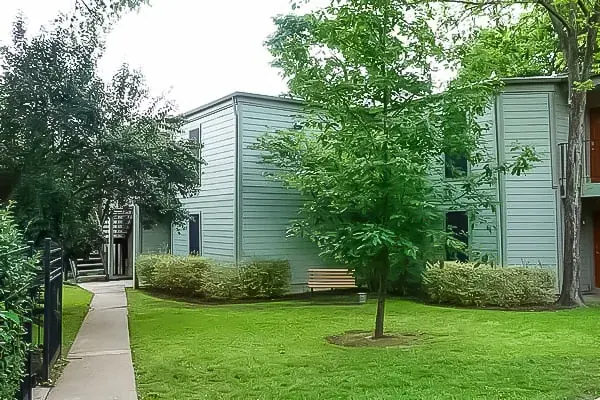
Inside Rustic Creek, our Austin flagship







How to have an intervention conversation that stays neutral
Start with a simple statement of purpose: concern, specific examples, and an offer of help. Keep the focus on observable events. Avoid name-calling, past scorekeeping, or threats you cannot follow through on.
What to say during a drug or alcohol intervention
What you say matters as much as the plan. The goal is direct communication without humiliation.
Use facts, then impact
A useful pattern is: “I observed ___, and it affected ___.” For example: “You missed your son’s school event because you were drinking, and he was upset for days.” This keeps the message clear and reduces debate.
Set boundaries, not punishments
Boundaries are about what you will do to protect safety and stability. They work best when they are specific and realistic. For instance, someone might stop giving cash or stop covering missed obligations. A boundary is only effective if it is enforced consistently.
If you’re unsure where support ends and enabling begins, this guide on how to stop enabling addiction can help you set clearer boundaries.
Avoid common traps
Arguments tend to grow when people diagnose, moralize, or demand promises. Try to avoid statements like “If you loved us, you would stop,” or “This is your last chance.” Neutral language is more likely to keep the door open.
For alcohol-specific communication strategies, see our guide on how to help a loved one stop drinking safely.
After the intervention: next steps that support recovery
A meeting like this is usually the start of a longer plan. If the person accepts help, the next step is often an assessment and a level of care matched to need. Treatment can include therapy, recovery support services, and, for some conditions, medications. For alcohol use disorder and opioid use disorder, several FDA-approved medications exist and may be part of care when clinically appropriate.
If you’re lining up care options for alcohol misuse, NIAAA summarizes evidence-based paths (counseling, medications, and mutual-support) in Treatment for Alcohol Problems: Finding and Getting Help.
Family support can also matter after treatment begins. Involving family members in substance use disorder treatment can improve engagement and outcomes when it is done safely and with screening for risks.
Recovery housing and sober living options
After detox or inpatient care, many people need a stable place to practice daily recovery skills. Some look for a sober living home, clean and sober transitional living, or structured sober living to support routines and reduce exposure to triggers. Others prefer recovery apartments or sober living apartments when more independence is appropriate.
If outpatient care is appropriate, an intensive outpatient program (IOP) can provide structured treatment while the person lives at home or in sober housing.
Cost questions are common. Families often compare sober living cost with halfway house cost, and they may search for “sober living near me” while the person is still in treatment. The right choice depends on safety, clinical advice, and willingness to follow house expectations.
If stable housing is part of the plan, this overview of sober living houses explains what to look for and how to compare options.
If budgeting is part of the decision, this sober living cost breakdown explains common price ranges and what may be included.
How Eudaimonia Recovery Homes can help with Drug and Alcohol Intervention: How to Help
Eudaimonia Recovery Homes can support the goals of a drug and alcohol intervention by offering recovery housing that complements clinical care. After a person agrees to treatment, a sober living home can provide structure, peer support, and a stable daily routine while outpatient services continue. Eudaimonia’s homes can function as clean and sober transitional living for people who are rebuilding work, school, and family duties. For families searching for sober living near me, the team can explain what a sober living environment is, what rules are typical, and how placement decisions are made.
Eudaimonia can also help families understand practical factors such as sober living cost and how that compares with options sometimes described as halfway housing or a sober halfway house. For people who want more independence, recovery apartments or sober living apartments may be considered, and staff can discuss how support levels differ across housing types. When appropriate, Eudaimonia can coordinate with outside providers so the living plan supports therapy, medication management, and recovery supports. The intent is to offer a safe, sober environment that supports follow-through after a planned meeting, not to replace medical or mental health treatment.
If you’re ready to explore sober housing options, you can apply for sober living to check availability and next steps.
Your Future Is Waiting
Tell us what you are looking for and admissions will walk you through the houses, the phases, and what a room actually costs.