
Published January 15, 2026 · Updated August 5, 2026
Key Takeaways
- Quick answerWeed may change symptoms, but it does not make withdrawal safer.
- Withdrawal safetyAlcohol withdrawal can become severe and needs medical planning.
- EvidenceResearch is mixed, and cannabis is not part of standard detox care.
- RisksTHC can mask danger signs, raise anxiety, and interact with medicines.
- Sober living impactWeed often violates rules and can trigger a positive drug screen.
- Safer optionsMedical detox, support, and proven treatments reduce risk and cravings.
- Decision checklistUse a safety-first plan and reach out for help if needed.
On This Page · 23 Sections
People quitting alcohol often ask a practical question: does weed help with alcohol withdrawal? They want to calm anxiety, sleep better, and feel steady enough to function. That makes sense. Withdrawal can feel intense.
Still, alcohol withdrawal can turn serious fast. Cannabis is not a proven or dependable withdrawal treatment. In sober living, using marijuana can also violate house rules and show up on drug tests.
Quick answer: does weed help with alcohol withdrawal?
Some people say weed helps them feel less tense or nauseated for a short window. Others feel more anxious, confused, or panicky. Effects vary by dose, THC strength, and your own history.
So, can marijuana help with alcohol withdrawal? It may change how you feel, but it does not treat withdrawal in a medical way. Marijuana does not protect you from the most dangerous withdrawal risks, like seizures or delirium tremens.
What cannabis might do
- Reduce nausea or appetite loss for some people
- Make you feel sleepy, especially at first
- Dull discomfort enough to feel “okay” for a few hours
What cannabis cannot do
- Stop withdrawal from escalating if your nervous system is unstable
- Replace medical monitoring when your risk is moderate or high
- Guarantee safety, even if symptoms feel mild right now
If you are asking “does marijuana help with alcohol withdrawal” or “does pot help with alcohol withdrawal,” it is a sign you need a safer plan than self-treatment. Weed can mask symptoms. It can also add new side effects that feel like withdrawal.
In other words, can weed help alcohol withdrawal? Sometimes it changes discomfort. But it does not make withdrawal safer. If you drink heavily, have had withdrawal before, or have other health issues, talk with a clinician before you stop drinking suddenly.
Why alcohol withdrawal is a medical safety issue
Definition: Alcohol withdrawal is a set of symptoms that can happen after a dependent brain loses alcohol quickly. The nervous system can rebound into an overactive state. That is why symptoms often include tremors, sweating, nausea, irritability, and trouble sleeping.
Symptoms can start within hours. They may peak over the next few days. Severe cases can include hallucinations, seizures, or delirium tremens. For an overview of symptoms and warning signs, see the MedlinePlus alcohol withdrawal guide.
Who is more likely to need medical support?
No online checklist can replace a clinician. But these patterns often raise risk:
- Daily heavy drinking for weeks, months, or years
- A past withdrawal episode, especially if it included a seizure or hallucinations
- Older age or major health conditions, like heart disease
- Using sedatives, sleep pills, or other drugs along with alcohol
- Little support at home, or no safe place to be monitored
Call emergency services right away if any of these show up:
- Seizure, fainting, severe confusion, or a sudden change in awareness
- Seeing or hearing things that are not there
- Chest pain, severe shortness of breath, or uncontrolled vomiting
- Feeling unable to stay safe from self-harm
Many people underestimate withdrawal risk because they have “pushed through” hangovers before. Withdrawal is different. If you want a clear overview of the usual stages and timing, read How Long Do Alcohol Withdrawals Last?
What research says about cannabis for alcohol withdrawal
When someone searches “cannabis for alcohol withdrawal,” they usually mean one of two things. They either want to get through the first days after quitting, or they want a way to avoid drinking later.
Those are two different problems. The first problem is acute withdrawal, which can be life-threatening. The second problem is relapse prevention, which is a long-term behavior and health goal.
THC and CBD are not the same thing
Marijuana contains many chemicals called cannabinoids. THC is the main intoxicating part. CBD is not intoxicating, and it is studied for several medical uses. In real life, many products contain uneven amounts of THC and CBD.
This matters because “I used CBD” can still mean “I took THC,” depending on the product. It also matters because stronger THC is more likely to cause panic, racing thoughts, or feeling out of control.
So, does weed help with alcohol withdrawal based on evidence?
High-quality clinical trials do not support cannabis as a standard alcohol detox treatment. Some research suggests cannabis use may be linked with lower drinking on some days for some people. Other research links cannabis use during alcohol treatment with fewer alcohol-free days for some groups. In plain terms, the results are mixed.
What is consistent is this: cannabis is not used in mainstream medical detox protocols for alcohol. If you need withdrawal care, THC is not a substitute for medical support.
Why the “it helped my shakes” story can be misleading
Alcohol withdrawal symptoms rise and fall. Anxiety and tremor can also calm when you eat, hydrate, rest, or simply wait. Cannabis can make that natural shift feel like a “fix,” even when the body is still at risk.
This is one reason self-detox is risky. The goal is not just to feel calmer for an hour. The goal is to stay safe through the whole window when withdrawal can spike.
Eudaimonia's Success Stories – Real People, Real Freedom
Risks of using weed during alcohol withdrawal
Even if you feel relief, weed and alcohol withdrawal can be a risky combo. The key risk is missing a danger signal. Cannabis can blur how bad symptoms are, which can delay care.
Common risks include:
- Hiding symptoms that should trigger medical help, like worsening confusion
- More anxiety or panic, which can feel like withdrawal getting worse
- Fast heart rate or dizziness that adds stress to an already strained body
- Brain fog that makes it harder to follow a recovery plan
- Falls, accidents, or risky choices because judgment and balance are off
- Drug interactions if you are taking detox or mental health medicines
High-potency weed and edibles can backfire
Today’s products can be much stronger than what people used years ago. Edibles are also delayed. You may not feel effects for a while, then feel too much at once. That can lead to panic, vomiting, or a trip to urgent care.
During alcohol withdrawal, your body is already stressed. Adding a second mind-altering drug can make symptoms harder to read and harder to treat.
Cannabis also carries its own addiction risk. If you want a clear, science-based overview, review the National Institute on Drug Abuse page on cannabis (marijuana).
Another risk is “cross-addiction.” That is when a person swaps one substance for another to cope with stress or discomfort. If you are thinking about pot for alcohol withdrawal, it may help to read Are You Substituting One Addiction for Another?
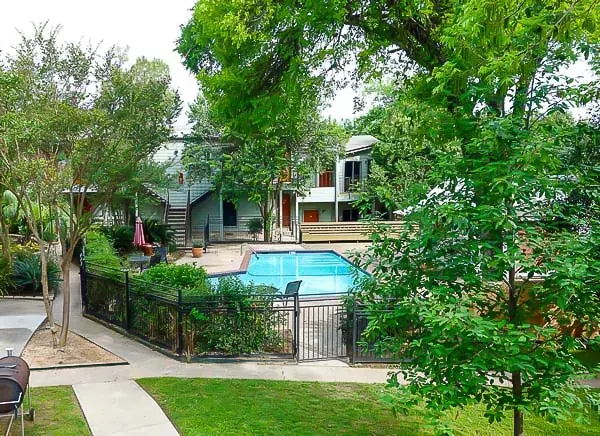
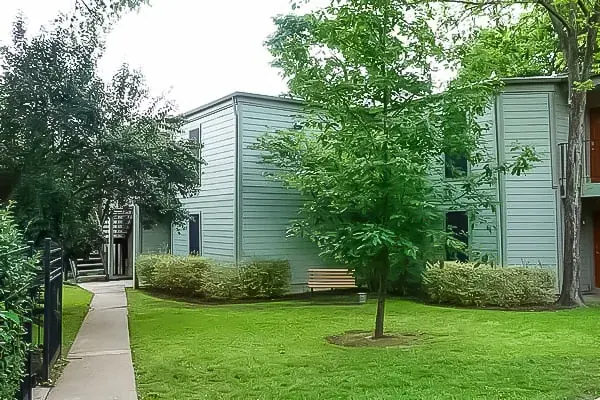
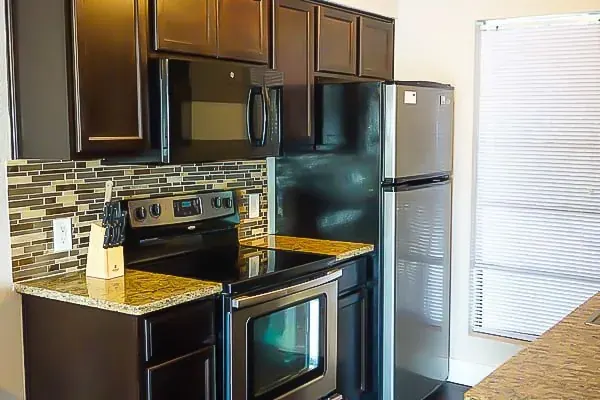
Inside Rustic Creek, our Austin flagship





How this impacts sober living and accountability
Sober living works best when the environment is stable and substance-free. Most sober living programs ban alcohol and non-prescribed drugs, including marijuana. The goal is not punishment. The goal is safety, trust, and routine during a vulnerable stage.
If you are exploring housing, start with Eudaimonia’s sober living homes to understand how structure and peer support work together.
Why weed can be a problem in sober living
In sober living, cannabis can create two practical problems:
- It can undermine your own recovery goals if it becomes your main coping tool
- It can show up on drug tests and create consequences inside the home
Even “legal” marijuana can be a problem in recovery housing. Many programs focus on abstinence. They also need a clear standard that is fair for every resident.
Before you assume weed is allowed, check expectations. Review the sober living community rules so you know what a substance-free environment means.
To understand how screening supports accountability, see Why Drug Screens Are an Important Part of Sober Living.
What to do if you used cannabis and you are worried
If you used weed and you are afraid you will test positive, do not hide it. Talk to staff. The sooner you talk, the more options you have. You can also ask for help building a safer symptom plan, including medical support if needed.
Also be cautious with “CBD-only” products. Some contain THC, and that can still trigger a positive result. If your housing requires zero THC, the safest move is to avoid all cannabis products unless a program and clinician confirm a clear exception.
If you are already in sober living and you are struggling, talk early. Tell staff what you are feeling and what you are tempted to use. A strong program will help you build support, not stack shame.
Safer options than weed for alcohol withdrawal
If you are quitting alcohol, you deserve symptom relief that does not increase risk. The safest path depends on your withdrawal risk level, your health, and your drinking history.
Safer steps often include:
- Medical detox when risk is moderate to high or you have had severe withdrawal before
- Provider-guided medications that lower seizure risk and calm the nervous system
- Fluids, meals, and vitamins, since low intake can worsen weakness and shaking
- Daily structure, including meetings, exercise, and sleep routines
- Therapy and coping skills so stress does not become a relapse trigger
Support for cravings after detox
Withdrawal ends, but craving often continues. That is normal. It does not mean you are failing. It means your brain is learning new patterns.
After the withdrawal phase, some people use FDA-approved medications for alcohol use disorder to reduce cravings and support abstinence. You can learn more in Alcohol Craving Medication and Getting Help.
If you are already using cannabis to cope
If you use cannabis daily, stopping suddenly can also cause discomfort, like irritability or poor sleep. That does not mean you should keep using it as a withdrawal tool. It means you should talk with a clinician about the safest way to change both habits.
In sober living, the goal is to treat the root problem, not just mute it. When sleep, mood, and stress improve through recovery skills, the urge to use tends to drop.
A decision checklist if you’re considering weed and alcohol withdrawal
Some people try cannabis because alcohol has already caused serious harm. If that is where you are, it helps to be honest about the trade-offs. Weed might feel like harm reduction, but it can also become a new dependency or a relapse trigger.
Use this checklist before you decide:
- If you have ever had severe withdrawal, do not self-detox. Get medical advice first.
- If you are in sober living, check the rules before you use anything that could trigger a failed screen.
- If panic or strong anxiety is part of your pattern, remember THC can intensify it.
- If you are increasing dose, using earlier, or feeling unable to stop, treat that as a warning sign.
- If your goal is lasting sobriety, build a plan that includes support, not a substitute.
If you need help finding treatment or support in the U.S., SAMHSA’s National Helpline is a free, private resource.
Bottom line: cannabis is not a safe or dependable way to manage alcohol withdrawal. In sober living, using weed can also disrupt accountability and progress. A safer path is supervised withdrawal care when needed, followed by structured support that helps you stay sober long term.
How Eudaimonia Recovery Homes Supports Your Next Steps When You’re Asking, “Does Weed Help With Alcohol Withdrawal?”
If you’re asking, “does weed help with alcohol withdrawal,” it usually means you’re looking for fast relief from anxiety, insomnia, nausea, or shakiness while trying to quit drinking. Eudaimonia Recovery Homes can help by providing a structured sober living environment where you don’t have to manage early recovery alone or rely on cannabis as a coping tool.
Their supportive setting reinforces routines that matter during this phase, like consistent sleep, nutrition, hydration, and daily accountability. Just as important, sober living offers real-world stability after detox or treatment, when cravings and stress can still feel intense even if acute withdrawal has passed. With clear community standards and built-in support, residents can focus on safer strategies for withdrawal and relapse prevention instead of switching from alcohol to weed.
Peer connection and recovery-focused programming help people build practical coping skills for stress, mood swings, and triggers. Eudaimonia’s approach also helps you think through house rules and drug testing expectations so there are no surprises that disrupt progress. Overall, it’s a place to stabilize, rebuild healthy habits, and stay aligned with long-term sobriety goals while you get the right level of care for your situation.
Your Future Is Waiting
Tell us what you are looking for and admissions will walk you through the houses, the phases, and what a room actually costs.