Published September 13, 2017 · Updated June 11, 2026
Some activities such as excessive exercise, gambling, binge eating, and sex affect the brain’s pleasure center in the same way drugs and alcohol do, making it easy for some individuals in recovery to replace a substance abuse problem with another addiction. If you’re a Eudaimonia sober living resident or you’re currently in recovery from addiction, here’s what you need to know about substituting one addiction for another and why it can be dangerous for your well-being and your recovery.
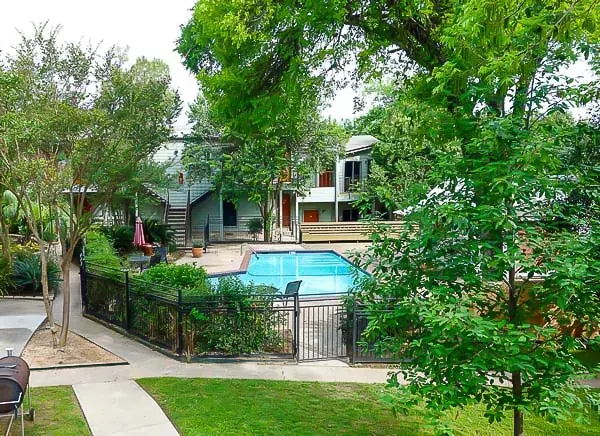
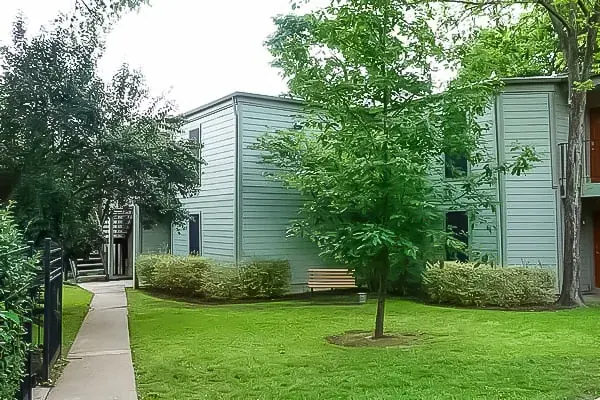
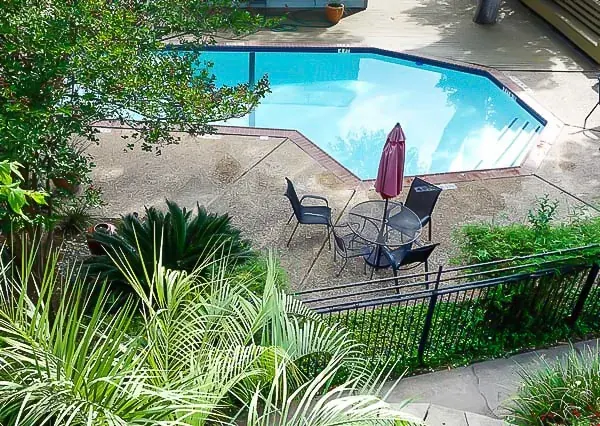
Inside Rustic Creek, our Austin flagship
How Can I Tell If I'm Substituting One Addiction for Another in Early Recovery?
You may be substituting one addiction for another if a new behavior, such as drinking, gambling, shopping, overworking, excessive exercise, or compulsive eating, starts to feel urgent, hard to control, or like it’s “replacing” the role your original substance played. The clearest warning signs are: a new behavior escalating in frequency or intensity, using it to numb or escape emotions, neglecting responsibilities or relationships because of it, and feeling distress when you can’t do it. Addiction substitution (also called cross-addiction or addiction transfer) is common in early recovery because the underlying patterns that drove the original addiction are still present.
If you recognize these signs, it doesn’t mean you’ve failed. It means the recovery work isn’t finished. Structured support, such as a sober living environment with accountability and peer connection, helps address the root patterns rather than just the symptom. Eudaimonia Recovery Homes provides that structure across our locations in Austin, Houston, San Antonio, Colorado Springs, and the Philadelphia area.
(more…)
What residents say
In their words, not ours
Real Google reviews about the rooms, the staff and the structure.
4.4 average across 4 rated Eudaimonia locations · 161 reviews
· pulled from Google August 15, 2026
“Overall, it's a great place to build on your recovery. It's a different concept from traditional sober living homes because you're actually living in apartments. I have my own apartment so I have a…”
“I’d live here forever if I could. Clean, comfortable and great people live here. Exactly everything you’d expect from a sober living. Accountability for recovery; which includes 12 step mtgs, a…”
“I've been in several sober living facilities in the last three years. There were those that were only facades run by thieves and hypocrites. It takes not much to supply an excuse to a person newly in…”
“First of all really great experience at this house I mean everybody respects each other cook great food.. That guy Jamie though top notch chef in the kitchen every day slaving over a hot stove.. It…”
“Absolutely exceptional experience at this recovery home! Rich Pappas, the owner’s dedication shines through in every aspect – from the immaculate cleanliness of the facility to the genuine care and…”
“I've been with Eudaimonia Recovery Homes for nearly 2 years now. From nice amenities to cozy beds. This as been the best part of my recovery journey yet! And I'm still going. Thank you guys in…”
“Overall, it's a great place to build on your recovery. It's a different concept from traditional sober living homes because you're actually living in apartments. I have my own apartment so I have a…”
“I’d live here forever if I could. Clean, comfortable and great people live here. Exactly everything you’d expect from a sober living. Accountability for recovery; which includes 12 step mtgs, a…”
“I've been in several sober living facilities in the last three years. There were those that were only facades run by thieves and hypocrites. It takes not much to supply an excuse to a person newly in…”
“First of all really great experience at this house I mean everybody respects each other cook great food.. That guy Jamie though top notch chef in the kitchen every day slaving over a hot stove.. It…”
“Absolutely exceptional experience at this recovery home! Rich Pappas, the owner’s dedication shines through in every aspect – from the immaculate cleanliness of the facility to the genuine care and…”
“I've been with Eudaimonia Recovery Homes for nearly 2 years now. From nice amenities to cozy beds. This as been the best part of my recovery journey yet! And I'm still going. Thank you guys in…”
“Wonderful place to get grounded in recovery. Great place to learn the proper way to go through the 12 step program. The design and the staff teach at a healthy pace to get you through the steps in a…”
“If I could do four and a half I would but I can't so I'll err on the side of grace. The pictures on the website actually match the apartments. The maintenance is mostly on point except for smaller…”
“Good location and the house is full of good guys. Everybody is respectful, clean and nothing is ever pushed onto you- only suggested. Your recovery is your choice and what you make it and this house…”
“This is a great place to start a recovery journey. They created a positive and safe environment to feel comfortable at. The house is updated, newer, and clean. Very easy living. The owner, Rich…”
“Best sober living homes in Texas, especially in Houston! Rates are great and staff are great to work with! Houses are comfortable and the recovery is strong! Locations are great too!”
“They treat you fair and like an adult . You aren't treated like an addict but more so a human . Everyone is held to the same standards and things run smoothly.”
“Wonderful place to get grounded in recovery. Great place to learn the proper way to go through the 12 step program. The design and the staff teach at a healthy pace to get you through the steps in a…”
“If I could do four and a half I would but I can't so I'll err on the side of grace. The pictures on the website actually match the apartments. The maintenance is mostly on point except for smaller…”
“Good location and the house is full of good guys. Everybody is respectful, clean and nothing is ever pushed onto you- only suggested. Your recovery is your choice and what you make it and this house…”
“This is a great place to start a recovery journey. They created a positive and safe environment to feel comfortable at. The house is updated, newer, and clean. Very easy living. The owner, Rich…”
“Best sober living homes in Texas, especially in Houston! Rates are great and staff are great to work with! Houses are comfortable and the recovery is strong! Locations are great too!”
“They treat you fair and like an adult . You aren't treated like an addict but more so a human . Everyone is held to the same standards and things run smoothly.”
For people leaving treatment who need somewhere real to practice what they learned, Eudaimonia is a network of professionally managed recovery homes built on the belief that sobriety is a byproduct of a life going well, not the other way around.