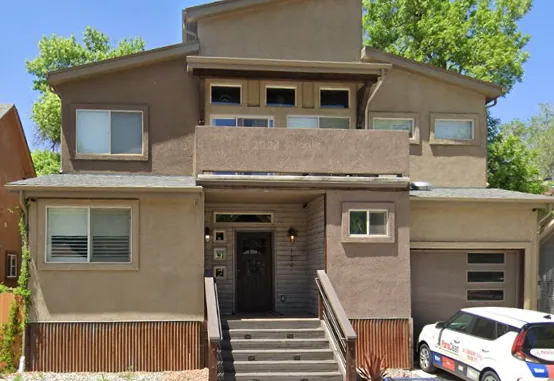

Published October 3, 2025 · Updated February 26, 2026
On This Page · 11 Sections

Sober Living
Colorado Springs
124 North Corona St, Colorado Springs, CO 80903
Stepping into recovery is a major achievement. The next step is building a stable daily life that helps you stay there. That’s where Colorado Springs sober living houses come in. These recovery‑focused homes provide safe, substance‑free housing with structure, peer support, and accountability. In this local guide, you’ll learn what sober living means in Colorado, how it differs from halfway houses and Oxford House, what CARR levels are, typical costs in and around Colorado Springs, what daily life looks like, how to evaluate homes, and answers to the most common questions people ask online.
Quick facts at a glance
Definition: In Colorado law, a recovery residence is housing for people with a primary substance use disorder diagnosis that’s free from alcohol and illicit drugs and supports recovery. Most operators must hold certification from a state‑approved certifying body.
Certification: Colorado’s certifying body uses standards aligned to national best practices; residences are organized into levels that indicate structure and services.
Local options: Colorado Springs has a mix of CARR‑aware structured homes, peer‑run Oxford Houses, and program‑aligned residences connected to treatment providers or recovery organizations.
Costs: Listings and provider pages suggest monthly costs can span roughly the mid‑hundreds to low‑thousands, depending on room type, amenities, and level of support. Insurance usually doesn’t pay rent, but it may cover outpatient care you attend while living in sober housing.
What “sober living” means in Colorado
“Sober living” is a practical, recovery‑first housing model. You live with others who share the goal of staying drug‑ and alcohol‑free. The home enforces sobriety, routine testing, house meetings, curfews, and community standards. You’re responsible for your recovery and daily life: working, volunteering, attending meetings or outpatient treatment, doing chores, and practicing sober routines. Unlike treatment, sober living is housing with recovery support, not medical or clinical care.
Colorado captures this model in law using the umbrella term “recovery residence.” The statute defines a recovery residence as a place that provides housing for people with a primary substance use disorder diagnosis in an alcohol‑ and drug‑free environment; it also establishes the state’s framework for certifying bodies and residence standards.
Locally, El Paso County explains that, with limited exceptions, people operating a recovery residence must obtain certification under the state’s process. That’s reassuring for residents and families because a certified home is following written standards for safety, governance, and recovery support.
Sober living vs. halfway houses vs. Oxford House
These terms often overlap in conversation, but they’re different in structure and governance:
Sober living house / recovery residence: A privately operated, substance‑free home with rules, peer accountability, and often staff oversight. It focuses on community and structure rather than medical care. Operators in Colorado generally need certification that aligns with the state’s standards.
Halfway house: In many contexts, “halfway house” refers to community corrections or justice‑involved residential re‑entry programs. These are not the same as sober living and involve court or corrections oversight with different goals and rules.
Oxford House: This is a peer‑run model where residents democratically manage the house and share expenses; there’s no external house manager. Many Oxford Houses operate in Colorado and provide an abstinence‑based, mutual‑aid living environment with unlimited length of stay while residents remain sober and follow house rules.
Knowing the differences helps you match structure and culture to your needs. If you prefer a democratically run, peer‑only home, Oxford House might fit. If you want more staff oversight and program structure, a certified recovery residence may be better.
Colorado’s CARR levels (1–4) and why they matter
Colorado’s certification standards (through its approved body) align homes to levels that communicate the amount of structure and support you can expect:
Level 1: Peer‑run homes with the least formal structure; residents enforce house rules and sobriety.
Level 2: Monitored homes with a house manager; routine testing and meetings; light program requirements.
Level 3: Supervised homes with credentialed staff and more structured schedules, life‑skills work, and recovery services.
Level 4: Clinically oriented residences with licensed clinicians involved; the highest level of structure and monitoring.
Why it matters: Levels help you right‑size Support to your recovery stage. Early recovery often benefits from Level 3, 4 structure; later on, Levels 1, 2 may provide enough accountability without feeling restrictive.
Costs in Colorado Springs: What you’re likely to pay (and what’s included)
Pricing varies by room type (shared vs. private), amenities, location, and the home’s level. From city/state listings and provider pages, Colorado sober living rates commonly cluster from the mid‑hundreds to around a thousand+ per month, with some programs higher if they include premium amenities. Provider FAQ language also frames a broad range (e.g., “$600 to $2,500+” as a general span). While that upper end isn’t the norm for basic shared rooms, it appears on some provider pages and specialty programs.
Inside the Colorado Springs homes
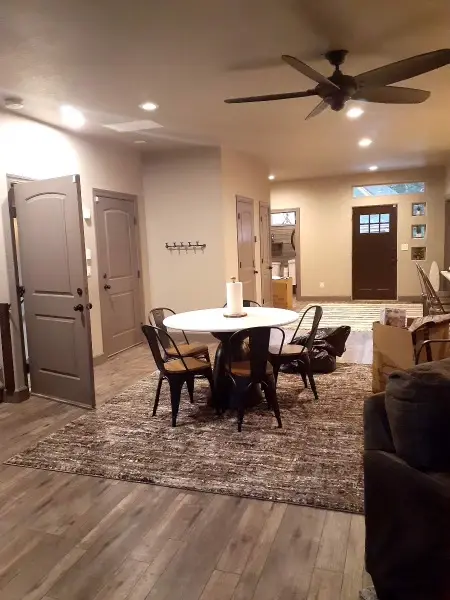
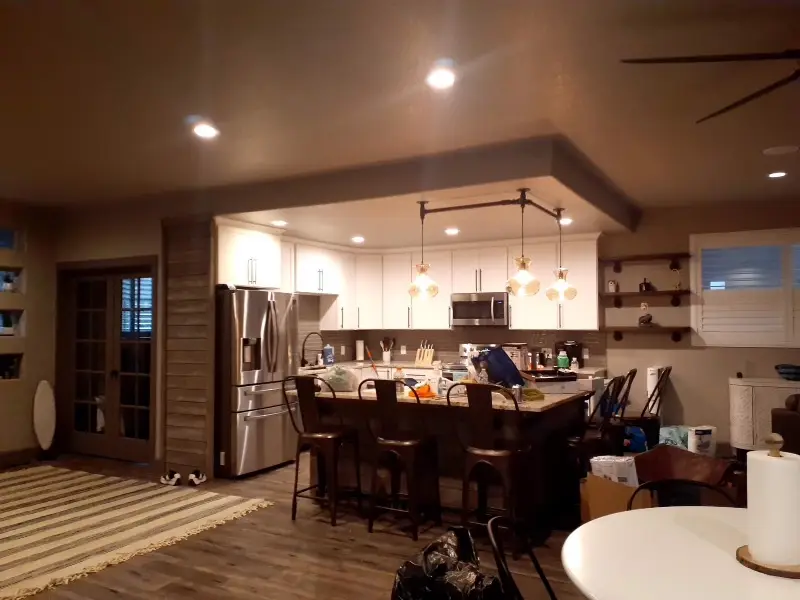
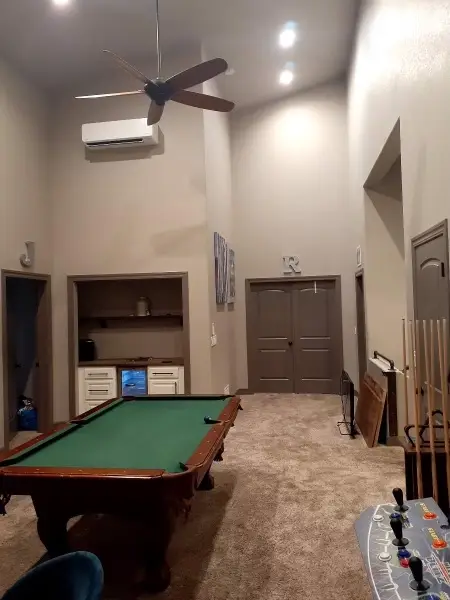
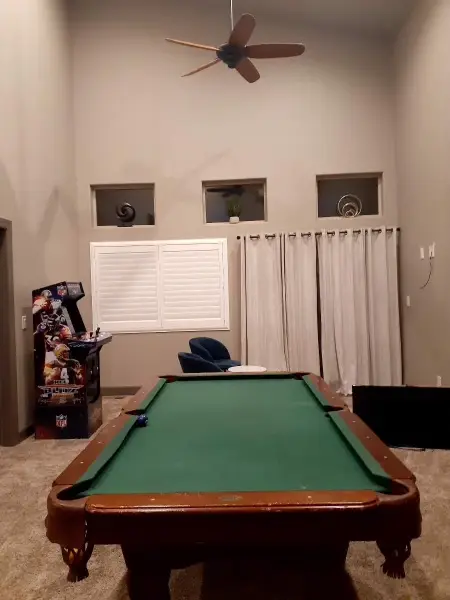
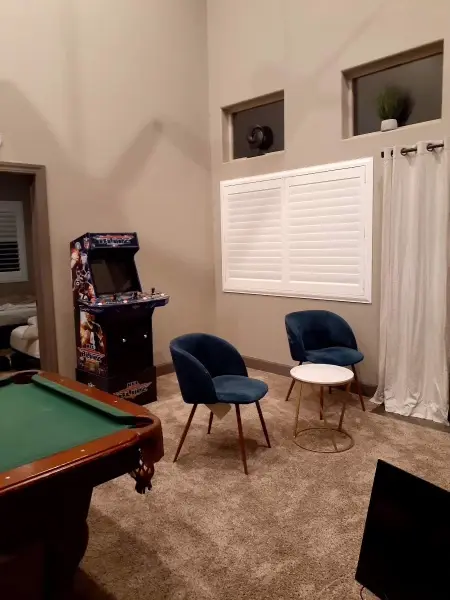
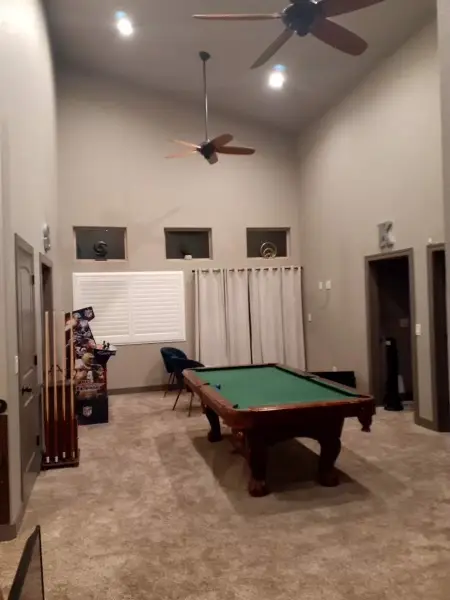
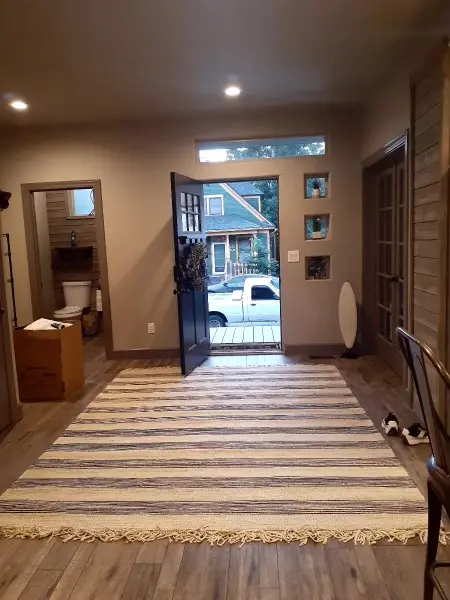
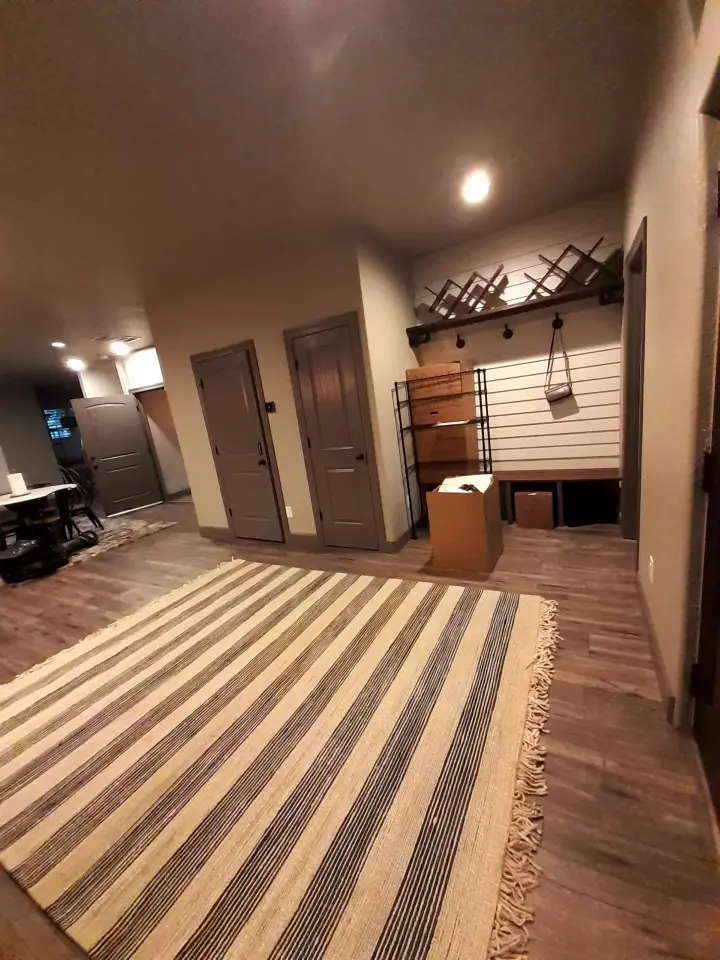
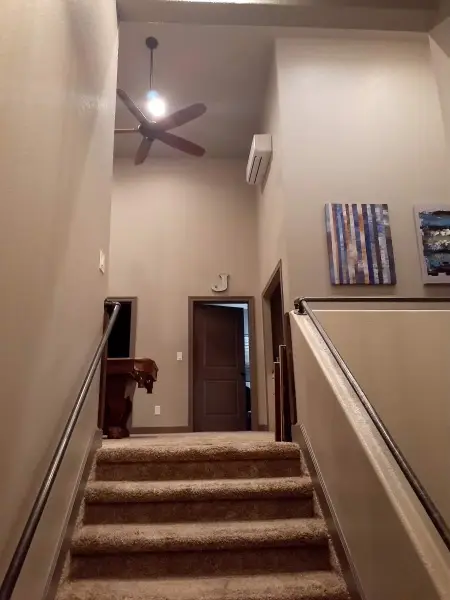
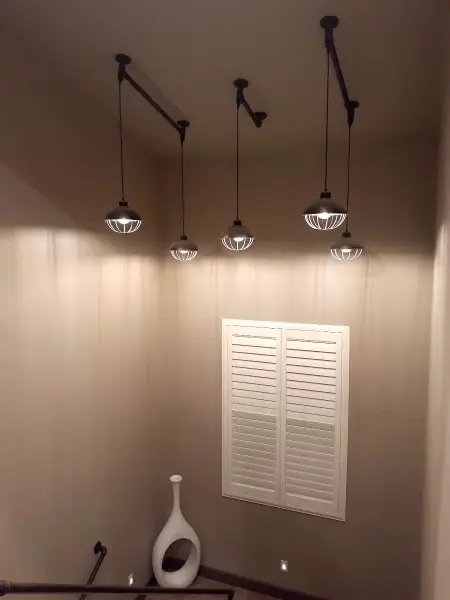
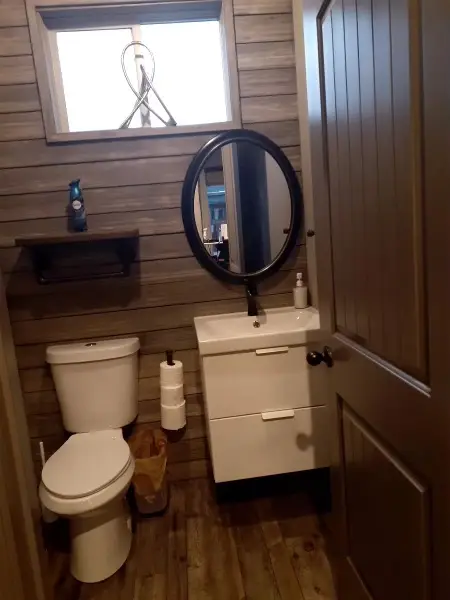
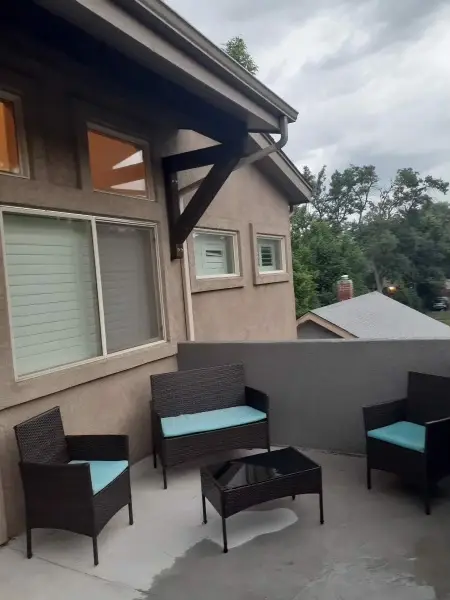
What’s typically included:
A fully furnished home with kitchen access and shared living areas
Wi‑Fi/cable, laundry, and routine cleaning expectations
House meetings, random testing, and written rules
On‑site or on‑call staff/peer leads for structure and support (varies by level)
What’s not covered by insurance: rent. In other words, Medicaid or commercial plans usually don’t pay for sober living housing, though they may cover outpatient services (IOP, therapy, peer services) you attend while living there.
Rules, testing, and safety: What daily life looks like
Expect a clear community agreement. You’ll see:
Sobriety and testing: Random drug/alcohol screens help keep the environment safe.
Curfews and accountability: Schedules balance freedom with structure.
House meetings and chores: Everyone contributes to a clean, respectful home.
Participation in recovery: Many homes require meetings, employment or job search, school, or volunteering.
Good‑neighbor policies: Colorado standards encourage homes to be responsible, safety‑minded neighbors.
Different homes communicate rules in various ways, but the intent is consistent: structure that supports long‑term recovery without the intensity of inpatient treatment.
Admissions timeline & what to bring
Admissions is usually straightforward: inquiry → short screening → application → agreement to rules → move‑in date. Many programs aim to make this quick and simple to reduce stress during a vulnerable time. Ask about same‑day or next‑day placement when urgent.
As for packing, most homes are furnished. Bring clothing, toiletries, essential documents, modest bedding if specified, and recovery materials (journal, reading). Confirm what not to bring, especially restricted items and medications. Provider FAQs often include a packing checklist.
Living in Colorado Springs while in sober housing
Colorado Springs is a great base for outdoor activity and balanced routines: hiking, scenic drives, and year‑round recreation help residents re‑discover healthy structure. Some local provider pages mention nearby bus routes, retail, and job opportunities. Align your house choice with your work or school plans, and ask whether the home encourages or requires participation in IOP or support groups.
If you’re pairing housing with outpatient care, there are IOP options in Colorado Springs, which can complement the accountability of sober living.
Eudaimonia's Success Stories – Real People, Real Freedom
Frequently Asked Questions (FAQ)
What is a sober living house and how does it work?It’s alcohol‑ and drug‑free housing with rules, testing, and peer accountability that supports your recovery routine (work, school, meetings, or outpatient). It’s not treatment, but many residents also attend IOP or counseling.
How much do sober living homes cost in Colorado Springs?Expect a monthly rent in the mid‑hundreds to around a thousand+ depending on room type, amenities, and structure; some specialty programs cost more. Providers cite wide ranges, and directories list example rates by city.
Does Medicaid or insurance pay for sober living?Generally, no for rent/housing. Insurance may cover outpatient services you use while living there (e.g., IOP, counseling, MAT).
What are common rules in sober living houses?Sobriety, random testing, curfews, meetings or recovery activities, chores, and respect for house/community standards. Written policies should be available.
How long can I stay?Length of stay is flexible, often several months to a year+, depending on progress and house policies. Peer‑run homes like Oxford House allow open‑ended stays while you remain sober and meet obligations.
What’s the difference between a halfway house and sober living?“Halfway house” often refers to community corrections or justice‑involved programs. Sober living is private recovery housing without court oversight. Different rules and goals.
Are there peer‑run options in Colorado Springs?Yes. Oxford House offers democratically run homes; check the state hub and vacancies site for openings.
What is CARR certification and why should I care?CARR’s standards align homes to best practices and levels of support. Certification signals safer operations, clear policies, and recovery‑supportive structure.
Can I work or go to school while living there?Yes. Many homes encourage employment or education and schedule requirements around work or IOP. Provider pages highlight transit access and nearby jobs.
What should I bring when I move in?Bring essentials (clothes, toiletries, documents). Homes are usually furnished; ask for the “what to bring / not to bring” list before move‑in.
Your Future Is Waiting
Tell us what you are looking for and admissions will walk you through the houses, the phases, and what a room actually costs.