
Published February 8, 2026
Key Takeaways
- Does alcohol cause cancer?Alcohol is a carcinogen; less drinking lowers risk.
- What 7 cancers are linked to alcohol?Seven cancers are most strongly linked, including breast and colorectal.
- How does alcohol cause cancer?Ethanol can damage DNA, increase oxidative stress, and alter hormones.
- Alcohol and breast cancer riskEven low drinking levels can raise risk, especially over time.
- Alcohol and colon cancer riskAlcohol is tied to colorectal cancer, and higher intake may raise stomach cancer risk.
- Alcohol cancer risk calculatorUse a simple self-check to spot patterns and choose a change step.
- Can quitting lower cancer risk?Stopping can reduce risk over time; get medical guidance if needed.
- Next steps and supportIOP and sober housing can make cutting back or quitting realistic.
On This Page · 23 Sections
Alcohol can affect almost every organ in the body, but one effect often surprises people: drinking alcohol raises cancer risk. A U.S. Surgeon General’s Advisory summarizes the evidence that alcohol use can cause cancer and recommends clearer public warnings.
If you’re questioning your drinking, or supporting someone in recovery, understanding this link can make your next step feel more urgent and more concrete.
In sober living, recovery homes, halfway houses, and intensive outpatient support, this topic matters because it connects a daily choice to a long-term health outcome. Alcohol consumption cancer risk is not just a medical concept. It shows up in everyday decisions about stress, sleep, and social life. If your goal is to protect your future, fewer drinks (or no drinks) is a practical place to start. For a broader look at routines that support long-term change, see sober living meaning, benefits, and practical tools.
Does alcohol cause cancer?
Yes. Alcohol is a carcinogen, which means it can contribute to cancer development. The main issue is not the type of drink (beer, wine, or liquor). It’s the ethanol itself and how your body breaks it down.
In the U.S., the Surgeon General describes a causal link between alcohol consumption and increased risk for at least seven cancers. If you searched “alcohol cancer risk surgeon general,” this Surgeon General alcohol advisory is the source people are referring to. The Advisory also calls for better public awareness and practical steps to reduce alcohol-related cancers. Read the Surgeon General’s Alcohol and Cancer Risk Advisory.
Is alcohol a carcinogen or carcinogenic?
Both phrases mean the same thing. When people ask “is alcohol a carcinogen?” or “is alcohol a carcinogenic substance?” they are asking whether alcohol can play a direct role in cancer risk. The Surgeon General’s alcohol cancer risk message is clear: yes, alcohol can cause cancerAnd the risk increases as consumption increases.
Why “how much” matters
Cancer risk tends to rise with:
- More alcohol over time (your lifetime total matters)
- More frequent drinking (regular exposure adds up)
- Higher-intensity patterns (like heavy episodes or “binges”)
If you’ve ever asked, “does drinking alcohol cause cancer?” or “can alcohol lead to cancer?” the most accurate answer is: alcohol can contribute to cancer risk, and less is safer than more.
In structured recovery housing, a substance-free environment supports this goal day to day. You can review expectations in Eudaimonia’s sober living community rules.
What 7 cancers are linked to alcohol?
The Surgeon General highlights seven cancers linked to alcohol. These are the cancers most consistently tied to alcohol use in human research:
- Breast cancer (in women)
- Colorectal cancer (colon and rectum)
- Esophageal cancer
- Laryngeal cancer (voice box)
- Liver cancer
- Mouth cancer
- Throat cancer (pharynx)
People sometimes search “what cancers does alcohol cause” or “what 7 cancers are linked to alcohol.” This list is the clearest starting point. It also explains why cancer risk belongs in the same conversation as hangovers, tolerance, and withdrawal.
How does alcohol cause cancer?
When people hear “alcohol causes cancer,” they often want to know the “how.” Researchers describe several ways alcohol can push cells toward cancer over time. You do not need to memorize the biology, but it helps to understand the direction of the effects.
- Alcohol breaks down into acetaldehyde, a toxic chemical that can damage DNA.
- Alcohol can increase oxidative stress, which can harm cells and tissues.
- Alcohol can change hormone levels, including estrogen, which matters for some cancers.
- Alcohol can irritate and weaken protective barriers in the mouth, throat, and gut.
- Alcohol can affect nutrition, including nutrients involved in DNA repair.
This is why the question “can alcohol give cancer?” is not just about one night out. The bigger issue is repeated exposure over months and years.
Eudaimonia's Success Stories – Real People, Real Freedom
Alcohol and breast cancer risk: what new findings mean
When people hear “alcohol and breast cancer,” they often assume the risk only applies to heavy drinking. Newer summaries of the evidence emphasize something more uncomfortable: even low levels of drinking can raise breast cancer risk, and risk increases as drinking increases.
Alcohol can influence estrogen levels and can contribute to DNA damage during metabolism. Those effects help explain why breast cancer risk can rise even when a person does not “feel” like a heavy drinker.
If you want a detailed evidence overview, see the National Cancer Institute’s alcohol and cancer risk fact sheet.
What this means for women
Searches like “alcohol and breast cancer risk new findings” usually come from women trying to make a practical decision: keep drinking as-is, cut back, or stop. If breast cancer runs in your family, or you have other risk factors, drinking less can be one of the few risk levers you can control.
If alcohol has become hard to stop once you start, it may help to change the environment, not just the intention. A structured sober living setting can reduce triggers while you build healthier routines.
Alcohol and colon cancer risk (and stomach cancer)
Many people ask: “does alcohol cause colon cancer?” and “does alcohol cause stomach cancer?” The evidence most strongly and consistently links alcohol to colorectal cancer, and some studies suggest higher intake can also raise risk for other digestive cancers.
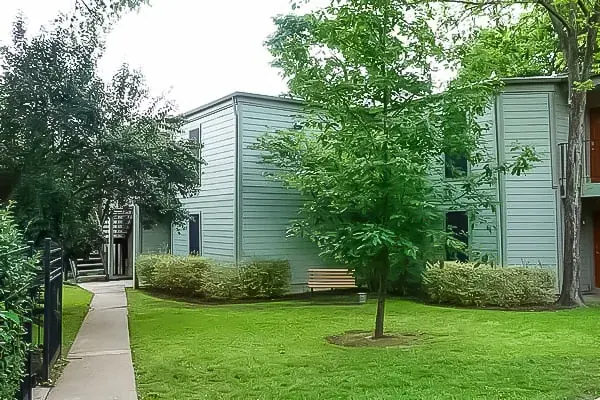
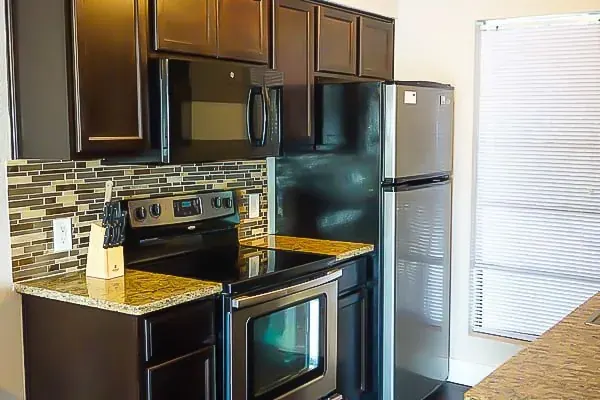
Inside Rustic Creek, our Austin flagship






Colon cancer drinking alcohol: why patterns matter
Alcohol and its breakdown products can irritate tissues and may contribute to inflammation and cellular damage. Over time, that can increase the odds that abnormal cells survive and grow. So, if you search “can alcohol cause colon cancer” or “alcohol and colon cancer,” the key point is that alcohol is a modifiable risk factor.
Can alcohol cause cancer of the stomach?
The CDC notes that some studies show higher daily intake is associated with increased risk of stomach cancer and pancreatic cancer. The safest direction is still the same: drinking less alcohol is better for your health than drinking more. See CDC guidance on alcohol and cancer.
Alcohol cancer risk calculator: a simple self-check
Many people search for an “alcohol cancer risk calculator.” There is no single number that can predict an individual cancer outcome, because risk depends on many factors. But you can do a practical self-check that helps you decide what to do next.
Step 1: get specific about your drinking
- Count your standard drinks for one week. Write down each drink, including “just one” pours at home.
- Mark any heavy episodes. If you often drink more than you planned, note when and why it happens.
- Notice the trigger loop. Stress, boredom, social pressure, and sleep issues can all drive alcohol use.
Step 2: list the factors that raise your risk
- Frequent drinking (most days of the week)
- Heavy episodes (losing control once you start)
- Tobacco exposure (increases overall cancer burden)
- Personal or family cancer history
- Chronic digestive issues (like reflux) or chronic liver disease
Final step: choose a risk-lowering move you can repeat
Options include a 30-day break, cutting drinking days, avoiding “first drink” situations, or committing to sobriety. If cravings are your barrier, this guide on when alcohol cravings often ease can help you set realistic expectations in early change.
Can quitting lower cancer risk?
Quitting can help. Evidence summaries from the National Cancer Institute note that stopping alcohol is associated with lower risk for some alcohol-related cancers. Risk reduction can take time, but it is never “too late” for the body to benefit from a change.
People also ask, “does alcohol make cancer spread faster?” That question is understandable, but it is hard to answer with a simple yes or no. Cancer growth depends on the cancer type, biology, and treatment. What is clear is that alcohol can complicate health, and the NCI cautions that alcohol may increase the risk of cancer recurrence or a second cancer for some people. If you have cancer now or a past diagnosis, it is best to discuss alcohol with your care team.
For many people, the biggest challenge is staying consistent after the first good week. If you’re worried about sliding back, it helps to define setbacks early and respond quickly. This guide explains what is considered a relapse and what to do next.
Next steps: support for cutting back or quitting
Information helps, but support and structure Often decide outcomes. If alcohol has become a default stress tool, getting help is not a moral failure, it’s a health decision.
If you want clinical support while living at home
An intensive outpatient program can provide therapy, education, and accountability while you continue work, school, and family responsibilities. Learn how Eudaimonia’s intensive outpatient program (IOP) works and what to expect.
If you want a substance-free environment while you rebuild routines
Sober living and recovery homes can give you a safe place to practice new habits, stay accountable, and reduce exposure to alcohol-centered routines. If you’re ready to explore options, start with Eudaimonia’s sober living and recovery housing programs and choose a setting that supports your next chapter.
How Eudaimonia Recovery Homes Supports Alcohol and Cancer Risk Reduction
Eudaimonia Recovery Homes can help people who are concerned about alcohol and cancer risk by providing a stable, substance-free environment that supports lasting behavior change. When someone learns that alcohol is a carcinogen and that drinking alcohol can raise cancer risk, including alcohol and breast cancer risk and alcohol and colon cancer risk, it can feel overwhelming to figure out what to do next. Eudaimonia offers recovery housing that reduces daily triggers, strengthens accountability, and helps residents build routines that make sobriety sustainable. For many people, the biggest barrier isn’t understanding the health information: it’s staying consistent when stress, cravings, and social pressure hit.
With peer support, structured expectations, and a recovery-focused culture, residents can practice real-world coping skills while staying connected to a community that reinforces progress. Eudaimonia can also help coordinate next steps like outpatient care, counseling, and relapse-prevention planning so the support doesn’t end after the first few weeks. If you’ve tried to cut back and found it harder than expected, having a structured living situation can be the difference between repeated restarts and real momentum. Choosing support is a practical health decision, especially if you want to lower long-term alcohol consumption cancer risk and protect your future.
Your Future Is Waiting
Tell us what you are looking for and admissions will walk you through the houses, the phases, and what a room actually costs.