

Published April 30, 2026 · Updated May 1, 2026
On This Page · 9 Sections
Completing a detox or residential program is a huge accomplishment, one that takes real courage and commitment. But if you’re approaching discharge and wondering what happens after detox and what your next steps are, you’re asking exactly the right question. The transition between levels of care is one of the most critical moments in recovery, and having a clear plan can make the difference between maintaining momentum and losing ground. Whether you’re moving into an Intensive Outpatient Program (IOP), a sober living home, or both, here’s what you need to know to make that transition as smooth and successful as possible.
Understanding Levels of Care in Addiction Treatment
Recovery isn’t a single event, it’s a continuum. Addiction treatment is structured in levels of care, each designed to meet you where you are in your recovery journey. Understanding how these levels connect helps you see the bigger picture and feel more confident about the road ahead.
- Medical Detox: The first step for many people, focused on safely managing withdrawal under medical supervision. Typically lasts 3–10 days depending on the substance and individual needs.
- Residential Treatment (Inpatient): A structured, live-in program offering intensive therapy, counseling, and support. Usually lasts 30–90 days.
- Partial Hospitalization Program (PHP): A step down from residential, offering 5–6 hours of treatment per day while you begin living more independently.
- Intensive Outpatient Program (IOP): Typically 3 days per week, 3 hours per session, designed to provide ongoing clinical support while you reintegrate into daily life.
- Outpatient Therapy: Weekly or bi-weekly individual or group therapy to maintain long-term recovery.
- Sober Living: A supportive, structured housing environment that bridges the gap between treatment and full independence.
Most people move through these levels gradually, stepping down as their stability grows. Skipping levels, or stepping down too quickly without the right support in place, significantly increases the risk of relapse.
Why Discharge Planning Matters More Than You Think
One of the most overlooked aspects of addiction treatment is discharge planningThe process of mapping out exactly what happens when you leave a detox or residential facility. Unfortunately, many people leave without a solid plan, and that gap in care can be dangerous.
Effective discharge planning should begin well before your last day. Here’s what it typically includes:
- Identifying your next level of care (PHP, IOP, or outpatient therapy)
- Securing safe, sober housing
- Connecting with a sponsor or peer support group
- Scheduling follow-up appointments with a psychiatrist or therapist if needed
- Planning for medication management if prescribed
- Addressing practical needs like transportation, employment, and finances
Ask your treatment team about discharge planning as early as possible. A good facility will have a case manager or social worker who can help coordinate these details with you, but it helps to be proactive. The more clearly defined your plan, the safer and more confident you’ll feel walking out the door.
Transitioning to IOP: What to Expect
For many people leaving residential treatment or detox, transitioning to IOP Is the recommended next step. IOP provides continued clinical care, therapy, group sessions, relapse prevention education, without requiring you to live at the facility. This flexibility allows you to begin rebuilding your daily routine while still having strong support in place.
Call Now: (512) 240-6612Here’s what a typical IOP transition looks like:
- Referral from your treatment team: Your current facility may have IOP partnerships or can provide a referral list. Don’t wait until discharge day to start making calls.
- Assessment and intake: The IOP program will conduct their own assessment to confirm this level of care is appropriate for you.
- Scheduling: Most IOPs meet in the morning or evening to work around employment or family commitments.
- Ongoing therapy: Expect group therapy, individual counseling, family sessions, and skills-based workshops covering topics like coping mechanisms, emotional regulation, and relapse prevention.
- Duration: IOP typically lasts 6–12 weeks, though this varies based on progress and individual needs.
A critical factor in making IOP work is having stable, sober housing. Trying to complete an outpatient program while living in an environment where substance use is present, or where stress and chaos reign, makes everything much harder. That’s where sober living comes in.
Moving Into a Sober Living Home: How It Works
Sober living homes are structured, substance-free residences designed for people in early recovery. They’re not treatment, but they’re a powerful recovery support. Think of them as the bridge between the protected environment of a residential program and the full independence of life on your own.
If you’re nearing discharge, exploring Austin’s sober living options early gives you the best chance of securing a bed that aligns with your needs and timeline. Here’s what to generally expect when moving into a sober living home:
- Sobriety requirement: Most homes require that you arrive sober and commit to staying sober. Some require a minimum period of sobriety before move-in.
- House rules: Curfews, chore schedules, mandatory house meetings, and visitor policies are standard. These aren’t punitive, they create the structure that early recovery thrives on.
- Program participation: Many homes require residents to attend 12-step meetings, therapy, or an IOP while living there.
- Employment or school: After a short adjustment period, most homes expect residents to pursue employment, education, or volunteer work.
- Community: You’ll live with others in recovery, creating a built-in support network of people who understand what you’re going through.
At Eudaimonia Recovery Homes, residents benefit from a structured environment that supports both IOP attendance and community accountability. Whether you’re looking for structured men’s sober living in Austin or a women’s program, the goal is the same: providing a safe, sober space where you can focus on building the life you want.
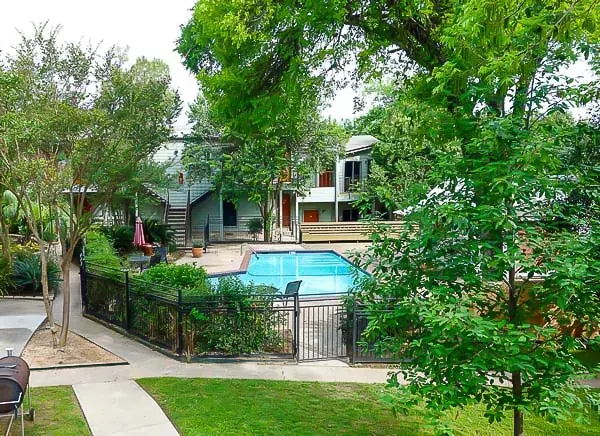
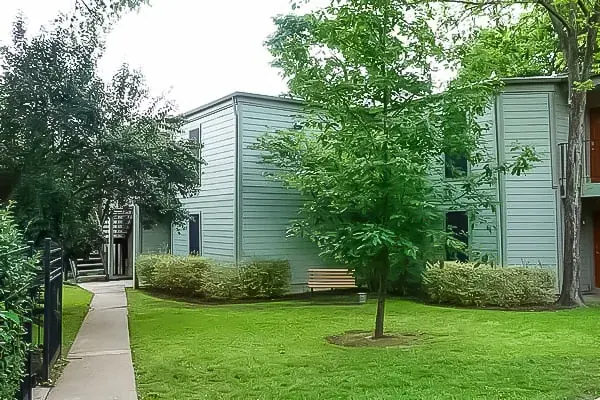
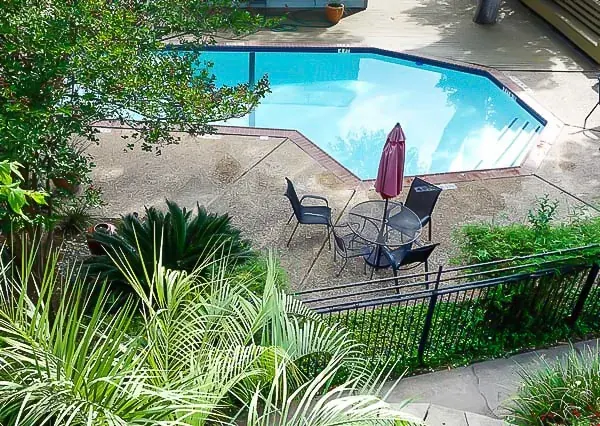
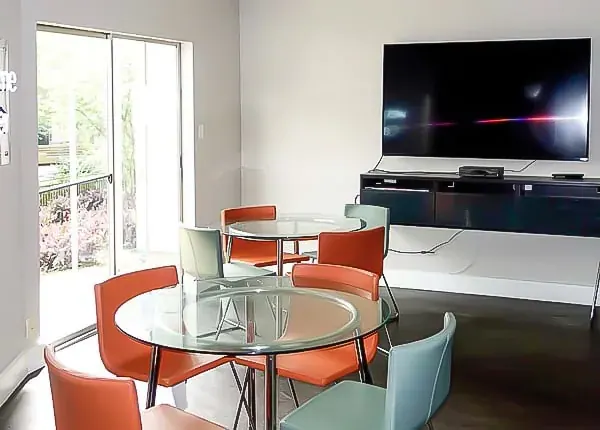
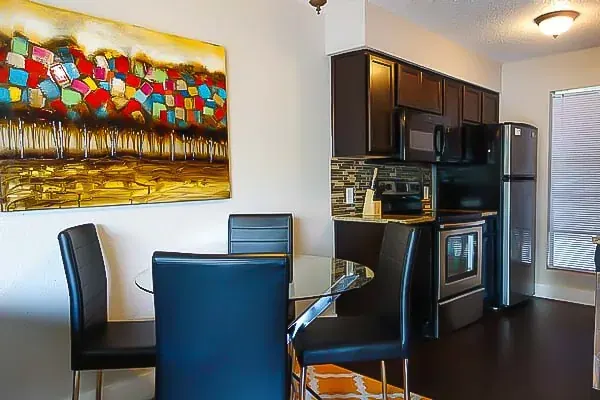
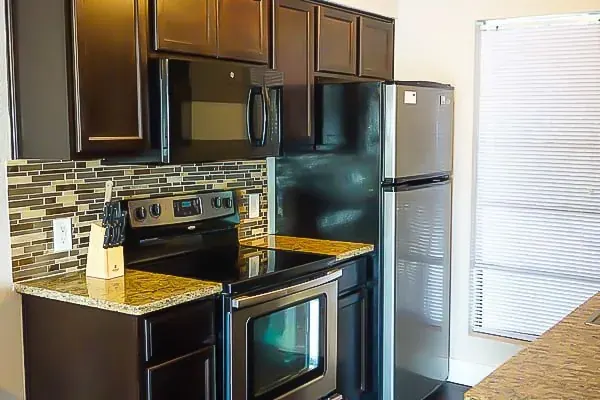
Inside Rustic Creek, our Austin flagship


IOP and Sober Living Together: Why the Combination Works
Pairing IOP with sober living is widely considered one of the most effective approaches for people in early recovery. The two work in tandem: IOP addresses the clinical and psychological components of addiction, while sober living provides the stable, accountable environment needed to apply what you’re learning in real life.
Research consistently shows that people who participate in structured housing alongside outpatient treatment have better long-term outcomes, including longer periods of sobriety, higher rates of employment, and lower rates of relapse compared to those who return directly to unstandardized environments.
When you’re living in a sober home while attending IOP, a typical day might look like:
- Morning routine with housemates
- IOP sessions (morning or evening depending on the program)
- Job searching, working, or attending school
- Evening 12-step meeting or peer support group
- House meeting or check-in with house manager
- Intentional downtime: journaling, exercise, calling a sponsor
This kind of rhythm, purposeful, structured, community-oriented, is what early recovery often needs most. If you’re curious about what this structure looks like day-to-day, learn more about how structured the Eudaimonia program is to get a clearer picture.
Questions to Ask Before Choosing a Sober Living Home
Not all sober living homes are created equal. When you’re researching your options, here are some important questions to ask to make sure a home is a good fit:
- Is the home certified or affiliated with a recognized sober living organization?
- What are the house rules, curfews, and expectations for residents?
- How is accountability maintained, are drug tests conducted regularly?
- Is there an on-site house manager or support staff?
- What does the application and intake process look like?
- What is the cost, and does it include utilities, meals, or other services?
- Are pets allowed? (This matters more than you might think for some people.)
- Is there support for people who are also managing co-occurring mental health conditions?
Austin has a range of sober living options to explore. Take time to discover quality sober living options in Austin, TX that align with your recovery goals, your support system, and your practical needs. For those who have pets and don’t want to leave them behind, Eudaimonia even offers pet-friendly men’s sober living in AustinBecause the people and animals who love you are part of your recovery too.
Tips for a Successful Transition Out of Treatment
Whatever level of care you’re stepping down to, these practical tips can help you navigate the transition more confidently:
- Start planning early. Don’t wait until your last week in treatment to think about housing and IOP. Begin the conversation with your care team weeks before discharge.
- Be honest about your needs. If you need more structure, say so. If you’re struggling emotionally or have unresolved trauma, make sure your next provider knows that.
- Build your support network before you leave. Get phone numbers. Connect with a sponsor. Know who you can call at 2 a.m. if you’re struggling.
- Stay consistent with meetings. 12-step or other peer support groups provide community and accountability that can’t be replicated elsewhere.
- Give yourself grace. Stepping down in care can bring up anxiety, fear, or even grief. That’s normal. You don’t have to have everything figured out, you just have to take the next right step.
- Communicate with your sober living home. If something isn’t working, a roommate conflict, financial stress, a craving, tell your house manager. These homes exist to support you through the hard moments, not just the easy ones.
You've Done the Hard Work — Don't Stop Now
Completing detox or residential treatment is proof of your strength. But the work of recovery doesn’t end at discharge, it evolves. The after detox next steps you take in the days and weeks following treatment are some of the most important choices you’ll make on this journey. Transitioning to IOP and sober living gives you the clinical support and the stable environment you need to turn the progress you’ve made in treatment into lasting change.
At Eudaimonia Recovery Homes, we’ve helped hundreds of people in Austin and beyond make that transition with confidence. Our structured sober living homes are designed to complement your IOP attendance and empower you to rebuild your life on a foundation of accountability, community, and purpose. Explore our top-rated sober homes in Austin and see why so many people choose Eudaimonia as the next step in their recovery.
Ready to take that next step? Call us today at (512) 240-6612 or apply online to learn about availability and find the right fit for where you are in recovery. You’ve come too far to stop now.
Call Now: (512) 240-6612