
Published August 4, 2023 · Updated November 5, 2025
On This Page · 8 Sections
Sober living is a critical aspect of recovery for individuals struggling with addiction. It provides a safe and supportive environment for individuals to transition from a treatment program back into everyday life. However, the journey to long-term sobriety can be challenging, and having the right resources and strategies in place is crucial.
This guide provides assistance to individuals and their families in maintaining sobriety and long-term abstinence. It offers advice, strategies, and tools to navigate the challenges and fluctuations that come with living a sober lifestyle.
Understanding the importance of sober living
Sober living is important because it protects against triggers and temptations that could cause a relapse. In a sober living residence, peers who are also committed to their recovery journey surround individuals. This support system helps people connect with others who have similar experiences and challenges, fostering camaraderie and understanding.
Furthermore, sober living offers structured routines and accountability. People living here must follow rules like drug tests, curfews, and attending meetings or therapy to stay sober. These rules help individuals establish healthy habits, develop self-discipline, and maintain a structured lifestyle that supports their recovery.
Another crucial aspect of sober living is the opportunity for personal growth and development. During this time, individuals have the chance to rebuild their lives, repair relationships, and pursue educational or vocational goals. They can focus on addressing underlying issues that may have contributed to their addiction and develop healthier coping mechanisms.
Sober living helps people move from structured treatment to independent everyday life in a supportive way. It allows individuals to gradually transition back into society while still having support and guidance readily available. This step-by-step approach helps prevent feelings of overwhelm and isolation that could potentially derail their recovery progress.
Developing a strong support system
One of the key components of successful sober living is developing a strong support system. Recovering from addiction is tough. Having supportive people around can help stay sober and handle the challenges of daily life.
Tips for developing a strong support system:
- Seek out like-minded individuals: Surround yourself with people who are also committed to their recovery and understand the challenges you may face. This can include people who live with you at your sober home. It can also include people from support groups like Alcoholics Anonymous or Narcotics Anonymous. Additionally, it can include supportive friends and family members.
- Attend support group meetings: Regularly attending support group meetings can provide a sense of belonging and allow you to connect with others who have similar experiences and challenges. These meetings provide a secure place to express yourself, learn from others, and get encouragement and support.
- Build relationships with mentors or sponsors: Having a mentor or sponsor can provide you with guidance, accountability, and someone to turn to during challenging times. A mentor or sponsor is someone who has stayed sober and can give you advice and share their experience. They can offer support, help you navigate obstacles, and provide a listening ear when you need it most.
- Engage in therapy or counseling: Seeking professional help through therapy or counseling can be an invaluable resource on your journey to recovery. A therapist can help you develop healthy ways to cope, deal with underlying problems, and navigate sober living. They can also help you work through any emotional challenges or triggers that may arise during your recovery process.
Strategies for maintaining sobriety
While entering sober living is a positive step towards recovery, maintaining sobriety requires ongoing effort and commitment. Here are some strategies to help you stay on track and live a fulfilling, drug-free life:
- Establish a Daily Routine: Creating a structured daily routine can provide stability and purpose in your life. Plan activities, such as exercise, hobbies, or work, that promote a healthy lifestyle and keep you engaged. A routine can also help you avoid idle time, which may increase the likelihood of relapse. Transitional housing in Austin (halfway houses explained)
- Identify and Avoid Triggers: Triggers are people, places, or situations that may tempt you to use drugs or alcohol. Take the time to identify your triggers and develop strategies to avoid or cope with them effectively. To make your life simpler, you can do a few things. First, try to stay away from negative people. Second, explore new hobbies. Lastly, find healthy ways to deal with stress, such as deep breathing or meditation.
- Build a Supportive Network: Surround yourself with individuals who support your sobriety journey and understand the challenges you may face. This can include friends, family members, and support group members. Attend support group meetings such as Alcoholics Anonymous or Narcotics Anonymous. These meetings provide an opportunity to meet individuals who can relate to your experiences. Additionally, you can receive valuable advice and support from these individuals.
- Utilize Healthy Coping Mechanisms: Developing healthy coping mechanisms is essential for dealing with stress, cravings, and negative emotions without resorting to substance use. Explore activities that promote relaxation and well-being, such as exercise, meditation, art therapy, or journaling. Engaging in these activities can help reduce stress levels and improve your overall mental health.
Implementing healthy coping mechanisms
By doing these things every day, you can make your mental health better and have a better chance of staying sober. Here are some effective coping mechanisms to consider:
- Mindfulness and Meditation: Practicing mindfulness and meditation can help you stay grounded and present in the moment. These techniques can reduce stress, improve focus, and promote a sense of calm. By practicing mindfulness or meditation daily, you can improve your ability to handle cravings or triggers and become more resilient.
- Physical Exercise: Engaging in regular physical exercise has numerous benefits for both your physical and mental health. Exercise releases endorphins, which are natural mood-boosting chemicals. It can also reduce stress, improve sleep quality, and increase self-confidence. Pick a physical activity that you enjoy, like jogging, yoga, swimming, or dancing. Make sure to do it regularly as part of your sober lifestyle.
- Creative Outlets: Engaging in creative activities can provide a healthy outlet for expressing emotions and reducing stress. Consider exploring artistic pursuits such as painting, drawing, writing, or playing a musical instrument. These activities let you express yourself and use your energy in a positive and fulfilling way.
- Social Support: Surrounding yourself with a supportive network of individuals who understand your journey towards sobriety is crucial. Share your experiences and challenges with trusted friends, family members, or support group members. Joining support groups like Alcoholics Anonymous or Narcotics Anonymous can provide you with a community of individuals who can offer guidance, empathy, and accountability.
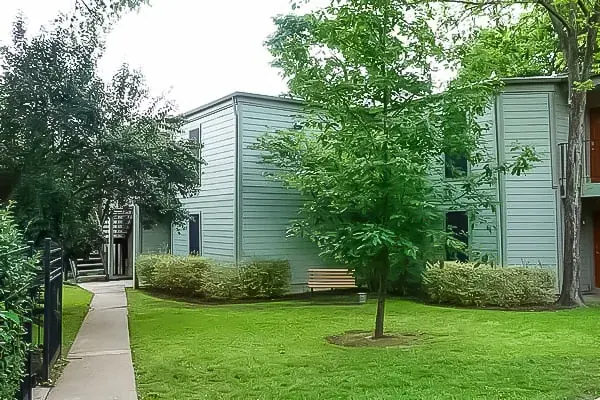
Inside Rustic Creek, our Austin flagship







Exploring resources for continuing support
When staying sober, it is crucial to explore various resources for support and self-care. Here are some valuable resources to consider:
- Support Groups: Support groups, such as Alcoholics Anonymous (AA) or Narcotics Anonymous (NA), provide a sense of community and fellowship with others who are also in recovery. These groups offer a secure environment for individuals to communicate, seek assistance, and receive guidance. The members of these groups have personal experience with maintaining sobriety, making them knowledgeable and understanding. Attend meetings regularly and actively participate to build a strong support network.
- Outpatient Treatment Programs: Outpatient treatment programs offer structured support and therapy for individuals in recovery. These programs typically involve regular therapy sessions, group counseling, educational classes, and access to resources and tools to maintain sobriety. Outpatient programs provide flexibility, allowing individuals to continue with their daily responsibilities while receiving the necessary support.
- Individual Therapy: Working with a therapist or counselor experienced in addiction recovery can provide personalized guidance and support tailored to your specific needs. Individual therapy helps you deal with underlying issues, develop coping strategies, and overcome challenges in your sober living journey. Regular sessions can serve as a valuable resource for ongoing support and self-reflection.
- Sober Living Homes: Sober living homes provide a supportive, drug-free environment for individuals in recovery. These homes offer a structured living arrangement with house rules and accountability systems. Living in a sober living home can provide a sense of community, peer support, and a safe space to transition from a treatment program to independent living while maintaining sobriety.
Sober fun points of interest in Los Angeles, California
Looking for fun things to do in Los Angeles without alcohol or drugs? There are many options available for you to enjoy sober activities and attractions in the city. Whether you’re a resident or a visitor, here are some places to consider for an enjoyable and sober experience in the City of Angels:
- The Broad: This contemporary art museum is known for its extensive collection of modern and contemporary art. Marvel at the works of artists like Andy Warhol, Jean-Michel Basquiat, and Yayoi Kusama. The museum offers a unique and thought-provoking experience that will inspire and stimulate your creativity.
- Santa Monica Pier: Take a stroll along the iconic Santa Monica Pier, soak in the ocean views, and enjoy the lively atmosphere. With its amusement park rides, arcade games, and street performers, the pier offers a fun and festive environment for all ages. Take a ride on the Ferris wheel or venture out onto the beach for a relaxing day in the sun.
- Griffith Park: Escape the hustle and bustle of the city by exploring Griffith Park, one of the largest urban parks in North America. Enjoy hiking trails, picnic areas, and breathtaking views of Los Angeles. The park also offers opportunities for horseback riding, golfing, and even visiting the Los Angeles Zoo. It’s a fantastic outdoor space to unwind and connect with nature.
- Runyon Canyon Park: For those who enjoy hiking and staying active, Runyon Canyon Park is a popular destination. Located in the Hollywood Hills, this park offers stunning views of Los Angeles, challenging trails, and opportunities to spot celebrities. Lace up your hiking boots and embrace the natural beauty of this urban oasis.
Eudaimonia Can Help Keep You on the Path to Recovery
Eudaimonia offers excellent recovery programs with tailored care. In these programs, individuals can develop positive coping skills with the tools necessary to maintain sobriety. Eudaimonia even provides tailored care based on gender and orientation. We also include supervised, short-term housing to provide support for newly sober individuals. But no matter where you are in your recovery, Eudaimonia Sober Living Homes can provide support every step of the way. We have facilities for sober living in Austin, Houston, and Colorado Springs ready to assist you in living your sober lifestyle. Call Eudaimonia Sober Living Homes at (713) 818-2361 for more information on the admissions process and current room availability.