
Published February 7, 2026 · Updated August 5, 2026
Key Takeaways
- What “90 days sober” really meansDefine what counts for your sobriety and why 90 days is meaningful
- Why day 31, 90 can feel harder than day 1, 30Understand common “middle stretch” challenges so you can plan for them
- A 90-day recovery audit you can do this weekUse a simple scorecard and questions to spot weak areas early
- A practical 90-day plan for the next 3 monthsBuild a realistic routine that you can repeat under stress
- Support that protects your progressLearn how sober living, halfway houses, and IOP can fit together
- How to celebrate 90 days and stay steady afterwardCelebrate safely and avoid the “I’m fine” trap that leads to relapse
- When to seek urgent helpKnow the warning signs and where to get immediate support
On This Page · 27 Sections
Ninety days sober is a major milestone because it shows you can build routines, face triggers, and keep going when motivation drops. If you are aiming for 90 days no alcohol, this guide explains what often changes by day 90 and how to protect your progress.
This is educational, not medical advice. If you think you may have alcohol withdrawal risk, get medical help right away.
Many people feel strong during the first 30 days of sobriety Because the goal is simple: do not drink today. Between day 31 and day 90, real life comes back: work, family, bills, sleep, and stress. That is why a clear plan matters on the road to recovery.- Define your milestone: decide what “90 days sober” includes for you (alcohol only, or all non‑prescribed substances)
- Run a 90‑day recovery audit: check cravings, sleep, stress, support, and your relapse plan
- Strengthen your supports: consider sober housing, therapy, and an intensive outpatient schedule if needed
- Protect the next 90 days: celebrate safely and keep routines steady
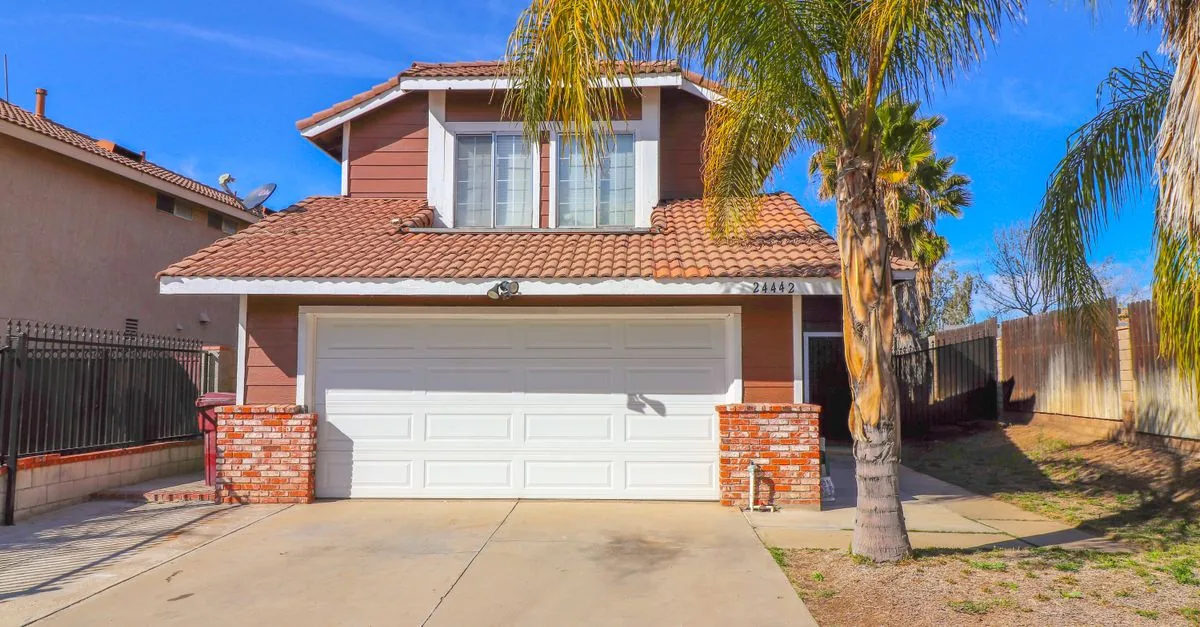
If you’re approaching or have just passed the 90-day mark, consider whether a longer-term structured environment could help you sustain your progress — Colorado Springs sober living homes at Eudaimonia are designed for residents ready to build on early sobriety with accountability and community support.
What “90 days sober” really means
90 days sober means 90 consecutive days without alcohol and other non‑prescribed intoxicating substances. Some people track alcohol only at first, then widen the goal as stability improves. Either way, the key is clarity: you and your support team should agree on the same definition.
Why does this milestone show up so often in recovery planning? Research from the National Institute on Drug Abuse explains that outcomes depend on enough time in treatment, and participation under 90 days is often not enough for lasting change. NIDA’s principles of addiction treatment describes why sustained support over time matters.
If you are in your first month, your focus is stabilization: sleep, nutrition, safe people, and daily structure. If you want a practical day‑by‑day framework, see Early Sobriety Support: 30‑Day Sober Action Plan.
At 90 days, the goal shifts from “survive without alcohol” to “build a life that makes alcohol less tempting.” That is the real road to recovery: a lifestyle that supports sobriety when nobody is watching.
Why day 31–90 can feel harder than day 1–30
It is common to feel surprised by the second month. Physical withdrawal may be over, but your brain is still recalibrating, stress tolerance is still rebuilding, and triggers can show up in new places.
Common reasons the middle stretch feels tough
- Sleep is still uneven: some people sleep better, others have vivid dreams or restless nights
- Cravings change shape: cravings can become more psychological, tied to emotions, places, or people
- Social pressure returns: friends may assume you are “back to normal” and push drinking situations
- Life tasks pile up: court dates, job changes, relationship repair, and money stress can hit at once
If you are wondering whether cravings should be gone by now, you are not alone. Craving patterns often rise and fall, especially during stress. This timeline can help you set realistic expectations: When Do Alcohol Cravings Stop? Timeline and Detox Help.
Brain recovery is not instant. The National Institute on Alcohol Abuse and Alcoholism explains how alcohol affects brain circuits and how recovery involves ongoing brain and behavior changes over time. NIAAA’s neuroscience overview is a clear, evidence‑based starting point.
A 90-day recovery audit you can do this week
A 90‑day audit is a structured check‑in that helps you decide what to keep, what to change, and what support to add. Treat it like an appointment with yourself. The goal is not perfection; it is better awareness.
Step 1: Score the five stability areas (0–2 each)
- Sleep: 0 = chaotic, 1 = improving but inconsistent, 2 = mostly stable
- Cravings: 0 = frequent and intense, 1 = manageable with tools, 2 = rare and brief
- Mood and stress: 0 = daily overwhelm, 1 = some hard days, 2 = generally steady
- Support: 0 = isolated, 1 = a few contacts, 2 = consistent meetings/therapy/sponsor/peers
- Environment: 0 = high‑trigger home or social circle, 1 = mixed, 2 = mostly recovery‑safe
How to use your score: 0–3 points suggests you may need more structure right now. 4–7 points suggests you are building stability but should tighten weak spots. 8–10 points suggests you can focus on growth goals without dropping basics.
Step 2: Answer 10 questions honestly
- What time do I wake up and go to bed on most days?
- What are my top three triggers (people, places, feelings, or times of day)?
- What do I do within 15 minutes when a craving hits?
- Who are the three people I can contact the same day if I feel shaky?
- How many recovery contacts did I make last week (meetings, therapy, check‑ins)?
- What is one boundary I need to set to protect my sobriety?
- Am I skipping food, sleep, or medication when stressed?
- What am I avoiding that keeps stress high (paperwork, conflict, health visits)?
- What is one thing I am proud of since day 1?
- What is the next safe step that would make tomorrow easier?
Step 3: Turn answers into a one‑page plan
Write three lines and keep them visible:
- My top risk: (example: being alone after work)
- My fastest coping tool: (example: call a peer, walk 10 minutes, drink water, eat)
- My backup support: (example: therapy session, extra meeting, increased structure)
A quick “in-the-moment” craving script
- Pause: stop what you are doing for 30 seconds and breathe
- Name it: say the feeling out loud (“I’m anxious,” “I’m lonely,” “I’m angry”)
- Choose one action: water, food, a shower, a walk, or a phone call
- Connect: text or call a safe person before you decide anything else
Eudaimonia's Success Stories – Real People, Real Freedom
A practical 90-day plan for the next 3 months
The next phase is not about doing everything. It is about doing the right few things often enough that they become automatic. Use this simple structure and adjust it to your life.
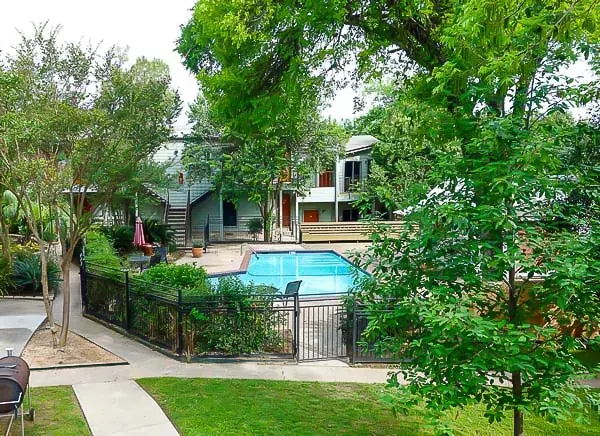
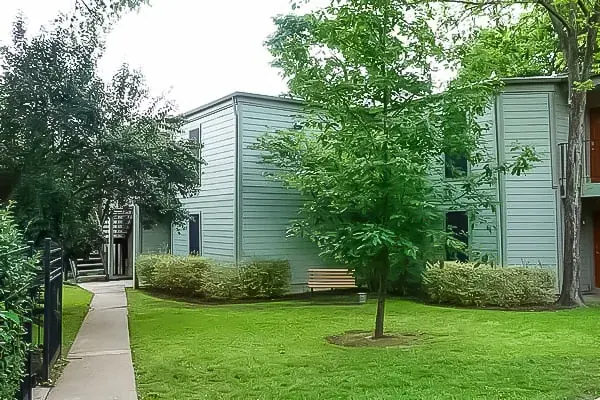
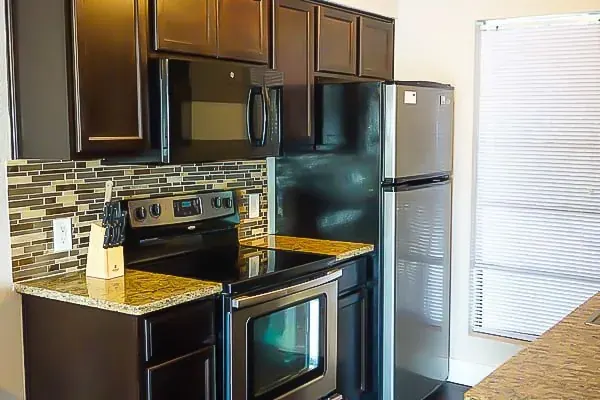
Inside Rustic Creek, our Austin flagship





Days 1–30 (stabilize)
- Daily: eat three times, sleep on a schedule, and check in with one recovery contact
- Weekly: attend at least three support meetings or groups, and plan a sober weekend activity
- Safety: if withdrawal symptoms are possible, do not “tough it out” alone
Days 31–60 (build repeatable routines)
- Recovery rhythm: set meeting days like appointments; do not negotiate with yourself daily
- Trigger practice: pick one trigger and rehearse a response before it happens
- Health basics: schedule medical, dental, or mental health follow‑ups you have avoided
Days 61–90 (practice real‑life skills)
- Relationships: practice one repair conversation per week, with support if needed
- Work or school: stabilize attendance and build a predictable weekly calendar
- Relapse prevention: update your plan with “early warning signs” and “first actions”
If you like tracking milestones, plan a small reward at 30, 60, and 90 days. Many people also mark their SA 90 days sobriety milestone with a chip, coin, or private journal entry to make the progress real.
Support that protects your progress
Recovery is stronger when support is layered. Think of it like a seatbelt system: one tool helps, but several tools together reduce risk.
Sober living and recovery homes
Sober living is substance‑free housing with accountability, community, and clear expectations. It can reduce exposure to triggers while you rebuild routines. If you want to see how structure and accountability work in practice, explore Eudaimonia’s Recovery Support approach.
Halfway houses
A halfway house is also transitional housing, but the rules, length of stay, and oversight can differ by program and referral source. The important question is fit: does the setting support abstinence, stability, and your next level of care?
Intensive outpatient (IOP)
Intensive outpatient programs provide structured therapy while you live at home or in sober housing. For many people, sober living plus IOP is a strong combination because you get both a recovery‑friendly environment and consistent clinical support. Learn how the pairing works in IOP Sober Living Near Me: What to Expect.
Some people also benefit from an intensive outpatient program (IOP) alongside sober living for added structure and clinical support.
When to add more structure
- You have repeated cravings that feel harder to manage each week
- You are skipping basics like sleep, meals, meetings, or medication
- You are isolating or hiding struggles from safe people
- You are bargaining about drinking, even if you have not acted on it
How to celebrate 90 days and stay steady afterward
Celebration matters because it builds meaning. The healthiest celebration is one that keeps you connected to your recovery identity and your support system.
Safe ways to celebrate
- Share the win with your sponsor, therapist, group, or trusted family member
- Choose a sober event like a hike, movie, museum, or a meal with supportive friends
- Use a symbol (coin, note, photo) that reminds you why you started
If you like sobriety milestones and tokens, this guide explains common chip and coin traditions: Sobriety Coin Guide: Chip Colors, Order & Milestones.
What “staying steady” looks like after 90 days
- Keep the basics boring: sleep, meals, movement, and meetings stay consistent
- Watch for the “I’m fine” trap: do not drop supports just because you feel better
- Plan high‑risk days: holidays, paydays, anniversaries, and arguments need a plan
If you slip, act fast and stay honest
A lapse does not erase your progress, but it is a signal to increase support immediately. Contact a trusted person the same day, remove alcohol from your environment, and re‑engage with care. The sooner you respond, the shorter the detour becomes.
When to seek urgent help
Some situations require more than self‑management. If you feel at risk of harming yourself or someone else, call 911. If you are in the U.S., you can also call or text 988 for immediate crisis support.
If you need help finding treatment or support services, SAMHSA’s National Helpline is available 24/7, 365 days a year. SAMHSA’s National Helpline information explains how to get confidential referral support.
Urgent warning signs can include severe withdrawal symptoms, hallucinations, seizures, chest pain, or thoughts of self‑harm. You deserve safe, professional care when symptoms escalate.
If you’re looking for accountability at this stage, sober living in Austin can provide structure and community while you strengthen routines after the first few months of recovery.
How Eudaimonia Recovery Homes Supports 90 Days Sober on the Road to Recovery
Reaching 90 days sober is a major milestone, but it can also be a time when motivation dips and real-life stress starts to build again. Eudaimonia Recovery Homes helps people protect 90 days sober progress by offering a stable, substance-free living environment that supports healthy routines and daily accountability. Instead of navigating triggers alone, residents can build connection with others who understand the road to recovery and are working toward the same goal. This kind of structure can make it easier to stay consistent with meetings, therapy, and work or school responsibilities.
Eudaimonia also supports practical relapse prevention by encouraging clear house expectations, supportive peer relationships, and recovery-focused habits that carry into long-term sobriety. For people transitioning from treatment or rebuilding after a relapse, sober living can bridge the gap between early recovery and independent living. Just as important, it provides a safer space to practice coping skills, rebuild confidence, and handle cravings without returning to old environments. If you are committed to 90 days no alcohol, having steady support and a recovery-centered home base can make the difference between simply getting through the day and truly moving forward.
Ready to take your next 90 days seriously? Apply to Eudaimonia and find out how our structured homes can support your continued progress.
Your Future Is Waiting
Tell us what you are looking for and admissions will walk you through the houses, the phases, and what a room actually costs.