
Published March 7, 2019 · Updated August 5, 2026
On This Page · 20 Sections
The recovery process is incredibly personal and there’s no way to predict how long you will stay at your sober living home. However, every sober living resident will eventually move out and live an independent life of sobriety when they are ready.
What Practical Tips Help When Moving Into — and Through — a Sober Living Home?
Moving into a sober living home for the first time is about embracing structure: follow house rules, build relationships with housemates, keep a steady routine, attend recovery meetings, and lean on the support around you. As you progress and prepare to move on, the same principles carry you forward: keep building your support system, practice budgeting, set goals, maintain your routine, avoid triggers, and give back through volunteering. The throughline, whether you’re arriving or transitioning out, is structure and support.
…
Table of contents
- 1. Continue building your support system.
- 2. Practice budgeting while you’re still at your sober living home.
- 3. Set goals for yourself.
- 4. Find recovery meetings that work for your schedule.
- 5. Continue your structured routine.
- 6. Opt out of events and situations that could trigger a relapse.
- 7. Volunteer in your community.
If you and your treatment team have discussed your discharge from sober living, you may be thinking about your return home and how you will continue your lifestyle of sobriety once you’re there.
A sober living home is a safe and protective haven after rehab and the transition back home can be difficult for some people, especially if they lack a strong support system back home. Whether you’re moving back home with family or you’re relocating to a new place for a fresh start, here are a few helpful tips to help you move on after completing a Texas sober living program.
1. Continue building your support system.
You can never have too much support in sobriety and moving out of your sober living home is a risky time to isolate yourself from others. Moving on after sober living can be lonely and scary, so it’s essential that you have support from your family members, sober peers, and mentors. After leaving your sober living home, you are encouraged to continue meeting with your sponsor regularly, attend local recovery meetings, stay in touch with your sober peers, and make time for sober socializing. As you branch out and start living more independently, you will need to rely on your support system to stay grounded and firm in your decision to remain sober, especially when you are faced with challenges or difficult life circumstances.
2. Practice budgeting while you’re still at your sober living home.
Although living at a sober home isn’t free, moving out comes with a different set of financial responsibilities. Not only will you need to pay your own bills and utilities, but you will also need to be able to manage a budget that will allow you to live well within your financial means. Money problems can be very stressful and reducing stress and anxiety is one of the best ways to prevent relapse. Learning how to save money and budget while you’re still living at a sober home is great practice for the real thing. Ideally, your finances will be in order by the time you move out, you’ll have maintained a stable job for a few months, and you’ll feel confident in your ability to manage your budget and pay off any debts while also saving for future expenses and emergencies.
3. Set goals for yourself.
All Eudaimonia sober living clients work through a tiered three-phase recovery program that guides them through the process of setting goals and mapping out the steps it takes to achieve them. This is great practice for doing the same thing on your own! After you move out of your sober living home, taking the time to set personal goals is a great way to achieve personal success in an independent sober life. It gives you purpose, something to strive for, and a reason to get up in the morning and do your best work each and every day. If you want help setting some goals for yourself, ask your sponsor or sober house manager for input. They may be able to help you set realistic short-term and long-term goals for yourself that you can expand upon in the future.
4. Find recovery meetings that work for your schedule.
Attending recovery support meetings while enrolled in a sober living program is easy because it’s required and you always have a sober friend to go with. However, after you move out of your sober living home, it may become more difficult. You may have to attend some meetings alone, your recovery coach won’t be checking in with you regularly, and you’ll have to work around other responsibilities and commitments at home. To prepare for these changes, you may want to locate meetings that are close to your new home and that will mesh with your work schedule, school schedule, volunteer schedule, and any other responsibilities you may have at home. Although it can be tempting to put recovery meetings on the back-burner, it’s important to make them a priority and attend one or several meetings each week.
Find Your New Home Today - (512) 240-6612 REQUEST MORE INFORMATION5. Continue your structured routine.
Sticking to a structured routine is a part of residency at a sober living home. However, once you move out and start living on your own, it’s up to you to maintain a routine that is beneficial for your sobriety as well as your physical, mental, and spiritual well-being. After you move out, your routine may look a bit different than it did while you were in sober living, and that’s okay. What matters most is that you maintain a sense of structure and balance in your life. This will empower you to stay sober, reduce stress and anxiety, and live joyfully and purposefully in a life of recovery.
6. Opt out of events and situations that could trigger a relapse.
People in early recovery often experience what is known as the “pink cloud,” where they feel invincible and unaffected by the challenges and struggles of everyday life. Once the pink cloud fades and you begin to experience some of the struggles of daily life in recovery, you may find yourself feeling susceptible to certain triggers or situations that make you want to use again. One of the many benefits of enrolling in a sober living program is having a protective umbrella to live under as you identify your triggers and practice the life skills that will empower you to stay sober and prevent relapse.
Once you move out of your sober living home and are no longer under that protective umbrella, you may need to avoid certain situations or events for a time until you feel more confident in your ability to stay sober.
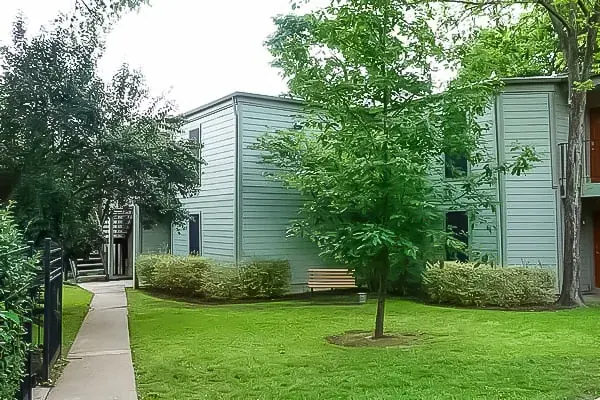
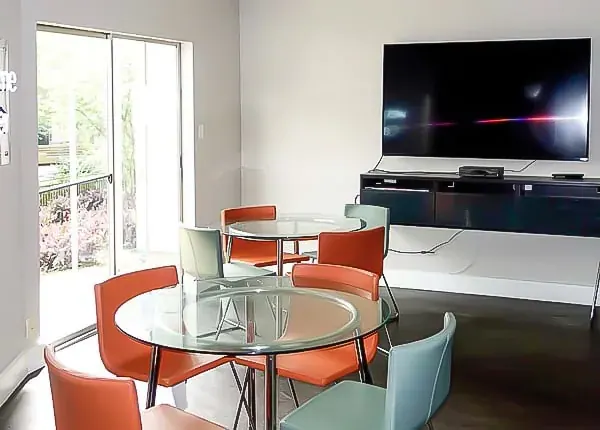
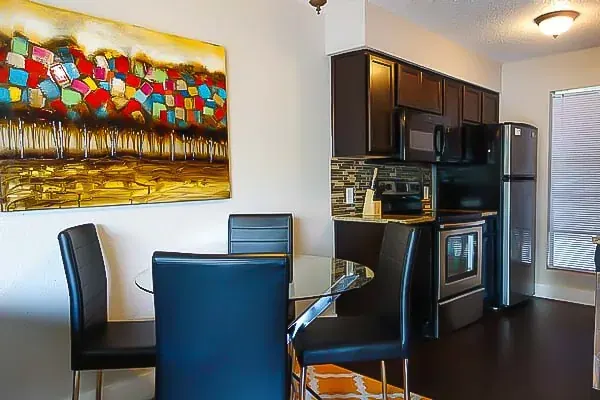
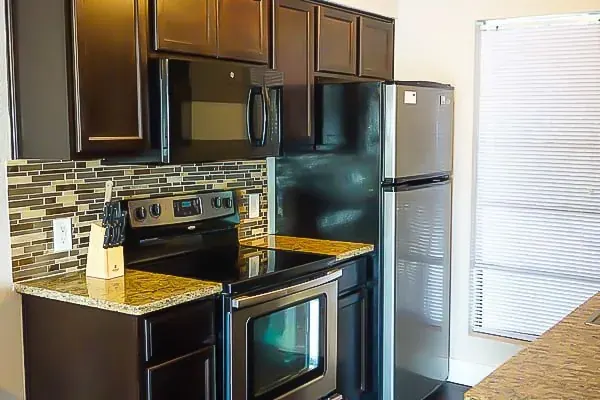
Inside Rustic Creek, our Austin flagship




7. Volunteer in your community.
If you are a current resident at a Eudaimonia sober living home, you probably already understand the benefits of volunteering in recovery and why it’s important to continue, even after you move back home. As you transition into a life of independent sobriety, staying involved in your community as a volunteer can help you to draw your attention away from your own struggles instead of becoming overwhelmed by them. It also just feels great to volunteer regularly and help other people, which can improve your mood and help you cope with feelings of loneliness, depression, or anxiety as you transition out of your sober living home and return to a more independent lifestyle.
Moving out of your sober living home is a big step in your sobriety journey and it’s important to prepare for it. At Eudaimonia Recovery Homes, we help our clients make the transition from rehab to sober living and back out into independent life by providing practical, one-on-one peer support and guidance.
If you or a loved one needs additional support in addiction recovery, call Eudaimonia Recovery Homes today to learn more about our sober living homes and recovery support services.
Your Questions About Moving Into Sober Living — Answered
Making the transition to sober living can feel overwhelming, especially when you’re navigating what to expect. Here are answers to the most common questions we hear from residents preparing to move into one of our homes.
What should I pack when moving into a sober living home?
Bring personal clothing, toiletries, prescribed medications (in original containers), bedding if not provided, and personal items that support your recovery like journals, books, or motivational materials. Leave behind anything that could jeopardize your sobriety or that of others. Check with your specific home about what bedding and household items are provided versus what you need to bring.
How long does it take to adjust to sober living?
Most residents report feeling settled within the first 2-4 weeks. The initial days involve learning house routines, meeting housemates, and establishing your daily recovery schedule. Having realistic expectations and staying open to the community support around you helps significantly with the adjustment period.
Can I work or go to school while in sober living?
Yes. Eudaimonia Recovery Homes actively encourages residents to work, attend school, or participate in vocational training. Maintaining employment and educational goals is an important part of rebuilding your life in recovery. Our structured environment helps you balance work, school, and recovery commitments including meeting attendance and house responsibilities.
What rules should I expect in a sober living home?
Standard rules include zero tolerance for alcohol or drug use, mandatory drug testing, curfews, attendance at recovery meetings, participation in house chores, respectful behavior toward housemates, and employment or active job searching. Rules exist to create a safe, accountable environment that supports everyone’s recovery journey.
Is sober living required after rehab?
While not legally required, sober living is strongly recommended as a bridge between intensive treatment and independent living. Research shows that residents who complete sober living programs have significantly higher long-term sobriety rates. The structured support helps you practice recovery skills in real-world situations before returning to complete independence.
How do I choose the right sober living home?
Look for accredited homes with clear house rules, drug testing protocols, structured programming, and active alumni communities. Consider location relative to work or school, the house culture and resident demographics, available amenities, and cost. Visit in person if possible, talk to current residents, and ask detailed questions about daily schedules and expectations. Our guide on what to look for in a sober living home can help you make an informed decision.
What happens if I relapse while in sober living?
Relapse policies vary by home, but most require residents to leave temporarily to receive additional treatment. Some homes offer re-entry after completing a clinical program and demonstrating renewed commitment to recovery. The focus is on your safety and the safety of other residents. If you’re struggling, it’s crucial to reach out to house staff before relapse occurs so they can help you access appropriate support.
Take the Next Step in Your Recovery Journey
Moving into sober living represents a courageous commitment to your future. At Eudaimonia Recovery Homes, we’ve supported thousands of residents through this exact transition in Austin, Houston, San Antonio, Colorado Springs, Philadelphia, and Baton Rouge.
Our homes provide the structure, accountability, and community connection you need to build a strong foundation for lasting sobriety. You don’t have to navigate this alone.
Ready to learn more about our sober living programs? Call us today at (512) 240-6612 to speak with our admissions team. We’ll answer your questions, discuss what to expect, and help you determine if Eudaimonia is the right fit for your recovery.
Related Recovery Resources
- Essential Things You Need to Know Before Moving Into a Sober Living Home
- Benefits of Sober Living in Early Recovery
- Creating a Structured Routine: 5 Activities to Support Your Sober Living Journey
- The Importance of Community for Young Adults in Recovery
- How to Maintain Accountability During Addiction Recovery