

Published December 23, 2025 · Updated August 5, 2026
Key Takeaways
- Step Three meaning centers on a decision to turn your will and life over to the care of a Higher Power as you understand it.
- Big Book location points readers to where the 3rd Step Prayer appears in AA literature and why it is used during Step Three work.
- Prayer themes emphasize willingness, relief from self-centeredness, and being guided toward usefulness in recovery.
- Daily use can be as simple as returning to the prayer when control, fear, or overthinking starts driving decisions.
- Step Seven connection explains how the 7th Step Prayer builds on Step Three by focusing on removing specific shortcomings.
- Language flexibility shows how people keep the intent of the prayer even if traditional “God” wording does not fit their beliefs.
- Recovery housing support describes how a stable, sober environment can help maintain routines that support step work and meeting consistency.
- Extra support highlights when it may be appropriate to seek additional help beyond peer support, especially for safety or withdrawal concerns.
- Common questions answers practical FAQs about Step 3 and Step 7, including where prayers appear and how people apply them.
On This Page · 17 Sections
When people look up the 3rd Step Prayer (sometimes misspelled as the “3th step prayer”), they are usually looking for two things at once: the wording found in AA literature and the practical meaning behind it. In Alcoholics Anonymous, Step Three is the point where members make a decision to stop relying only on self‑will and to seek guidance from a Higher Power “as we understood Him.”
For a broader overview of where Step 3 and Step 7 fit in the full process, read our 12 steps of AA guide.
This article explains where the 3rd step prayer AA Big Book appears, what it is aiming to express, and how it connects with the 7th step prayer AA (also called the seventh step prayer of AA). It is written for AA information and support, not as a substitute for medical, legal, or professional advice, and it focuses on practical interpretation rather than persuasion.
What Step Three Means in AA
Step Three is written as: “Made a decision to turn our will and our lives over to the care of God as we understood Him.”
For the official AA wording of Step Three, see AA’s Twelve Steps.
If you want a more practical walkthrough beyond the prayer, see our guide on how to work Step 3 of the Twelve Steps.
In practice, Step Three is often described as a decision point, not a one‑time event that removes uncertainty forever. Many people interpret “turn our will” as turning over the part of life that keeps trying to manage outcomes, control relationships, or force relief through drinking; “turn our lives” is then the follow‑through, where daily choices slowly align with that decision.
People approach this step from different spiritual and cultural backgrounds. In AA, the phrase “God as we understood Him” is commonly understood as allowing a wide range of interpretations, including non‑traditional or non‑religious understandings of a Higher Power.
If you’re new to step work, it may help to review what the 12 steps are before you try to apply Step 3 in daily life.
The Original 3rd Step Prayer in AA Big Book
Many people search for the original 3rd step prayer because they want the wording used in the Big Book. The Big Book introduces the prayer with language such as “Many of us said to our Maker, as we understood Him…” and then presents a model prayer.
Because AA literature is copyrighted, readers should consult the Big Book for the exact text. Still, understanding the purpose of the third step prayer AA can be helpful. The prayer asks for willingness to be shaped and guided, freedom from the “bondage of self” (a kind of self-centeredness that can block recovery), and help facing difficulties so personal experience can translate into usefulness to others. These themes appear clearly in the Big Book’s Step Three passage on page 63.
A short excerpt from the Third Step Prayer
The classic 3rd step prayer AA begins with an offering of oneself to a Higher Power: “God, I offer myself…” and moves into requests for freedom from self‑centeredness and the ability to do “Thy will.”
Breaking Down the 3rd Step Prayer: What Each Part Points Toward
People sometimes ask for a line‑by‑line explanation of the alcoholics anonymous 3rd step prayer. The wording is brief, but it contains several ideas that appear throughout AA’s approach to recovery: honesty about limits, willingness to change, and an outward orientation toward service.
“I offer myself… to build with me and to do with me…”
This opening emphasizes willingness. It frames recovery as a process that can involve guidance, accountability, and growth, not just personal discipline. For some members, the phrase “to build with me” suggests gradual reconstruction, learning new ways to respond to stress, conflict, cravings, and regret, rather than expecting instant relief.
“Relieve me of the bondage of self…”
“Bondage of self” is often interpreted as the loop of self‑focus that fuels isolation, resentment, and shame. In the Big Book context, the request is not to erase individuality; it is to loosen the grip of self‑will so more balanced, reality‑based choices become possible.
“Take away my difficulties… that I may help others…”
The prayer links personal change with usefulness, which is a recurring AA theme. The underlying idea is that hardship can become part of service, something that helps a person relate to others who are still suffering, without pretending that pain is “good” or that problems are easy. In AA’s Big Book, this theme is part of the Step Three prayer itself.
Eudaimonia's Success Stories – Real People, Real Freedom
3rd Step Prayers in Practice
Some people use the third step prayers in a structured way (for example, saying it with a sponsor when first working Step Three). Others use it as an informal reset when fear, control, or overthinking returns, because it interrupts the habit of treating every problem as something that must be solved alone.
Members describe using the 3rd step prayer in several everyday situations: at the start of the day as an intention‑setting practice; before a difficult conversation to reduce reactivity; after noticing perfectionism, people‑pleasing, or control habits; or when feeling stuck between “what I want” and “what seems right.”
If someone is new to AA, it can be helpful to discuss Step Three with a sponsor or trusted member, especially if the spiritual language feels unfamiliar or loaded.
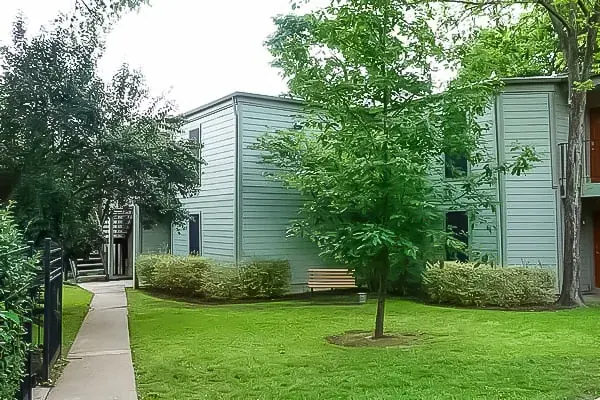
Inside Rustic Creek, our Austin flagship







The 7th Step Prayer in AA and How It Connects
People also search for the 7 step prayer (or 7th step prayer AA) because it has a similar tone of surrender, but with a different focus. In the Big Book, the Step Seven prayer appears after Steps Four through Six, when a person has already identified patterns they want to change and has practiced willingness to let go of what is “objectionable.”
In AA literature, the Step Seven prayer appears in Chapter 6 (“Into Action”) of the Big Book.
The Big Book introduces Step Seven with the idea of willingness: if someone still clings to something, they can ask for willingness. Then it offers a model prayer that begins, “My Creator, I am now willing…” and asks for removal of “every single defect of character” that blocks usefulness.
If you want practical guidance beyond the prayer itself, here is a deeper look at how to work Step 7 in day-to-day recovery.
Step 3 and Step 7: willingness and humility
A practical way to compare the two prayers is to look at their focus. Step Three expresses a decision to turn things over, often summarized as “help me turn it over.” Step Seven expresses a specific request for change, often described as “help me remove what blocks usefulness.” Many members describe this difference as Step Three focusing on willingness and Step Seven focusing on humility. The steps connect to each other, but they are not interchange
If the “God” Language Doesn’t Fit
It is common for people to feel uncertain about religious wording in AA prayers. AA’s Step Three wording includes “as we understood Him.” Many members interpret “Higher Power” broadly. Some view it as the group, nature, shared values, or a personal spiritual understanding.
If someone wants to keep the spirit of the prayer while changing the wording, they can replace “God” with “Higher Power” or “Creator.” Others focus on the prayer’s intentions, such as willingness, humility, and service. Some people also write a step three prayer in everyday language. This approach still expresses turning away from self-will. The Big Book supports this flexibility by noting that the wording is optional when the idea is expressed sincerely.
When to Seek Extra Support
AA prayers can be meaningful tools, but they are not a substitute for treatment, medical care, or crisis support. If you or someone you care about is struggling with alcohol use, withdrawal symptoms, or safety concerns, consider reaching out to qualified help.
In the U.S., SAMHSA’s National Helpline (1‑800‑662‑HELP) is a free, confidential resource for treatment referral and information, available 24/7.
For official details on eligibility, confidentiality, and hours, visit the SAMHSA National Helpline.
How Eudaimonia Recovery Homes Supports Step Three Practice
Eudaimonia Recovery Homes can support someone working through “3rd Step Prayer in AA: Meaning and Use” by providing a stable, substance-free living environment where daily recovery practices are easier to maintain. In a structured recovery home setting, residents can build routines that include attending AA meetings, reading AA literature, and discussing Step Three themes like willingness and relying on support rather than self-will.
Peer accountability can make it more manageable to follow through on step work, especially when stress or cravings show up. Living in a recovery-focused community can also reduce isolation, which often makes the process of practicing the 3rd Step Prayer feel harder than it needs to be. Recovery housing can help residents stay consistent with a sponsor or trusted AA peers, so questions about the prayer’s meaning can be talked through in real time.
Many people also benefit from having a predictable place to reflect, journal, or practice the prayer as part of a morning or evening routine, and a supportive home environment can make that consistency more realistic. Over time, shared recovery norms can reinforce the Step Three intention of turning toward guidance and away from old patterns of control. While no program can “do the steps” for someone, the right recovery home can reduce day-to-day barriers and create conditions that make Step Three work more practical and sustainable.
If you’re exploring next-step support after treatment, this overview explains what sober living is and how structured recovery housing typically works.
Your Future Is Waiting
Tell us what you are looking for and admissions will walk you through the houses, the phases, and what a room actually costs.