

Published August 7, 2026
On This Page · 12 Sections
Understanding Step-Based Recovery Programs
Step-based recovery programs have been a cornerstone of addiction treatment for decades. Whether you’re exploring the traditional 12-step model or investigating newer step-based alternatives, understanding how these programs work is essential to your recovery journey. At Eudaimonia Recovery Homes, we recognize that different people respond to different recovery frameworks: some thrive with structured, peer-led step work, while others benefit from hybrid approaches that combine steps with professional counseling and sober-living community support.
If you or someone you love needs more than detox, Eudaimonia Recovery Homes also provides sober living in austin.
What Is a Step-Based Recovery Program?
A step-based recovery program guides individuals through a numbered sequence of principles and actions designed to help them address addiction, rebuild relationships, and establish a sustainable, sober lifestyle. These programs emphasize self-reflection, accountability, community connection, and spiritual or personal growth, elements that align naturally with the structure and support found in sober-living homes.
The most well-known model is the 12-step program, which includes steps focused on admitting powerlessness, seeking help from a higher power, making amends, and helping others in recovery. However, variations and alternatives exist, such as 8-step, 10-step, and secular step-based models, each tailored to different beliefs and recovery philosophies.
How Step Programs Support Sober Living
Sober-living homes and step-based programs complement each other powerfully. Both emphasize accountability, structure, peer support, and long-term commitment to sobriety. When residents in a sober-living home engage with step work, they:
- Build accountability: Sponsor relationships and step work create external accountability that mirrors the expectations and community standards in a recovery home.
- Develop emotional regulation: Step work teaches emotional processing and healthy coping, skills that residents practice daily in a structured living environment.
- Strengthen community bonds: Attending meetings, finding a sponsor, and working steps alongside housemates deepens the sense of belonging essential to lasting recovery.
- Create meaning and purpose: Steps encourage residents to examine their values and contribute to others’ recovery, fostering dignity and direction.
Popular Step-Based Models in Recovery
The 12-Step Program
The 12-step model, pioneered by Alcoholics Anonymous (AA) and adapted for other substances (NA, CA, etc.), remains the most widely recognized framework. Its steps guide people from admitting the problem, through spiritual awakening and amends, to service and ongoing recovery. The emphasis on peer support and community meetings aligns with the values Eudaimonia residents practice in sober-living community.
10-Step and 8-Step Programs
Some recovery communities use condensed step models that retain core principles while streamlining the process. These variations maintain the focus on accountability, personal inventory, and service but may appeal to individuals who find the 12-step structure less compatible with their beliefs or timeline.
Secular and Alternative Step Models
Organizations like SMART Recovery, LifeRing, and others offer step-based or principle-based approaches that focus on self-empowerment, rational thought, and peer support without religious or spiritual language. These models are equally valid and often resonate strongly with secular residents in sober-living homes.
Step Work and Life in a Sober-Living Home
Sober-living residents often integrate step work into their daily recovery routine. A typical week might include attending meetings with housemates, meeting with a sponsor, completing step assignments, and sharing progress in house meetings. This combination of structured living and step progression creates powerful reinforcement:
- Accountability structures: House rules, chore assignments, and peer feedback mirror the accountability sponsors and step groups provide.
- Shared recovery culture: When multiple residents are actively working steps, the home becomes a concentrated recovery community where mutual support is normalized.
- Practical application: Steps teaching amends, honesty, and service translate directly into house culture and relationships with family outside the home.
- Long-term vision: Step 12 emphasizes carrying the message to others, a principle that guides how Eudaimonia residents mentor newer residents and support one another’s sustained sobriety.
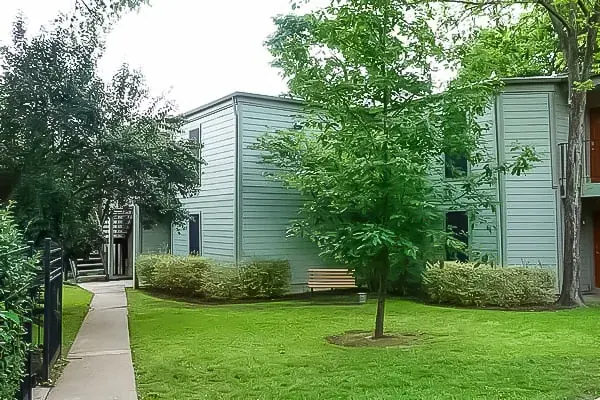
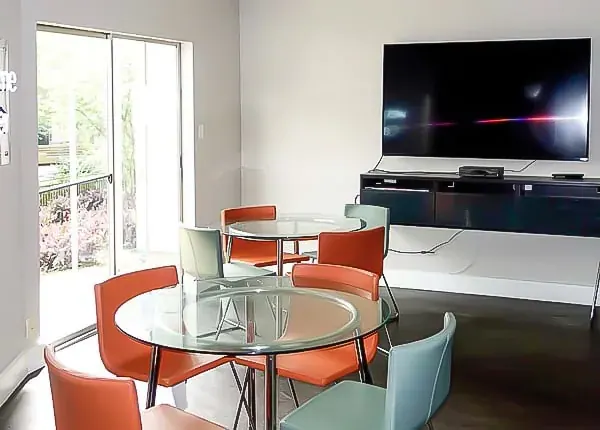
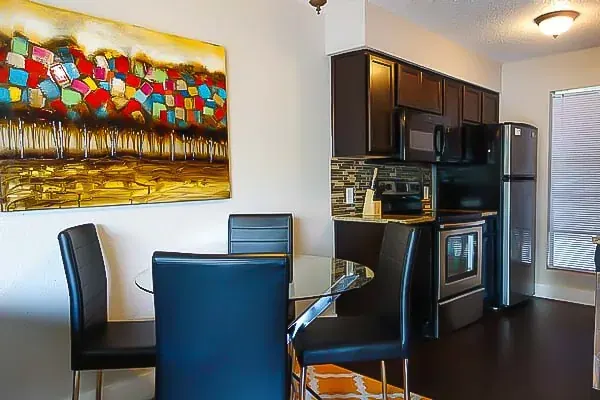
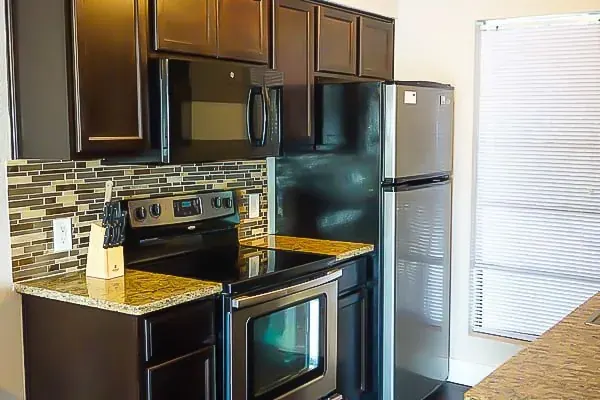
Inside Rustic Creek, our Austin flagship




Choosing the Right Step Program for Your Recovery
The best step program is one you’ll actually engage with. Consider:
- Your spiritual beliefs: Do you want a program with explicit spiritual language, or do you prefer secular alternatives?
- Meeting culture: Visit different meetings (AA, NA, SMART, LifeRing, etc.) to find speakers and members you connect with.
- Sponsor fit: A strong sponsor relationship is crucial. Look for someone with time in recovery, alignment with your values, and genuine willingness to guide you.
- Flexibility: Some people do formal step work; others integrate principles into daily life. Both approaches work if you’re committed.
- Combination approach: Many residents pair step work with therapy, coaching, and sober-living structure for comprehensive recovery.
Integration with Sober Living at Eudaimonia
At Eudaimonia Recovery Homes in Austin, Colorado Springs, Houston, San Antonio, Philadelphia, and Baton Rouge, we support residents in pursuing whatever step program or recovery framework best serves their sobriety. Our structured environment, with expectations around accountability, community contribution, and personal growth, naturally complements step-based work. Many of our residents are active in 12-step and alternative recovery communities, and our house culture reinforces the principles they’re working toward.
Whether you’re new to recovery and exploring step programs, actively working steps with a sponsor, or considering how to deepen your step practice, a supportive sober-living community can accelerate your progress and solidify your commitment to long-term sobriety.


