
Published August 1, 2026 · Updated August 4, 2026
On This Page · 14 Sections
What Is Step 1 of the 12 Steps?
Step 1 of the 12 Steps states: “We admitted we were powerless over alcohol, that our lives had become unmanageable.” Originally developed by Alcoholics Anonymous (AA), this first step has become the cornerstone of recovery for millions struggling with addiction to alcohol, drugs, and other substances.
At Eudaimonia Recovery Homes, we see firsthand how Step 1 serves as the crucial starting point for residents beginning their sober living journey. This step isn’t about weakness, it’s about honest self-assessment and recognizing that addiction is a powerful disease requiring structured support and community.
Understanding and working through Step 1 creates the foundation for everything that follows in recovery. Without this admission of powerlessness and acknowledgment of unmanageability, the remaining steps cannot be effectively integrated into daily life.
Breaking Down the Two Parts of Step 1
Part One: Admitting Powerlessness Over Addiction
The first component of Step 1 requires acknowledging that you are powerless over your substance of choice. This means accepting that once you start using, you cannot reliably control the amount you consume or predict the consequences of your use.
Common signs of powerlessness include:
- Repeatedly using more than intended despite promises to yourself or others
- Unsuccessful attempts to cut down or quit on your own
- Continuing to use despite serious negative consequences
- Cravings and obsessive thinking about using that override rational decision-making
- Loss of control once the first drink or drug is consumed
This admission is not about moral failure. Addiction is a chronic brain disease that affects the reward, motivation, and memory circuits. Recognizing powerlessness allows you to stop fighting a battle you cannot win alone and opens the door to accepting help.
Part Two: Recognizing Life Has Become Unmanageable
The second part of Step 1 involves acknowledging that addiction has made your life unmanageable. This extends beyond the moment of using to encompass how addiction has disrupted every area of life.
Signs of unmanageability often include:
- Damaged or destroyed relationships with family, friends, or romantic partners
- Job loss, financial instability, or legal problems
- Neglected responsibilities at work, school, or home
- Physical health deterioration or mental health crises
- Isolation from activities and people you once enjoyed
- Persistent feelings of shame, guilt, anxiety, or depression
- Living in chaos with no consistent routine or stability
For many entering sober living at Eudaimonia Recovery Homes, recognizing unmanageability means seeing clearly, often for the first time, how addiction has taken over decision-making and created a life that doesn’t align with their values or goals.
Why Step 1 Is Essential for Sober Living Success
Step 1 is not a one-time event but an ongoing practice that supports long-term sobriety. In sober living environments, this step provides the humility and honesty needed to fully engage with house rules, peer support, and recovery programming.
Residents who embrace Step 1 are more likely to:
- Ask for help when facing triggers or cravings
- Participate authentically in house meetings and support groups
- Accept feedback and accountability from housemates and staff
- Commit to structure and routine that supports sobriety
- Build genuine connections with others in recovery
At our Austin sober living homes and locations in Houston, San Antonio, Colorado Springs, and Philadelphia, we encourage all residents to explore the 12 Steps through local AA or NA meetings as part of their recovery plan.
Common Misconceptions About Step 1
"Admitting Powerlessness Means I'm Weak"
This is perhaps the most common barrier to accepting Step 1. In reality, admitting powerlessness requires tremendous courage and strength. It means setting aside ego and denial to face a difficult truth. This honesty is the beginning of empowerment, not weakness.
"I Can't Be Powerless, I Need to Take Control"
Step 1 doesn’t mean you become passive or helpless in life. Instead, it means recognizing that attempting to control your addiction through willpower alone has failed. By accepting powerlessness over the substance, you free yourself to take control of your recovery by seeking help, building structure, and making healthy choices.
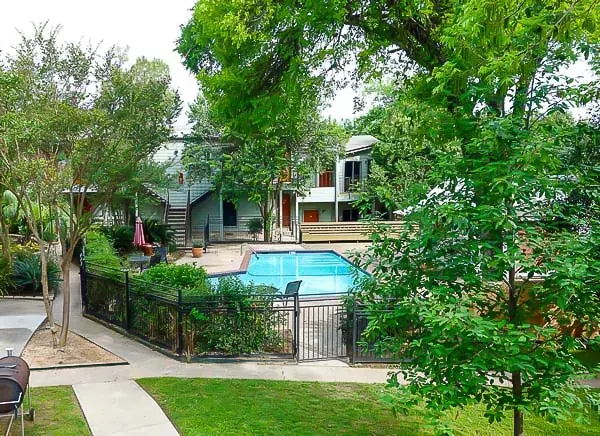
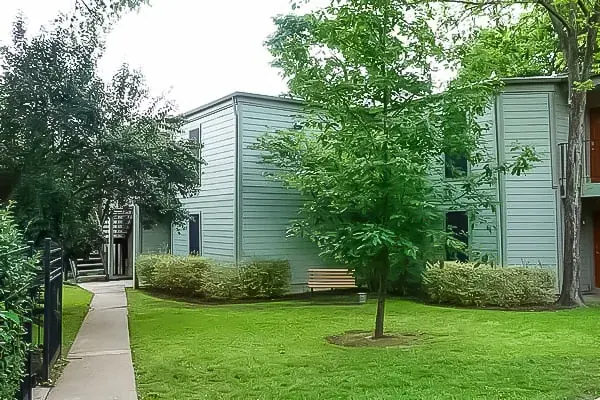
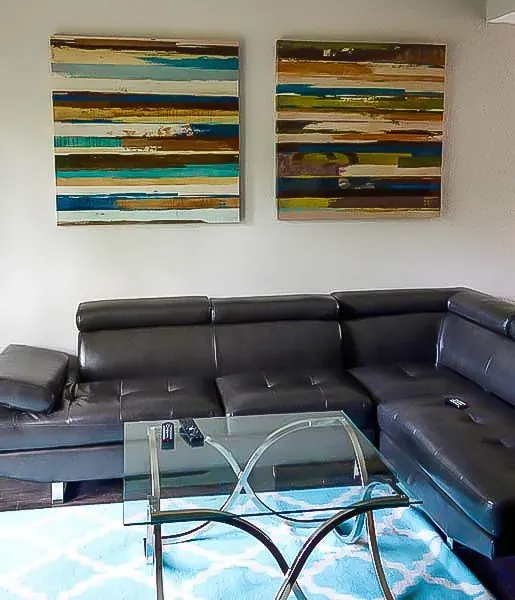
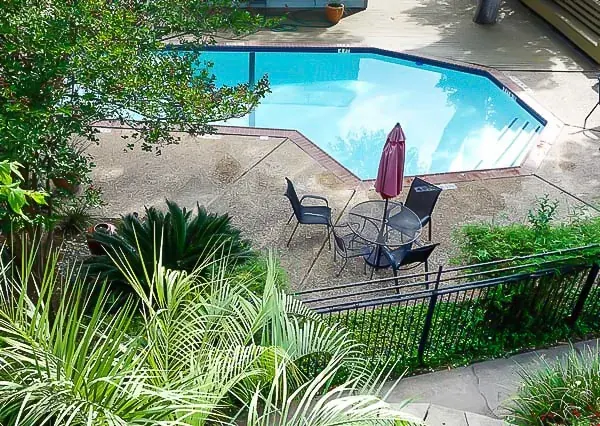
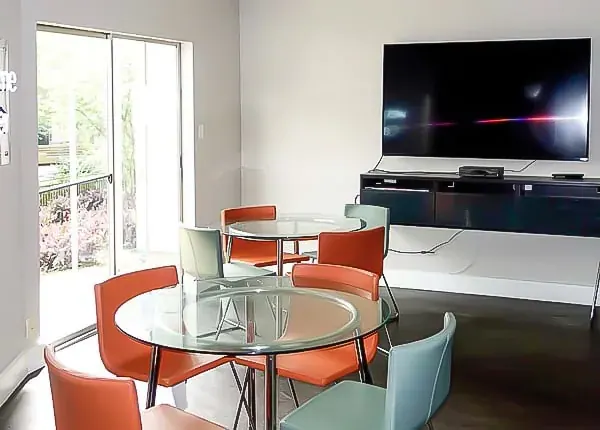
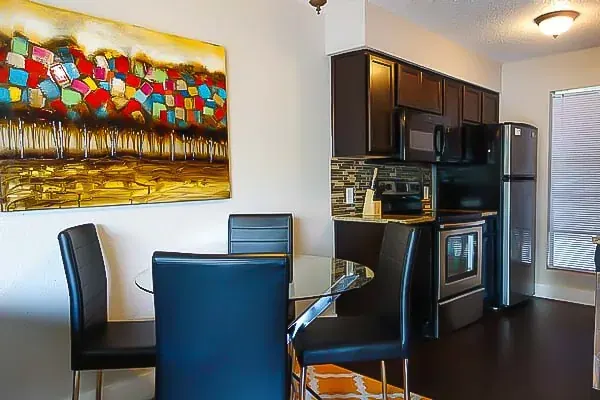
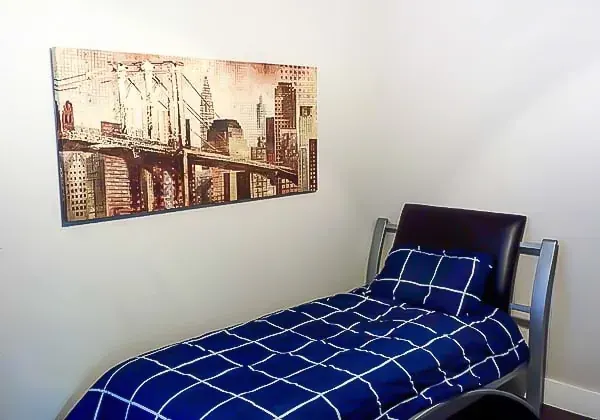
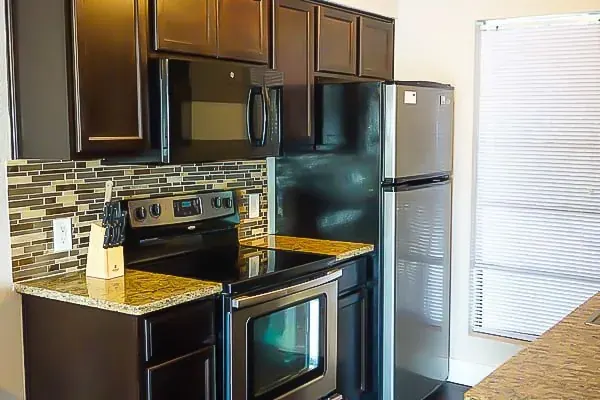
Inside Rustic Creek, our Austin flagship
"My Life Wasn't That Bad, I Don't Fit This Step"
Unmanageability looks different for everyone. You don’t need to have lost everything to recognize that addiction has made life chaotic or disconnected from your values. High-functioning individuals often struggle with this part of Step 1, but honest reflection typically reveals areas where addiction has created problems.
Working Step 1 in Sober Living
Sober living provides an ideal environment to work Step 1 because it offers:
- Peer support: Living with others in recovery helps you see your own patterns reflected in shared experiences
- Accountability: House rules and drug testing provide external structure that reinforces the recognition of powerlessness
- Meeting attendance: Regular participation in 12-Step meetings deepens understanding of Step 1 through sponsorship and step work
- Structured routine: Daily schedules that prioritize recovery activities demonstrate what manageable life looks like
- Safe environment: Removing access to substances allows clear thinking about past unmanageability
At Eudaimonia Recovery Homes, our structured sober living model supports residents in working Step 1 honestly while building the practical life skills needed for long-term recovery.
Moving Forward: Step 1 as a Daily Practice
Even after working through all 12 Steps, recovering individuals return to Step 1 regularly. This step serves as a touchstone, a reminder of where you came from and why continuing in recovery is essential.
Daily practices that honor Step 1 include:
- Morning meditation or prayer acknowledging your need for support
- Checking in with your sponsor or accountability partner
- Attending meetings and listening for identification with others’ stories
- Journaling about gratitude for sobriety and honest reflection on challenges
- Asking for help before reaching a crisis point
Recovery is not a linear path, and returning to Step 1 when life feels unmanageable again is a sign of wisdom, not failure. This humility keeps you grounded and connected to the recovery community that supports your sobriety.
Step 1 and the Path to Long-Term Sobriety
The admission required in Step 1 creates the foundation for profound personal transformation. When you stop fighting to control the uncontrollable and instead accept help, you open yourself to the remaining 11 Steps that guide spiritual and behavioral change.
Residents at Eudaimonia Recovery Homes who fully embrace Step 1 report:
- Reduced shame and self-judgment about their addiction
- Greater willingness to engage in therapy and treatment recommendations
- Stronger relationships with family as honesty replaces manipulation
- Increased sense of peace from releasing the burden of trying to control everything
- Hope for the future based on seeing others succeed in recovery
Understanding that you are powerless over addiction but not powerless over your recovery choices is the paradox at the heart of Step 1. This acceptance allows you to build a life of lasting sobriety supported by community, structure, and ongoing personal growth.
Getting Started with Step 1 at Eudaimonia Recovery Homes
If you or a loved one is struggling with addiction and ready to take the first step toward recovery, sober living provides the supportive environment needed to build a strong foundation.
Our homes in Austin, Houston, San Antonio, Colorado Springs, Philadelphia, and Baton Rouge offer:
- Safe, substance-free living environments with 24/7 peer support
- Connection to local 12-Step meetings and recovery communities
- Structured daily routines that promote accountability and healthy habits
- Support in finding employment, continuing education, and rebuilding life skills
- A judgment-free community of others working toward the same goals
Taking Step 1 is the beginning of a journey that can transform your entire life. You don’t have to do it alone. Call us today at (713) 818-2361 to learn more about how sober living at Eudaimonia Recovery Homes can support your path to lasting recovery.
Ready to take the next step?
Eudaimonia Recovery Homes provides structured sober living and recovery support in Philadelphia, PA. Call (713) 818-2361 to speak with our team today.