
Published January 24, 2019 · Updated July 27, 2026
The purpose of the 12-Step Program is to provide addicts and alcoholics with a set of guidelines to successfully overcome addiction to drugs and alcohol. However, the 12-steps aren’t just a quick fix way to get sober. They are deeply spiritual principles that help people establish an entirely new way of living. These guidelines foster extensive personal growth, wholesome relationships, and the adoption of attitudes and actions that fuel sobriety.
The success rate of AA has long been debated and is difficult to measure, as the recovery process is highly individualized and the program is largely anonymous. However, the fact that countless people have found success in recovery with the program is evidence enough that it does work. The 12 steps can work for anyone, regardless of their history with addiction, their age, race, sex, or religious beliefs.
There’s nothing magic about the 12 steps, but they do provide a renewed sense of hope and purpose for people who are recovering from drug and alcohol addiction. Here’s a closer look at the meaning behind each step.
Step 1: We admitted we were powerless over alcohol, that our lives had become unmanageable.The first step is key to recovery. It emphasizes the fact that in order to find freedom in recovery, we must first admit that something is seriously wrong in our lives. The addiction has become too big to control and we need help to get better.
Step 2: Came to believe that a Power greater than ourselves could restore us to sanity.This second step is one of hope and faith. Believing that there is a power greater than ourselves and our addiction is a cornerstone in the recovery process. Regardless of our prejudices and religious beliefs (or lack thereof), it is essential that we are willing to believe in a power greater than us that can restore balance to our lives. This Higher Power can be God, the concept of fellowship, nature, or anything else that gives you hope and purpose.
Step 3: Made a decision to turn our will and our lives over to the care of God as we understood Him.With step three, we make the decision to give ourselves and our addiction over to our Higher Power and surrender control. In doing this, we commit to trusting that our Higher Power can manage our lives for us and that we are ready to put the principles found in steps four through 12 into action in our lives.
Step 4: Made a searching and fearless moral inventory of ourselves.To take inventory as described in step four is to take a step away from a life of addiction. It is a method that allows us to investigate how, when, and where our desire to use messed up our lives. Step four is a step of discovery that ultimately empowers us to make positive changes in our thought processes and behaviors.
Step 5: Admitted to God, to ourselves and to another human being the exact nature of our wrongs.Step five is a step of humility and honesty. By sharing our faults and true history with another human being, we can finally be free of our addiction and begin to understand who we really are. This empowers us to begin rebuilding on a foundation of humility, honesty, and truth.
Find Your New Home Today - (713) 818-2361 REQUEST MORE INFORMATION Step 6: Were entirely ready to have God remove all these defects of character.This step requires us to prepare ourselves to let go of anything that is hindering our life in recovery and allow our Higher Power to do the work that needs to be done. Letting go of the control, even over our recovery, is not being complacent. Instead, it is what will allow us to grow.
Step 7: Humbly asked Him to remove our shortcomings.With step three, we come to understand and recognize our shortcomings. With step seven, we ask our Higher Power to remove those shortcomings so that we can find true healing and peace. With this step, we change our attitude to one of humility and ask our Higher Power to use the tools of recovery to help us find healing.
Step 8: Made a list of all persons we had harmed and became willing to make amends to them all. Learn how to make your list and build willingness in Step 8 of AA.In looking at our personal inventory from step four, we have a good idea of who we need to make amends with. Step eight asks us to take a social inventory and clean up all the hurt and damage that was caused by our addiction. Leaving these issues unresolved will ultimately work against us and prevent us from loving ourselves and others.
Step 9: Made direct amends to such people wherever possible, except when to do so would injure them or others.Step nine requires courage and dedication, as making direct amends is emotionally taxing and difficult at times. This step is all about following through to heal the relational damage and start living a life that is honorable, courageous, and honest. Step nine also asks us to use careful discretion about who we make amends with and when we do so.
Step 10: Continued to take personal inventory and when we were wrong promptly admitted it.We are human so we will continue to make mistakes in recovery. However, step ten asks us to continually take personal inventory. This allows us to recognize our mistakes and requires us to grow in understanding, love, and tolerance toward ourselves and others.
Step 11: Sought through prayer and meditation to improve our conscious contact with God, as we understood Him, praying only for knowledge of His will for us and the power to carry that out.Step eleven asks us to maintain constant contact with our Higher Power through meditation and prayer. This allows us to maintain daily spiritual devotion and maintenance and develop a deeper relationship with our higher power in the process.
Step 12: Having had a spiritual awakening as the result of these steps, we tried to carry this message to alcoholics, and to practice these principles in all our affairs.This final step encourages us and reminds us that it is our duty to carry the message of recovery to other addicts and alcoholics. We are in a unique position to build them up and help them when no one else can. Step twelve also brings about a sense of satisfaction and fulfillment in recovery, as we adopt our important role in the cycle of life, addiction, and recovery.
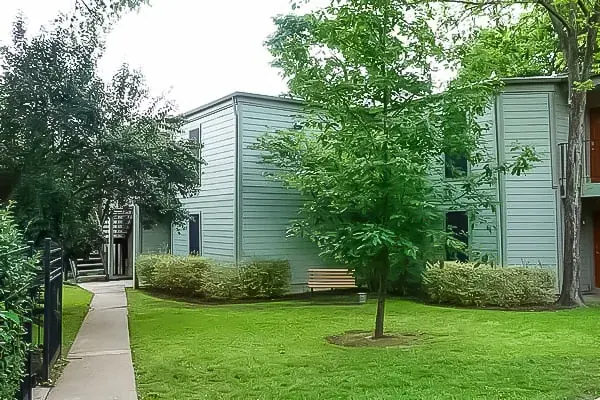
Inside Rustic Creek, our Austin flagship







Living Out the 12 Steps After Rehab
During rehab, clients dive deep into the 12 steps with group and individual study, but the work doesn’t stop there. To truly live out the 12 steps after rehab, a person must continually devote themselves to the study of each principle and continue re-working the steps long after they have completed rehab.
Continued 12-step work enhances life in recovery, keeps people connected to a sober support group, and fosters continued personal growth in sobriety. While continued care programs like sober living, peer recovery support program, and IOP are important parts of the treatment process, ongoing 12-step work is also essential to sustained sobriety.
If you’d like to learn more about how 12-step involvement works for sober living clients or IOP clients, contact Eudaimonia Recovery Homes today. An admissions specialist is ready to speak with you and answer any questions you have about our recovery programs.
References:


