

Published February 19, 2026 · Updated August 5, 2026
Key Takeaways
- What a young people AA meeting isLearn common labels like YP, YPG, and YPAA.
- How to find young meetings near youUse local directories, keywords, and filters that fit your schedule.
- What to expect in the roomUnderstand formats, anonymity basics, and low-pressure ways to participate.
- AA for teens and safetyUse practical safety steps and parent-friendly options when needed.
- If there are no youth meetingsBuild connection through newcomer meetings and online options.
- Turn meetings into a routineFollow a simple 3, 2, 1 plan and pair meetings with treatment support.
On This Page · 28 Sections
Searching for young people AA meetings can feel confusing, especially if you are new to recovery or younger than most people you know in the rooms. Many people also type “young aa meetings near me,” “aa meetings for young adults near me,” or “youth aa meetings near me” because they want a group that feels relatable and safe.
This guide explains how to find meetings that welcome teens and young adults, what the labels mean, and how to choose a meeting you will actually return to.
Important: This article is educational, not medical advice. If you are worried about alcohol withdrawal, safety, or an emergency, seek urgent help right away.
- Know the labels: “YP,” “Young People,” “YPG,” and “YPAA” usually signal a younger-leaning meeting.
- Use filters: narrow by day, time, format, and “young people” tags when they exist.
- Start simple: aim for three meetings in two weeks before you decide it “isn’t for you.”
What counts as a “young people” AA meeting?
A young people AA meeting is an Alcoholics Anonymous meeting where many members are teens, college-age, or in their twenties and early thirties. The exact age range is not formal or enforced. Most groups use “young people” to describe the tone (relatable stories, early-life challenges, school or work stress) more than a strict age cutoff.
Quick definition
Young People in AA (often written as YPAA) refers to younger members who gather for meetings and events, while still following the same AA traditions and meeting structure.
In meeting directories, you might see young-focused meetings listed with codes like:
- YP or Young People (often younger membership, “young at heart” still welcome)
- YPG (Young People’s Group)
- NEW (newcomer-friendly, often easier if you are anxious)
- O or Open (anyone can attend, including family)
- C or Closed (for people who identify as having a drinking problem)
If the directory uses abbreviations that are hard to decode, this breakdown of AA meeting codes and common listing labels can help you read a schedule with more confidence.
How to find young AA meetings near me
Finding young aa meetings near me usually takes two steps: locate the most reliable meeting list for your area, then filter for “young people” or similar keywords. Meeting times change, so it helps to double-check the listing a few hours before you go.
Step 1: Start with the most “official” local meeting list you can find
In many cities, the most accurate lists come from a local AA service office (often called an intergroup or central office). These lists are usually updated by volunteers who receive schedule changes from groups. If your area has more than one directory, pick one source and stick with it for two weeks to reduce confusion.
If you prefer a phone-based search, some people use AA meeting-finder apps (often called “Meeting Guide”) to locate nearby meetings quickly. A good habit is to cross-check the time and address with the local listing when you can, because updates can lag.
Step 2: Search using the words young people actually use
Most directories have a keyword search. Try these terms one at a time:
- young / young people / YP
- YPG / YPAA
- newcomer / beginner
- college (in some towns, campus-area meetings include many younger members)
Step 3: Use time and format filters that fit a young schedule
Teens and young adults often juggle school, work, sports, or family rules. If a young people meeting exists but the time is impossible, use the filters that make attendance realistic:
- Evening meetings on weekdays
- Weekend options for students with early classes
- Online or hybrid meetings if transportation is an issue
Step 4: Confirm the details before you leave
For in-person meetings, the “address” might be a large building with multiple entrances. Read the notes for parking, room numbers, or which door to use. For online meetings, confirm any meeting ID, passcode, and whether cameras are required.
Eudaimonia's Success Stories – Real People, Real Freedom
What to expect at a young people AA meeting
Many first-timers worry they will be asked to speak, judged, or forced to share personal details. In most meetings, you can simply listen. If you choose to speak, you can keep it brief and stay general.
Common formats you may see
- Discussion meeting: members share on a topic (stress, cravings, honesty, relationships).
- Speaker meeting: one person tells their story, then the group may share.
- Step or literature meeting: the group reads and discusses AA material.
What “anonymity” usually means in practice
Anonymity is a cultural norm meant to protect privacy. A practical way to think about it is: what you hear and who you see stays in the room. You can also protect yourself by sharing only what feels safe at first, especially if you attend a meeting near school.
Will I be the oldest (or youngest) person there?
Young people meetings vary. Some are mostly ages 18–30. Others are mixed, with a younger feel. If it matters to you, arrive early and ask a simple question like, “Is this usually a younger crowd?” You can also try a second meeting before deciding it is not a fit.
AA for teens: safety, privacy, and parent questions
Many people search “aa for teens” because they want peer support but also need boundaries. AA does not have a universal minimum age for attendance, but teens should think through privacy and safety in a realistic way.
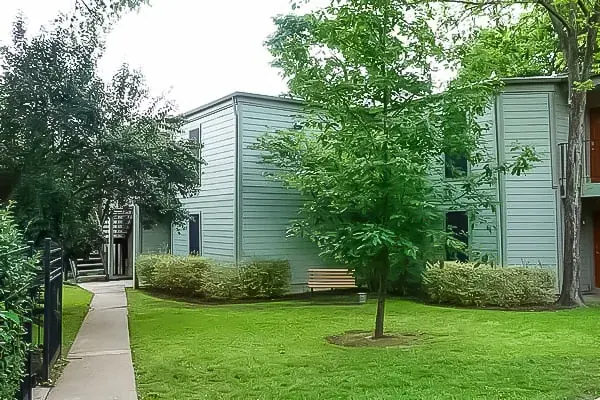
Inside Rustic Creek, our Austin flagship







What research suggests about teen safety in meetings
Safety concerns come up for many families, especially when meetings are mostly adults. In a 2011 prospective study of outpatient youth (N=127), 57.5% attended at least one AA or NA meeting over 12 months. Among attendees, 21.9% reported at least one negative experience, yet overall youth reported feeling very safe at meetings. The authors also emphasized monitoring youth experiences, similar to adults. You can read the study on adolescent safety at AA and NA meetings.
Practical safety tips for youth AA meetings near me
- Choose well-lit, public locations and avoid isolated settings when possible.
- Consider going with support (a trusted adult, counselor, recovery mentor, or sober peer).
- Have a ride plan that does not depend on someone who is drinking or using.
- Trust your instincts; if a meeting feels off, leave and try another one.
If a parent or caregiver is involved
Parents often want to know what the meeting is like, but privacy matters. A practical compromise is to start with an open meeting, where family can attend as observers. If you are a teen affected by someone else’s drinking (rather than your own), Alateen and family-support options may be a better match.
If there are no youth AA meetings near me
Not every town has a labeled young people meeting. That does not mean you cannot find younger peers. Use this approach to build a “young people” recovery circle anyway.
Try a newcomer meeting first
Newcomer meetings are often more welcoming, with more explanation and less pressure. Younger people who are newly sober often start there, even if the meeting is not labeled YP.
Ask one simple question at the end
After the meeting, you can ask the chairperson or greeter, “Are there any meetings around here with more young people?” You do not need to explain your whole story. Most communities can point you toward the right room.
Use online meetings as a bridge, not a hiding place
Online meetings can help you build momentum when anxiety, transportation, or family schedules get in the way. If possible, pair one online meeting with one in-person meeting each week so you still build local support.
How to turn meetings into a recovery routine
Finding a meeting is only step one. The bigger win is turning meetings into a weekly rhythm that supports school, work, and mental health.
Use a simple “3–2–1” plan
- 3 meetings in your first two weeks
- 2 numbers from people you relate to (texting is okay)
- 1 small commitment (arrive early, help clean up, or read a paragraph)
If you are not sure what to do after your first few meetings, this 30-day AA newcomer roadmap lays out a realistic next-step plan without perfectionism.
Pair meetings with clinical care when you need it
AA can be powerful peer support, but it is not the same as therapy, medication management, or structured treatment. The NIAAA notes that mutual support groups can reinforce and extend the benefits of professional treatment, especially when combined with other care.
If you need more structure during early recovery, an intensive outpatient program (IOP) can add therapy and accountability while you keep attending meetings.
Build an environment that makes showing up easier
Many young adults relapse because life gets chaotic, not because they “do not care.” A stable, substance-free living environment can reduce daily triggers and make meeting attendance more consistent. If you are exploring recovery housing, our sober living programs explain how structured homes support routines, peer connection, and follow-through.
If you need immediate help: SAMHSA’s National Helpline is free, confidential, and available 24/7 for treatment referrals and information. If you or someone else is in immediate danger, call 911.
How Eudaimonia Recovery Homes Supports Young People AA Meetings and Long-Term Recovery
When you are searching for young people AA meetings, having the right support system can make all the difference in whether you actually follow through and keep showing up. Eudaimonia Recovery Homes helps by providing a structured sober living environment where daily routines and accountability make it easier to attend meetings consistently. Instead of trying to figure everything out alone, residents can build healthy momentum with peers who also understand early recovery and the challenges young adults face. In addition, a stable living space reduces exposure to triggers that often derail meeting attendance, especially during stressful school, work, or relationship changes.
Eudaimonia also supports residents in creating a practical weekly plan that includes local meeting options, transportation logistics, and realistic goals for connection. Because community is a major protective factor in recovery, being surrounded by others who prioritize sobriety can make it easier to find the right meeting fit and keep going back. Over time, this consistency can help young adults move from simply “finding meetings” to building real recovery relationships that support long-term change.
Your Future Is Waiting
Tell us what you are looking for and admissions will walk you through the houses, the phases, and what a room actually costs.