

Published February 4, 2026 · Updated August 5, 2026
Key Takeaways
- Al‑Anon meaning in plain EnglishA quick definition of who Al‑Anon is for and what it’s meant to do.
- What does al anon stand for?Why the name confuses people and what it actually points to.
- Al anon vs AAA simple comparison so you know which program fits which person.
- What is Alateen?How teens can get support when someone else’s drinking affects home life.
- Al‑Anon glossaryCommon terms and sayings translated into plain English.
- Using Al‑Anon ideas during recoveryPractical boundary examples and how family support can fit alongside treatment.
On This Page · 12 Sections
Al‑Anon meaning: Al‑Anon is a peer support program for people affected by someone else’s drinking. It helps family members and friends focus on their own stability, boundaries, and well‑being.
Alcohol use disorder can disrupt health, safety, and relationships. It often affects the whole household, not just the person who drinks. For a clear medical overview of alcohol use disorder treatment options, visit MedlinePlus.
Many families search “alanon meaning” when a loved one enters treatment, moves into sober living, or transitions into a recovery home or halfway house. A structured setting can support routines and accountability. Family members can build their own support outside the home.
Al‑Anon meaning in plain English
In plain language, Al‑Anon is support for you when another person’s drinking has affected your life. People attend for many reasons: worry, broken trust, money stress, repeated conflict, or the roller‑coaster feeling that can come with early recovery.
Al‑Anon is not the same thing as therapy, case management, or professional counseling. Instead, it is a fellowship where people share real‑life experience and practice tools that reduce chaos and increase clarity.
- Who it’s for: spouses, partners, parents, adult children, siblings, and close friends affected by someone else’s alcohol use.
- What it focuses on: Your coping skills, your boundaries, and your ability to live well, whether the drinker changes or not.
- What it does not do: diagnose, provide medical advice, or “fix” another person.
If your loved one is in a structured recovery setting, it can also help to understand how supportive housing works. This guide on sober living and structured recovery environments explains the role of routines, accountability, and peer support.
What does al anon stand for?
People often search “what does al anon stand for” because the name looks like an abbreviation. Al‑Anon is not an acronym you can spell out word‑for‑word. It is the name of a family fellowship that grew out of Alcoholics Anonymous.
Here is the simplest way to remember the meaning behind the name:
- Al‑Anon is connected to AA in origin, but it is a separate program for a different group of people.
- “Anon” points to anonymity, meaning people protect each other’s privacy and don’t share identities outside meetings.
People also ask about pronunciation. In everyday speech, many people say it like “Al‑uh‑non.” What matters more than pronunciation is getting the purpose right: Al‑Anon is for your side of the family impact.
If you need a quick one‑sentence explanation for a friend, try this: “AA is for the person who wants to stop drinking; Al‑Anon is for the people who are affected by that drinking.”
Eudaimonia's Success Stories – Real People, Real Freedom
Al anon vs AA: the simplest comparison
The search term “al anon vs aa” is common because both programs have meetings, shared stories, and similar language. The difference is the target person.
- AA: for people who have a desire to stop drinking.
- Al‑Anon: for people who want support because someone else’s drinking has affected them.
There is also overlap. Both programs tend to value honesty, routine, and privacy. Both often use short slogans because they are easy to remember during stress.
Many families use both programs at the same time: the drinker builds a recovery routine, and loved ones build their own support plan. For some people, professional care is part of that plan too. An intensive outpatient program (IOP) can add counseling and skills practice. Many people attend while living at home or in recovery housing.
Common mix‑ups to avoid
- “AA for spouses” usually means “I need support too.” Al‑Anon is designed for that need.
- Couples therapy is different. Al‑Anon can support you, but it is not relationship counseling.
- Interventions are different. Al‑Anon is not a strategy to pressure someone to change.
What is Alateen?
If you are asking “what is alateen”, think of it as Al‑Anon’s teen‑focused space. Alateen supports young people who have been affected by a parent’s, caregiver’s, or another close person’s drinking.
For many teens, the hardest part is feeling alone or “different” from friends. Alateen groups aim to reduce shame and isolation, while helping teens build healthier coping skills.
- Who it’s for: teenagers and young people affected by someone else’s alcohol use.
- What it teaches: emotional boundaries, self‑care, and how to ask for help safely.
- Why it matters: teens often carry stress quietly, and support can interrupt that pattern.
If you are a parent or caregiver, one practical step is to avoid pushing a teen to “perform” recovery. You can offer options, transportation, and a calm invitation. Teens often engage more when they feel respected and not judged.
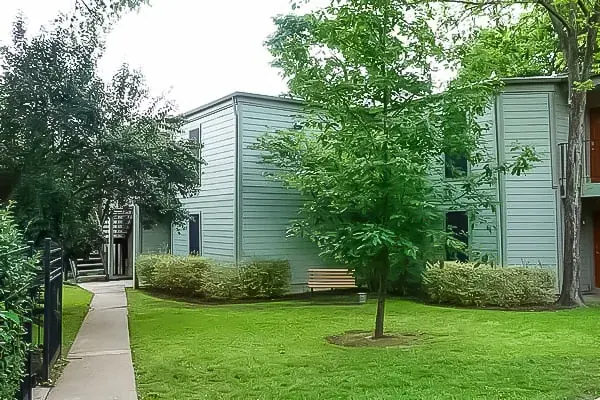
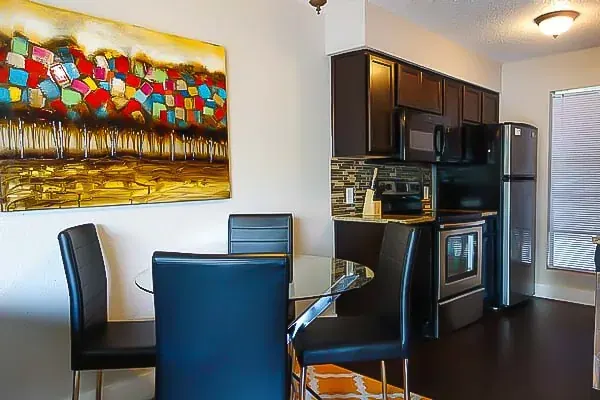
Inside Rustic Creek, our Austin flagship






Al‑Anon glossary: common terms and sayings
Another reason people search “alanon meaning” is that meetings use short phrases that can sound unfamiliar at first. The goal is not “perfect” language. It is clarity. Here are common terms you may hear, translated into plain English:
- Qualifiers: the person (or people) whose drinking affected you. The focus stays on your recovery, not their label.
- Detachment: stepping back from conflict and control attempts, while still acting in line with your values.
- Enabling: protecting someone from the natural results of their drinking in a way that keeps the cycle going.
- Boundaries: clear choices you make to protect your safety, finances, time, and emotional health.
- “Keep it simple”: focus on the next right step, not every possible future outcome.
- “One day at a time”: reduce overwhelm by returning attention to today’s decisions.
- “Take what you like and leave the rest”: listen for what helps, and don’t force yourself to accept everything at once.
- “Progress, not perfection”: aim for steady change, not flawless behavior or a perfect family story.
If you are unsure whether certain behaviors are helping or enabling, this article on enabling a loved one’s addiction offers examples that many families recognize.
Using Al‑Anon ideas during sober living and recovery
Al‑Anon can be steady support while your loved one is in treatment, in a recovery home, or rebuilding life after rehab. It works best when you treat it as your recovery track, not a report card on the other person’s progress.
Many people start with three practical goals:
- Get support: meet people who understand the stress patterns you’re living with.
- Choose boundaries you can keep: simple, specific actions that protect safety and stability.
- Build a parallel plan: therapy, family education, and community support that fits your situation.
In real life, boundaries are often short sentences tied to actions. Examples include:
- Safety: “I will not ride in a car with someone who has been drinking.”
- Money: “I won’t give cash, but I can buy groceries if that feels safe for me.”
- Conflict: “I’m going to pause this conversation until we can talk calmly.”
Family healing often takes structure. If you want help rebuilding communication while a loved one is in sober living, explore family support services designed to strengthen relationships and reduce relapse‑driven conflict.
Mutual‑support groups can also reinforce professional care. The National Institute on Alcohol Abuse and Alcoholism describes how long‑term recovery support can be strengthened through ongoing social connection and shared help.
If your home environment feels unstable, it also helps to plan for setbacks. This guide on how to cope when a loved one relapses covers boundaries, next steps, and how to care for yourself during a crisis period.
Safety note: If you are dealing with threats, violence, stalking, or immediate danger, call emergency services right away. If you need guidance for supporting a loved one while protecting your own mental health, SAMHSA offers coping resources for families.
Bottom line: Al‑Anon is about your recovery, your boundaries, and your ability to live a healthy life, no matter what another person chooses. When you combine peer support with structured care, many families respond with more calm, more clarity, and less fear.
How Eudaimonia Recovery Homes Supports Families Seeking the Alanon Meaning
If you’re searching for the alanon meaning, it often means you’re trying to make sense of how someone else’s drinking has affected your life and what support looks like for you. Eudaimonia Recovery Homes helps by providing structured sober living environments that support long-term stability, routine, and accountability for residents in recovery. As a result, families often experience more consistency, fewer crises, and clearer communication over time. In addition, Eudaimonia’s approach encourages residents to build healthy daily habits, attend recovery support meetings, and practice relapse-prevention skills that reduce the ripple effects of alcohol misuse.
For loved ones, this structure can make it easier to set boundaries and focus on your own well-being, which aligns with what many people seek when learning the alanon meaning. It can also help you understand the difference in al anon vs aa, since recovery housing supports the person in recovery while family members may benefit from their own peer support and education. If teens are involved, understanding what is alateen can be part of a family plan, because stable recovery routines at home and in the community can reduce stress for younger family members too. Ultimately, Eudaimonia helps create a stronger foundation for recovery that supports both the individual and the relationships around them.
Your Future Is Waiting
Tell us what you are looking for and admissions will walk you through the houses, the phases, and what a room actually costs.