

Published October 23, 2025 · Updated March 4, 2026
On This Page · 11 Sections
Sober Living
San Antonio
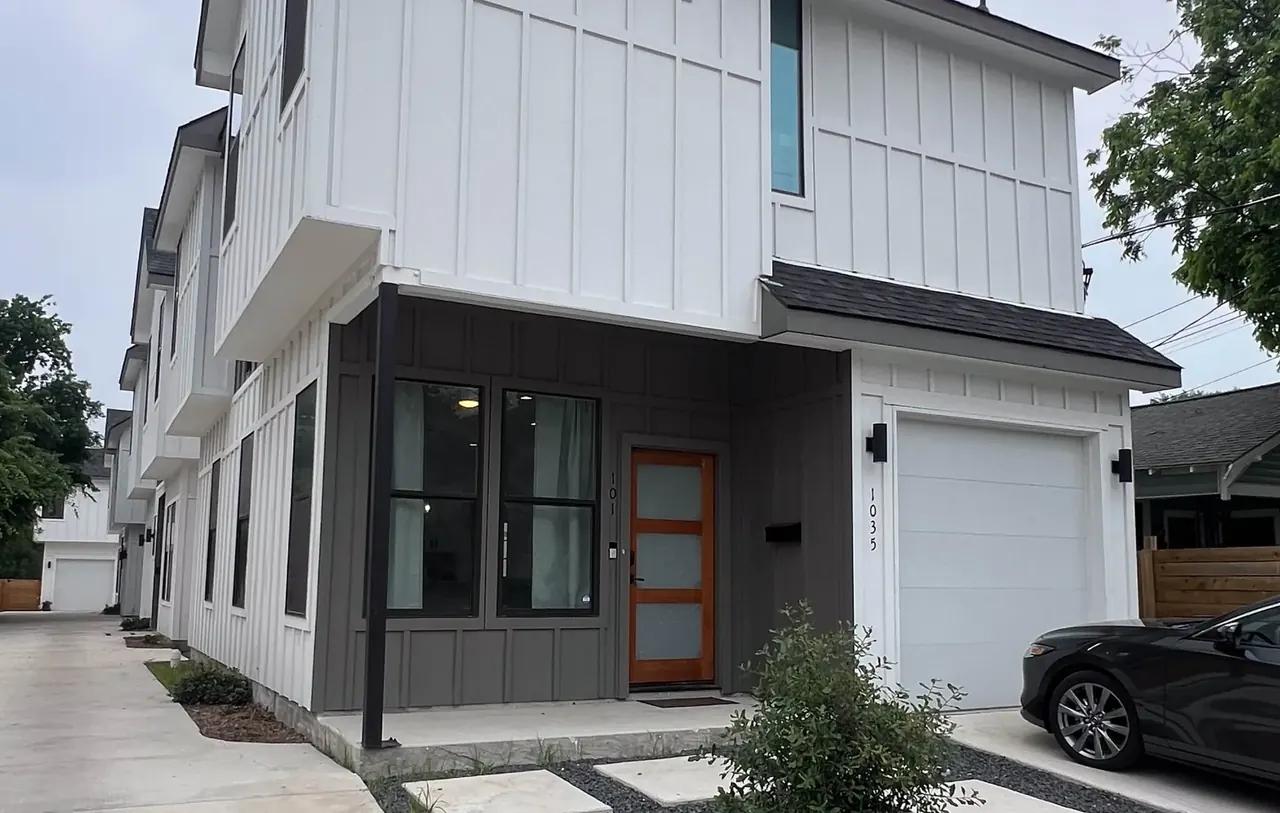
1035 S Pine St, Unit 101, San Antonio, TX
Sober living homesAlso called recovery residencesAre alcohol‑ and drug‑free dwellings that provide a supportive, peer‑based community for people in recovery. They aren’t a hospital or a clinical treatment center; instead, they supply structure, accountability, and a supportive environment while you work, attend meetings, continue outpatient programs, and rebuild daily routines. National definitions from SAMHSA and recovery‑housing standards organizations emphasize that housing stability is a key driver of sustained recovery outcomes.
To make sense of the landscape, the National Alliance for Recovery Residences (NARR) organizes recovery housing into four “levels of support.” Most sober living homes people think of day‑to‑day map to Level II (Monitored) or Level III (Supervised)Both emphasize house rules, peer accountability, and regular testing; Level III adds more staff structure. Level I is peer‑run (think democratically run Oxford Houses), and Level IV homes are service‑provider residences that operate more like licensed treatment in the broader continuum of care.
Bottom line: women’s sober living = shared, substance‑free housing + peer support + house standards, layered with outpatient services as needed.
Why a women‑only home?
Gender‑specific housing can improve perceived safety, comfort, and focus in early recovery, especially for people with trauma histories. Many women report that living with other women fosters openness, mutual accountability, and practical empathy for parenting, work re‑entry, or body‑image and health concerns. San Antonio providers that operate women‑only settings highlight the same benefits: supportive structure, ready access to 12‑step meetings, and a culture that reduces distractions so residents can concentrate on healing.
At a practical level, women’s houses refine house rules to fit residents’ needs (for instance, quiet hours around shift work schedules, transportation plans for childcare, or boundaries on visitors). The entire environment is designed to reduce relapse risk while you practice independent living, not replace it.
How sober living works in San Antonio
Although each house has its own culture, the typical local model includes:
A house manager and peer structureIn most Level II/III settings, a house manager (or senior resident) organizes chores, ensures curfew compliance, arranges drug testing, and orients new residents to the recovery process. This role centers peer accountability and a consistent rhythm in the home.
Clear rules you agree to up frontStandard rules include abstinence, regular drug/alcohol testing, participation in meetings (AA/NA/SMART), curfew, completion of house chores, and respectful conduct. You’ll see variations by home, but these are common across reputable programs.
Curfews and schedules that support outpatient programsMost residents step down from residential treatment into IOP/OP (intensive outpatient or outpatient) or counseling while living in sober housing. Expect curfew adjustments as you progress and earn privileges. This scaffolding helps you practice recovery in real life without losing the safety net.
Community, not isolationHouses coordinate rides to meetings, host in‑home step work or reading, and maintain shared calendars for chores and community events. You’ll find NA/AA meetings throughout San Antonio and multiple women’s‑specific options.
Where does sober living fit in the continuum of care?
Think of recovery supports like stepping stones:
Detox → Residential Treatment (ASAM 3.7/3.5/3.1) → Partial Hospitalization → IOP → Outpatient → Aftercare/Peer Support
Sober living often overlaps with IOP/Outpatient and aftercare, providing the structured home in San Antonio where you apply skills daily.
NARR’s national standards dovetail with clinical criteria (ASAM), clarifying overlap and differences: sober living is not the same as a treatment center, but Level III, IV homes may coordinate with treatment staff or be embedded in a provider’s campus.
Costs, insurance & funding in San Antonio
Monthly program fees vary by house and support level. Peer‑run models (e.g., many Oxford Houses) often split costs democratically; service‑provider homes set a program fee. Insurance rarely pays for “rent,” though some outpatient services you receive while living in the home may be billable if provided by a licensed clinic. Public funding can occasionally support recovery housing via specialized programs (e.g., HUD’s Recovery Housing Program) administered at the state or local level; availability is limited and changes year‑to‑year. Always ask each home what scholarships, sliding scale, or grant‑backed beds are open now.
In San Antonio, nonprofit partners sometimes help bridge the gap between treatment and housing. For example, Pay It Forward SA Focuses on supportive transitional housing links within the Haven for Hope ecosystem, an example of how community organizations can subsidize key weeks or months during reintegration.
How long should you plan to stay?
There’s no single right answer. Many women start with a 90‑day target and reassess at 3, 6, or 9 months depending on stability (work, school, court requirements, mental health, family reunification). Faith‑based or mission‑specific homes in San Antonio may run fixed‑length programs (e.g., 6–9 months) with milestones along the way. Ask each home about typical stay lengths and how step‑ups/step‑downs work to preserve momentum.
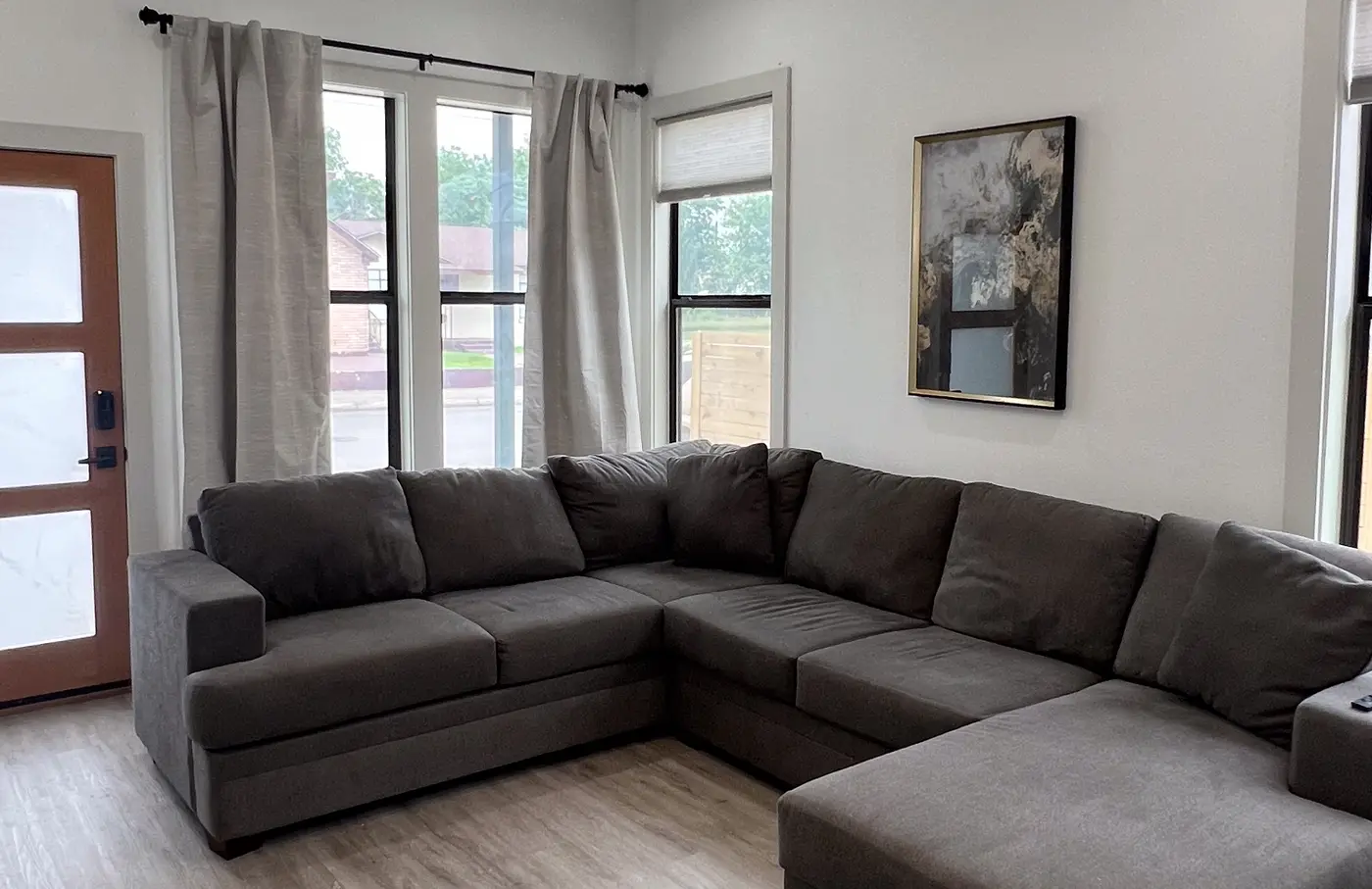
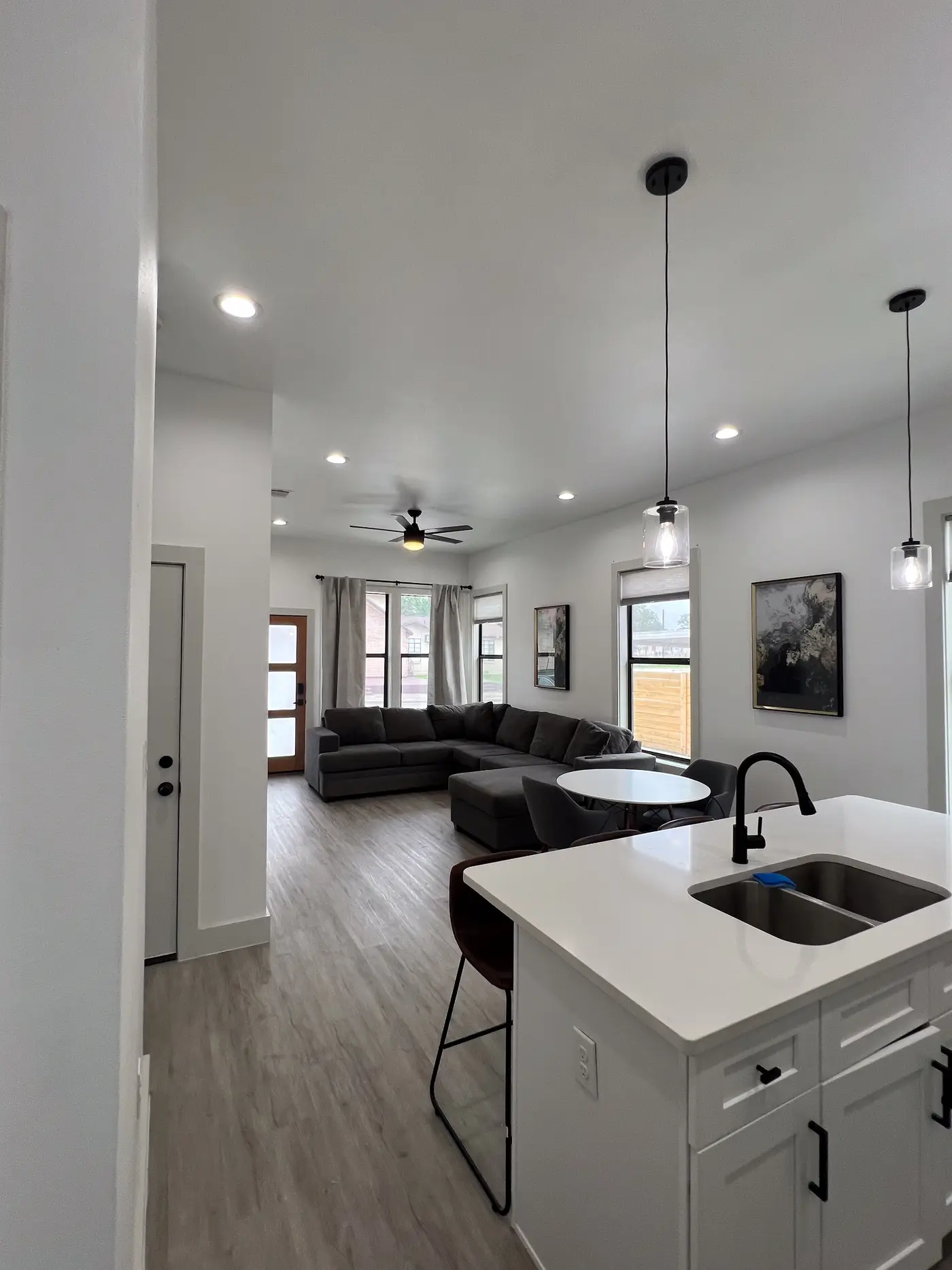
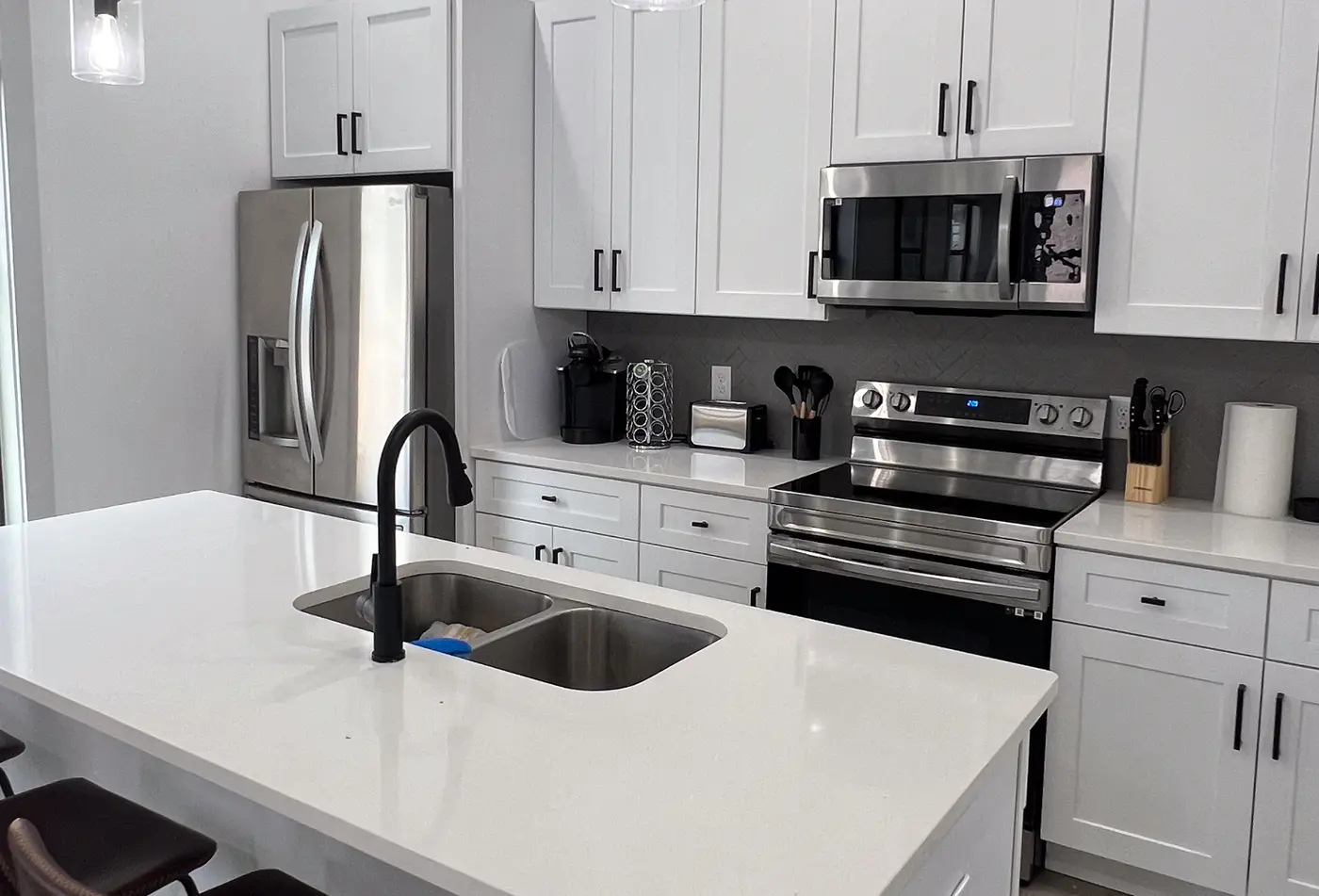
Inside the San Antonio homes
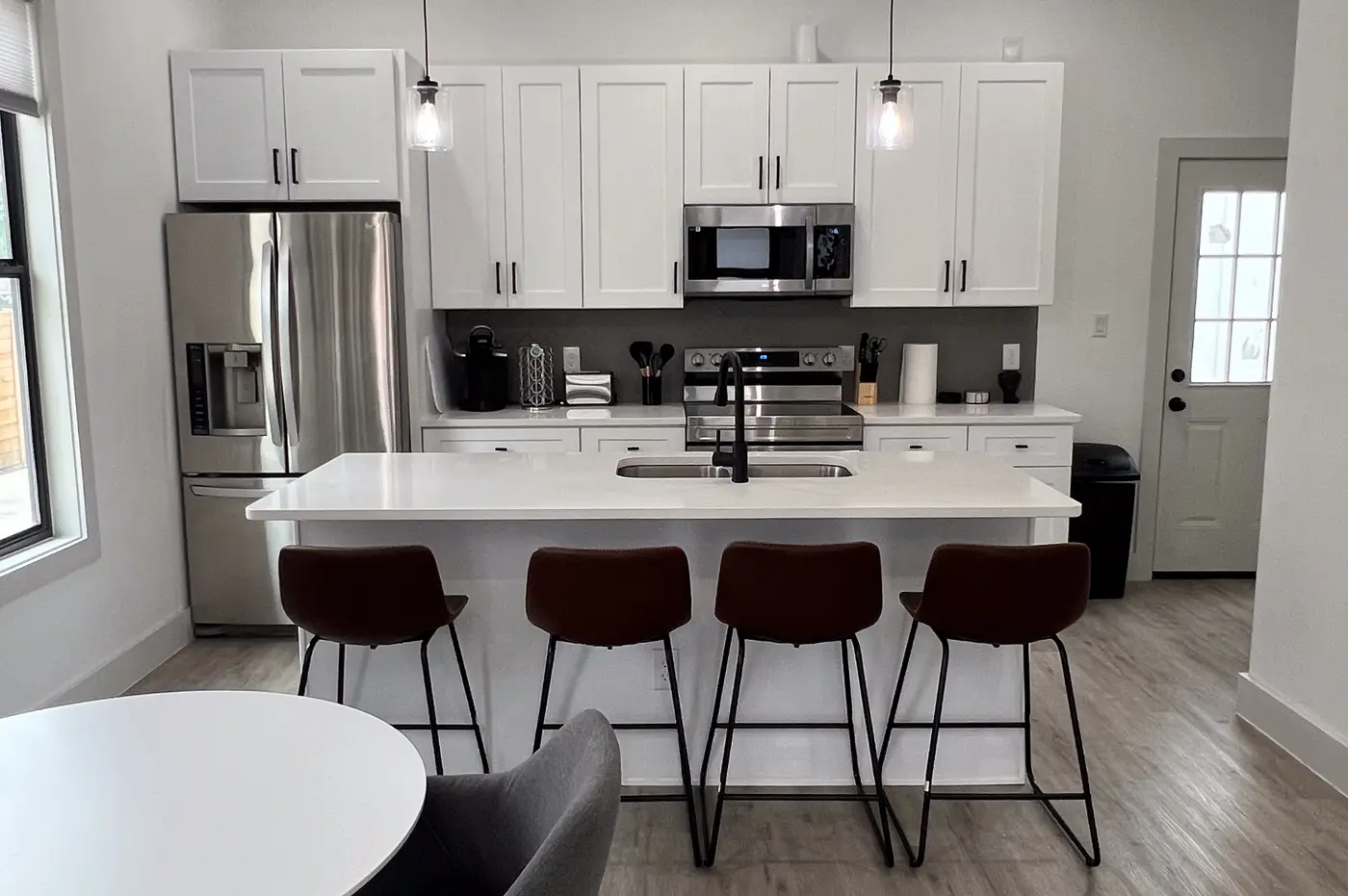
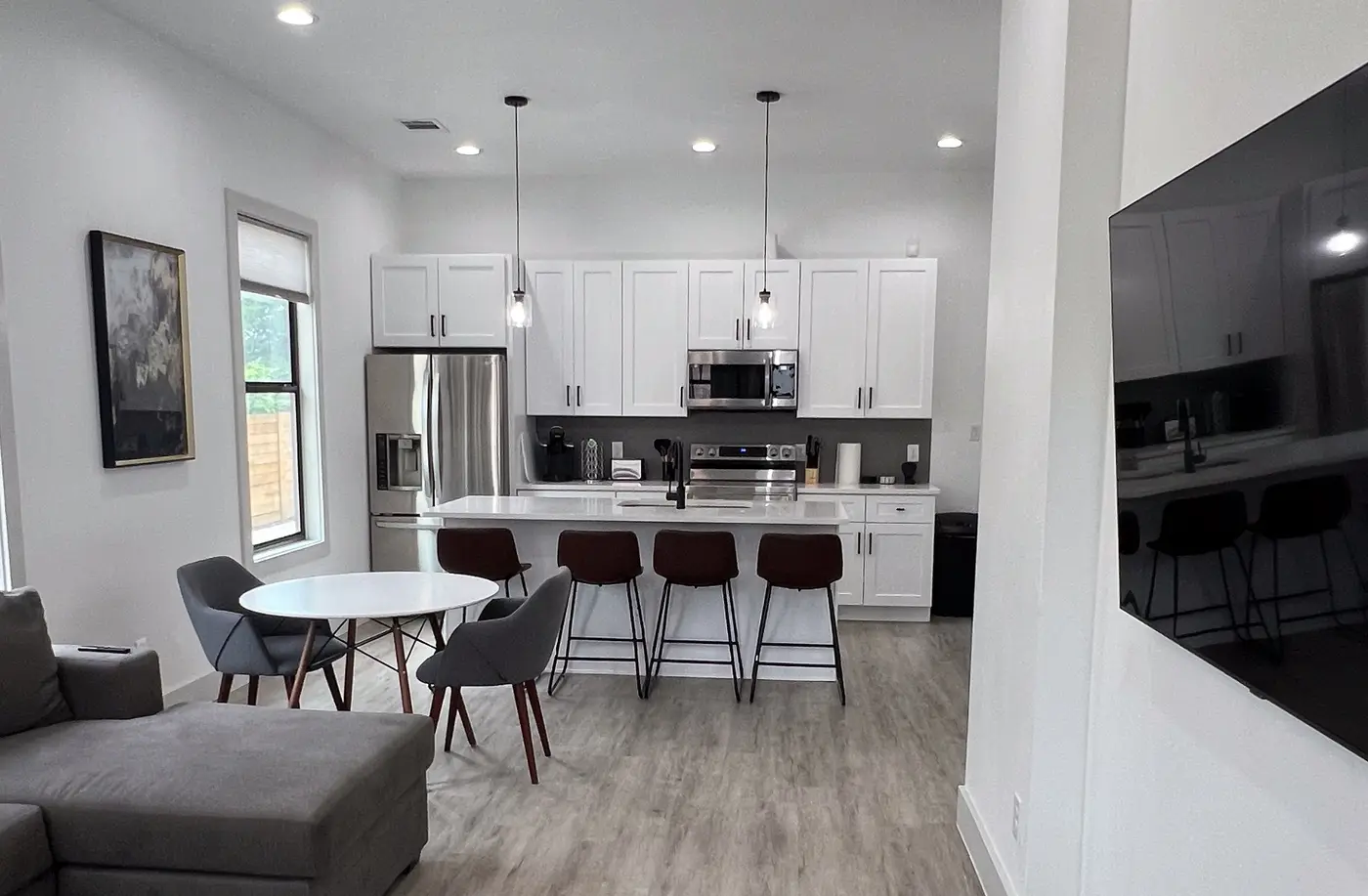


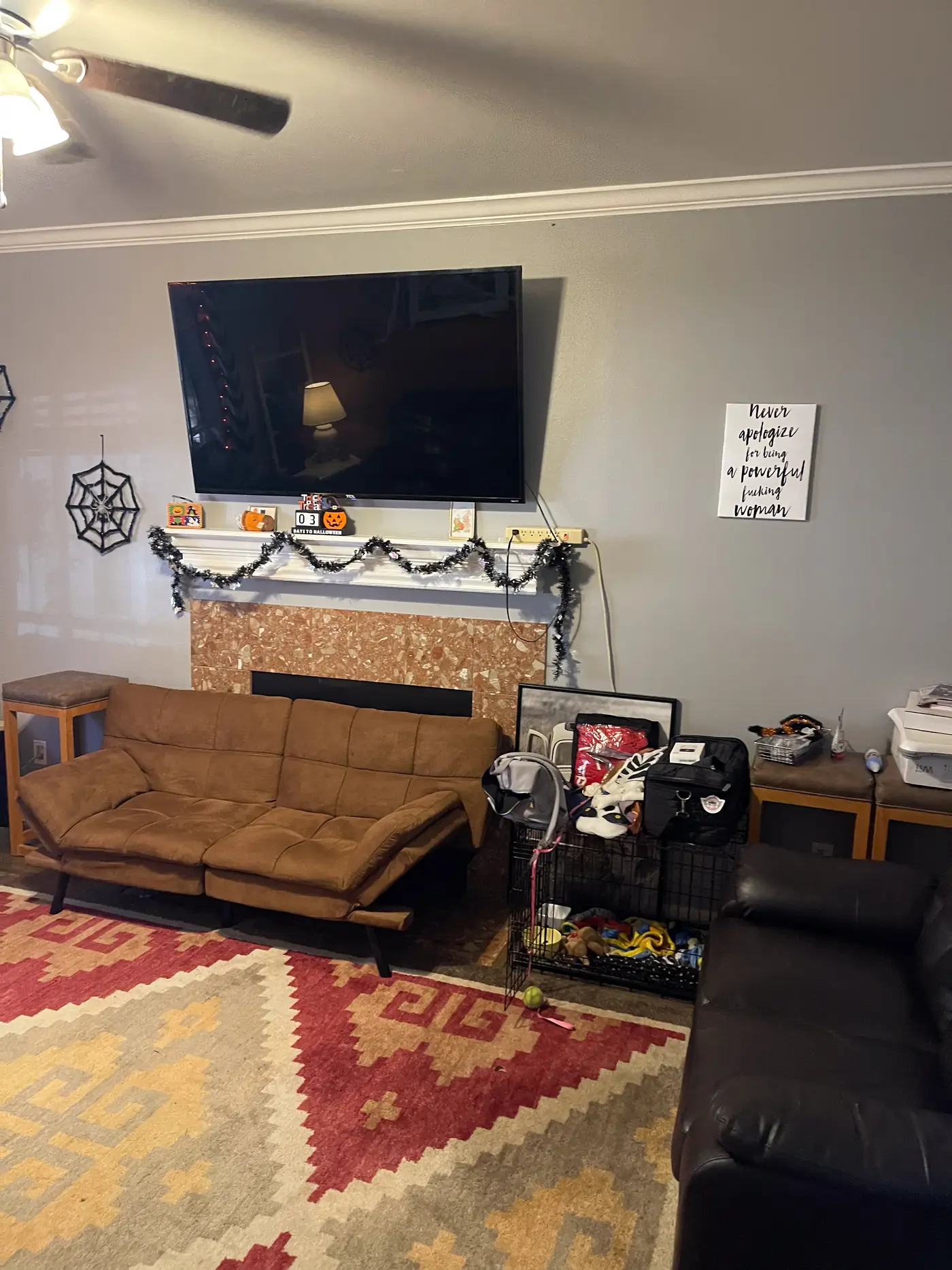
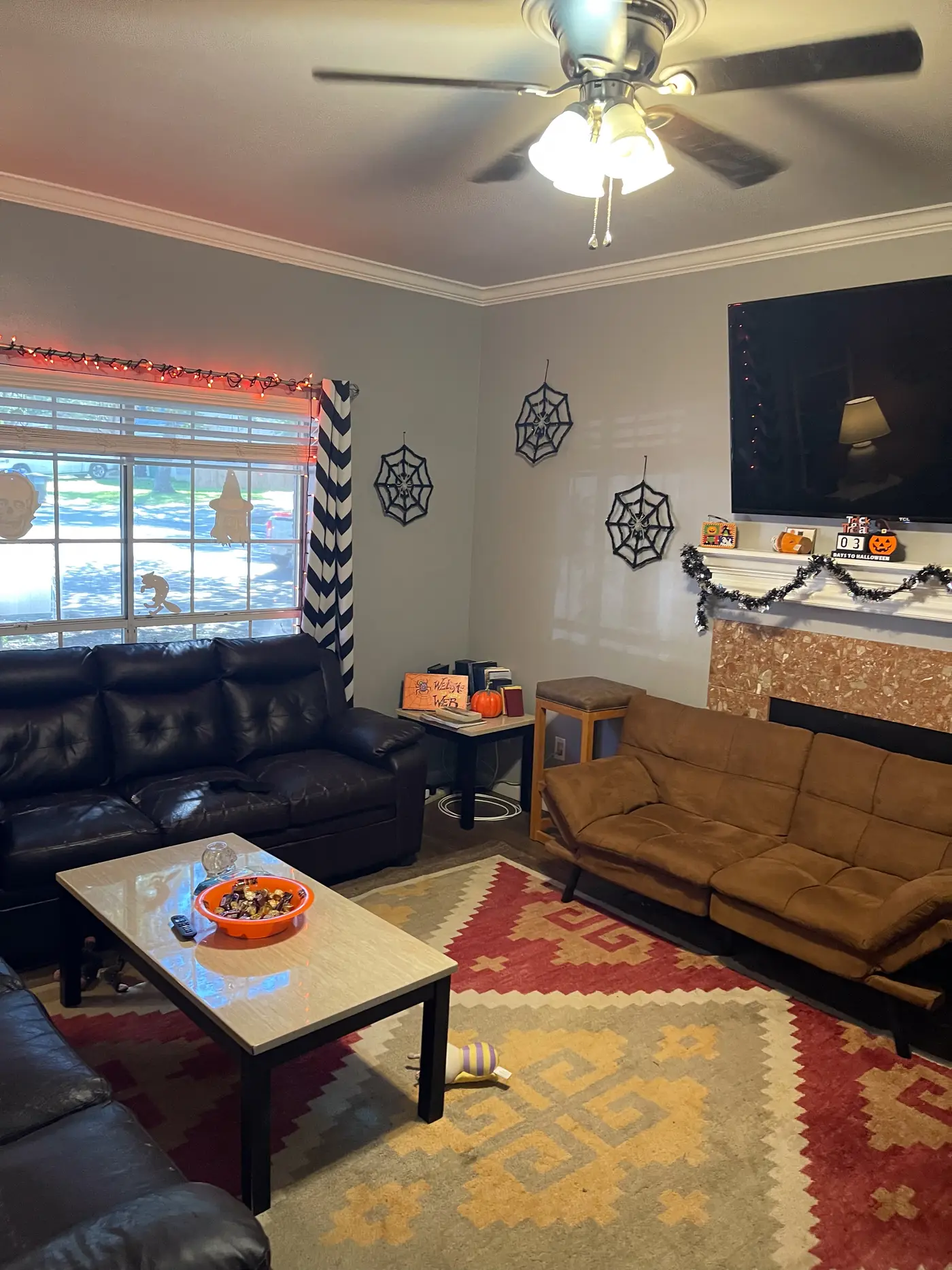
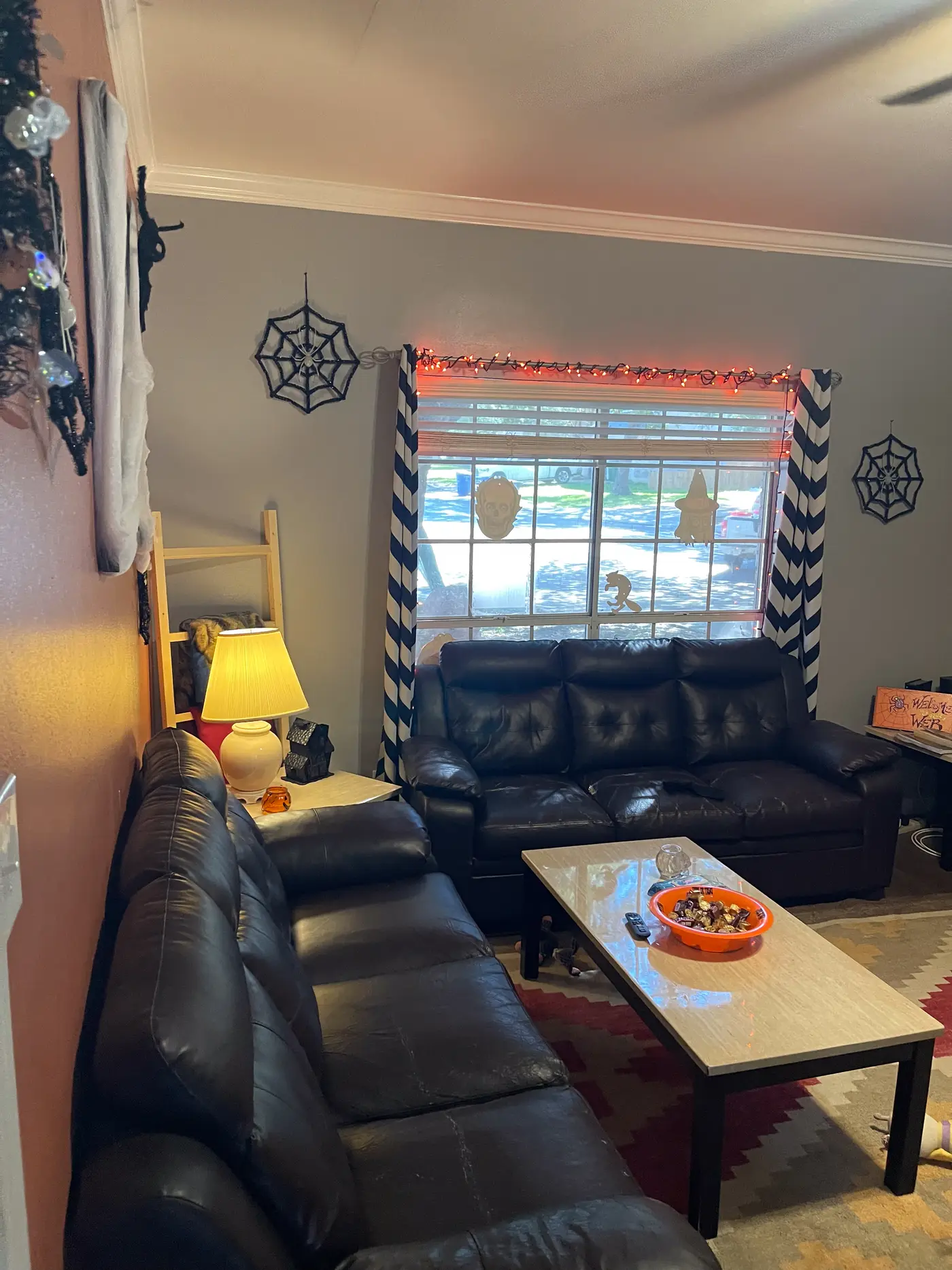
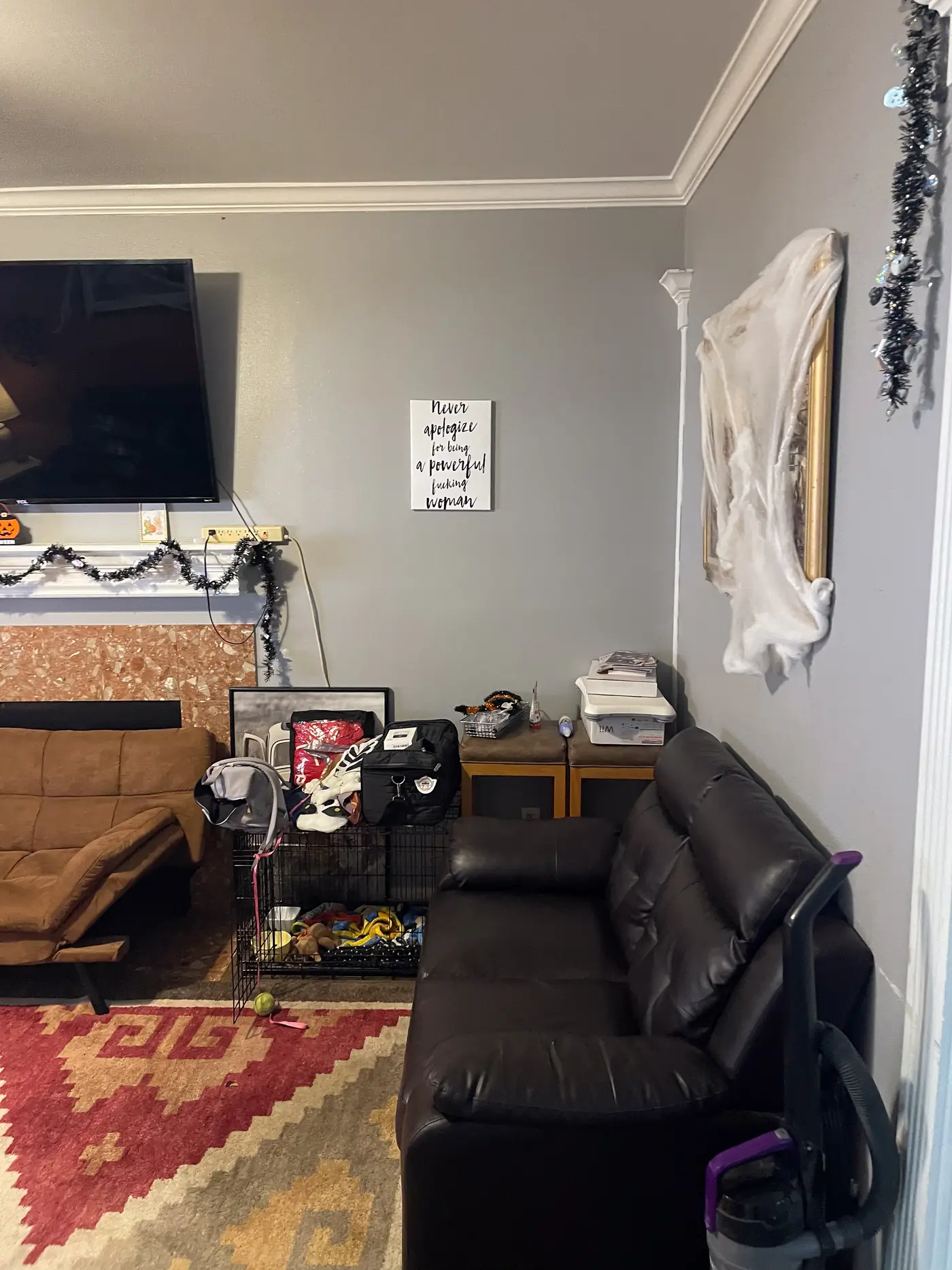
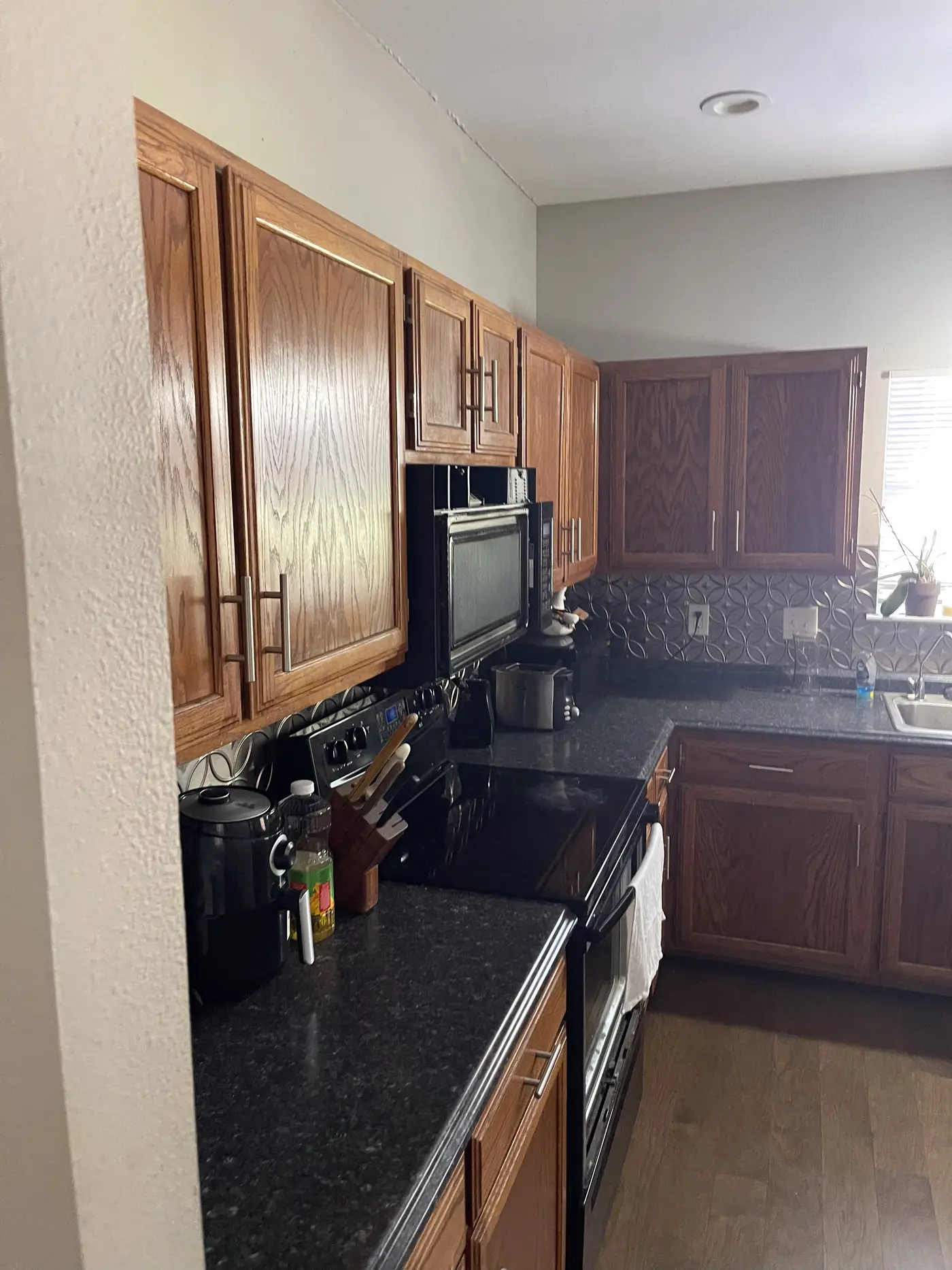
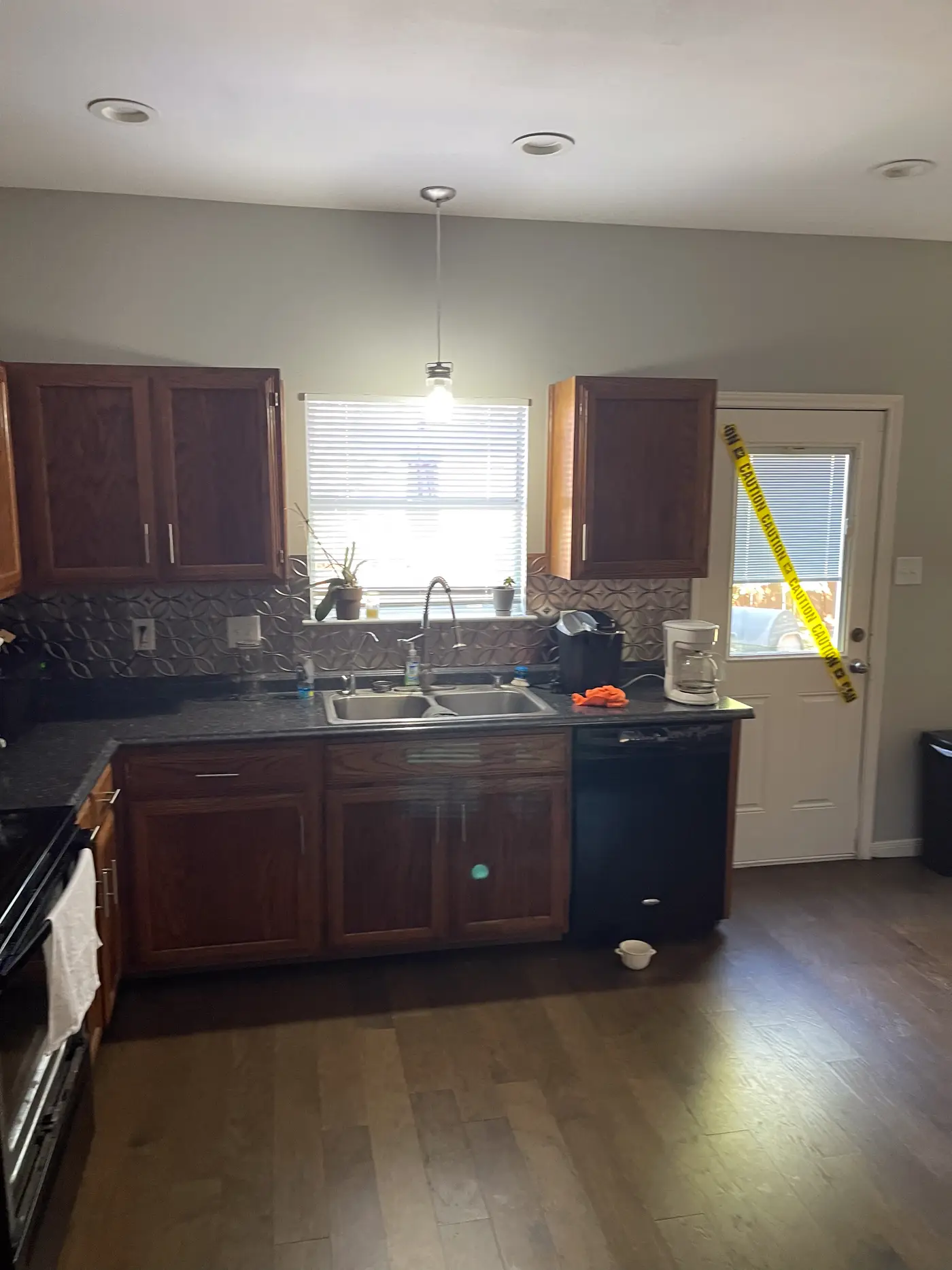
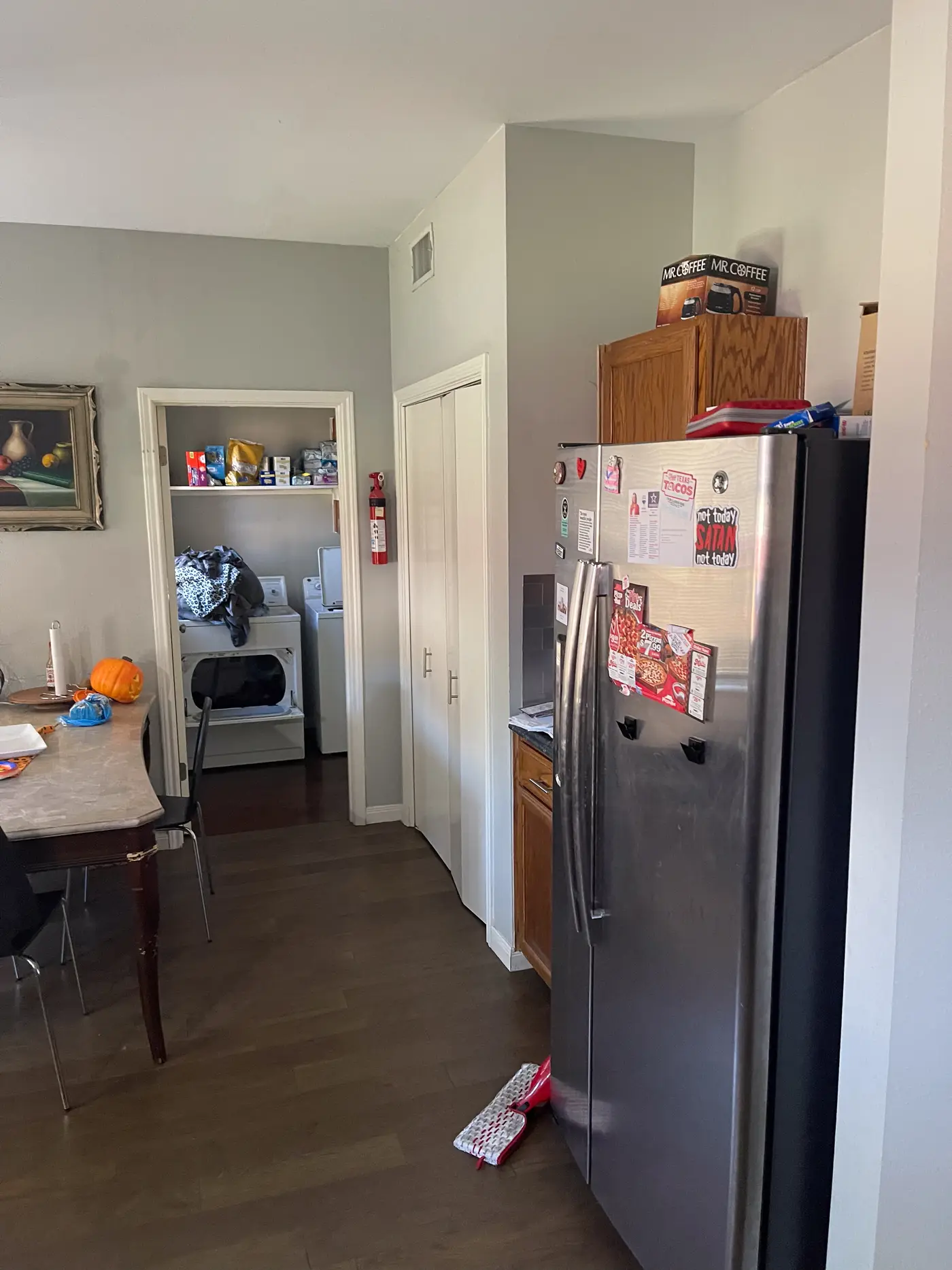
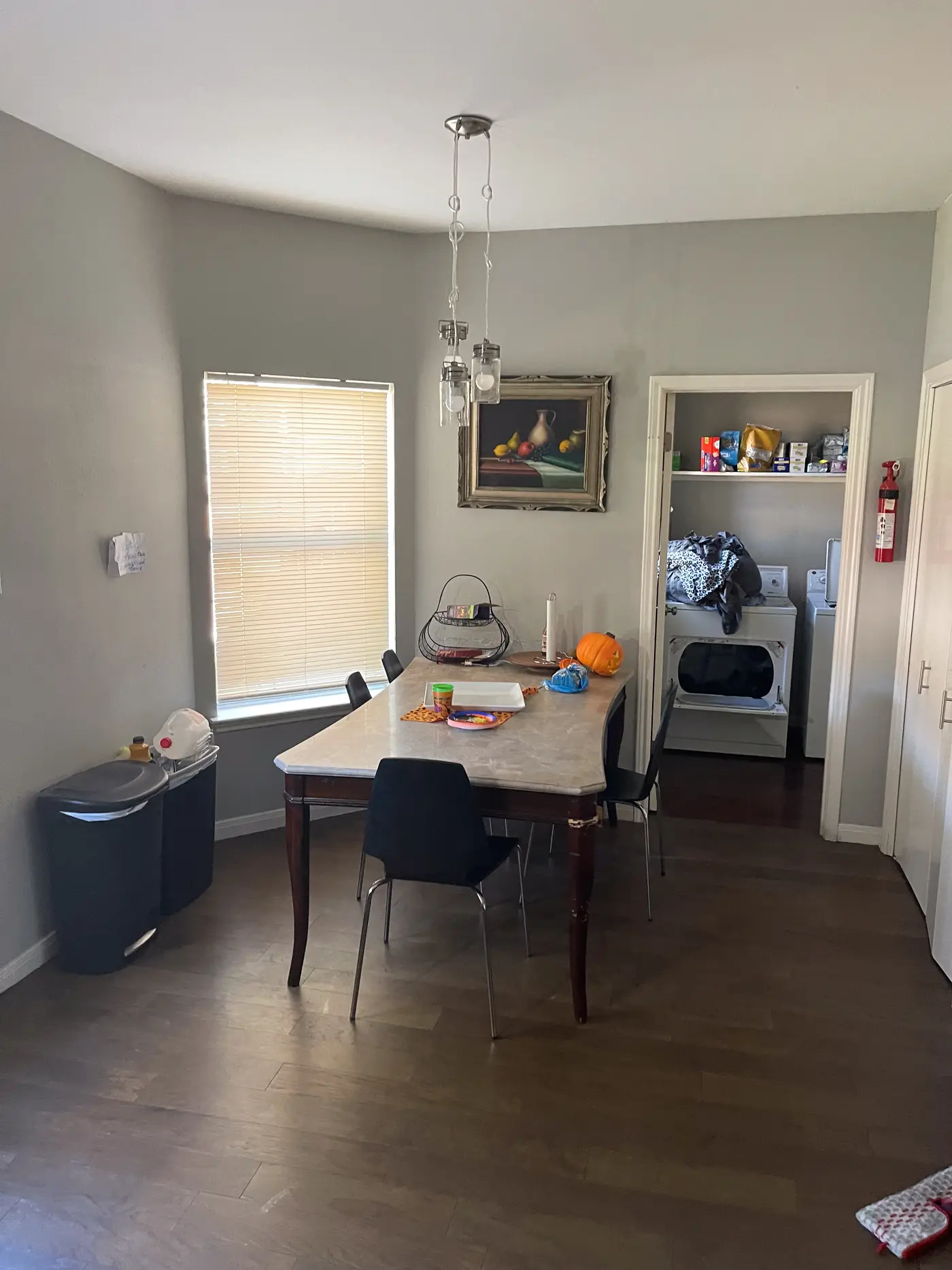
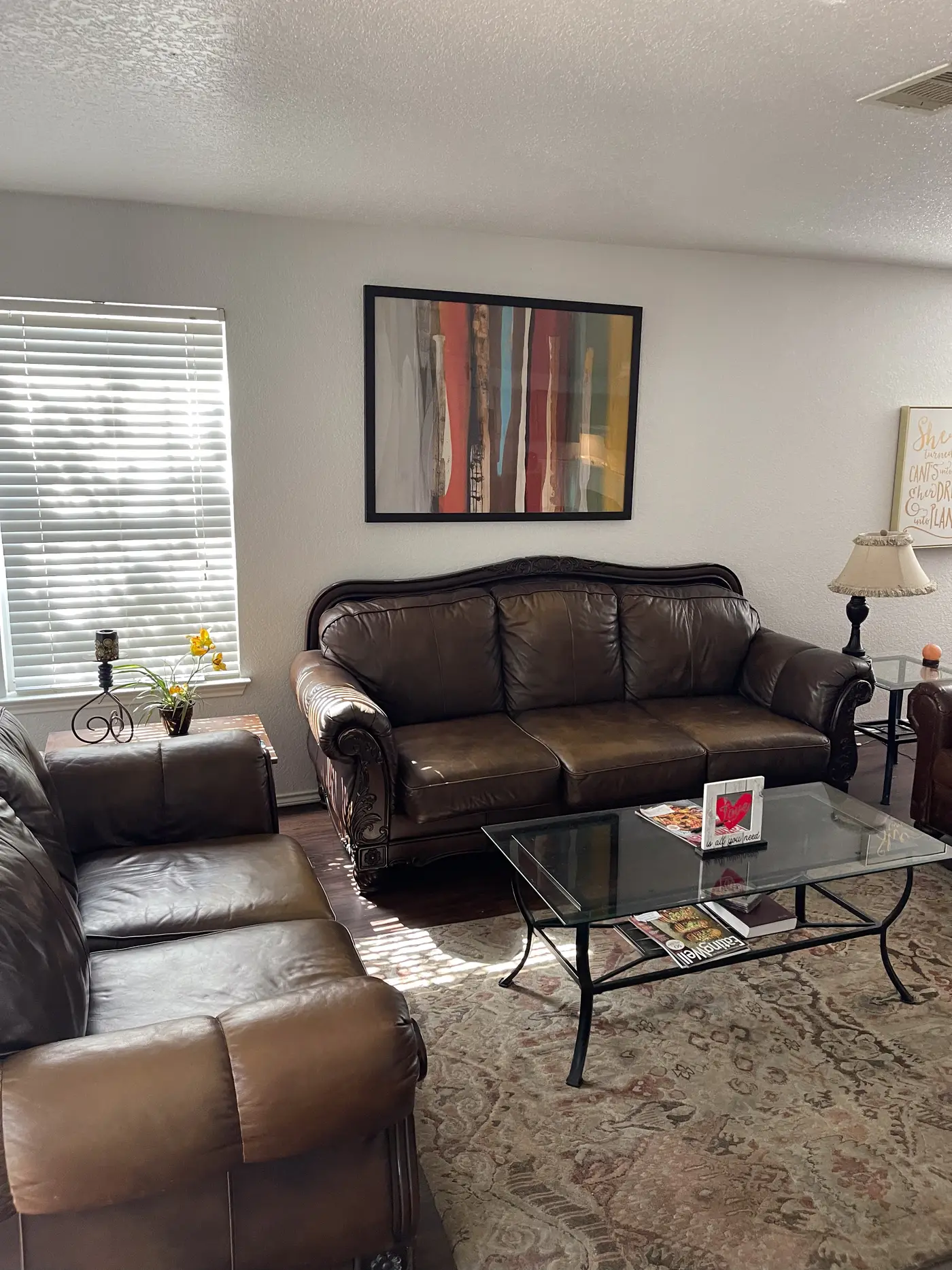
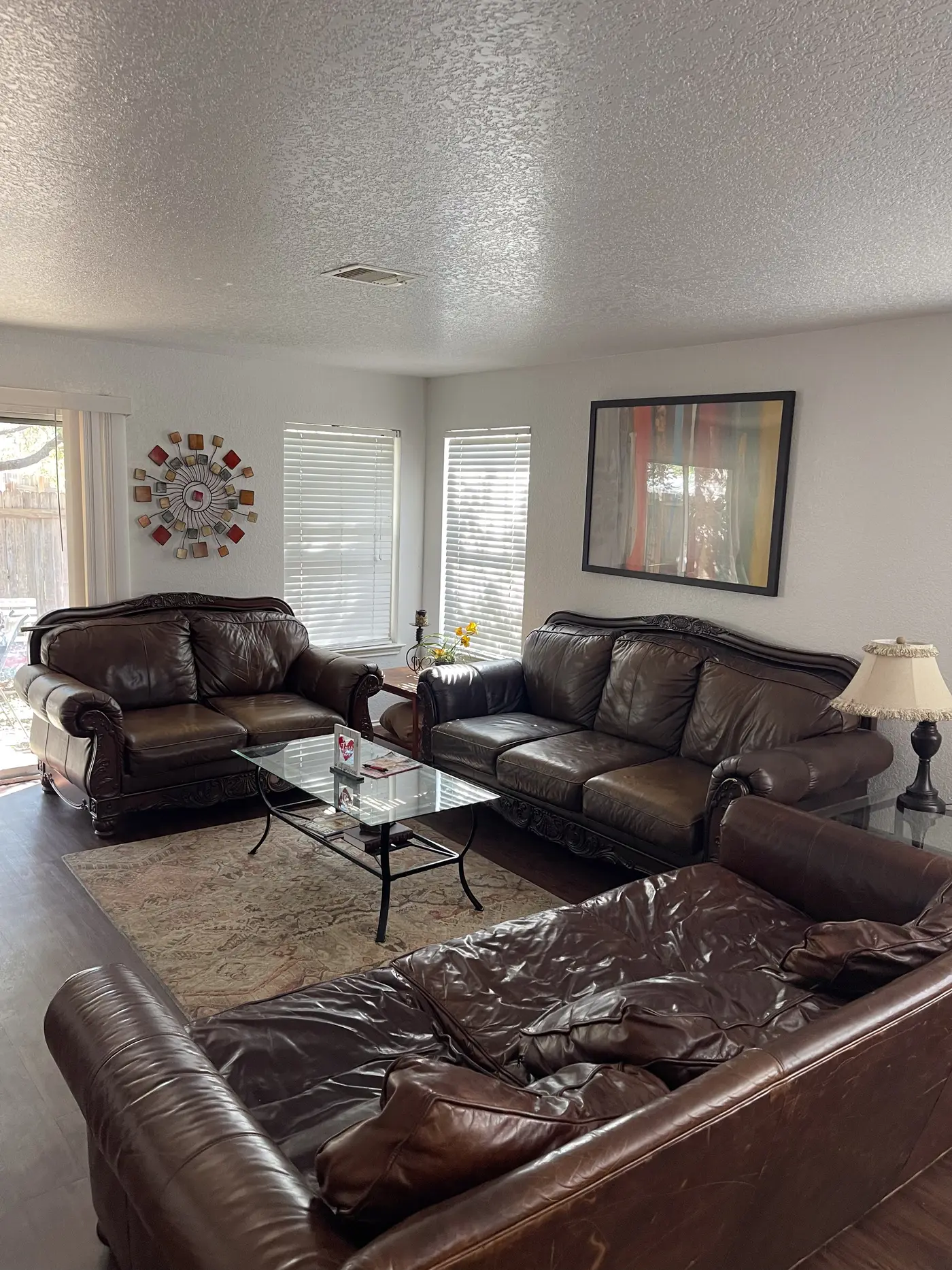
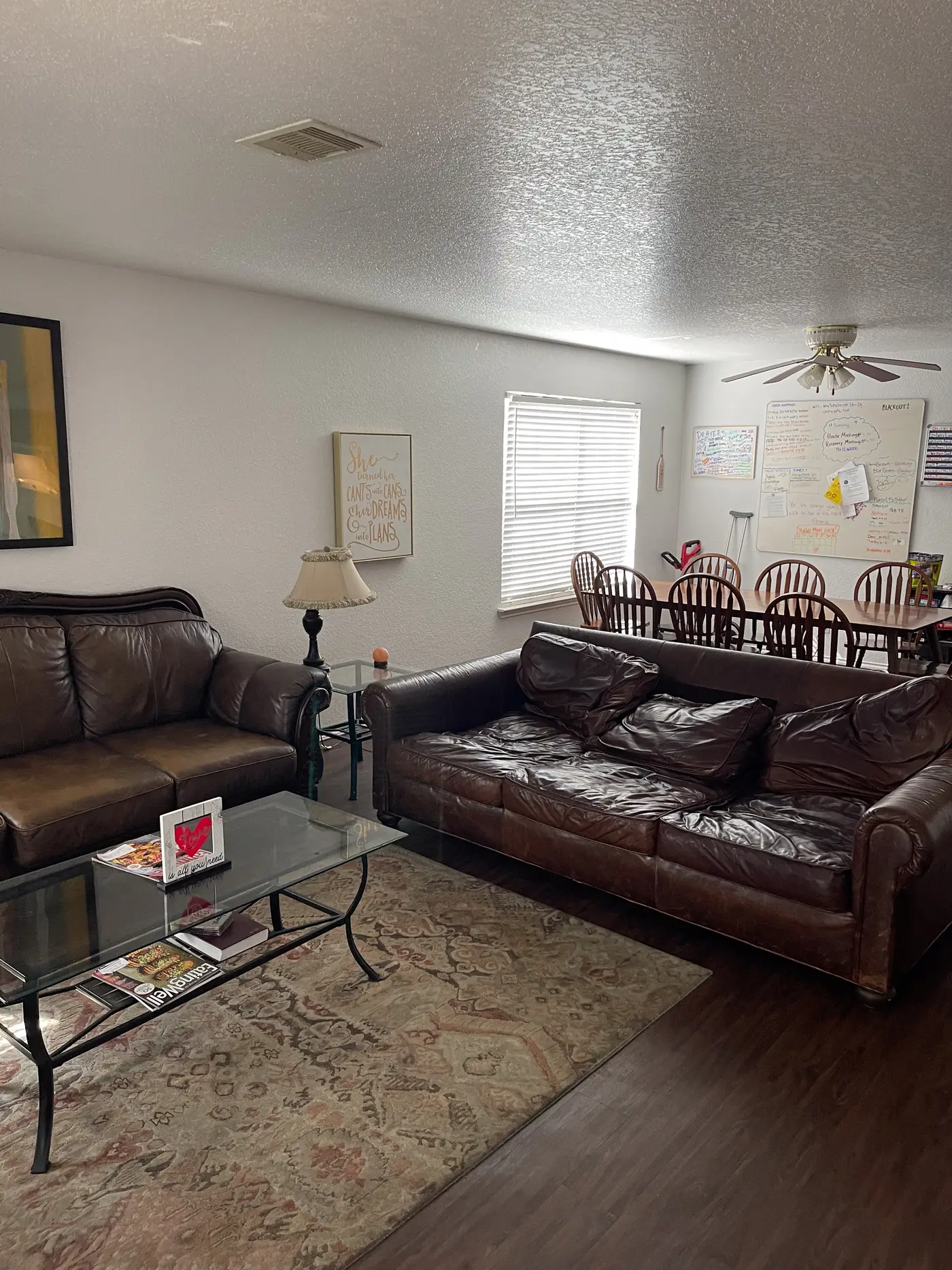
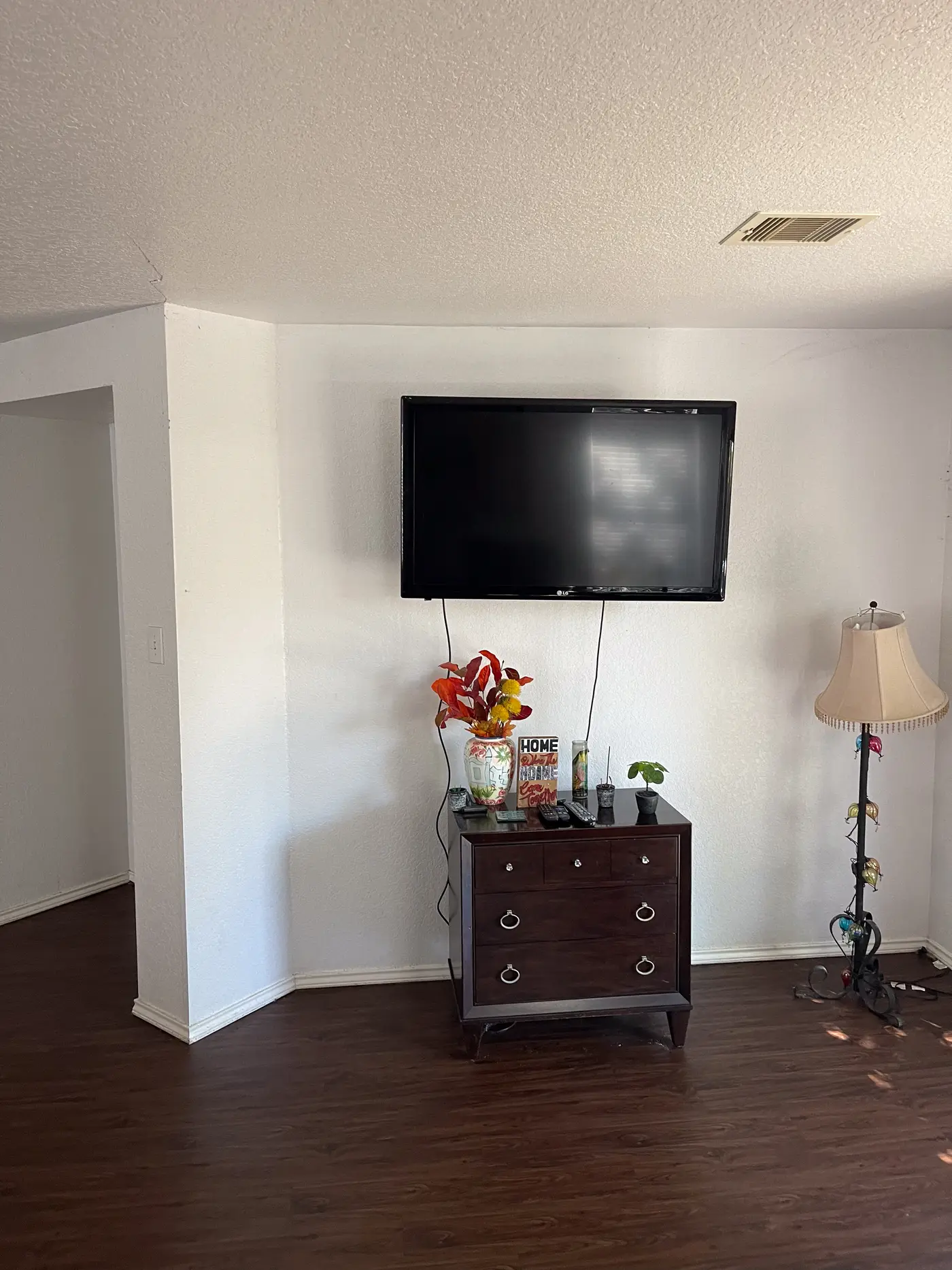
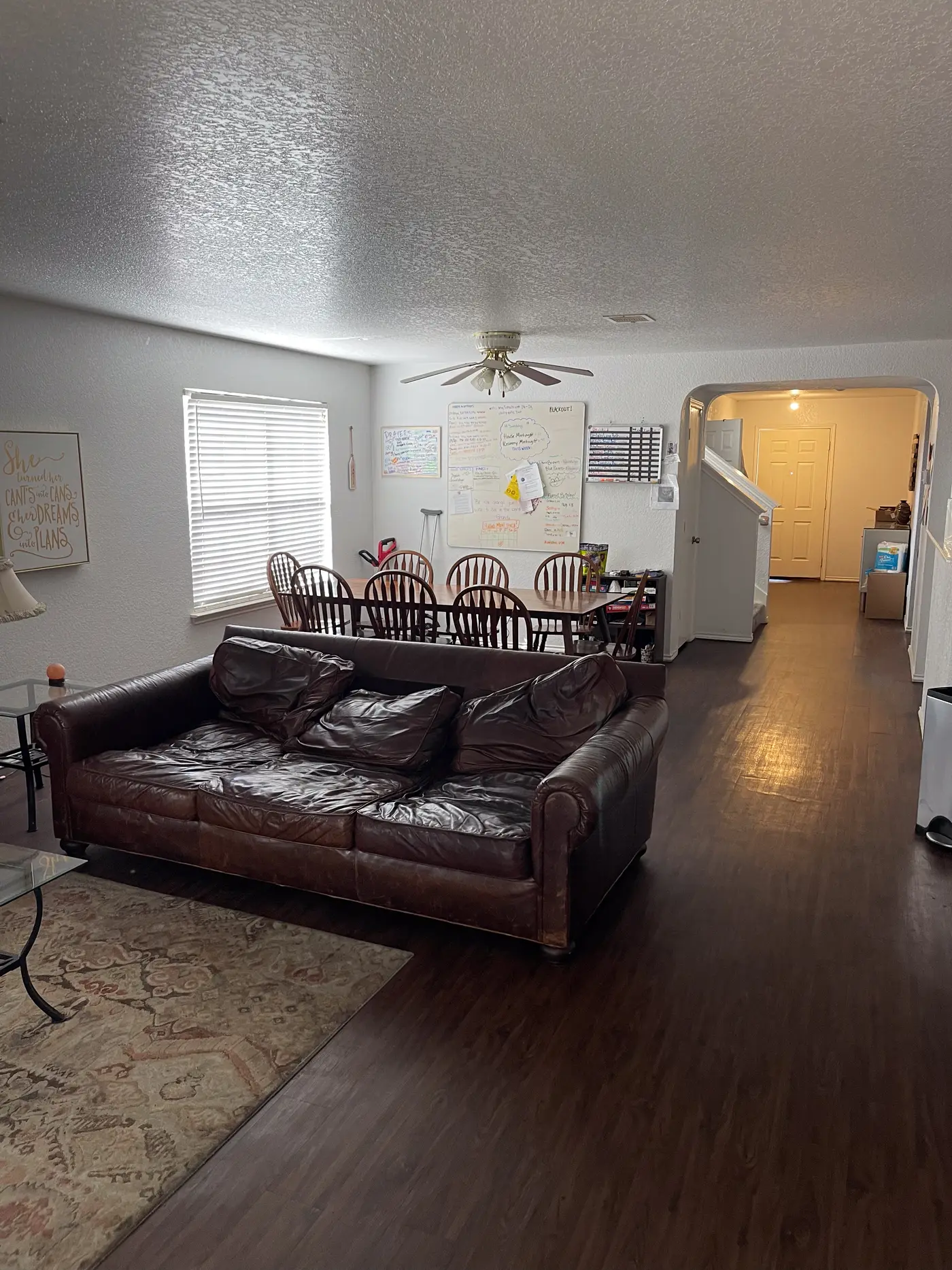
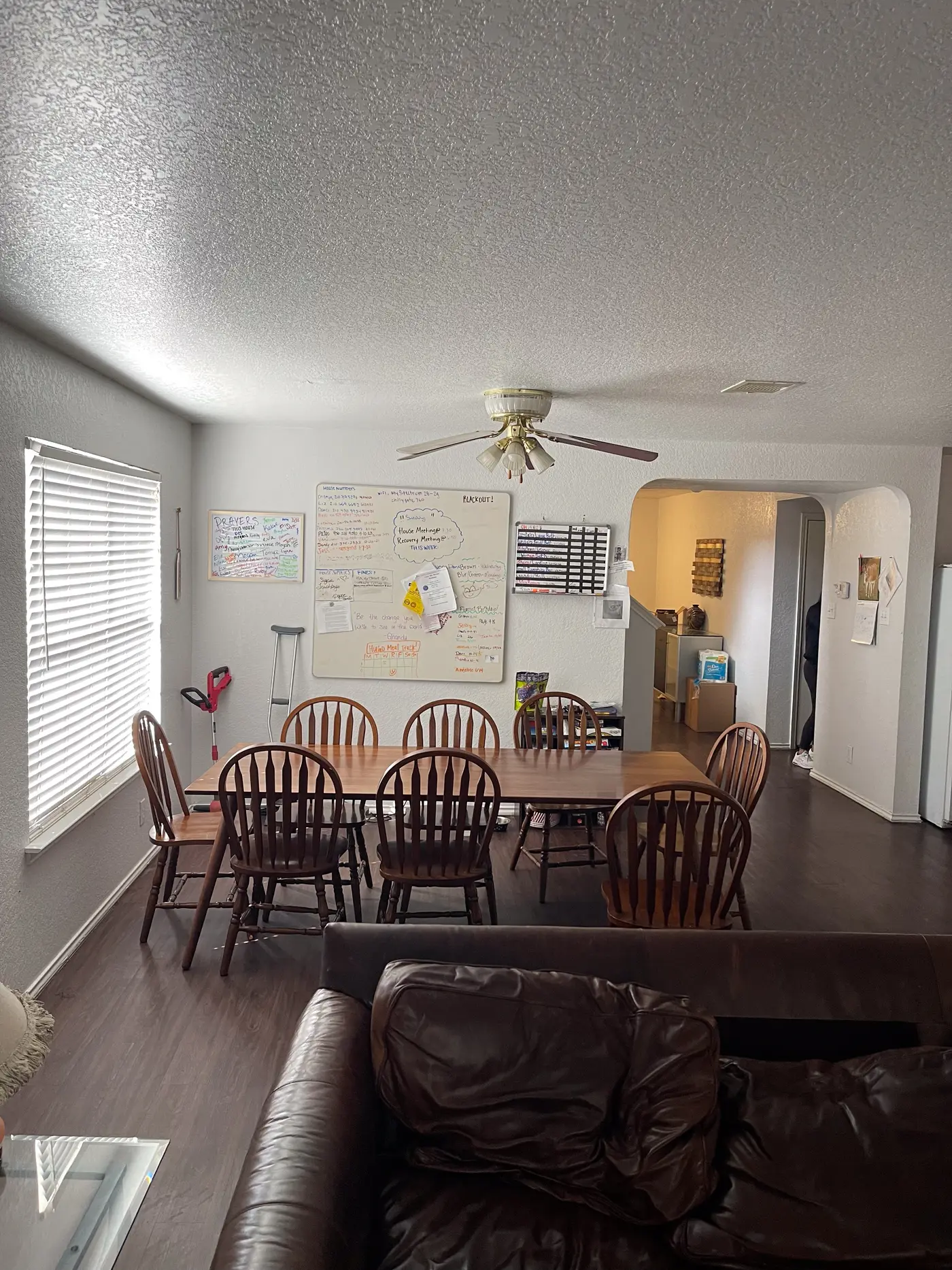
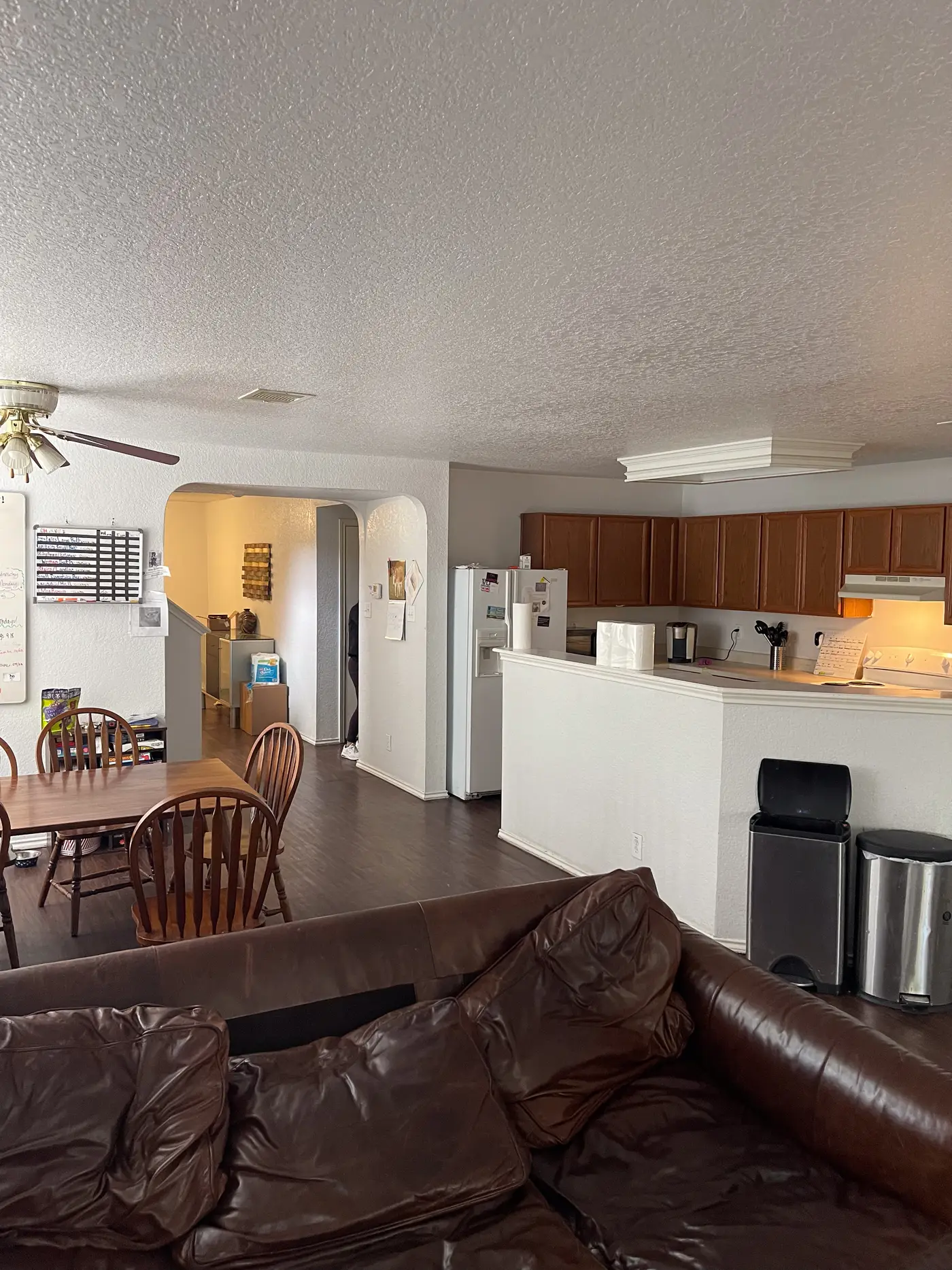
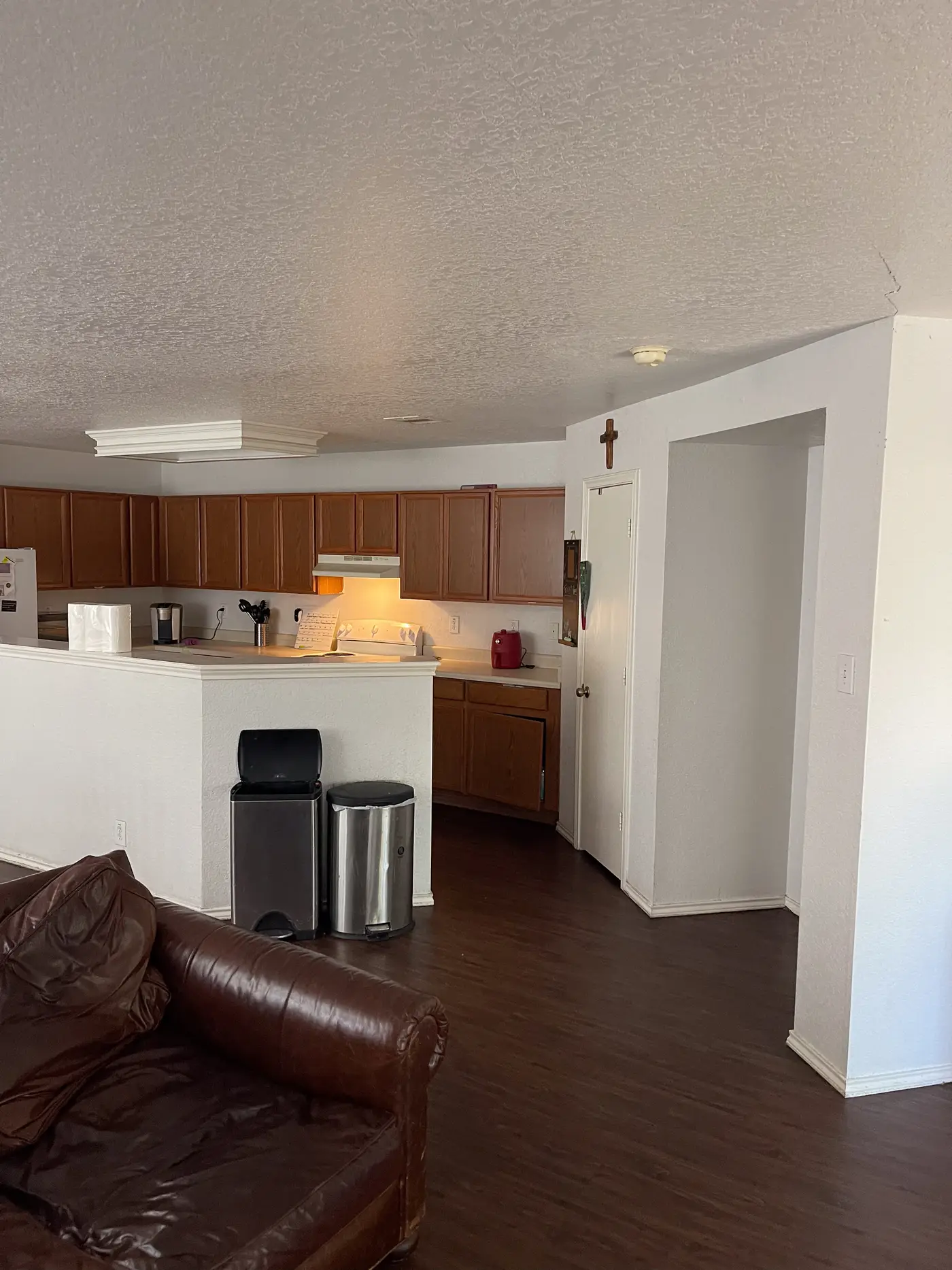
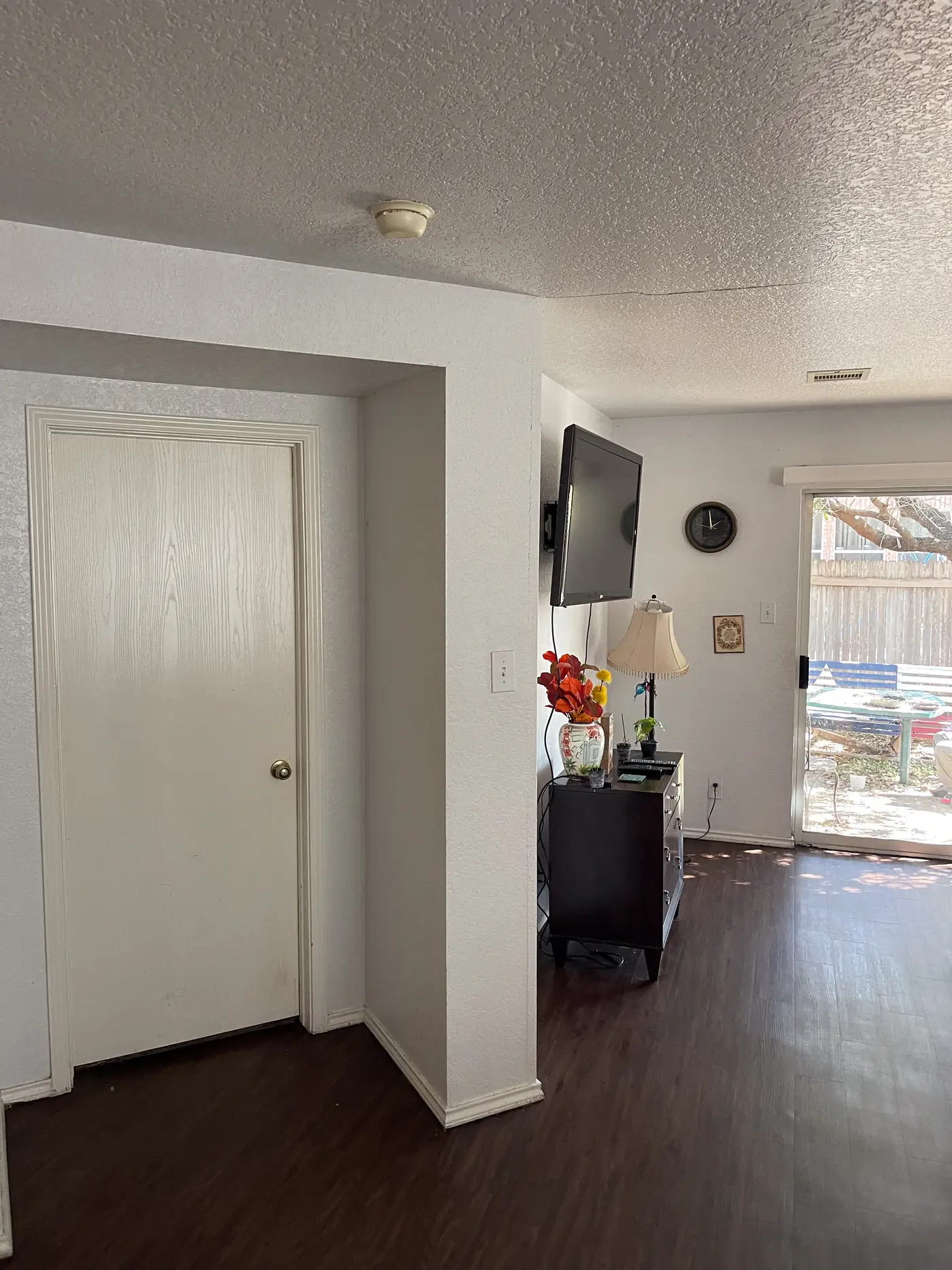
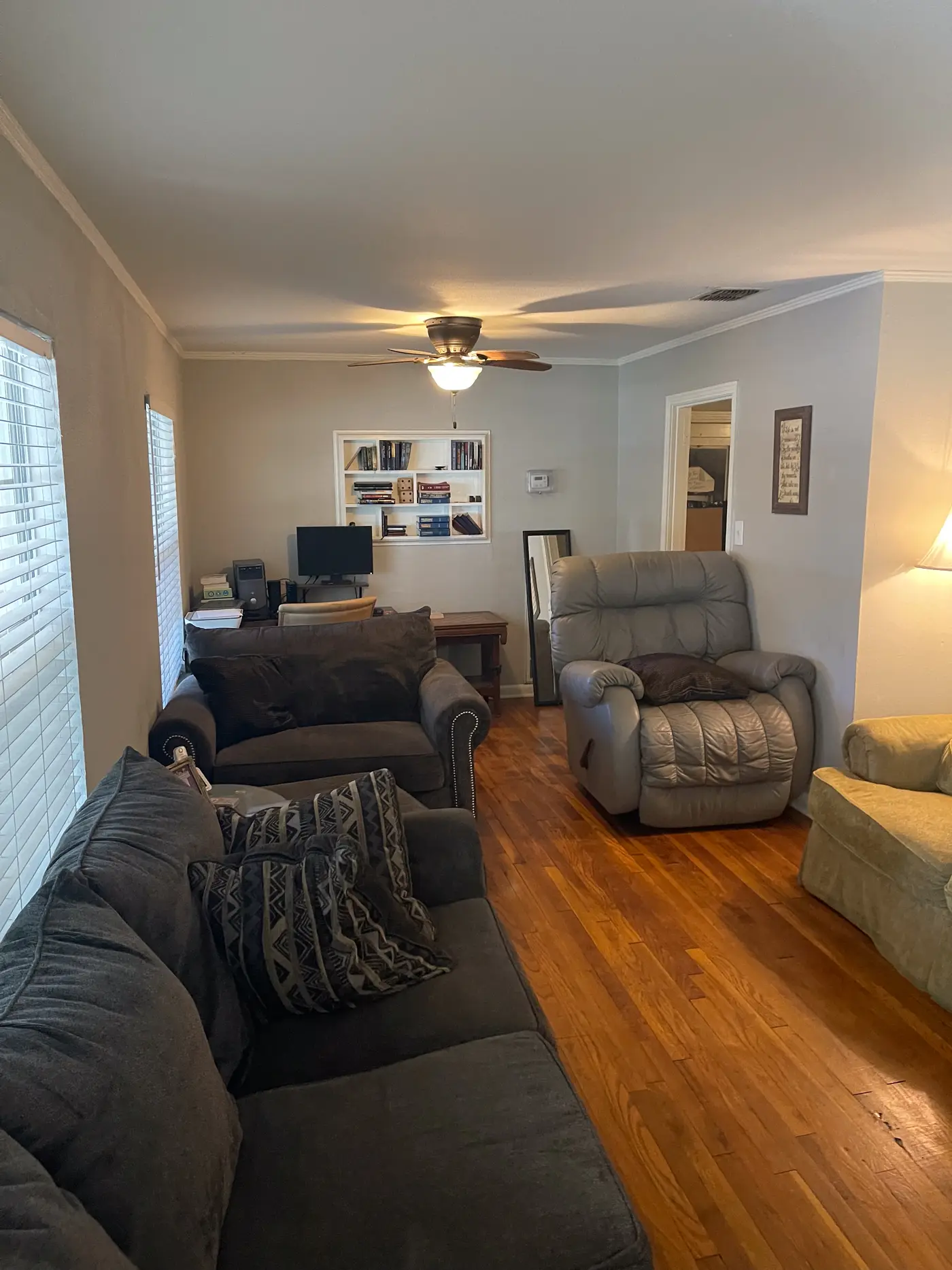
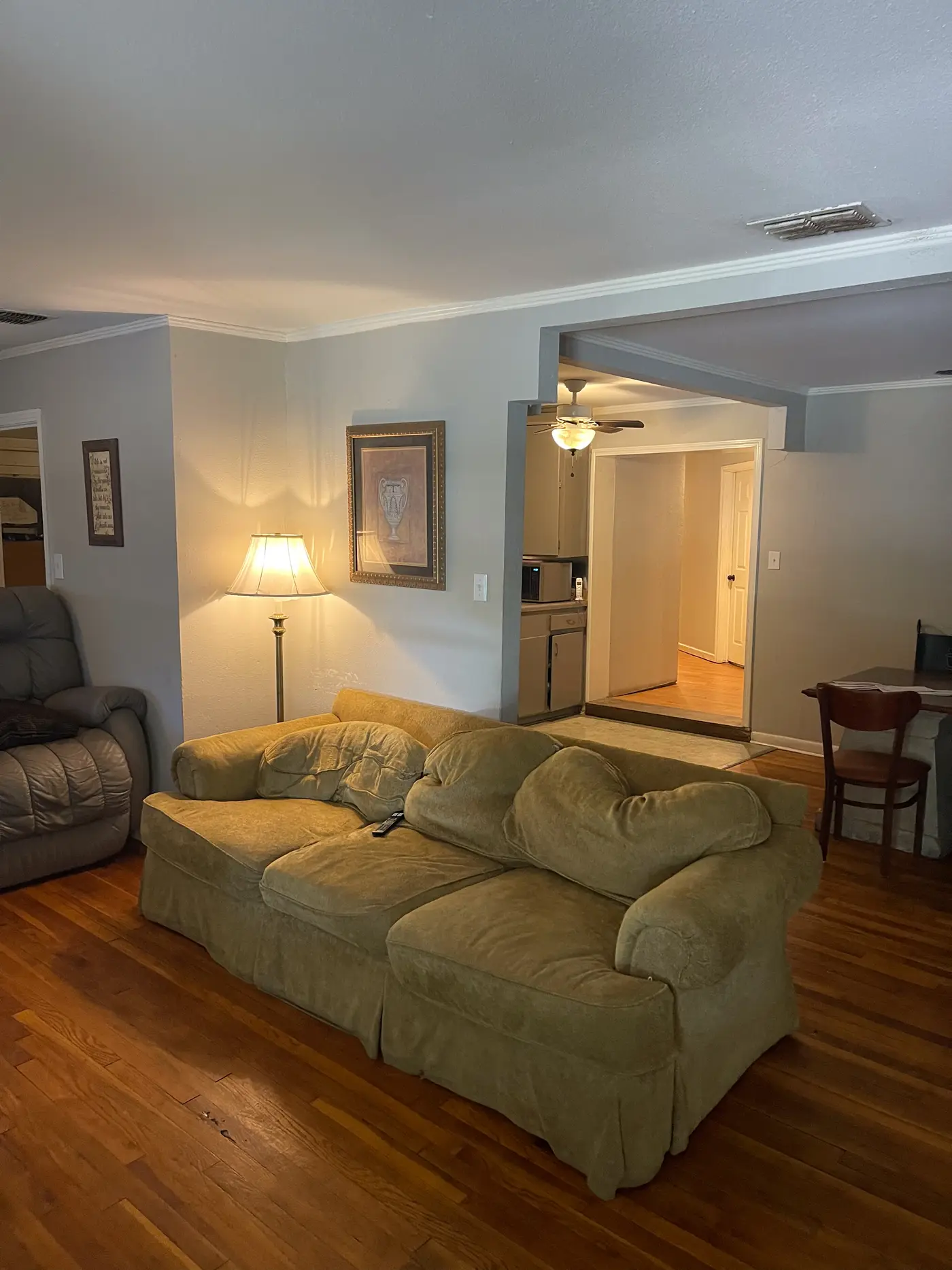
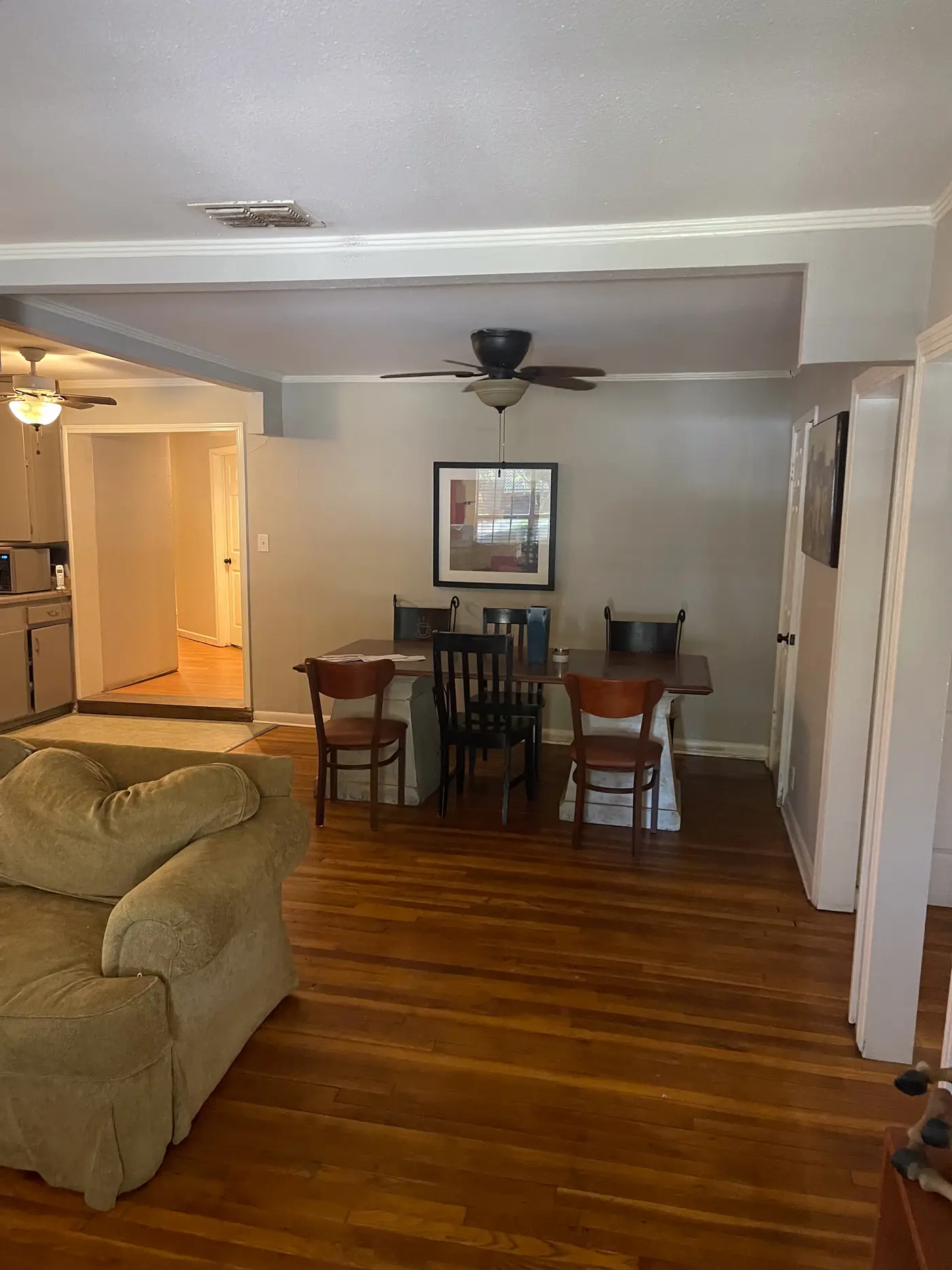
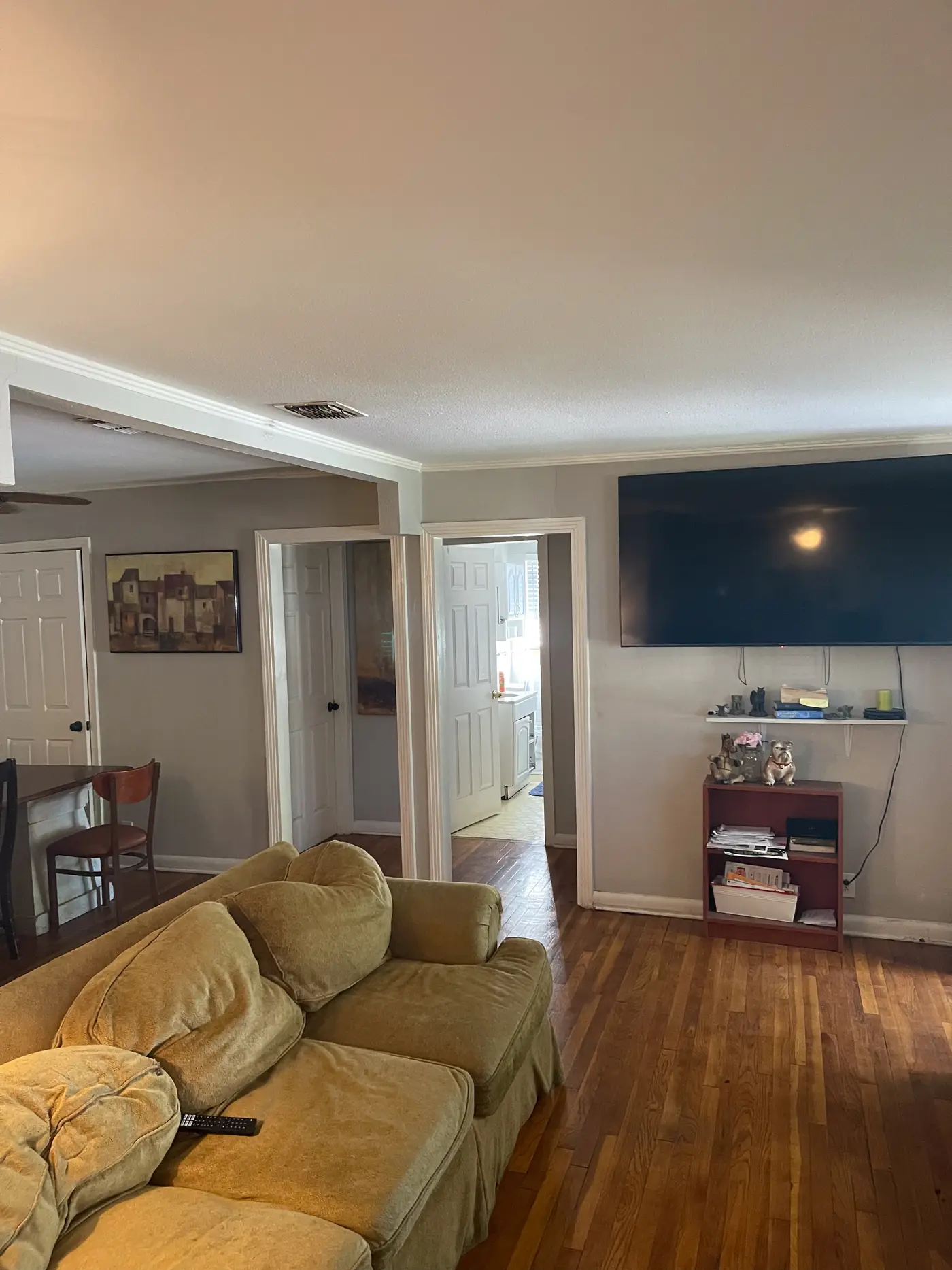
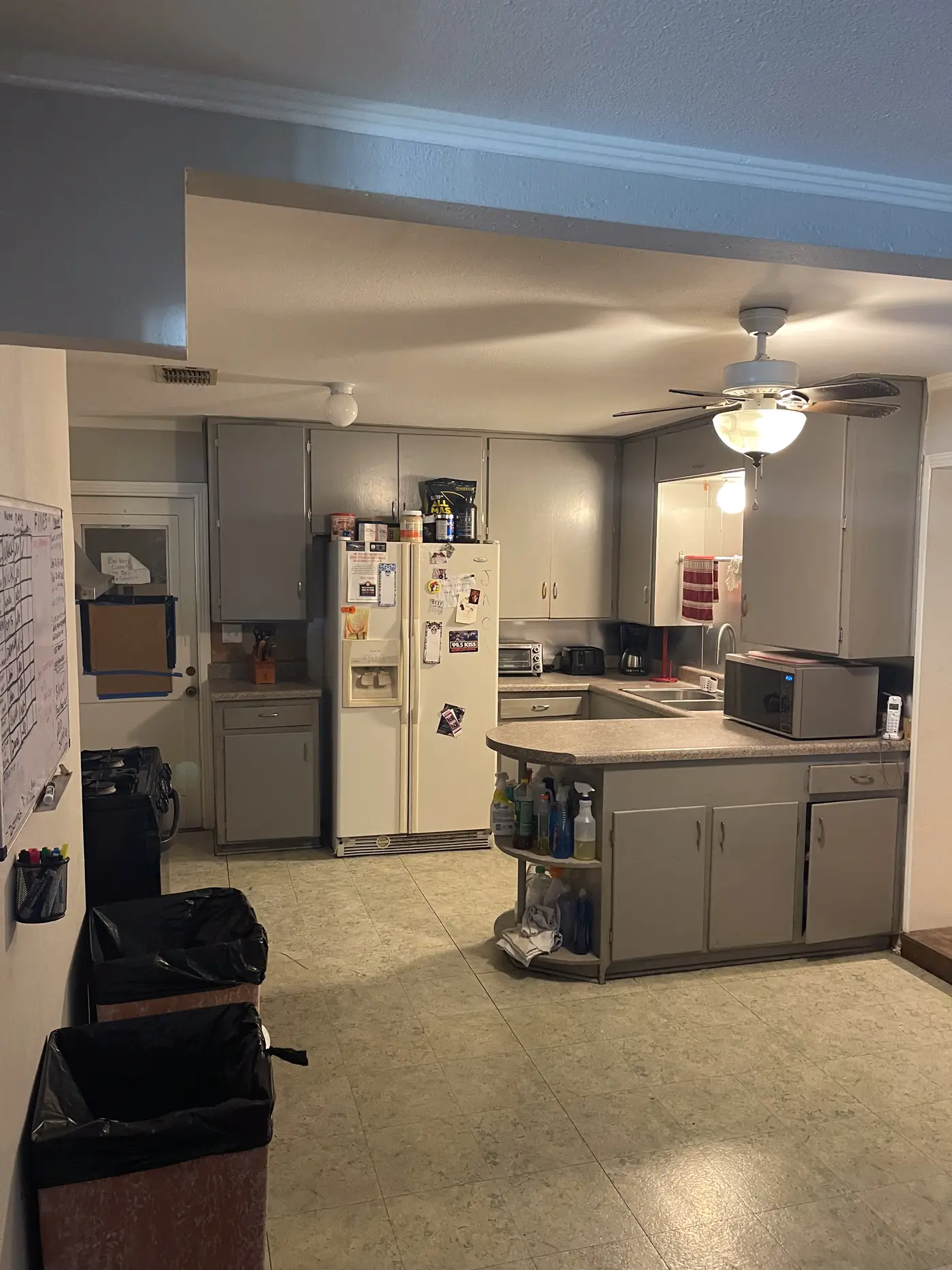
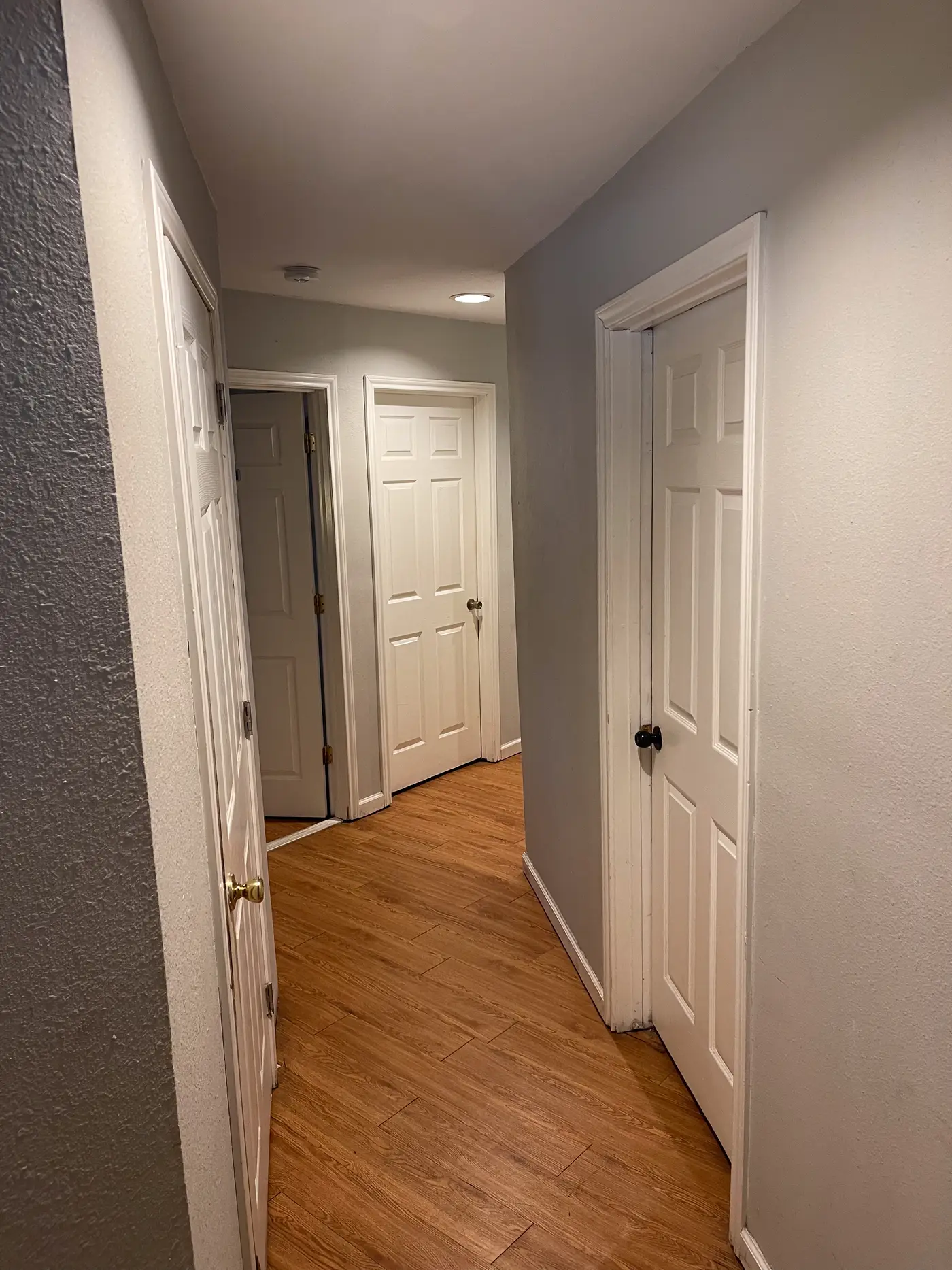
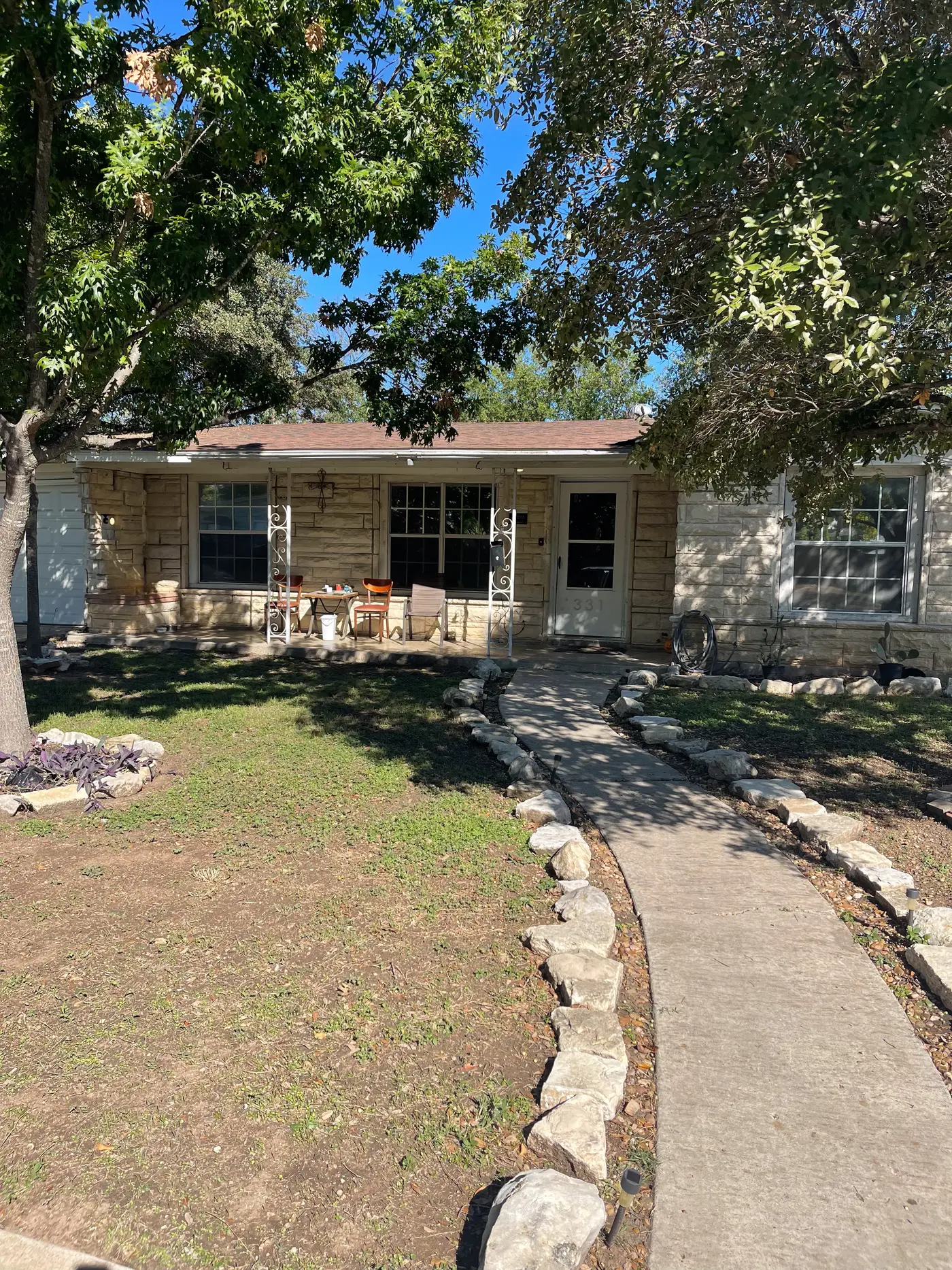
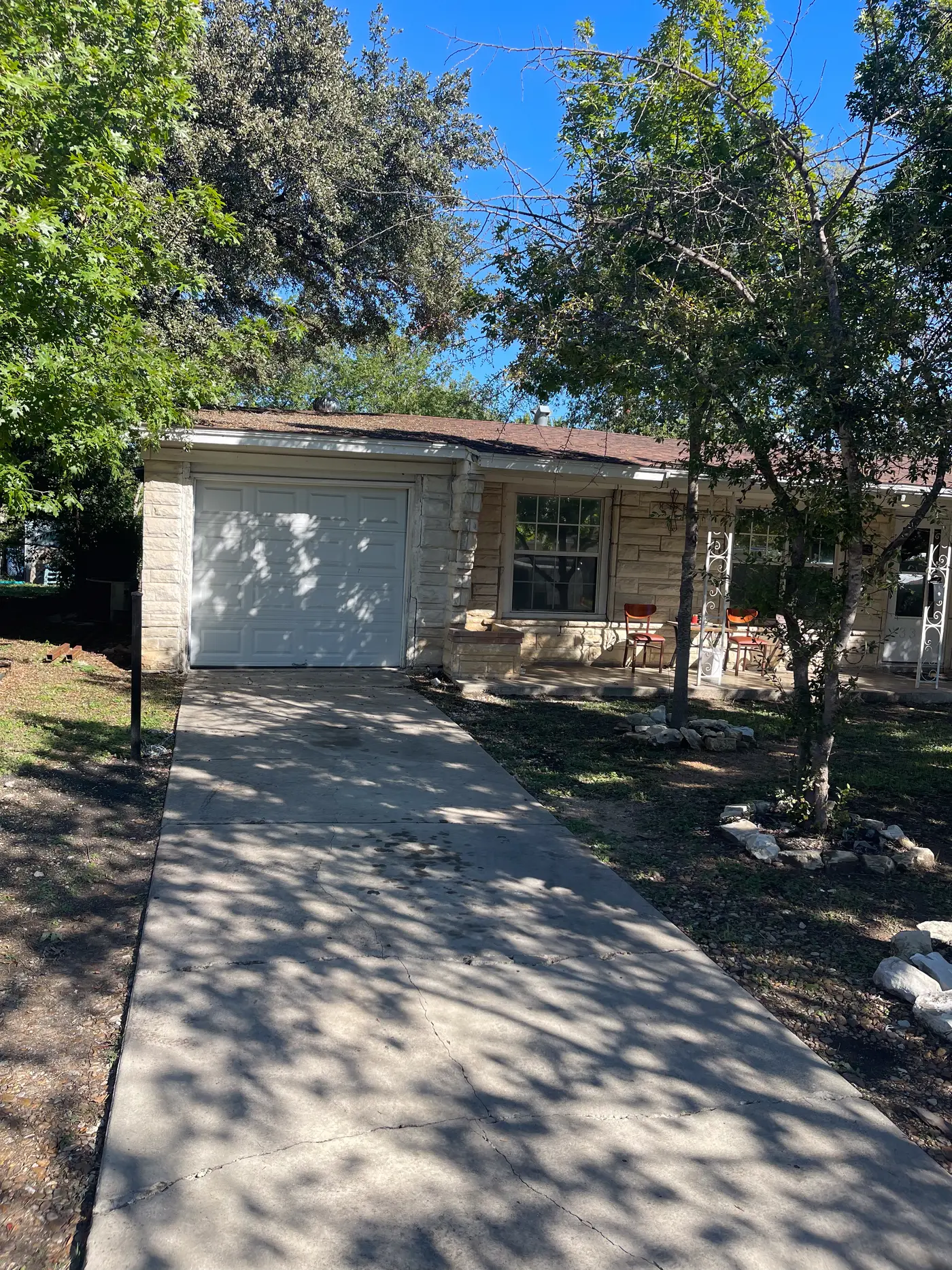
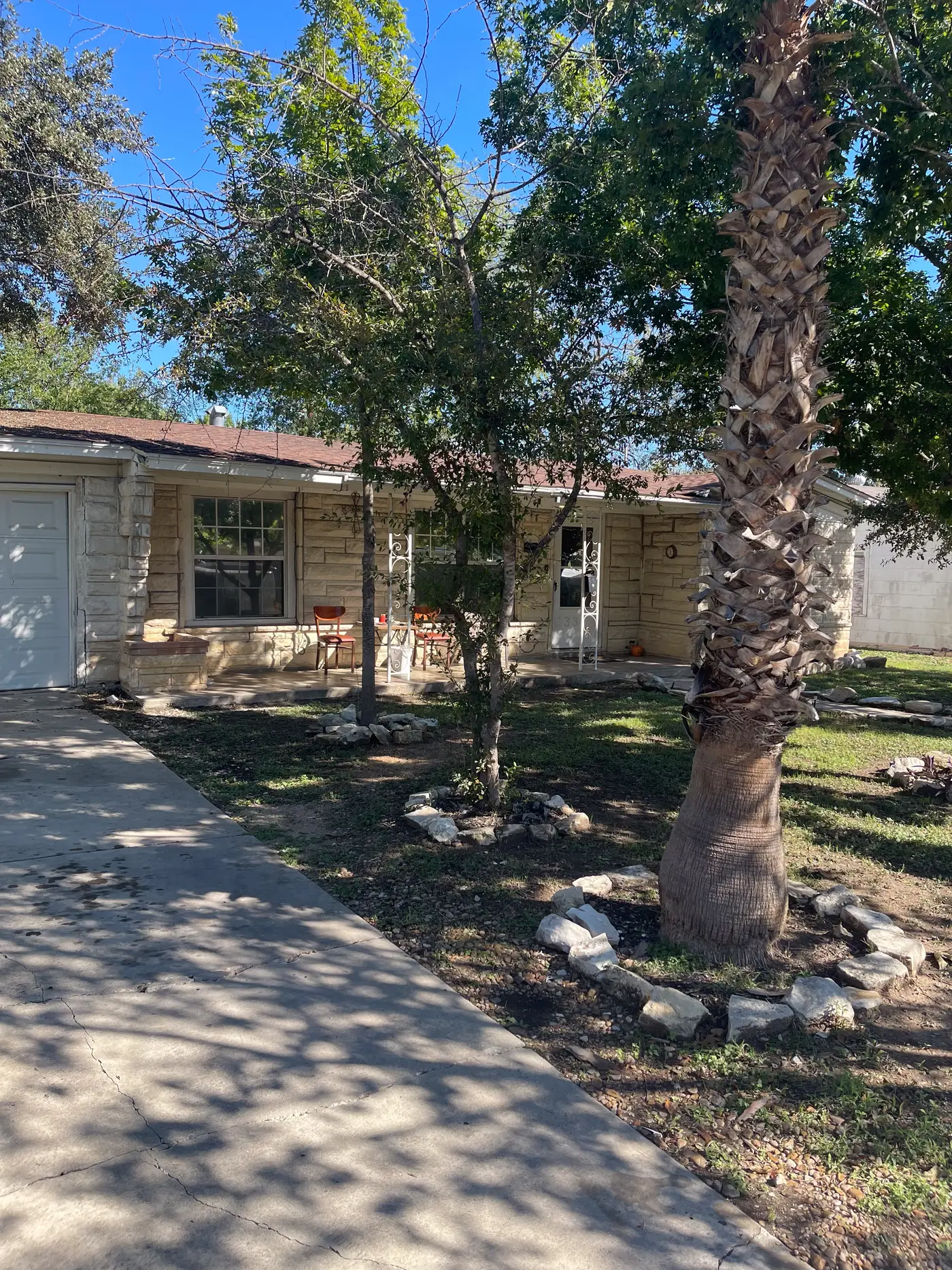
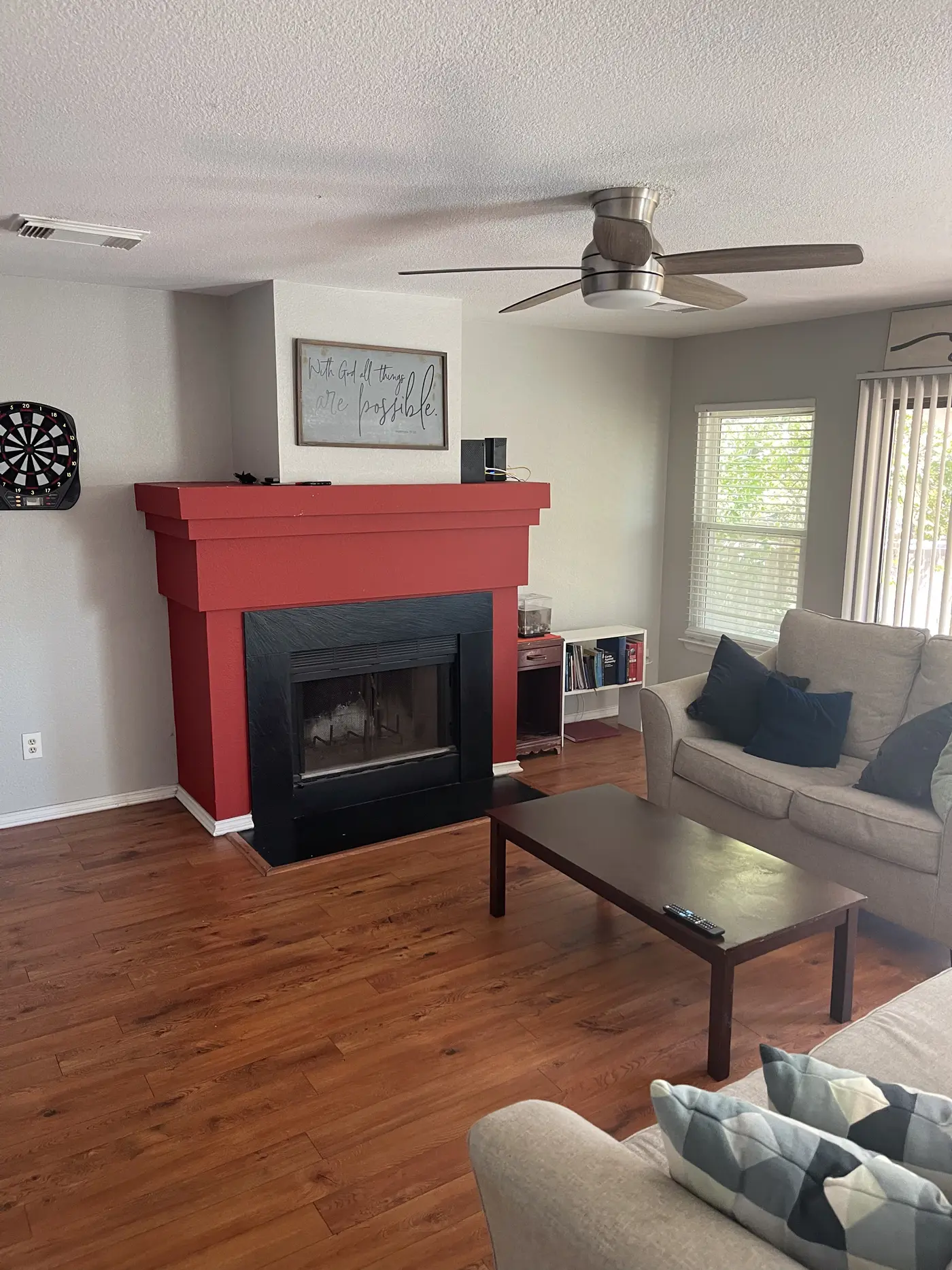
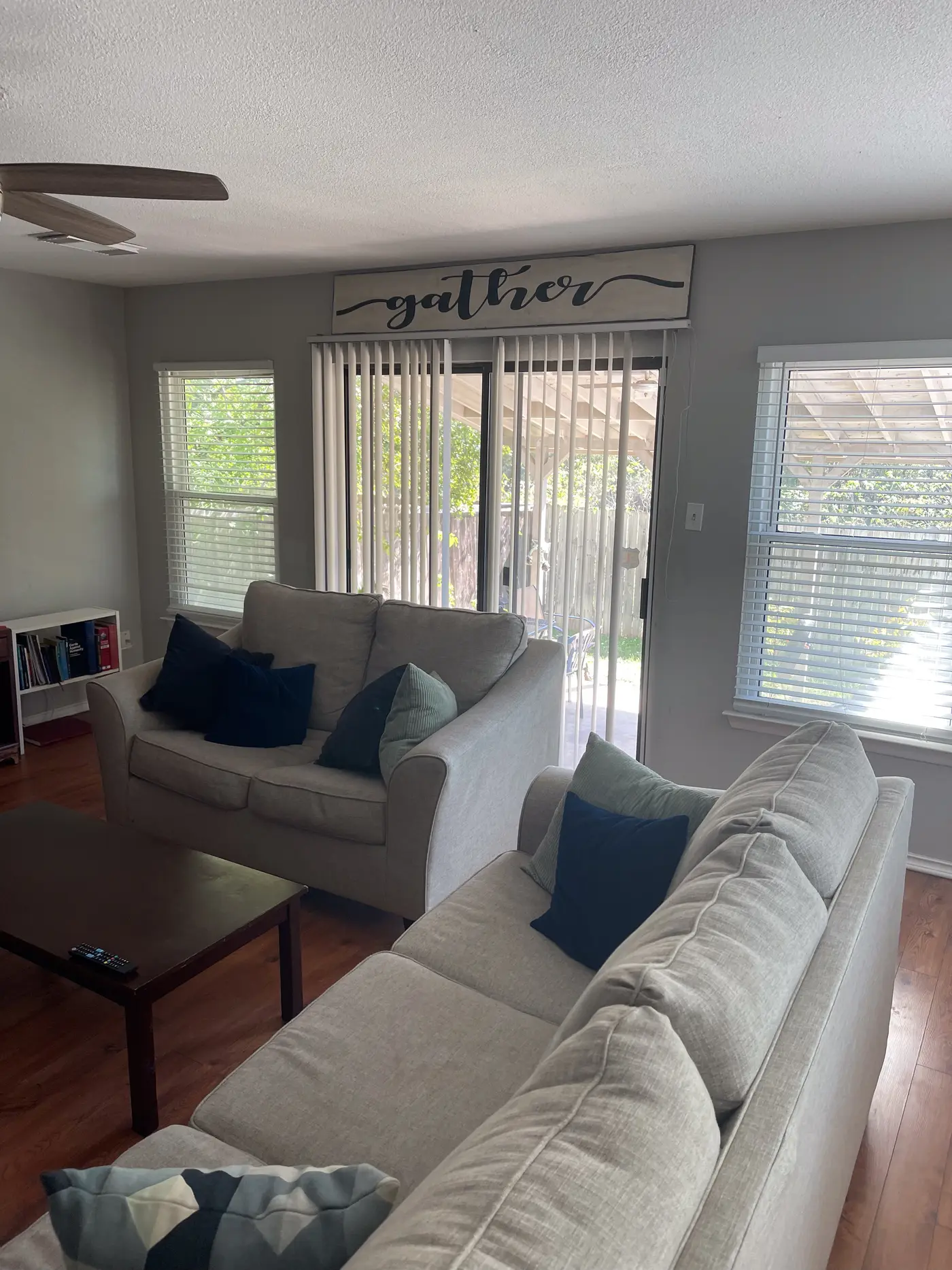
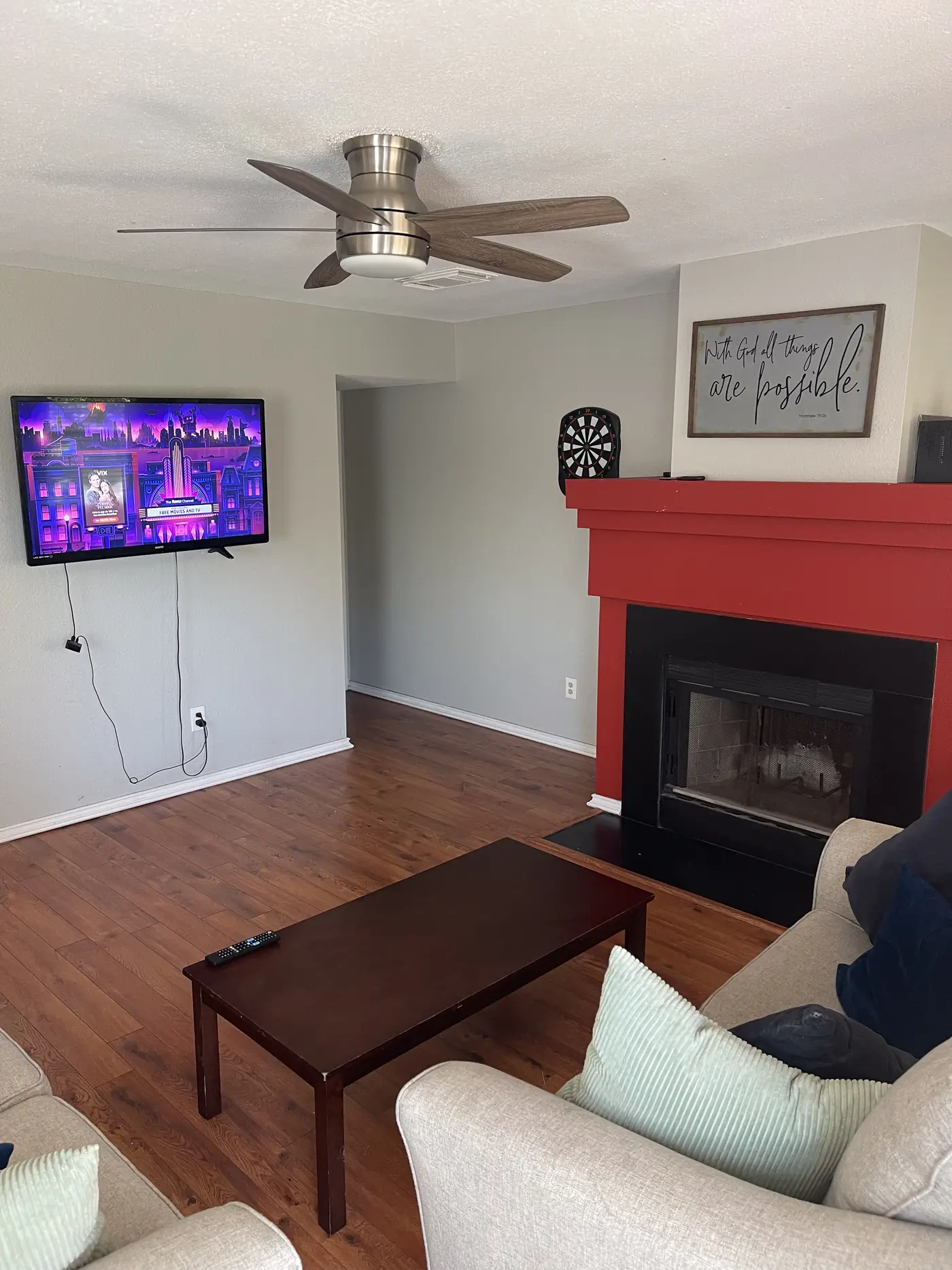
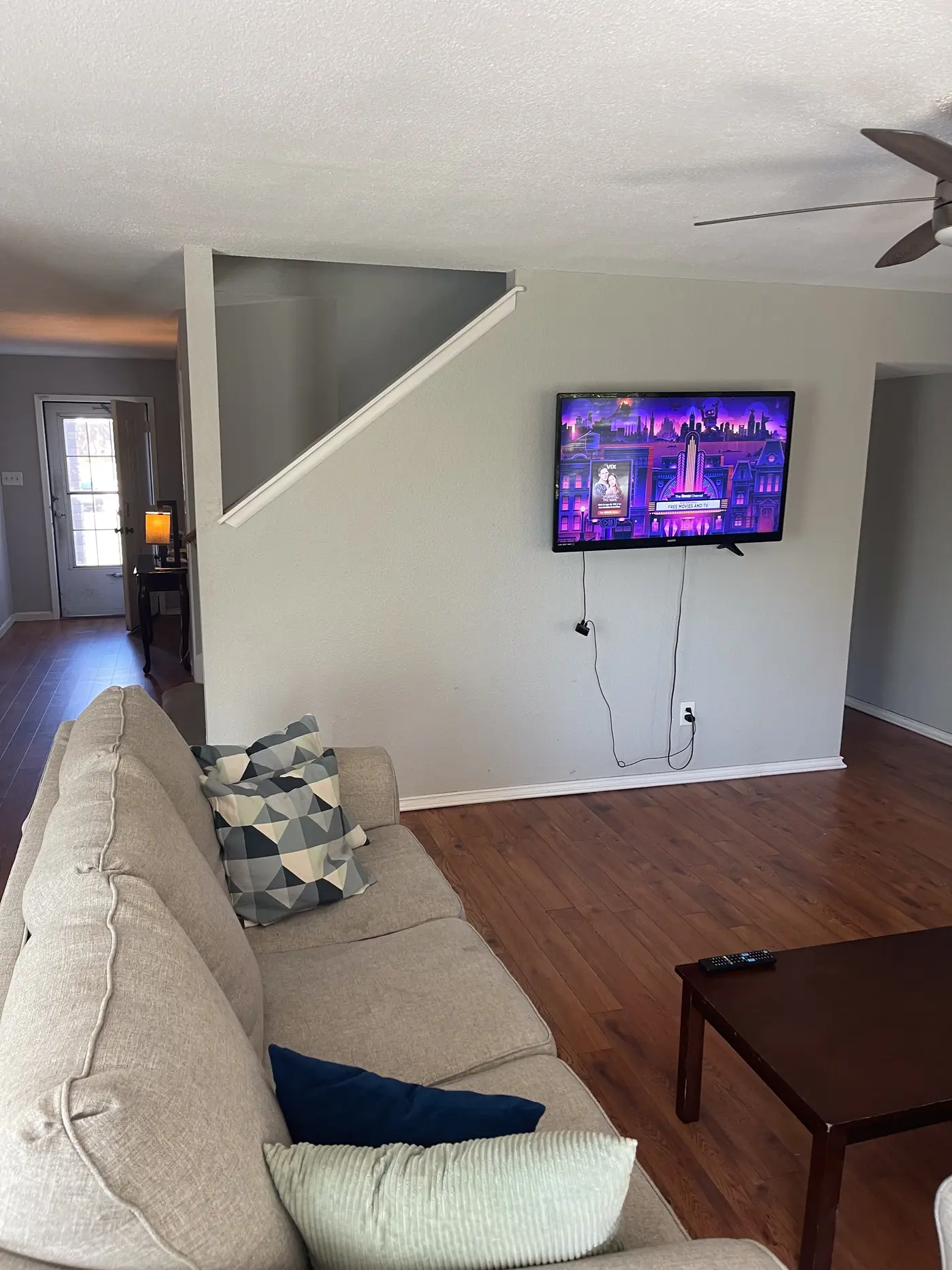
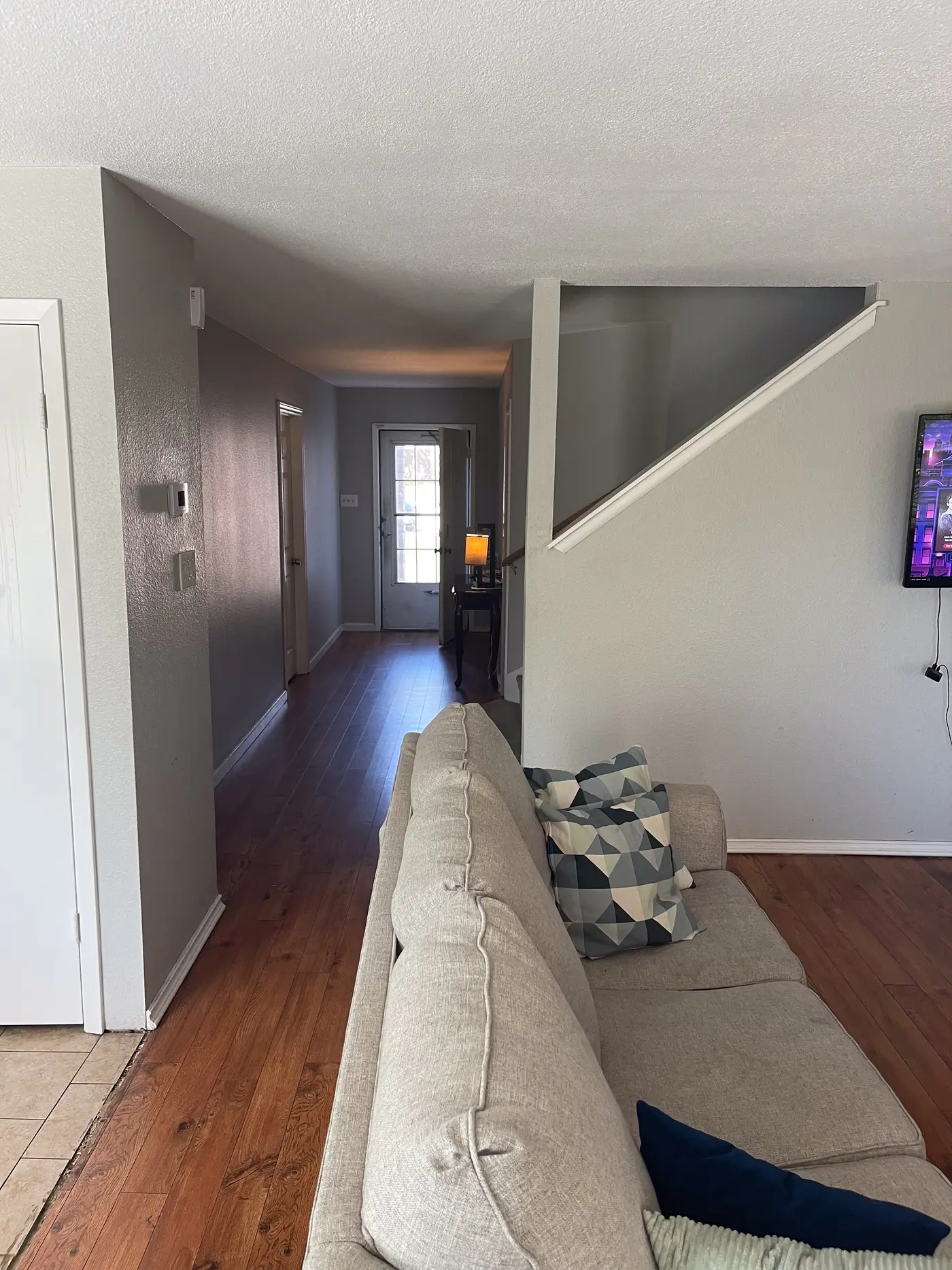
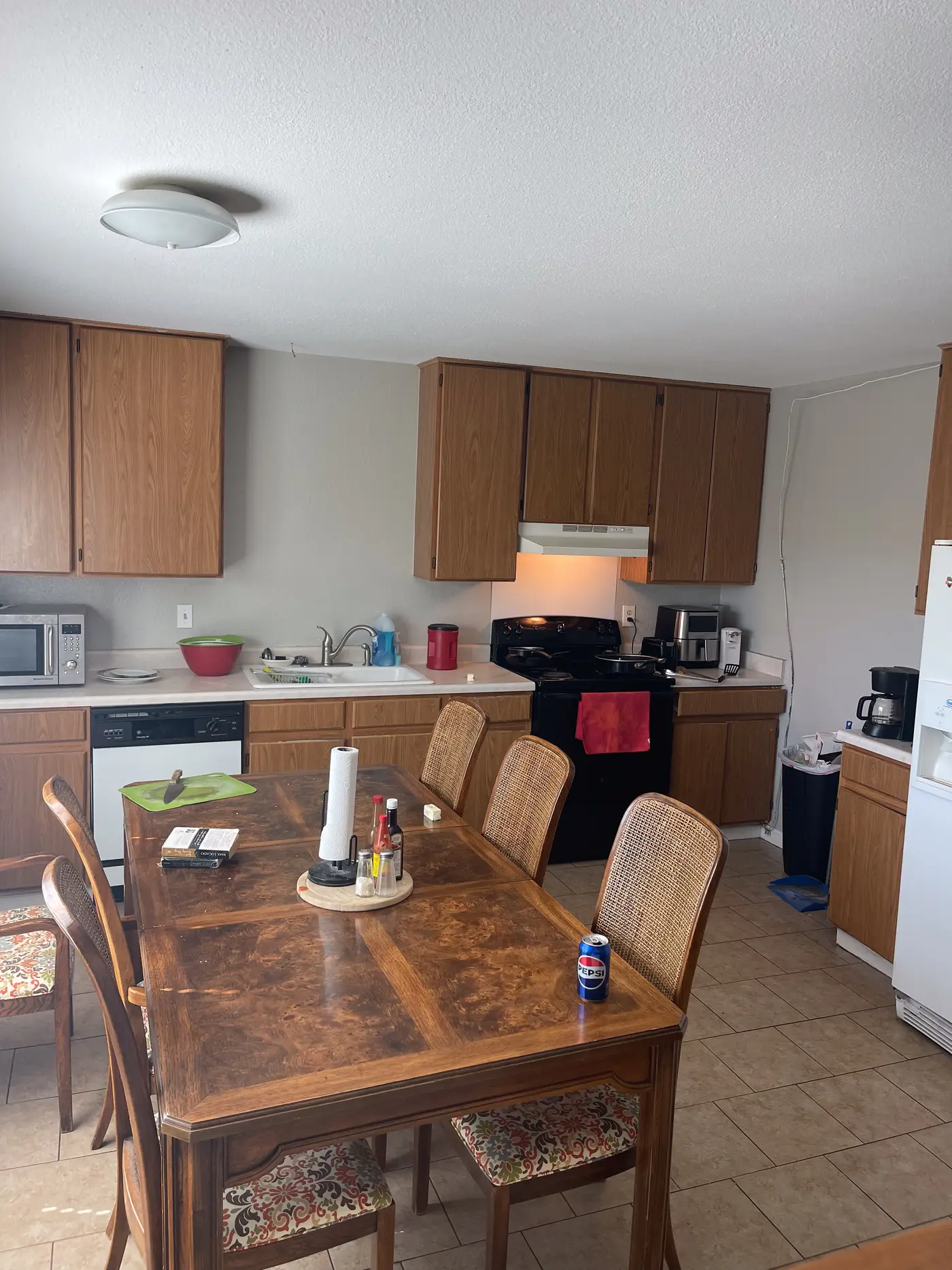
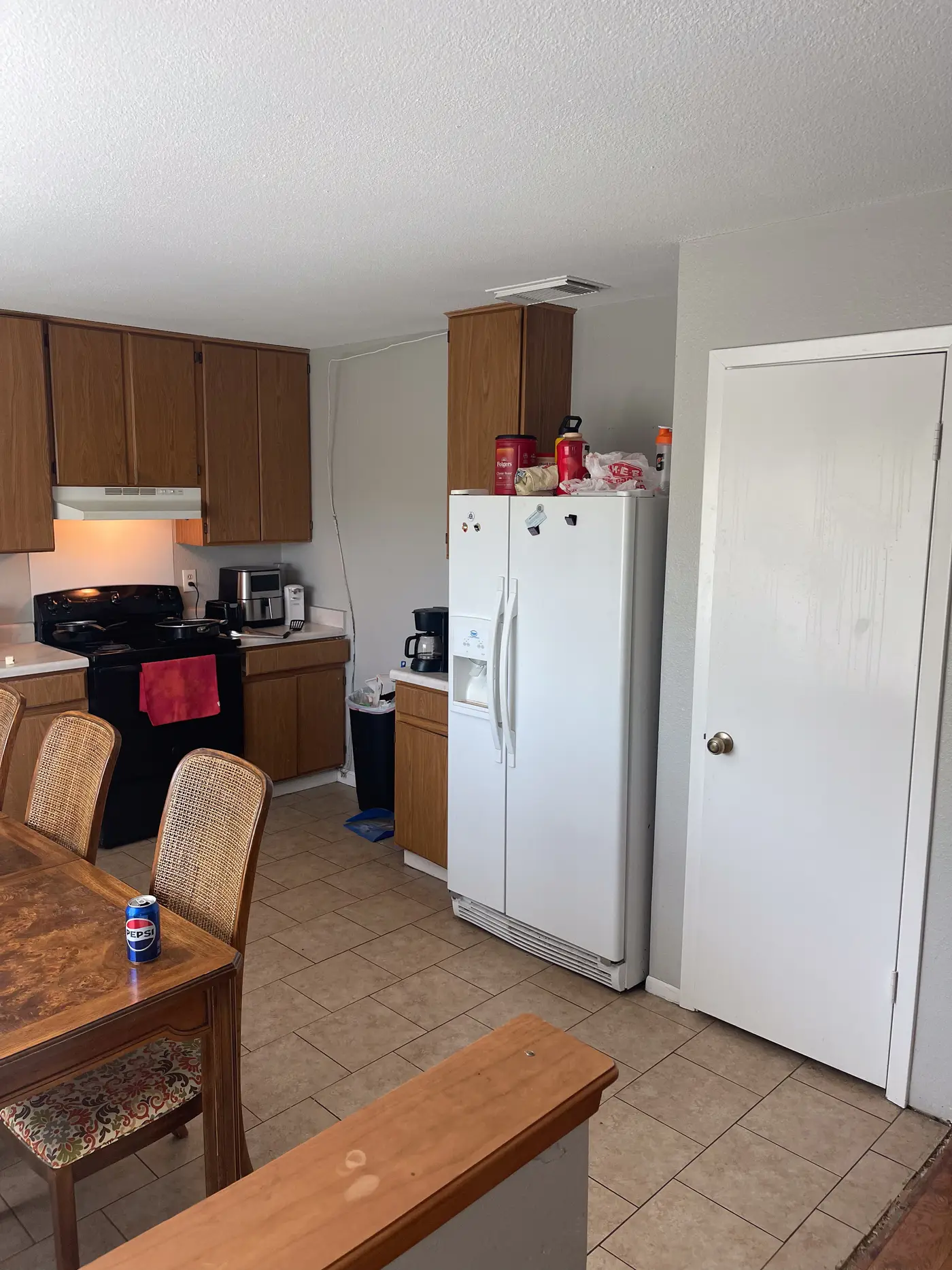
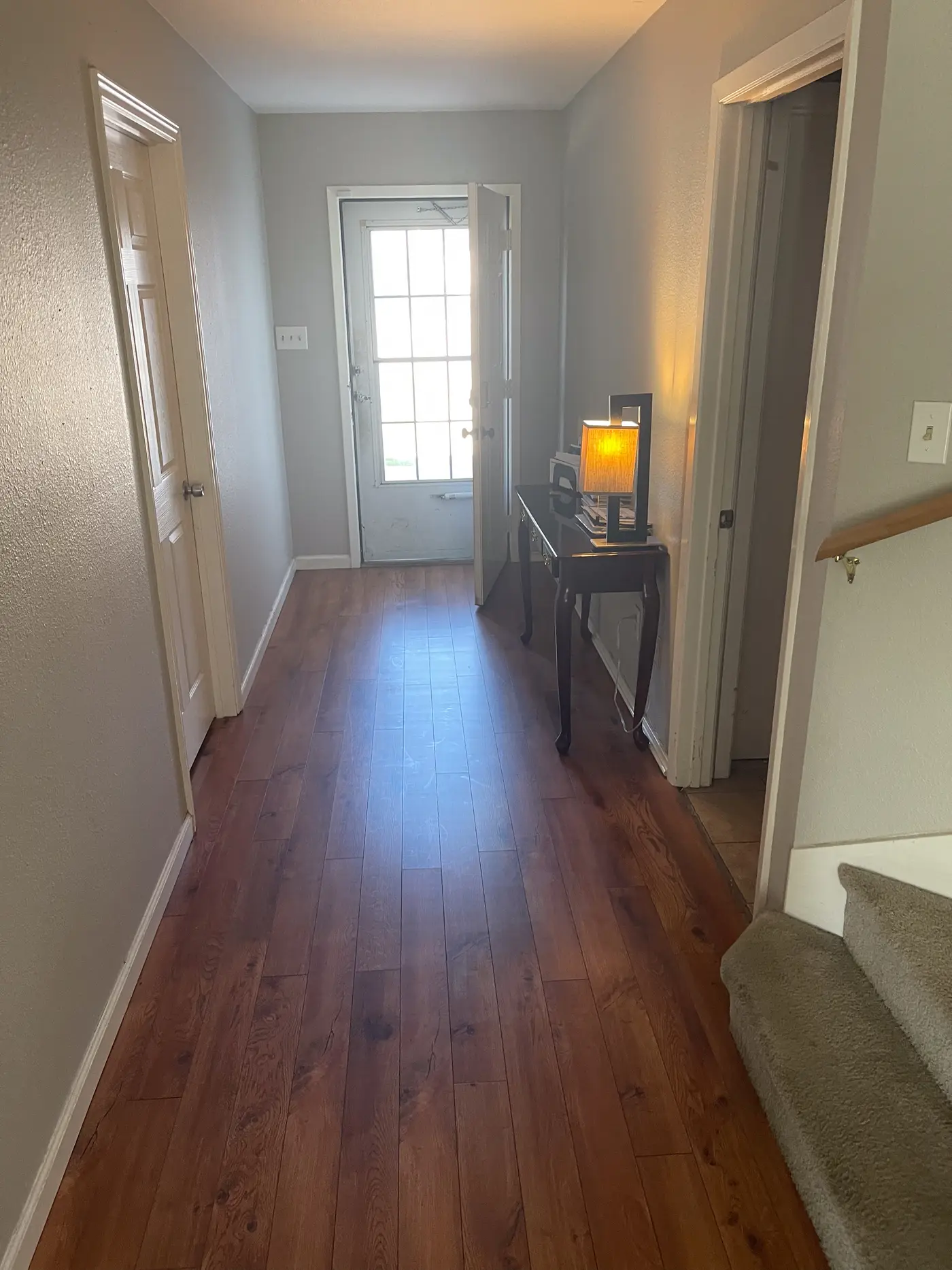
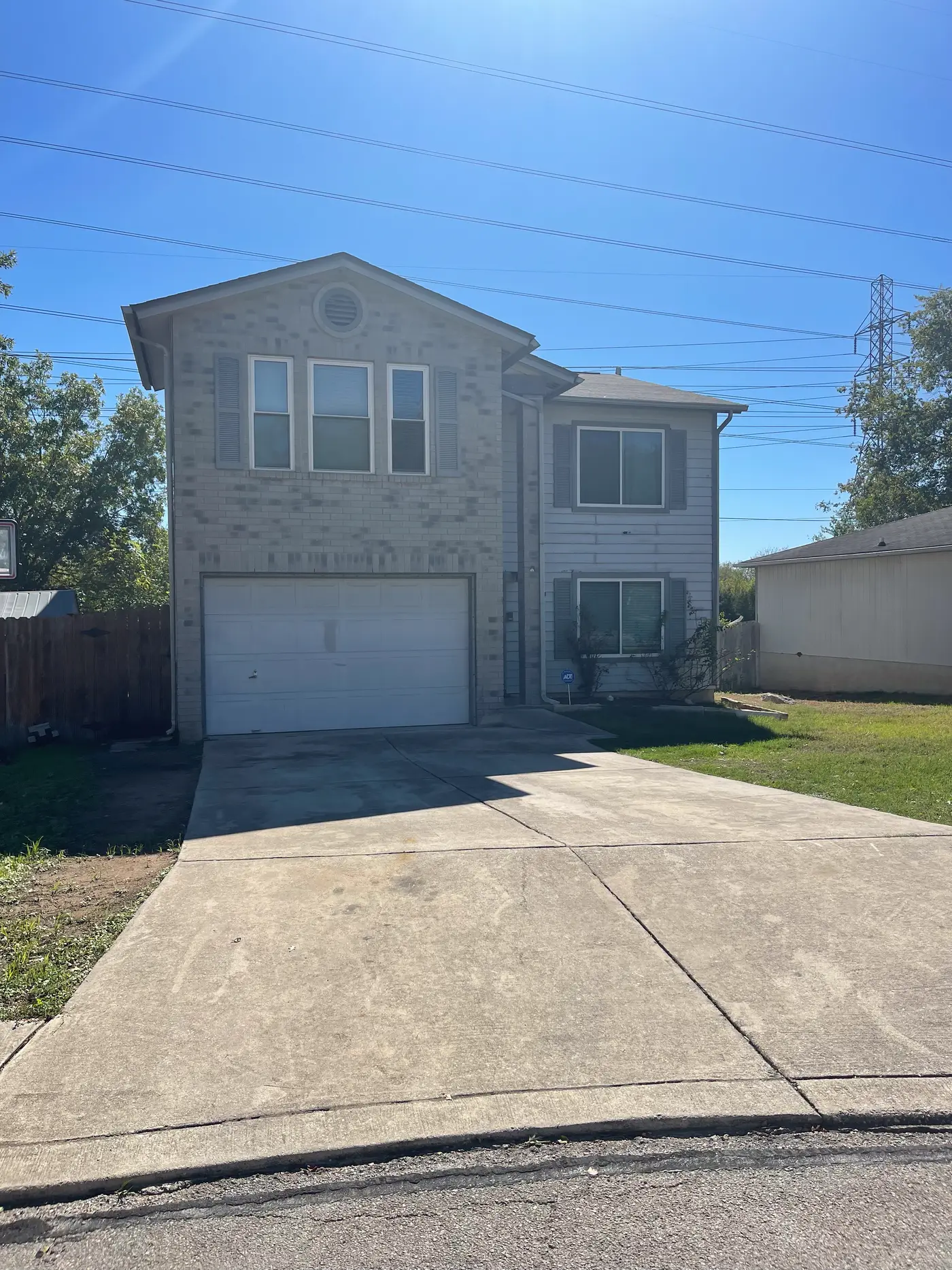
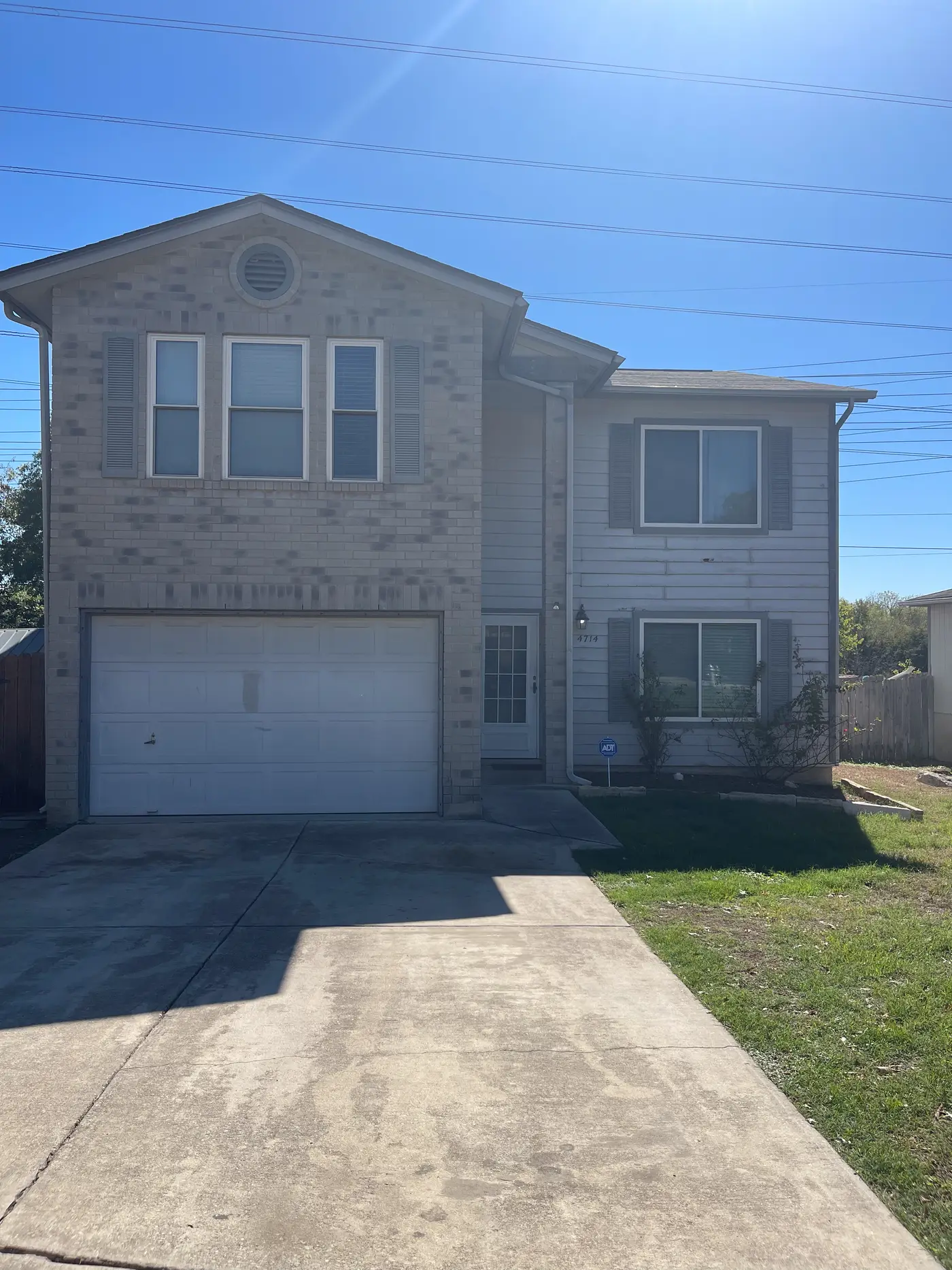
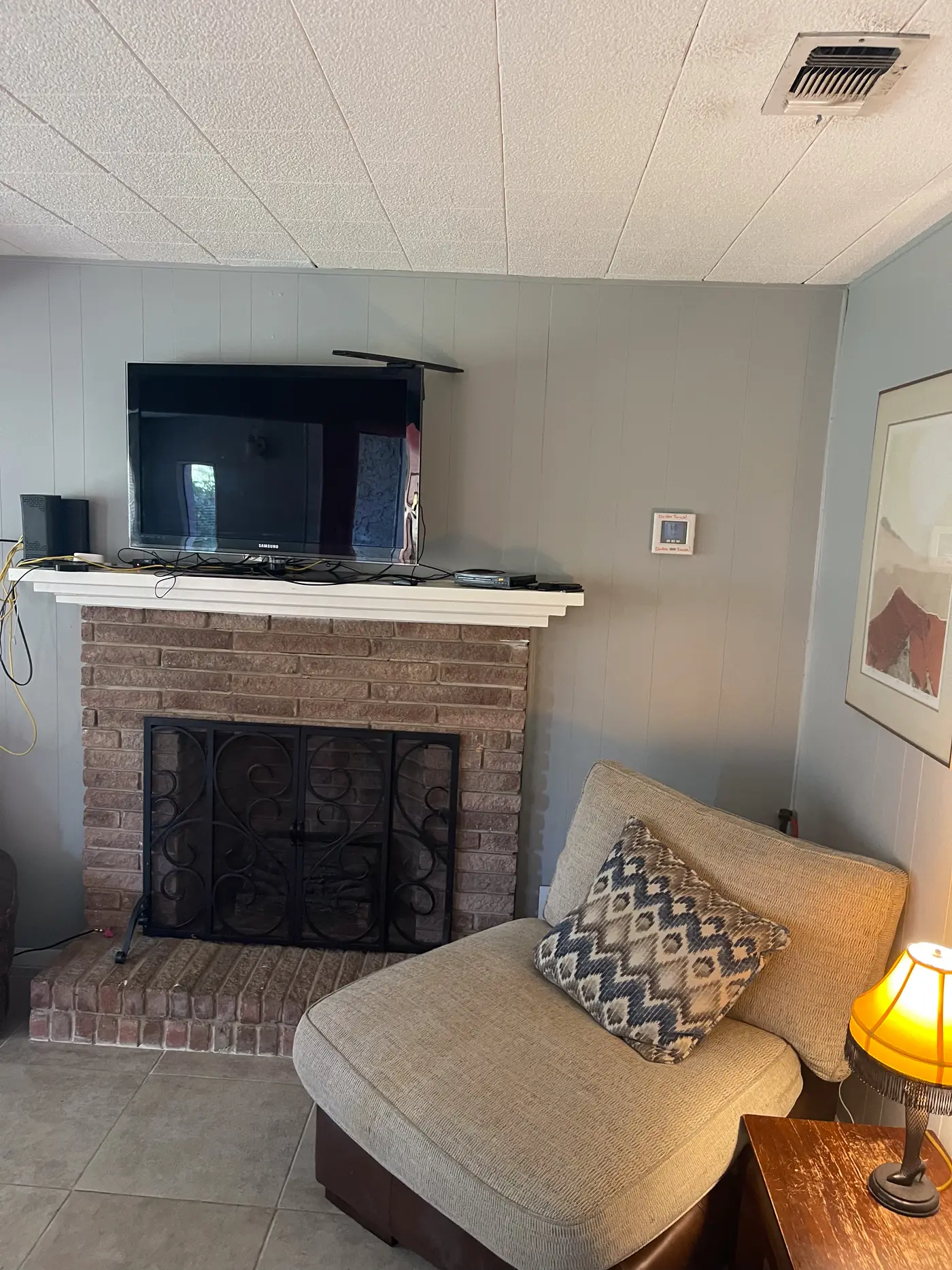
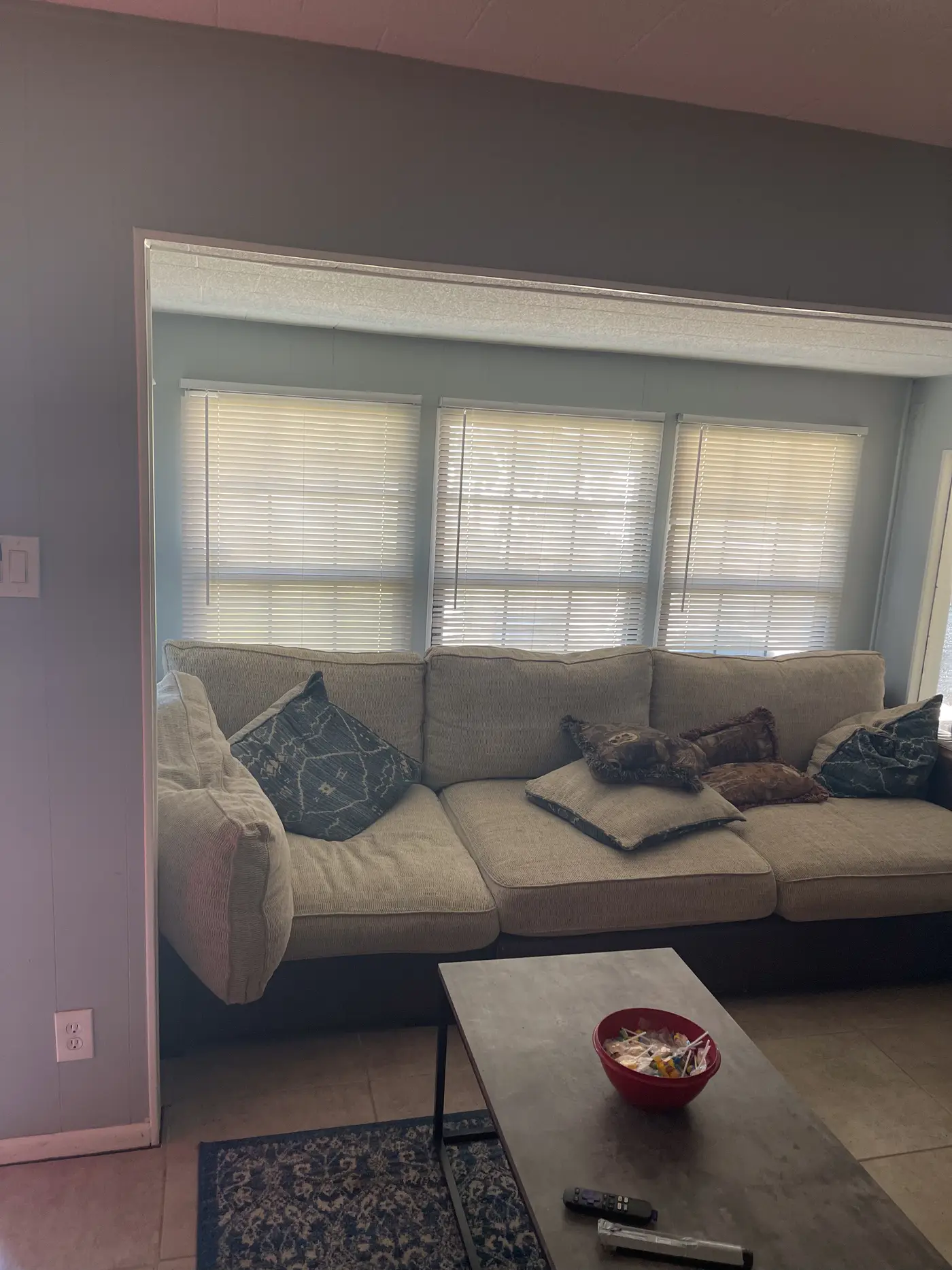
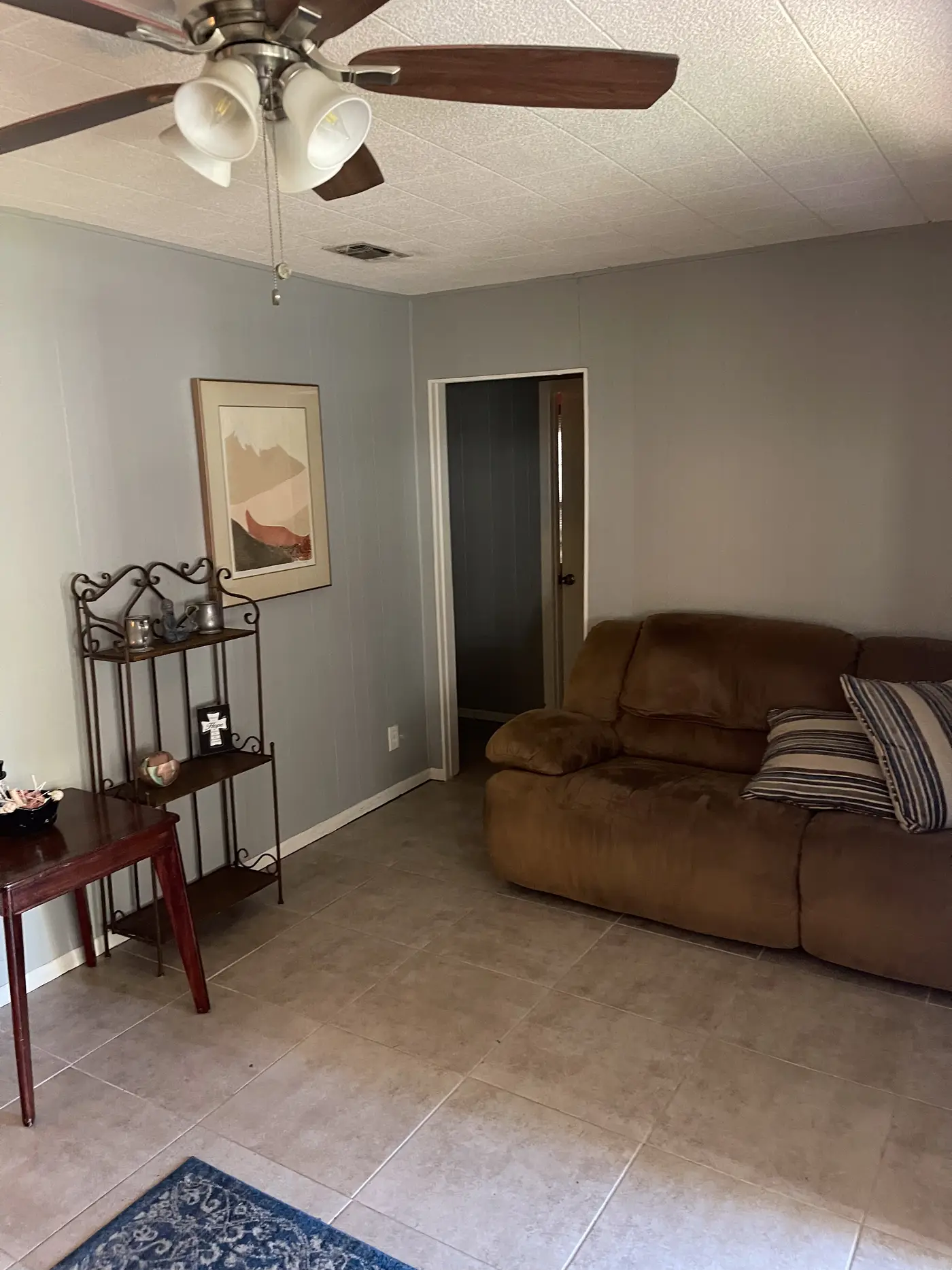
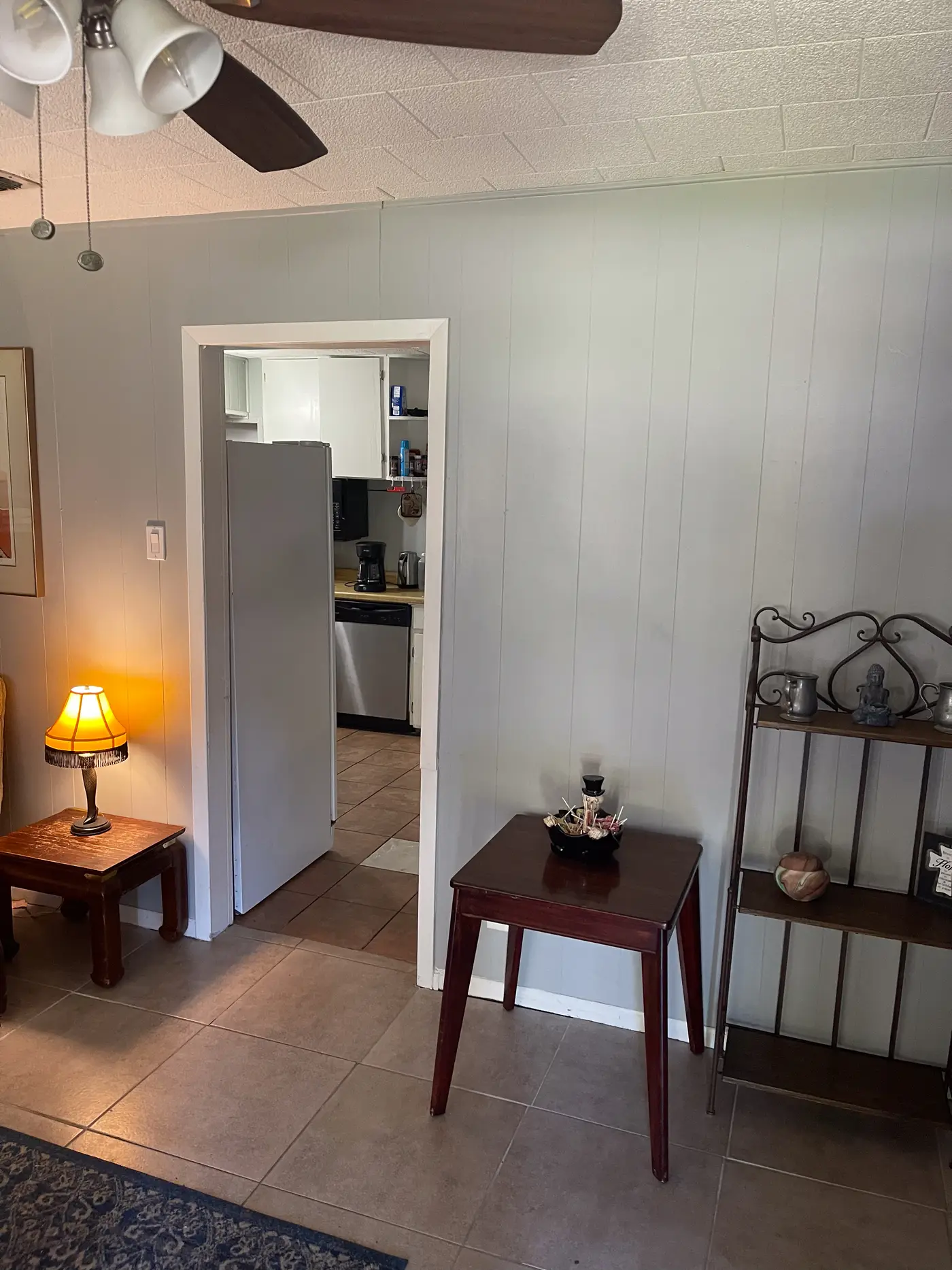
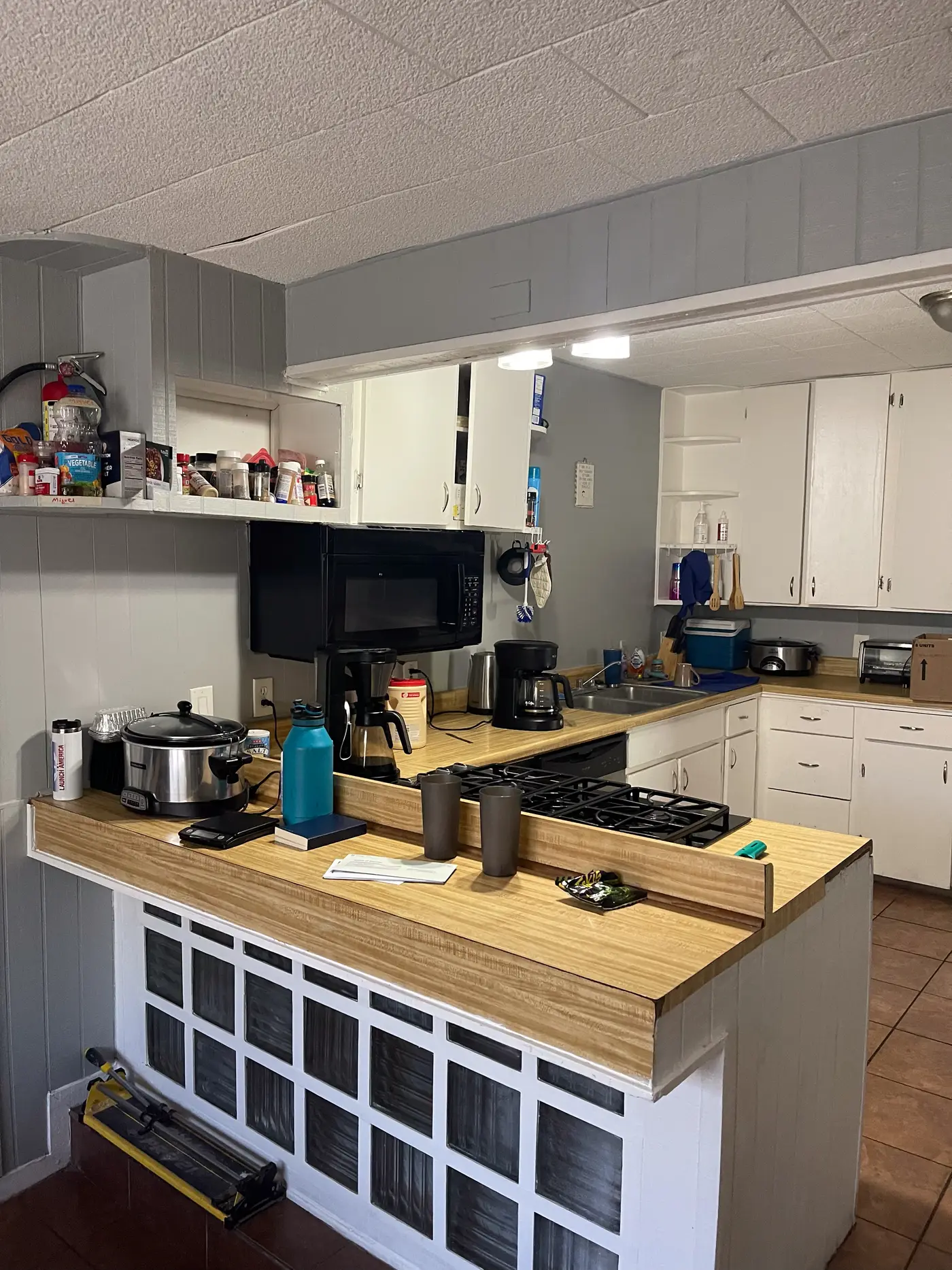
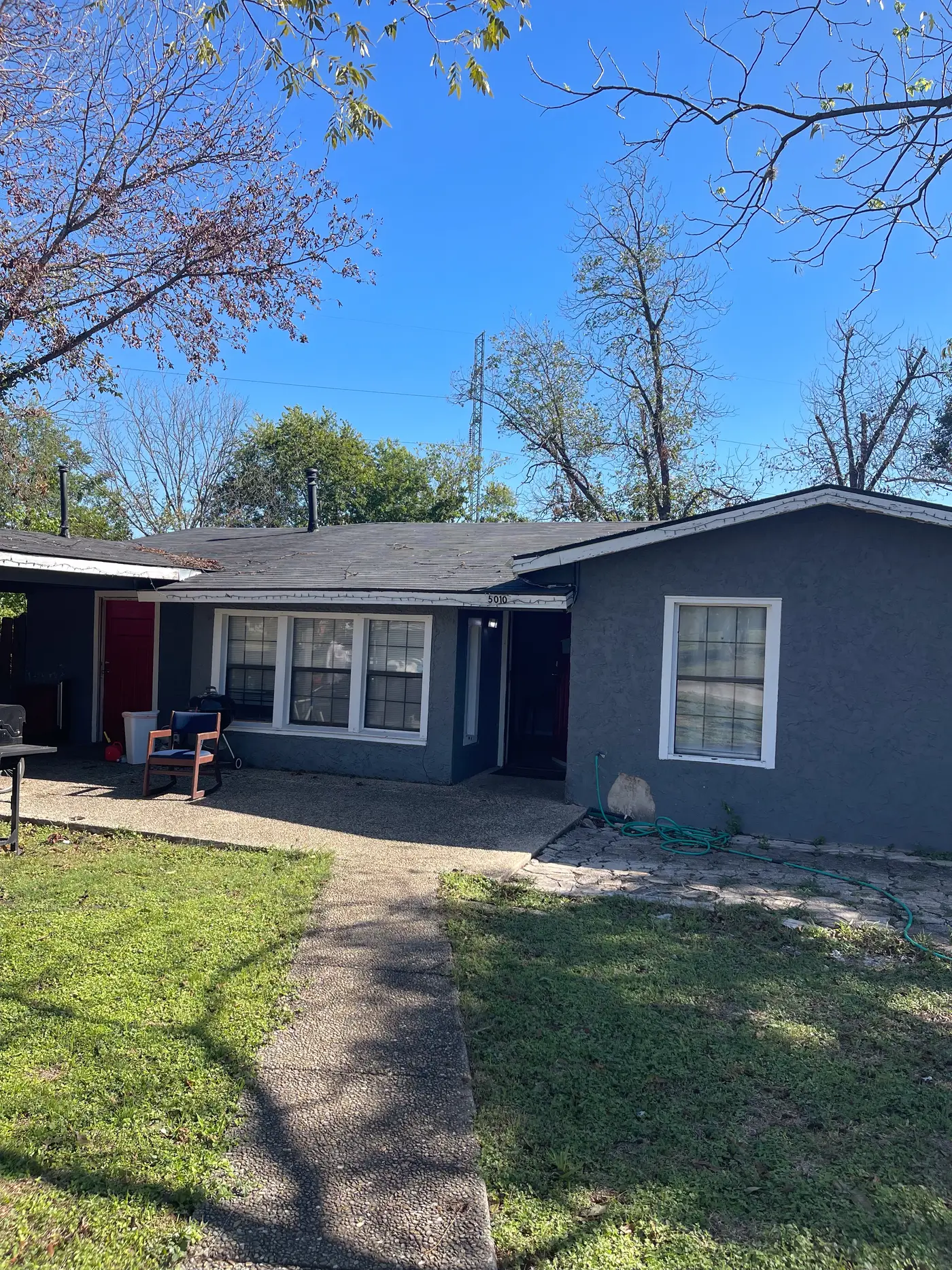
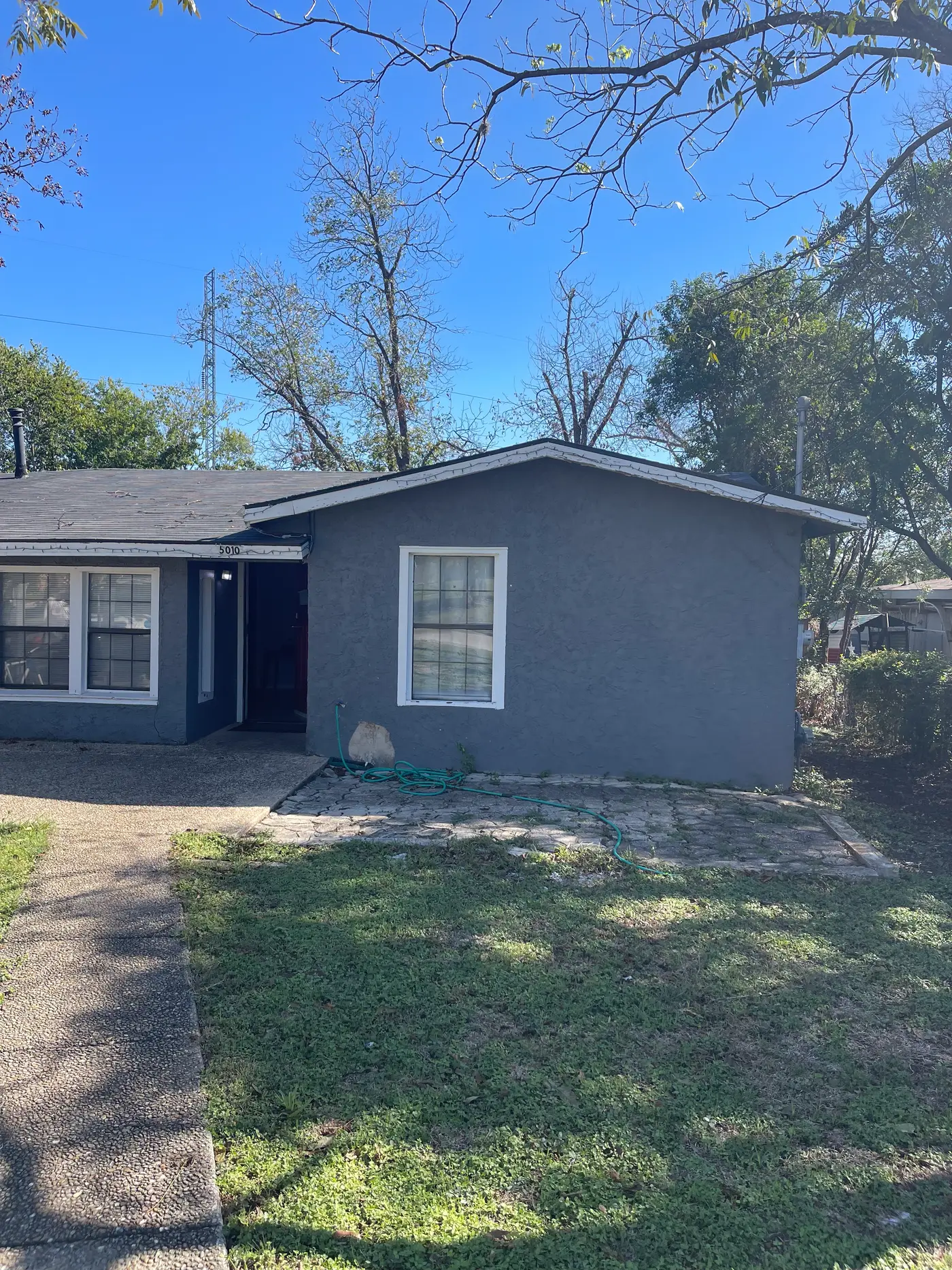
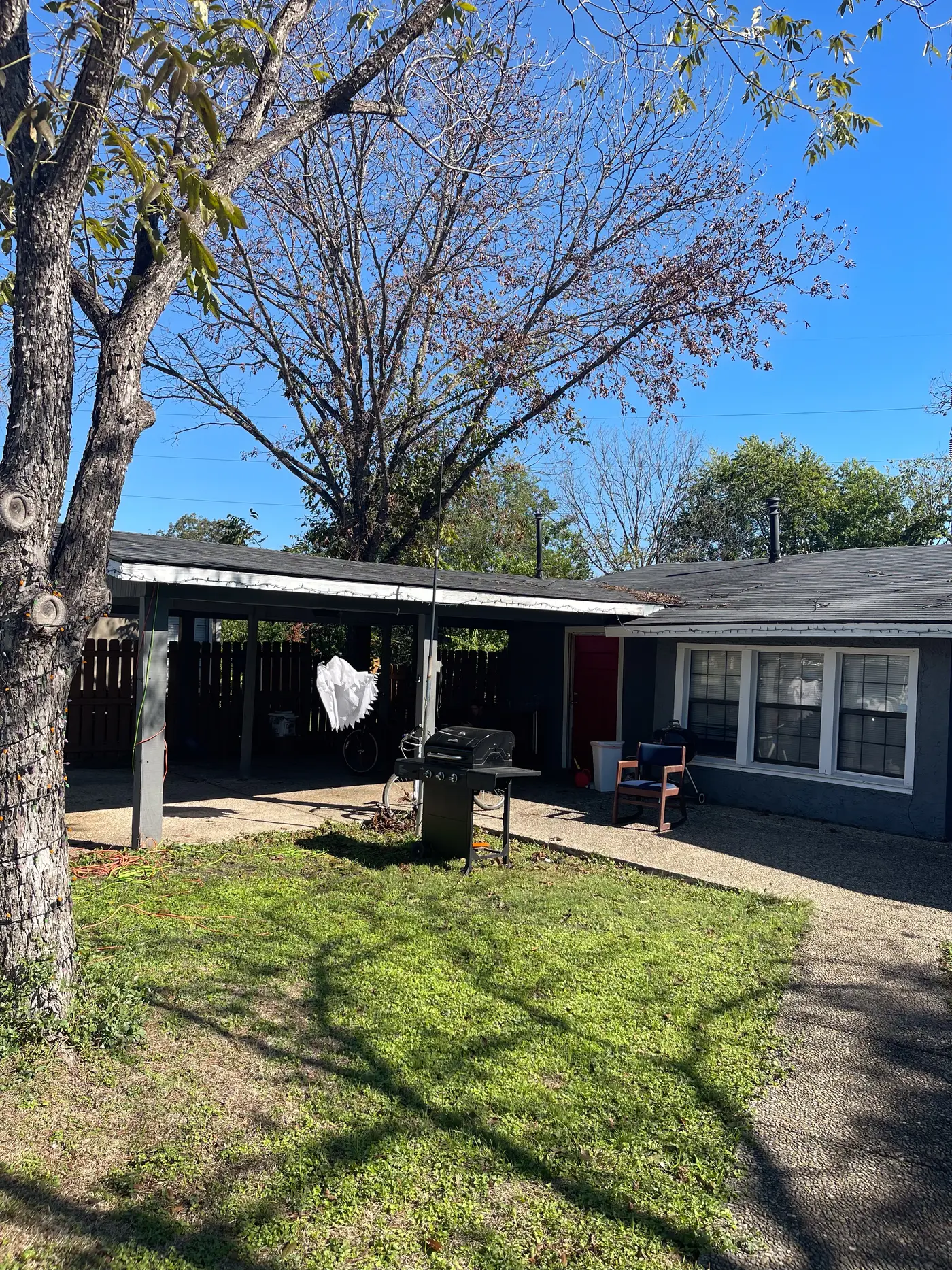
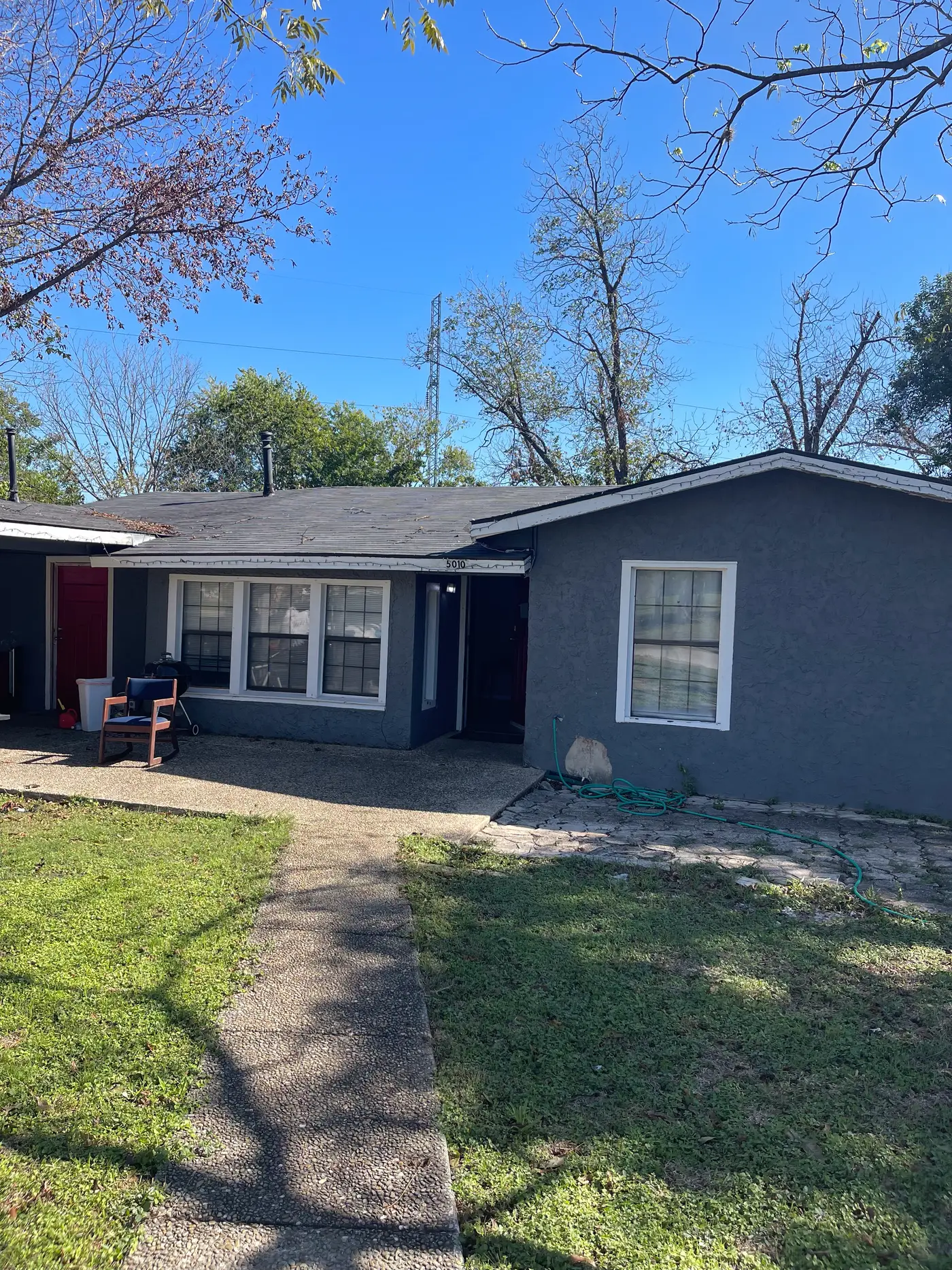
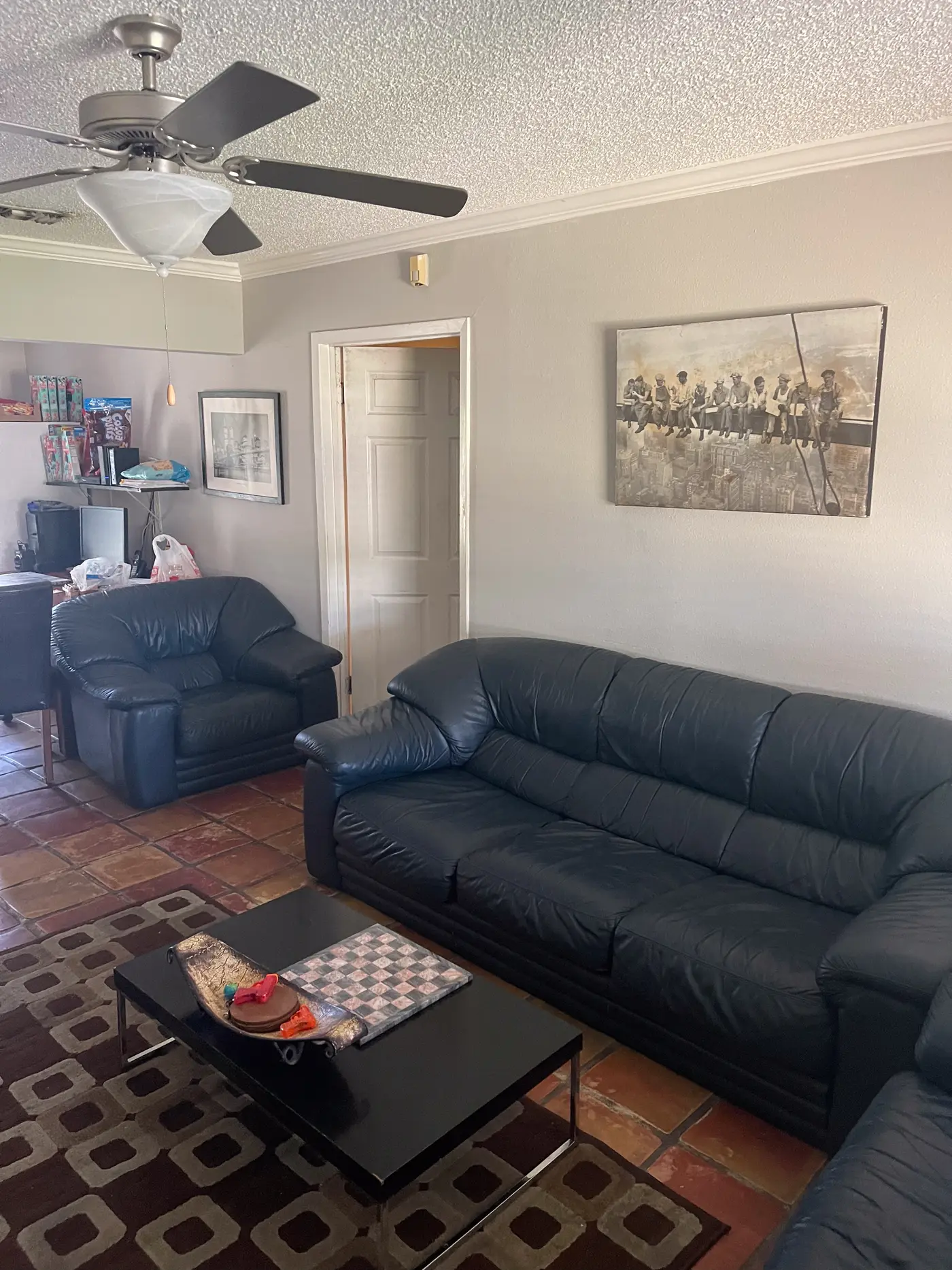
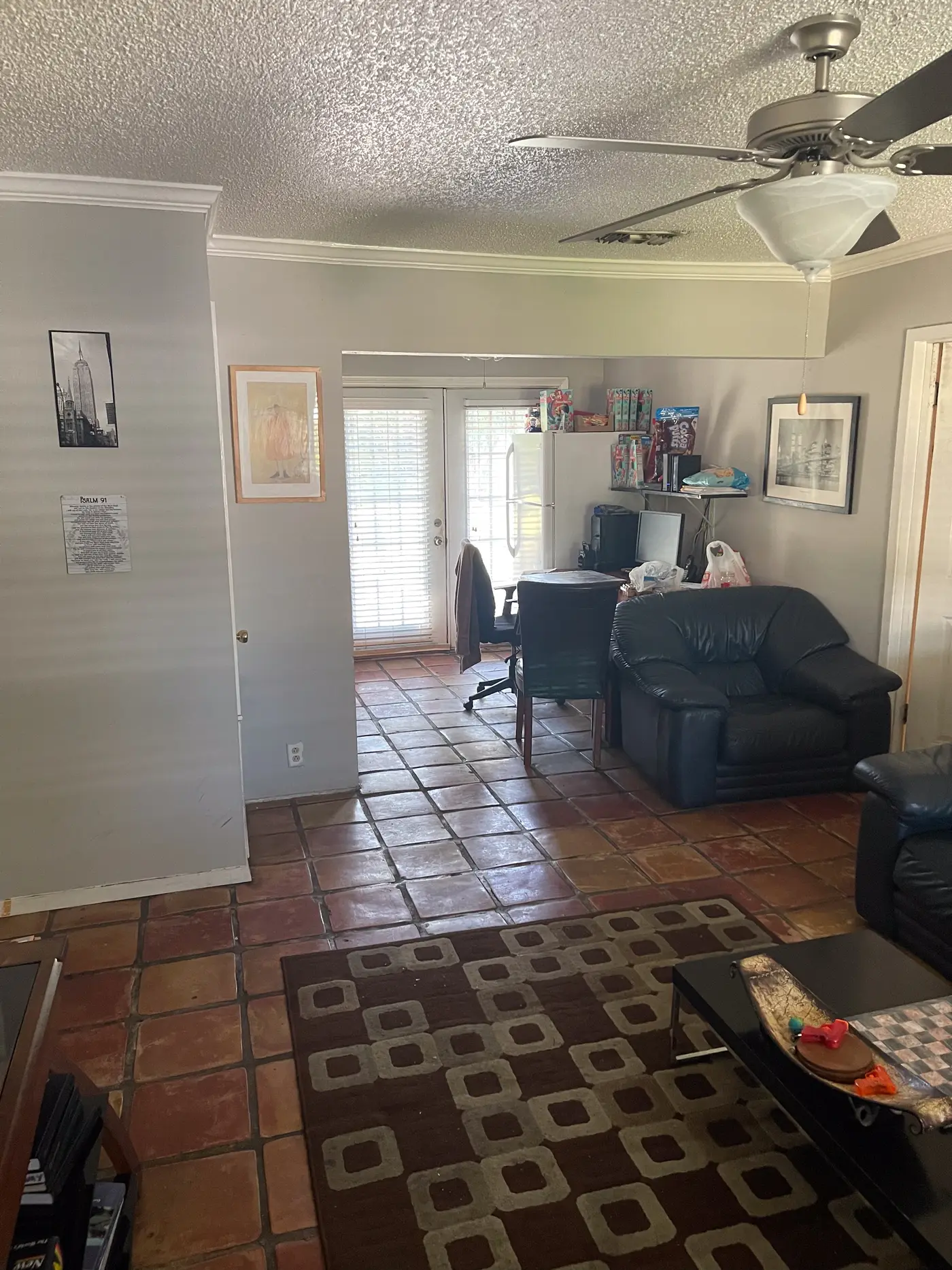
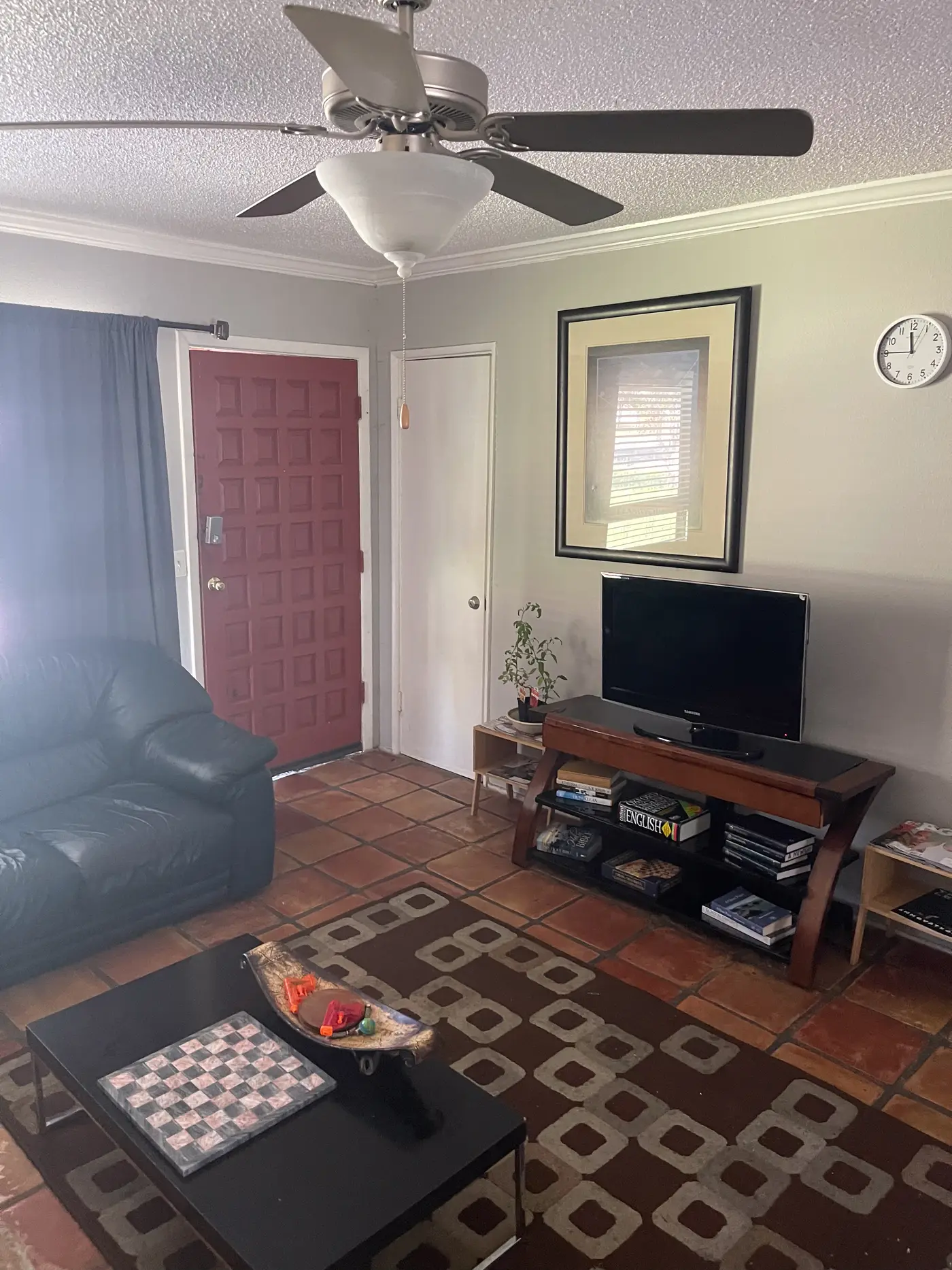
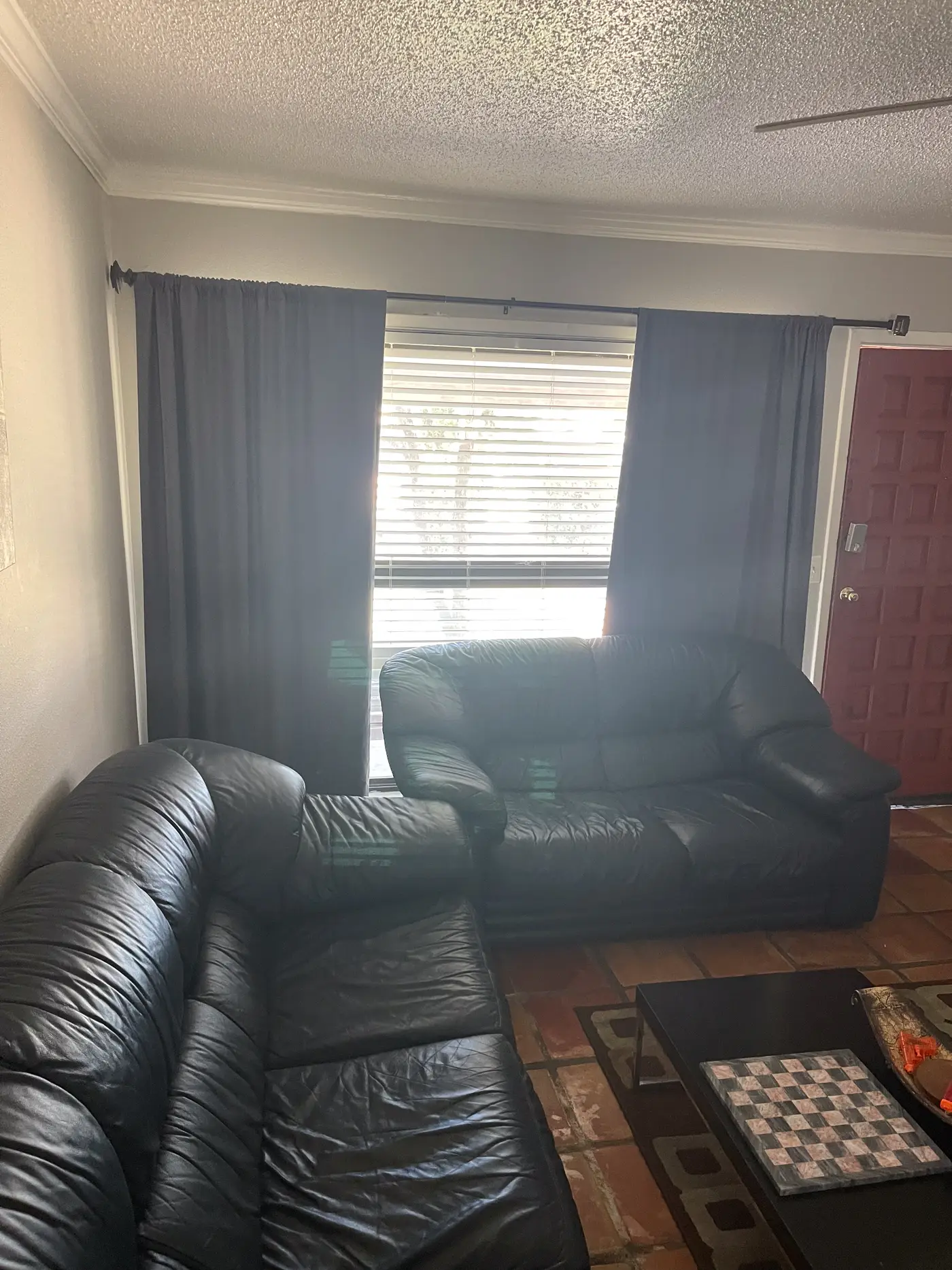
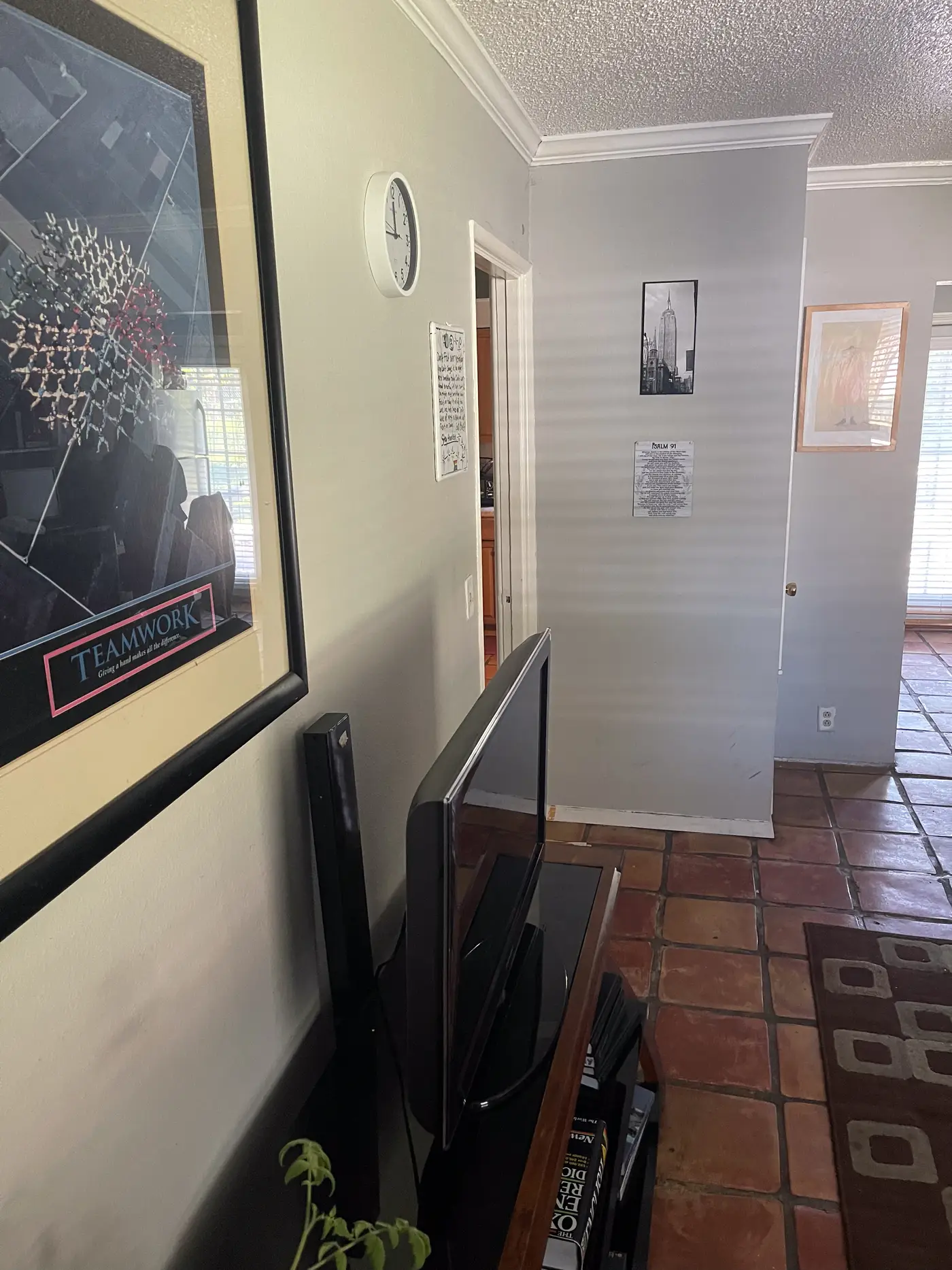
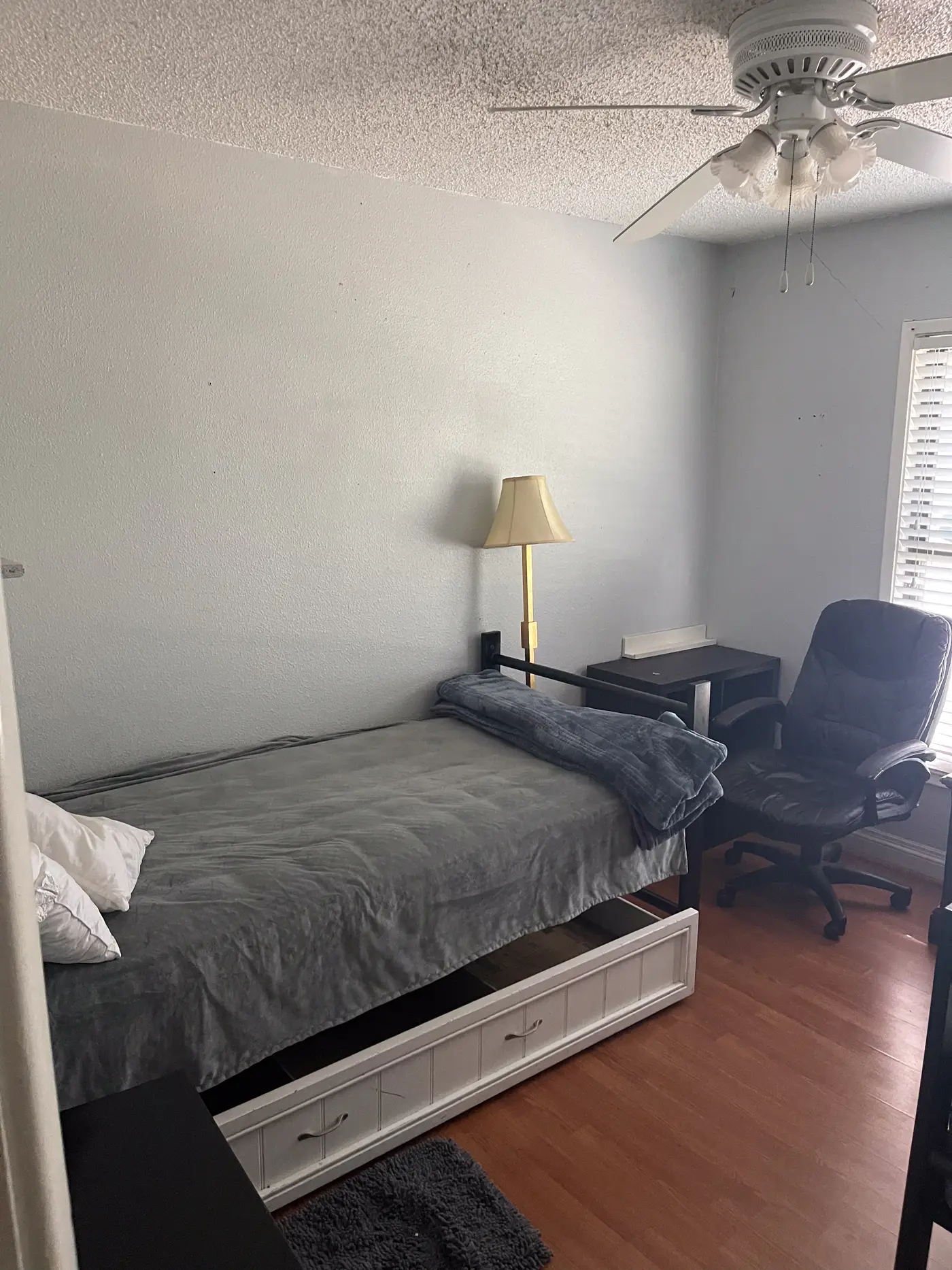
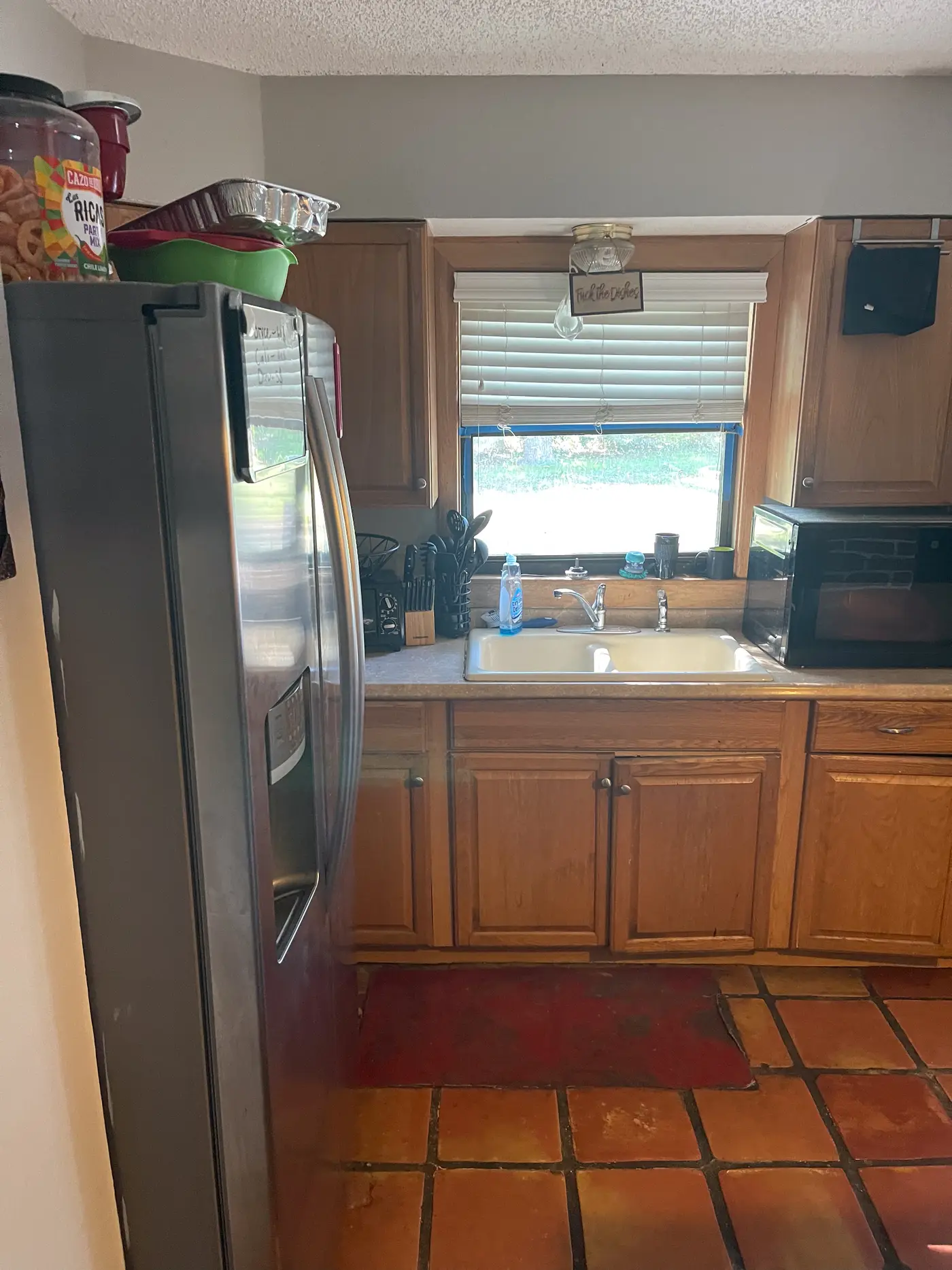
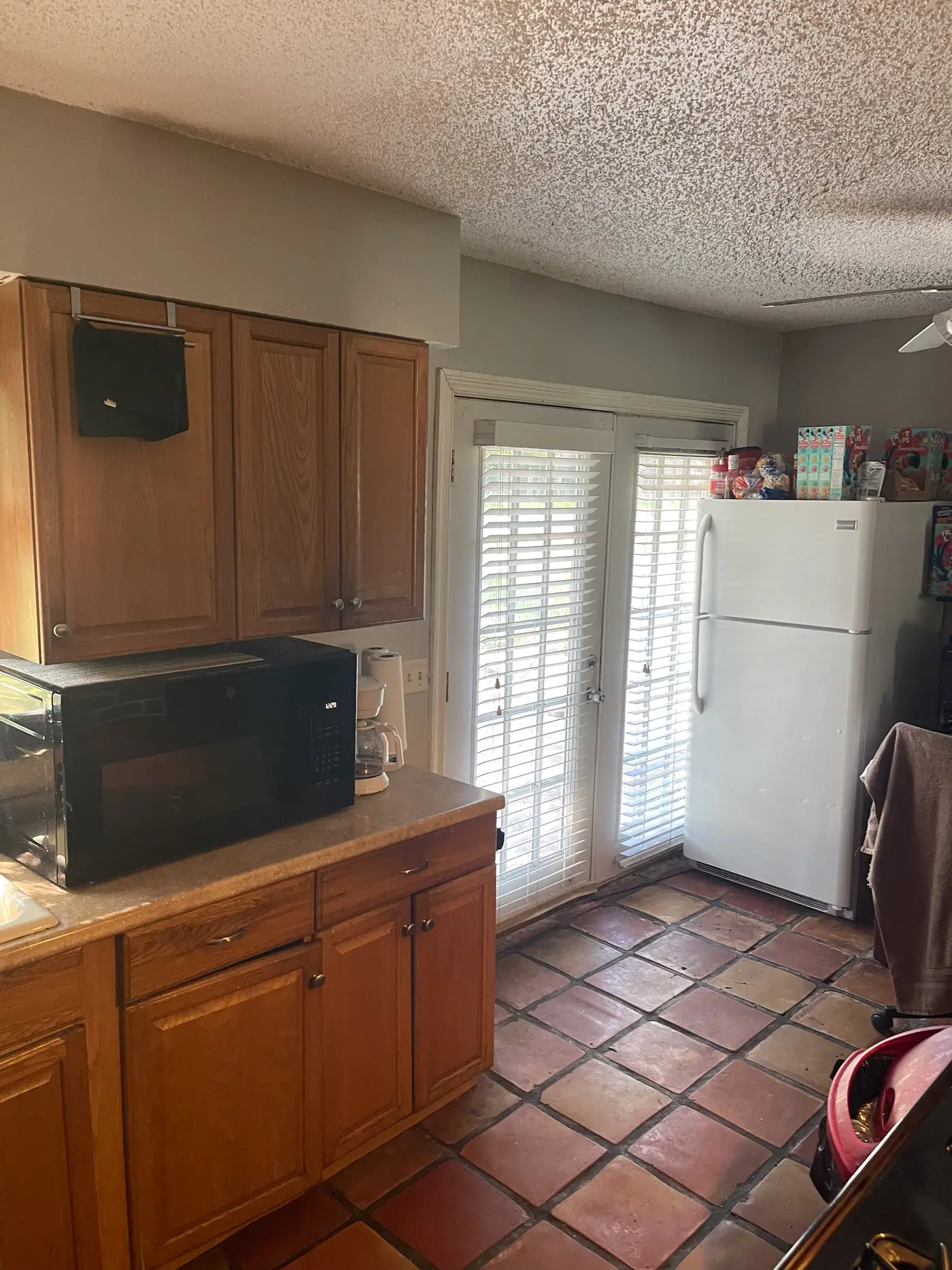
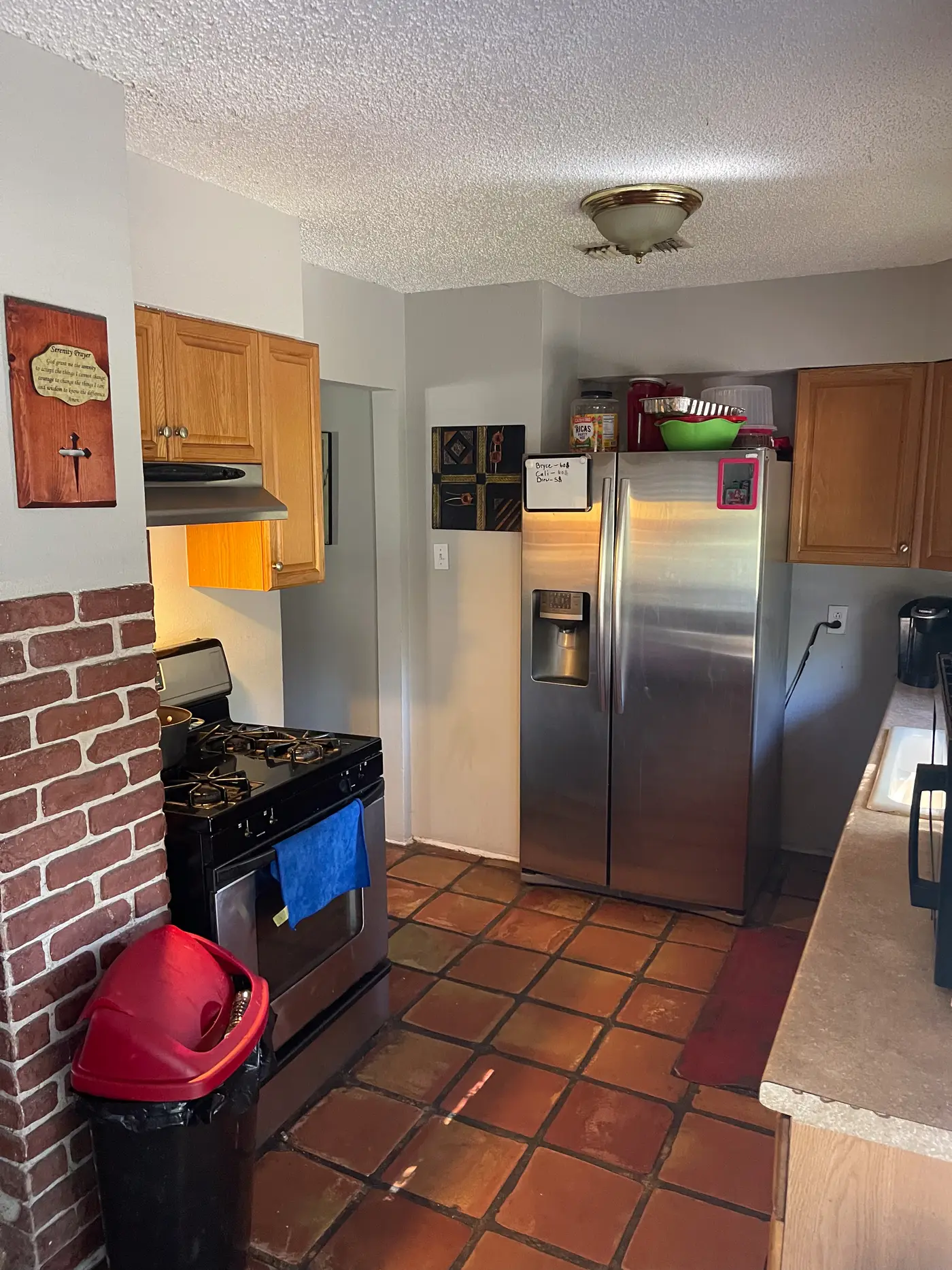
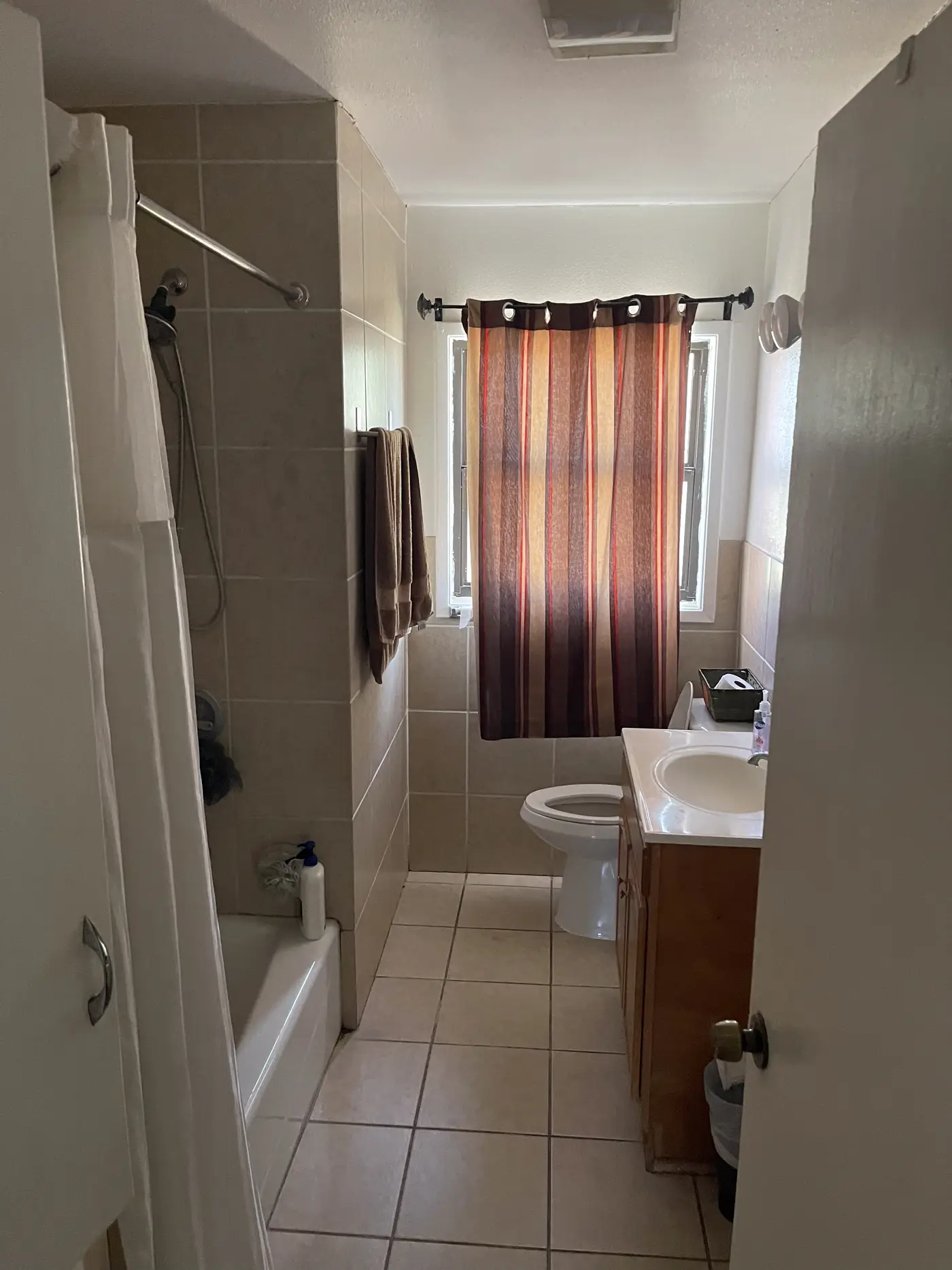
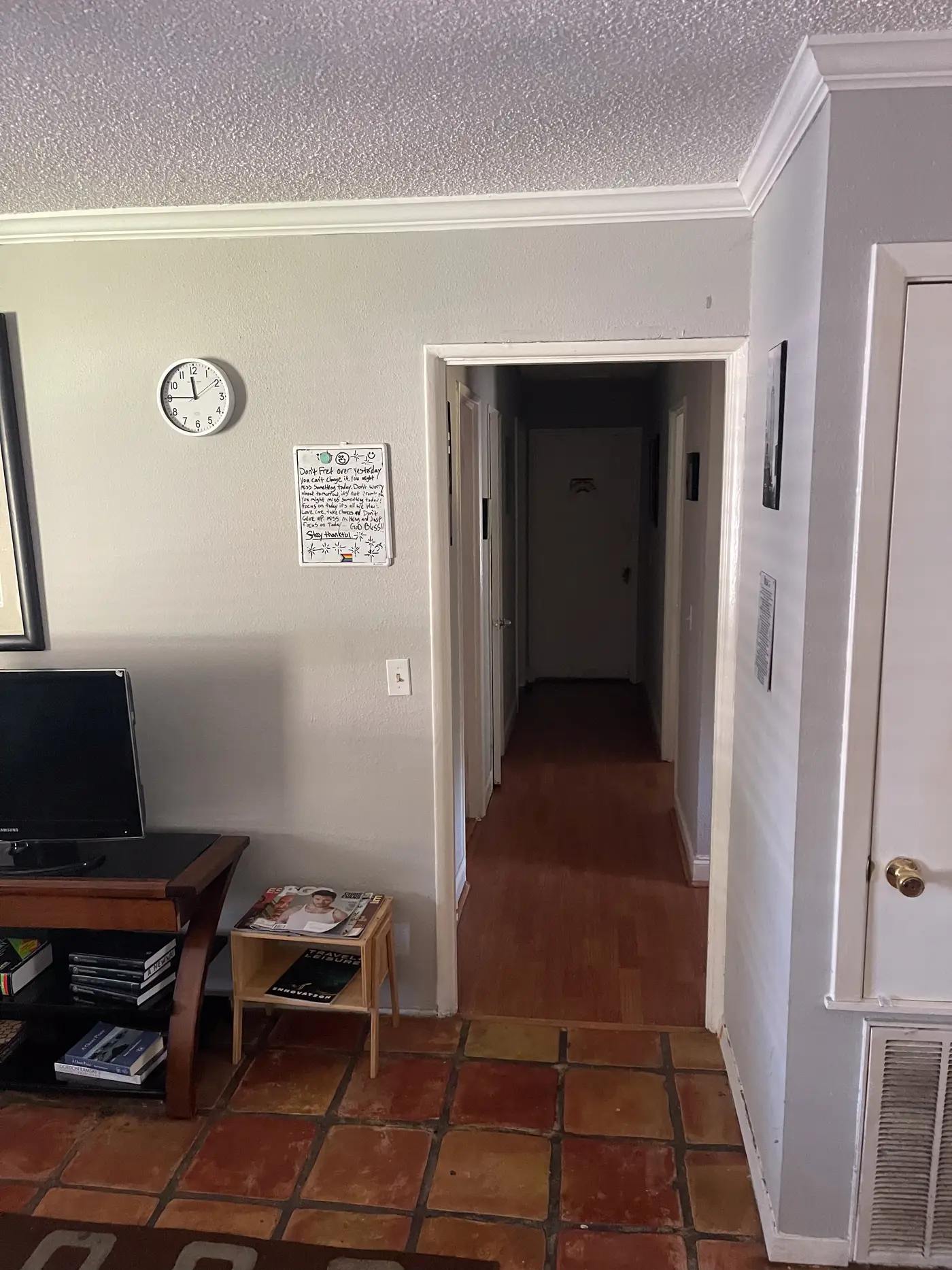
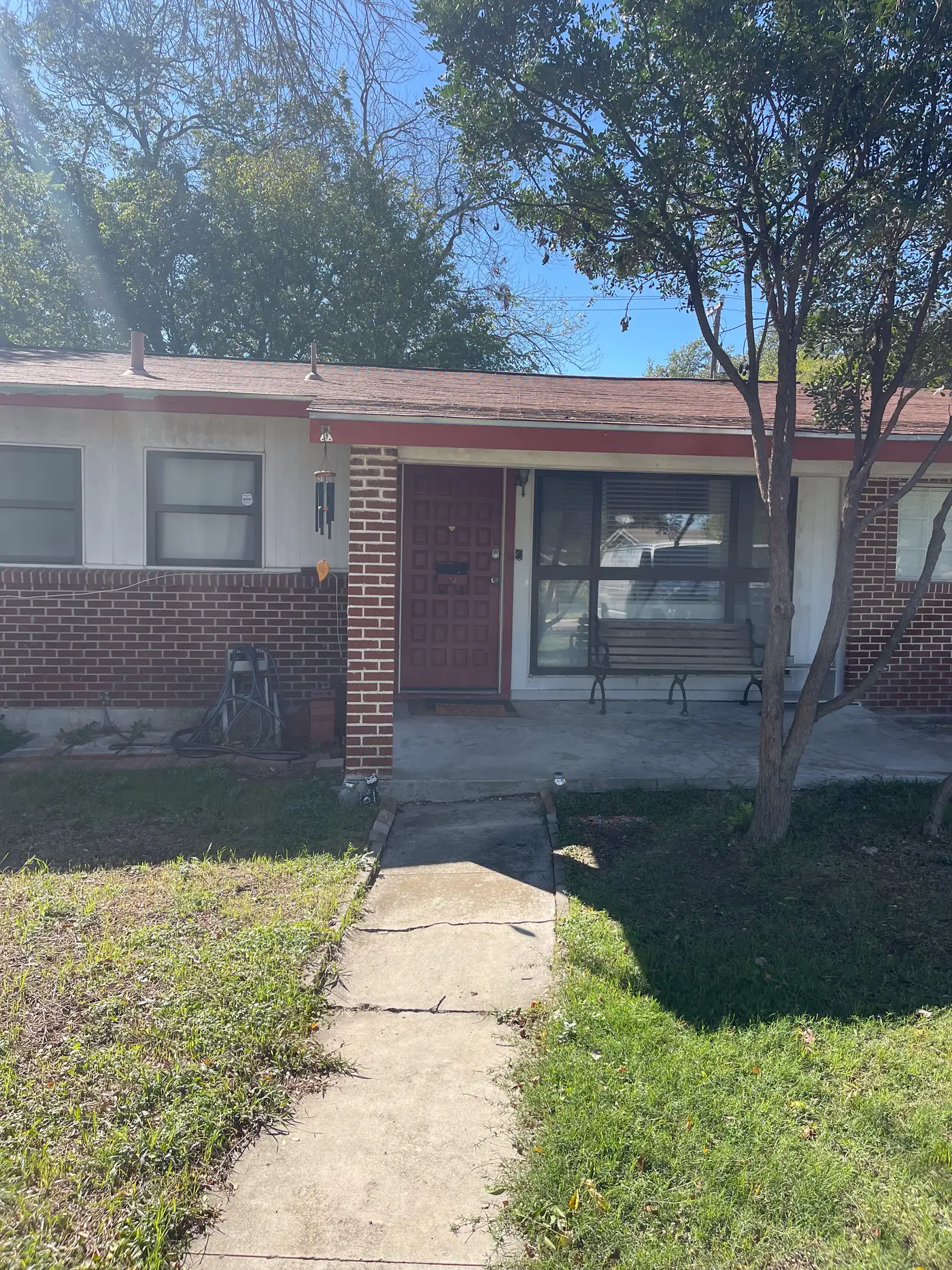
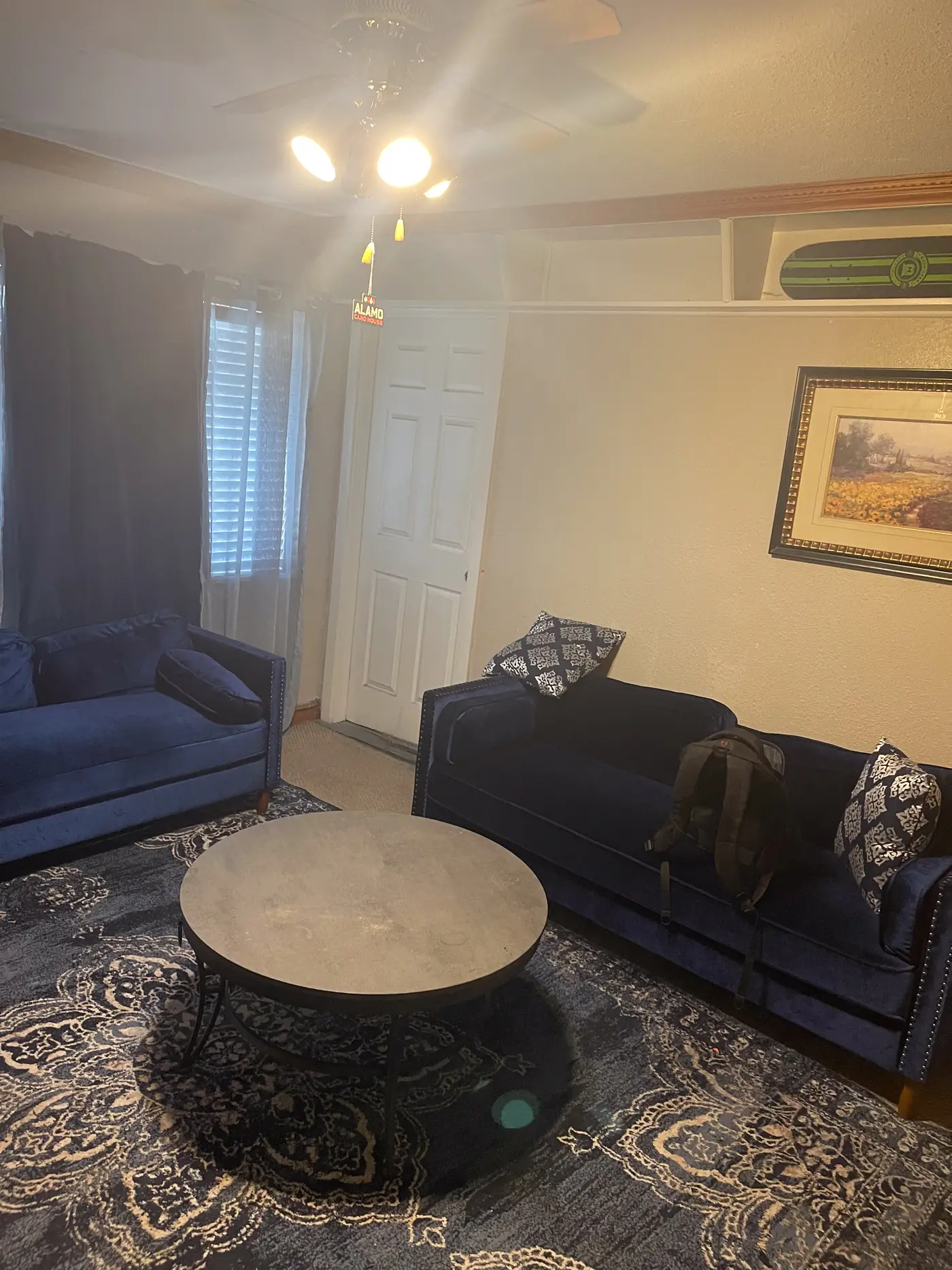
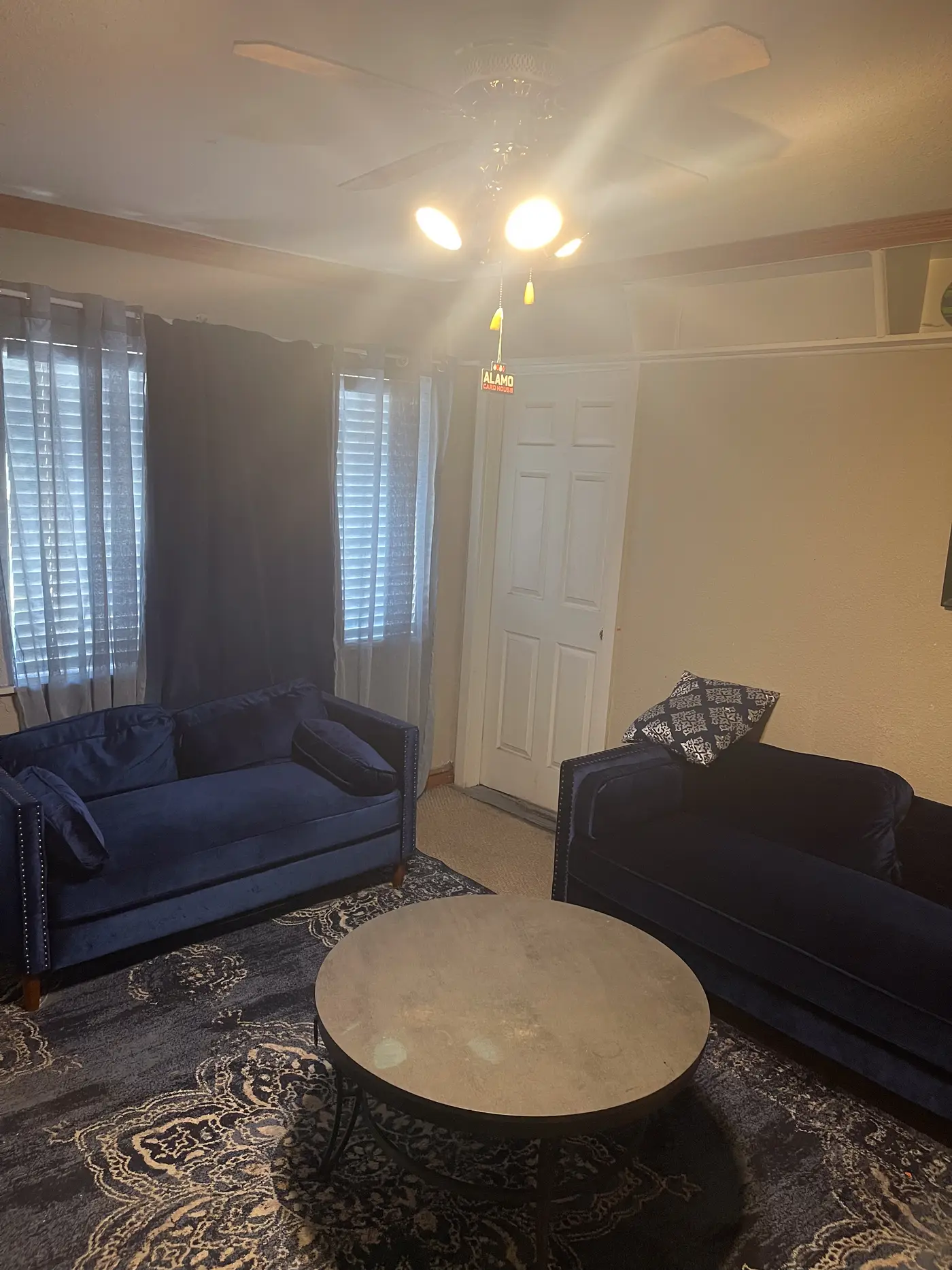
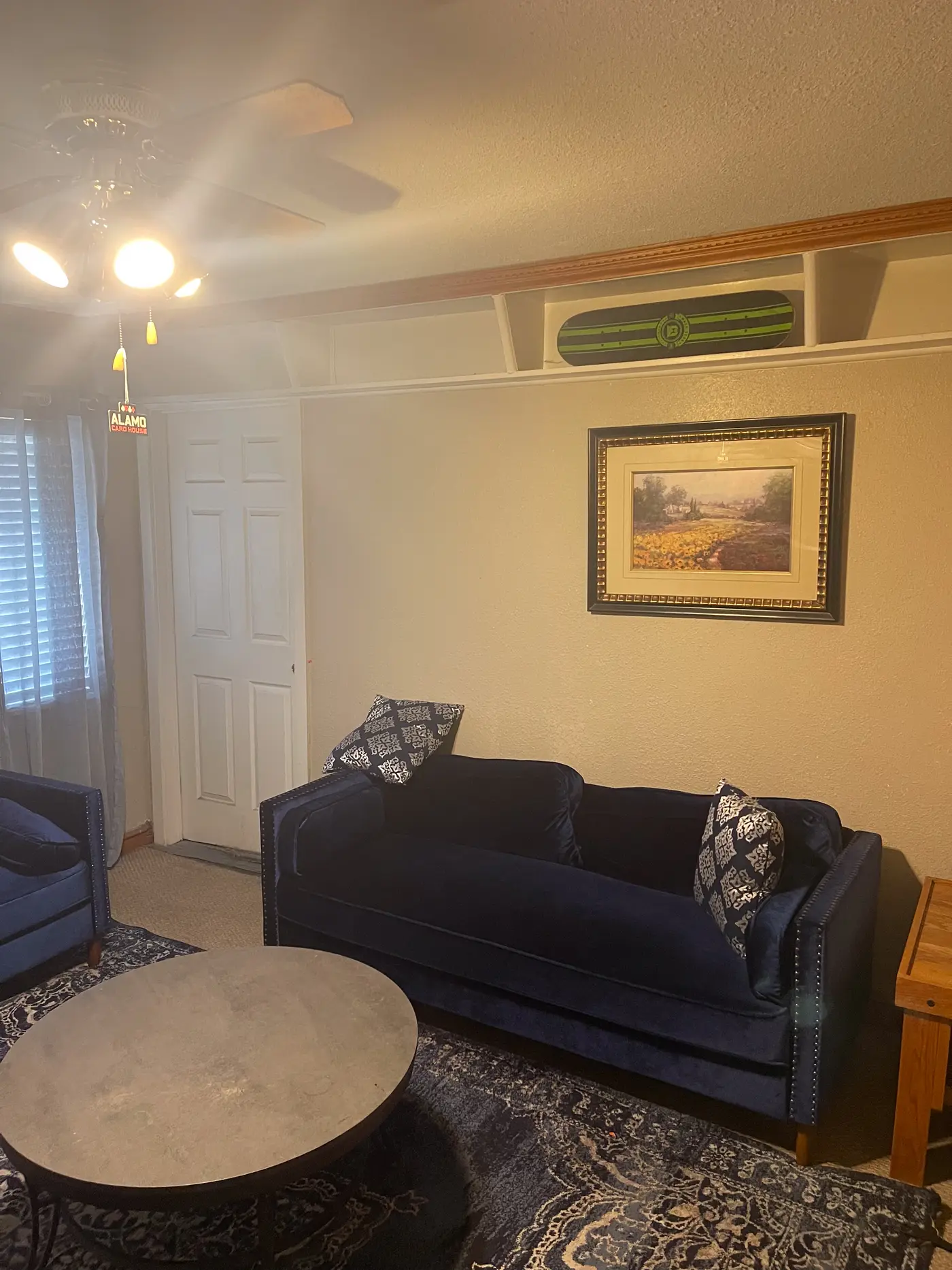
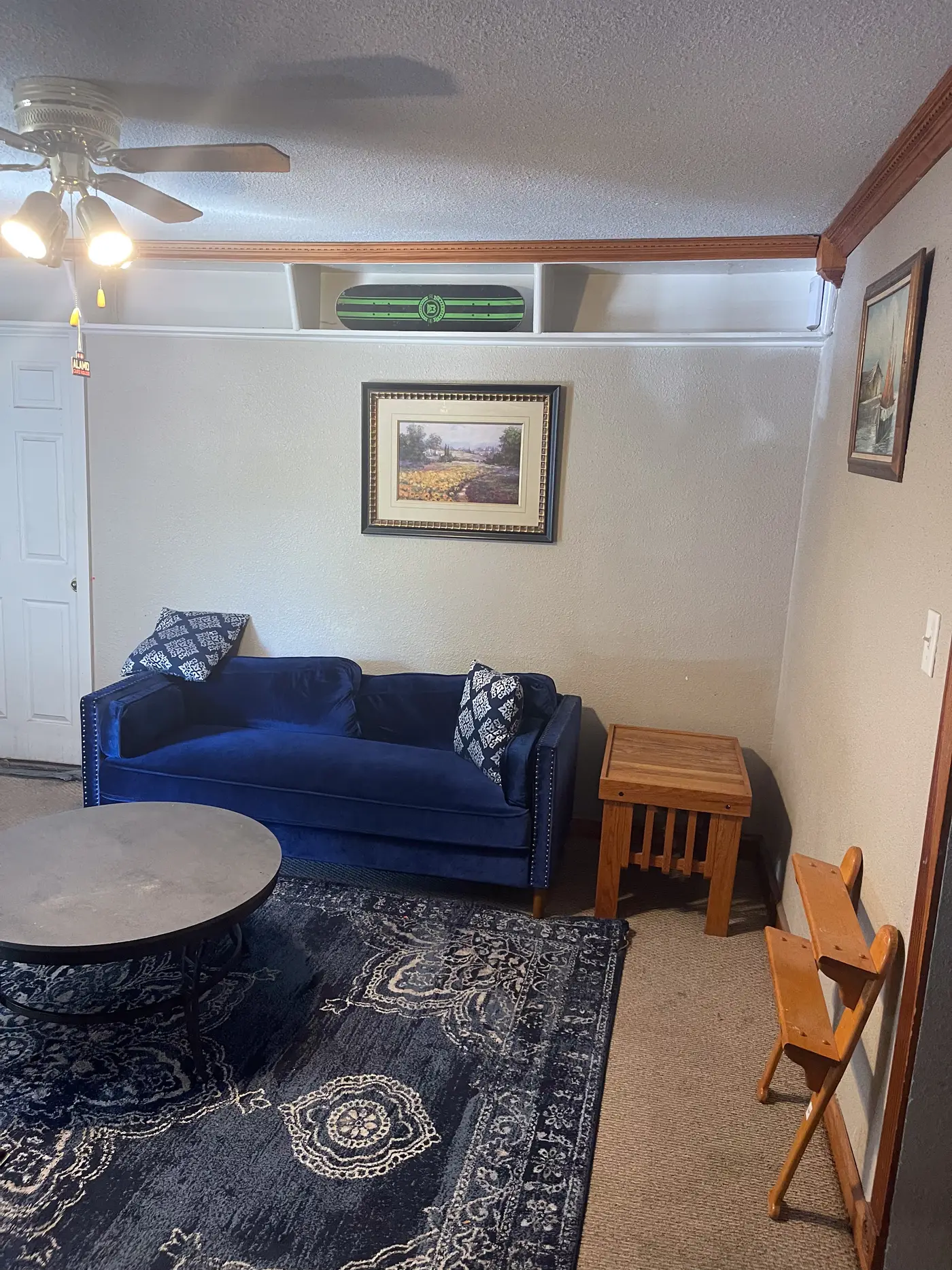
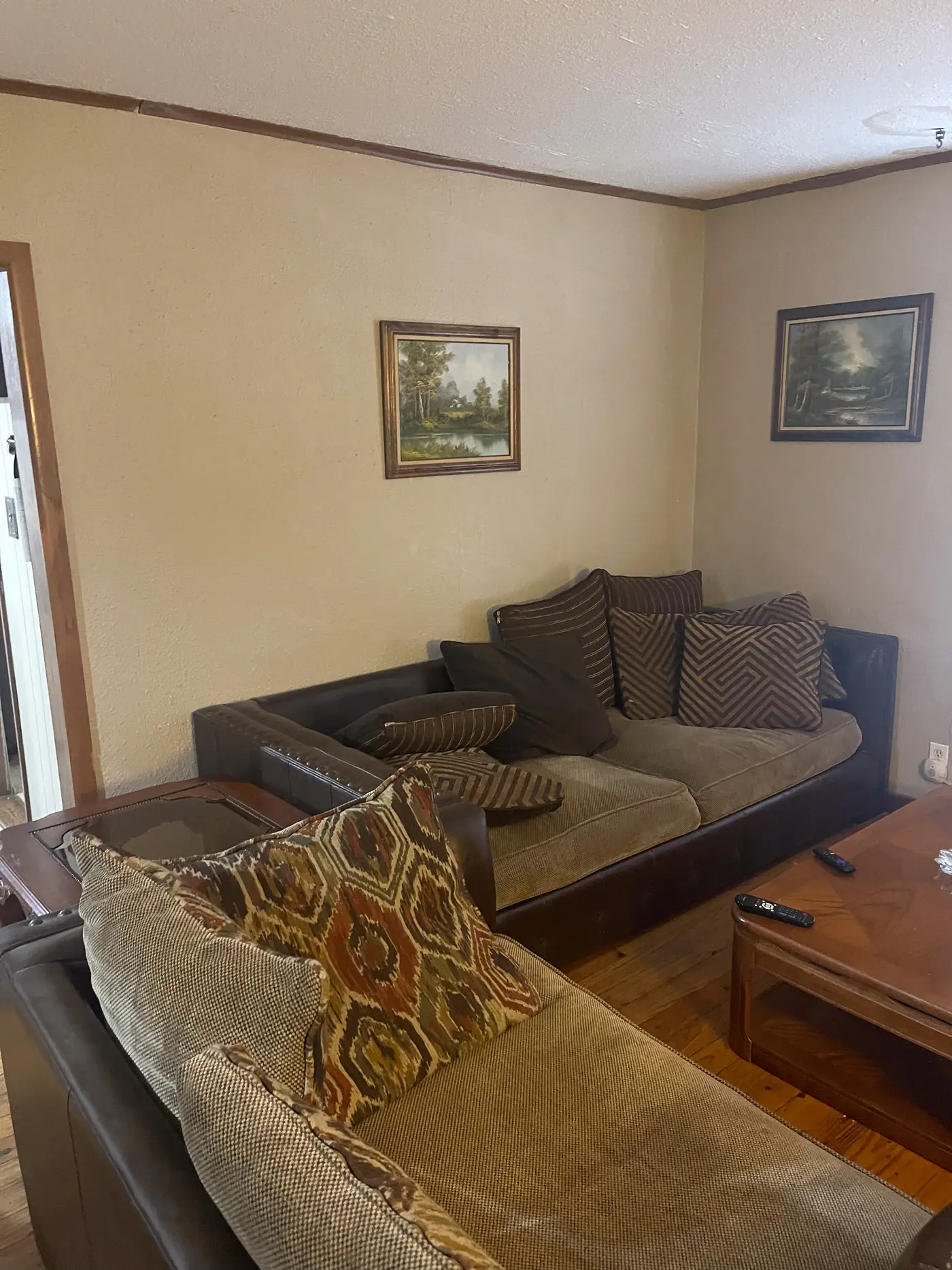
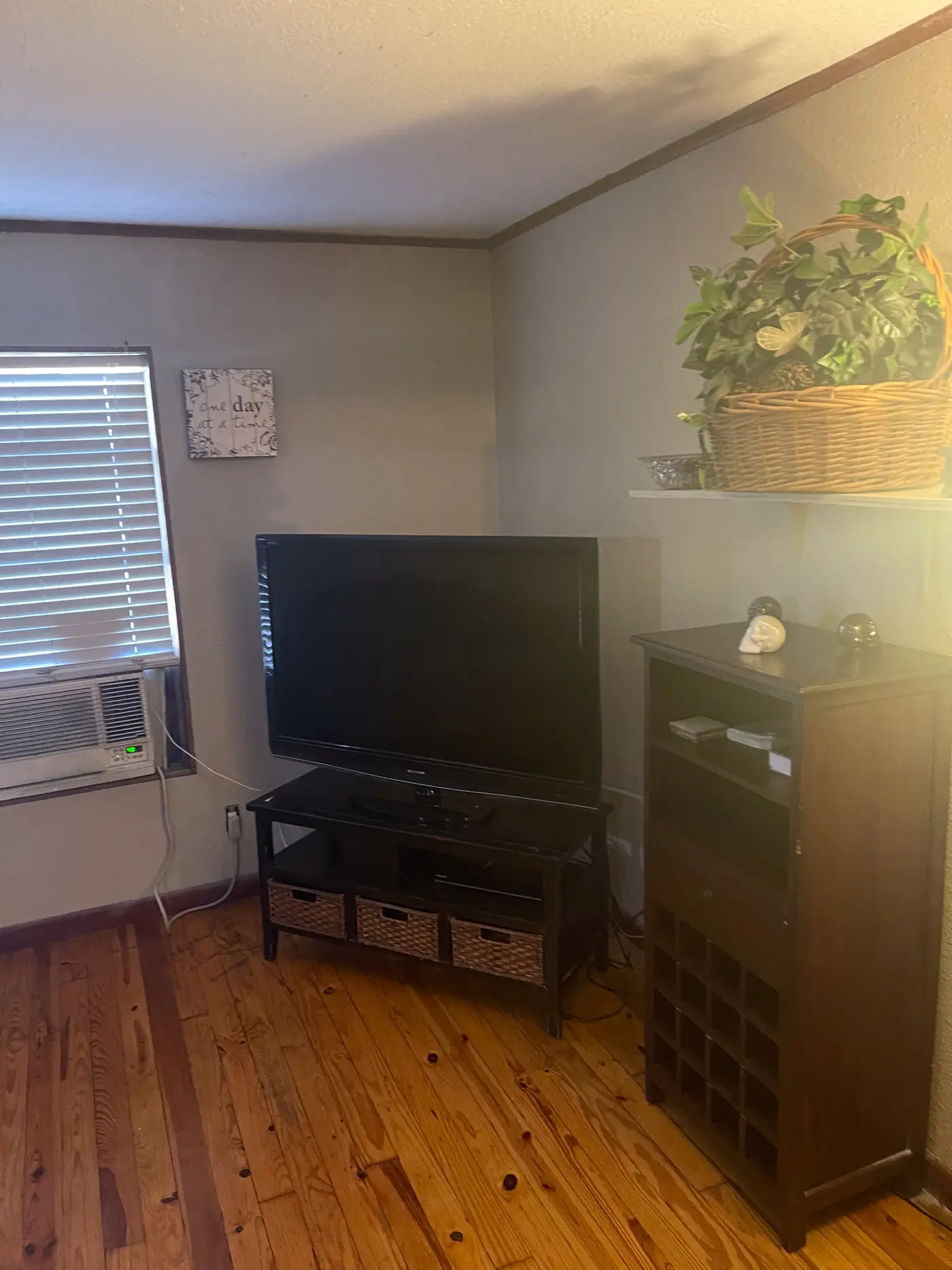
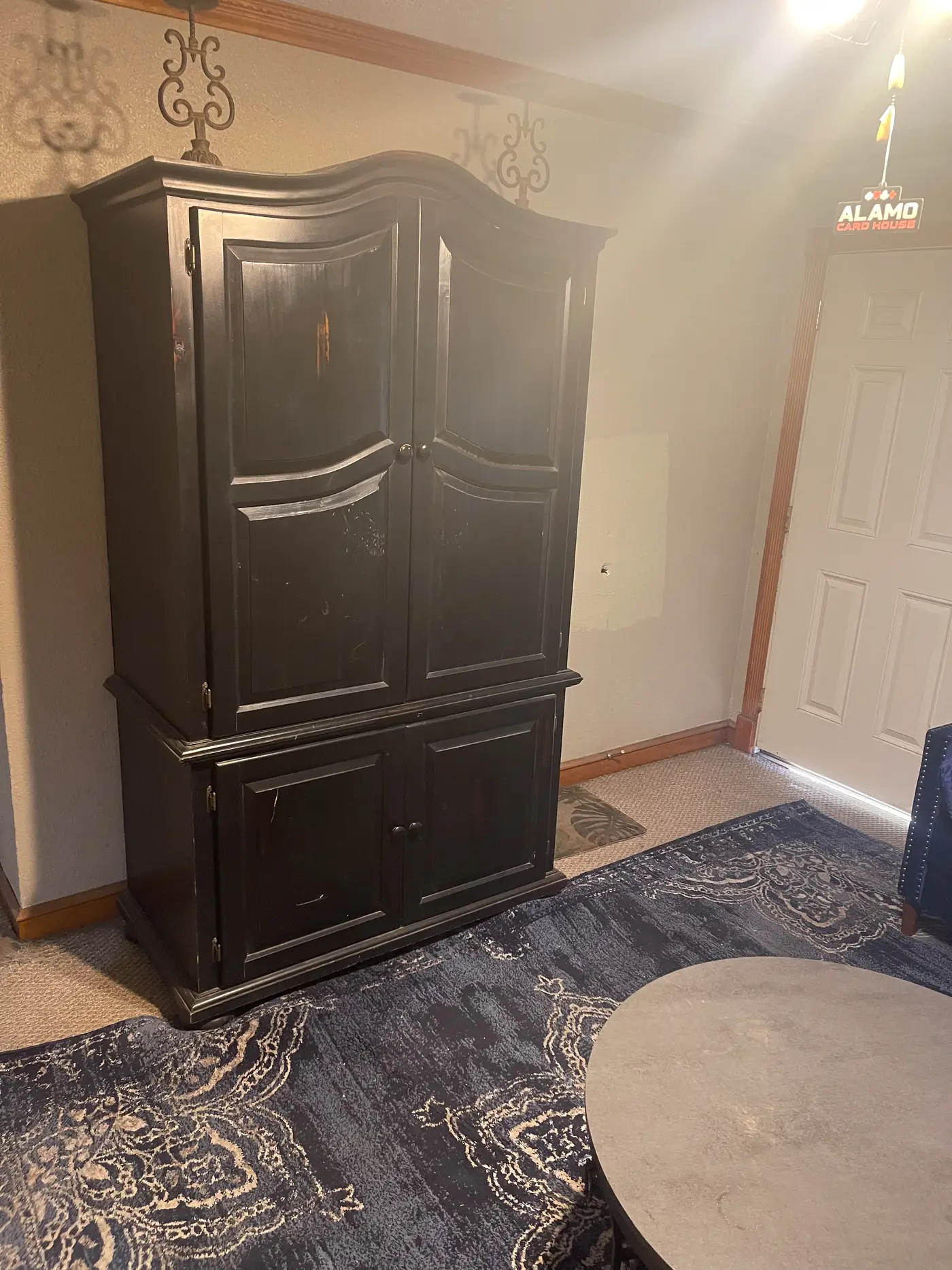
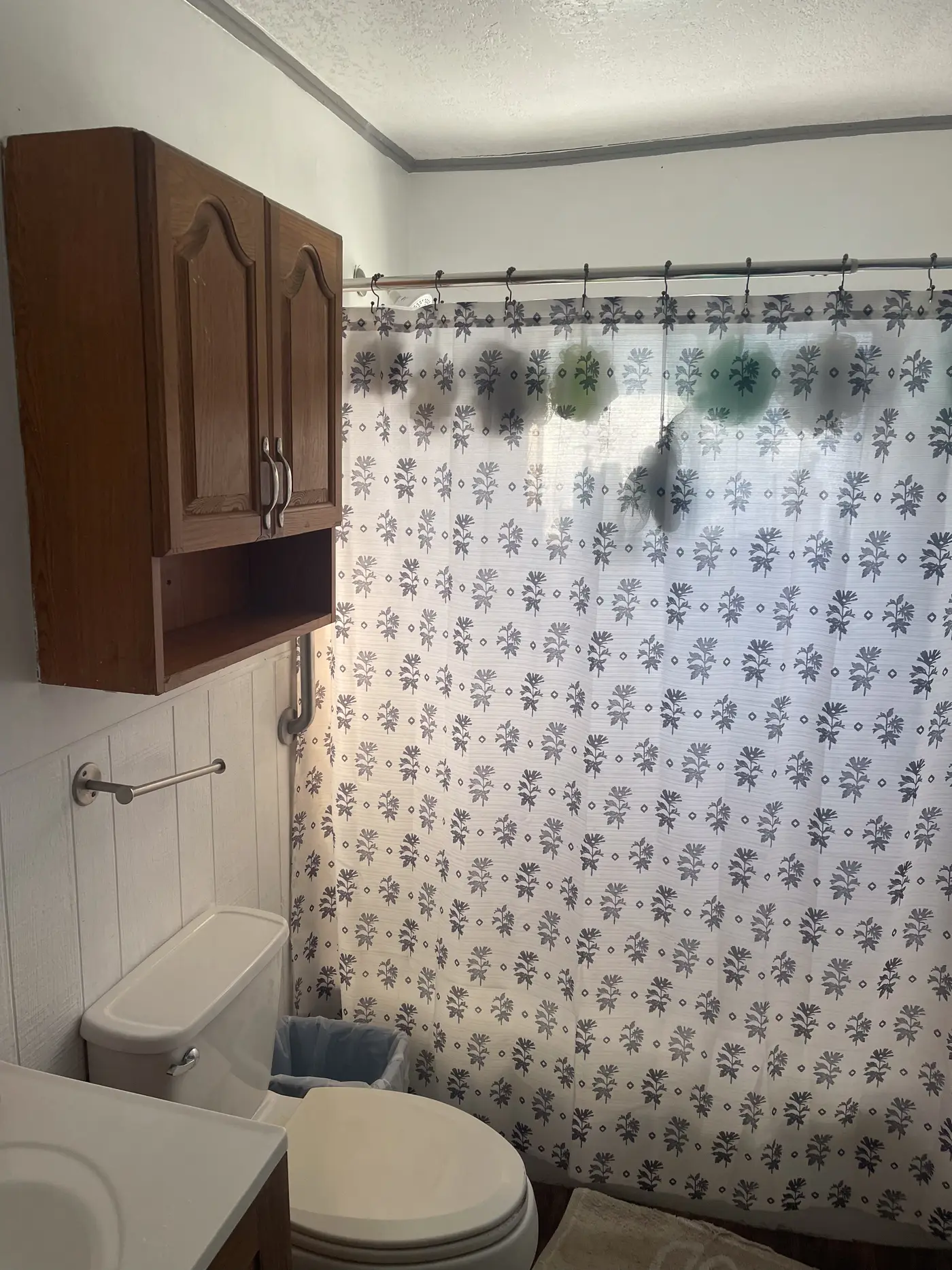
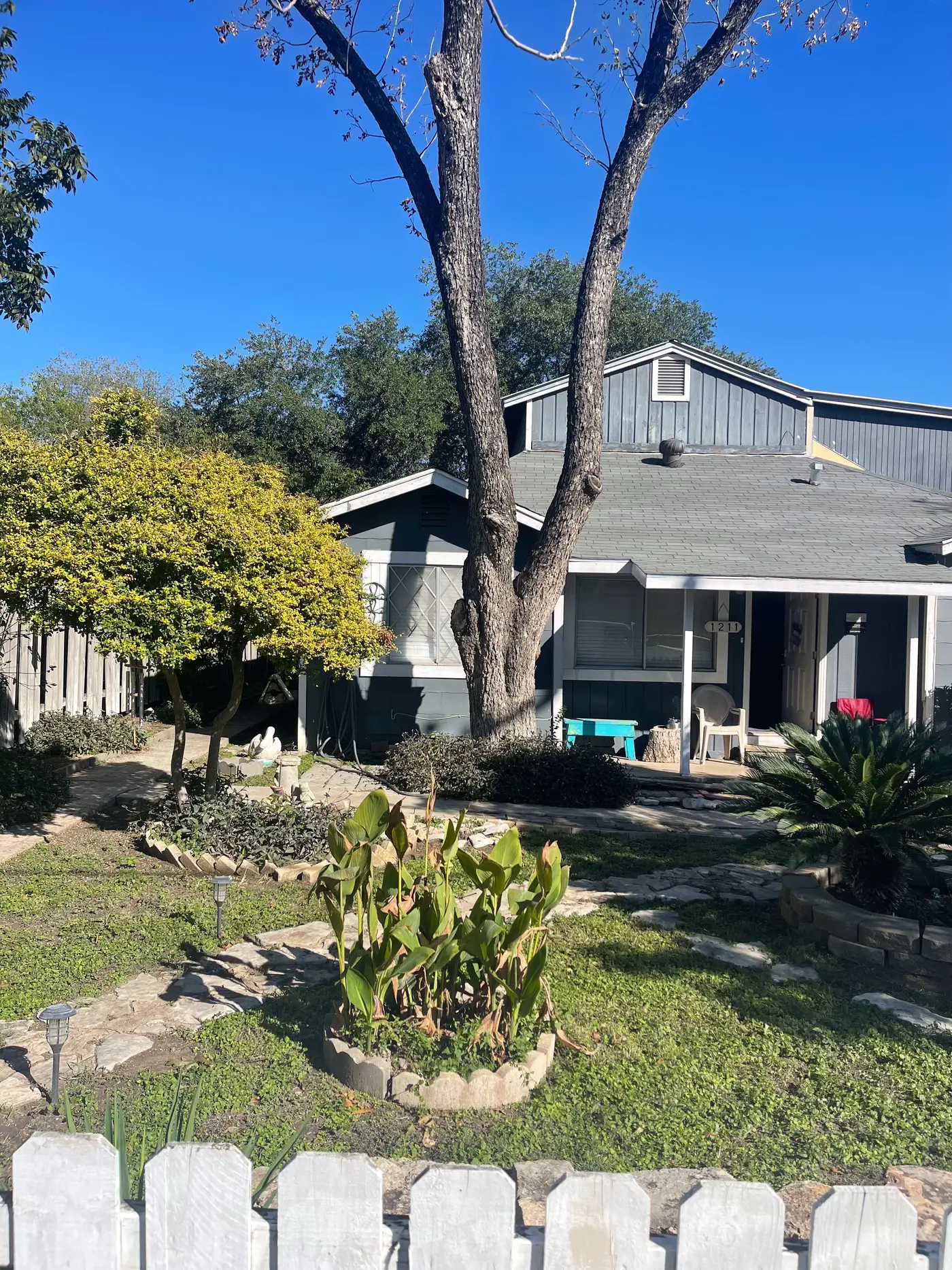
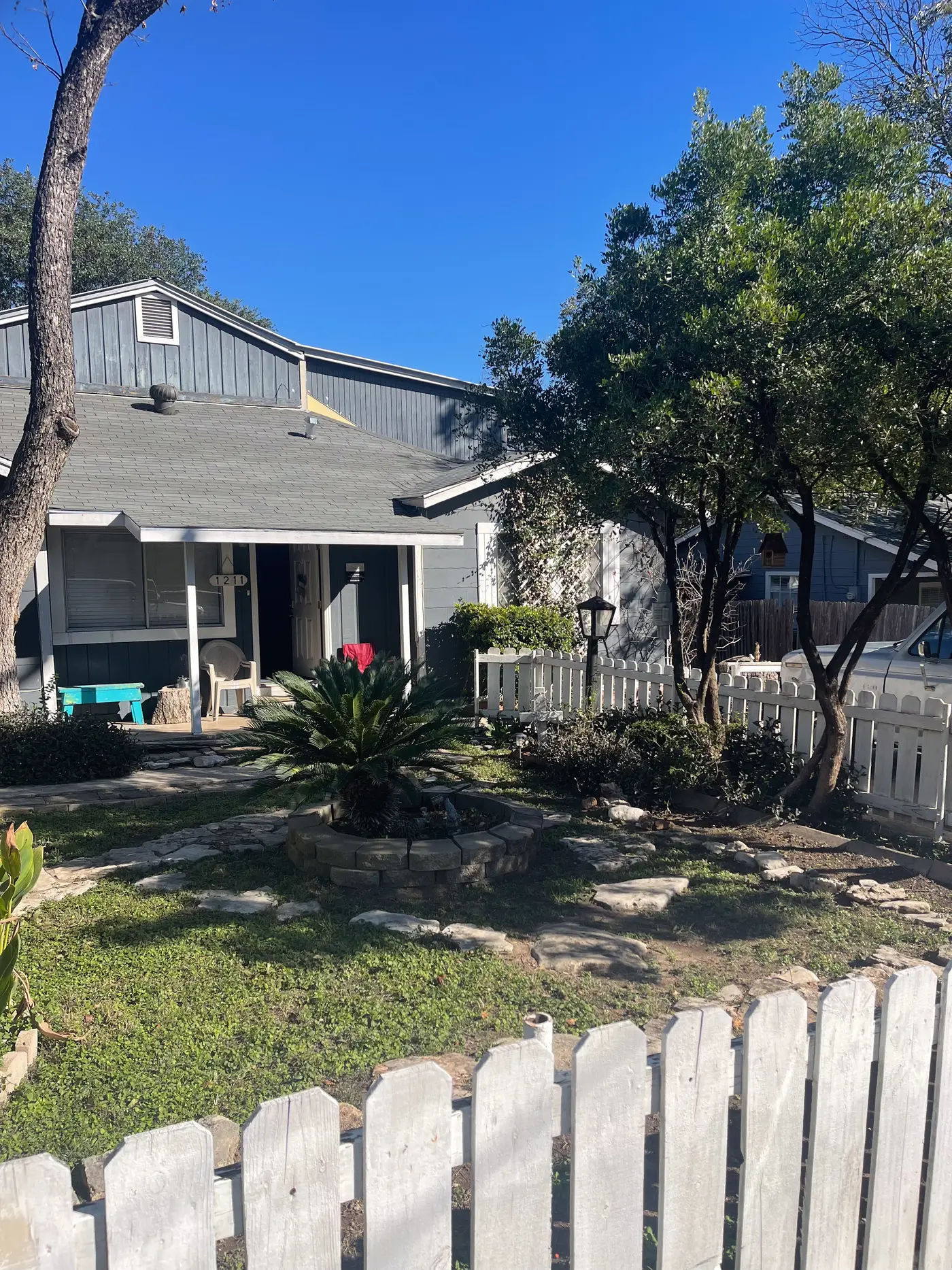
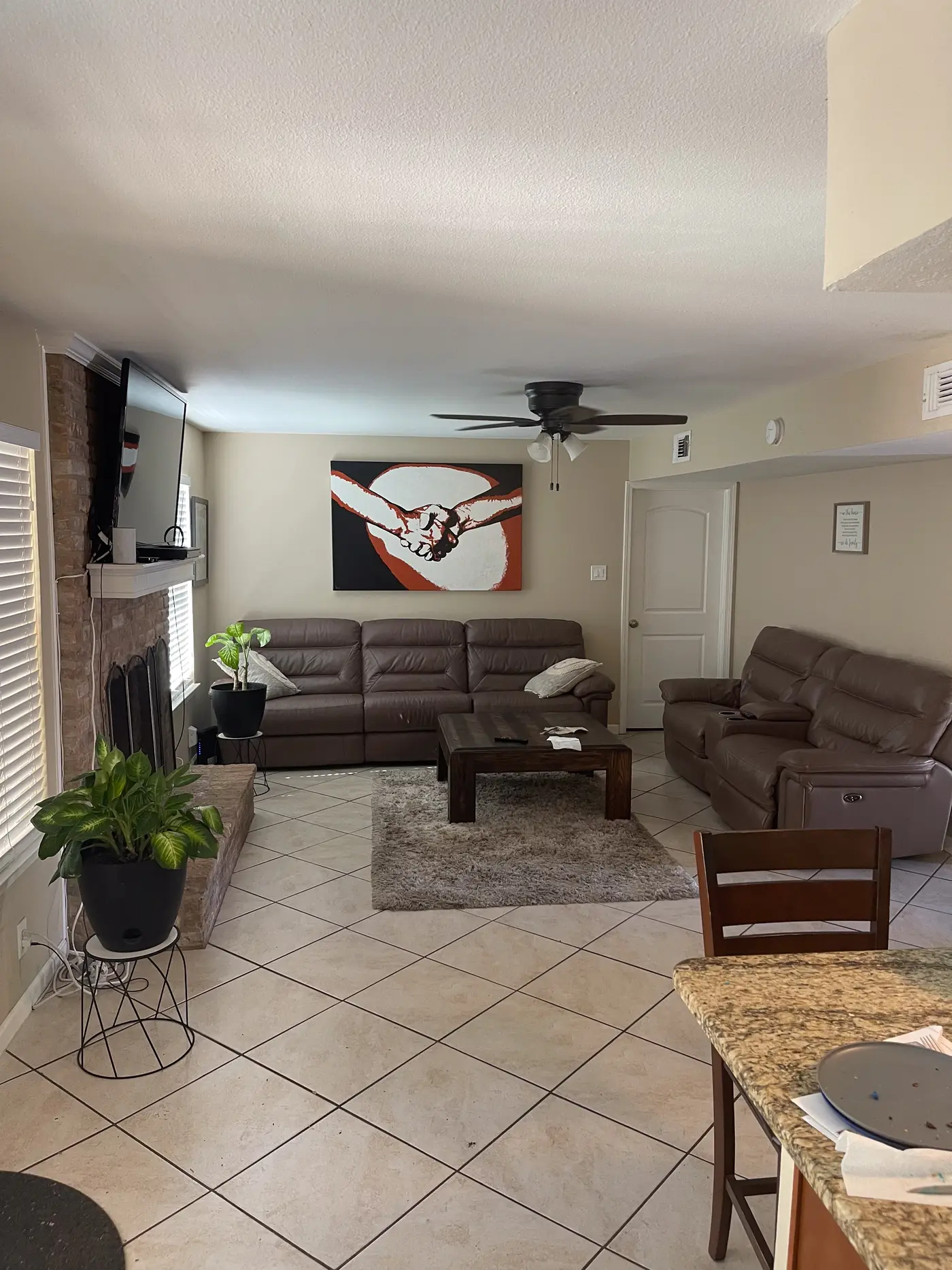
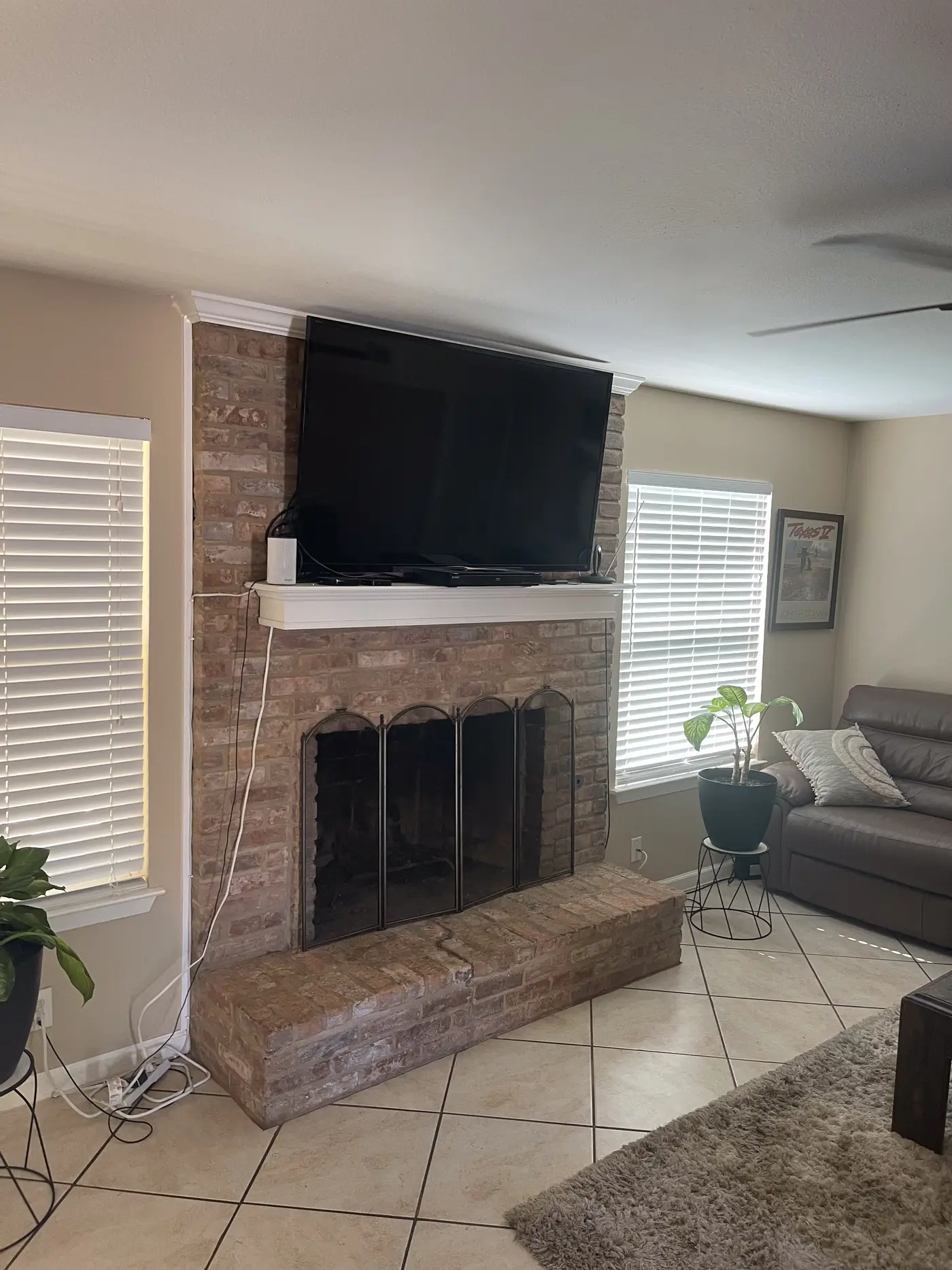
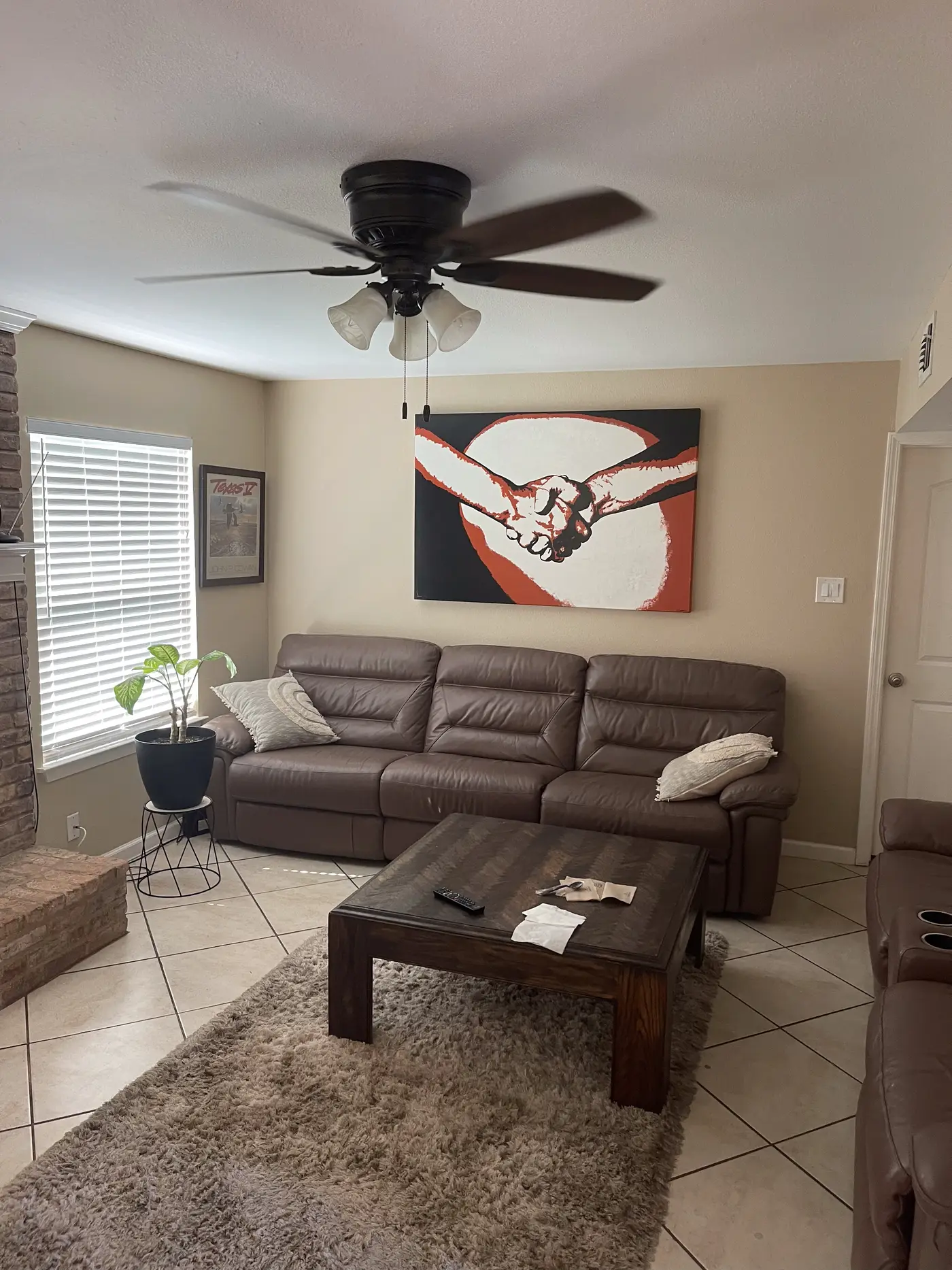
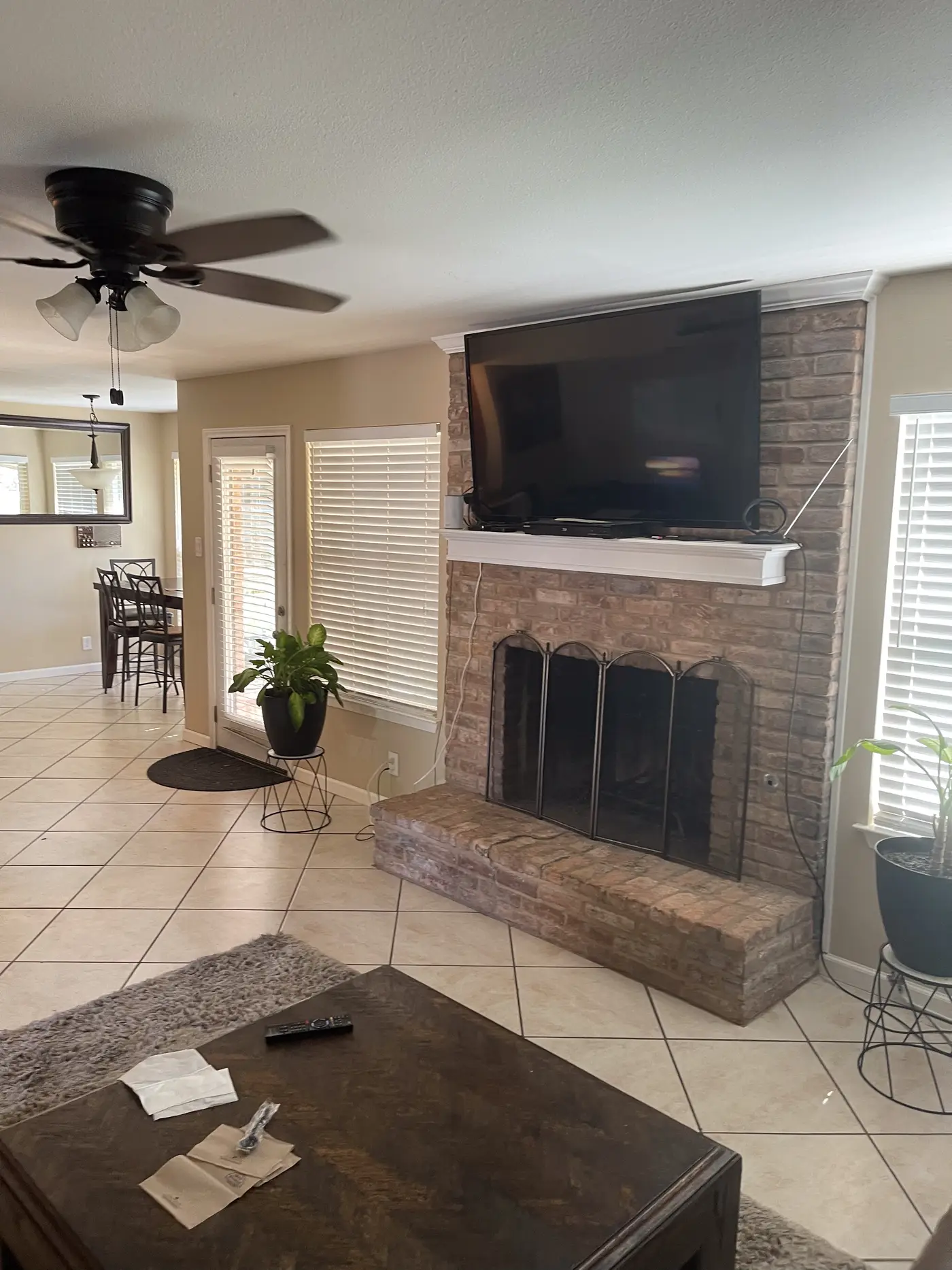
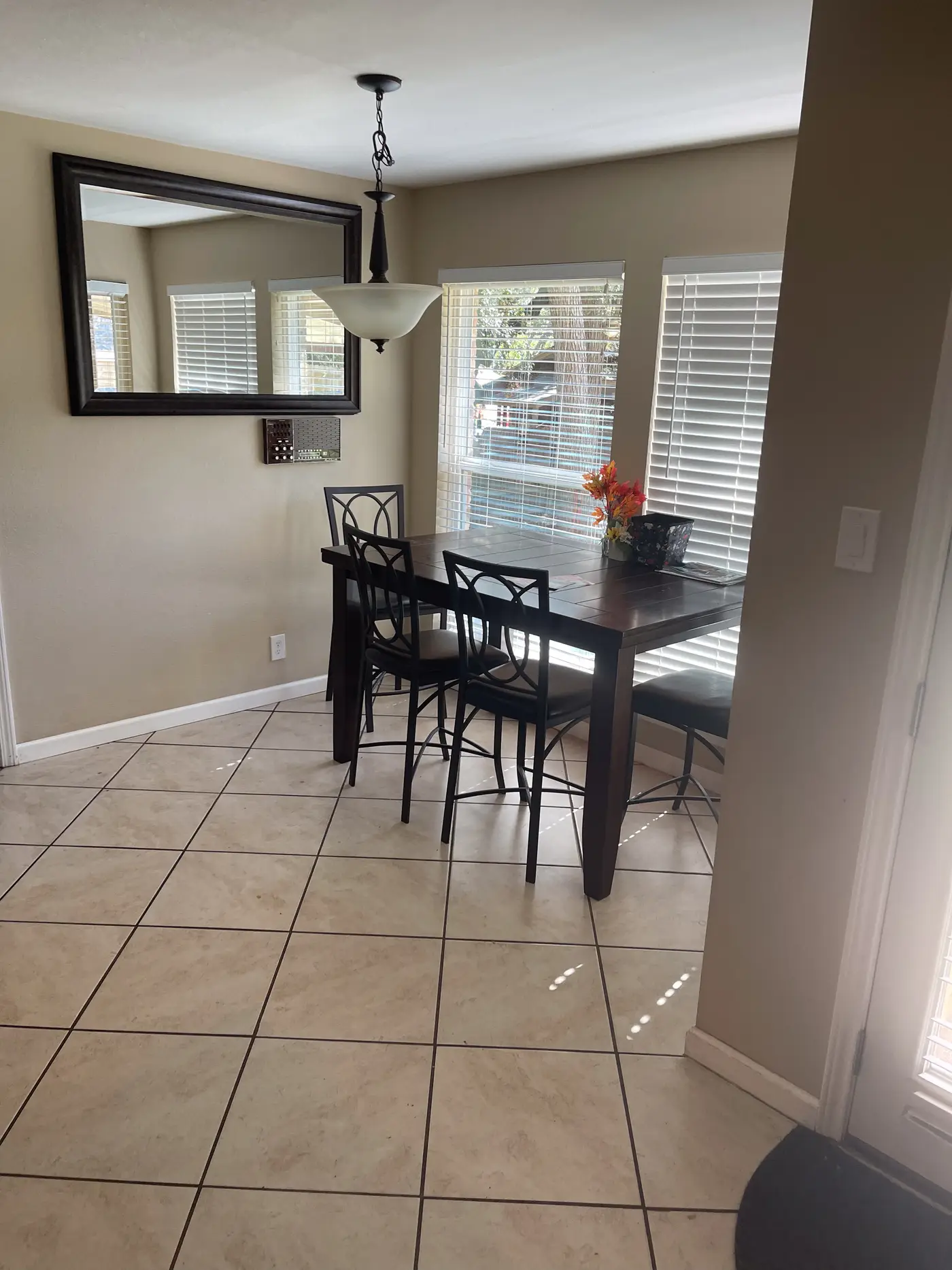
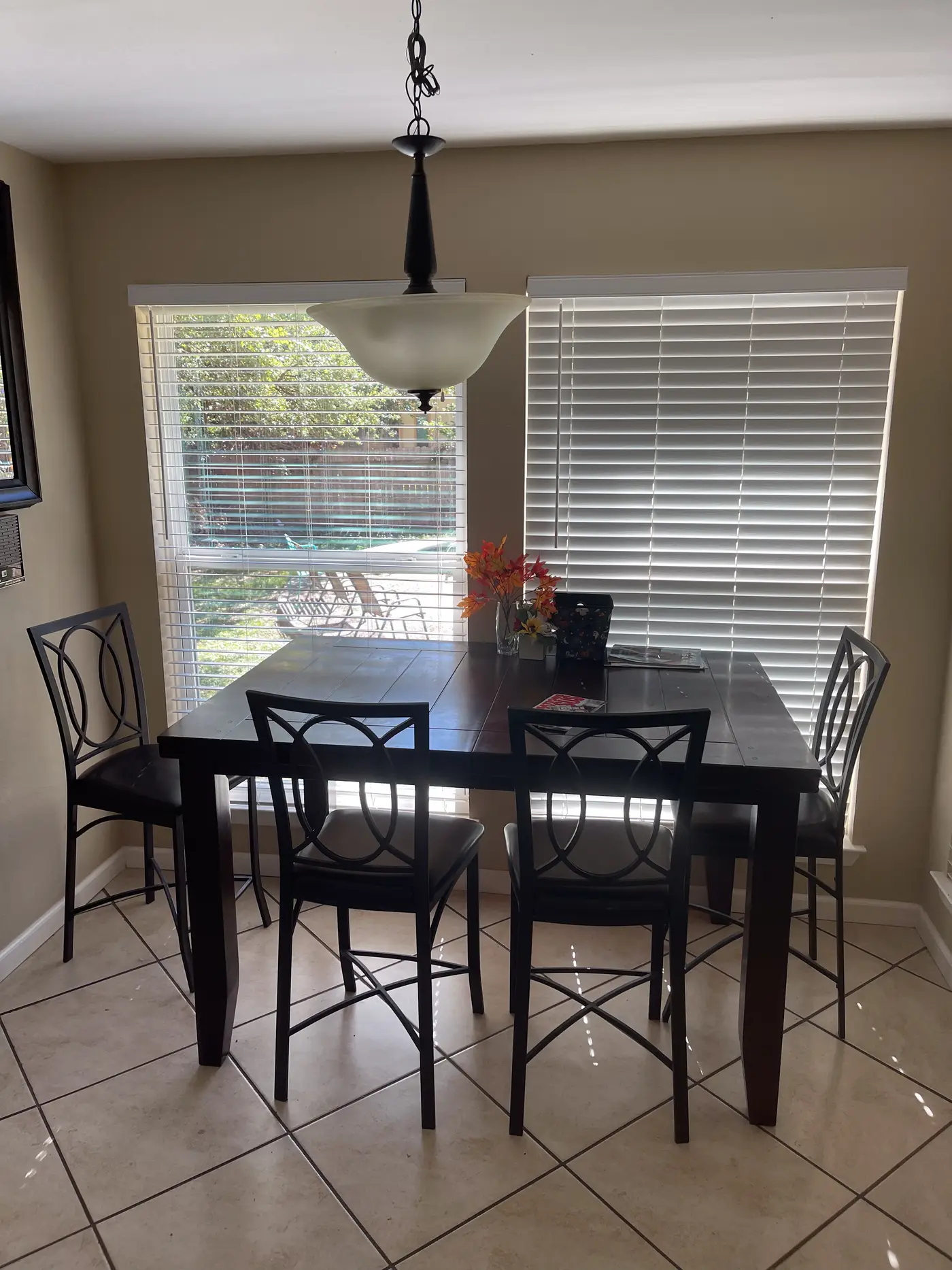

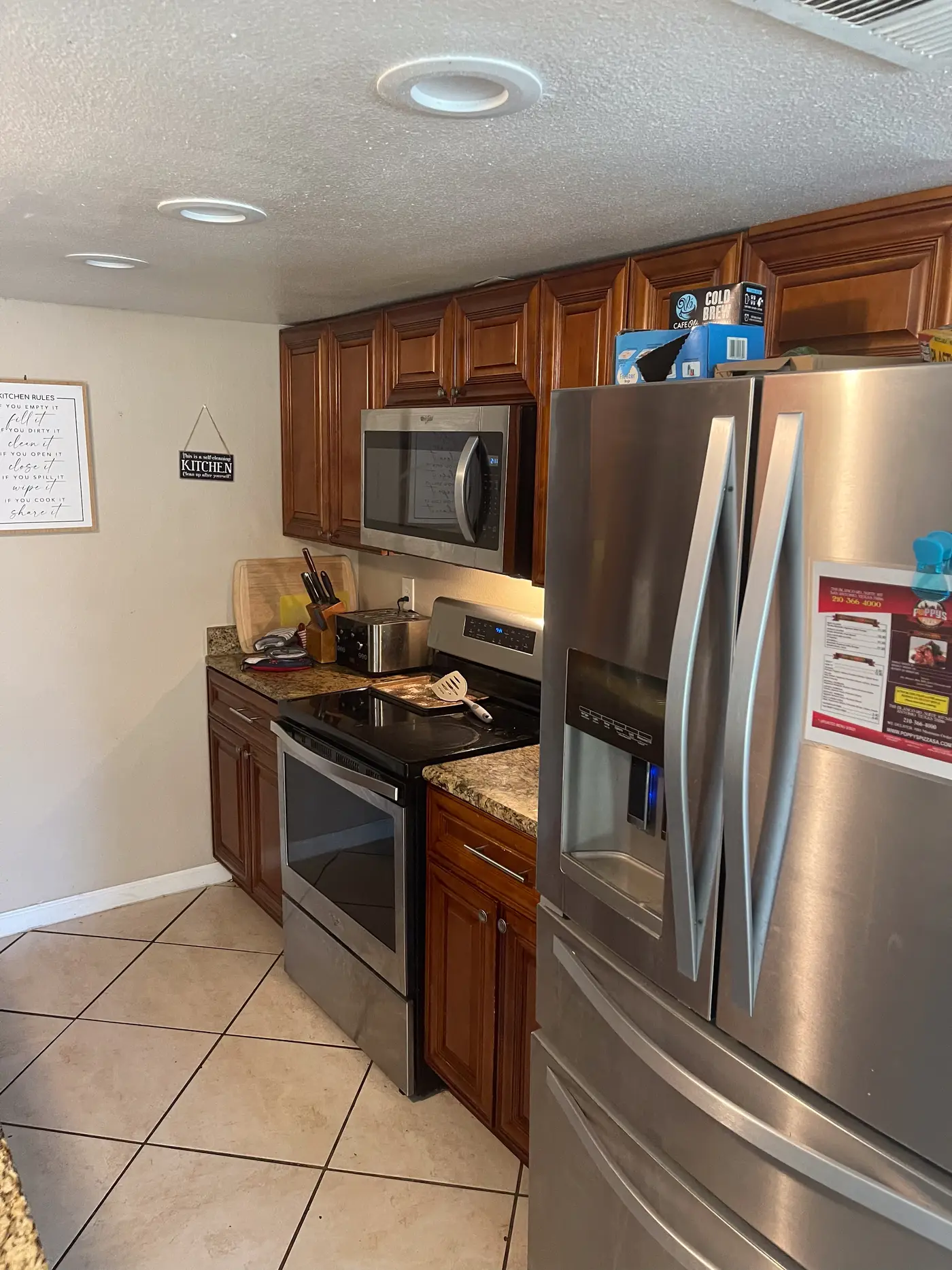

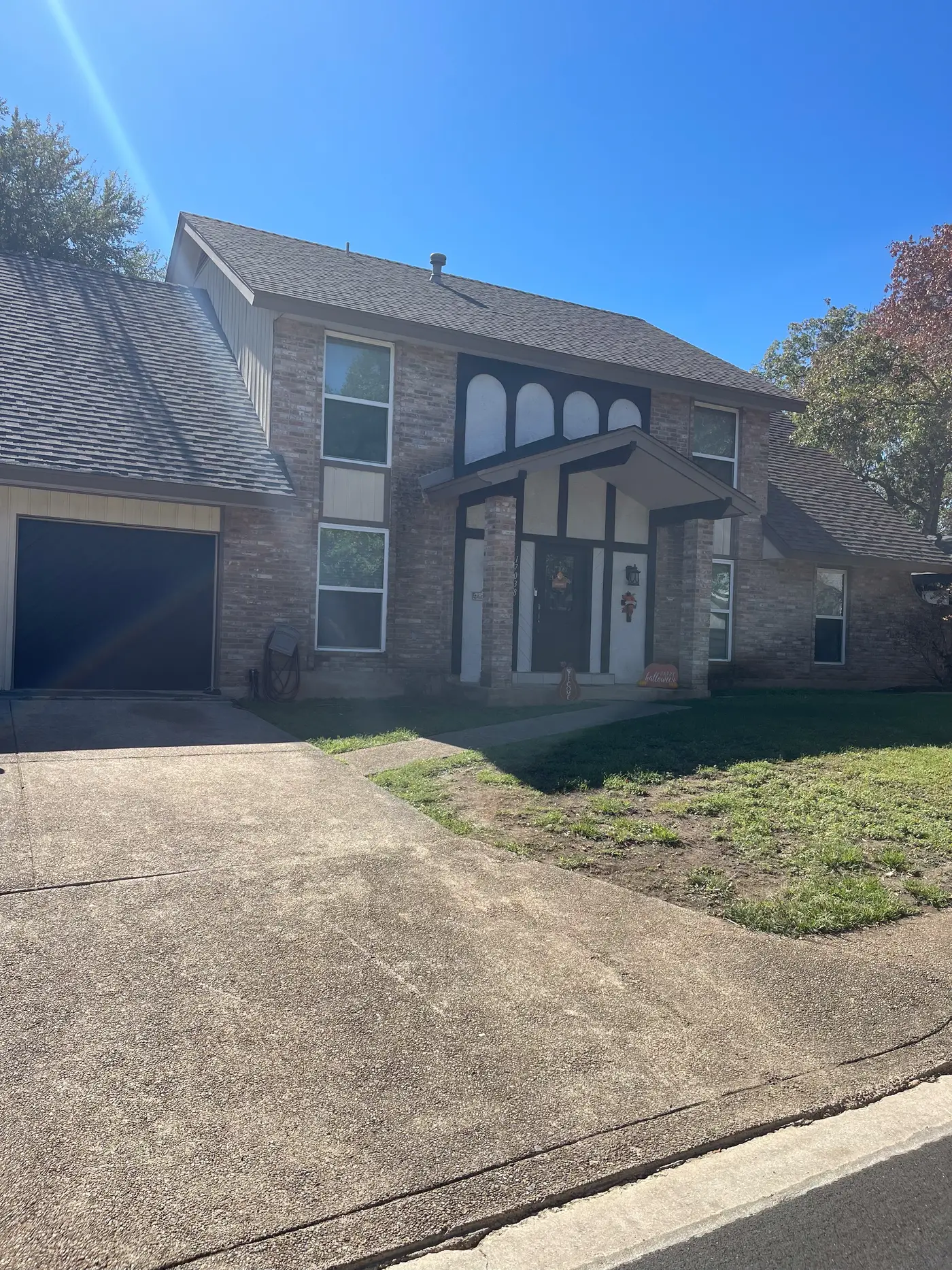
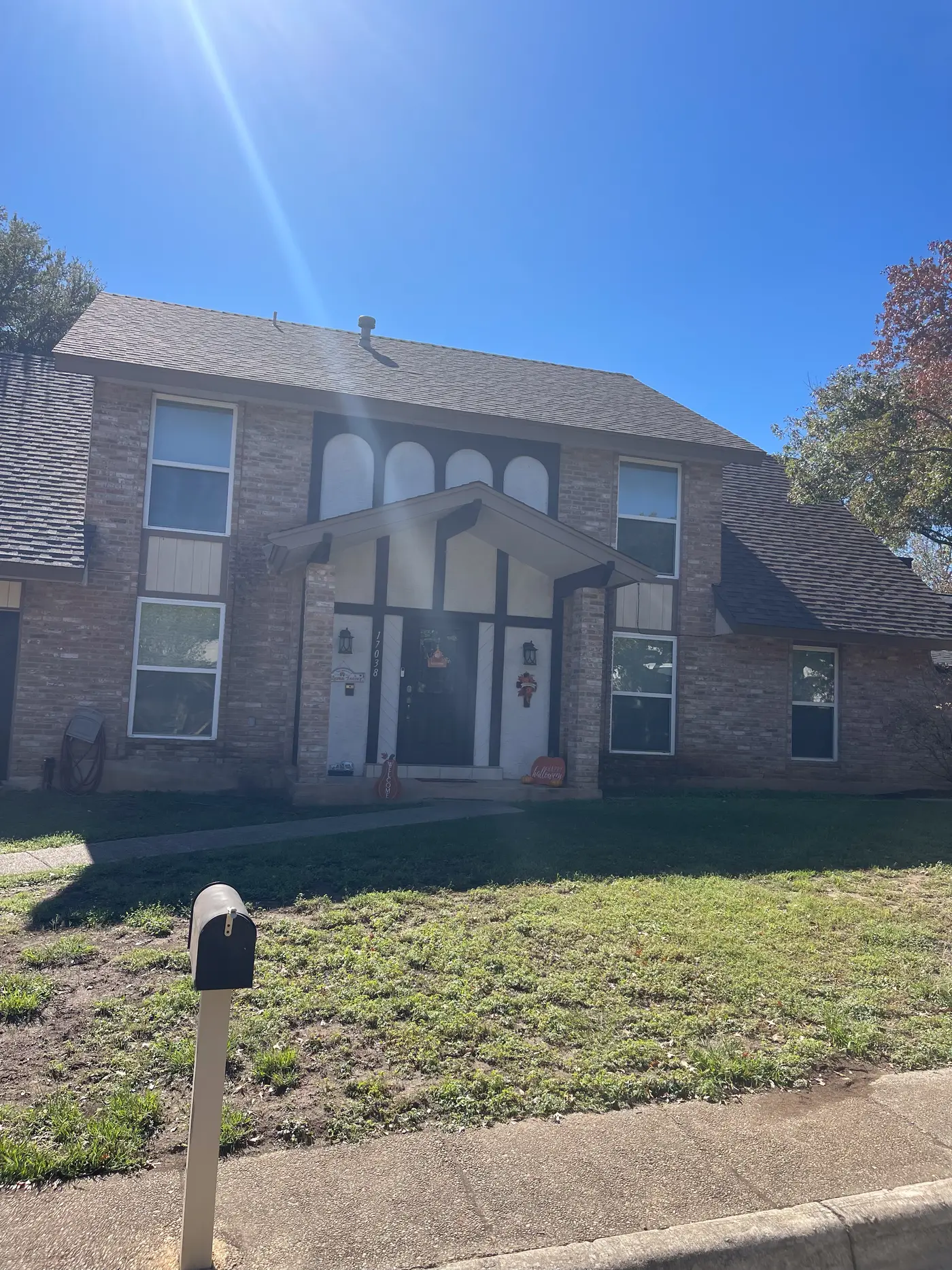
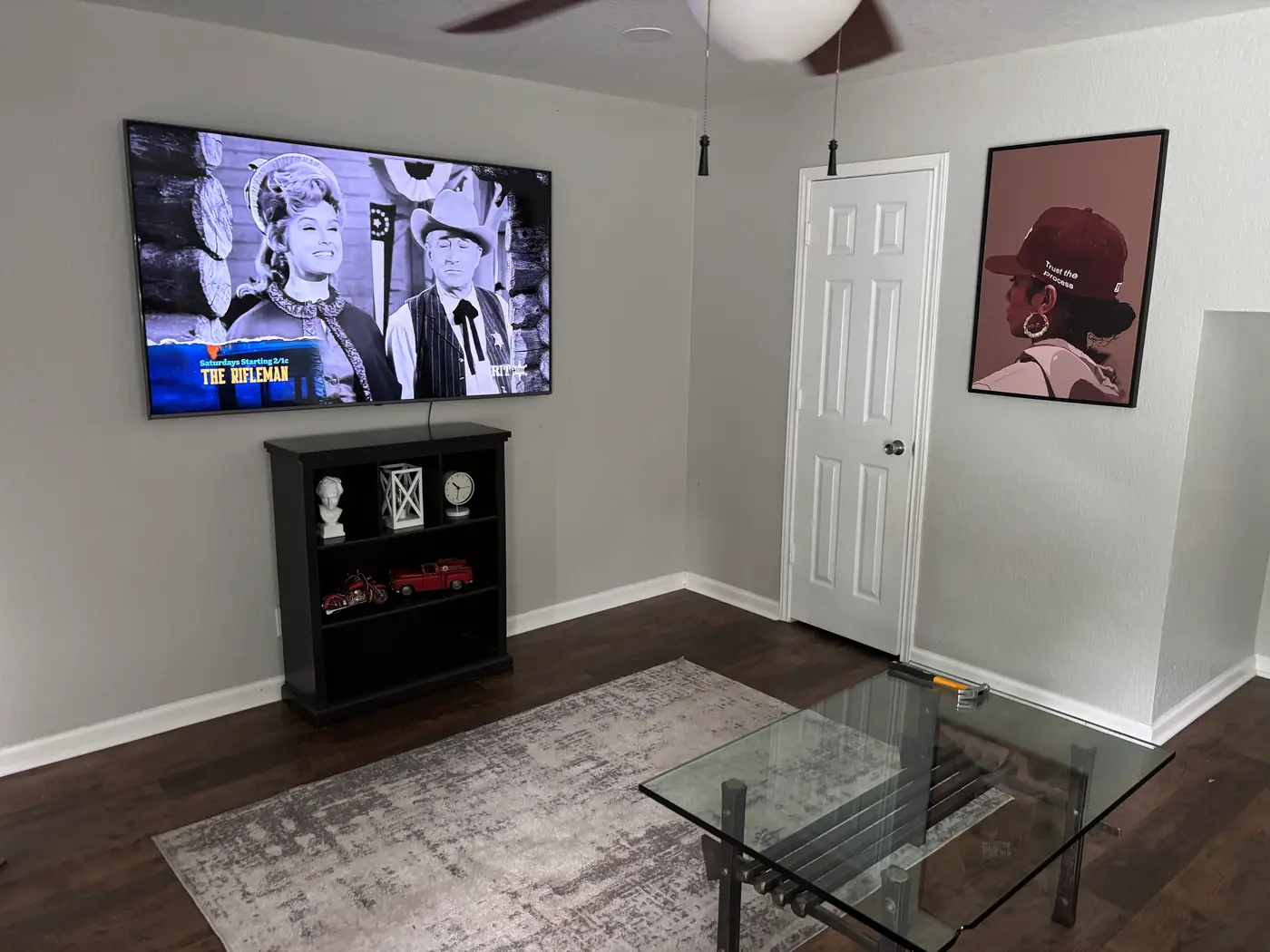
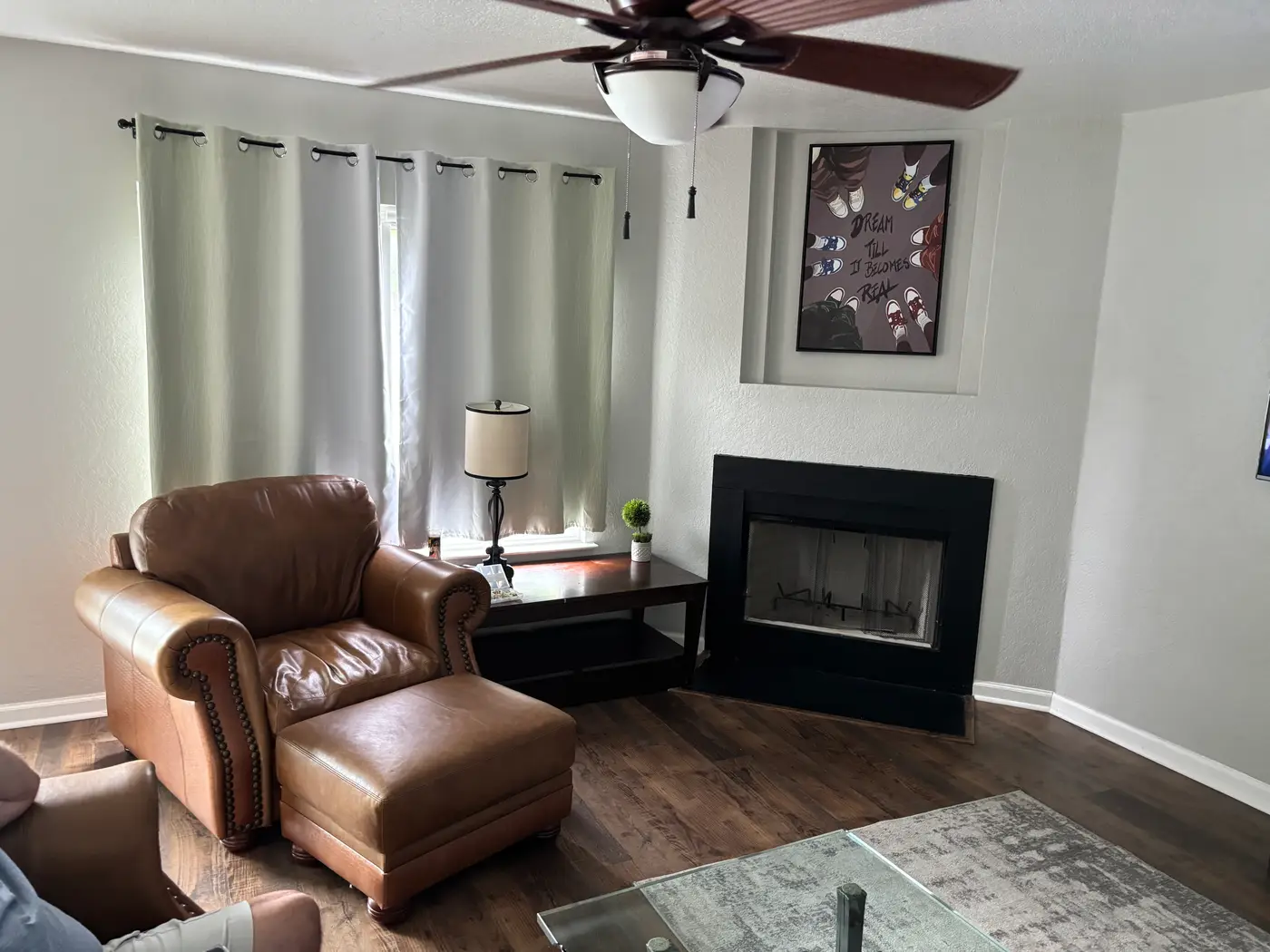
Local resources to start your search (examples, not endorsements)
Use these as starting points while you build a shortlist and make calls/tours:
San Antonio Recovery Center, Sober Living for Women: Program page outlining a women’s sober home with structure, testing, and meeting access.
Eudaimonia Recovery Homes – Women’s Sober Living San Antonio: House page with amenities, neighborhood context, and strong peer‑support positioning.
New Day Recovery Services, Women’s Sober Living: Women‑specific homes in San Antonio with a phase system, plus helpful FAQs.
Deborah’s House (Corazón Ministries): Women’s sober‑living home for those stepping down from inpatient; emphasizes mentoring and employability.
Grace House (faith‑based): Nine‑month transformation program for women with recovery goals.
Oxford House network (peer‑run): Democratically run residences, including houses for women and women with children in San Antonio; check the Texas network or vacancy tool for current openings.
Pro‑tip: Verify recent Availability and rules. Websites can lag behind real life.
What your first month can look like (sample week)
This illustrative schedule shows the supportive environment and structure many homes use; always confirm specifics with the house manager.
Week 1 (Orientation): Paperwork, house tour, chore chart, neighborhood familiarization, meeting list setup; curfew at earliest time; drug test on arrival and randomly.
Week 2 (Stabilize): Begin or continue IOP/Outpatient (3, 9 hrs/week typical); daily check‑ins; 3, 5 recovery meetings; resume work or start job search.
Week 3 (Accountability): Sponsor calls; budgeting lesson; one volunteer shift; house meeting shares your weekly wins & challenges.
Week 4 (Momentum): Curfew extension (if earned), mock interview or school advising, weekend hike or coffee with housemates; review next‑month goals.
Rules & the role of accountability
Expectations are there to protect your recovery and your roommates. Common guidelines include: no substances, no violence/theft, respectful conduct, attendance at meetings, participation in chores, curfews, visitor limits, and periodic testing. Reputable programs apply rules consistently and communicate consequences up front (for trust and stability). This is consistent with sober‑living best practices highlighted by national providers and state affiliates.
Eudaimonia's Success Stories – Real People, Real Freedom
When a treatment center still makes sense
If you’re struggling to maintain sobriety without 24/7 support, or if you’ve had recent relapses, talk with your clinician about whether residential treatment (or partial hospitalization) is indicated before stepping back into sober living. Local programs will outline options across detox, residential, PHP, and outpatient programs, then help you transition to housing when you’re ready.
Frequently Asked Questions (FAQ)
What is a women’s sober living home?A substance‑free, peer‑supported home with rules and accountability that helps women transition from treatment to independent living. It’s not a hospital; it’s housing with structure.
How is sober living different from a halfway house?“Halfway house” is often used for justice‑involved or state‑funded transitional settings; modern recovery residences follow NARR levels (I, IV), emphasizing peer support and house standards rather than incarceration‑related supervision. Always ask each home how they operate.
Do women’s sober homes have a house manager?Most Level II/III homes do. The manager coordinates chores, curfews, testing, and conflict resolution and mentors new residents.
How long can I stay?Many women target 90 days And reassess; faith‑based programs may run 6–9 months. Length should fit your goals, employment, legal requirements, and stability.
What are typical rules?Abstinence, curfew, regular testing, meeting attendance, chores, and respectful conduct. Violations carry consequences that are clearly spelled out.
Is sober living covered by insurance?Insurance rarely pays for “housing.” However, outpatient clinical services you receive while living there may be billable. Ask each home about scholarships and grants; public programs like HUD’s Recovery Housing Program sometimes support recovery housing at the state/local level.
How do I choose a reputable home in San Antonio?Look for adherence to NARR standards or state affiliate guidance (in Texas, TROHN), transparent rules and fees, testing protocols, and strong peer culture. Tour if possible.
Can I work or go to school while in sober living?Yes, most homes encourage employment or education as part of rebuilding routines and independence. Many provider pages spell this out for local programs.
Are there women‑only sober living options in San Antonio?Yes. Examples include provider‑run homes and peer‑run options; start with program pages and Oxford‑style listings to confirm current women’s openings.
What should I bring to move in?ID and medical info, a week of clothing, personal hygiene items, work/school supplies, and any house‑approved bedding. Ask each home for its do/don’t‑bring list; many share this during admissions.
Your Future Is Waiting
Tell us what you are looking for and admissions will walk you through the houses, the phases, and what a room actually costs.


