
Published April 14, 2021 · Updated October 3, 2026
On This Page · 7 Sections
AA chips are small tokens, usually aluminium chips or bronze medallions, that many Alcoholics Anonymous groups hand out to mark time sober. The first is the white chip, for the decision to stop. After that come chips at 24 hours, 30, 60 and 90 days, monthly through the first year, and then a medallion every year after.
They are a custom, not a rule. Alcoholics Anonymous as an organization does not make or require them. Groups buy them from independent suppliers, so colors and intervals vary from one meeting to the next. The order below is one of the most common.
AA chips in order: colors and meanings
| Chip | Sober time | What it marks |
|---|---|---|
| White | Day one, or starting again | The “desire” or surrender chip: a commitment to try, given at your first meeting or after a relapse. |
| Silver | 24 hours | Used by some groups for the first full day. |
| Red | 30 days | The first month. |
| Gold | 60 days | Two months. |
| Green | 90 days | Three months, often the first big milestone. |
| Purple | 4 months | |
| Pink | 5 months | |
| Dark blue | 6 months | Half a year. |
| Copper | 7 months | |
| Red | 8 months | |
| Purple | 9 months | |
| Gold | 10 months | |
| Green | 11 months | |
| Bronze medallion | 1 year | The first anniversary, then one medallion a year after that. |
If your group uses different colors, it is not doing it wrong. Ask the person running chip night, or your sponsor, what your group uses. For more on the first anniversary specifically, see what the 1-year AA coin means.
What is the white chip in AA?
The white chip is the one you do not have to earn. It is offered at the start of the meeting to anyone who wants to stop drinking, whether it is their first day or their first day again after a relapse. Taking it says “I want to try,” not “I have done it.” Many people say it is the hardest chip to pick up and the one they keep longest.
NA key tags in order
Narcotics Anonymous marks the same milestones with key tags instead of chips:
- White: welcome, or starting again
- Orange: 30 days
- Green: 60 days
- Red: 90 days
- Blue: 6 months
- Yellow: 9 months
- Glow in the dark: 1 year
- Gray: 18 months
- Black: multiple years
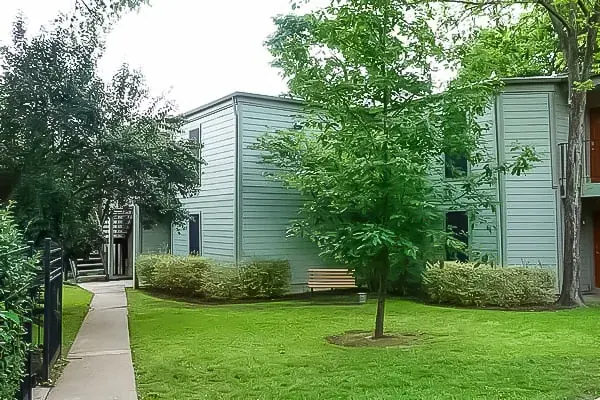
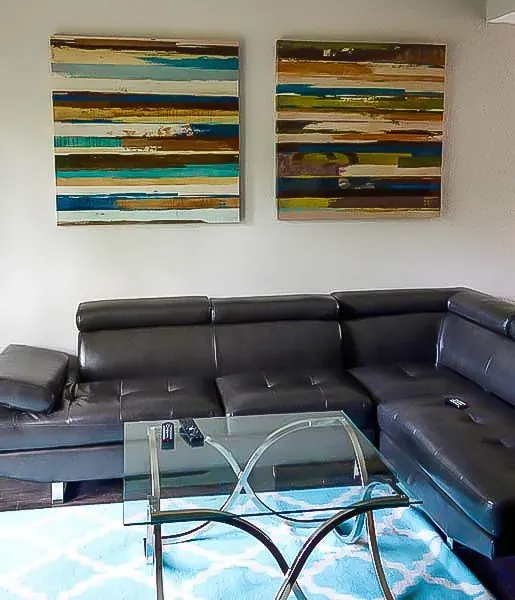
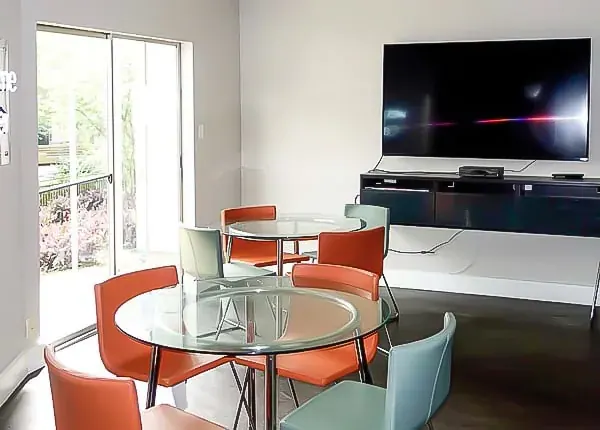
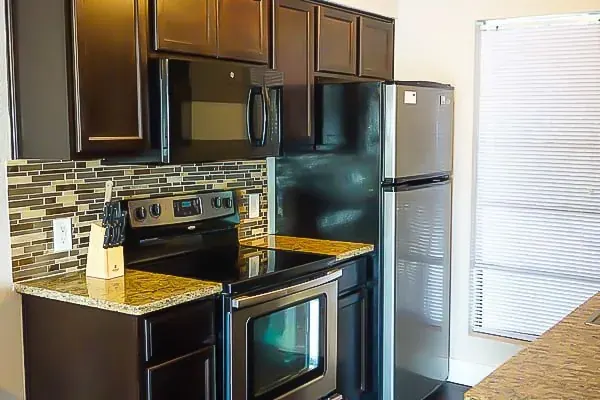
Inside Rustic Creek, our Austin flagship




Where did AA chips come from?
The custom is usually traced to an AA group in Indianapolis in 1942, and spread from group to group from there. An earlier influence is often credited to Sister Ignatia, a nun who worked with AA co-founder Dr. Bob at St. Thomas Hospital in Akron. She gave patients leaving the hospital a small medallion and asked them to return it to her before they took a drink.
Today the familiar bronze medallion carries the AA triangle and the words unity, service and recovery. We explain that symbol in the unity, service, recovery coin.
How do you get an AA chip?
At a meeting. Many groups hold chip or medallion presentations once a month, or near the start of each meeting, and ask whether anyone is celebrating a milestone. You say so and walk up; nobody checks. If your home group does not give chips, a nearby group that does will usually be glad to, and some people buy their own or are given one by a sponsor. If you have not been to a meeting yet, what to expect at your first AA meeting covers it.
What people do with them afterwards varies: a pocket, a keychain, a nightstand, or a holder for the collection. See AA coin and medallion holders, or personalized sobriety chips if you are looking for a gift.
If you are working toward your early chips
The 24-hour, 30, 60 and 90-day chips mark the part of recovery when where you sleep matters most. If home is where you used to drink, or the people there still do, picking up a chip at a meeting and going back to that house every night is a hard way to string days together.
That is the gap sober living is for. At our houses, every resident commits to keeping the house free of alcohol and drugs, taking part in testing, going to three recovery meetings a week and getting a sponsor. You live with other people who are counting days too. It is housing, not treatment, and you pay rent like anywhere else.
If that sounds like what you need, see where our houses are, apply online, or call (713) 818-2361 and ask what is open.