
Published January 2, 2026 · Updated July 27, 2026
Key Takeaways
- Recovery coins mark milestones and can serve as a portable reminder of progress and ongoing commitment.
- Personalization adds meaning by using details like initials, dates, or brief messages while still supporting privacy.
- Design options vary across engraving, artwork, and materials, which can affect readability, durability, and feel.
- Plan a 1-year chip by choosing a clear milestone format and deciding whether the coin will be carried daily or displayed.
- Avoid ordering mistakes by proofing spelling and dates, submitting clean artwork files, and planning for production time.
- Care keeps coins readable by reducing scratches, limiting harsh cleaning, and using protective storage when needed.
- Structured support helps reinforce routines and accountability, especially around milestone dates that can feel emotionally intense.
- FAQs clarify details about common terminology, milestone traditions, customization, and “official” item questions.
On This Page · 26 Sections
Personalized sobriety chips and custom recovery coins are small objects, but they can carry a lot of meaning. People use them to mark a date, recognize steady progress, or hold onto a reminder that is easy to keep close. Some tokens follow familiar recovery designs, while others are created from scratch with a personal message, an anniversary date, or a symbol that fits the individual. This guide explains how custom AA coins and custom sobriety coins are typically designed, what “engraved AA medallions” usually include, and how to plan a personalized piece that feels intentional rather than generic. It also covers practical details: like what information to engrave, how to avoid ordering mistakes, and how to care for a coin or chip over time.
What recovery coins and sobriety chips represent
Recovery coins and sobriety chips are commonly used as milestone markers. In many groups, a chip or coin may be given for early sobriety and then again at set intervals. The token is not the recovery itself, but it can function as a physical reminder of a commitment that is otherwise invisible.
If you want a practical breakdown of common chip milestones and why colors can vary by group, see our sobriety coin guide.
If you are trying to connect with a local group where sobriety chips may be shared, use our AA meetings near me guide to find in-person and online options.
Chips, coins, tokens, and medallions are often the same idea
Different communities use different terms. “Sobriety chip,” “AA coin,” “token,” and “medallion” often refer to a small, round piece made from metal or plastic that marks time in recovery, and many are designed to be carried day to day. Many classic AA-style chips include familiar elements such as the circle-and-triangle symbol, the “Unity, Service, Recovery” framing, and the Serenity Prayer on the reverse.
For more context on the words and symbols commonly seen on these tokens, read our guide to Unity, Service, and Recovery coin meaning.
Common milestones and formats
Recovery communities frequently recognize milestones at 24 hours, then by months, and then by yearly anniversaries. Manufacturers produce some coins in standard sizes and thicknesses, and they design many to be pocket-friendly so people can carry, handle, and check them during moments that feel high risk.
Why people choose personalized sobriety chips
A standard chip can be meaningful on its own, but personalization can make the token more specific to the person receiving it. That specificity is often the point of a custom recovery coin: it turns a generic milestone object into a personal record.
If ongoing community support is part of your plan, our recovery meetings resource page lists meeting options and explains how groups can support routine and accountability.
Personal details can be added without sharing more than necessary
Personalization does not require full names, long messages, or identifying details. Many people choose initials, a month and year, or a short phrase that is meaningful to them. If privacy is a priority, it is possible to use wording that signals the milestone without revealing the person’s identity. The goal is clarity for the person who owns the coin, not public recognition.
Personalized coins are often used as gifts
Custom sobriety coins are commonly used as gifts between people in recovery. A sponsor might give a coin to a sponsee, a family member might mark an anniversary, or a group might present a chip at a meeting. Personalization can make a gift feel less like a purchase and more like a deliberate acknowledgment.
Design options for custom AA coins and custom recovery coins
“Custom” can mean several different things. In practice, custom sobriety chips may be metal coins, thicker chips, or tokens made for pocket carry. Sometimes “custom” simply means engraving a name or date on a standard design. Other times it means building a coin from the ground up: choosing materials, colors, images, and text placement for both sides.
Engraving: names, dates, and short messages
Engraving is one of the most common forms of customization. People often use engraving to add a sober date, an anniversary date, a first name, initials, or a short message. Because engraving space is limited, most successful designs keep the text brief and legible. A good rule is to choose one main line of text and one supporting detail, rather than trying to include a full paragraph.
Artwork, photos, and two-sided layouts
Some personalized sobriety coins include uploaded artwork or a photo on one side, with text on the other. This style works well when the goal is to capture a personal image, a group logo, or a symbol that does not translate well into words. If a coin has two sides, it helps to decide which side carries the official milestone information (such as the year or date) and which side holds the personal element (such as a photo or message).
Materials and finishes
Manufacturers make custom sobriety coins from several metals, including brass, aluminum, and zinc alloy. Designers choose finishes such as shiny, matte, or antique styles, and they leave surfaces plain or fill them with enamel color. Some designs add an epoxy dome for a raised, glossy look, while others use glitter effects or two-tone plating to create contrast. These choices affect durability, texture, and readability, so choosing a style that matches how someone will use the coin matters.
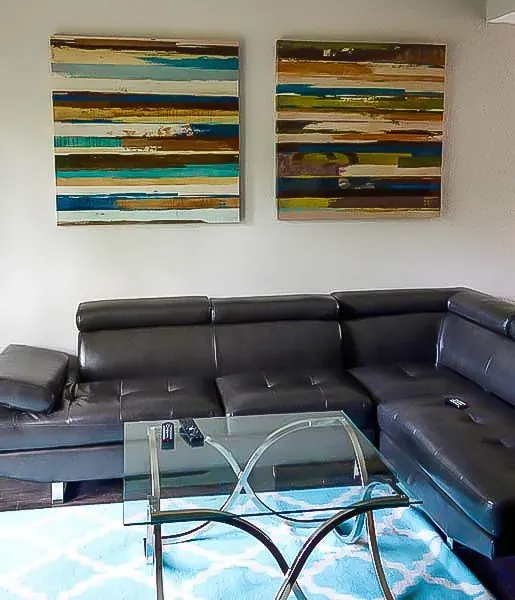
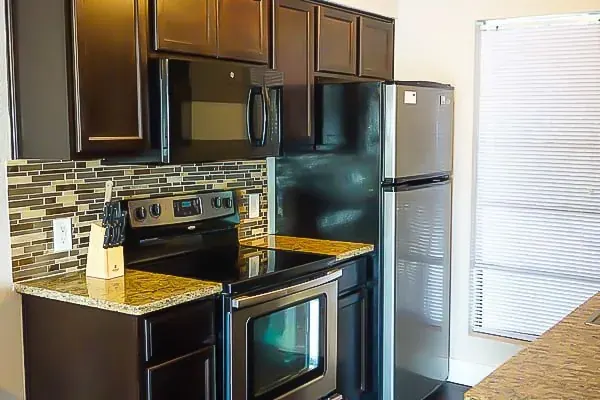
Inside Rustic Creek, our Austin flagship






Eudaimonia's Success Stories – Real People, Real Freedom
Planning a custom 1 year AA chip
A custom 1 year AA chip is a common request because one year is a milestone that many people want to mark in a lasting way. The design process is usually easier if the coin is planned around a small set of decisions.
If milestones bring up stress or trigger awareness, our guide on how sober living homes help prevent relapse explains common ways people build structure and support around higher-risk periods.
Decide what “one year” will look like on the coin
One-year designs often include “One Year,” “1 Year,” or a Roman numeral. Some include the sobriety date, while others focus on the anniversary date (which may be the same). If the coin already has a year marker on the front, the back is often used for a name, initials, or a short message
Keep the engraving readable and verifiable
Dates should be written in a format that is easy to verify later. For example, “04-04-2013” is clear, but so is “Apr 4, 2013.” The most important thing is consistency. If a coin includes both a date and a message, consider placing the date in a dedicated line or area so it does not blend into other text.
Consider whether the coin will be carried or displayed
A pocket coin needs durable finishes and edges that feel comfortable. A display coin can be larger, more detailed, and more decorative. Thinking about daily use can prevent design choices that look good in a mockup but wear down quickly in real life.
Ordering tips for engraved AA medallions and custom sobriety coins
Custom work tends to be less forgiving than standard products because it ties the final item directly to personal information. The ordering process is usually straightforward, but small mistakes can create lasting frustration.
Confirm details before submitting an order
Before you submit an engraving request, re-check spelling, numbers, and date formatting. Many sellers treat custom items as final sale because personalization prevents resale. That is why proofing is not just a formality; it is quality control.
Provide clean source files when artwork is involved
If a design includes a logo, photo, or custom graphics, the print quality depends heavily on the file provided. Most manufacturers accept high-resolution images in formats such as PDF, AI, or clear JPG files. Some manufacturers create custom coins from brass blanks, print the design directly onto the surface, and seal the coin with a protective finish, so the source image matters more than it would on paper.
Keep expectations realistic for timelines
Personalized items often require production time beyond standard shipping. Some manufacturers can produce custom orders quickly once they approve the final files, while other custom manufacturing orders have longer lead times. If a coin is needed for a specific anniversary date or meeting, it helps to order early enough to allow time for revisions or proofing.
Caring for personalized sobriety coins
A coin you handle every day will naturally show wear over time. Some people prefer that patina, while others want to keep the surface crisp. Either approach is valid, but care choices should match the goal.
Storage and everyday carry
A coin capsule or protective sleeve can reduce scratching, especially for coins with printed artwork or glossy finishes. Some manufacturers package custom products with a capsule or display option, and many recommend keeping the coin protected when possible. Carrying a coin loose with keys or other metal objects makes scratches more likely.
Cleaning without damaging the finish
When you need to clean a coin, start with a soft cloth. Harsh chemicals and abrasive pads can remove plating or dull enamel. If a coin has an engraved area, dirt can collect in recessed letters; gentle wiping usually solves the problem without affecting the design.
How Eudaimonia Recovery Homes Supports Recovery Milestones
Eudaimonia Recovery Homes supports people interested in personalized sobriety chips and custom AA coins by helping them build steady routines that reflect those milestones. In a structured sober living environment, residents can focus on daily choices that add up over time, rather than relying on motivation alone.
Supportive peers and accountability can make it easier to stay engaged with meetings, recovery goals, and practical responsibilities. As progress builds, a sobriety chip or custom recovery coin can serve as a simple, portable reminder of the work completed and the commitments that continue. Eudaimonia Recovery Homes can also help residents think through realistic milestone planning, including how to handle triggers around anniversaries and how to celebrate safely.
For people who want a more personal token, staff and peers can encourage thoughtful choices about what to engrave, such as a date, a brief message, or a private symbol that reinforces values. The goal is to keep the focus on sustained recovery behaviors while allowing the coin or chip to reflect the individual’s experience. Over time, these personalized markers can fit into a broader plan that includes community support, consistent structure, and long-term accountability.
A structured sober living setting commonly relies on house rules and peer accountability to support a substance-free home (NARR recovery residence standards).
To understand how structure, routines, and accountability are typically built into this level of support, read our overview of what sober living is.
Your Future Is Waiting
Tell us what you are looking for and admissions will walk you through the houses, the phases, and what a room actually costs.