

Published July 1, 2026
On This Page · 10 Sections
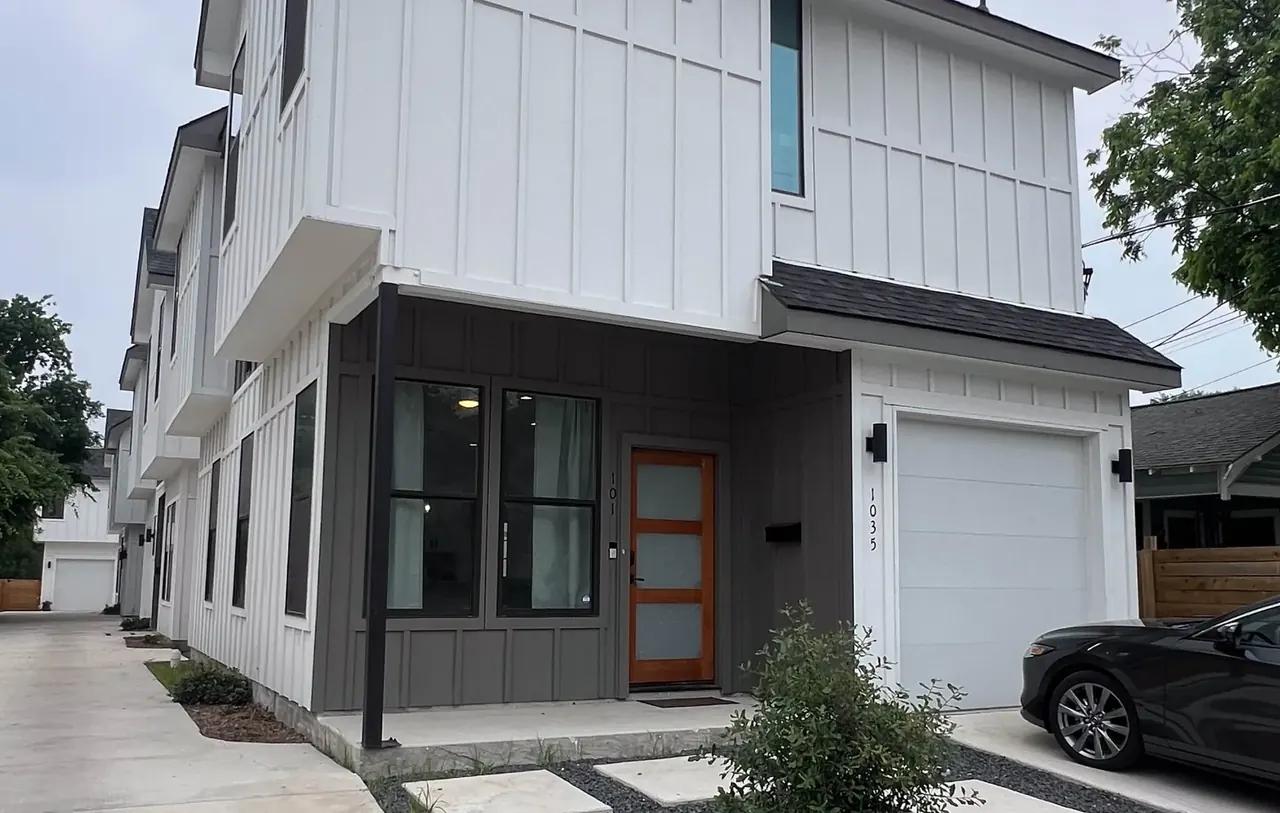
Sober Living
San Antonio
1035 S Pine St, Unit 101, San Antonio, TX
If you’re considering sober living in San Antonio, one of the first questions you’ll likely ask is about the typical length of stay required at a sober living home in San Antonio. Most residents stay between three to nine months, though many choose to remain for a year or longer depending on their personal recovery needs, financial situation, and progress toward independence. There’s no one-size-fits-all answer, the right duration depends on where you are in your recovery journey and the stability you’ve built.
Understanding what influences stay length can help you plan realistically and set yourself up for long-term success. Recovery housing isn’t a quick fix; it’s a structured environment where you build the habits, accountability, and community support that sustain sobriety after treatment ends.
Why Length of Stay Matters in Recovery Housing
The typical length of stay at a sober living home in San Antonio isn’t arbitrary. Research consistently shows that longer stays in structured recovery environments correlate with better long-term outcomes. When you rush the transition back to independent living, you risk returning to old environments, triggers, and patterns before you’ve developed the coping skills to handle them.
Sober living homes bridge the gap between intensive treatment and full independence. You’re no longer in a clinical setting, but you’re not yet navigating the world entirely on your own. This middle ground gives you time to practice what you learned in treatment within a supportive, substance-free community.
Most people underestimate how long it takes to rewire habits and rebuild a life in recovery. Three months might feel like a long time when you’re eager to move forward, but it’s often the minimum needed to establish new routines and start feeling genuinely stable.
The Three-to-Nine-Month Sweet Spot
At Eudaimonia Recovery Homes in San Antonio, we see most residents benefit from stays in the three-to-nine-month range. This timeframe allows you to move through several critical phases of early recovery without rushing the process.
During the first 90 days, you’re typically adjusting to structure, learning to live in community, and addressing immediate challenges like finding employment or reconnecting with family. The fourth through sixth months often bring deeper work: processing emotions without substances, building genuine friendships in recovery, and establishing financial stability.
Beyond six months, many residents focus on longer-term goals: saving money, pursuing education, strengthening family relationships, or preparing for independent housing. The typical length of stay at a sober living home in San Antonio extends naturally when residents recognize they’re still benefiting from the accountability and support.
What Influences How Long You'll Stay
Several factors determine the right duration for each person. Your clinical history plays a role, someone coming from a 30-day program may need more time than someone who completed 90 days of intensive outpatient treatment. The substance you were using, the length of your addiction, and whether you have co-occurring mental health conditions all influence your timeline.
Your external support system matters significantly. If you’re rebuilding relationships or lack a stable, sober network outside the home, a longer stay gives you time to develop those connections. Employment and financial stability also factor in; some residents stay until they’ve saved enough for a security deposit and first month’s rent elsewhere.
Personal readiness is perhaps the most important variable. Are you consistently following house rules? Attending your outpatient program or 12-step meetings? Contributing positively to the community? Handling stress without cravings? These indicators help you and your house manager assess whether you’re ready for the next step.
Understanding Minimum Stays and Flexibility
Many sober living homes, including Eudaimonia Recovery Homes in San Antonio, recommend a minimum initial commitment, often 90 days. This isn’t about locking you in; it’s about giving recovery a real chance to take root. Residents who commit to at least three months are significantly more likely to maintain sobriety than those who leave earlier.
That said, sober living isn’t a rigid program with a fixed endpoint. Unlike a 30-day rehab with a discharge date, recovery housing is designed to flex with your needs. You can extend your stay as long as you’re following house guidelines and paying your fees. Many residents arrive thinking they’ll stay three months and end up choosing six, nine, or twelve months once they experience the benefits.
This flexibility is one of sober living’s greatest strengths. You’re not pushed out before you’re ready, and you’re not required to stay if you’ve genuinely built the foundation you need. The typical length of stay at a sober living home in San Antonio reflects this personalized approach, it varies because recovery varies.
The Year-Plus Resident: When Longer Makes Sense
Some residents stay a year or more, and that’s not only acceptable, it’s often wise. If you’re rebuilding your life from scratch, dealing with legal consequences, or working through trauma alongside addiction recovery, an extended stay provides the stability you need while you address these complexities.
Longer stays are also common among residents who find they thrive in the structured, community-based environment. Recovery housing offers accountability, peer support, and a substance-free living space that can be hard to replicate elsewhere, especially if returning to your previous housing situation would put your sobriety at risk.
Financial considerations sometimes extend stays, too. Some residents prefer to remain in sober living while saving money rather than rushing into independent housing before they’re financially secure. This practical approach reduces stress and allows you to build a cushion that supports long-term stability.
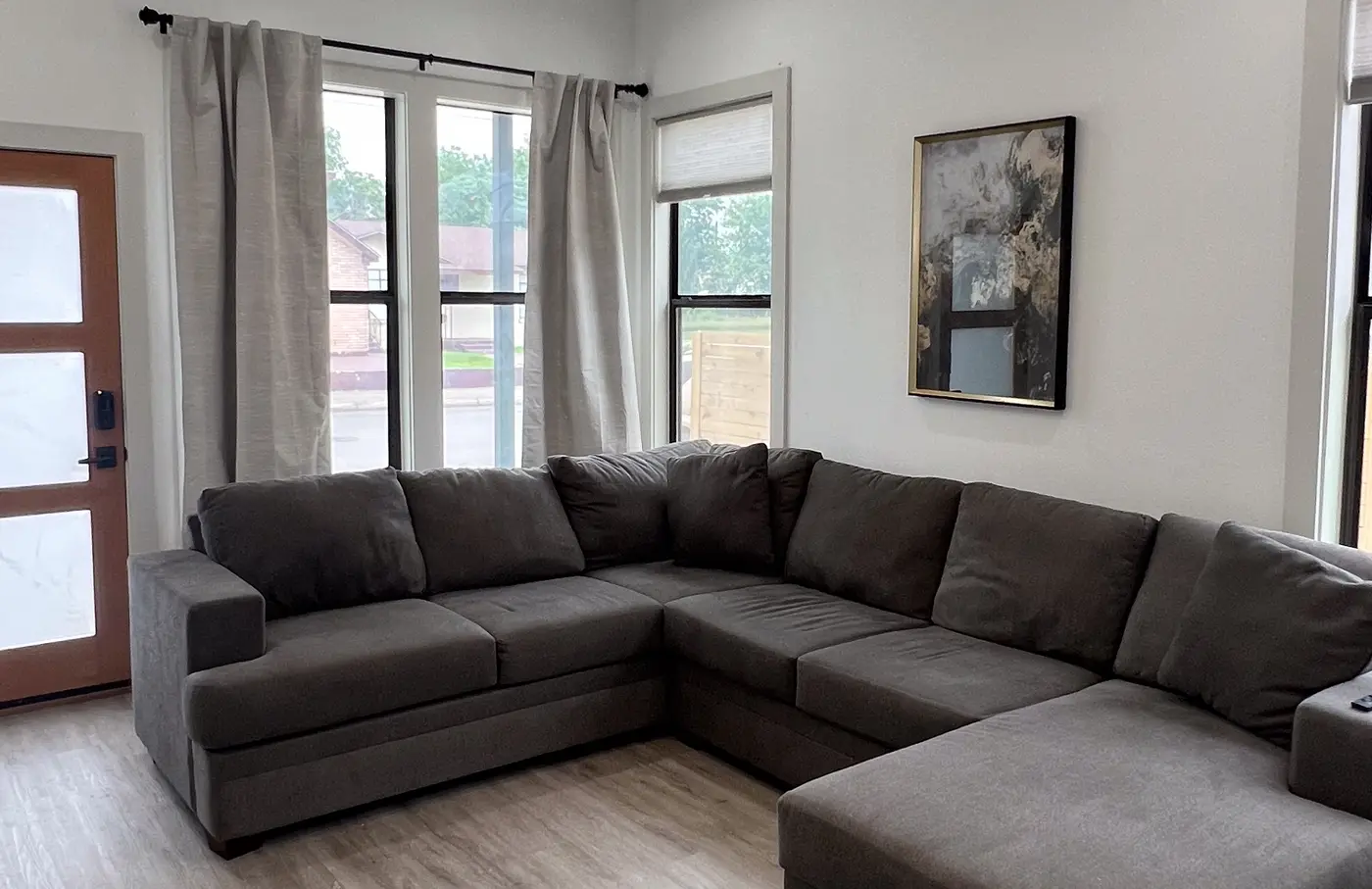
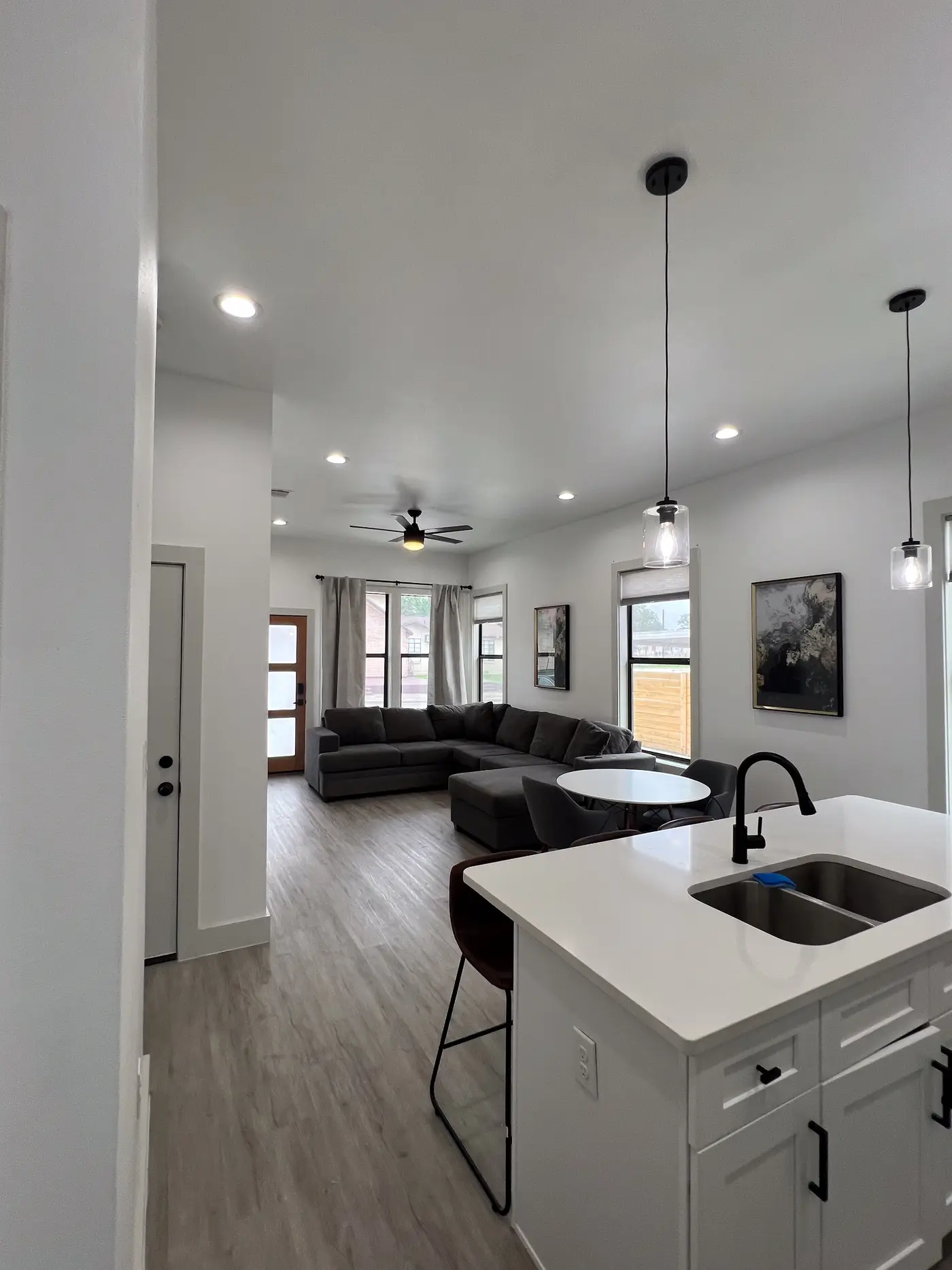
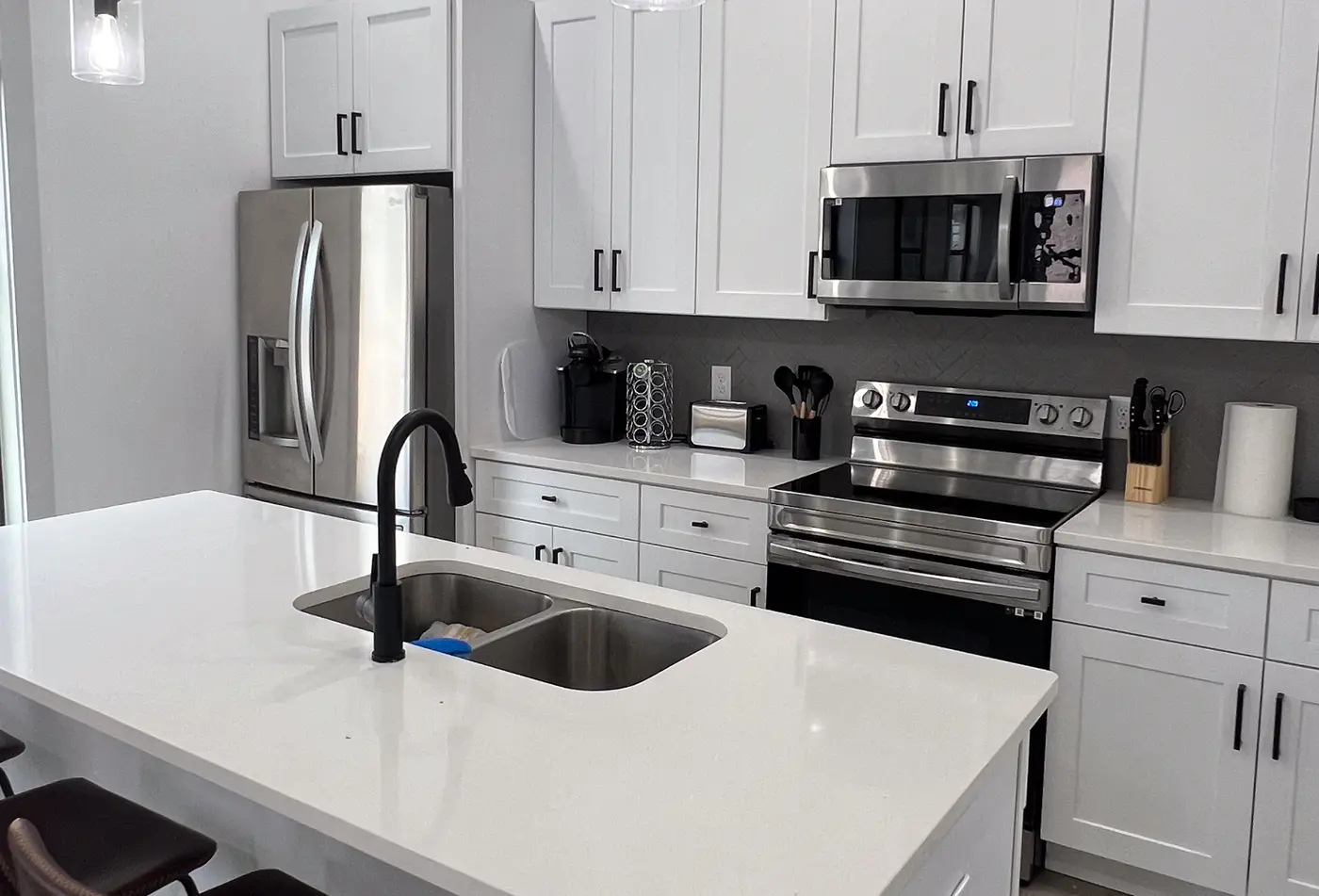
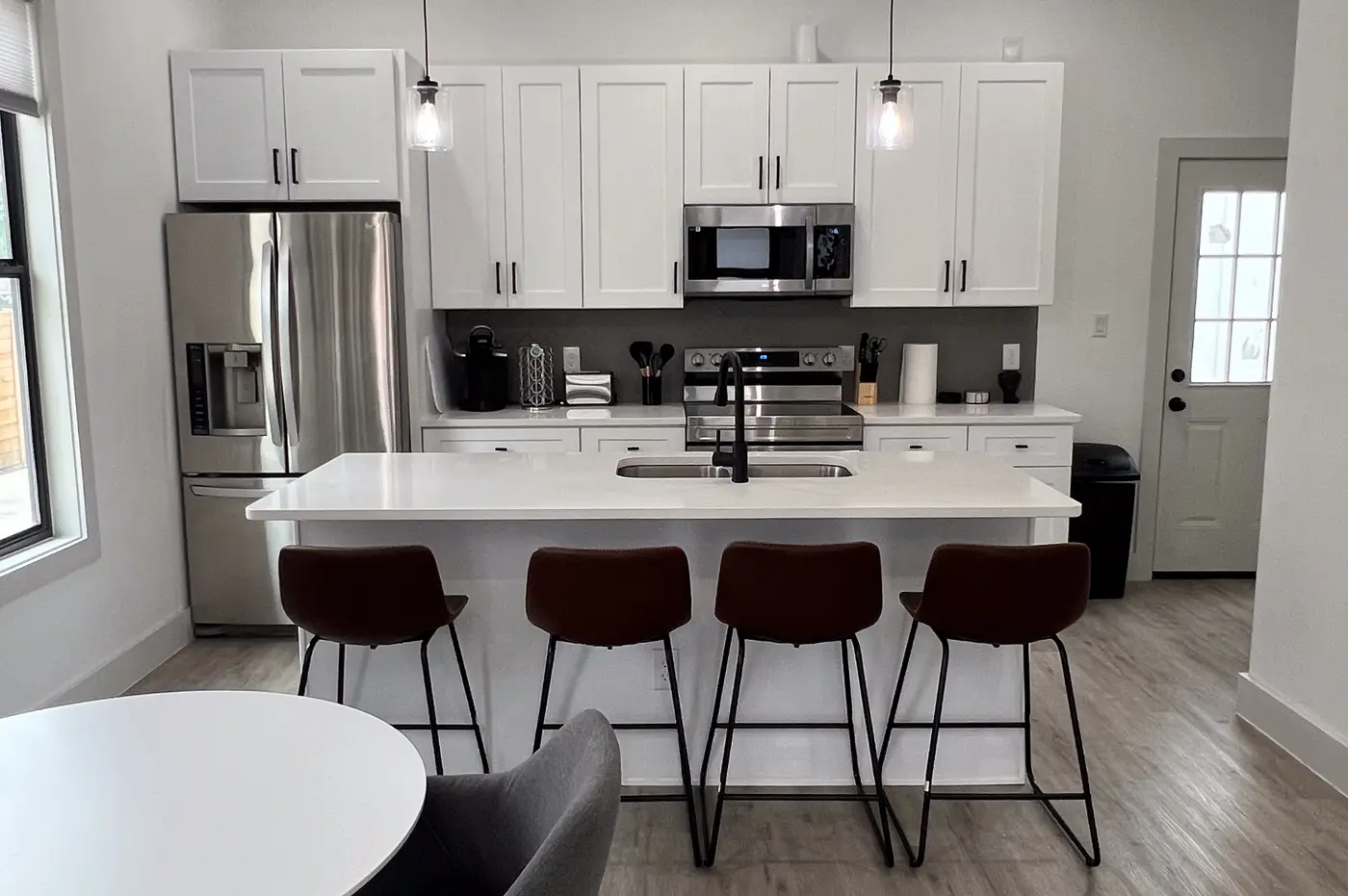
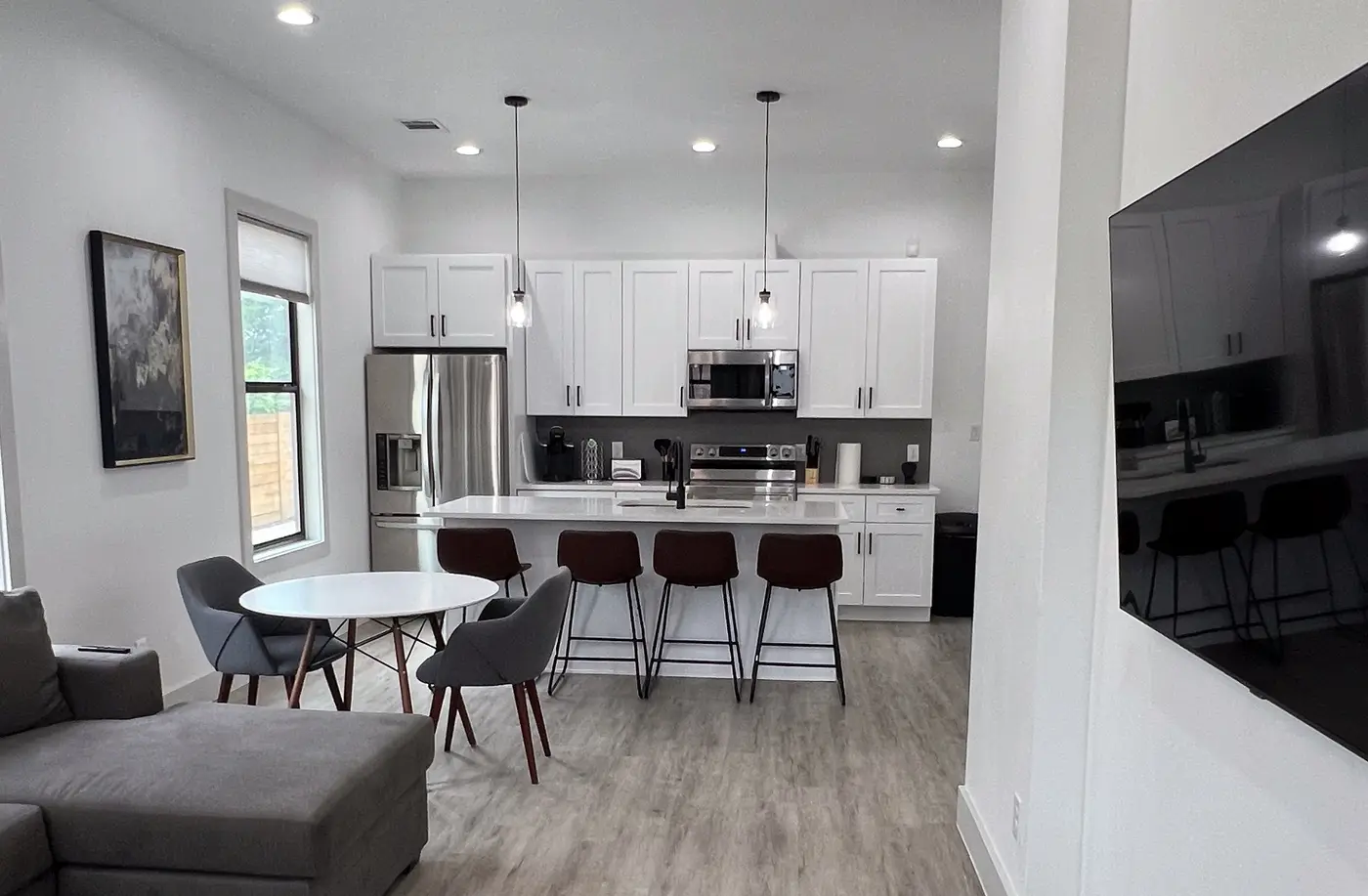
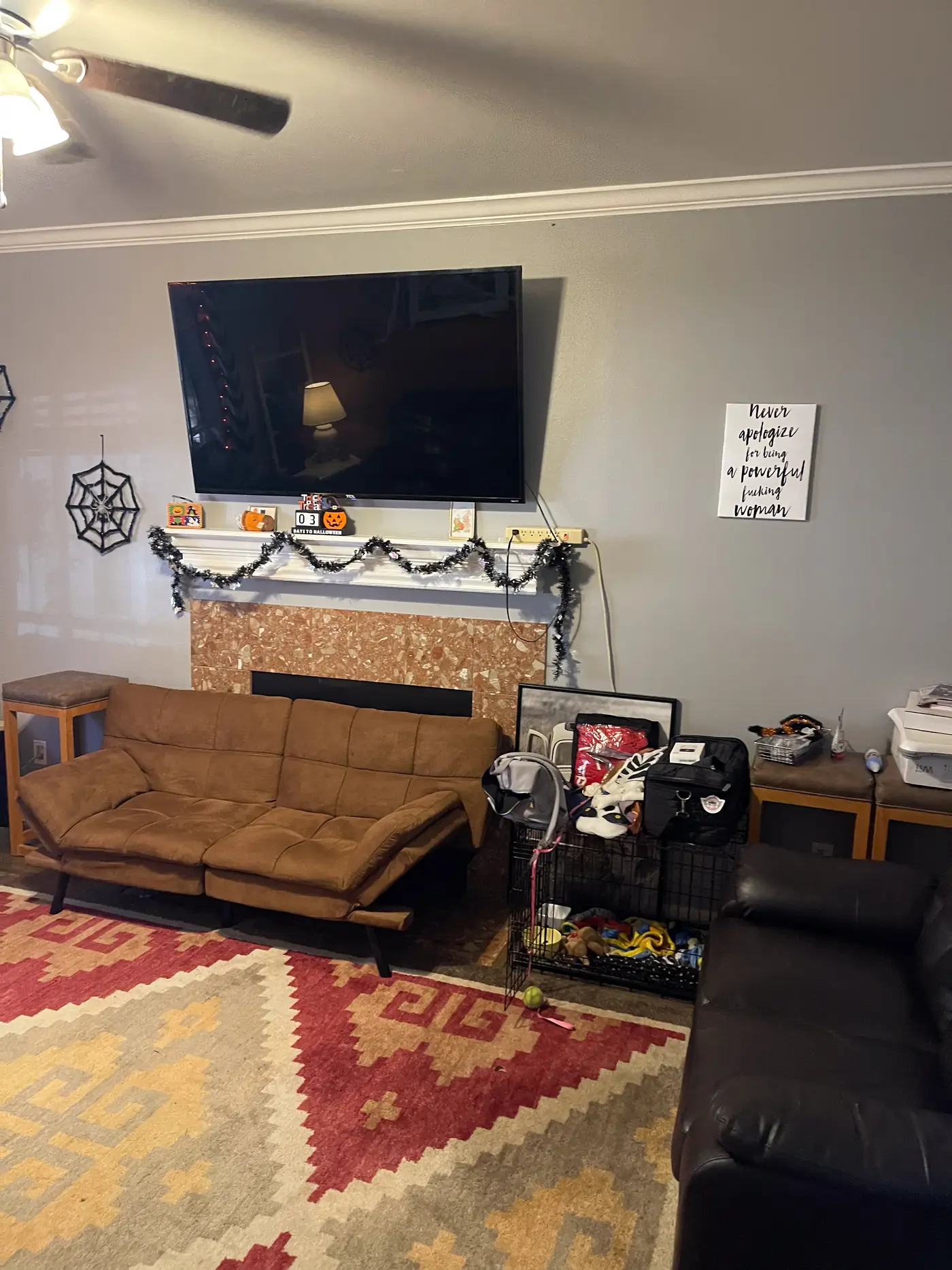
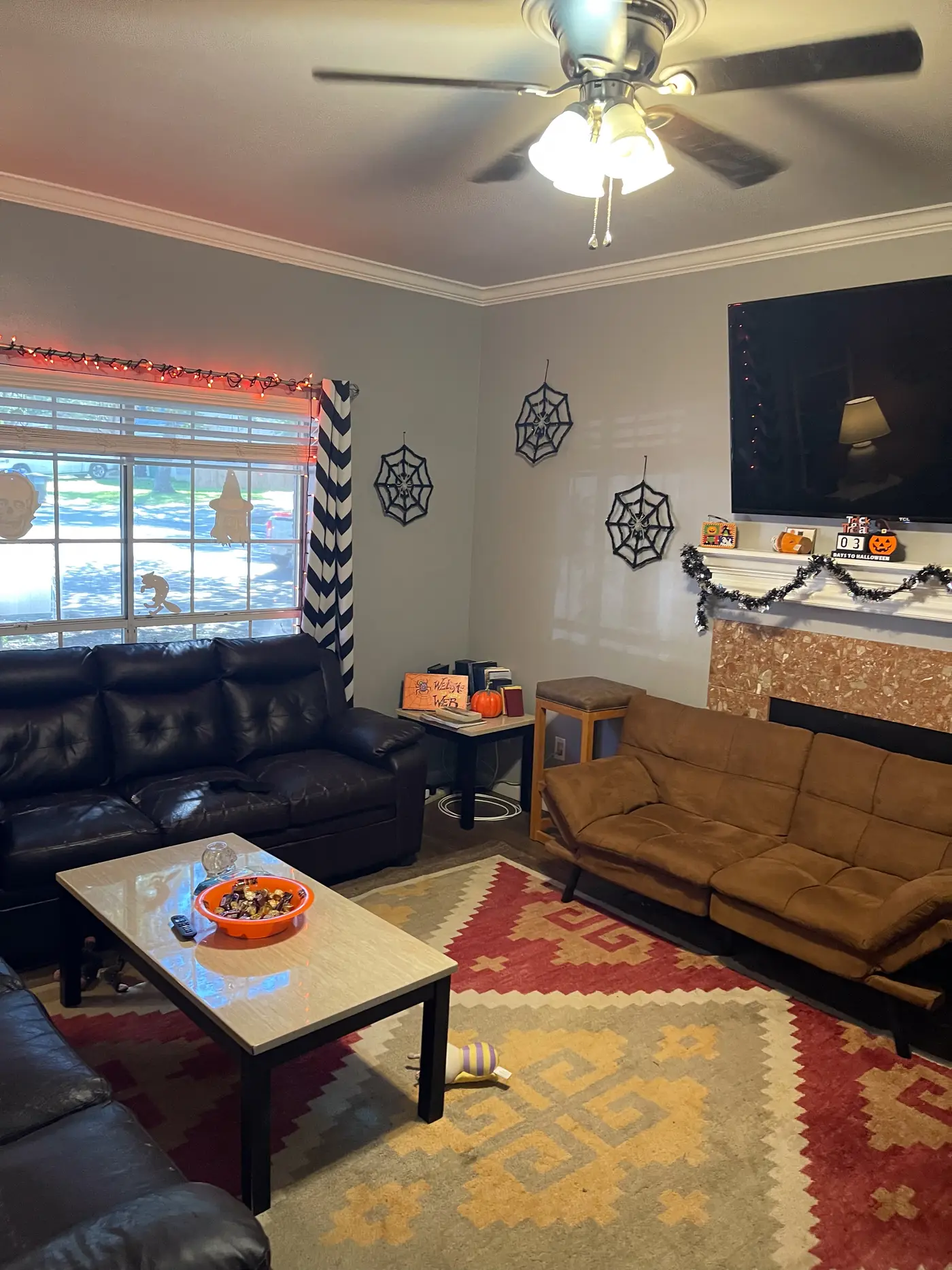
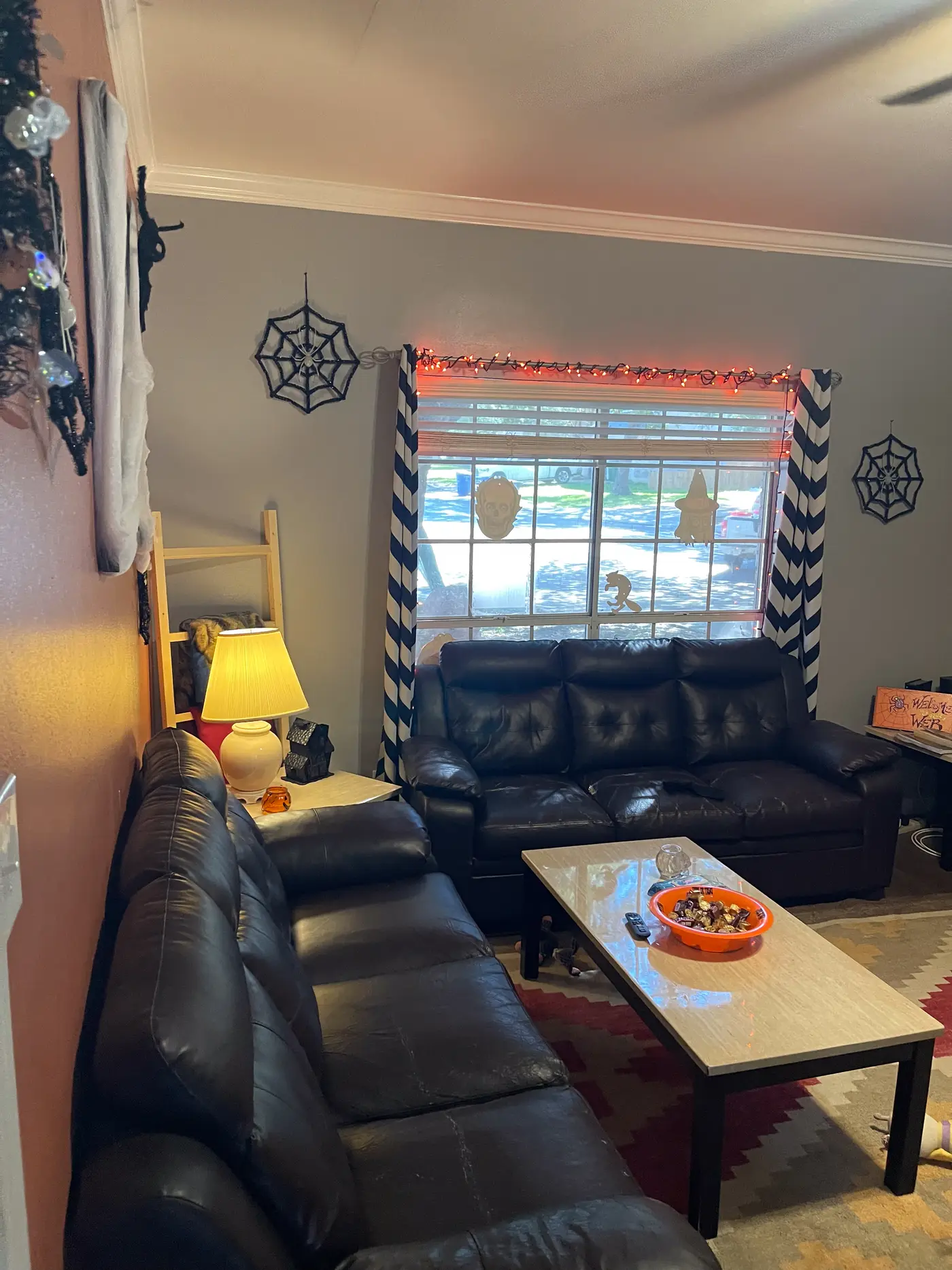
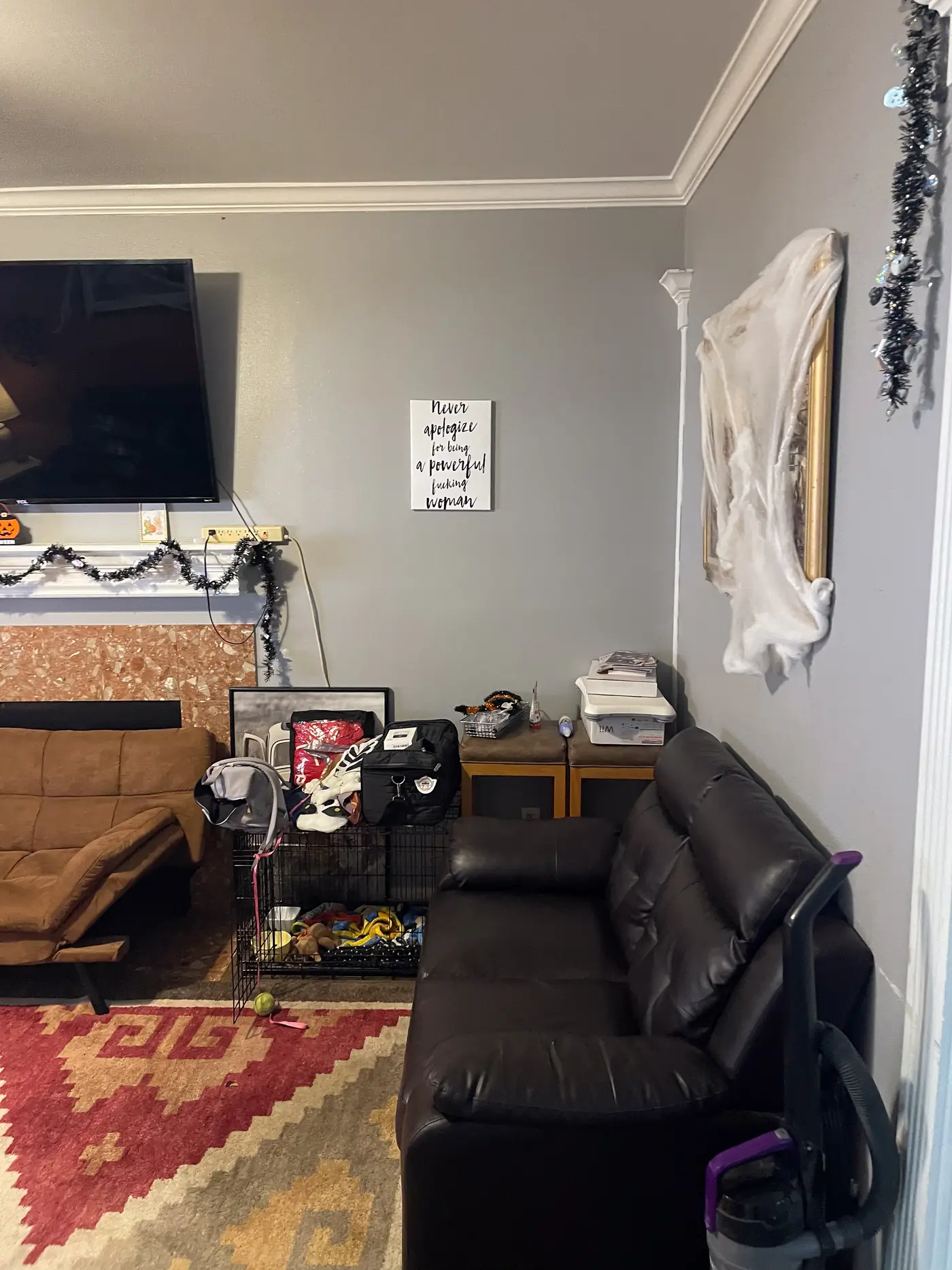
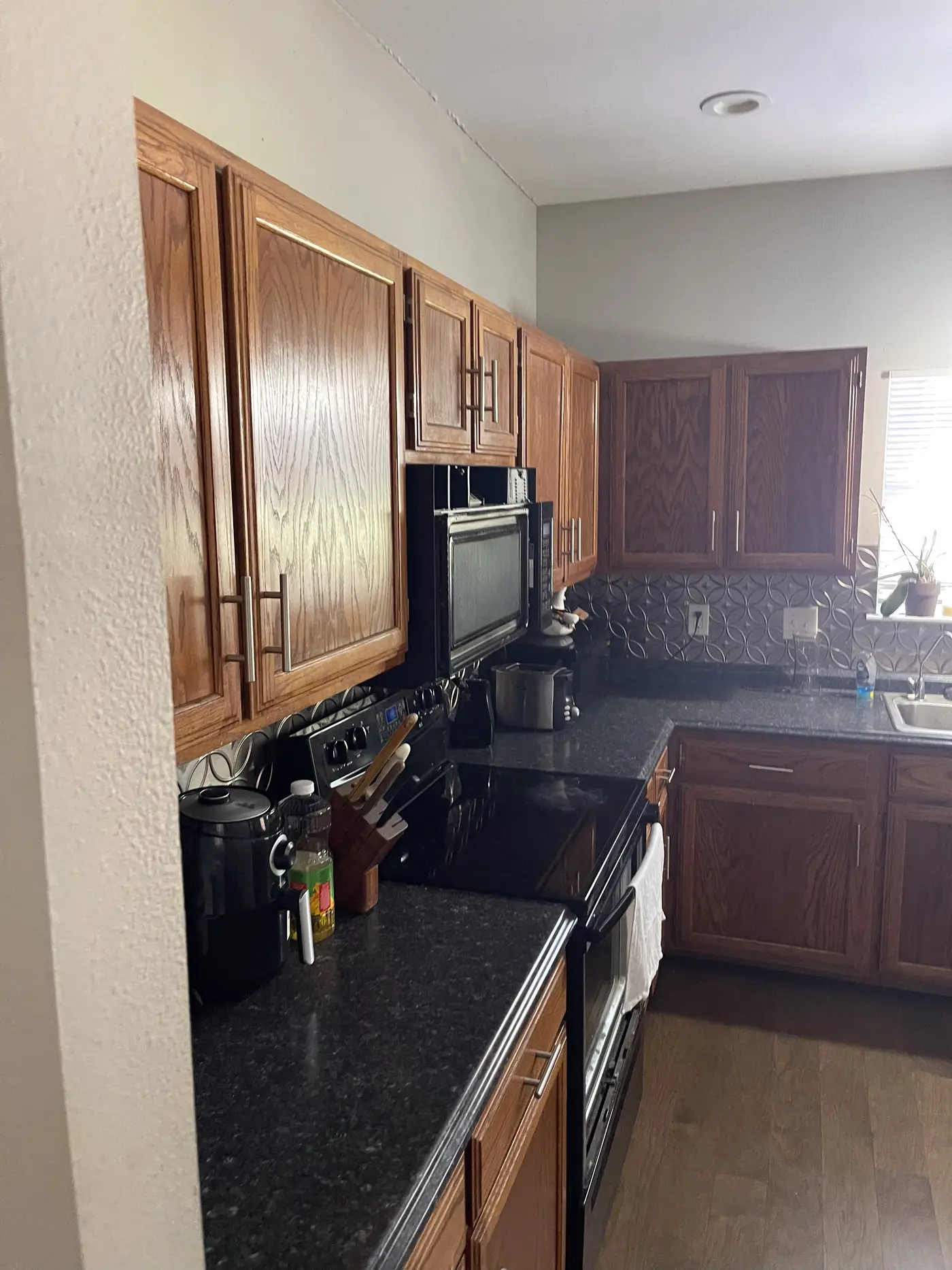
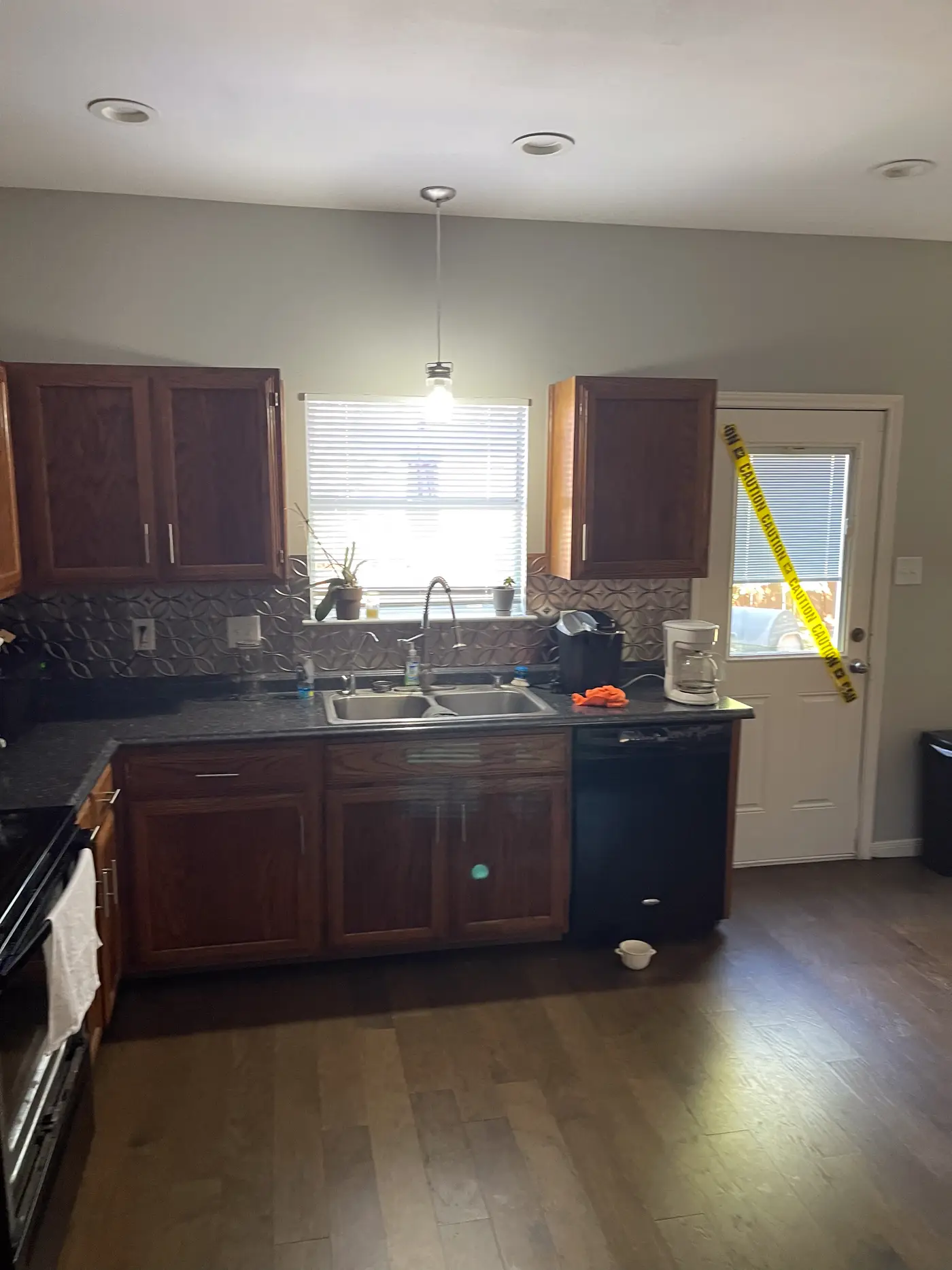
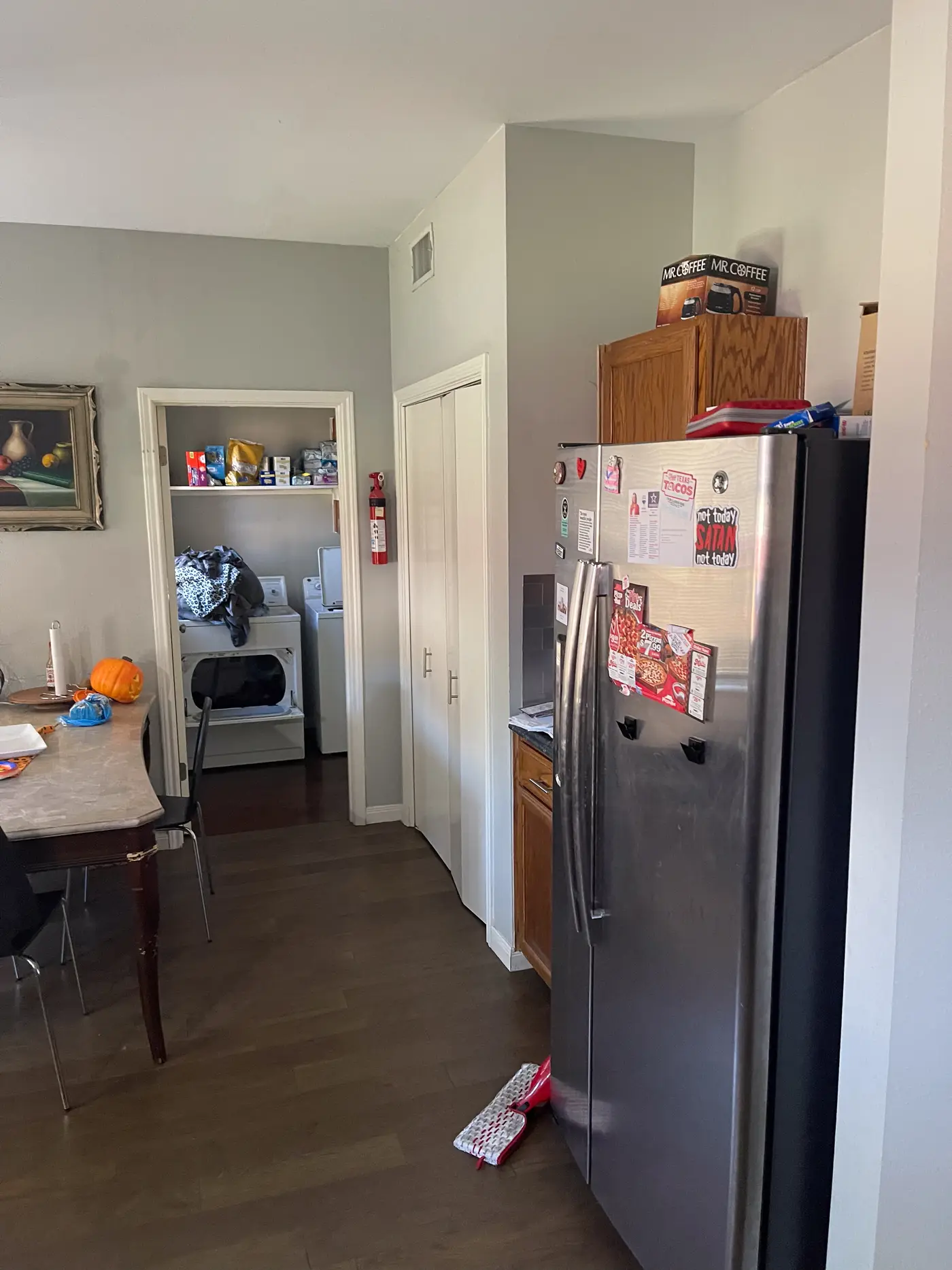
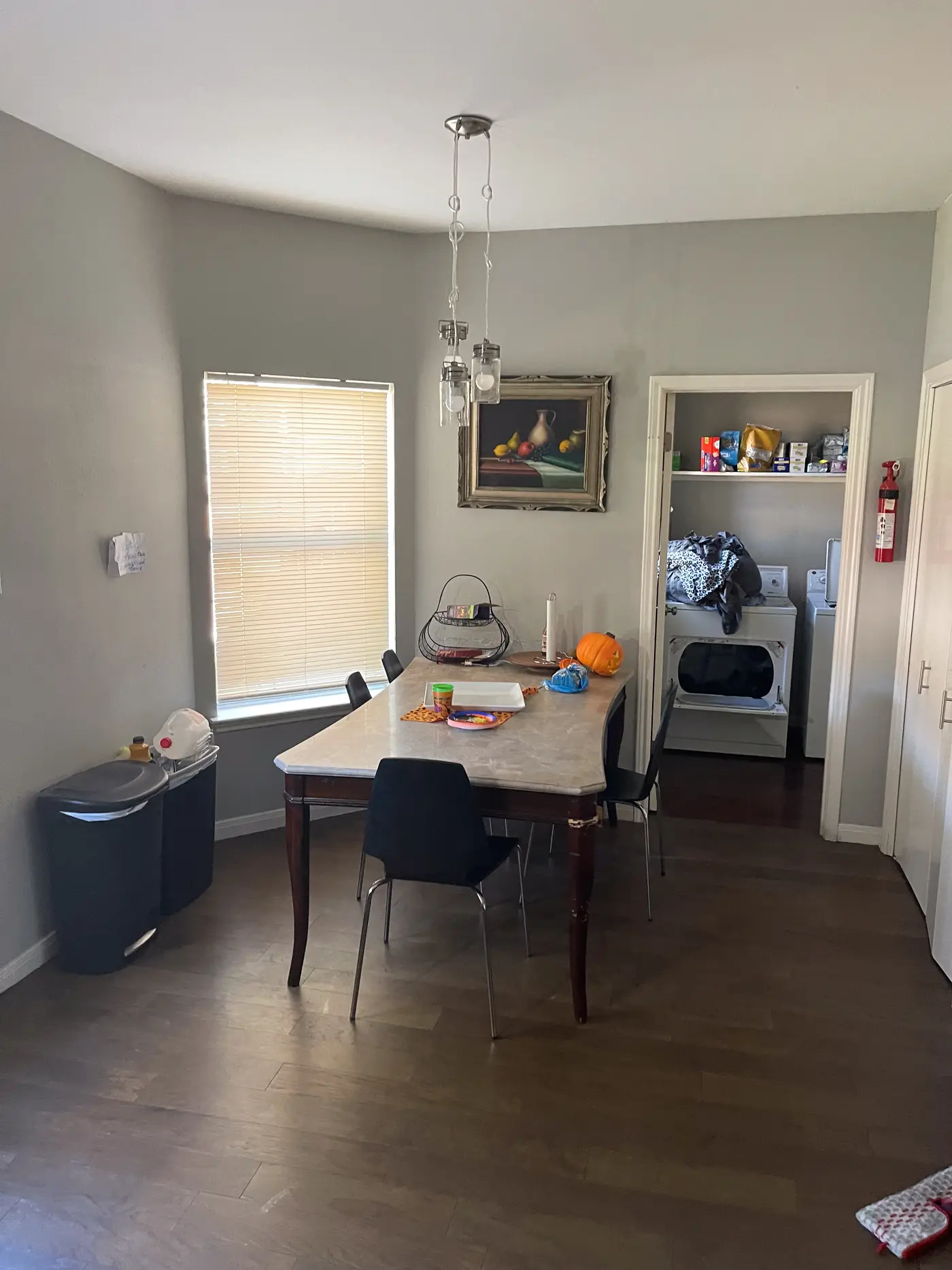
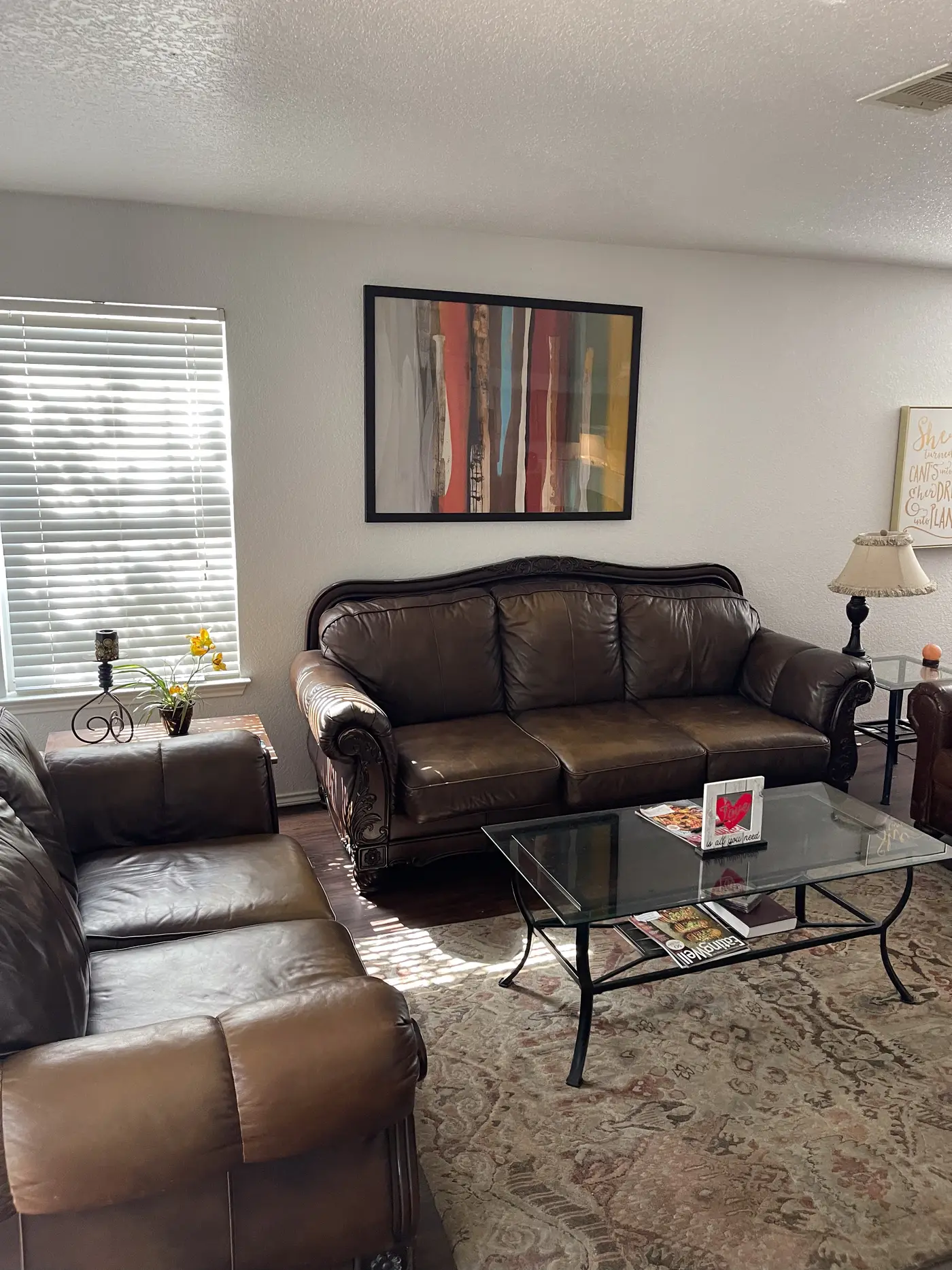
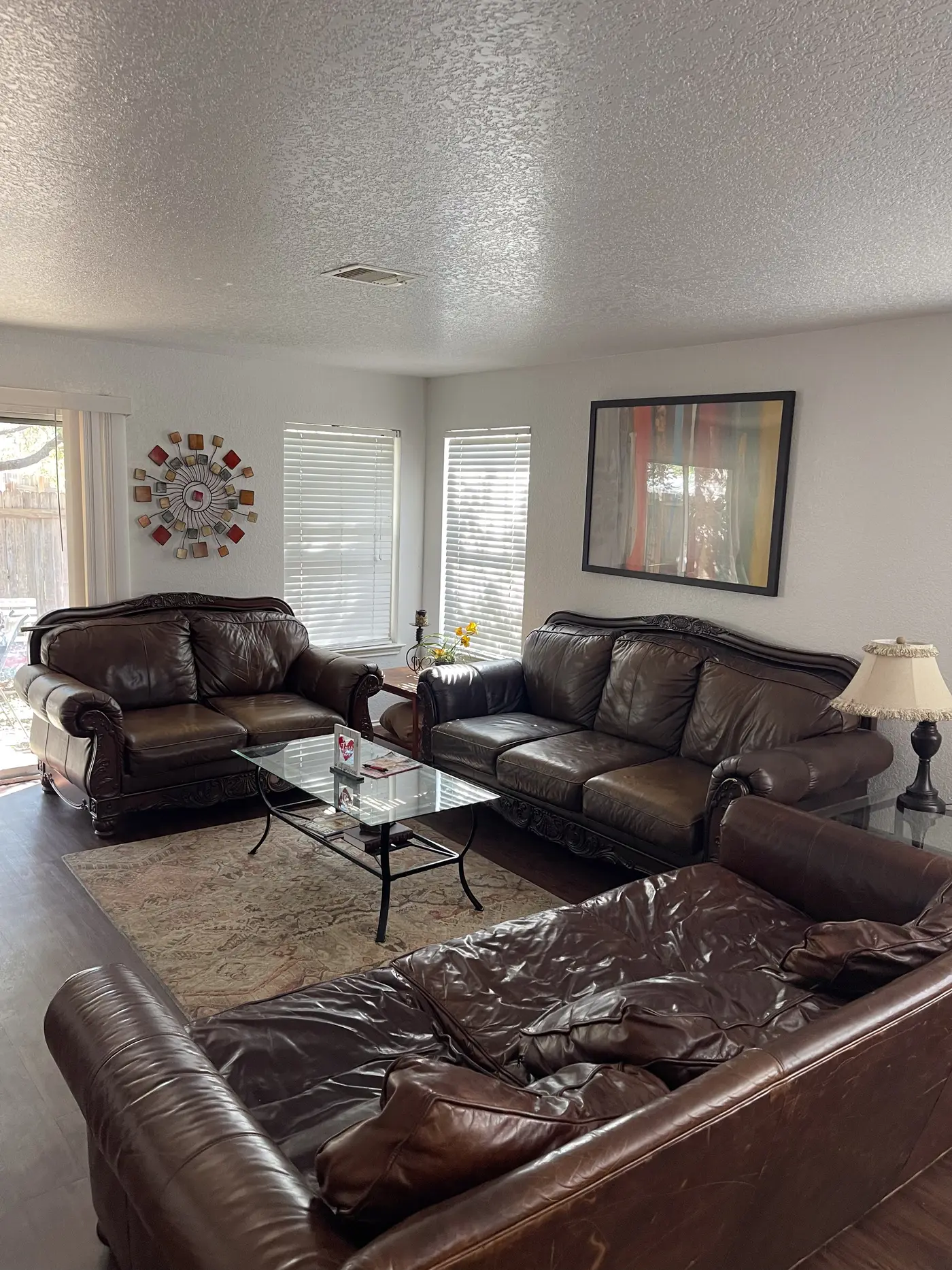
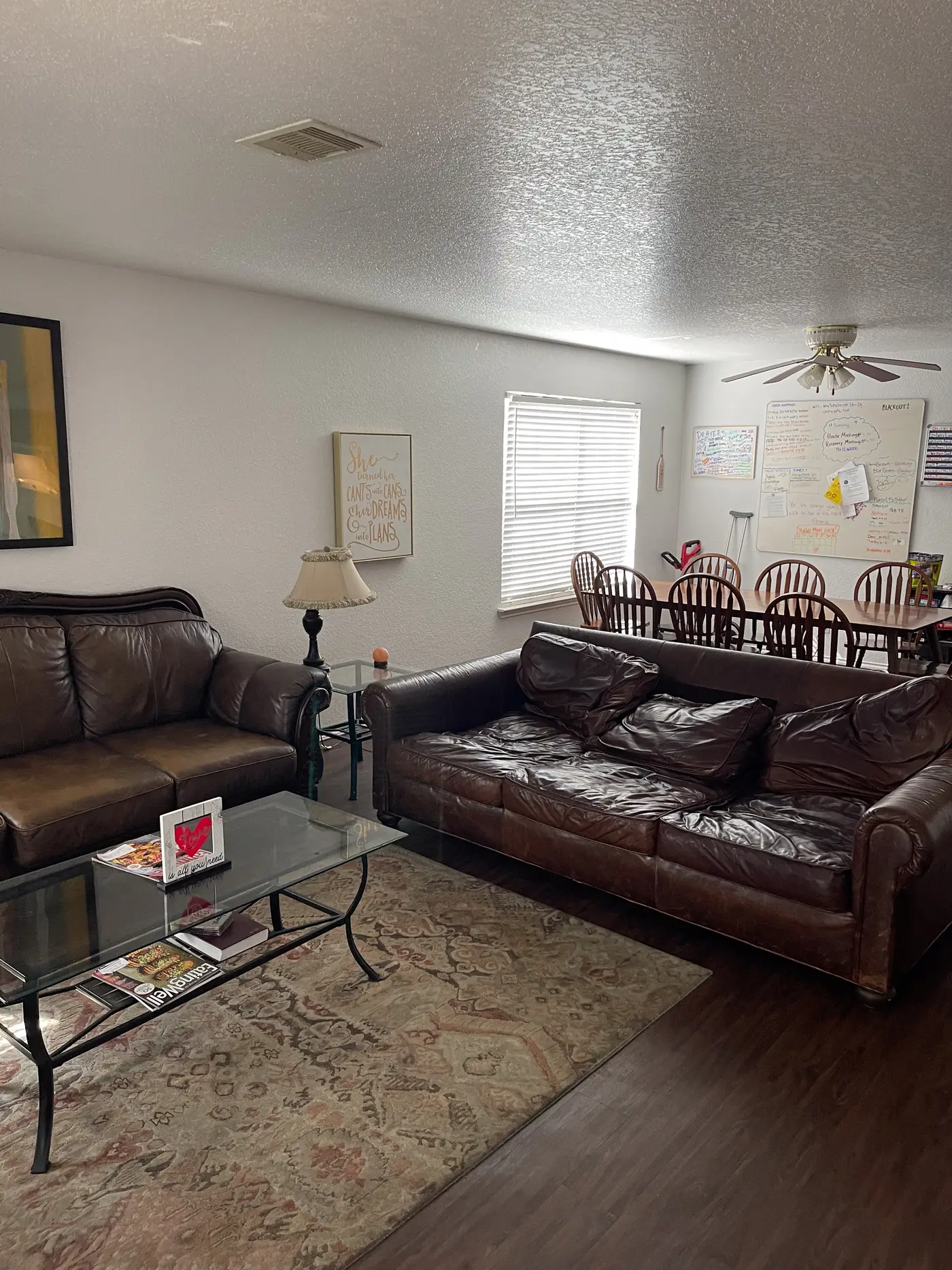
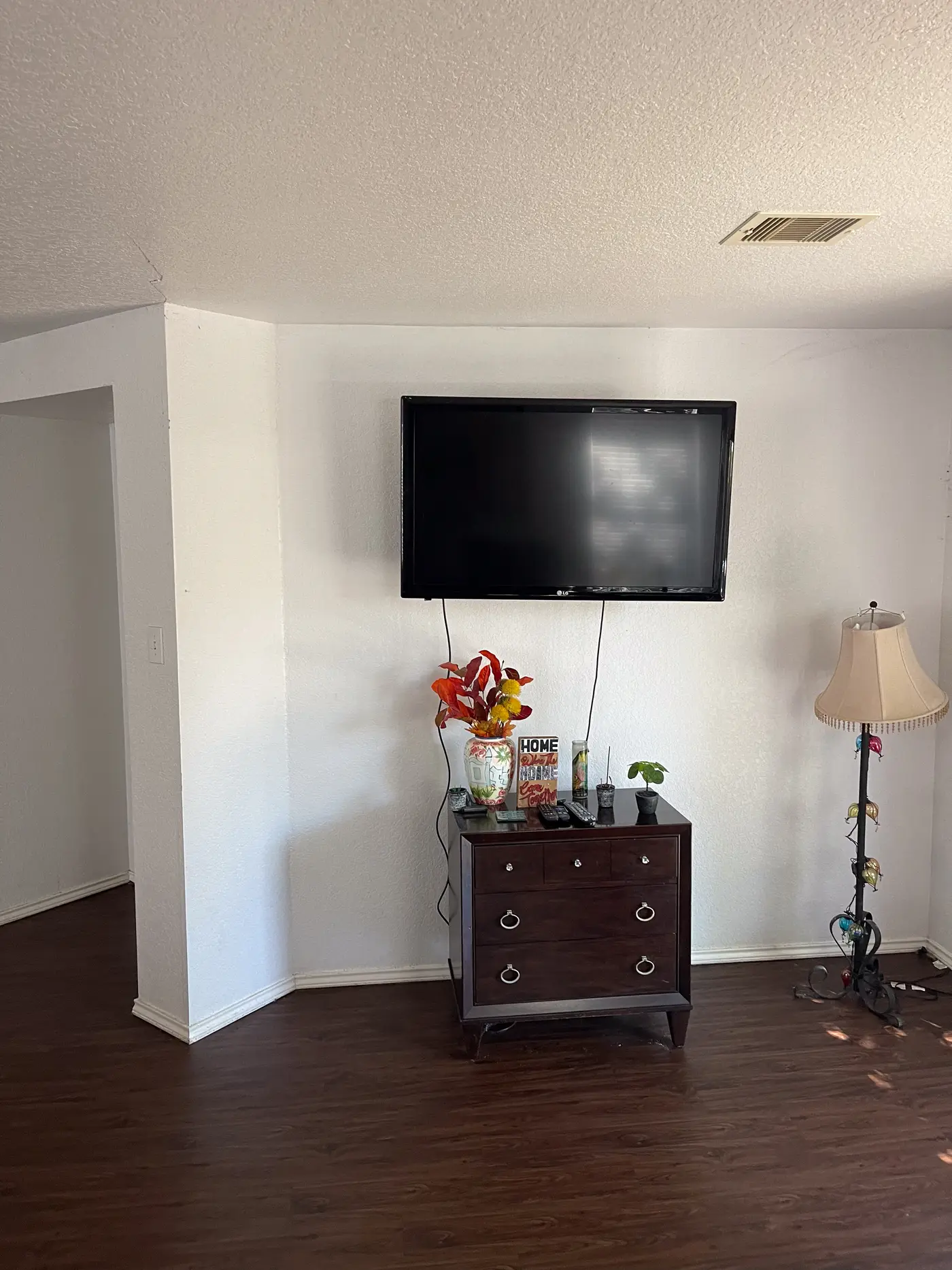
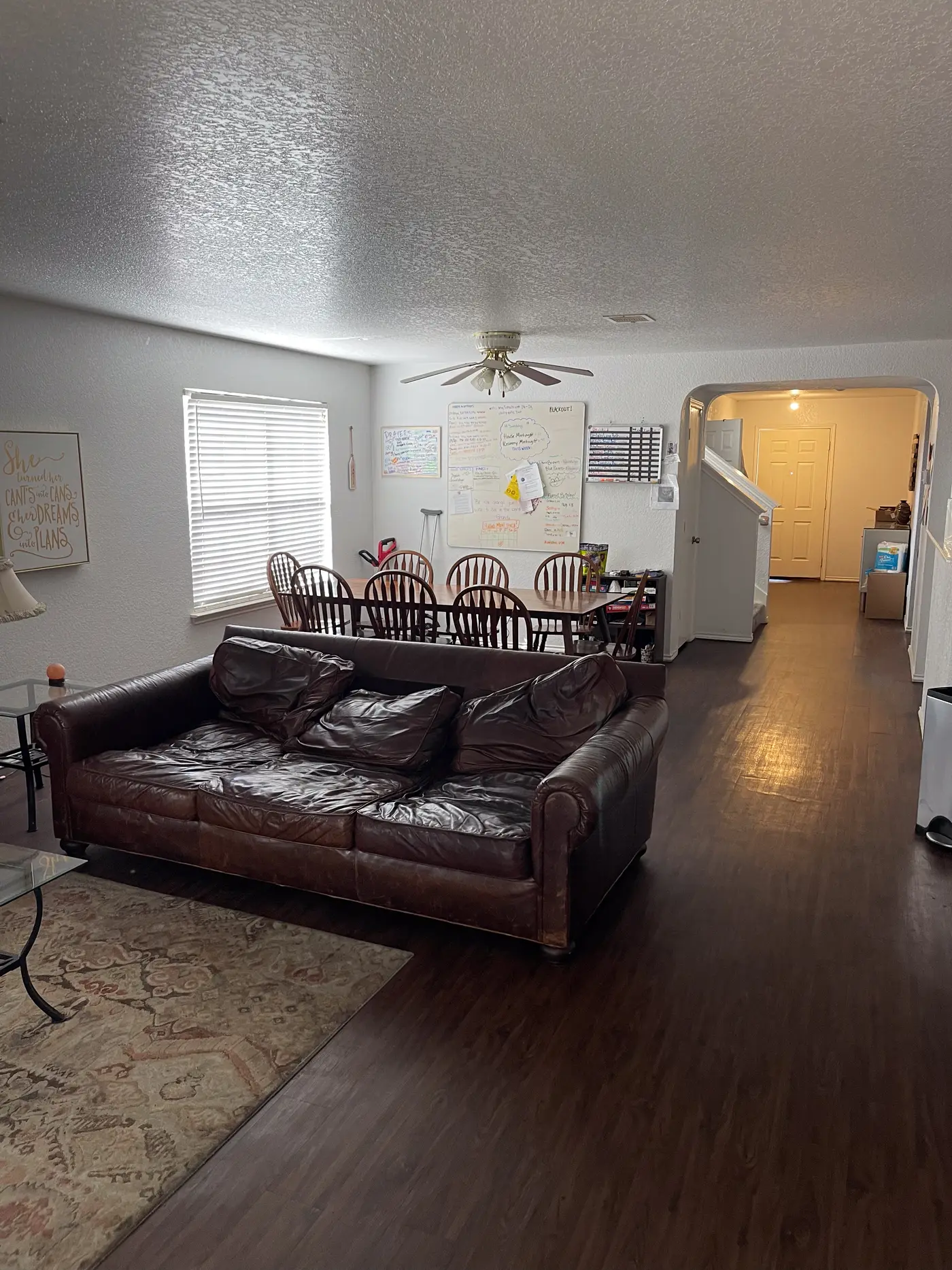
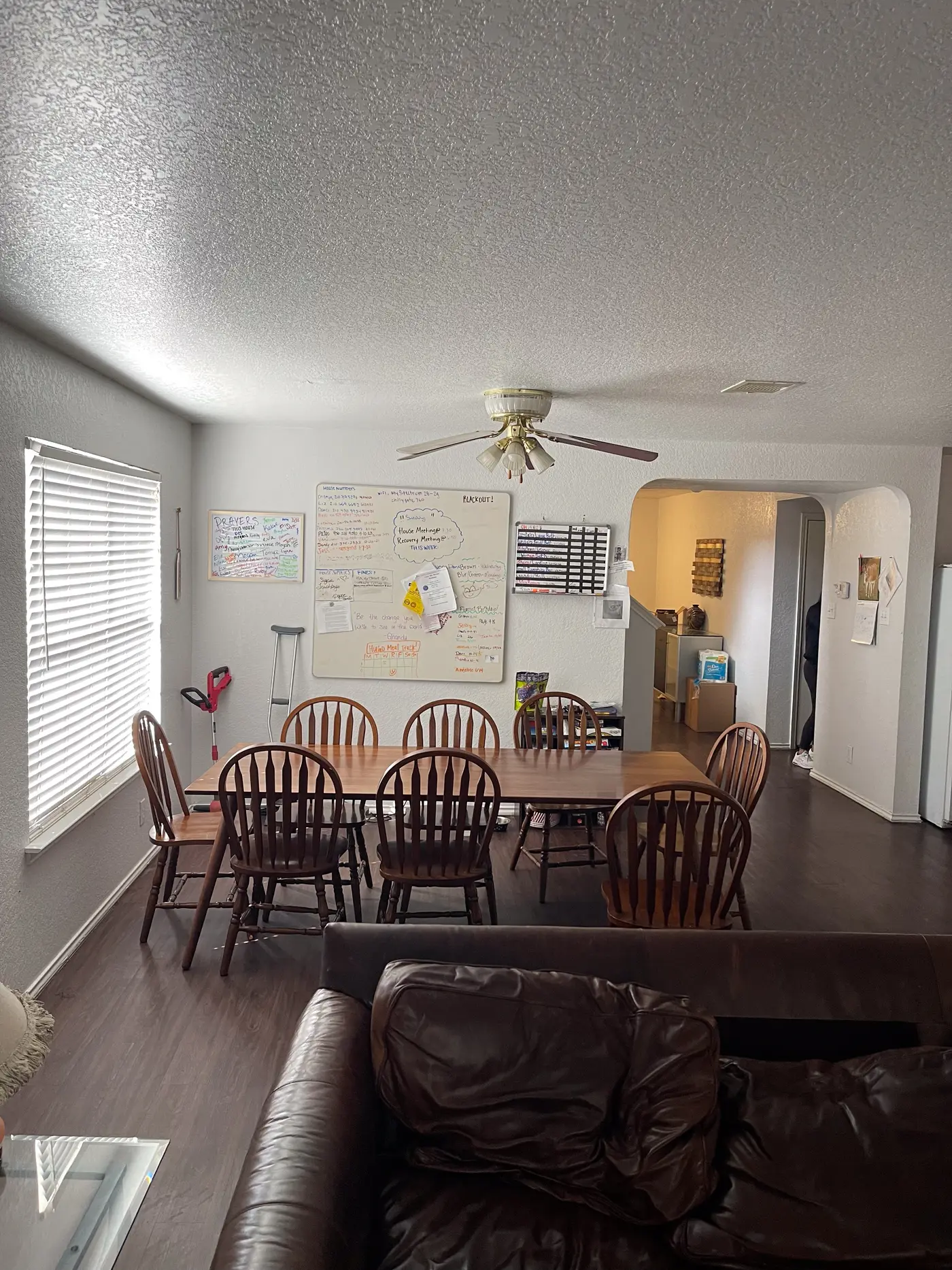
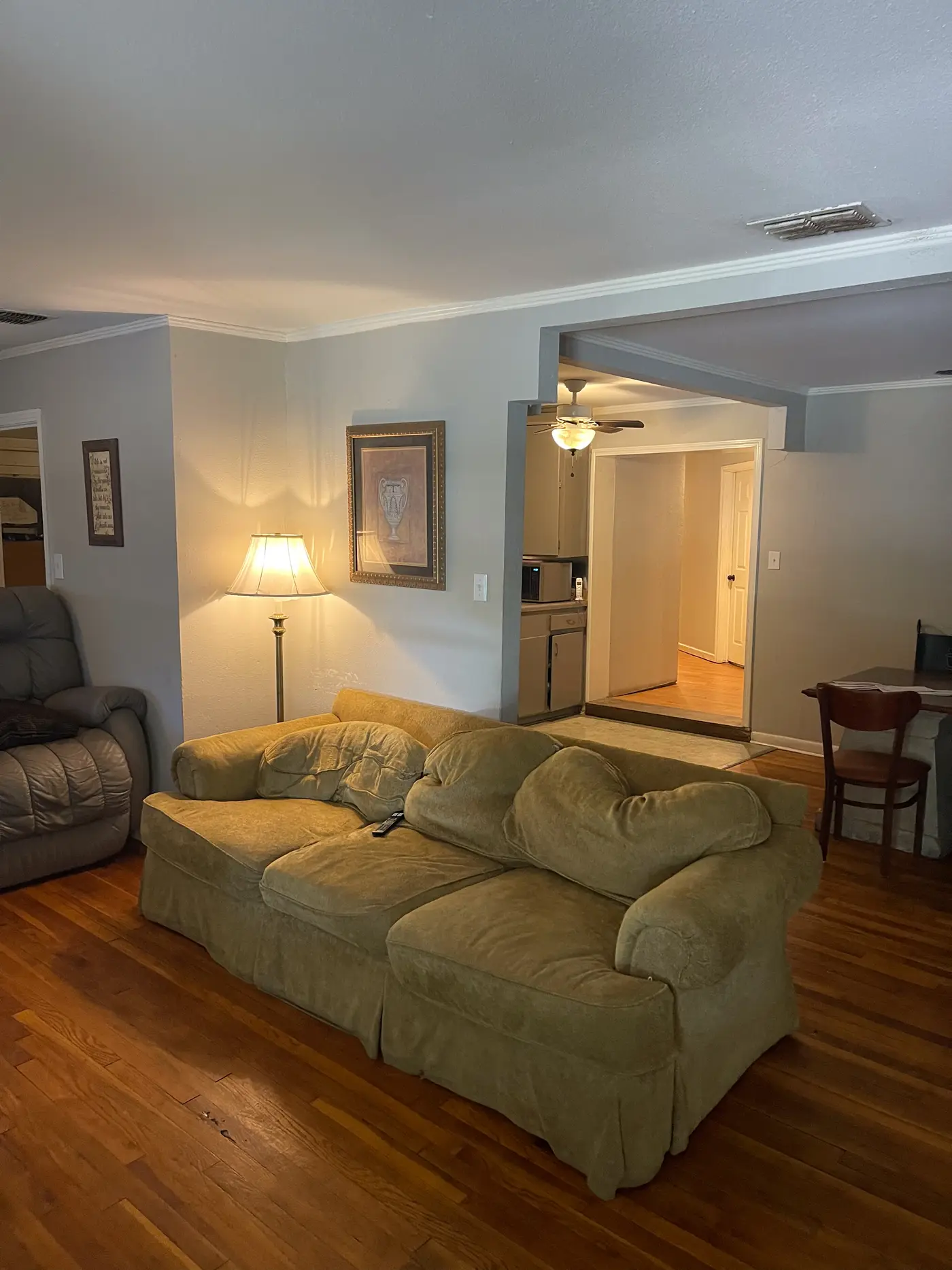
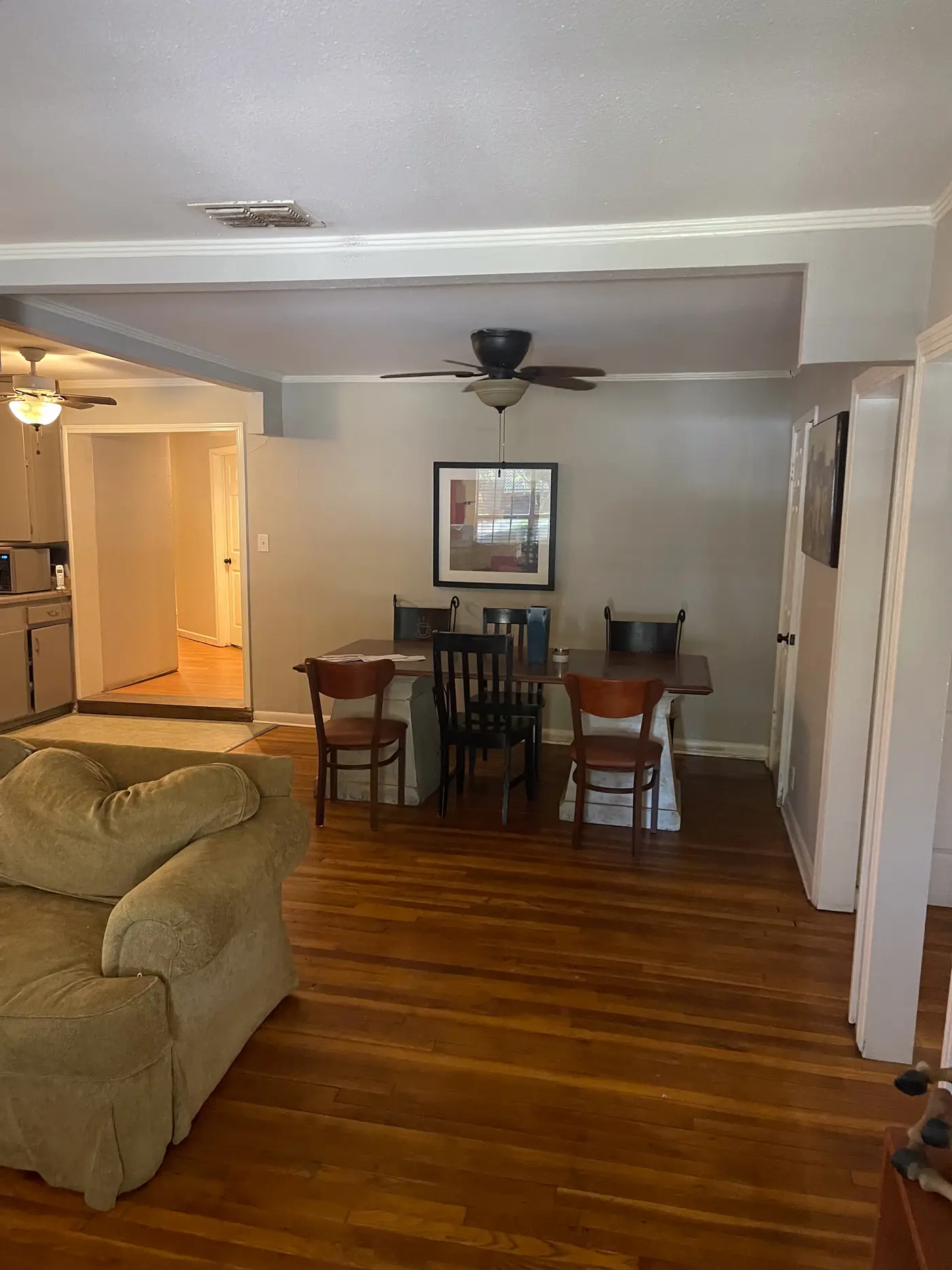
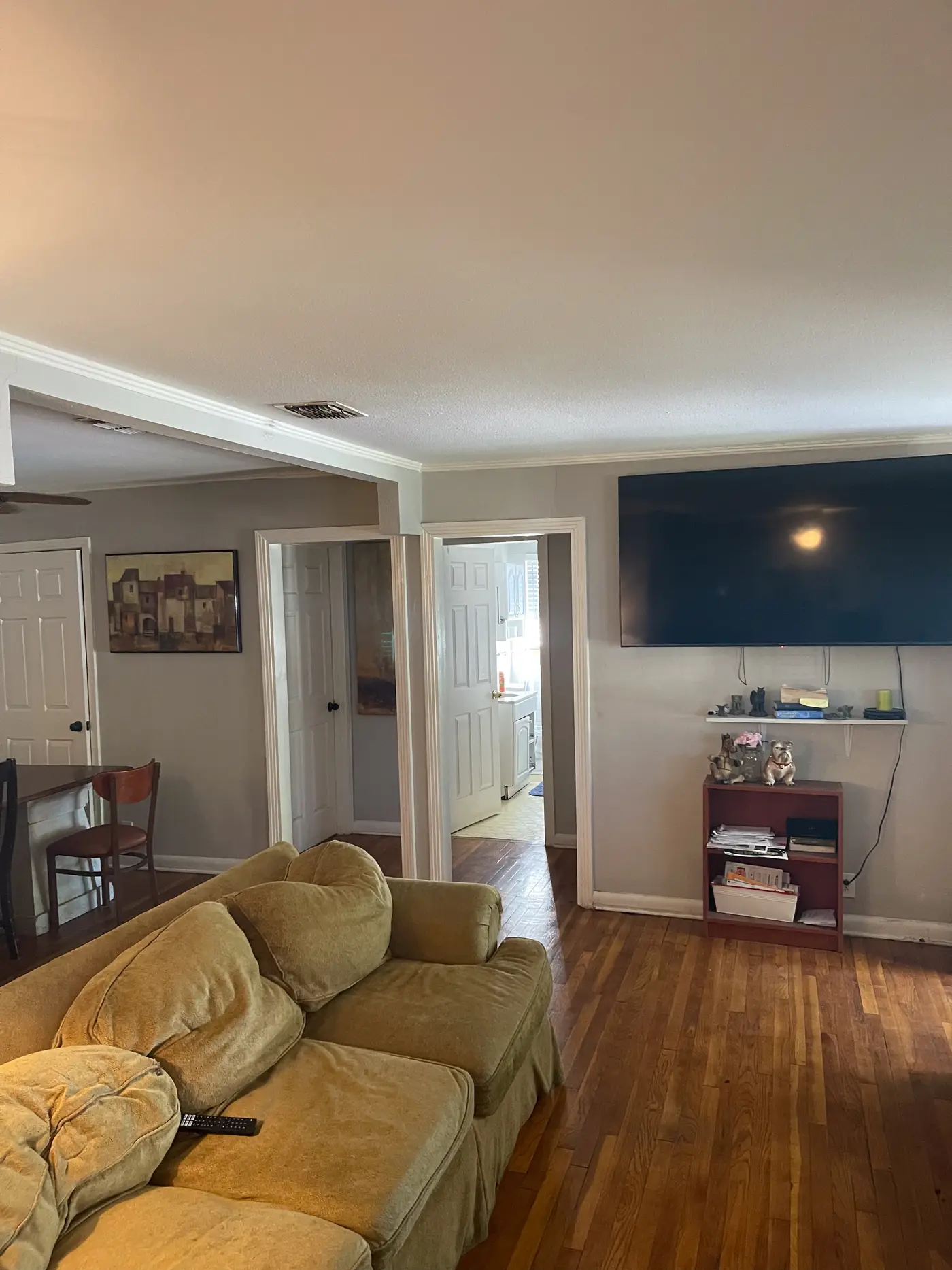
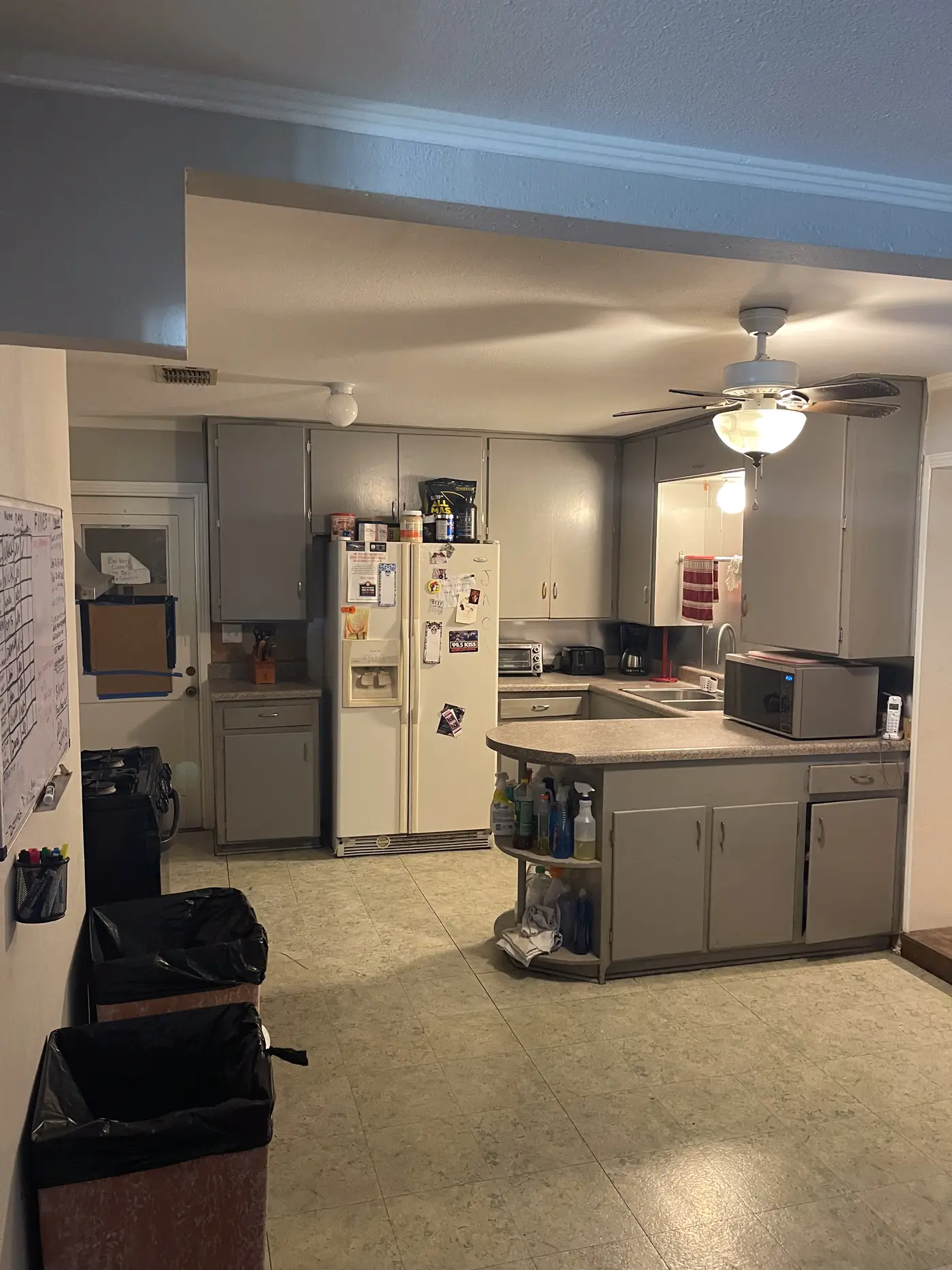
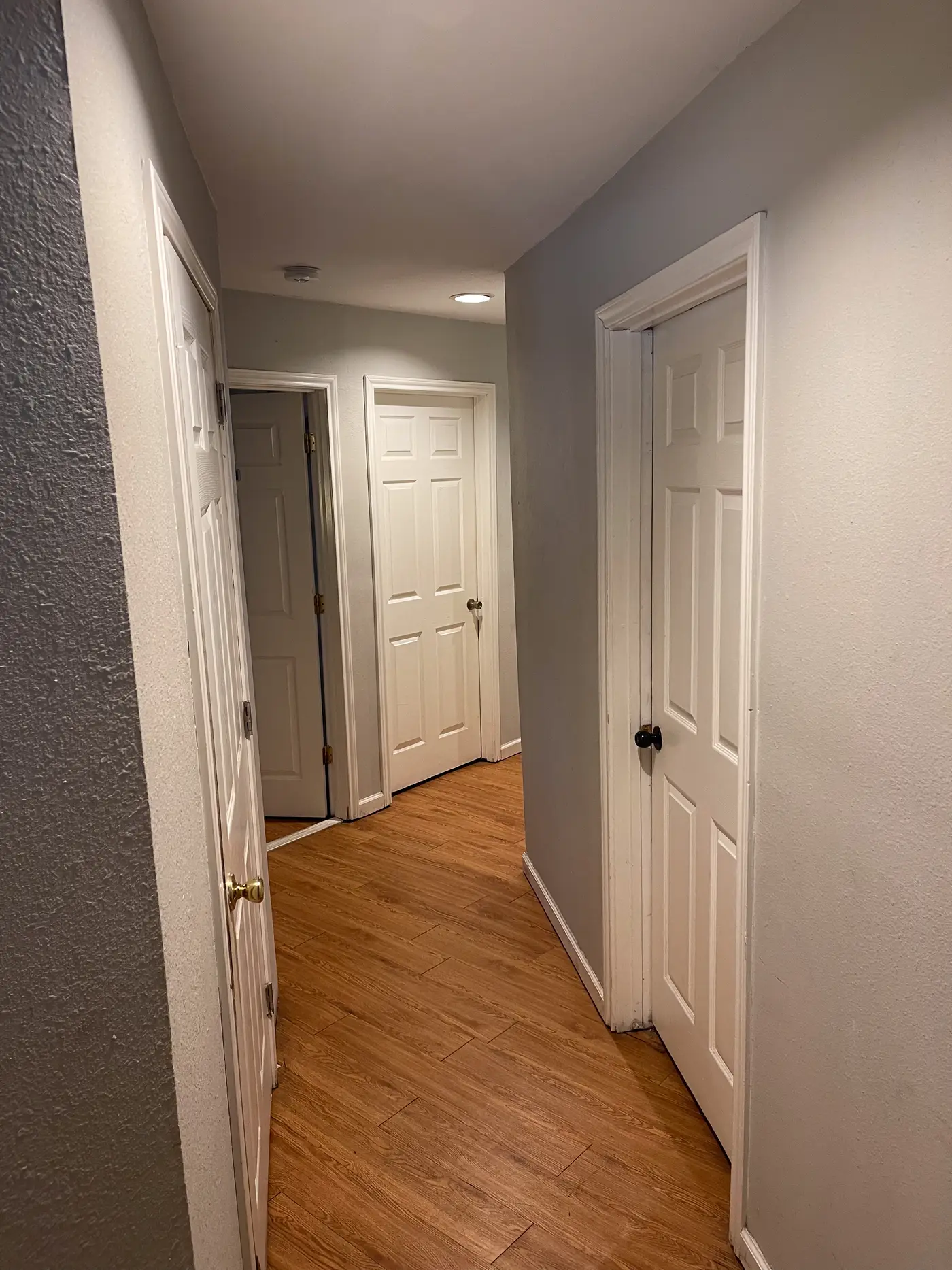
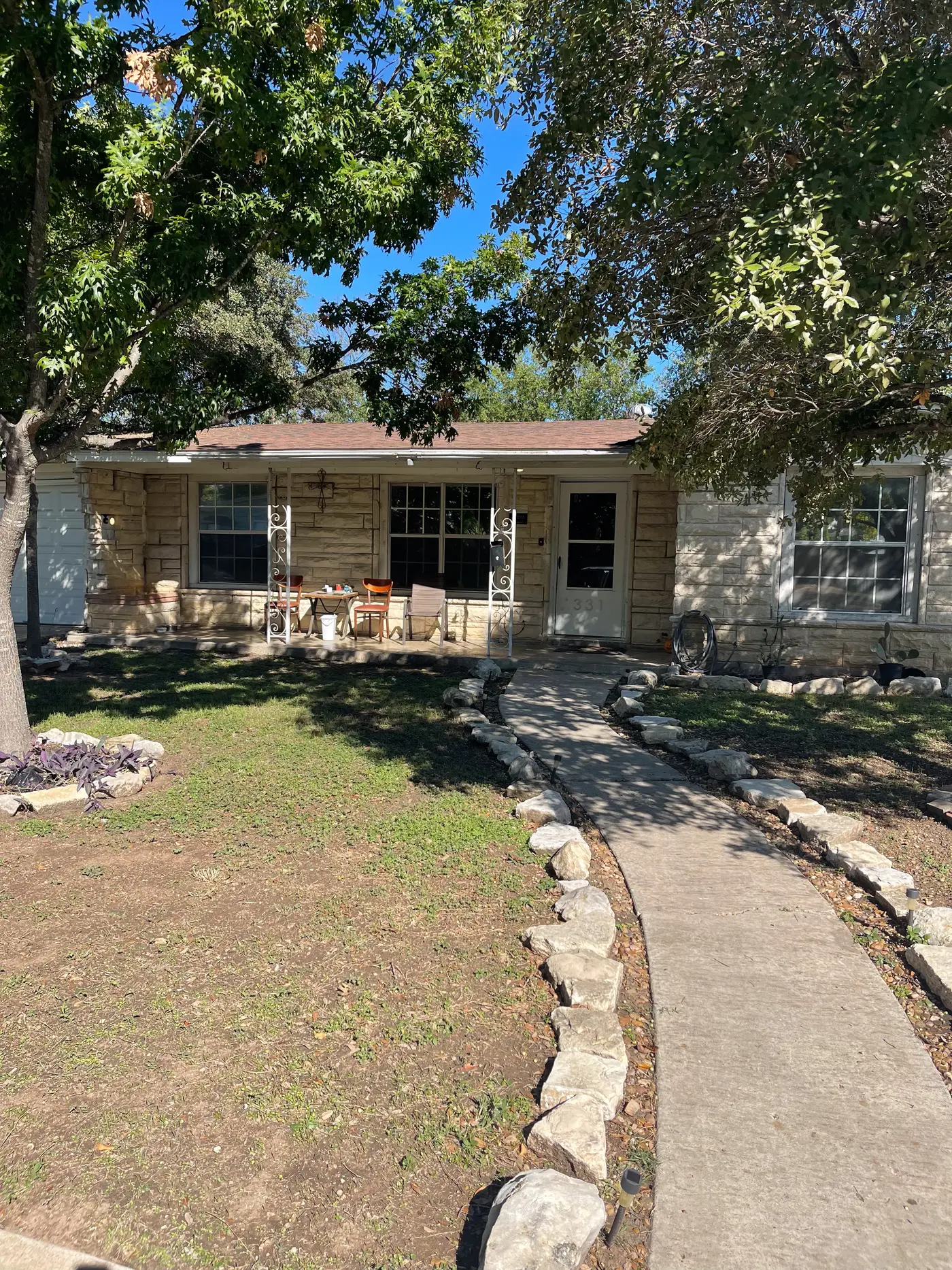
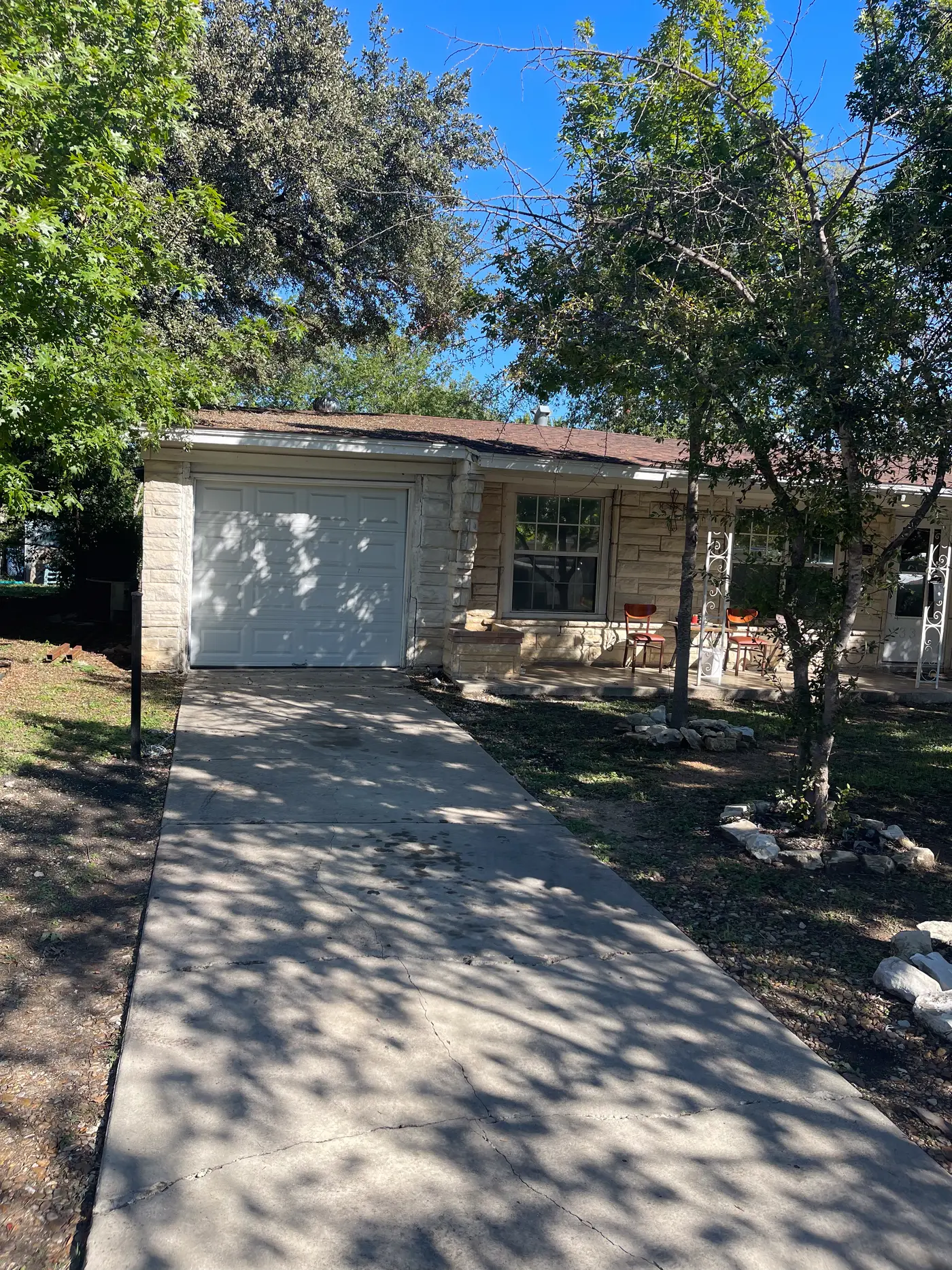
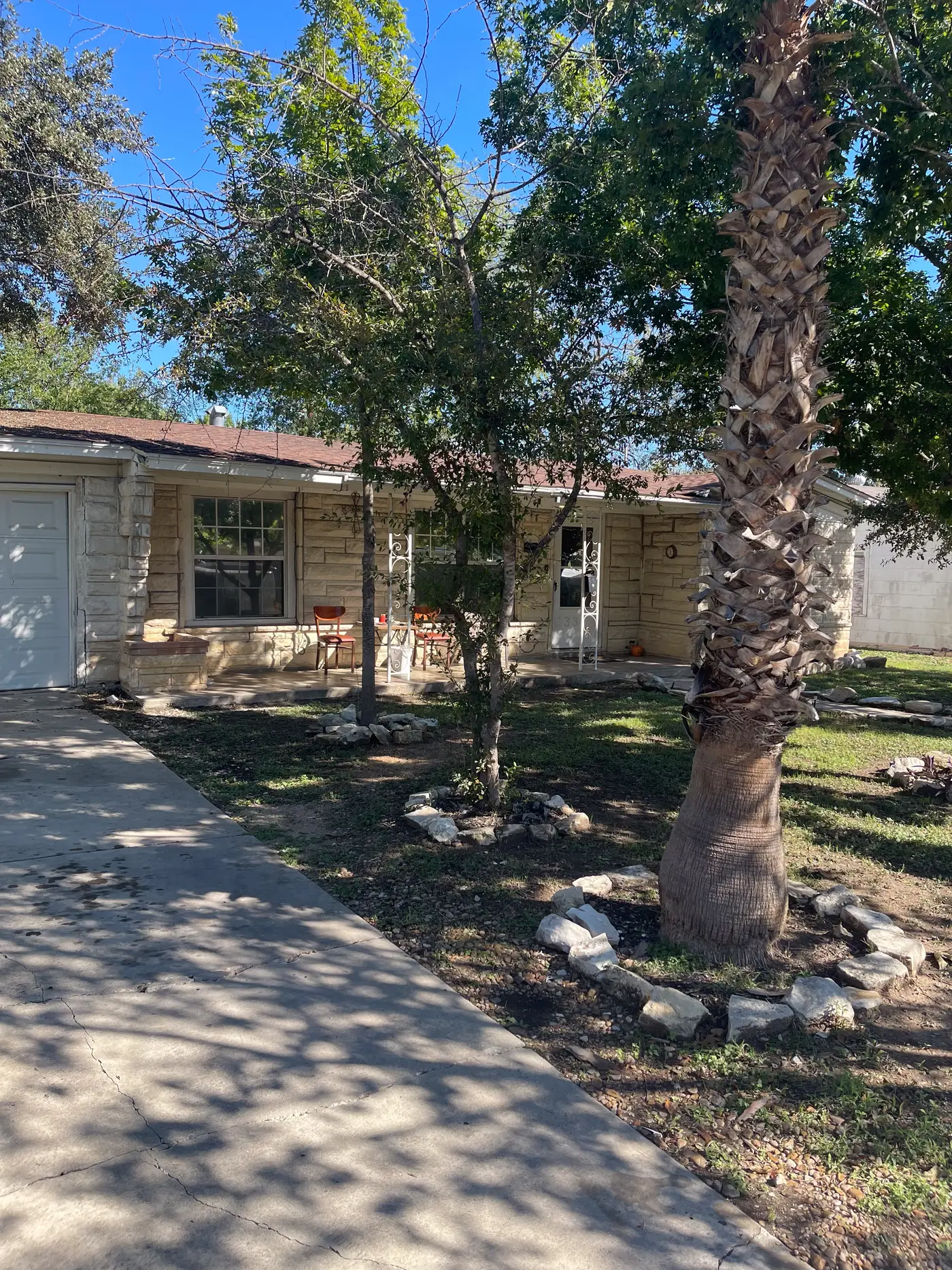
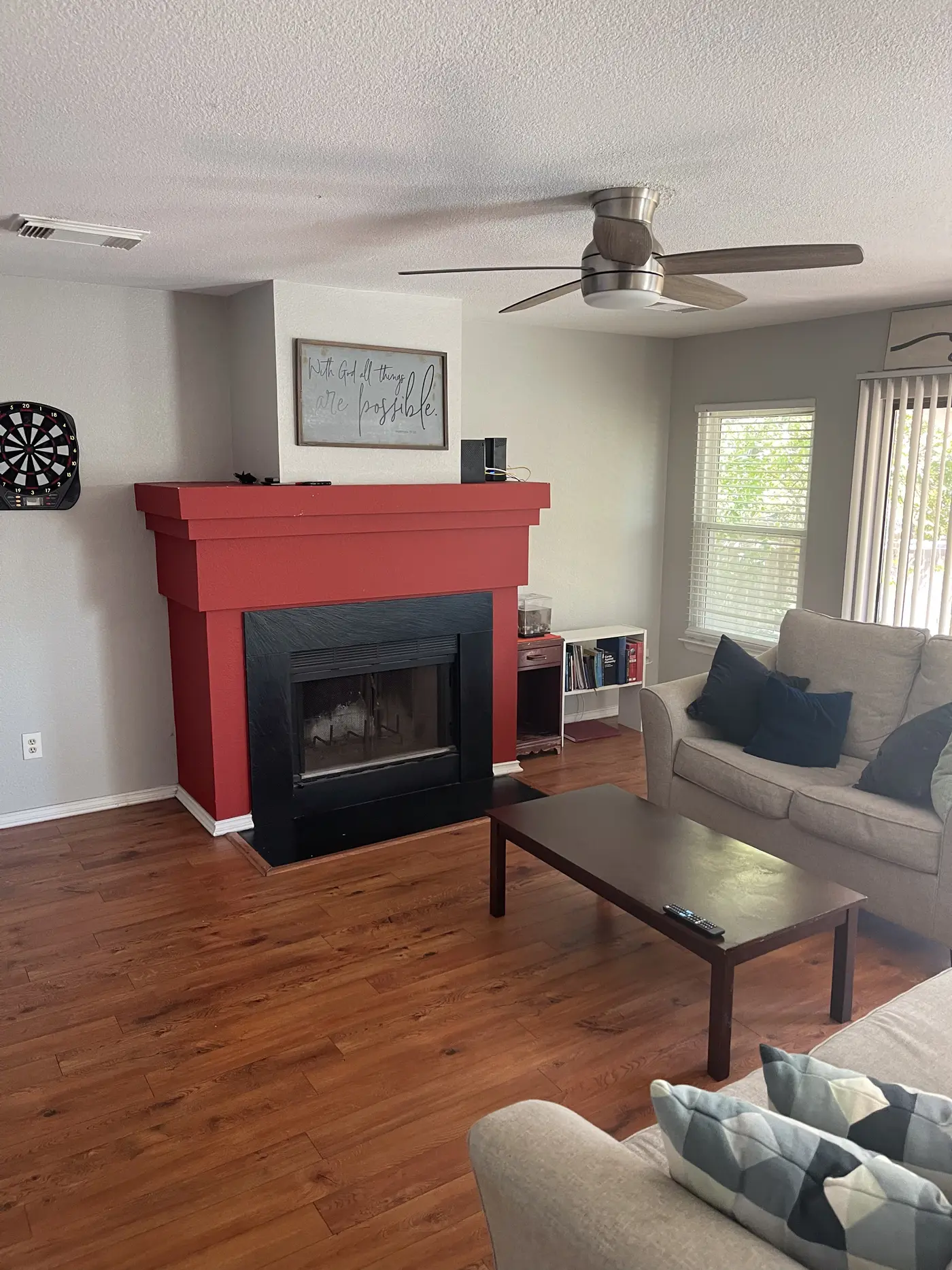
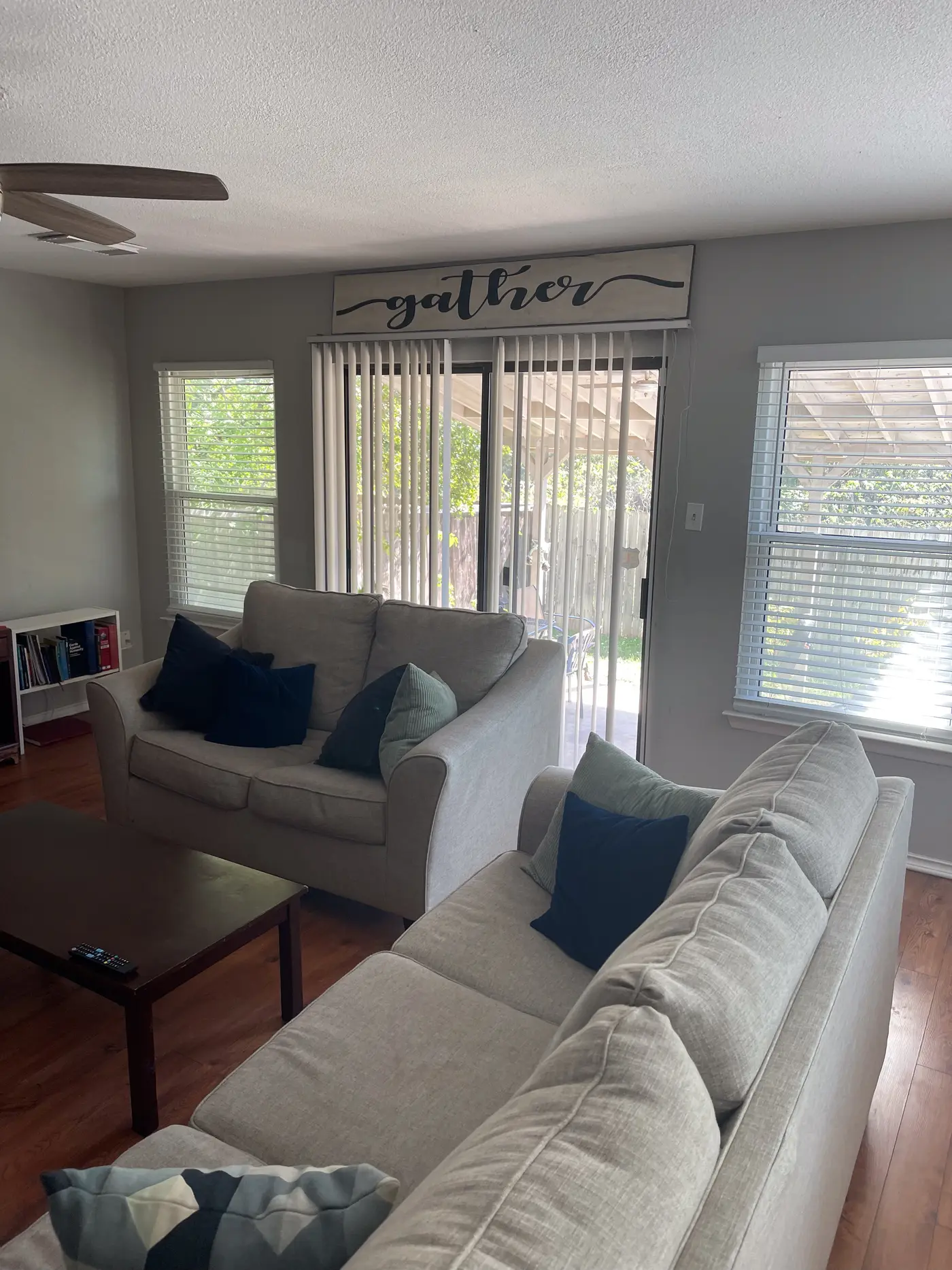
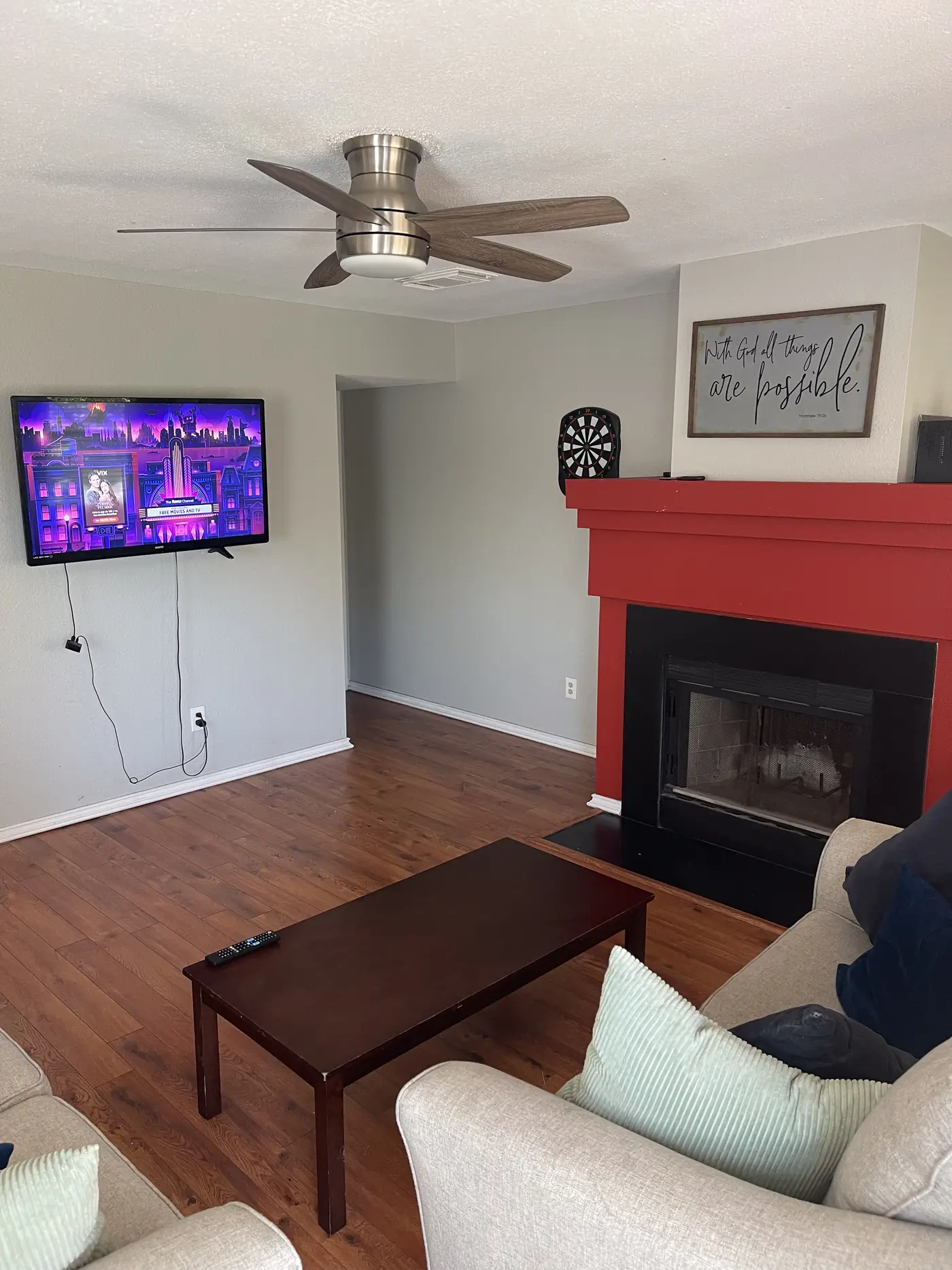
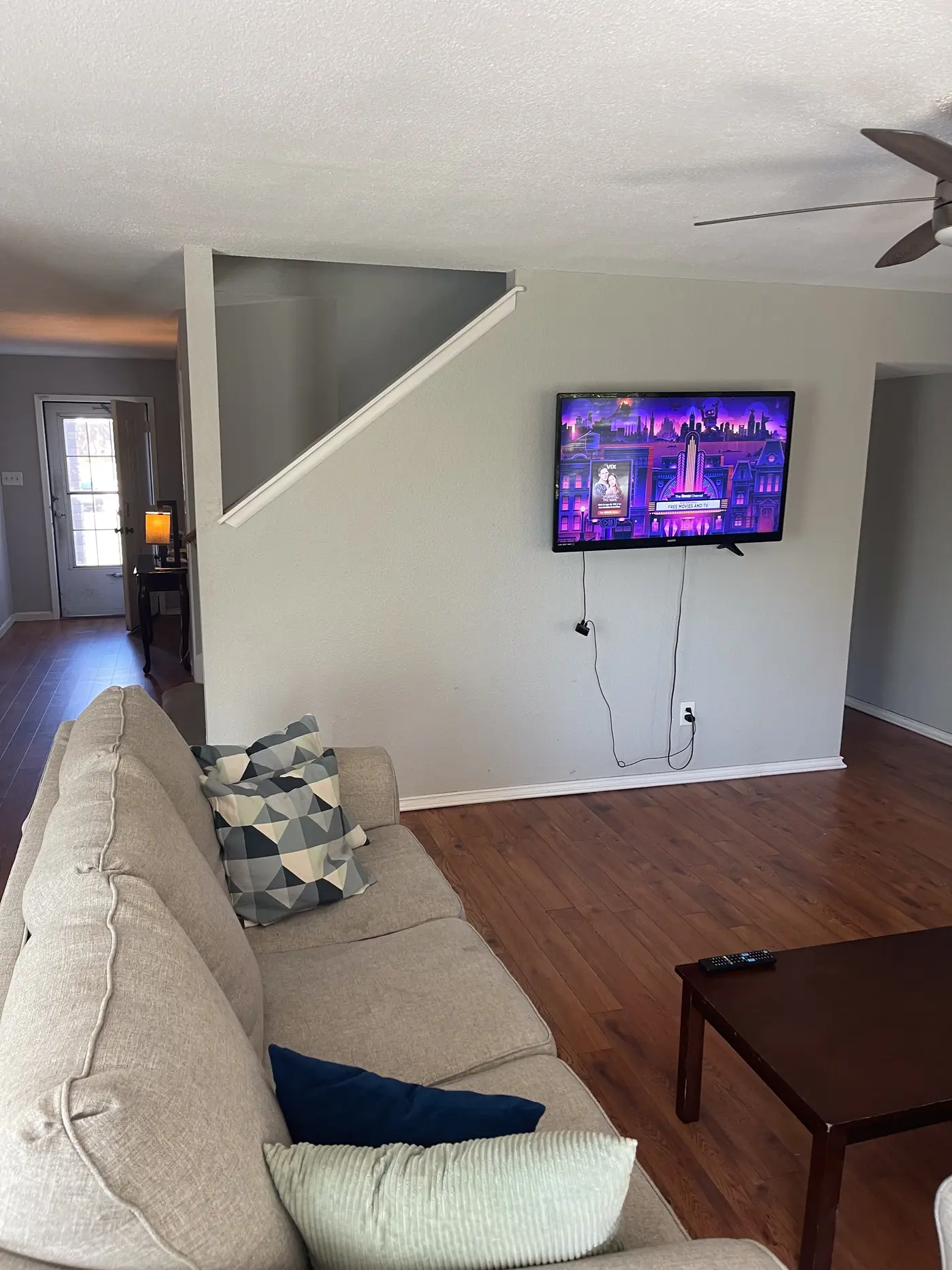
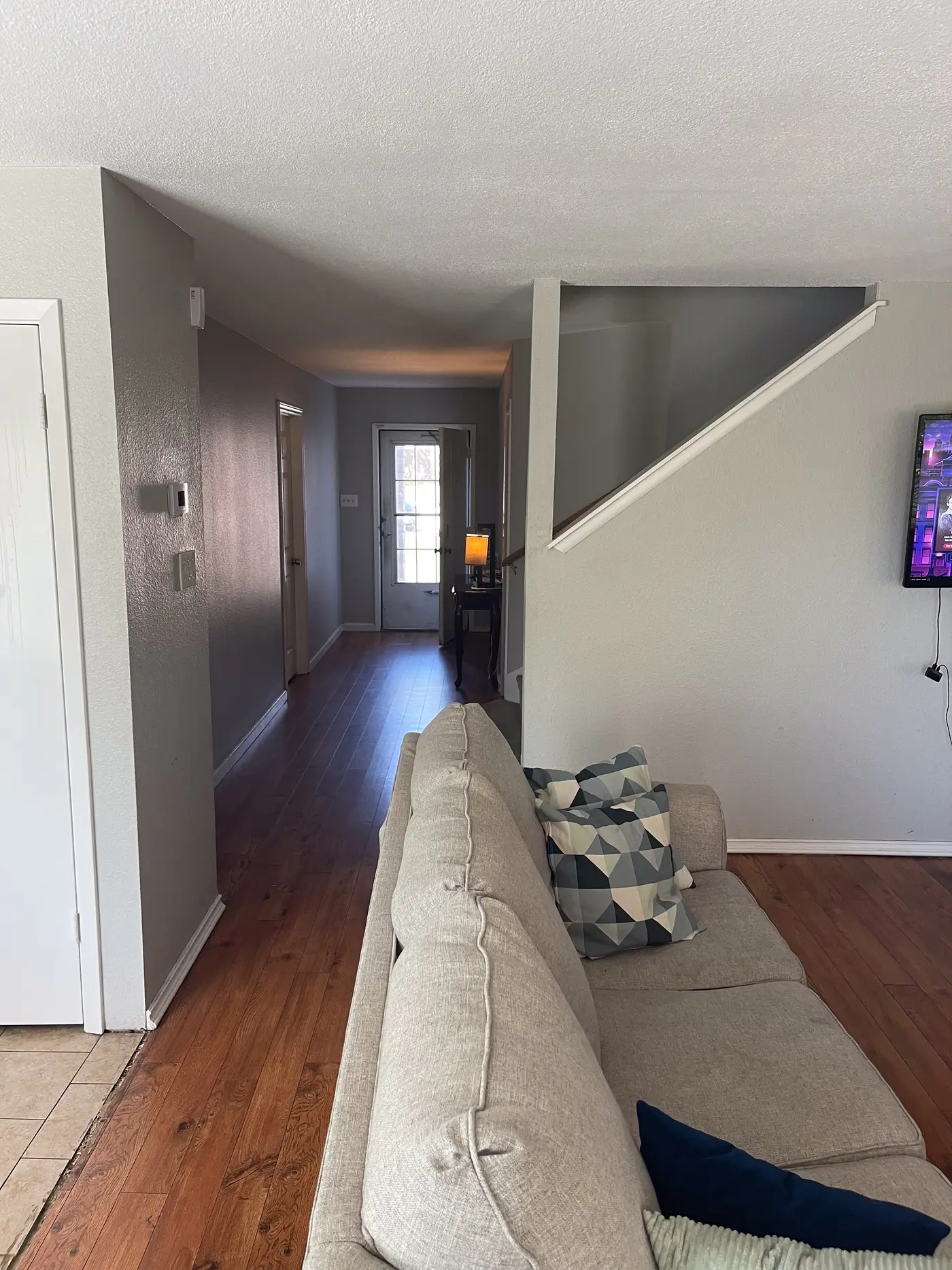
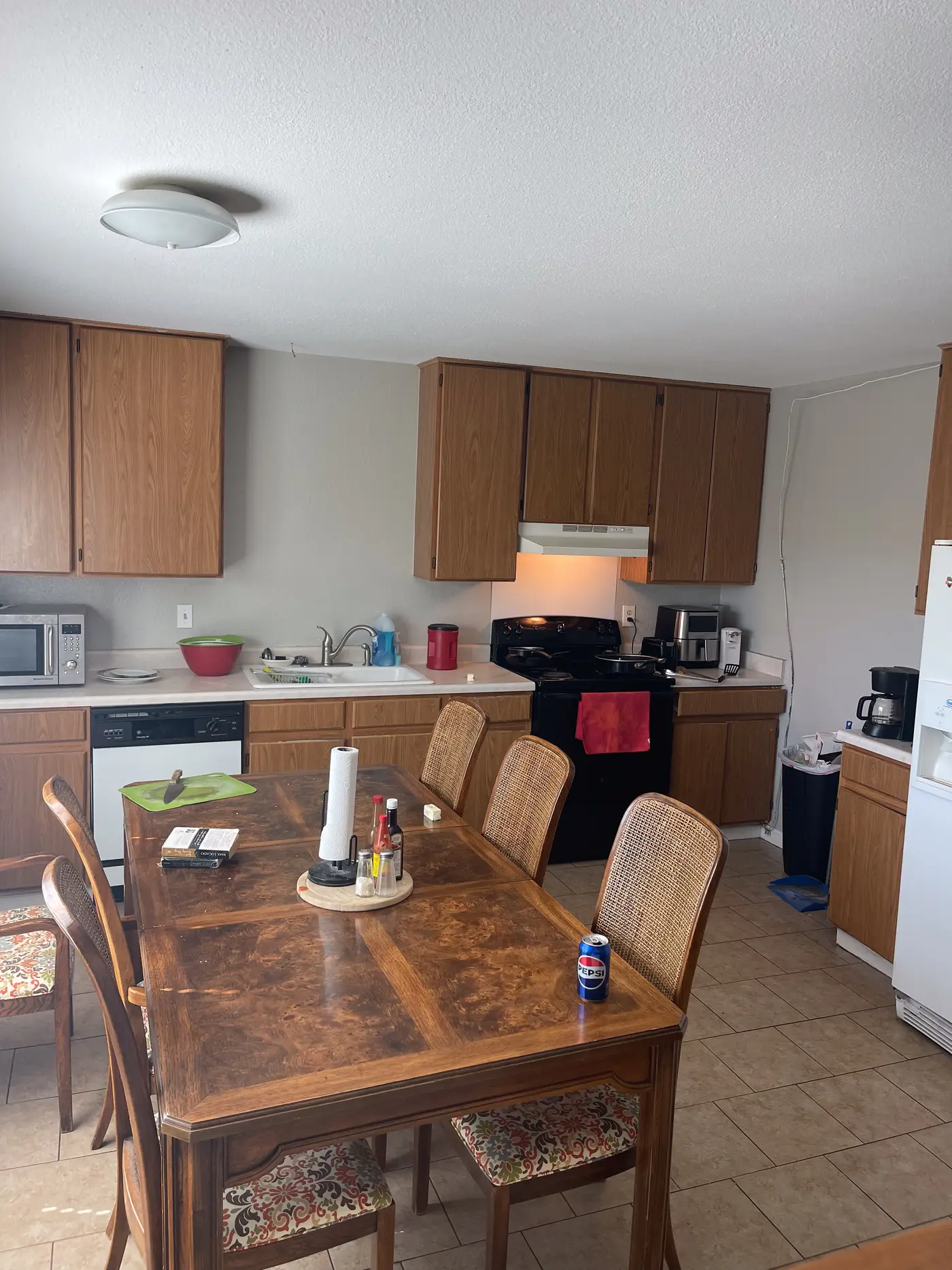
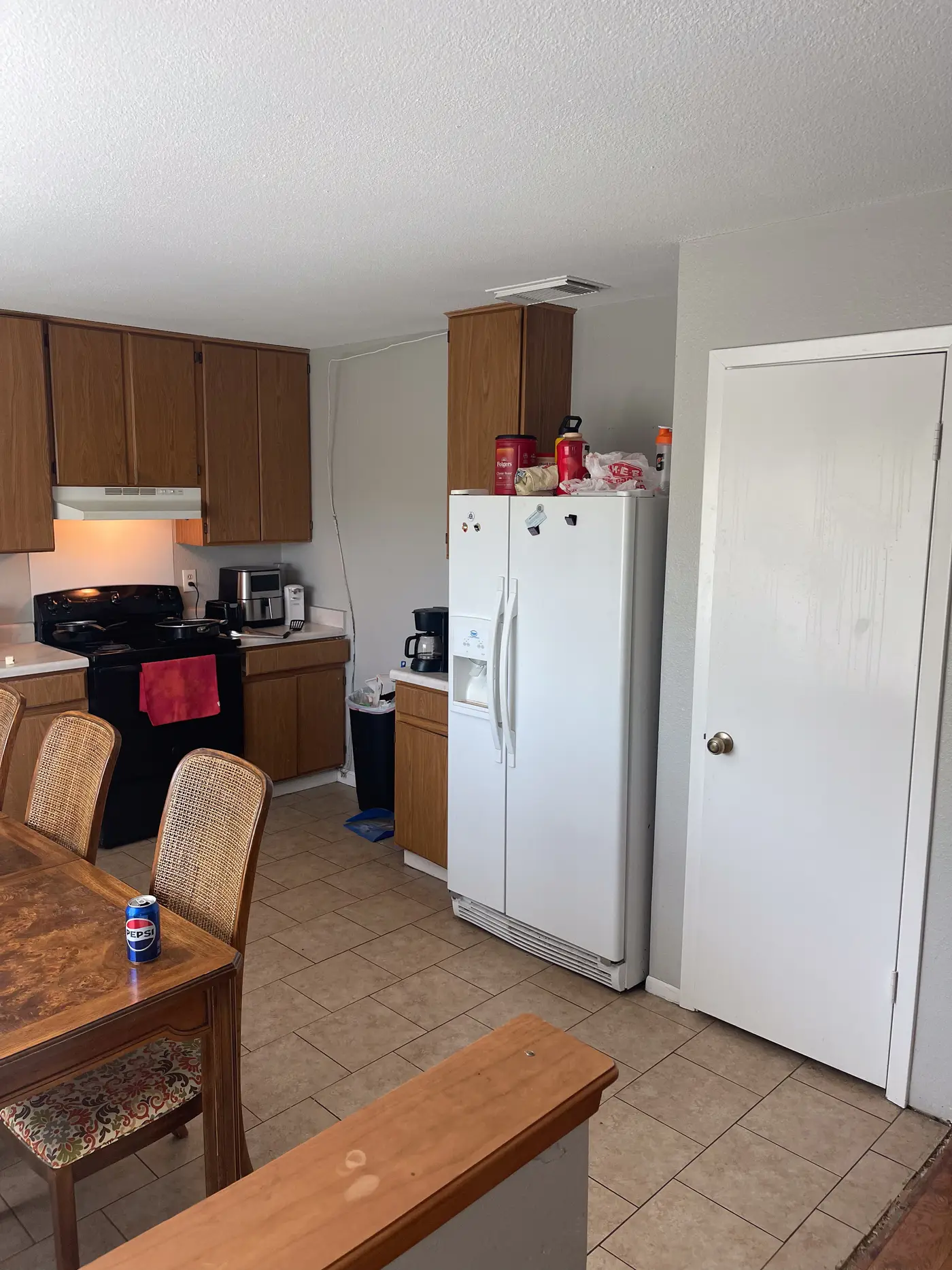
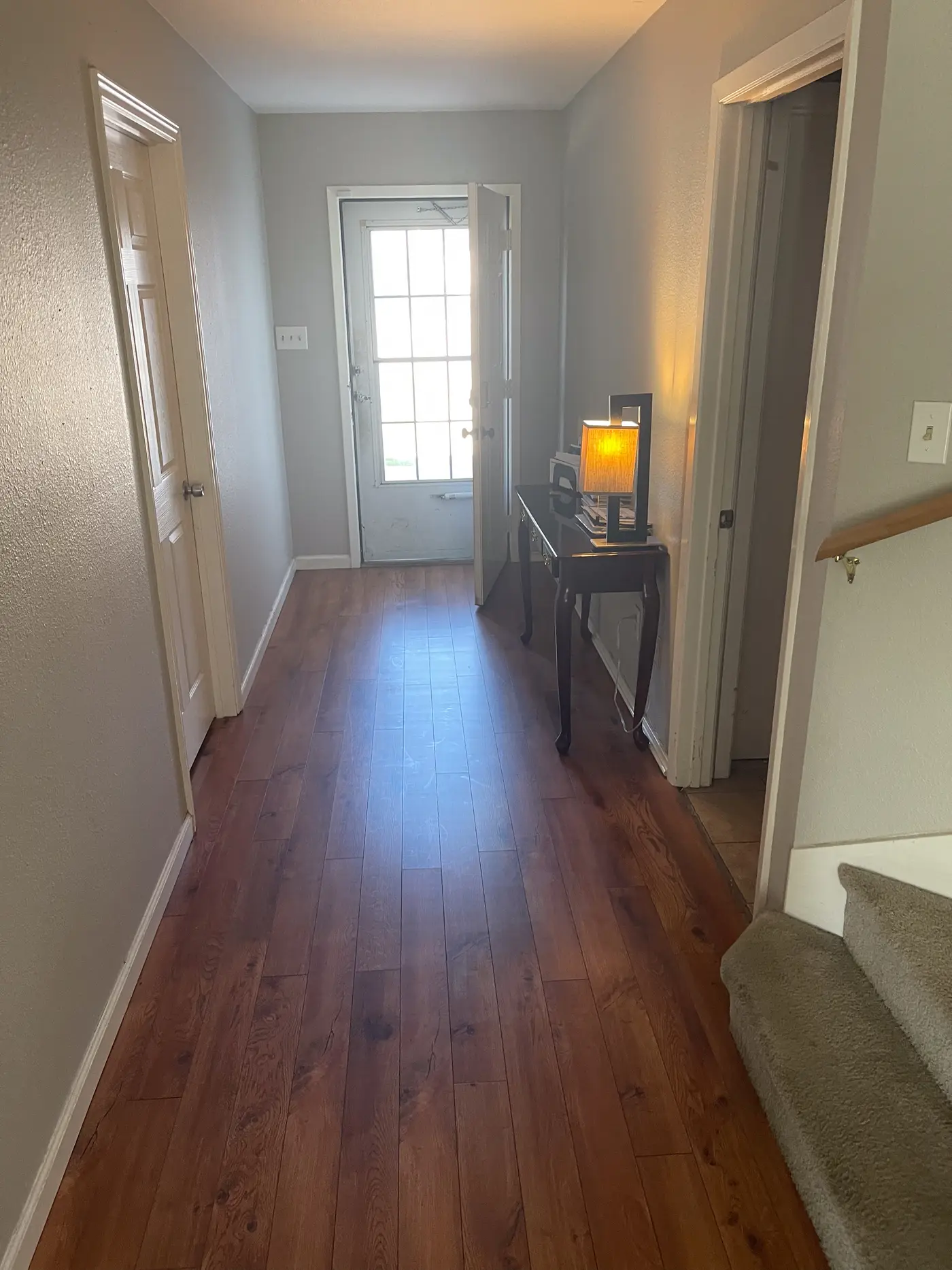
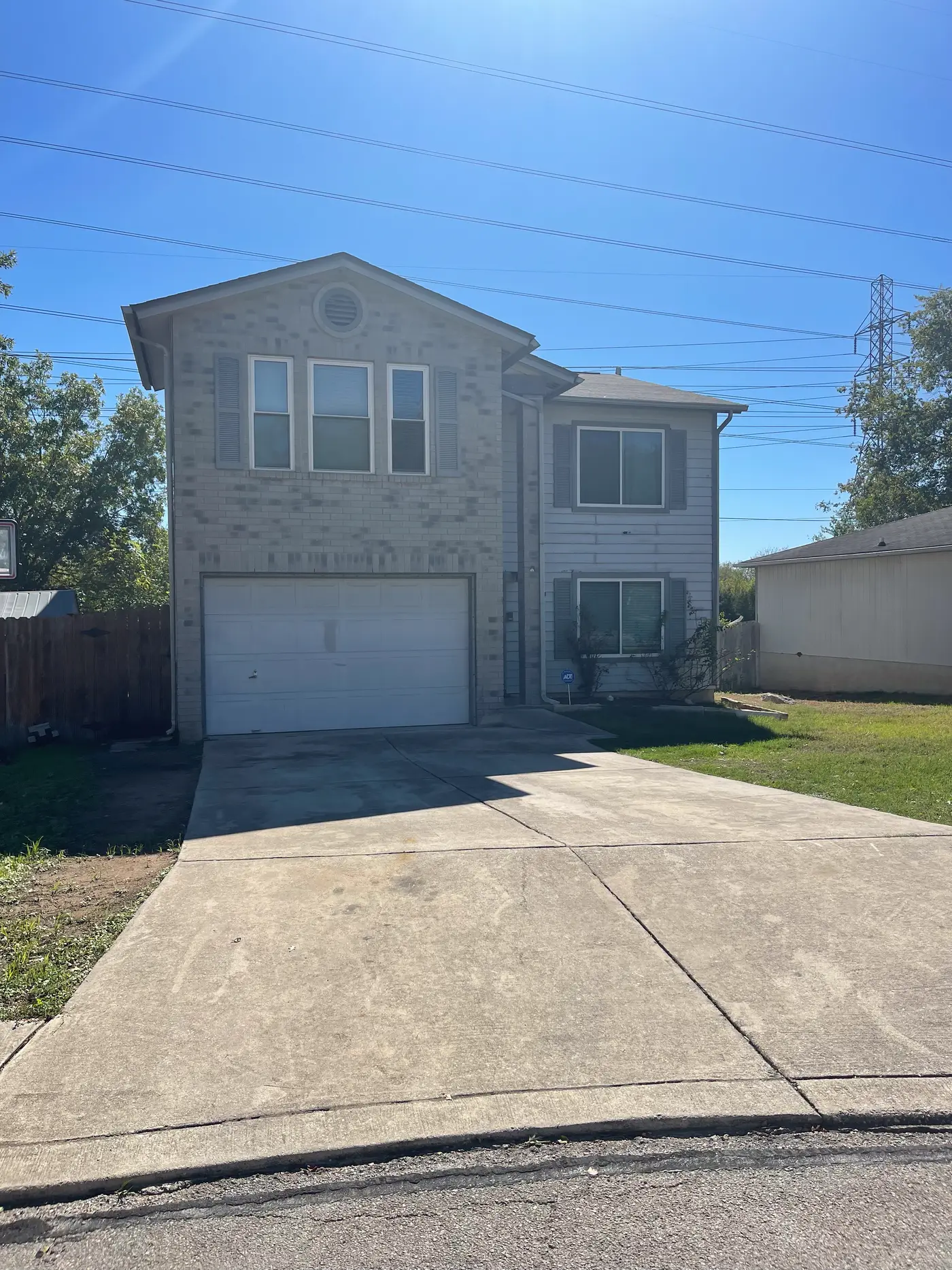
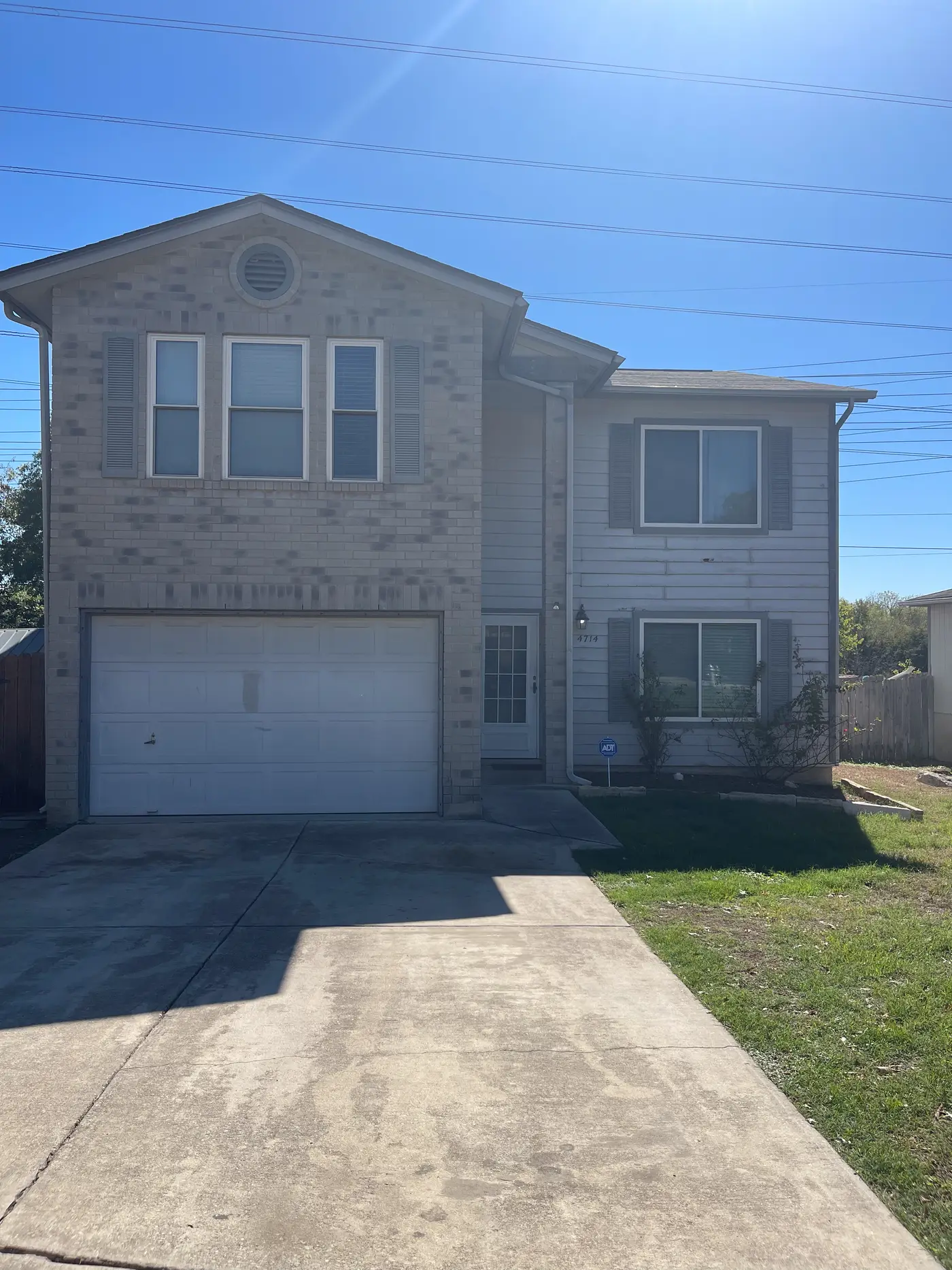
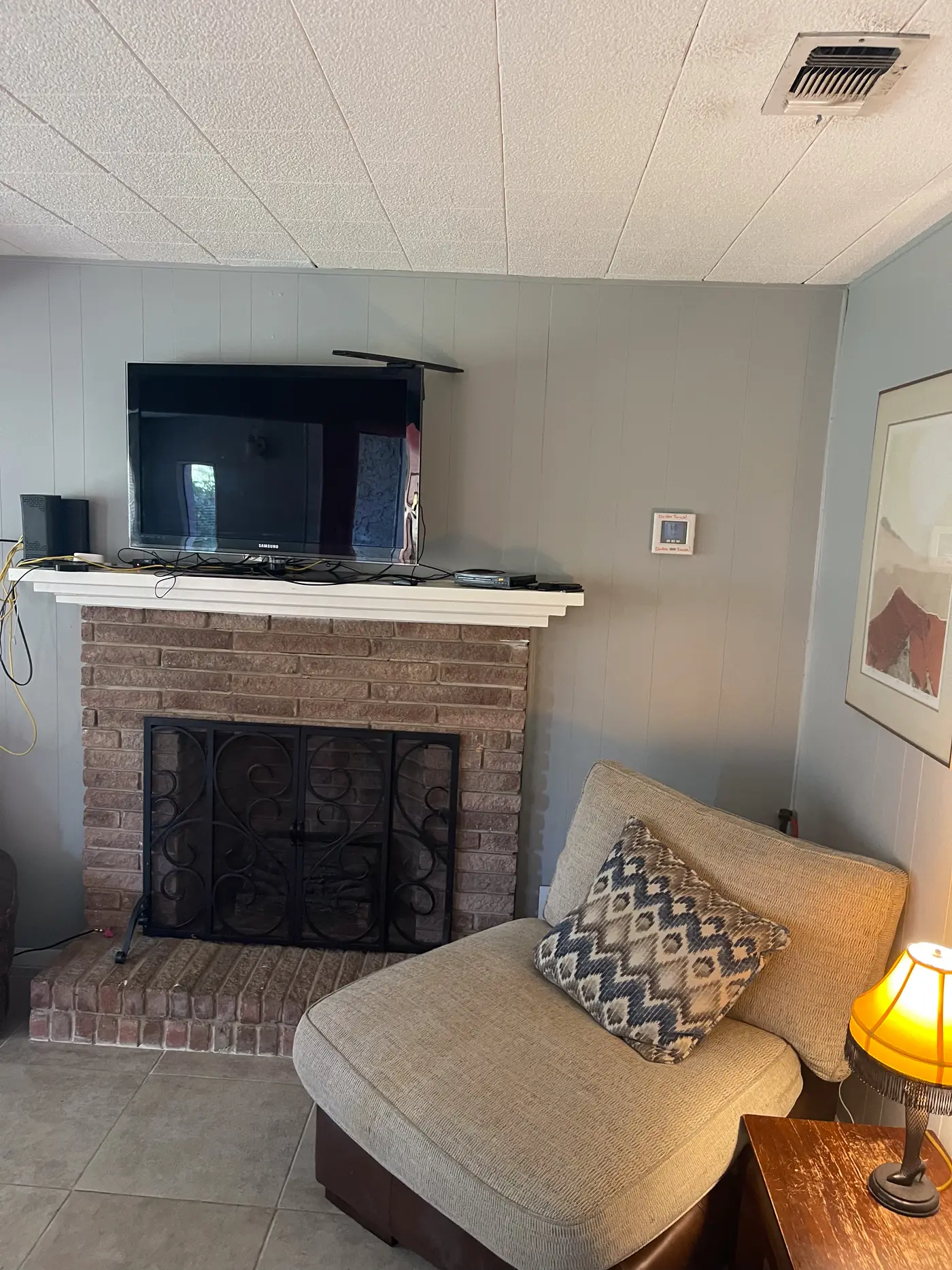
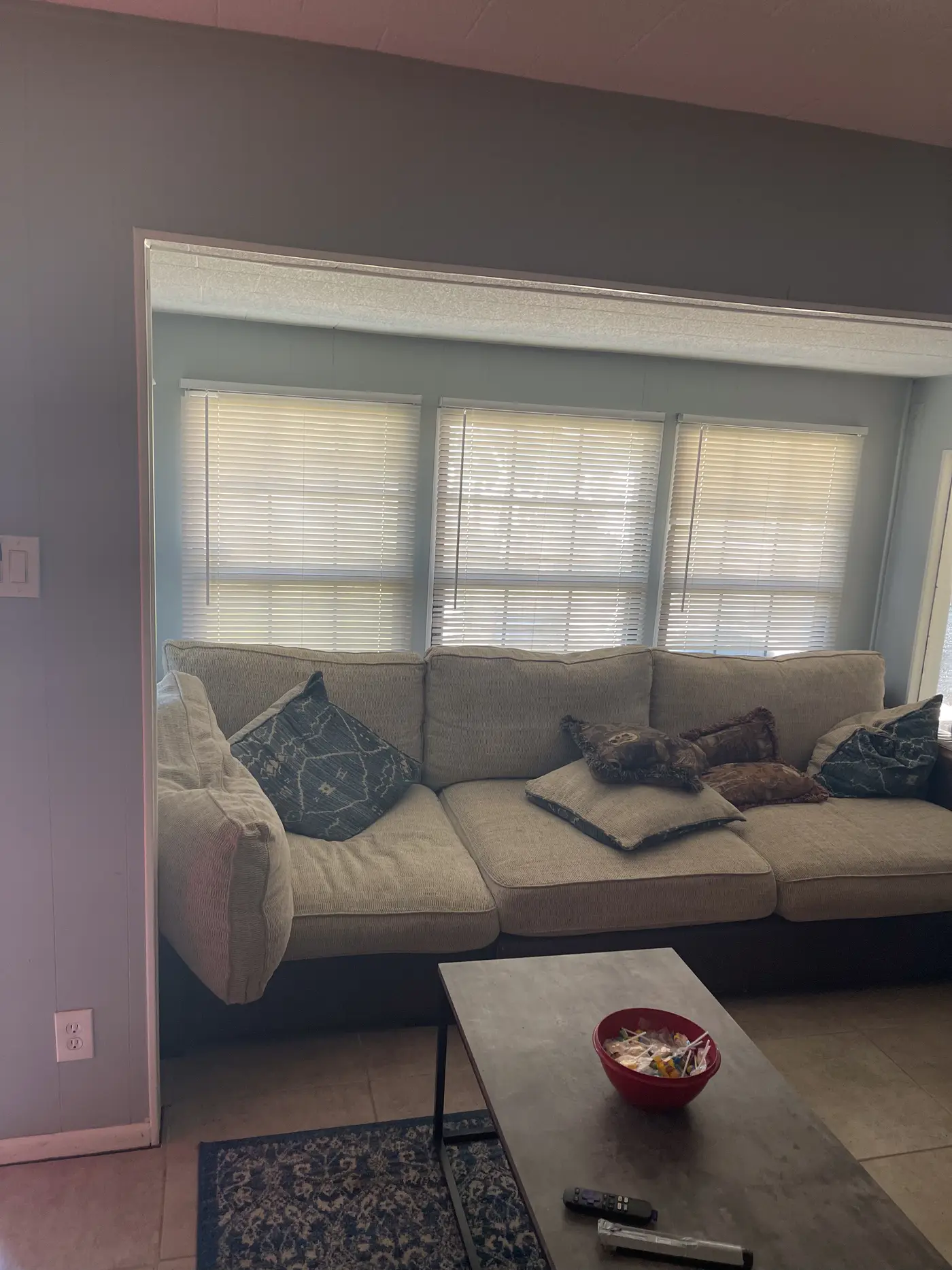
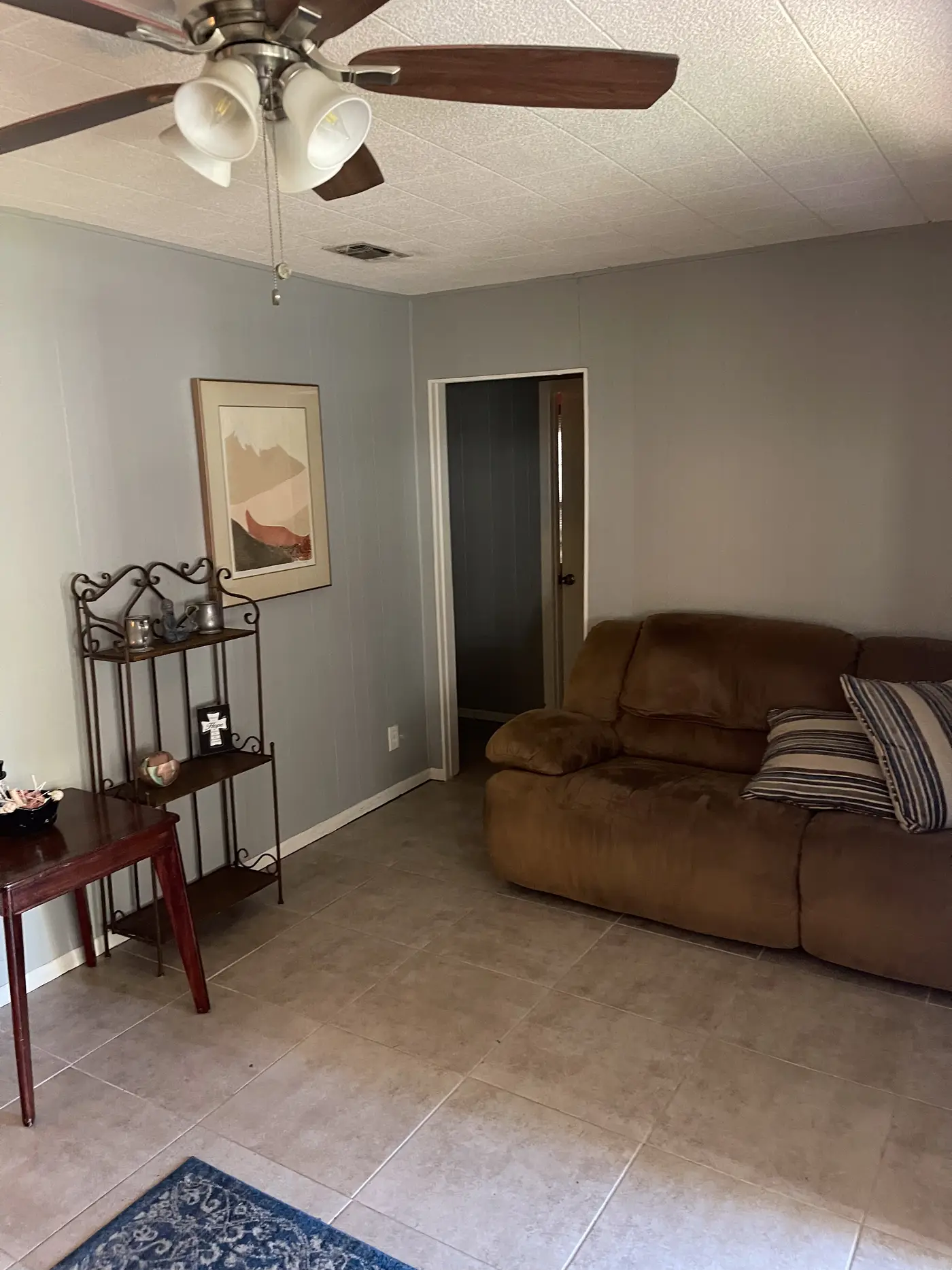
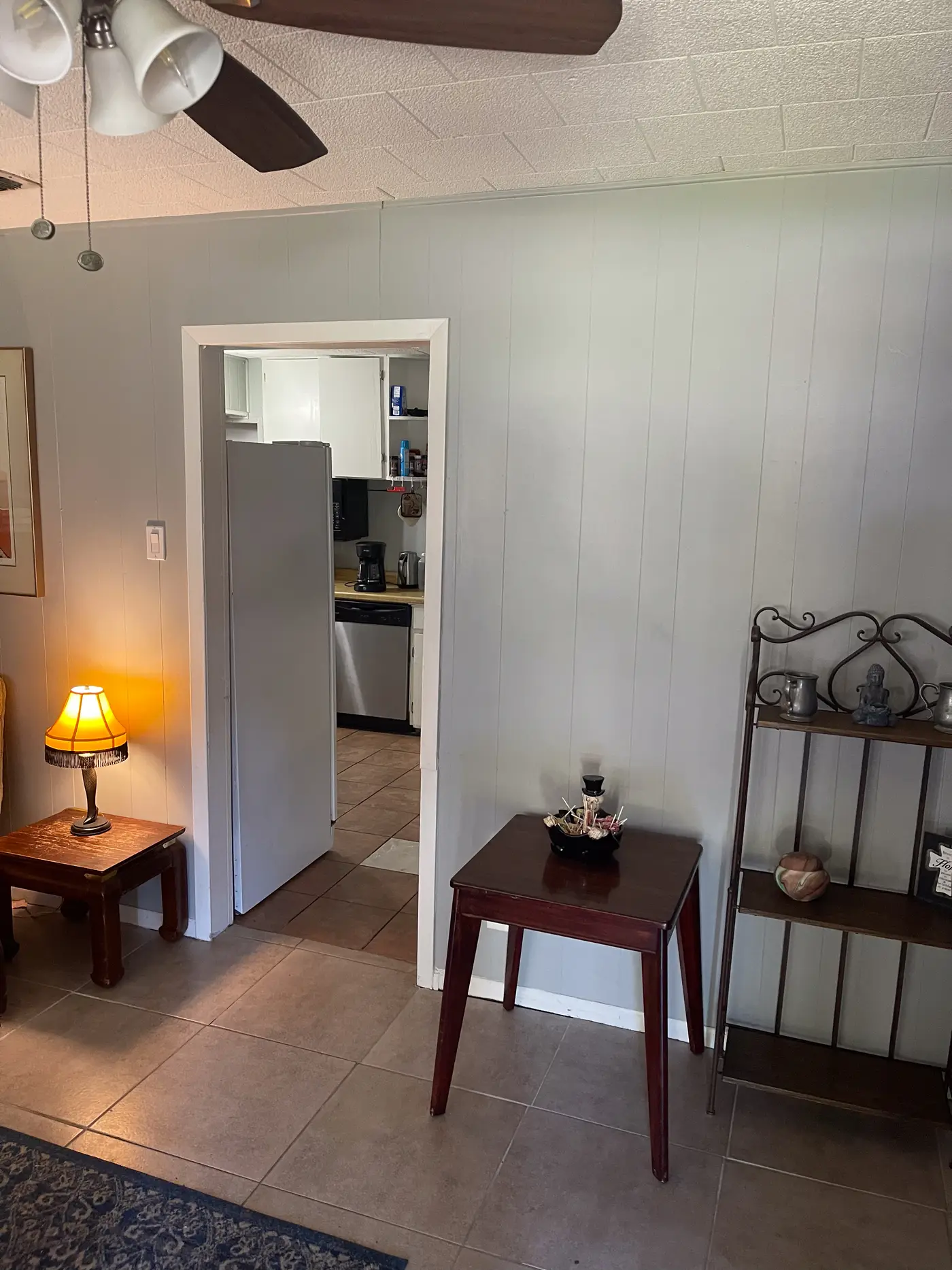
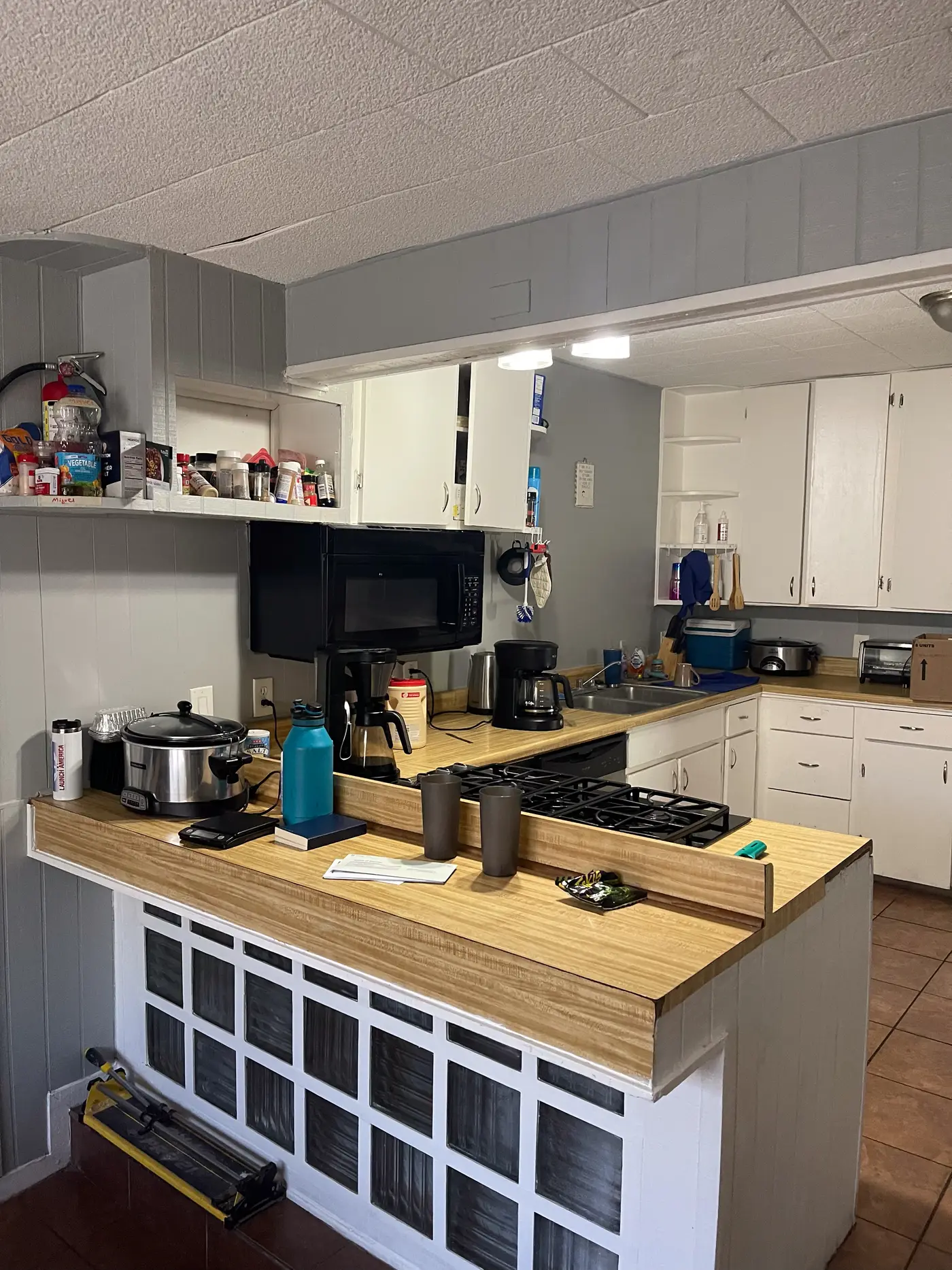
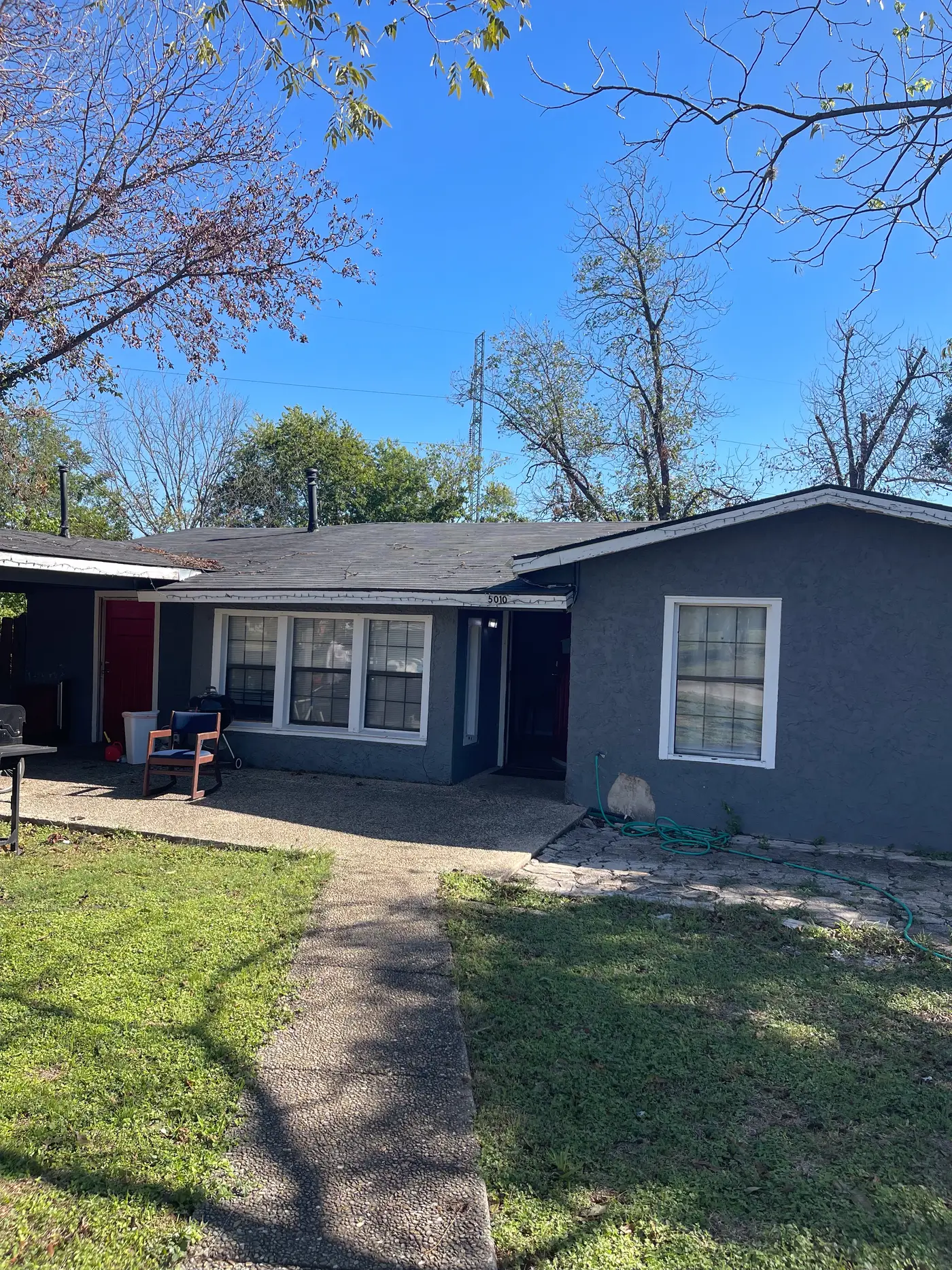
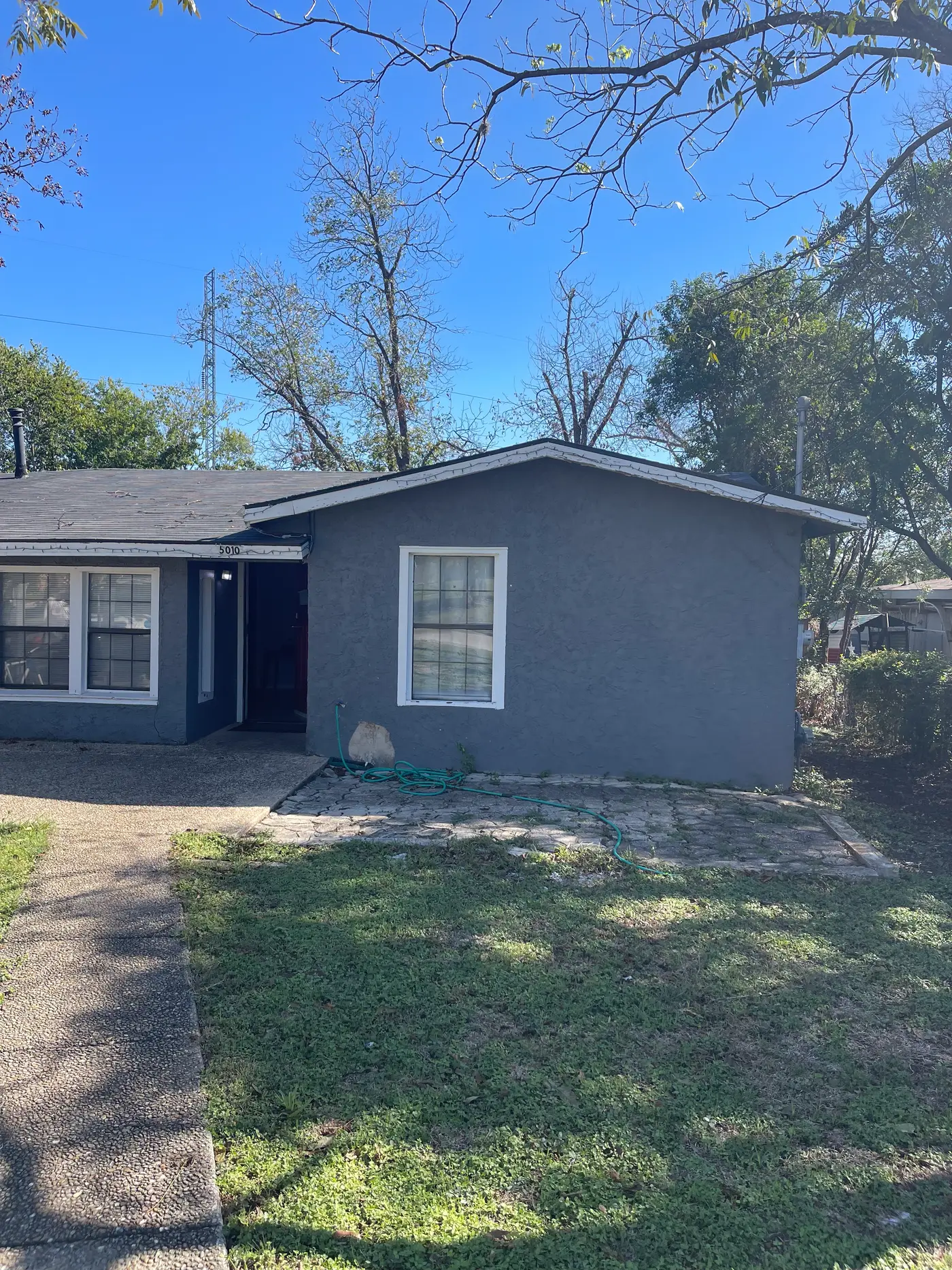
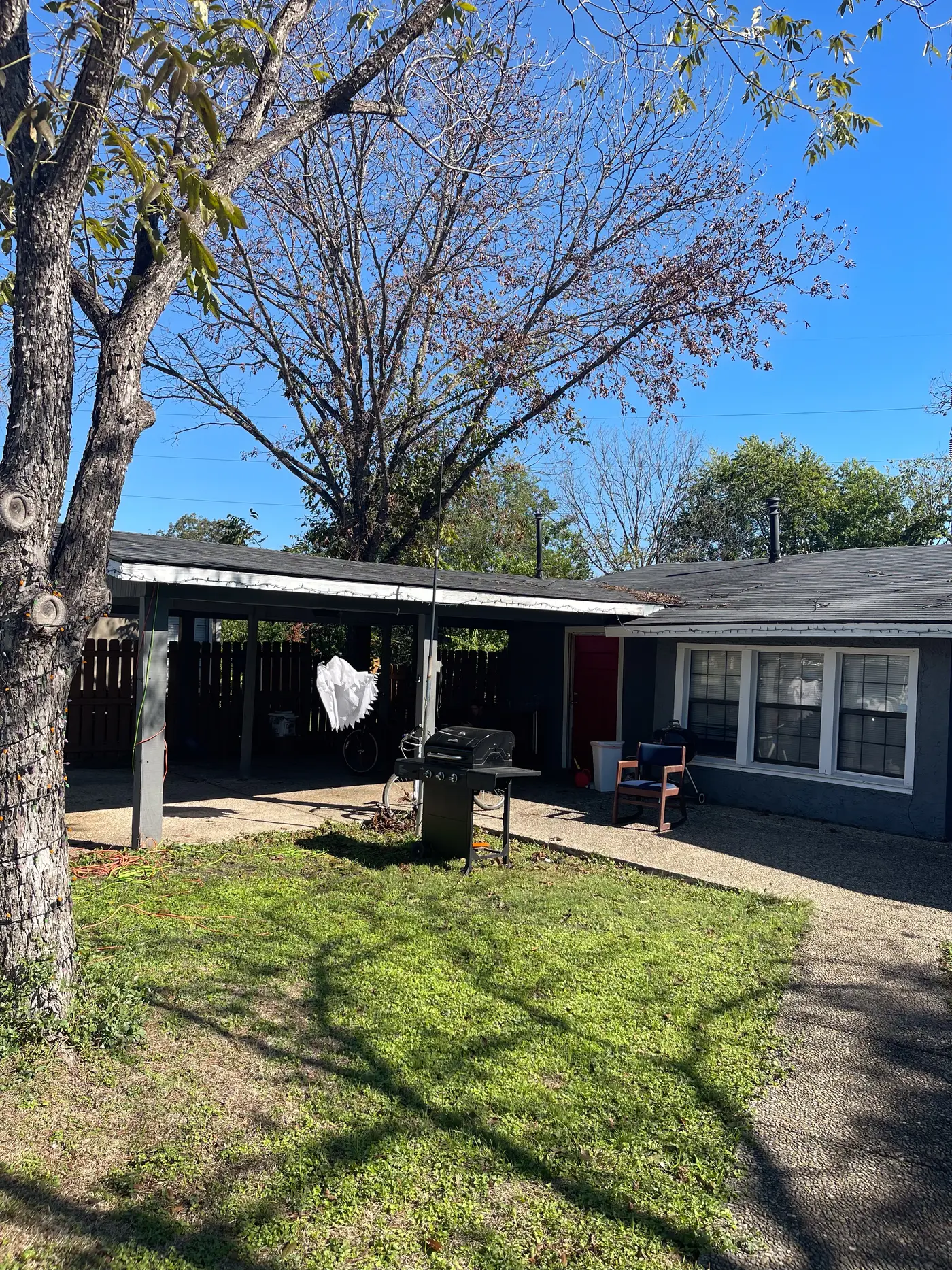
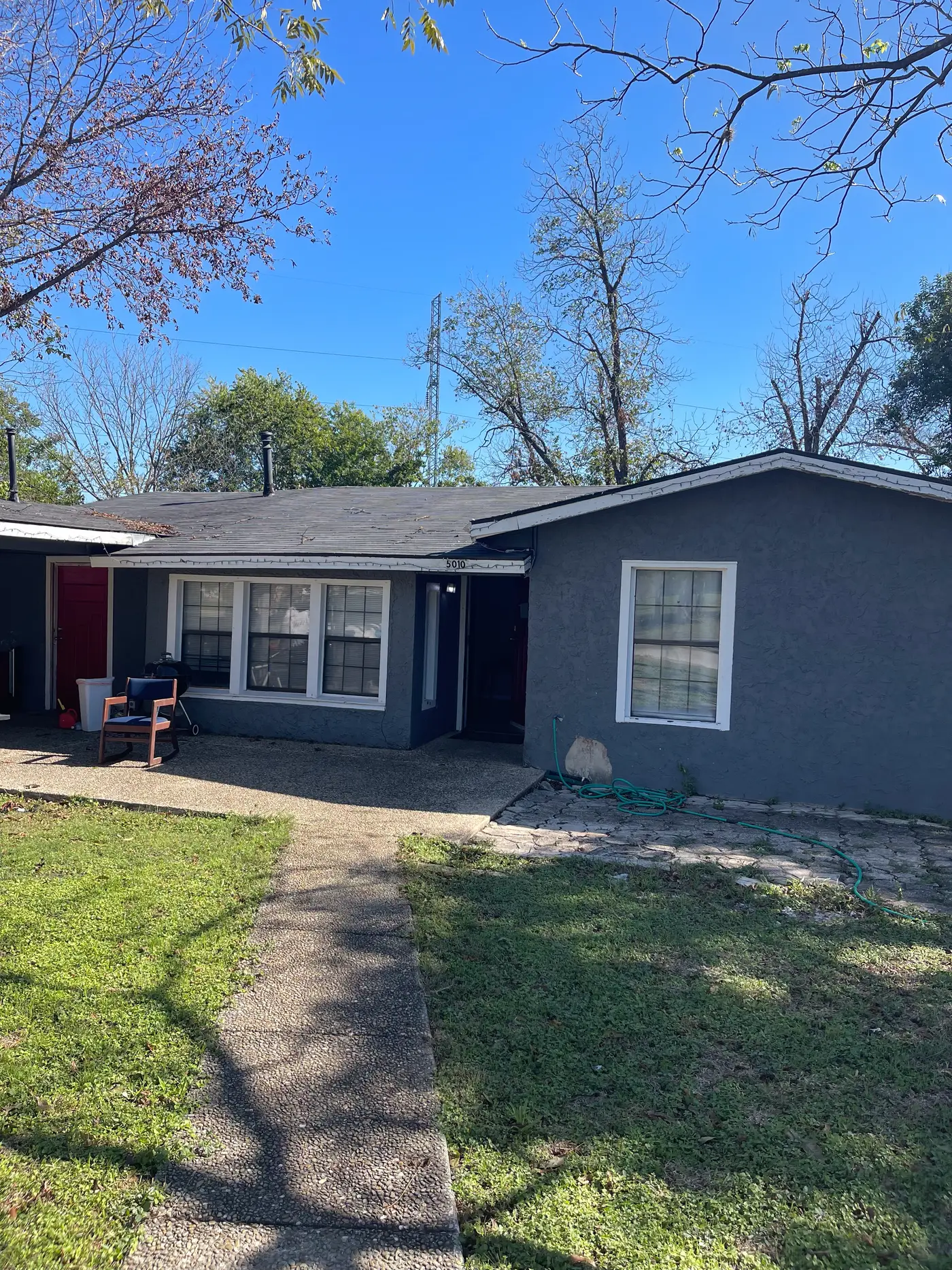
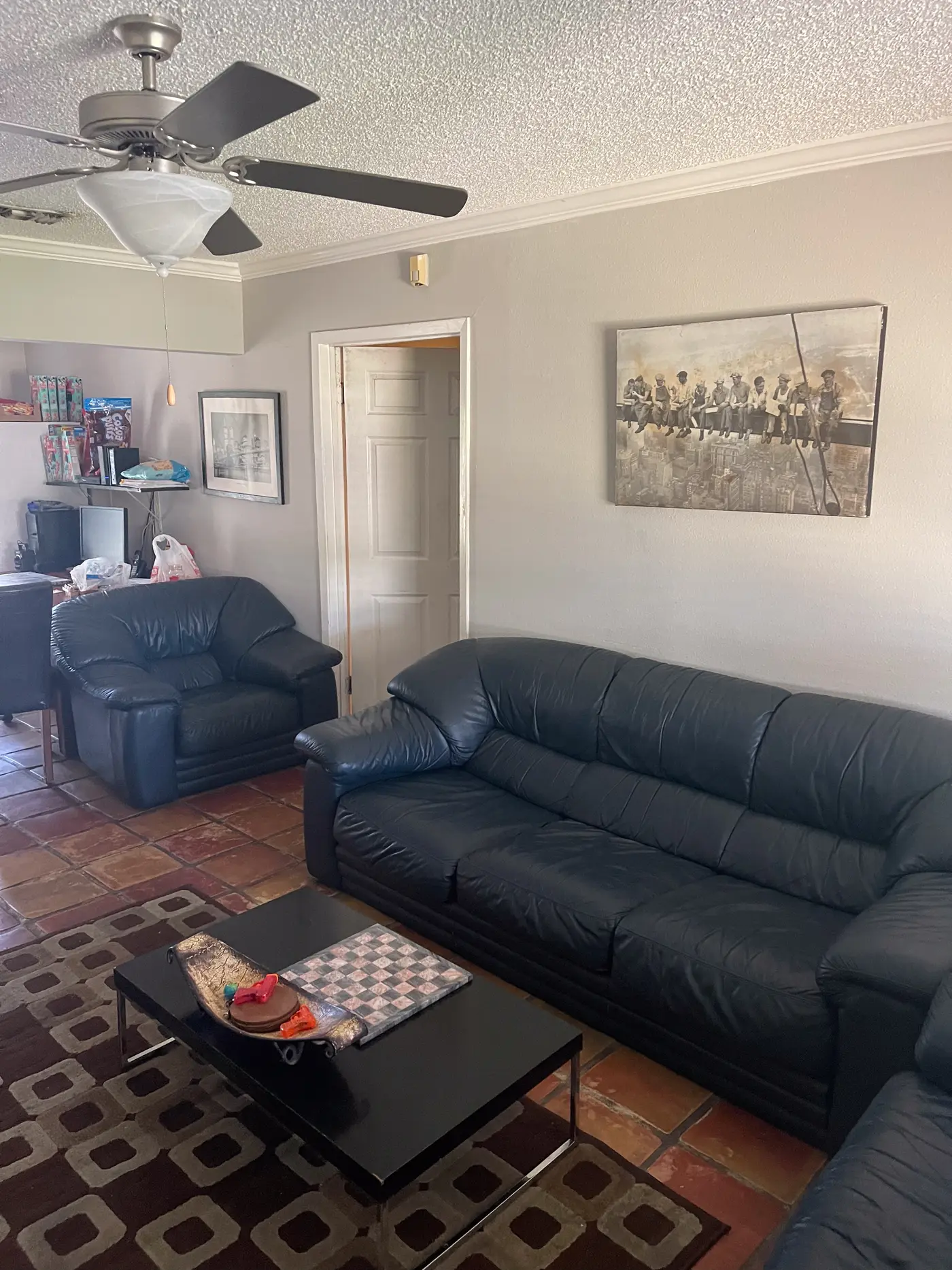
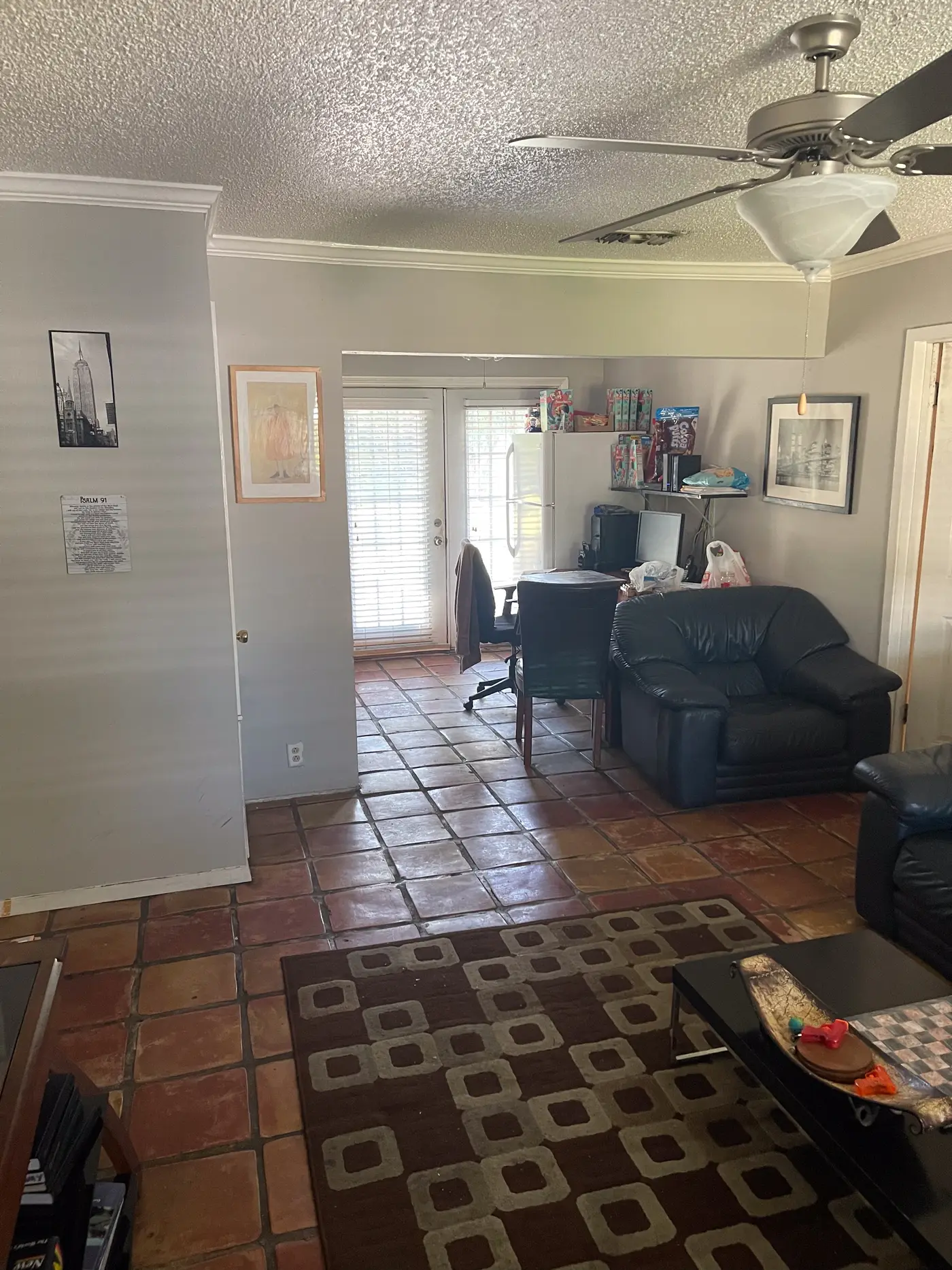
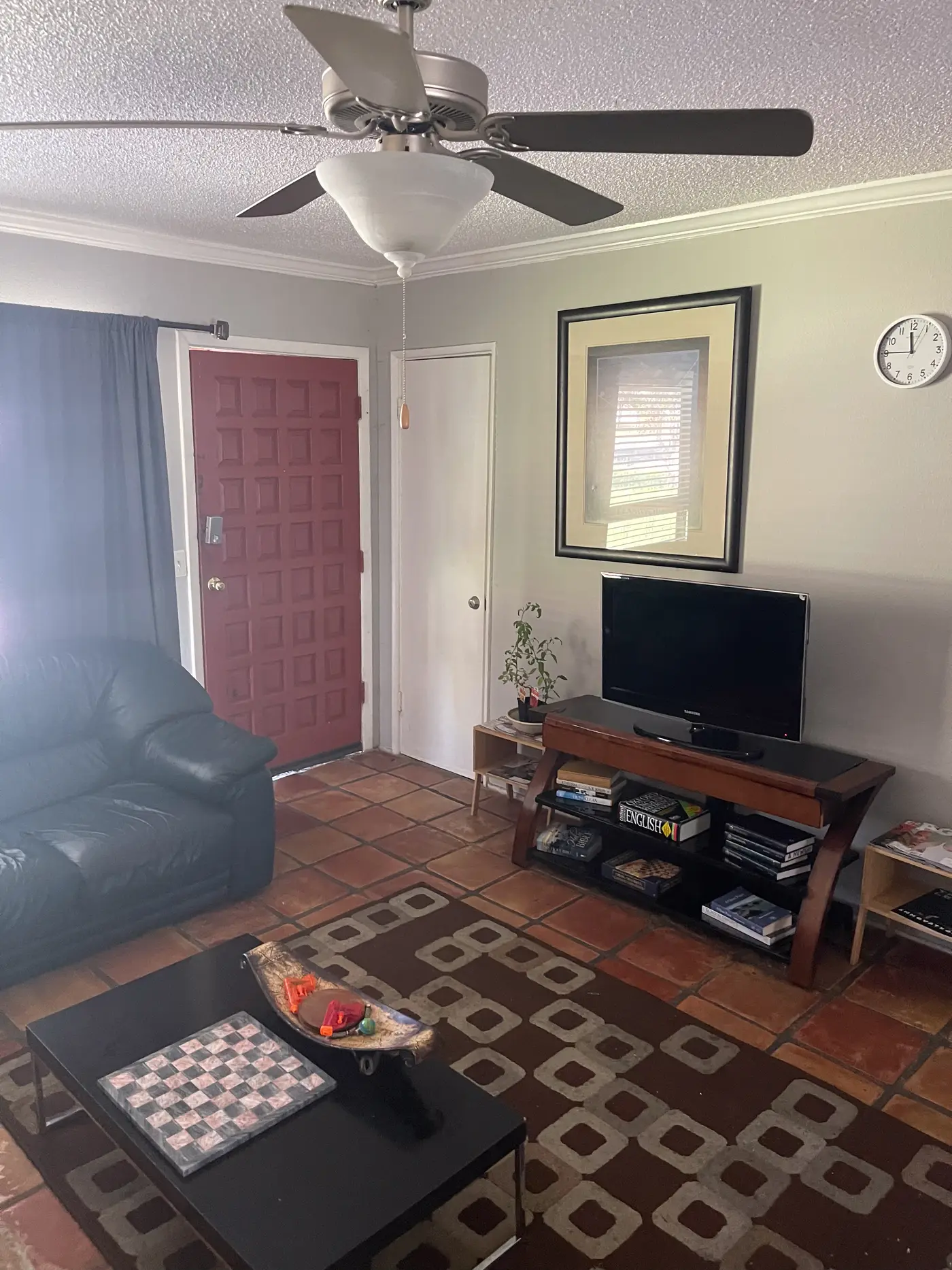
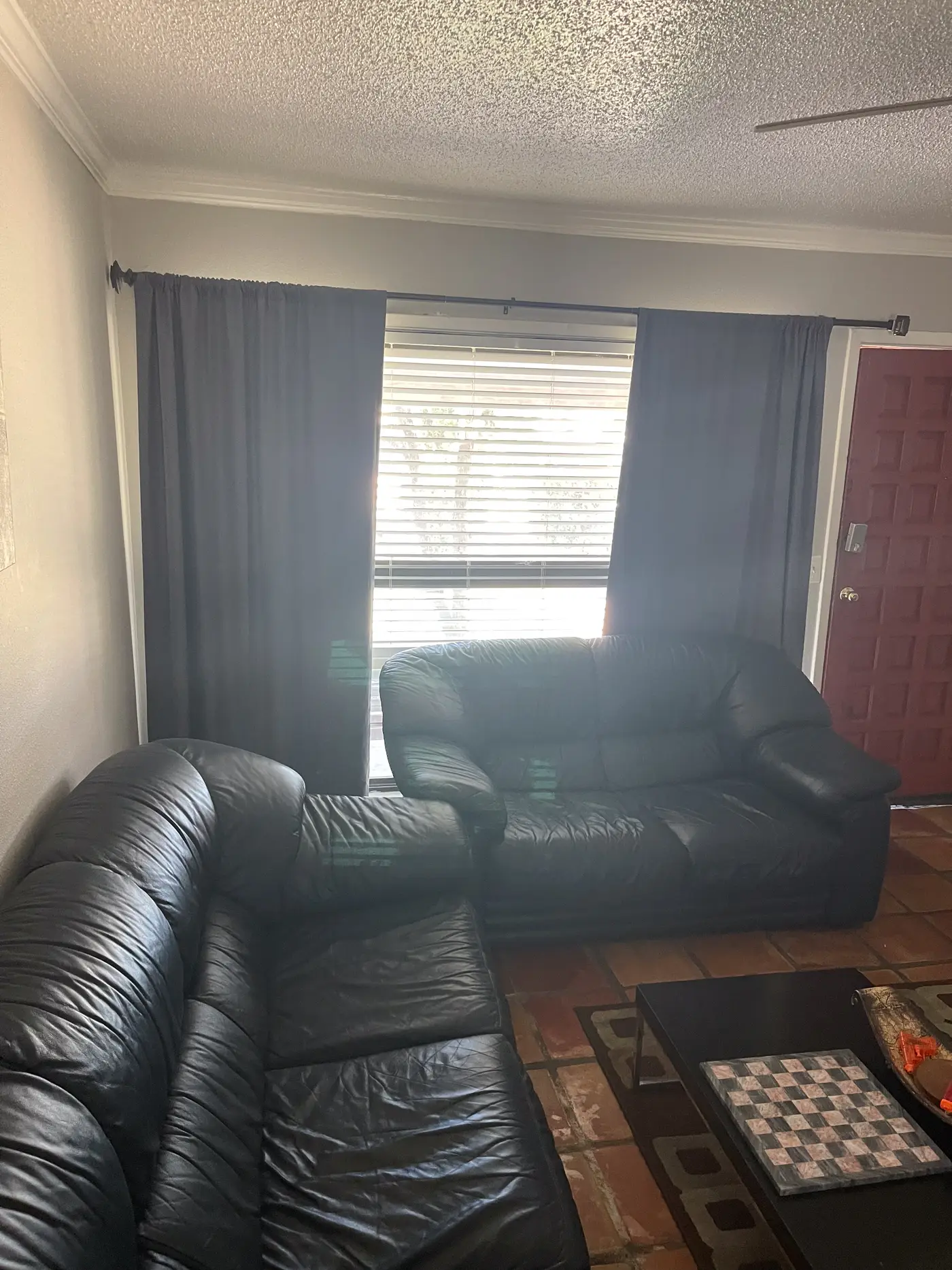
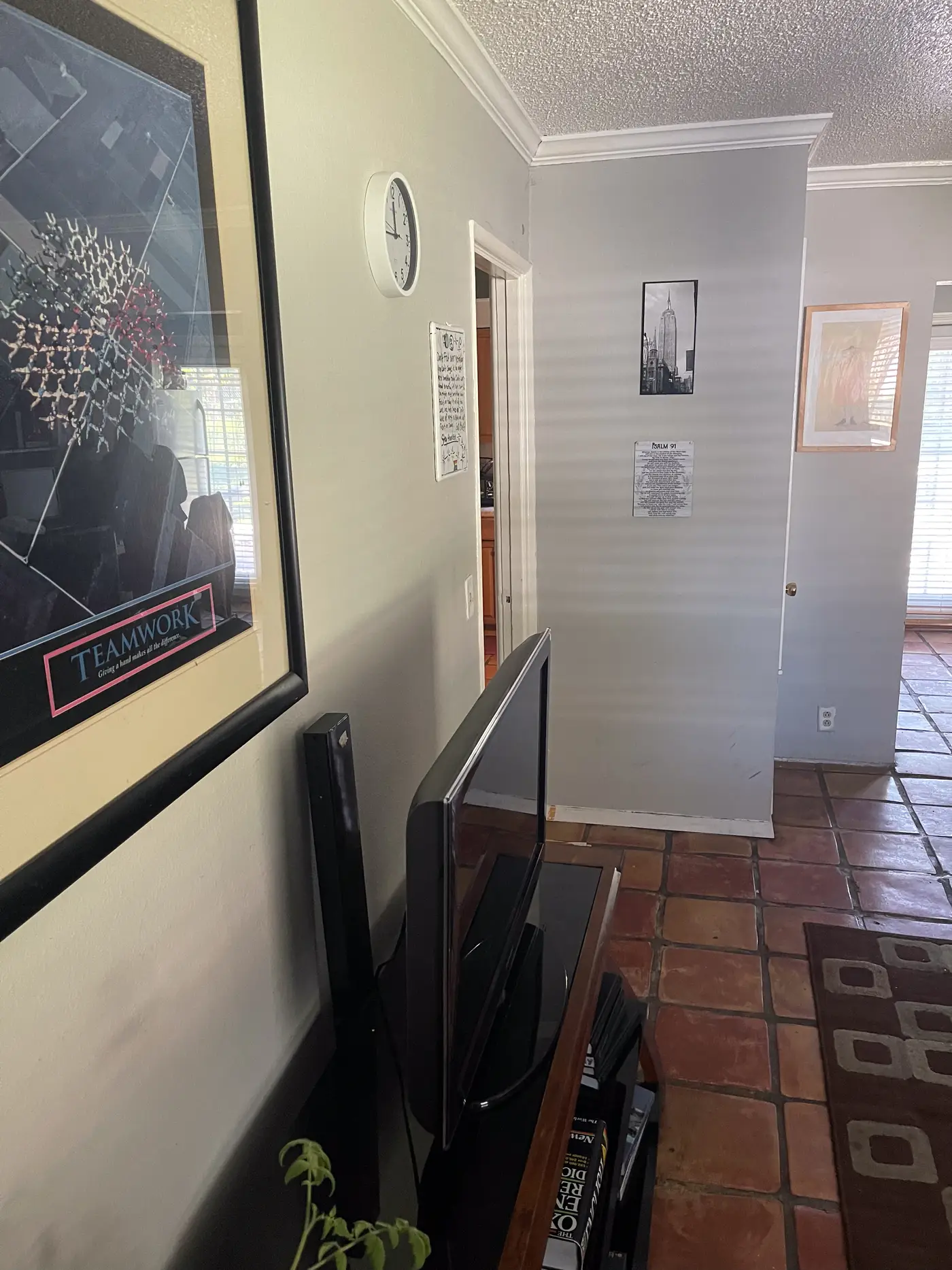
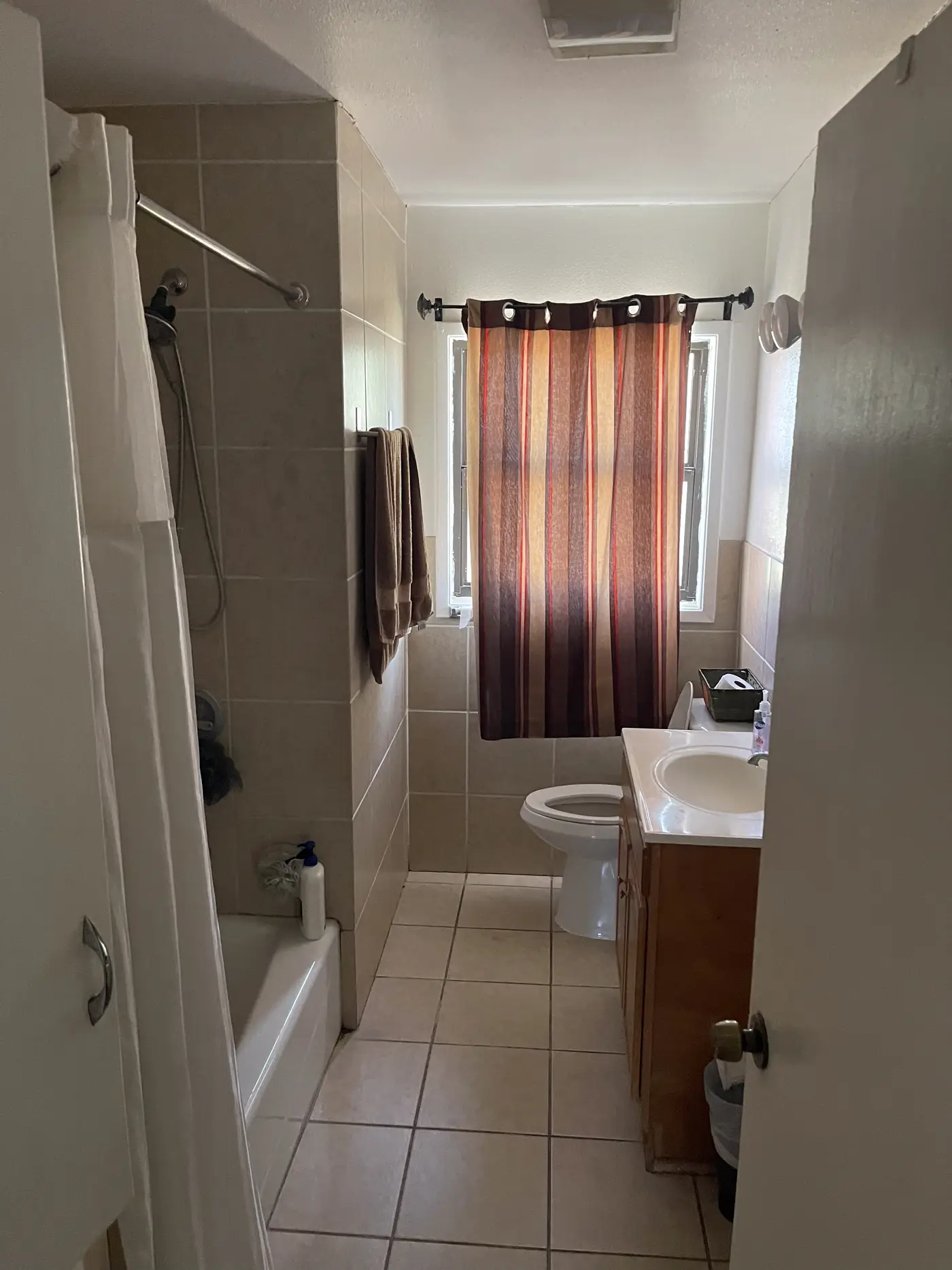
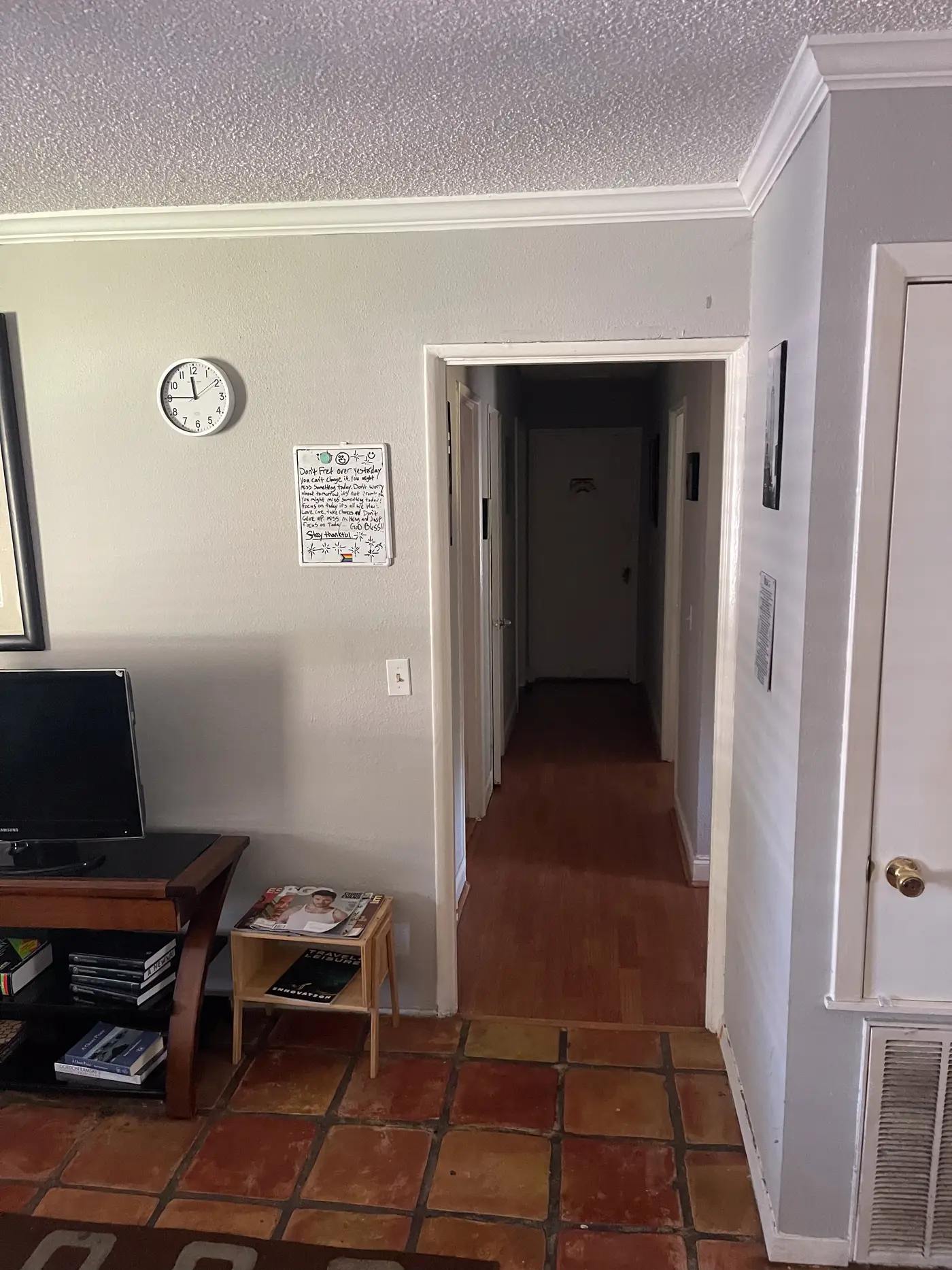
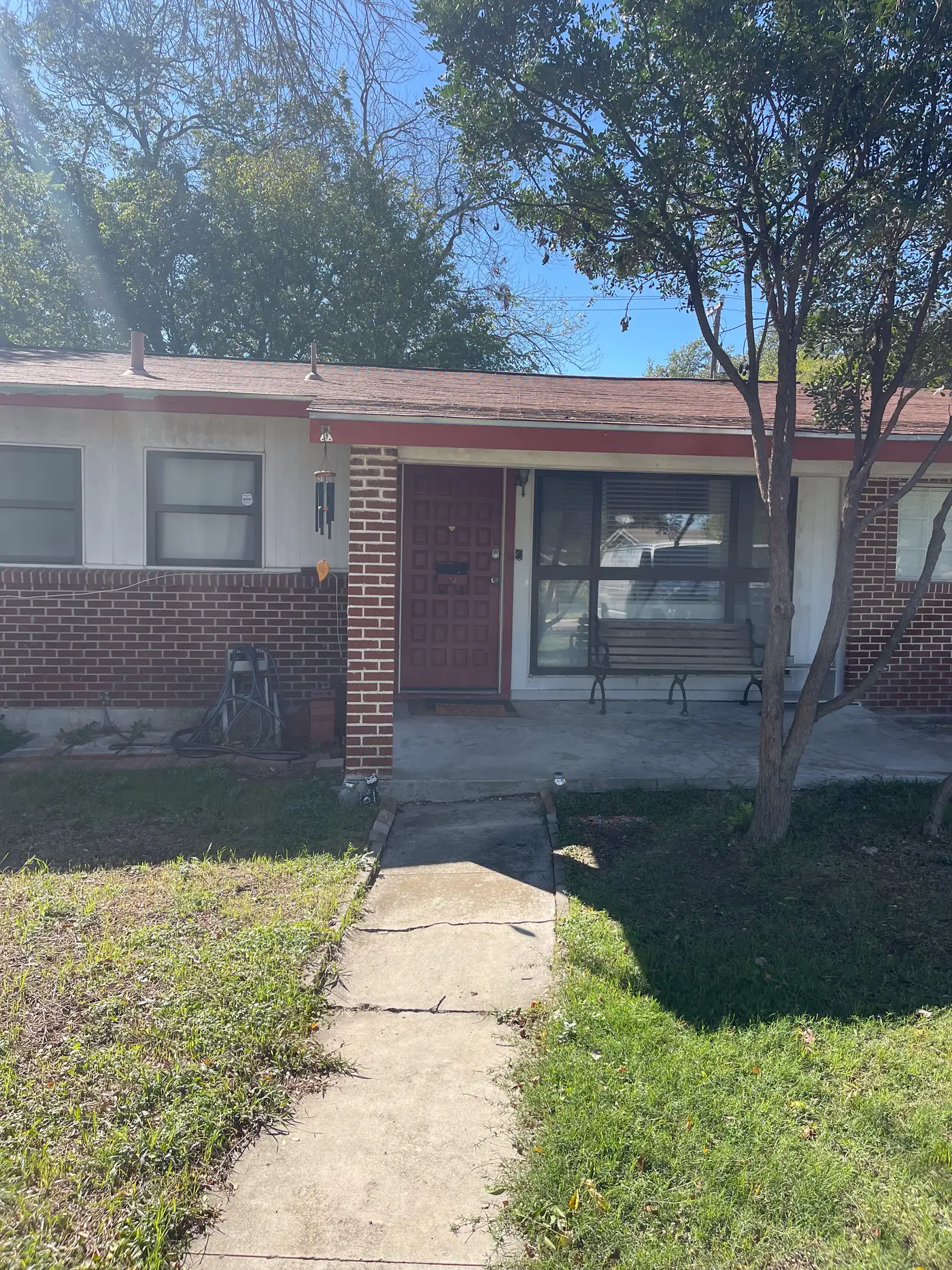
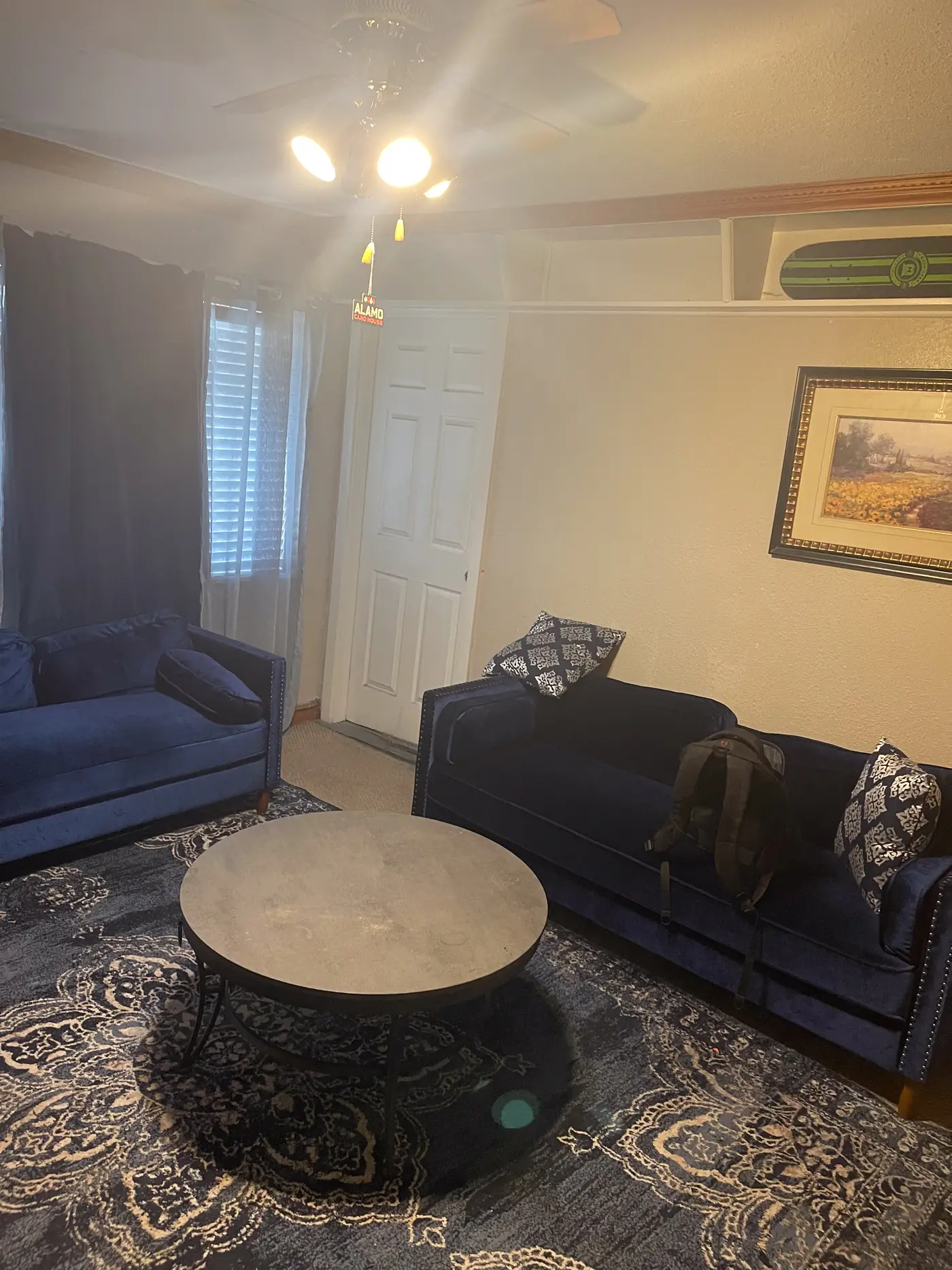
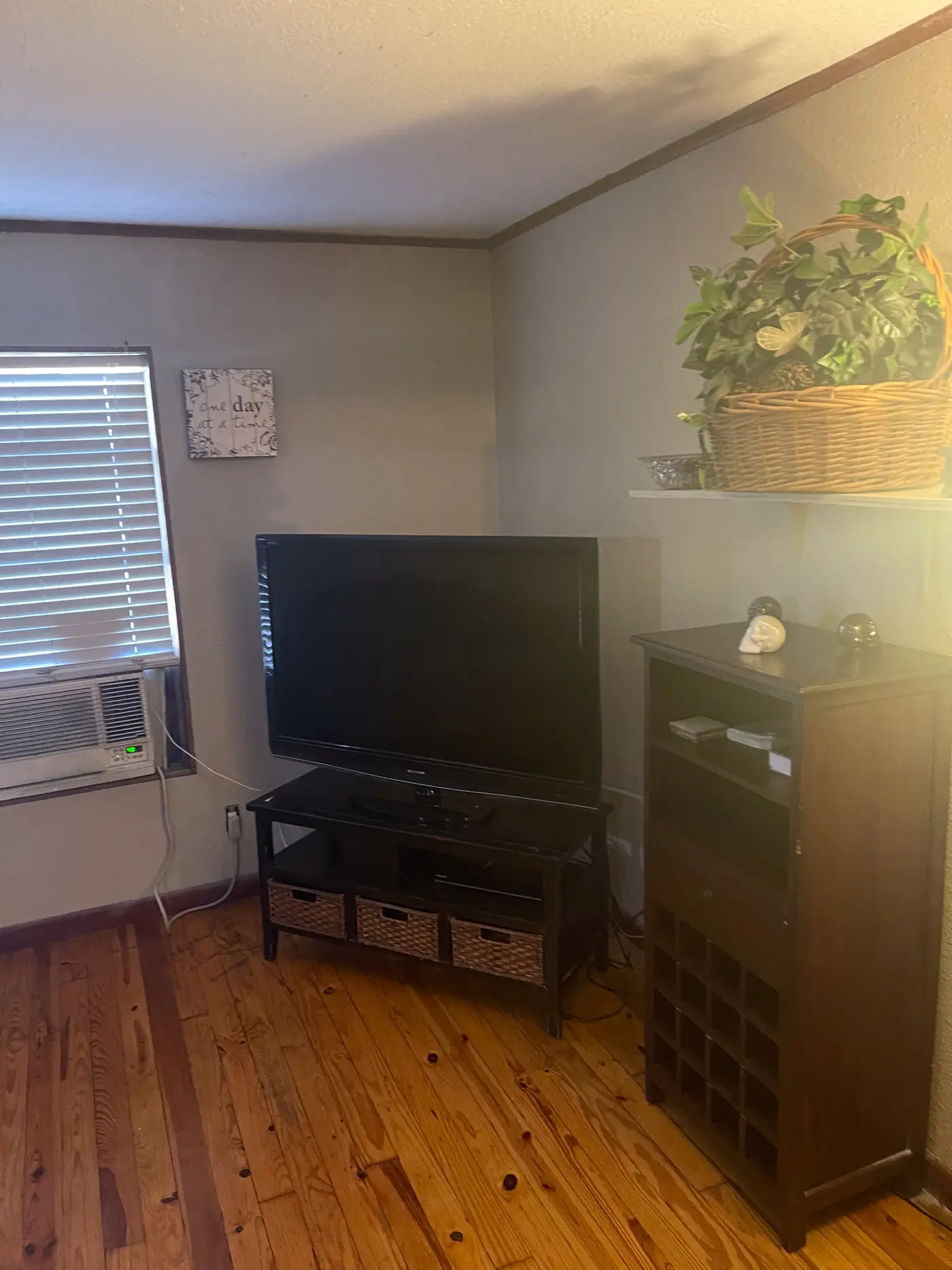
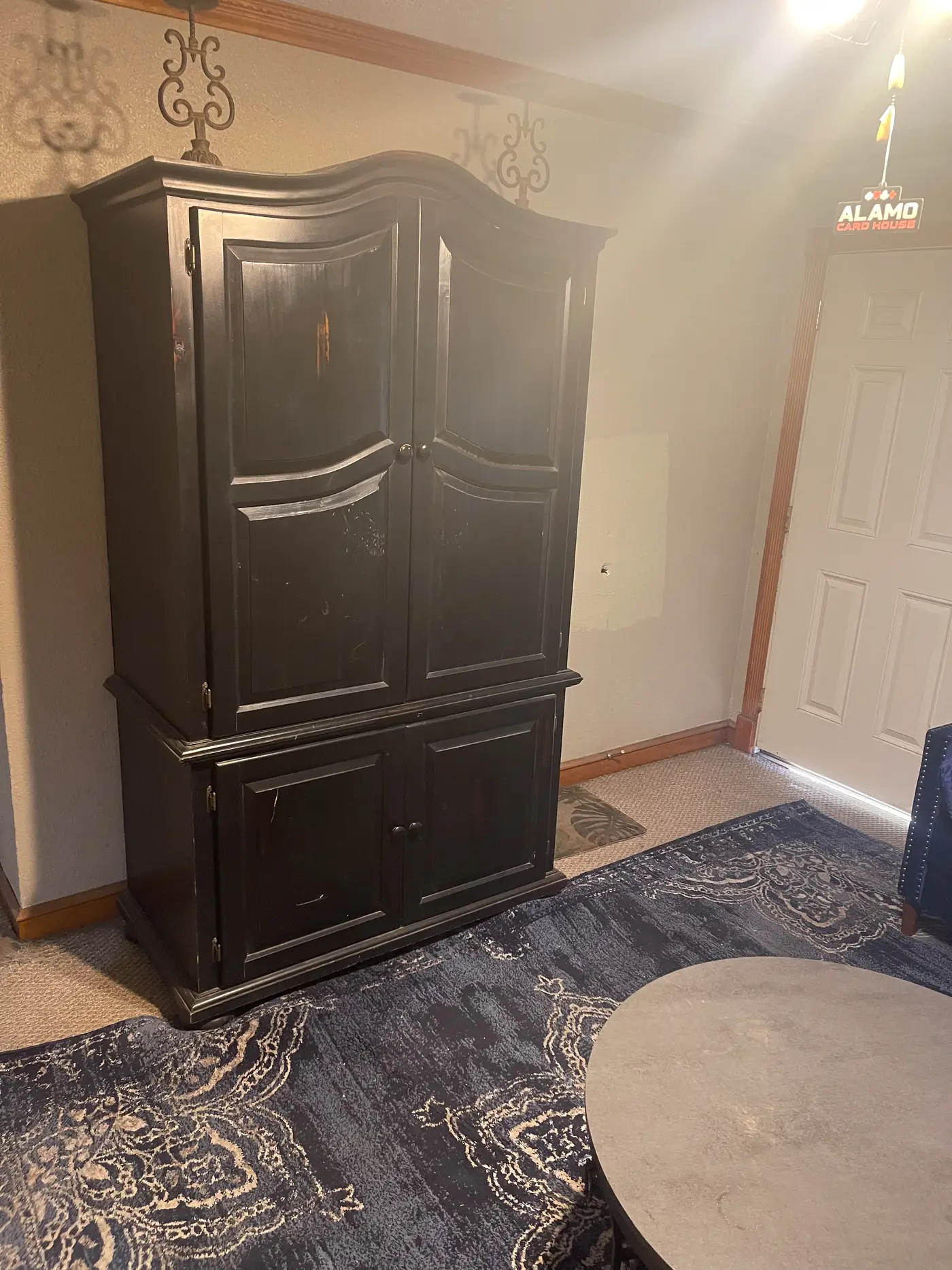
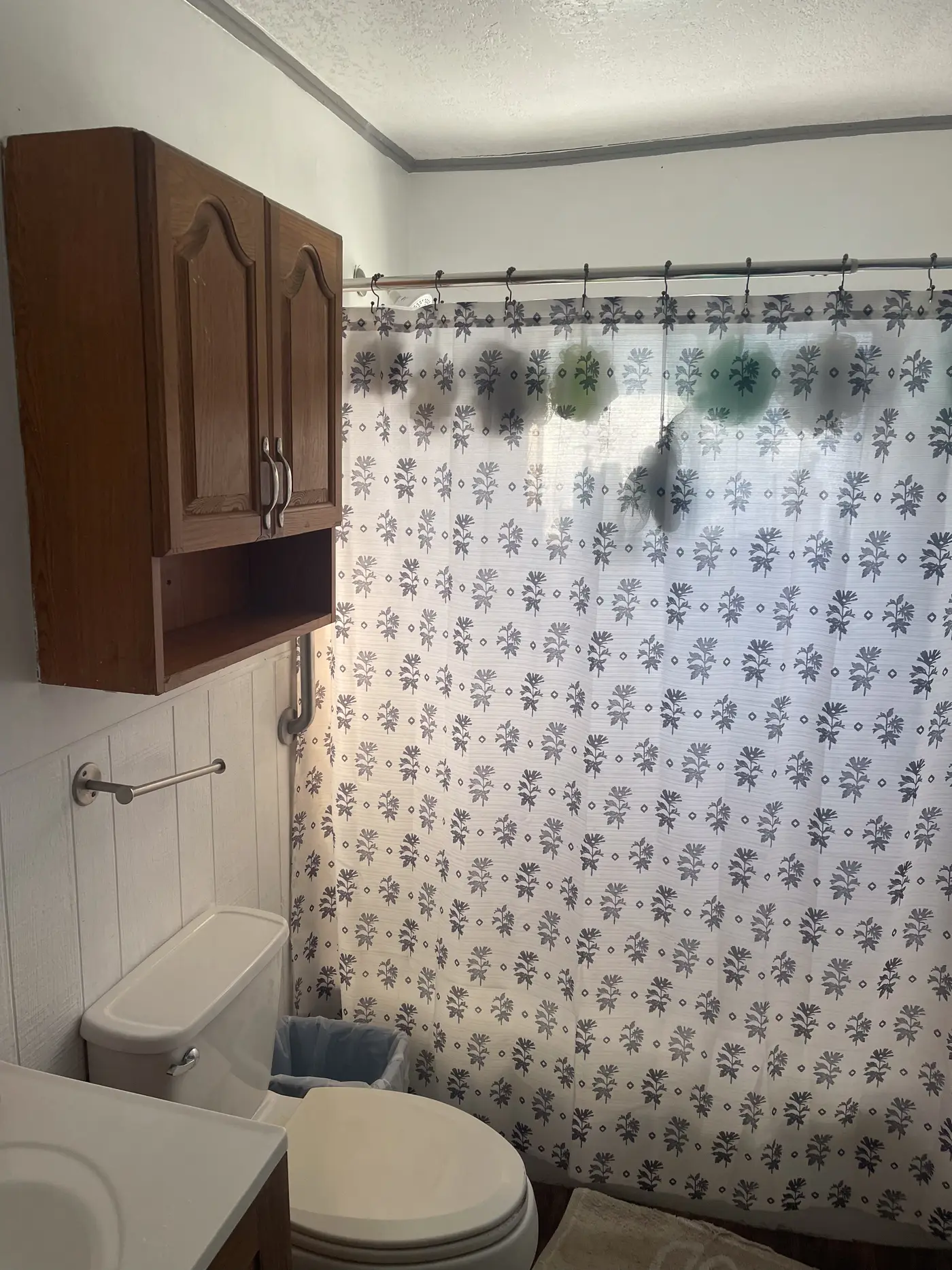
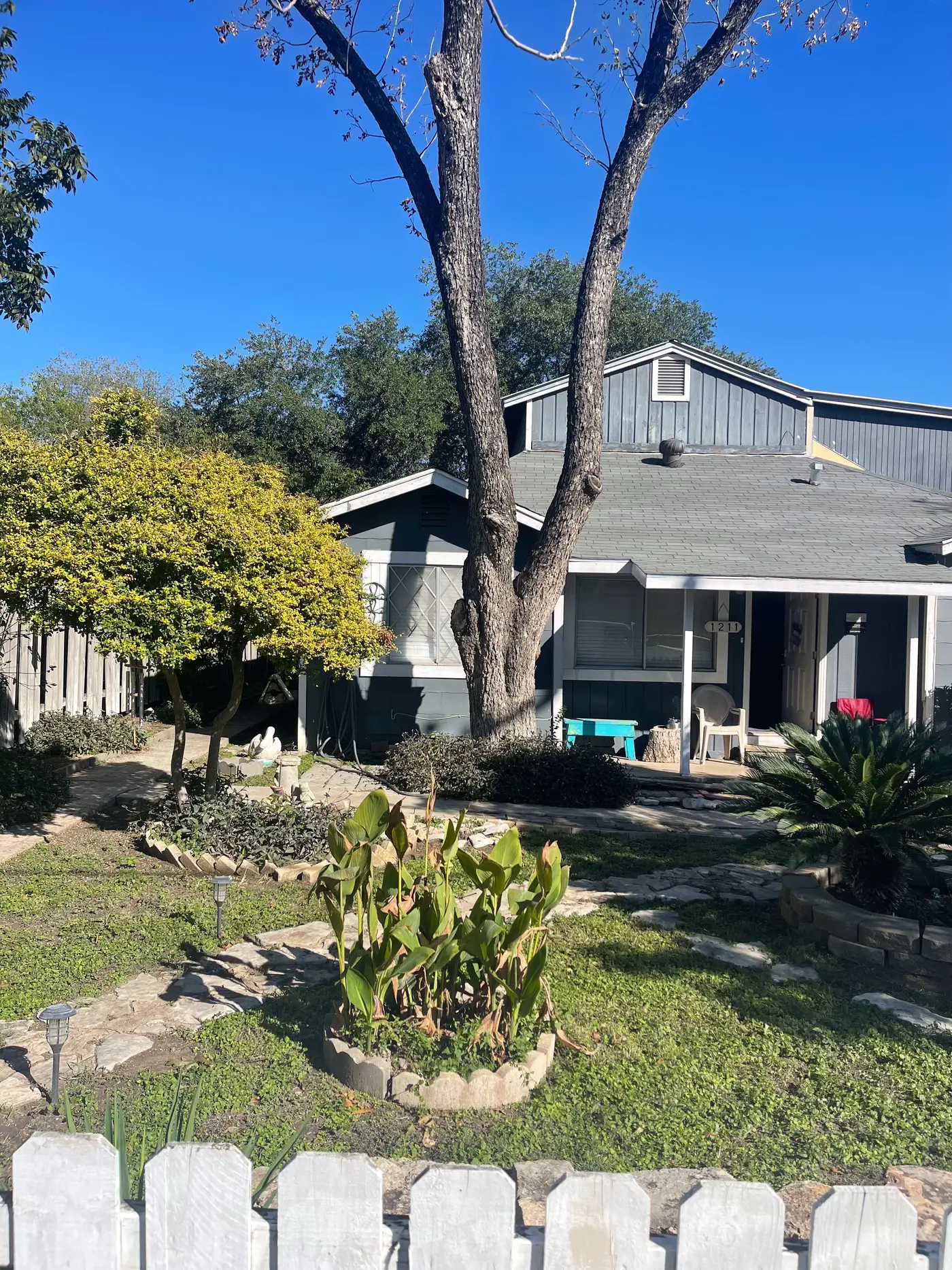
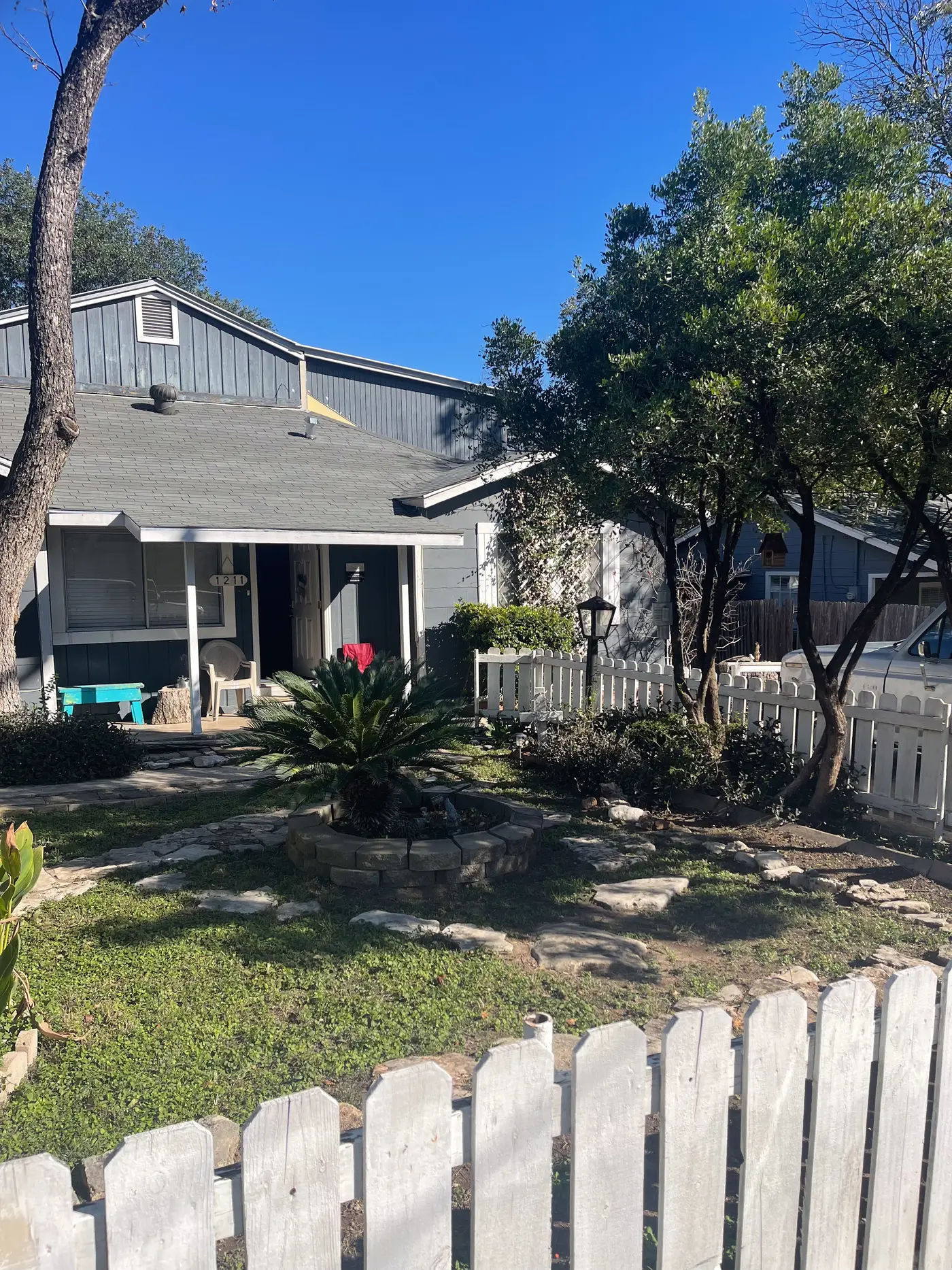
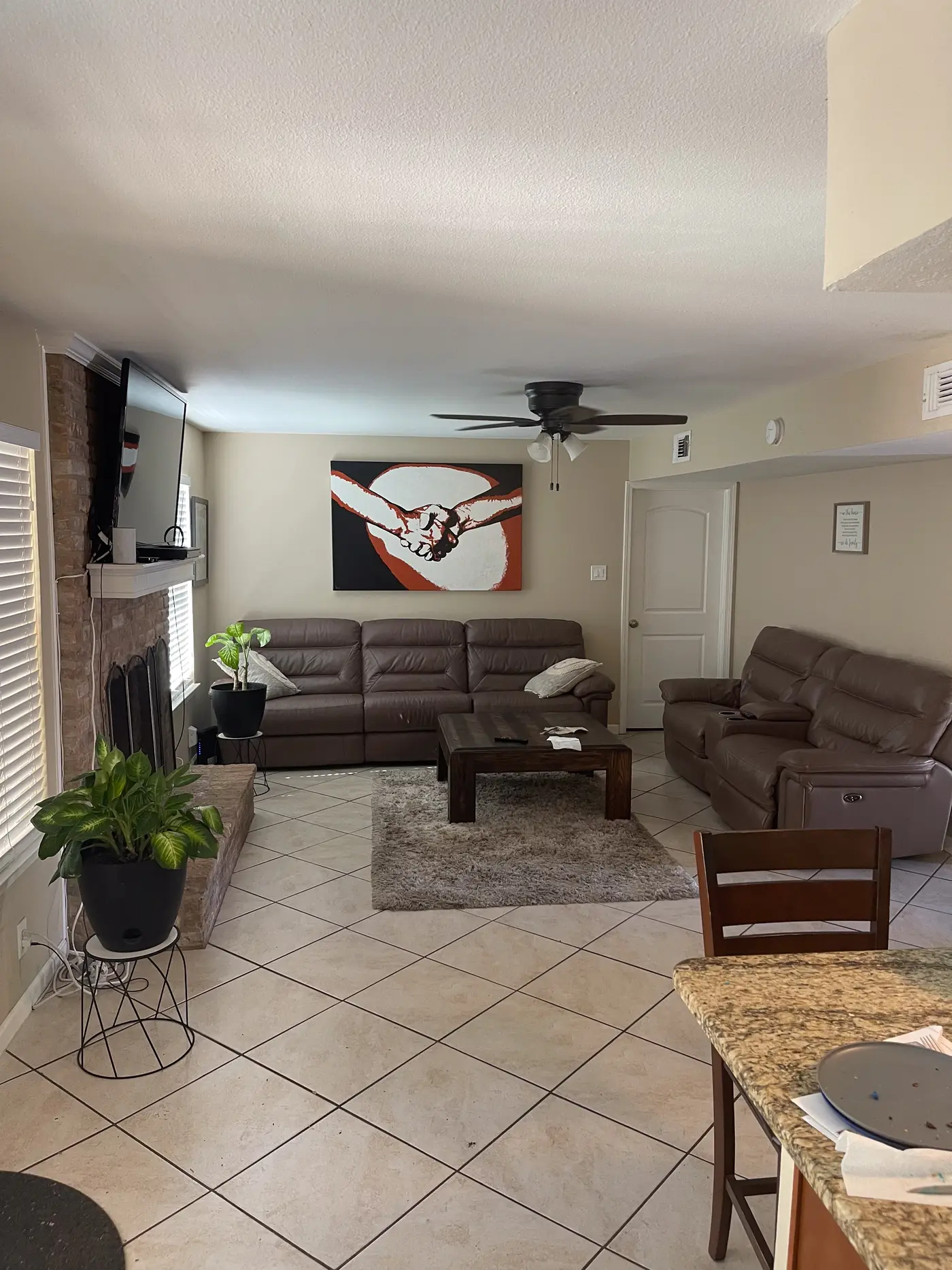
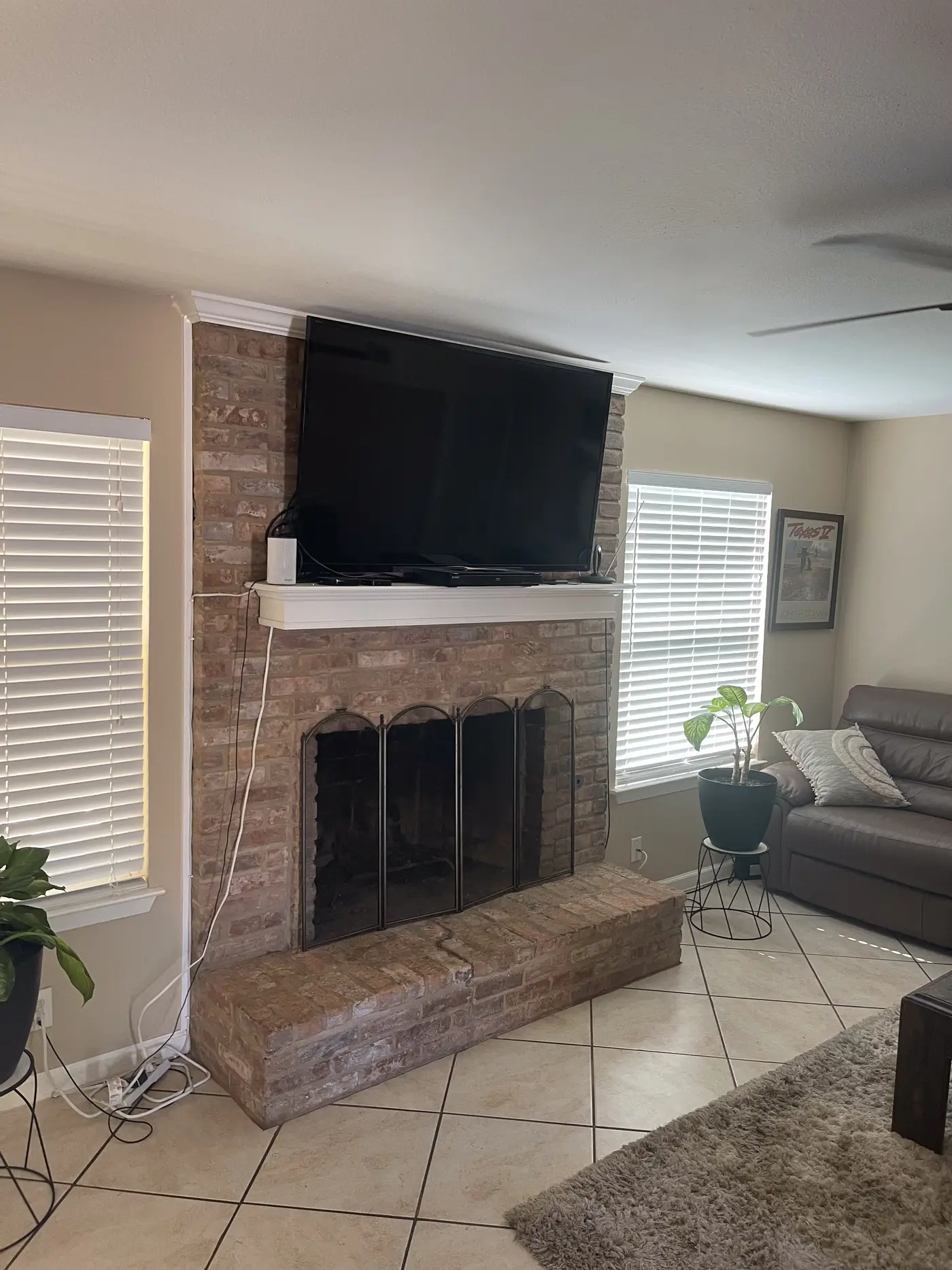
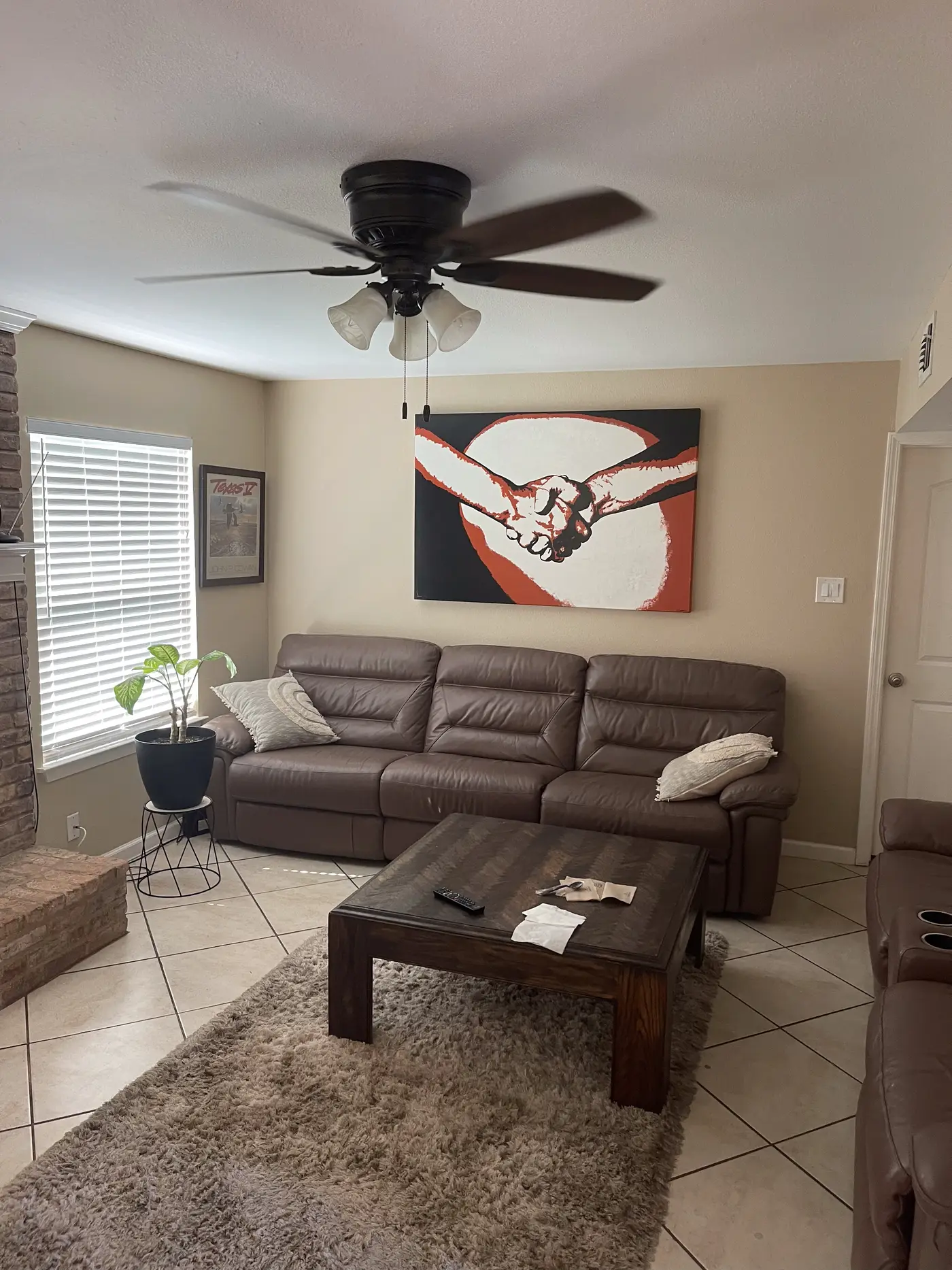
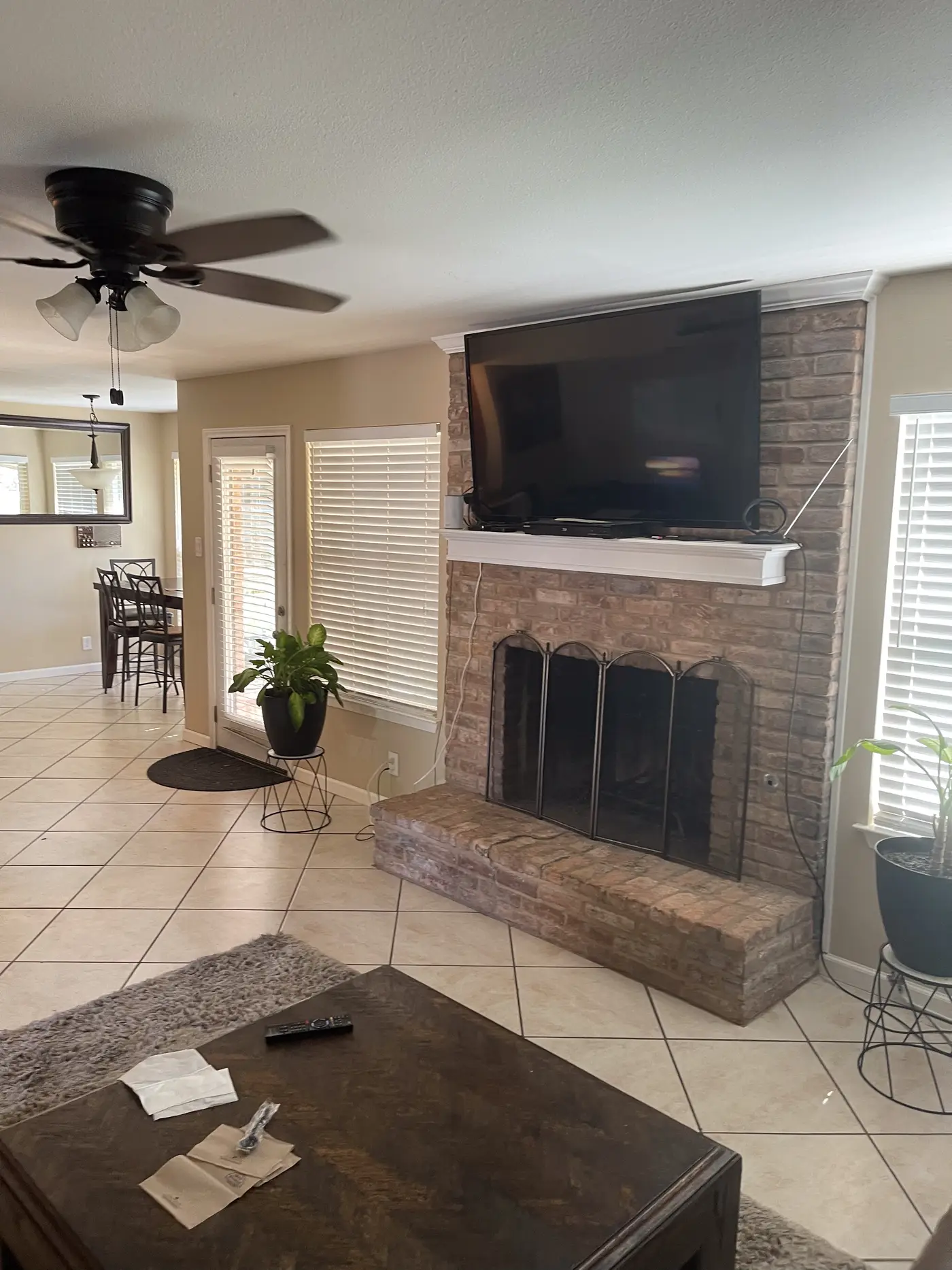
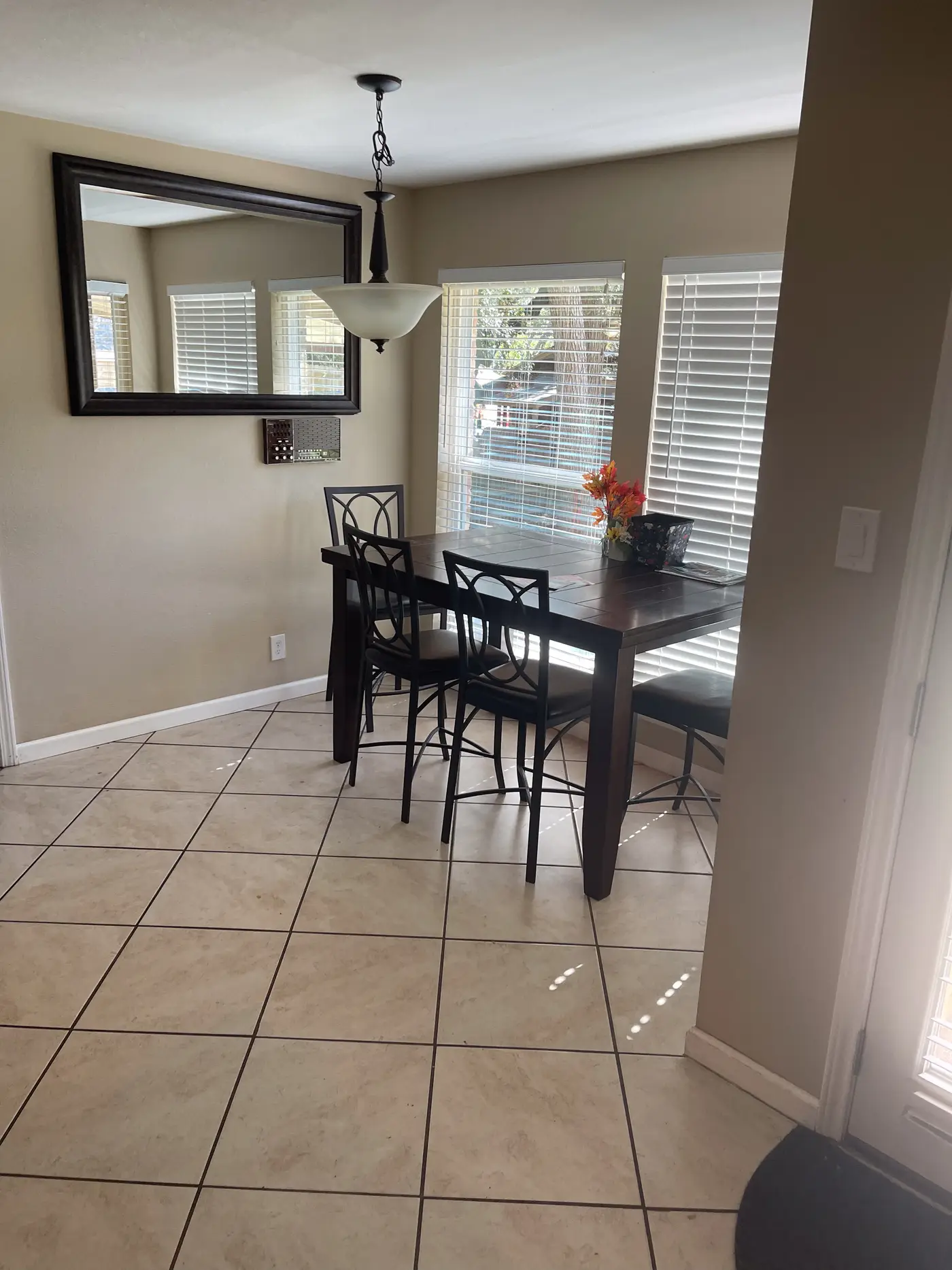
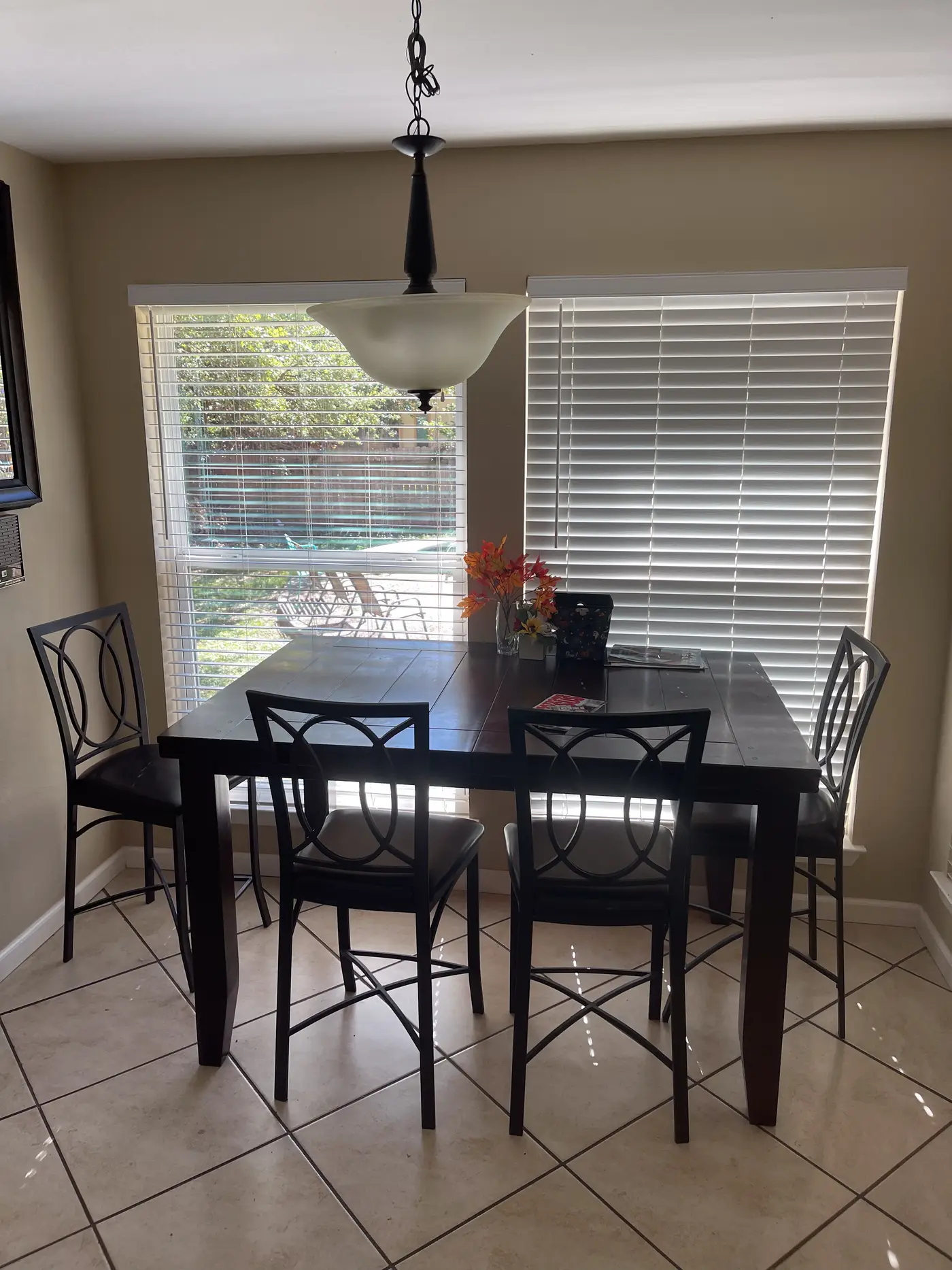
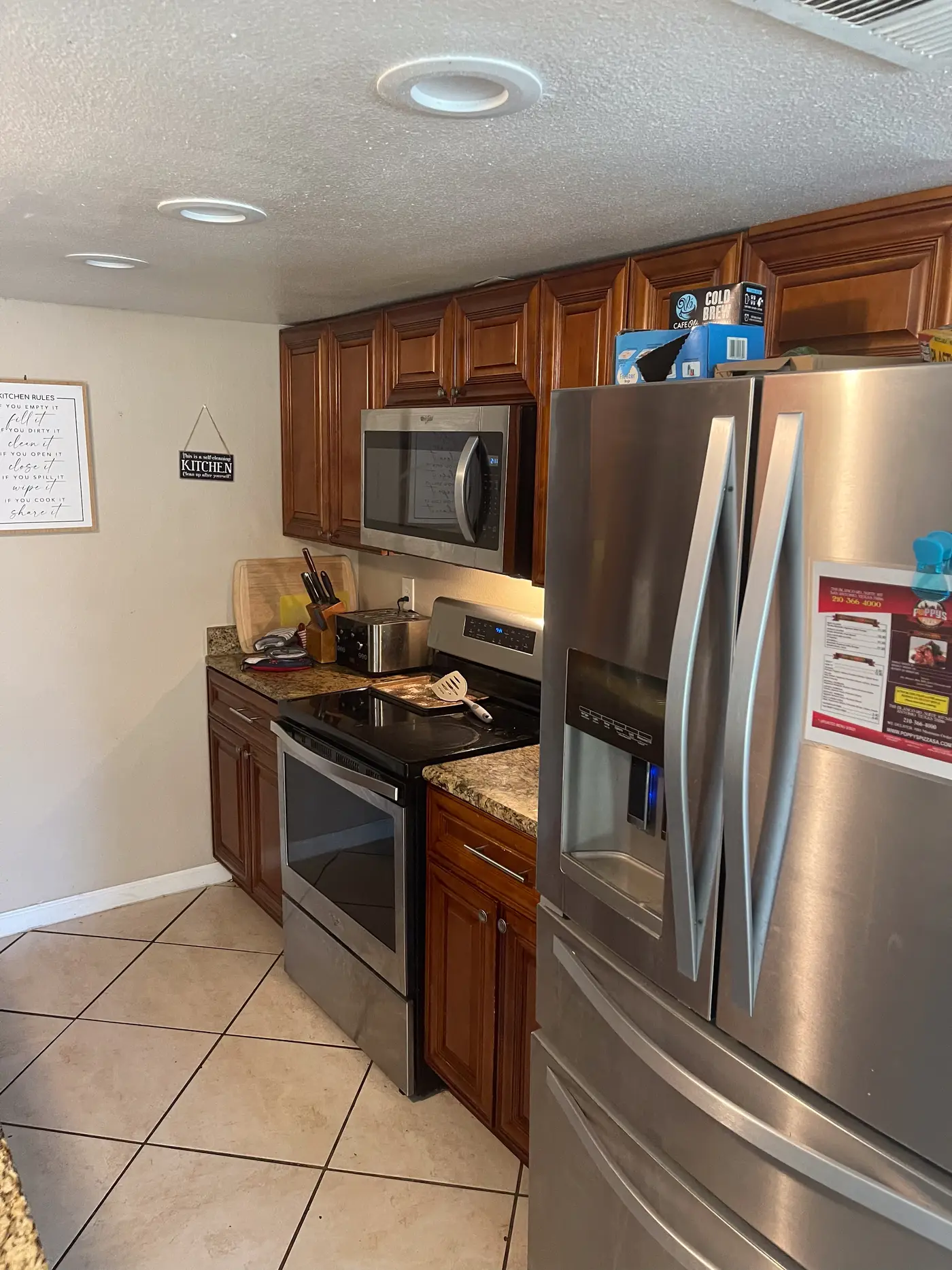
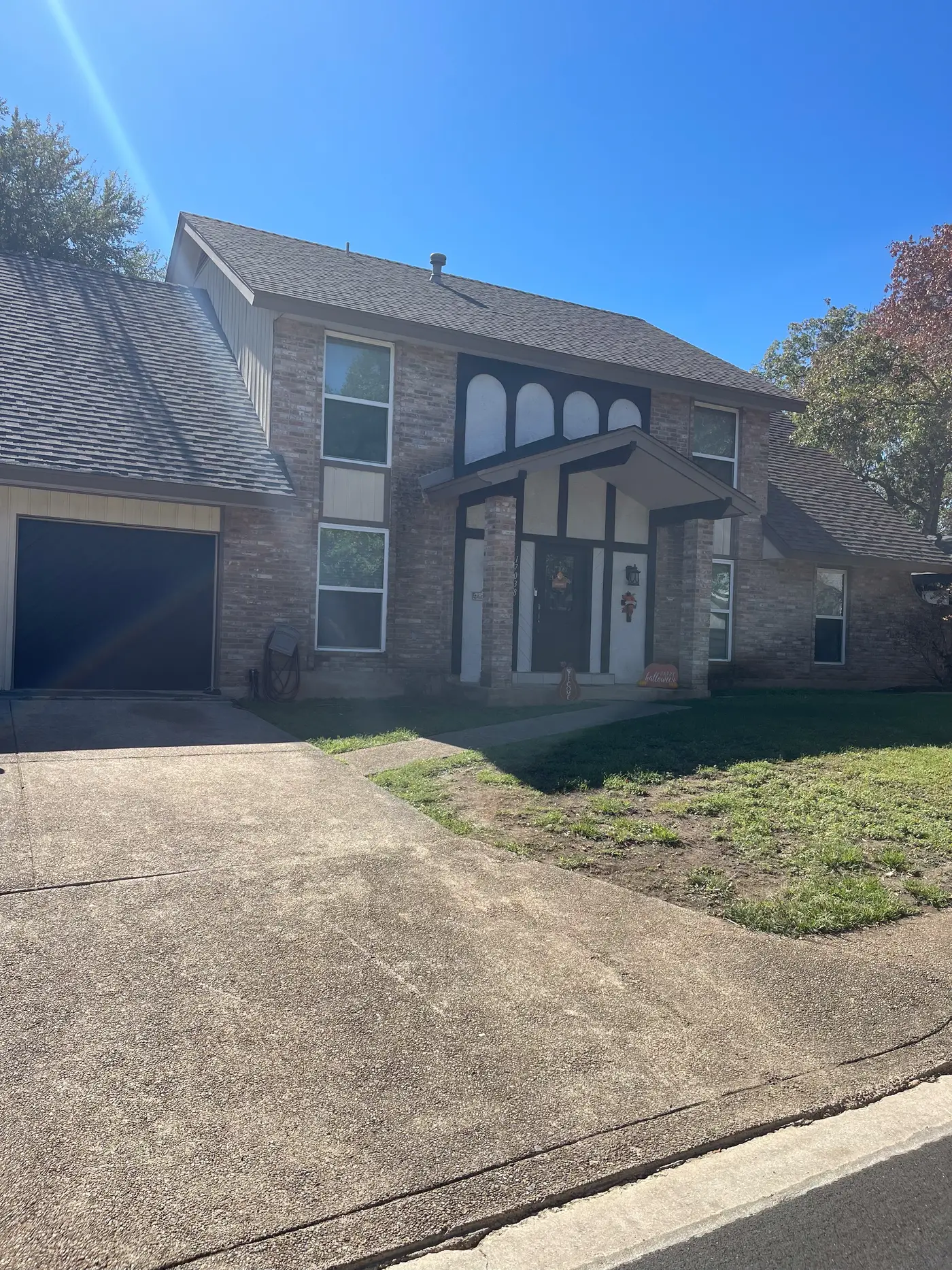
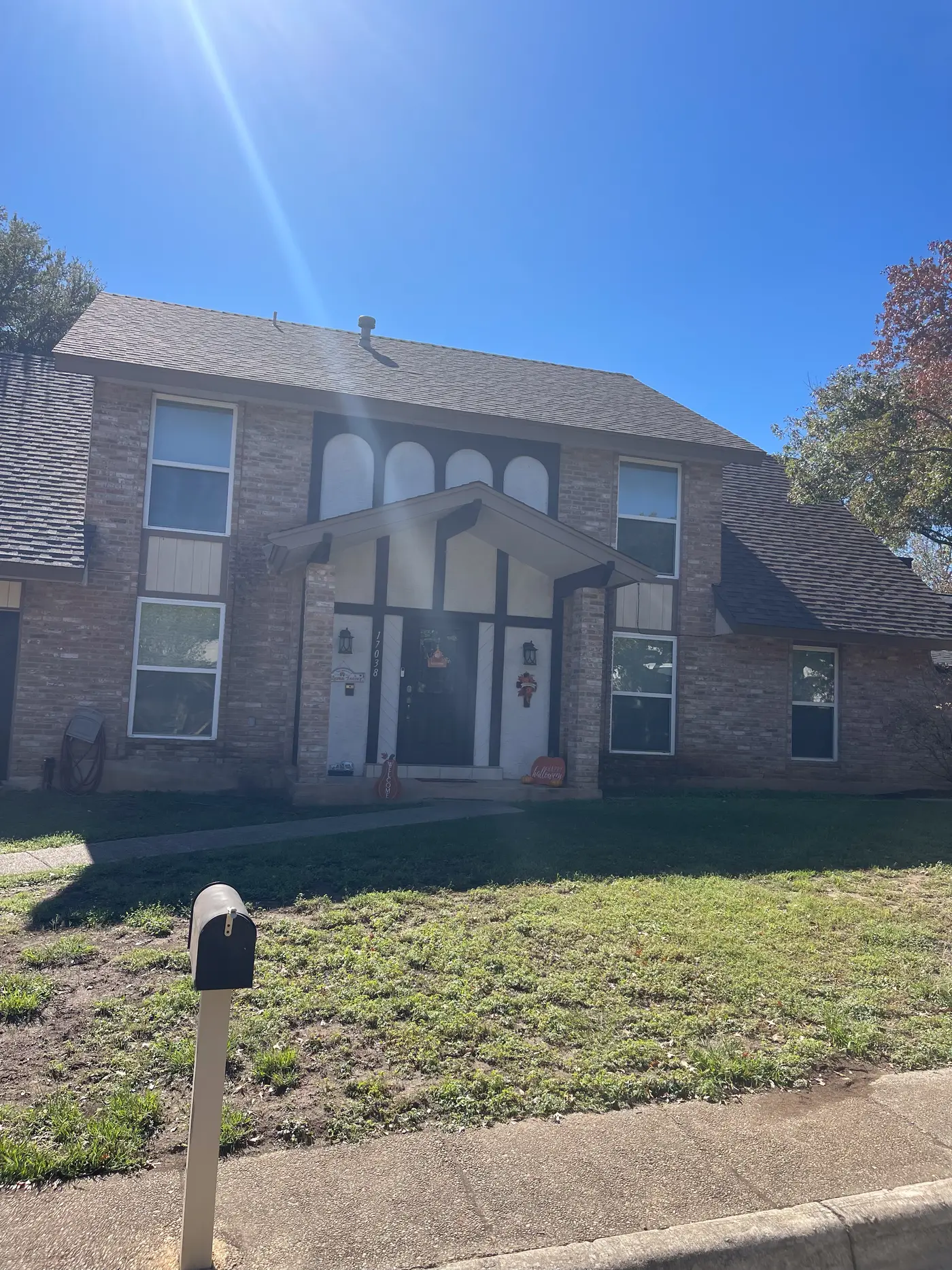
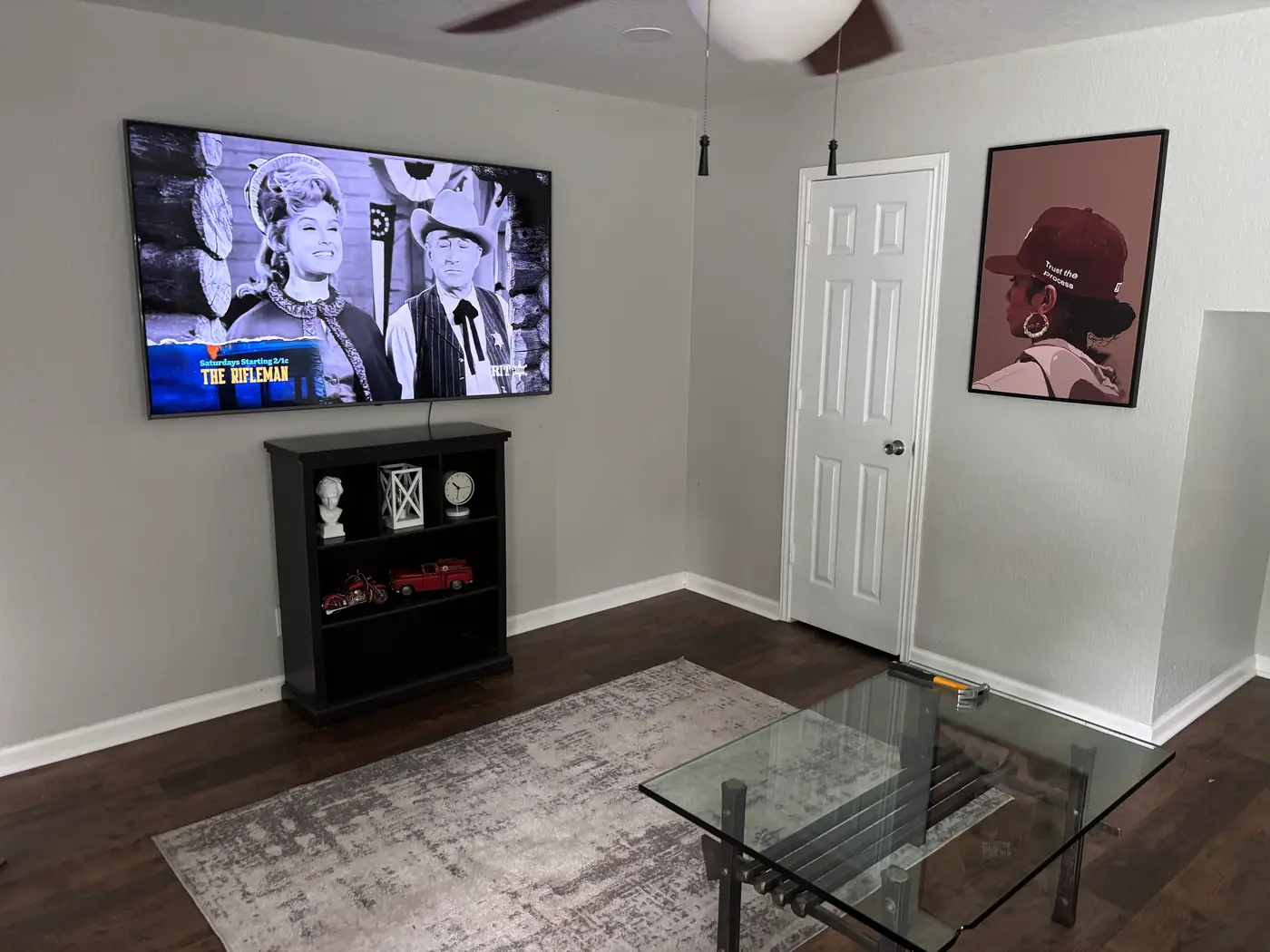
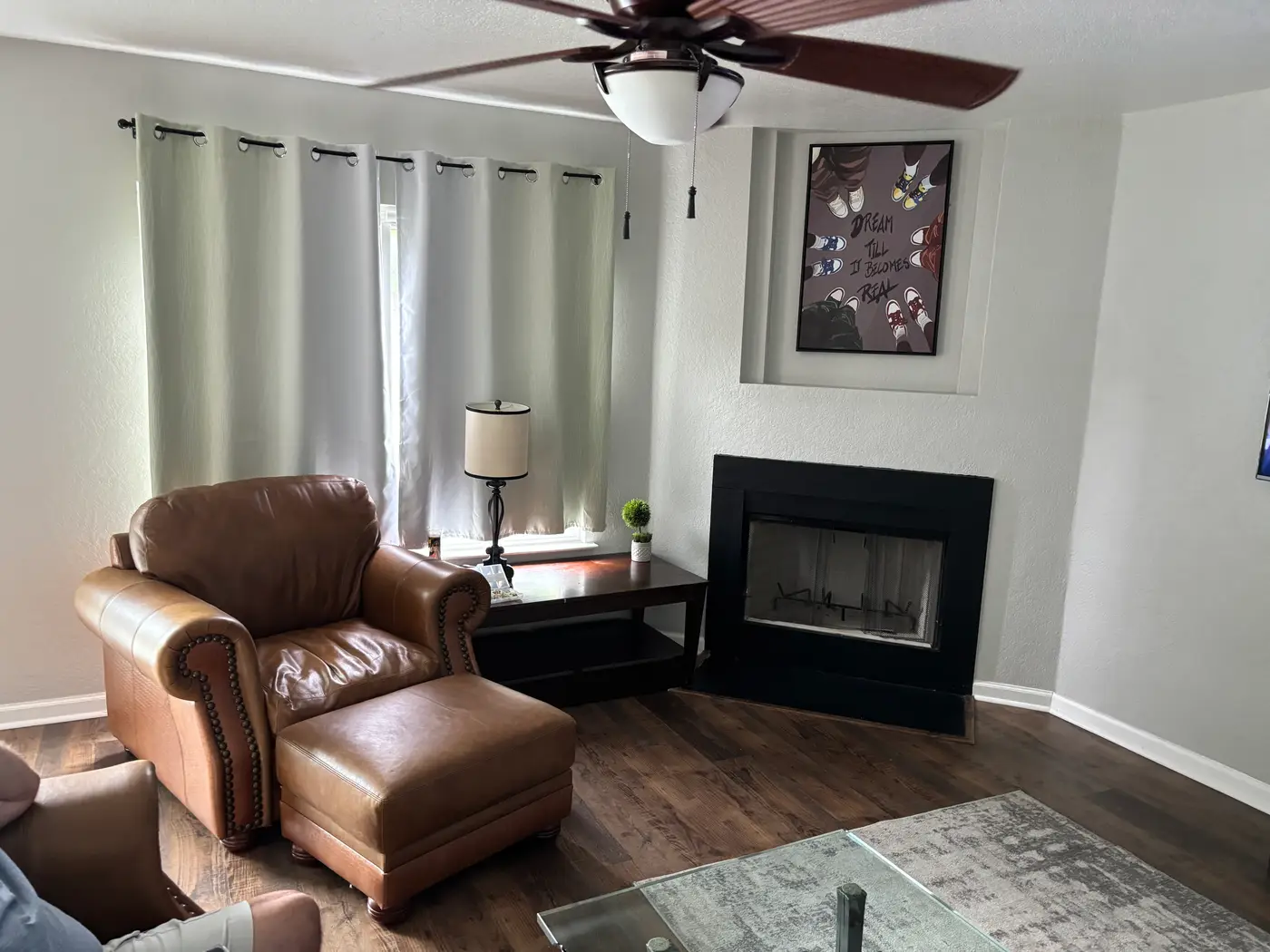
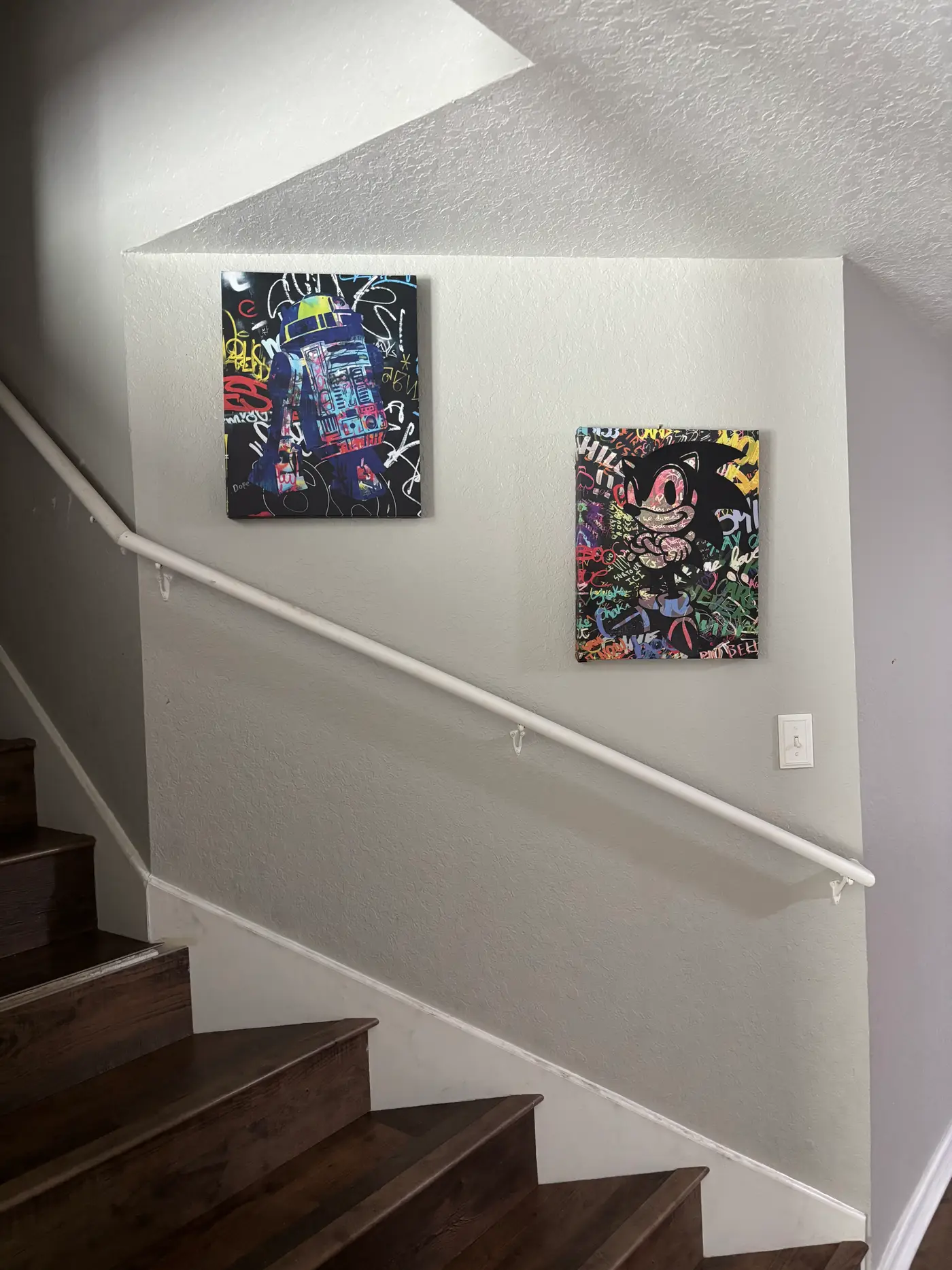
Inside the San Antonio homes


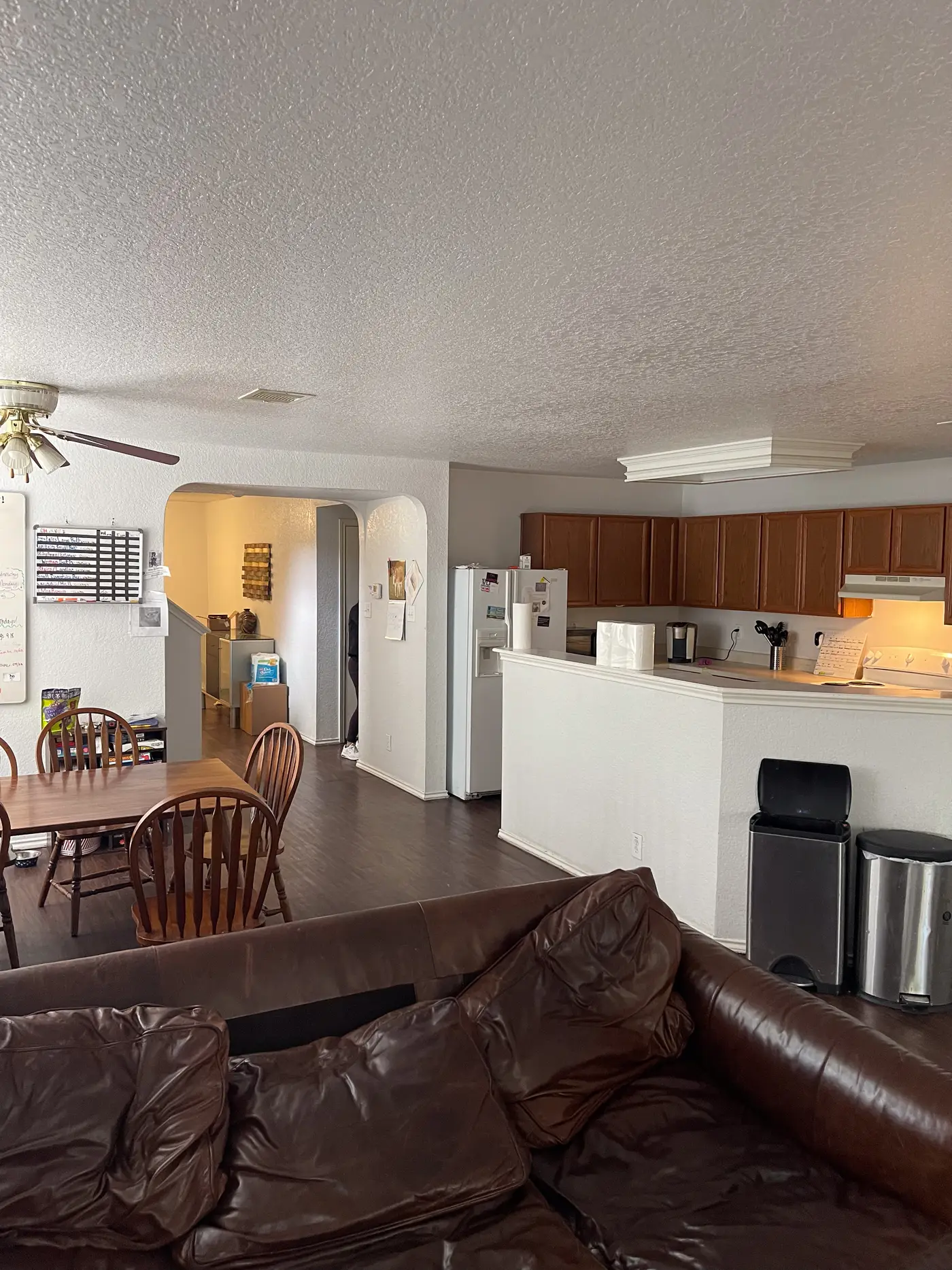
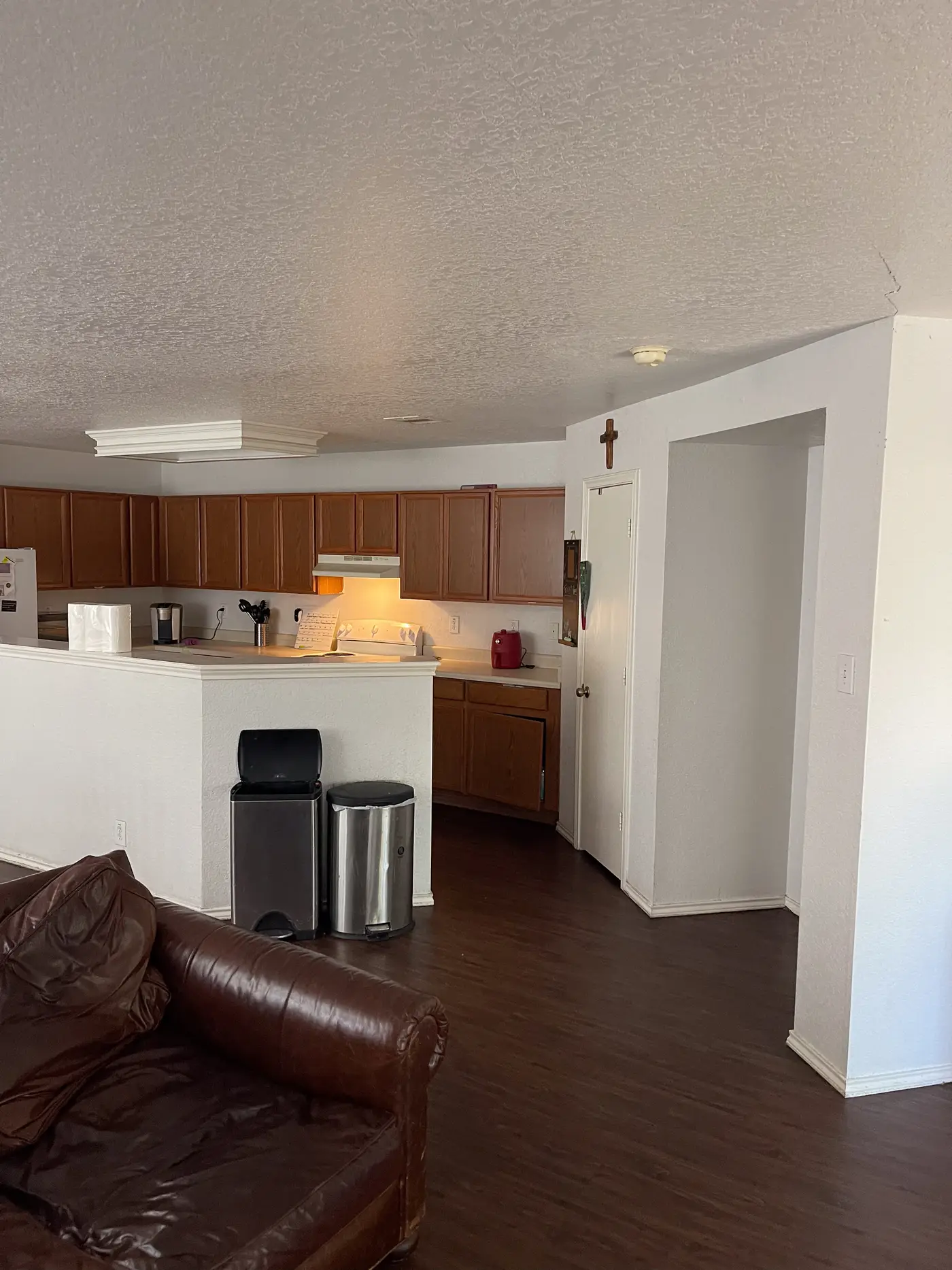
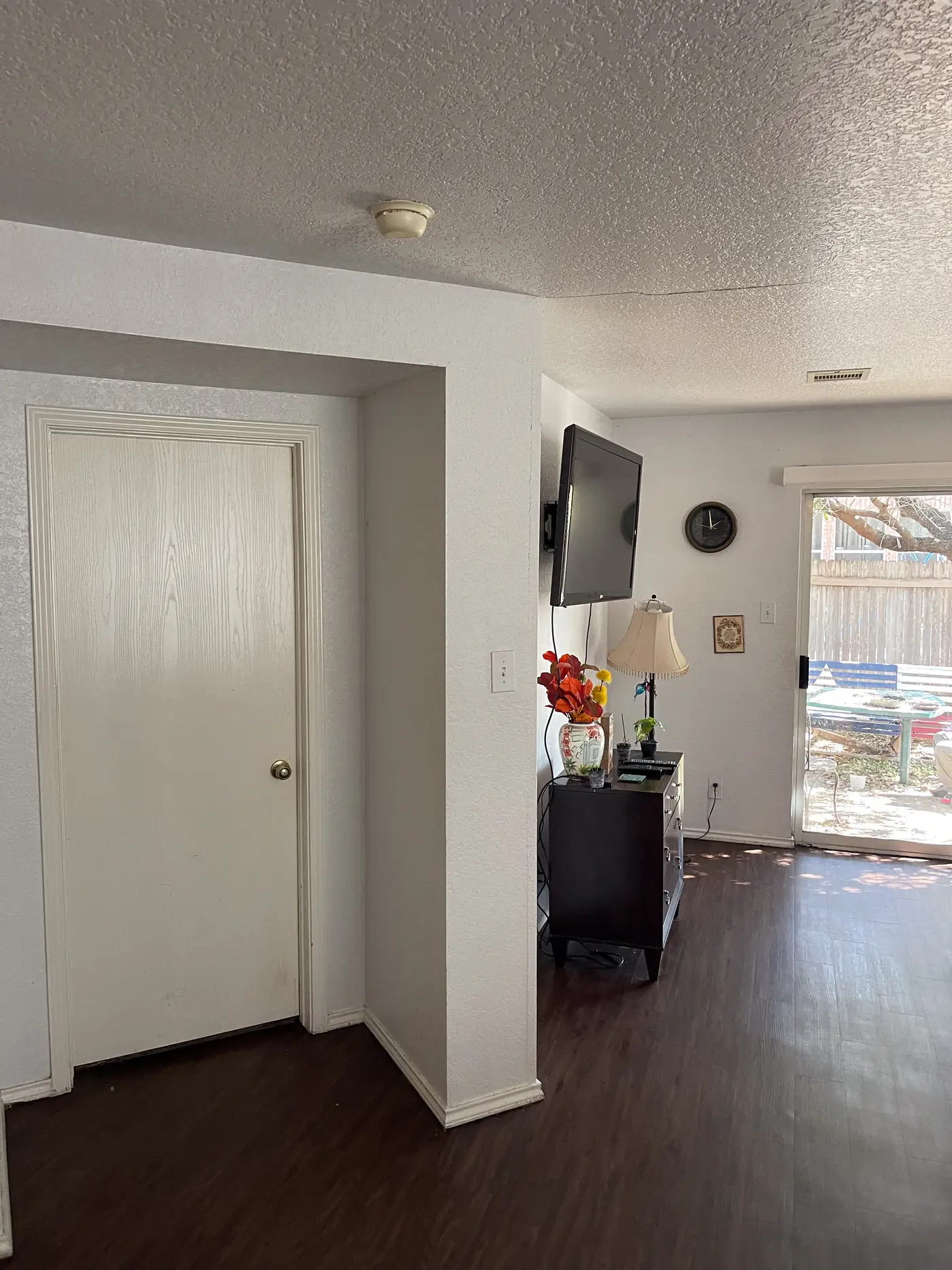
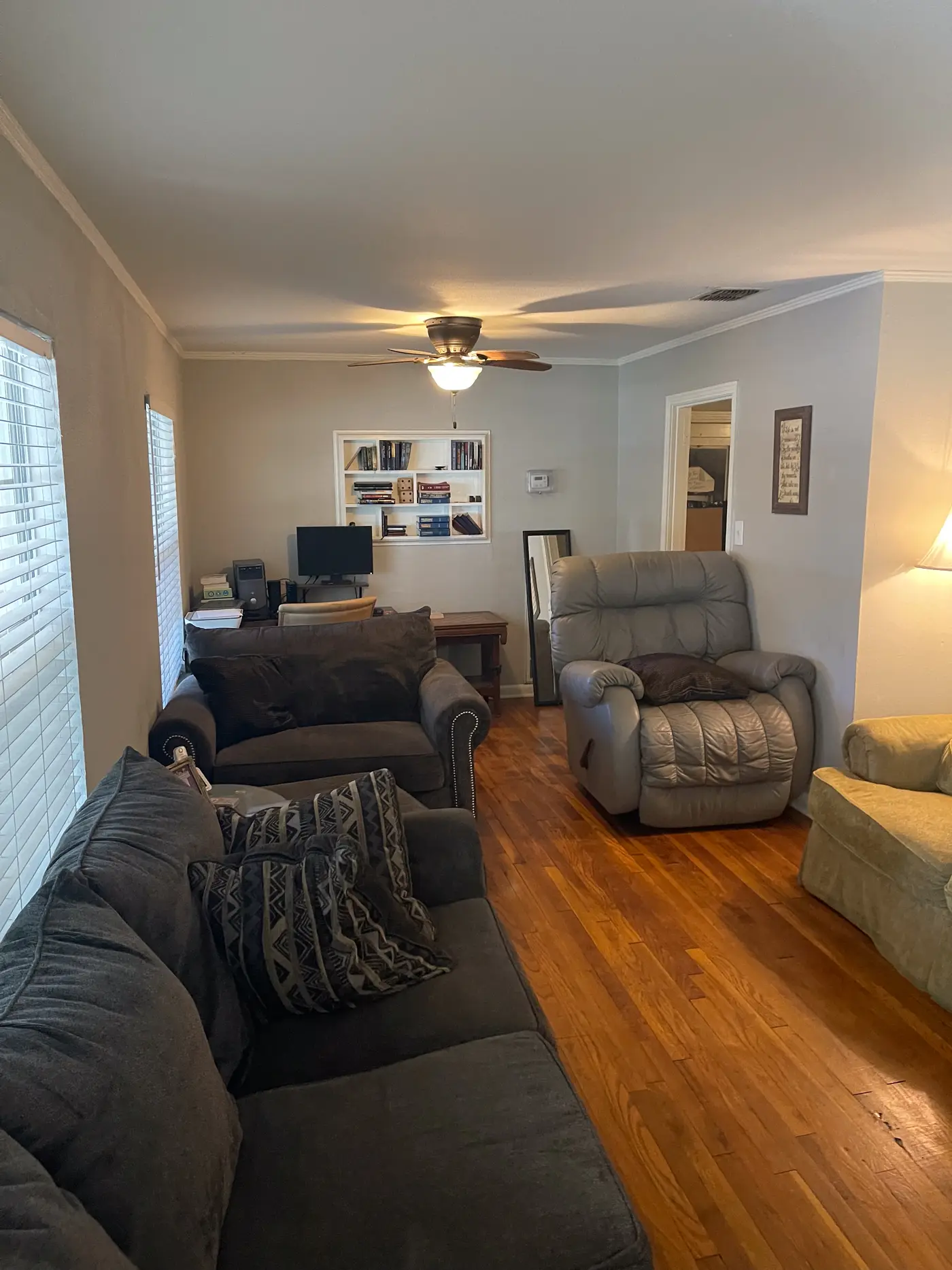
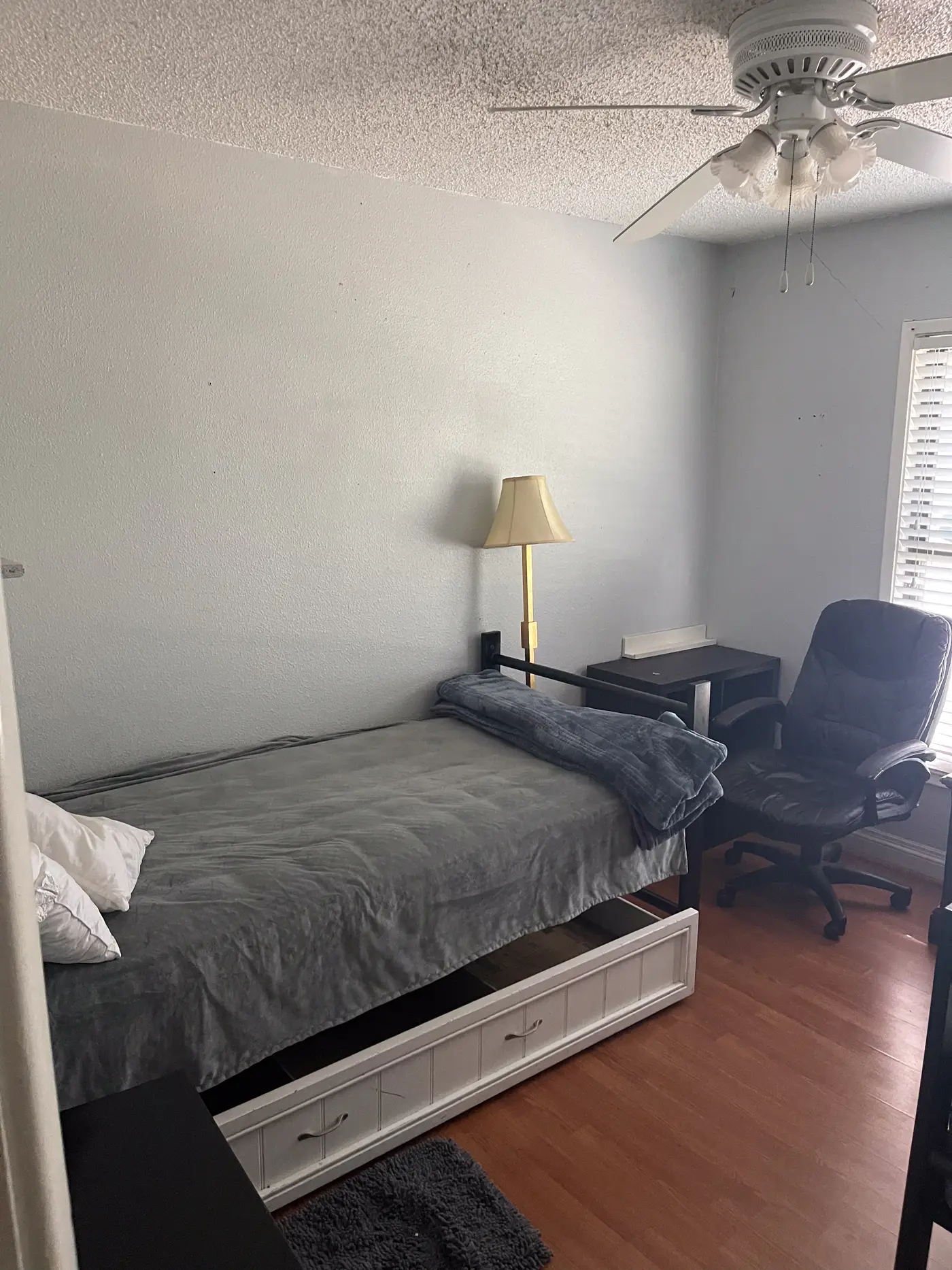
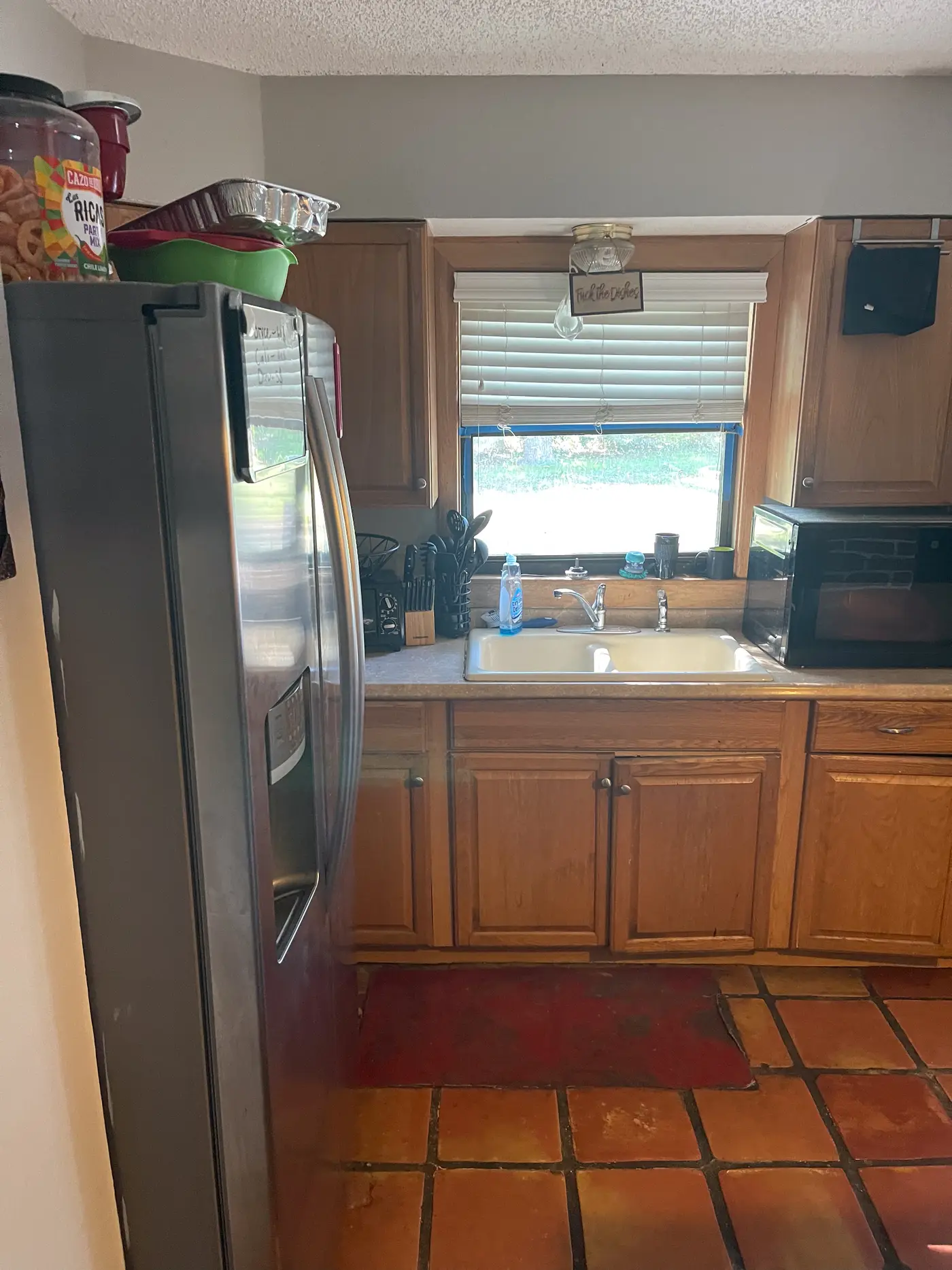
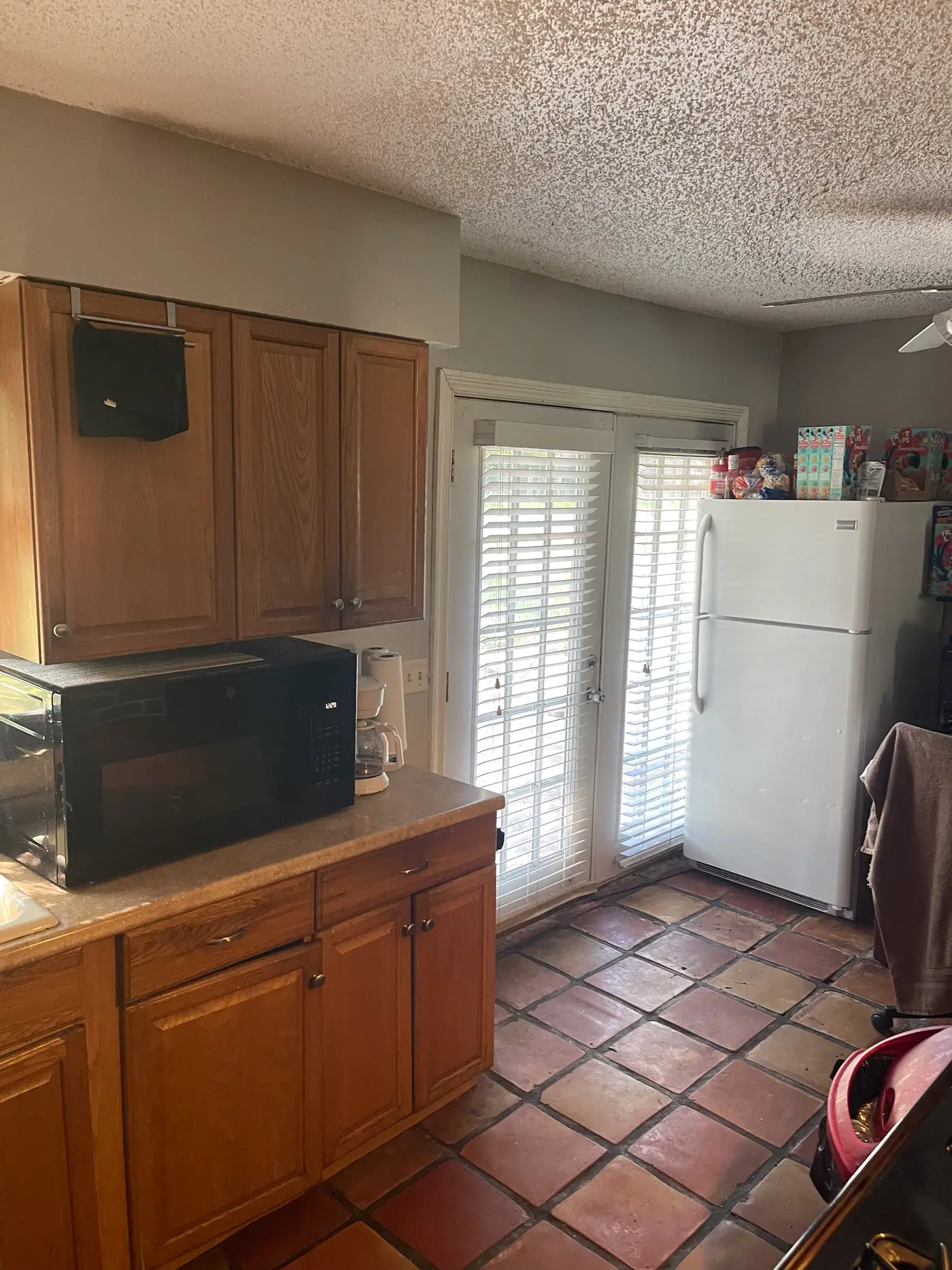
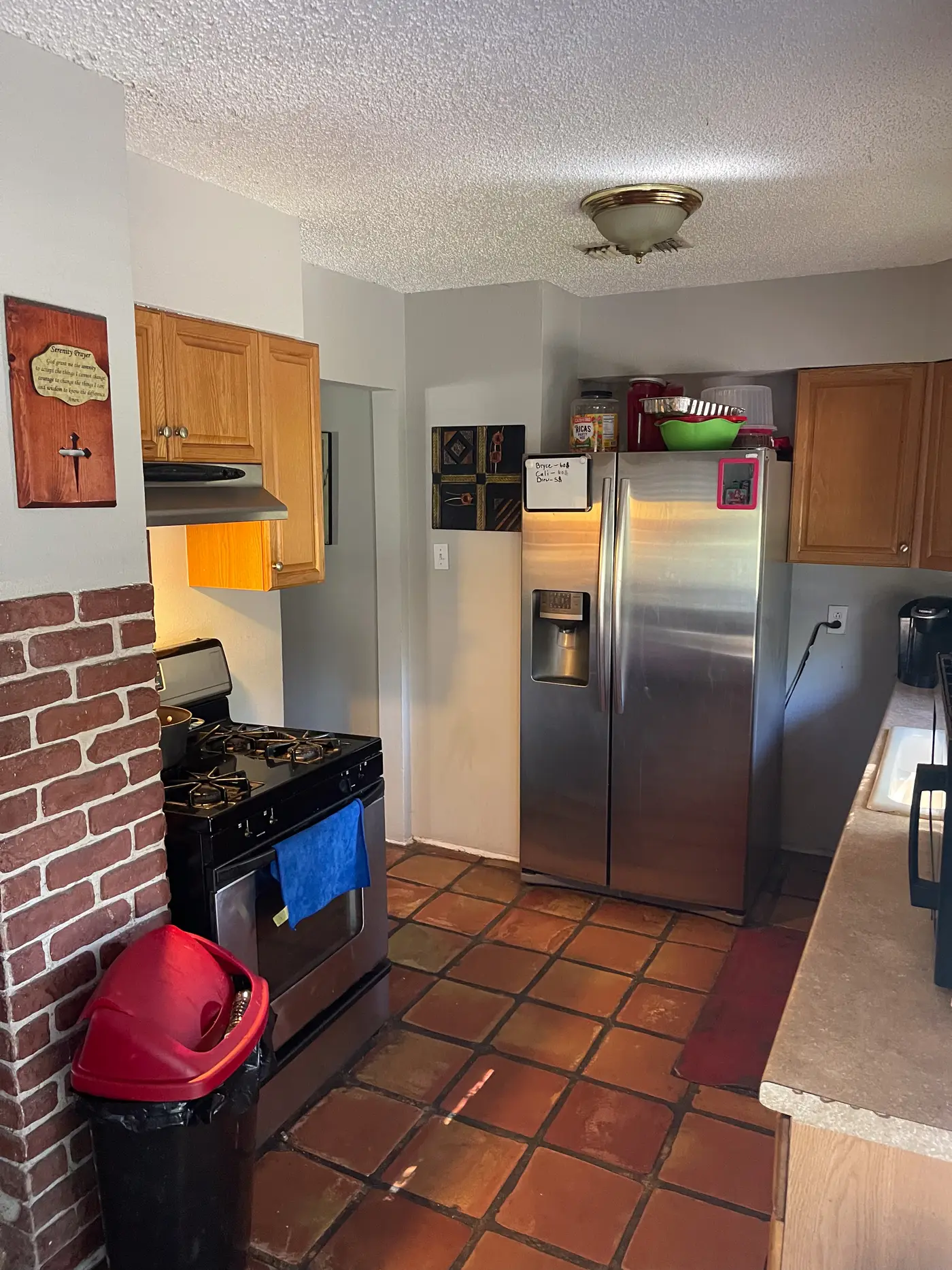
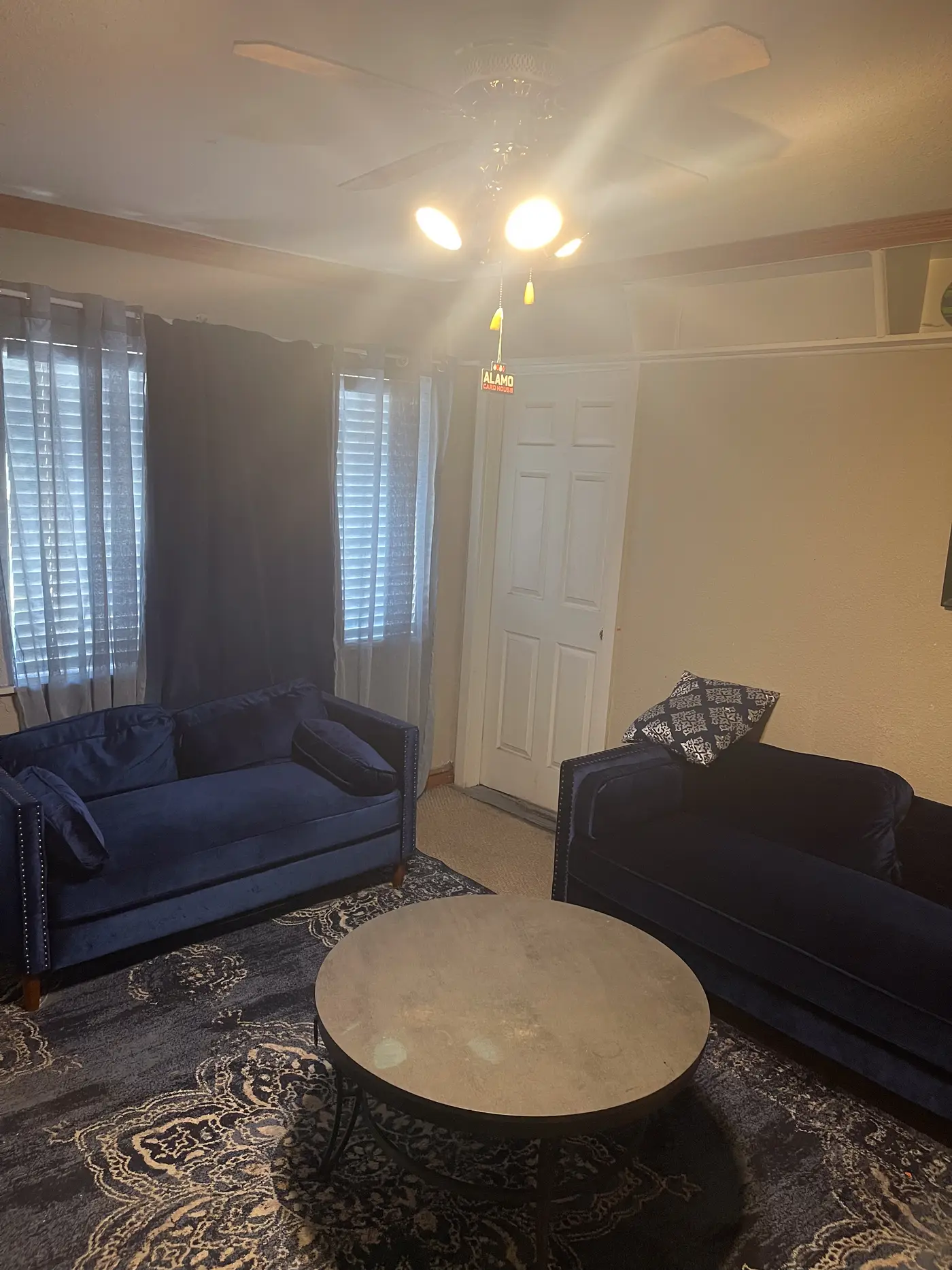
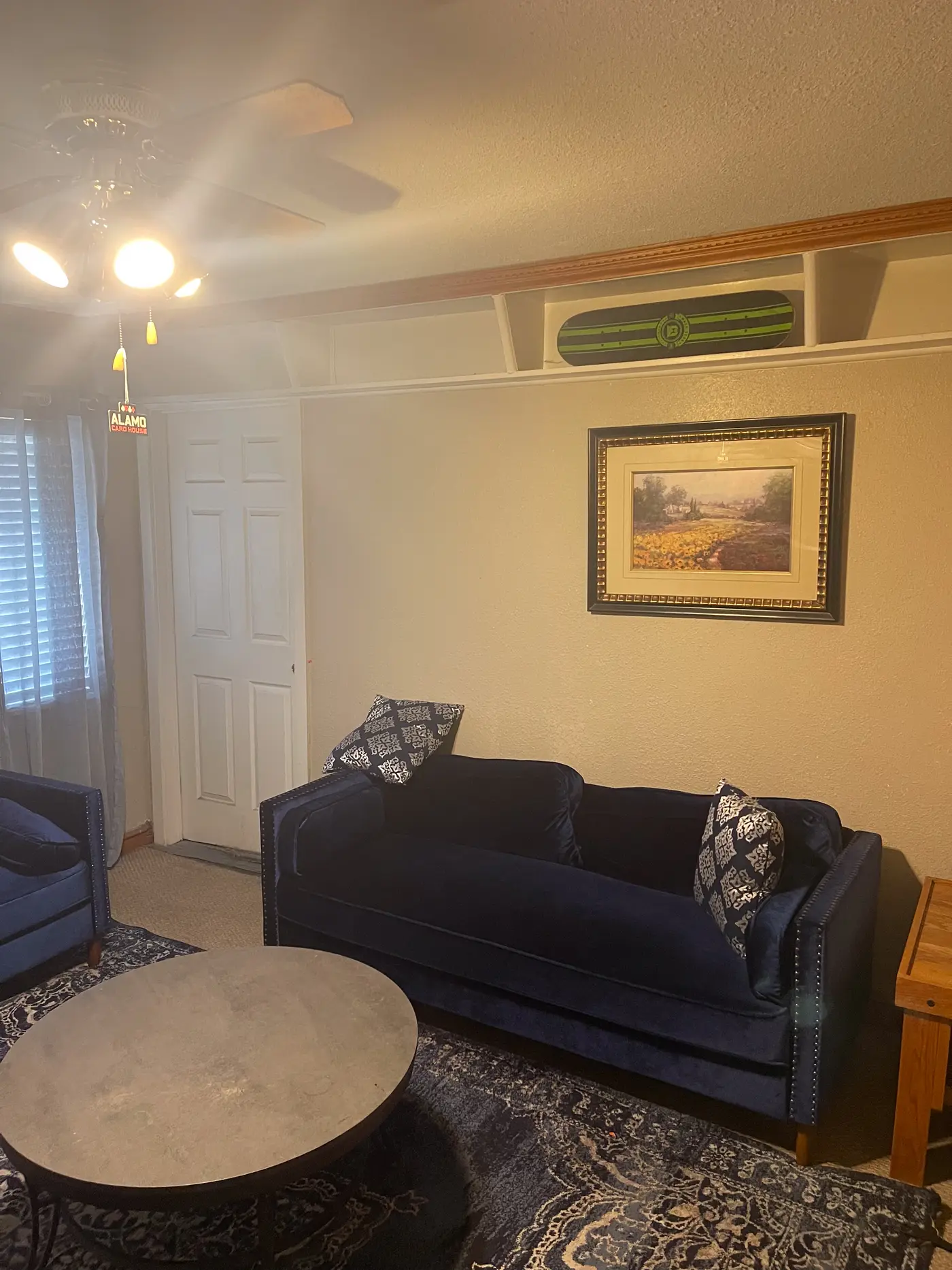
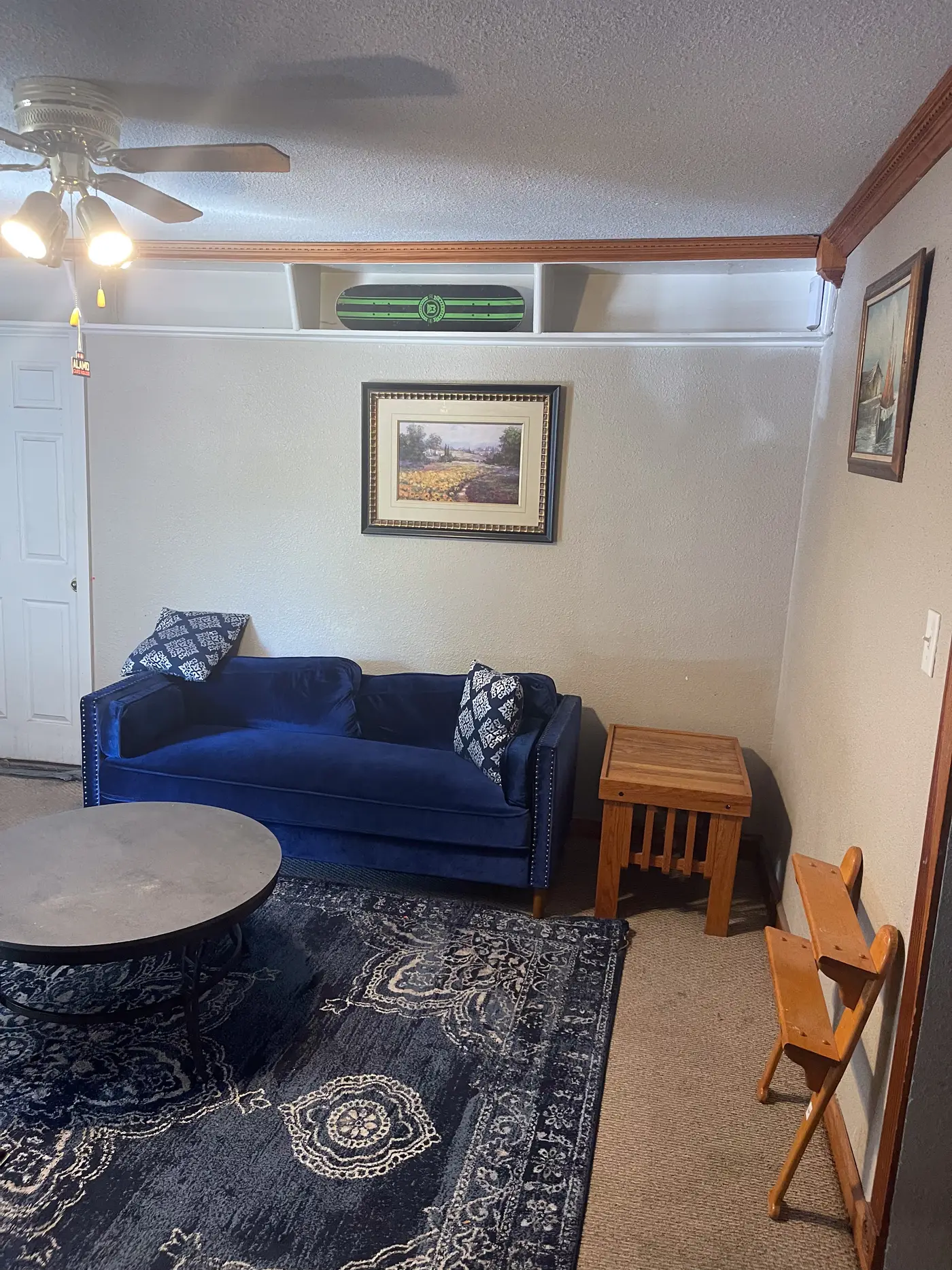
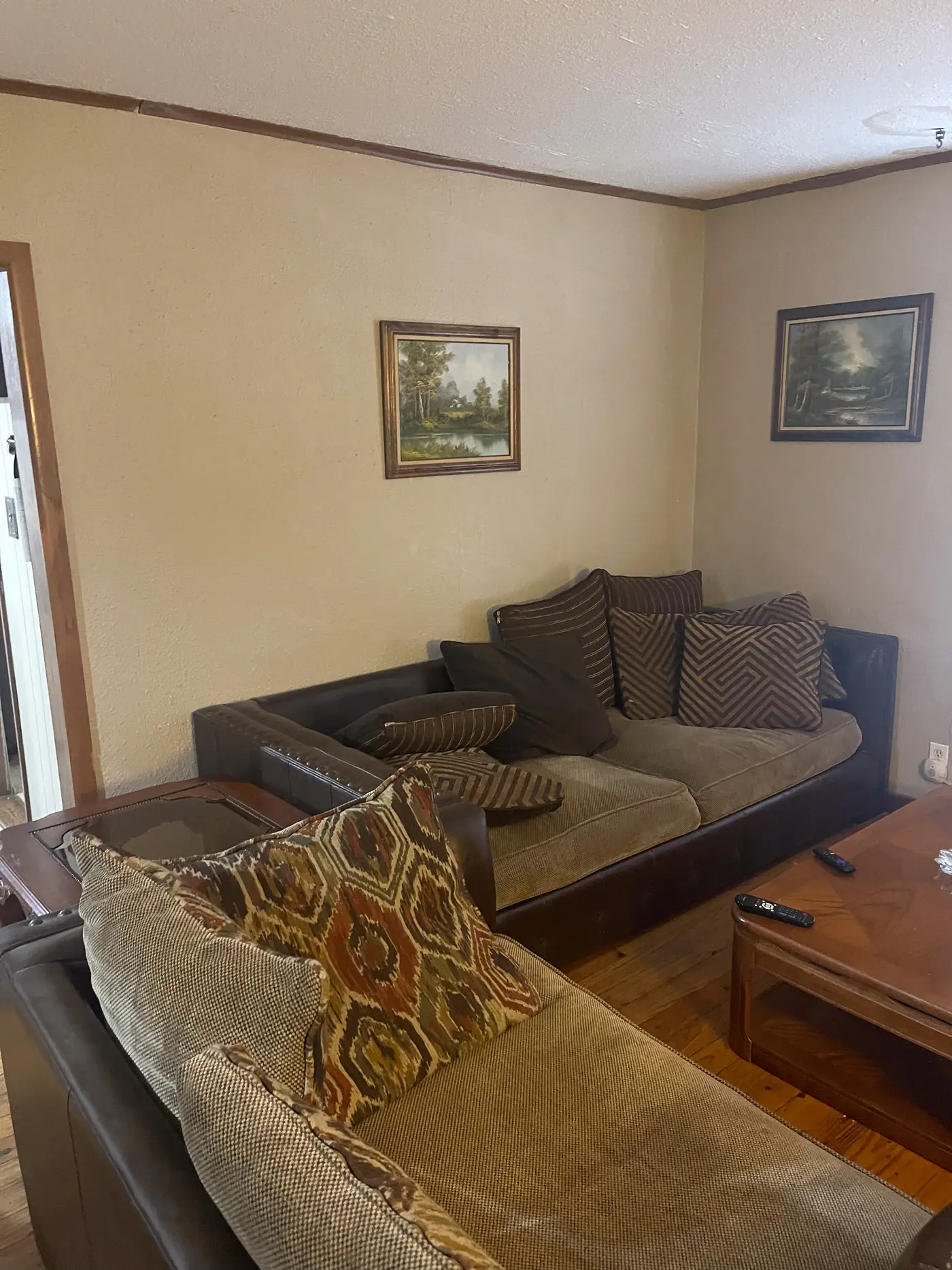


Comparing San Antonio to Other Eudaimonia Locations
The typical length of stay at sober living homes is fairly consistent across Texas. Whether you’re in our San Antonio location, Austin, Houston, or our other communities in Colorado Springs, Philadelphia, or Baton Rouge, the three-to-nine-month range holds true for most residents.
That said, local factors can influence individual timelines. Cost of living varies by city, which affects how long it takes to save for independent housing. Job markets differ, too, some residents find employment faster in certain cities. And the availability of outpatient programs, 12-step meetings, and other recovery resources can shape your experience.
What remains constant across all Eudaimonia locations is the philosophy: stay as long as you need to build a solid foundation. We’ve seen residents transfer between our locations, too, when life circumstances change. You might start in San Antonio and later move to our Austin or Houston home for work opportunities while maintaining the same level of support.
Planning Your Timeline: What to Consider
When you’re determining your own ideal length of stay, think beyond arbitrary timeframes. Ask yourself what you need to accomplish before living independently. Do you need to complete an outpatient program? Rebuild employment history? Repair family relationships? Develop a strong local recovery network?
Consider these practical benchmarks:
- 90 days: Minimum to adjust to sober living, establish routines, and address immediate concerns
- 6 months: Time to complete most outpatient programs, build savings, and deepen recovery skills
- 9-12 months: Opportunity to practice long-term sobriety, achieve financial goals, and truly stabilize
Talk with your house manager and any therapist or counselor you’re working with. They can help you assess your progress objectively and identify gaps that need more time to address. Remember, the typical length of stay at a sober living home in San Antonio is a guideline, not a rule. Your recovery is individual.
Paying for Extended Stays: Insurance and Options
One common concern about longer stays is affordability. Sober living is generally more affordable than residential treatment, but months of fees add up. Many residents use a combination of personal savings, family support, and income from employment to cover costs.
Some insurance plans cover a portion of sober living expenses, especially when it’s part of a coordinated treatment plan. Eudaimonia Recovery Homes works with residents to verify insurance benefits and explore what coverage may be available. Payment plans can sometimes be arranged to make longer stays more manageable.
Working while in sober living is common and encouraged once you’re stable. Employment provides structure, purpose, and income to support your stay and build savings for your next step. Many residents find that investing in a longer stay in recovery housing is far less expensive than the cost of relapse: financially, emotionally, and in every other way.
Making the Most of Your Time in Sober Living
However long you stay, what matters most is how you use that time. Sober living works best when you fully engage with the structure, participate in the community, and remain committed to your recovery plan. Attend house meetings, contribute to chores, support your housemates, and take advantage of the accountability.
Stay connected to outside support, too. Continue your outpatient program, therapy, or 12-step involvement. Build relationships with people who support your sobriety. Use this protected time to heal, grow, and develop the skills you’ll need when you eventually transition to independent living.
The residents who benefit most from sober living, regardless of whether they stay three months or eighteen, are those who approach it as an investment in their future rather than a waiting period to get through. Recovery housing isn’t just about staying sober; it’s about building a life worth staying sober for.
If you’re considering sober living in San Antonio and want to discuss what length of stay might be right for your situation, Eudaimonia Recovery Homes is here to help. We’ll work with you to create a plan that supports your long-term recovery goals.
Ready to take the next step?
Eudaimonia Recovery Homes provides structured sober living and recovery support in San Antonio, TX. Call (512) 363-5914 to speak with our team today.


