

Published January 4, 2026 · Updated August 5, 2026
Key Takeaways
- Know when an evaluation makes sense by focusing on patterns that affect safety, school, and daily functioning.
- Match the level of care to risk and stability, from outpatient counseling to more structured options.
- Expect a plan that includes assessment, therapy, skill-building, and family involvement when appropriate.
- Understand privacy and consent expectations, since rules for minors can affect what families are told.
- Compare programs by asking about staffing, safety policies, school support, and relapse response.
- Plan the logistics early, including insurance questions, costs, schedules, and transportation needs.
- Build aftercare with step-down support and routines that reduce triggers during the transition home.
- Talk and act using calm, specific observations and a clear next step such as a professional assessment.
On This Page · 24 Sections
Sober Living
Houston
1010 Waverly St, Houston, TX
Families looking for addiction recovery in Houston often start with the same questions: “Is this a phase?” “Is it serious?” and “What kind of help is needed?” Teen drug use can range from risky experiments to a pattern that affects health, school, and safety, so the first step is usually a clear assessment rather than a quick label.
This page explains drug treatment for teenager needs in straightforward terms. It covers common levels of care, how programs support families, and what to ask when comparing options. It is not medical or legal advice. If there is an immediate emergency, call 911. If you need urgent mental health or substance use support, you can call or text 988 at any time.
For adults seeking structured recovery housing, see our Houston sober living homes.
When to consider adolescent substance use treatment
Many teens try alcohol or drugs at least once. Treatment is usually considered when use becomes frequent, hard to stop, or tied to clear harm. Harm can include unsafe behavior, major mood swings, falling grades, repeated conflict at home, or legal trouble. Teens are also still in a key stage of brain development, which can increase risk when substance use becomes regular.
For additional context on teen alcohol and drug use and common risk factors, see AACAP’s Teens: Alcohol and Other Drugs.
A professional assessment can also help when a teen has anxiety, depression, trauma symptoms, or attention issues and is using substances to cope. In those cases, treatment may need to address both the drug use and the mental health needs in an integrated way.
The CDC also summarizes youth substance use patterns and related risk and protective factors on its Substance Use Among Youth page.
Signs that it may be time for an evaluation
No single sign proves a teen needs drug rehab for minors. A pattern matters more than a single event, and context matters too. Families often seek an evaluation when several of these show up:
- Repeated lying about where they are, who they are with, or what they are doing
- A fast drop in grades, missed classes, or a sudden loss of interest in school
- Big changes in sleep, appetite, energy, or hygiene
- New friends, new secrecy, and less time with long-term peers
- Missing money, missing prescriptions, or unexplained items
- Risky behavior such as driving after use or mixing substances
- Medical scares, blackouts, or injuries tied to intoxication
Drug treatment programs for teens and levels of care
Most drug treatment programs for teens are built around “levels of care.” A teen may start at one level and then step up or step down as needs change. The right match depends on safety, how severe use is, and how much support is available outside of treatment.
Drug counseling for youth in outpatient care
Outpatient care is often the least disruptive option. A teen lives at home, goes to school, and attends scheduled sessions, which may include individual therapy, group therapy, and family work. Drug counseling for youth can also include skill practice for cravings, stress, and decision-making.
Outpatient care can be a fit when the teen is safe between visits and the home setting supports change. It may not be enough if use is daily, if there is repeated overdose risk, or if the teen cannot avoid drugs between sessions.
Intensive outpatient and day programs
When a teen needs more structure, programs may offer intensive outpatient (IOP) or partial hospitalization (PHP). These youth drug abuse programs meet several days per week and often include groups, structured skill work, family sessions, and monitoring when clinically appropriate.
IOP and PHP are common as a step-up from weekly therapy or as a step-down after inpatient care. They may also help teens who need close support while staying connected to home and school routines.
If you want a practical overview of schedules, structure, and what to expect, review an intensive outpatient program (IOP).
Inpatient rehab for teens and residential care
Inpatient rehab for teens provides 24/7 staff support in a controlled setting. The teen lives onsite and follows a structured daily schedule that may include therapy, education time, recreation, and health checks. This is sometimes called residential care.
Teenage inpatient drug treatment may be considered when safety is a major concern, when use is severe, or when the home setting cannot support recovery right now. A rehab team may also recommend inpatient care when outpatient services have not worked or when relapse is frequent and high risk.
Detox and medical stabilization
Not every teen needs detox, but some drugs and alcohol can cause medically serious withdrawal. A licensed clinician can review symptoms and decide if medical monitoring is needed. Detox is usually a short first phase, followed by therapy and ongoing treatment that targets triggers, coping skills, and home routines.
What a rehabilitation center for teenager care often includes
A rehabilitation center for teenager services usually starts with a full intake. This includes a clinical interview, screening tools, and a review of safety risks, including overdose risk and mental health concerns. From there, the team builds an individualized plan that matches the teen’s age, stage of development, and needs at home and school.
Many programs focus on skill building, not just “stopping.” They work on coping, decision-making, and routines that reduce relapse risk and improve day-to-day functioning.
Assessment and an individual plan
A strong assessment often covers what substances are being used and in what situations; physical health, sleep, and current medications; mental health symptoms and any past treatment; school needs and learning issues; and family stress, conflict patterns, and immediate safety concerns. This step also helps set short-term goals, like stabilizing mood, managing cravings, and rebuilding daily structure.
Therapy approaches and skill practice
Teen recovery programs often use evidence-based methods. Common examples include cognitive and behavioral skill work, motivation-focused therapy, and family therapy. Group sessions can help teens practice skills with peers in a supervised setting, which can be useful for real-world decision-making.
The best approach is the one the teen can engage in and apply outside of sessions. For many families, progress looks like fewer risky choices, improved honesty, steadier mood, and more consistent follow-through at home and school.














Family sessions and school support
Most adolescent programs involve parents or guardians. Family sessions can focus on boundaries, communication skills, and how to respond to relapse warning signs in a consistent way. Many programs also support school progress with tutoring, structured study time, or coordination with a home campus.
For additional guidance on communication and caregiver involvement, visit our family support in recovery page.
Eudaimonia's Success Stories – Real People, Real Freedom
Confidentiality and consent for minors
Parents often want to know what they can be told and what a teen can keep private. Confidentiality rules and consent requirements can depend on the setting, the teen’s age, and the type of service. A provider should explain how information sharing works, what releases are needed, and how the program handles safety situations.
Even when some details remain private, parents are usually involved in planning around safety, attendance, progress goals, and discharge steps. Asking about communication expectations early can prevent confusion later.
How to compare rehab for minors in the Houston area
Houston has a wide mix of youth drug treatment centers. Some focus on outpatient care. Others offer residential services, and some offer several levels in one system. The goal is to find a safe program that fits the teen’s clinical needs and the family’s ability to take part
Questions to ask a program
When you call a provider, these questions can help you compare options:
- What ages do you treat, and are groups separated by age and maturity level?
- What levels of care do you offer (outpatient, IOP, PHP, residential, detox)?
- How often are family sessions, and what is expected of caregivers each week?
- How do you handle co-occurring mental health needs and medication management?
- What is your approach to drug testing and relapse response?
- What academic support is available during treatment?
- How do you plan aftercare, referrals, and step-down services?
When comparing structured environments for older teens (18+) and young adults, it can help to review typical sober living community rules and expectations.
Safety, staffing, and quality markers
Families often look for clear safety policies, trained staff, and a treatment plan that can change based on progress. It is also reasonable to ask how the program measures outcomes and how it communicates with families, especially during a crisis or a relapse event.
Cost, insurance, and practical planning
Costs vary by level of care and length of stay. Many families start by asking for an insurance review and a written estimate. It can also help to ask what is included in the daily rate, what extra fees may apply, and how discharge planning is handled.
For a Houston-specific breakdown, see our Houston sober living costs and rules guide.
Practical details matter too. Ask about visitation or family session schedules, phone rules, transportation needs, and how school time is managed during treatment.
Aftercare and long-term teen recovery
Aftercare is the plan for what happens after a higher level of care ends. Many teens do better with a step-down plan, such as residential care to PHP, then IOP, then weekly therapy and recovery support.
For step-by-step planning ideas, read our guide on the transition from rehab to sober living.
A typical aftercare plan may include ongoing counseling, family support, and a clear routine that limits high-risk time. The transition home is often when structure matters most, because triggers and peer access can return quickly.
You can also review these daily relapse prevention tips to support consistency during early recovery.
Talking with a teen and taking the next step
Many parents want to avoid a fight while still setting limits. A neutral approach is to describe what you observed, explain why it is a safety issue, and propose a next step like a professional assessment.
Instead of debating whether a teen is “a person with substance abuse disorder,” focus on the facts: use is happening, the risks are real, and support is available. If the teen refuses, parents can still meet with a clinician for guidance, adjust supervision, and build a safety plan.
When safety is urgent
Call 911 for a life-threatening emergency, overdose, or immediate danger. The 988 Suicide & Crisis Lifeline is available 24/7 by call or text, and chat is also available for urgent support. For help finding treatment and support resources, SAMHSA’s National Helpline (1-800-662-HELP) is a free, confidential, 24/7 referral and information service.
You can also use SAMHSA’s National Helpline for free, confidential, 24/7 treatment referral and information.
If you are considering contacting 988 and want to know how it works, the 988 Lifeline “What to Expect” page explains what happens when you call, text, or chat.
How Eudaimonia Recovery Homes Can Support the Teen Recovery Process in Houston
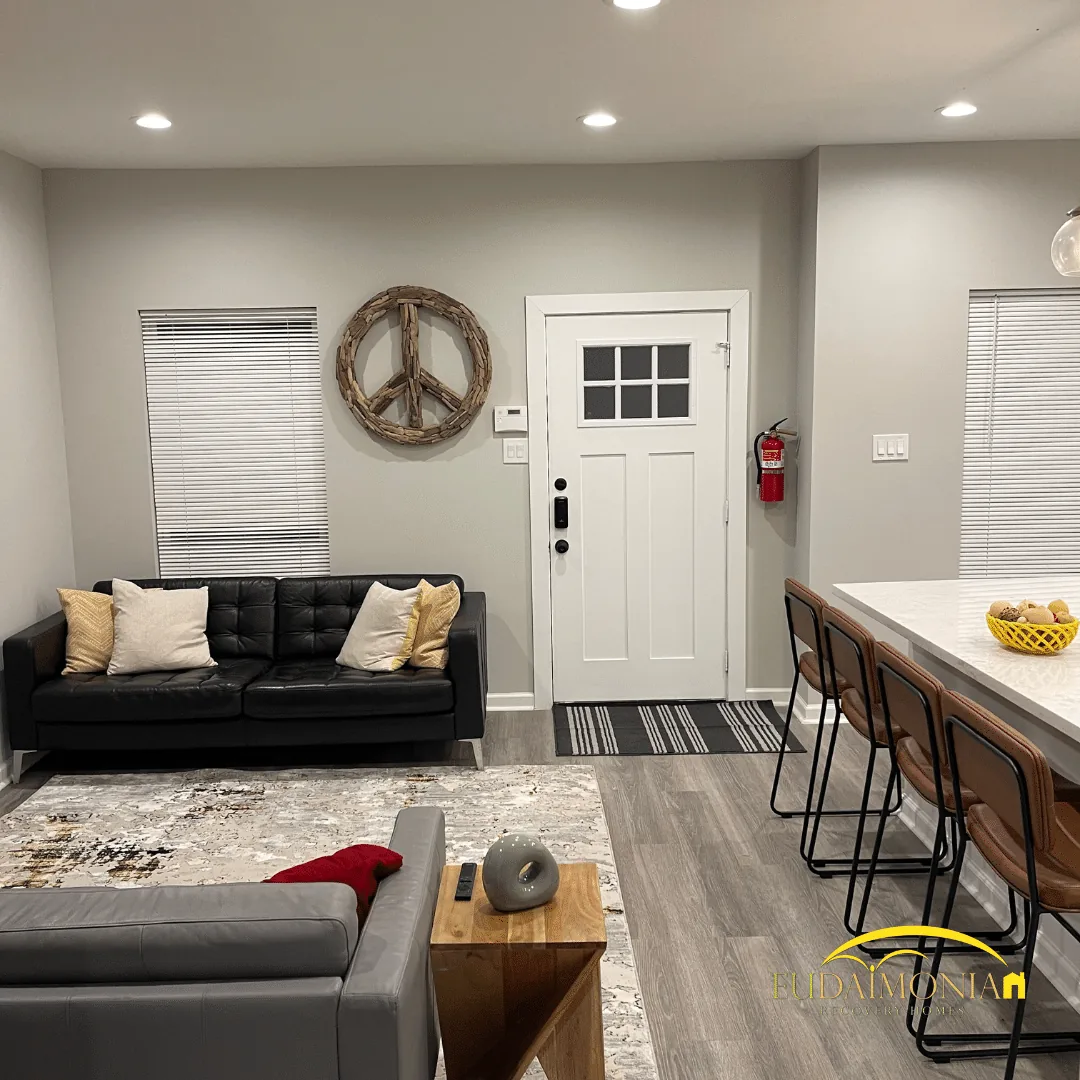
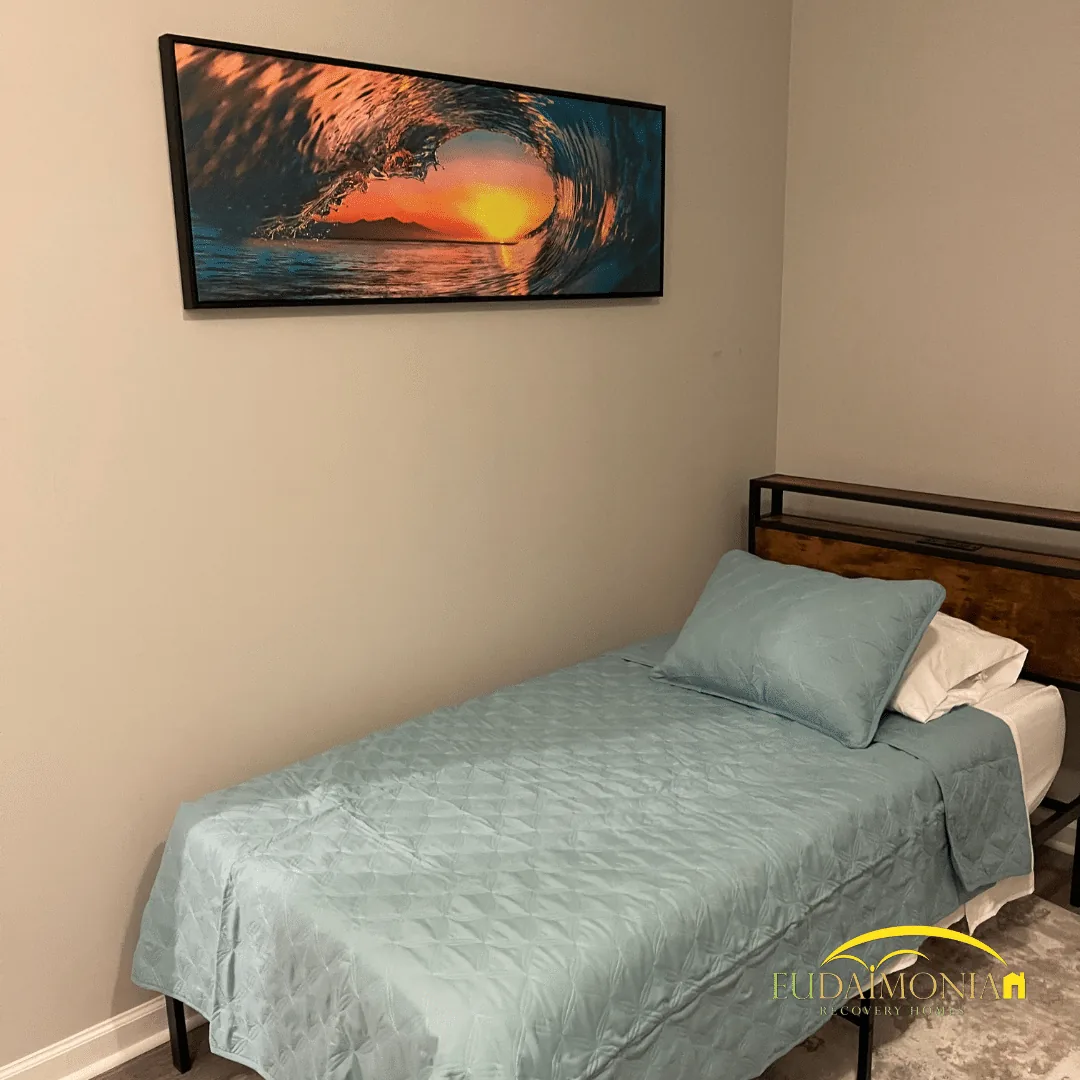
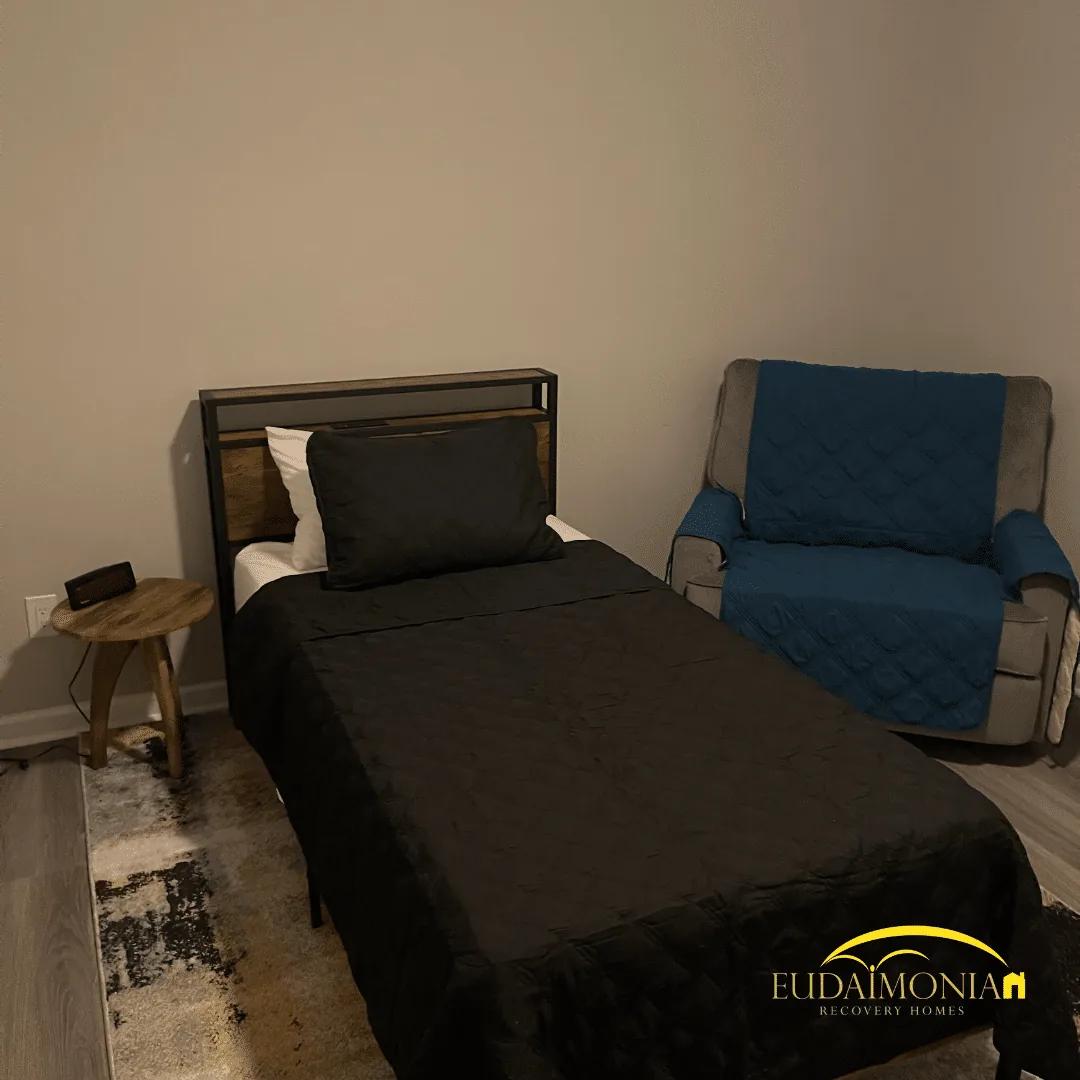
Within the topic “Teen Drug Rehab in Houston: Options for Minors,” Eudaimonia Recovery Homes can help families plan what happens after a teen completes a higher level of treatment. Eudaimonia focuses on structured, substance-free sober living housing in Houston that adds routine and accountability while residents attend outpatient care, school, or work.
For rehab for minors, it is important to confirm age eligibility up front, because many sober living settings, including Eudaimonia’s recovery housing, are designed for adults 18 and older. If a teen is under 18, Eudaimonia notes that its team can provide neutral education and resources to help families find youth-appropriate services and step-down options through the teen’s treatment team.
For older teens who are turning 18, or young adults stepping down from residential care, a sober living environment may serve as a bridge back to daily life while recovery skills are practiced consistently.
Eudaimonia describes expectations such as structure, peer support, and accountability practices (for example, curfews, check-ins, and regular testing), which can help reinforce stability during early recovery.
Families can also ask how staff coordinate with outside providers so goals stay aligned with an established treatment plan. In that role, Eudaimonia is typically most relevant when a household is planning a safe, sober transition for an 18+ young person in the Houston area.
Your Future Is Waiting
Tell us what you are looking for and admissions will walk you through the houses, the phases, and what a room actually costs.