

Published November 17, 2025 · Updated March 4, 2026
Key Takeaways
- What sober living isSupportive, drug‑ and alcohol‑free housing that bridges treatment and independent life.
- Not rehab or halfway housesIt’s supportive housing (not clinical care) and distinct from justice‑system halfway houses.
- Who it helpsPeople completing detox or residential care who want structure and accountability in a stable home.
- About 90 daysMany residents benefit from ~3 months or longer to practice sober routines before full independence.
- Expect structureMeetings, chores, curfews, and community routines support day‑to‑day recovery.
- Clear rules & testsWritten policies, random screening, and on‑site managers help maintain safety and accountability.
- Gender‑specific optionsMen’s and women’s homes (and other focuses) can improve comfort, privacy, and fit.
- Choose with standardsLook for NARR/TROHN alignment, transparent rules, and a resident‑first code of ethics.
- Plan your transitionSet goals, shortlist 3–5 homes, tour for fit and safety, and coordinate a warm hand‑off from treatment.
- Define “best” clearlyStandards, stable leadership, peer community, real‑life readiness, and fair boundaries.
On This Page · 33 Sections
Sober Living
San Antonio
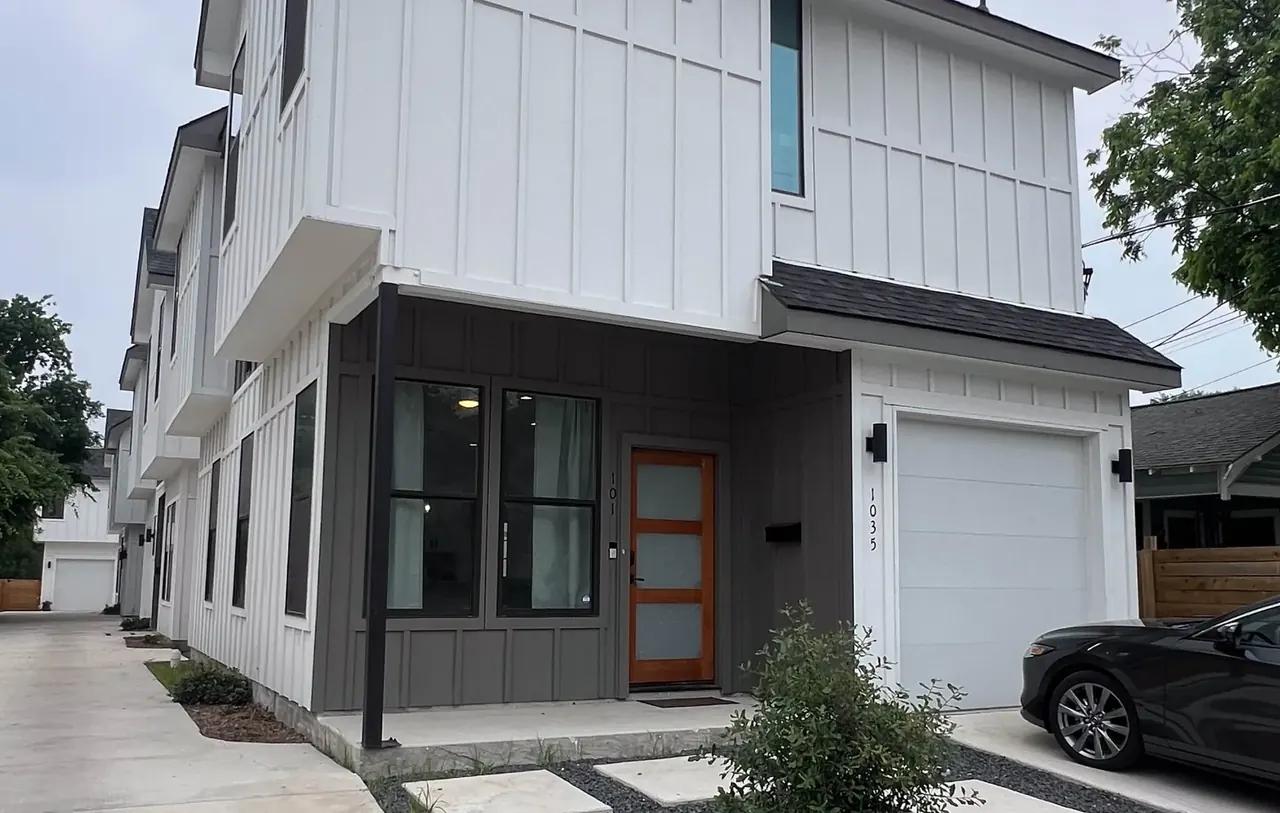
1035 S Pine St, Unit 101, San Antonio, TX
What Sober Living Really Means
Sober living bridges the gap between structured rehab and independent life. Homes are alcohol‑ and drug‑free, run on routines, and lean on peer accountability. The model reduces exposure to old triggers while you build stable habits for work, school, and family life.
Who sober living helps
People who’ve completed detox or residential care and want structure without 24/7 supervision, especially if their home environment includes relapse triggers or unstable housing.
How sober living differs from rehab and halfway houses
- Rehab provides licensed clinical treatment; sober living is supportive housing, not medical care.
- Halfway houses in Texas primarily serve people leaving incarceration; sober living focuses on recovery housing for people leaving treatment.
Typical length of stay
A common benchmark is around 90 days, with flexibility based on progress and goals.
What to Expect in San Antonio Sober Living Homes
Daily structure, rules, and checks
Expect community rules (curfews, chore schedules), regular meetings, and random drug/alcohol screening. Many houses use an on‑site house manager to support safety and consistency.
Ready to compare houses and availability? Explore our options for sober living in San Antonio.
Community, meetings, and real‑life practice
Sober homes encourage you to work or attend school, join AA/NA or other mutual‑help meetings, and contribute to the household, so the routines you practice are the routines you’ll keep.
For local ideas that make sober living practical and enjoyable, check out our staying sober in San Antonio tips.
Gender‑specific or focus‑specific options
Some homes are for men or women only; others welcome LGBTQ+ residents or emphasize special supports. Gender‑specific housing can improve comfort, focus, and safety for many residents.
How to Choose the Best Sober Living Homes Near You (San Antonio Checklist)
Use this neutral checklist to compare options and find a fit that supports your goals:
Standards, ethics, and certification
Ask whether the home follows NARR standards and/or holds TROHN certification (voluntary but meaningful). These frameworks cover resident rights, ethics, safety, peer governance, and continuous improvement.
Safety & accountability
Confirm policies on testing, curfews, visitor rules, and conflict resolution. Look for clear written rules and a grievance process. For a complete look at expectations, see our sober living house rules (testing, curfew, meetings, and conduct).
House management & staffing
Ask whether there is a live‑in manager or rotating staff. On‑site support helps maintain consistency and can ease transitions back to work and school.
Community fit
Consider gender‑specific or other targeted settings if that improves comfort, privacy, or safety. Tour common areas and bedrooms to gauge community culture.
Recovery supports
Look for strong links to IOP/outpatient, peer groups, transportation to meetings, and employment or education support, all common in reputable programs.
House rules vs. independence
The best sober living homes balance structure with autonomy: room to work, study, or care for family while staying accountable to the house and your plan.
Cost and transparency
Housing fees are usually private pay; confirm deposits, refund policies, and what fees include (utilities, testing, furnishings). Insurance may cover treatment but typically not room and board.
For a deeper breakdown of local pricing, deposits, and standards, see our guide to San Antonio sober living costs and rules.
Legal & quality basics
Reputable homes follow state and federal housing laws (e.g., Fair Housing Act and ADA) and maintain safe, clean, adequately furnished spaces with clear bans on substances and weapons.
Step‑by‑Step: How to Choose the Right Home
1) Start with your goals
Clarify work/school needs, privacy preferences, and whether you want gender‑specific or LGBTQ+‑affirming housing. Bring this list to tours.
2) Shortlist and verify
From search results and referrals, pick 3–5 homes. Ask about NARR/TROHN alignment, house rules, and manager coverage.
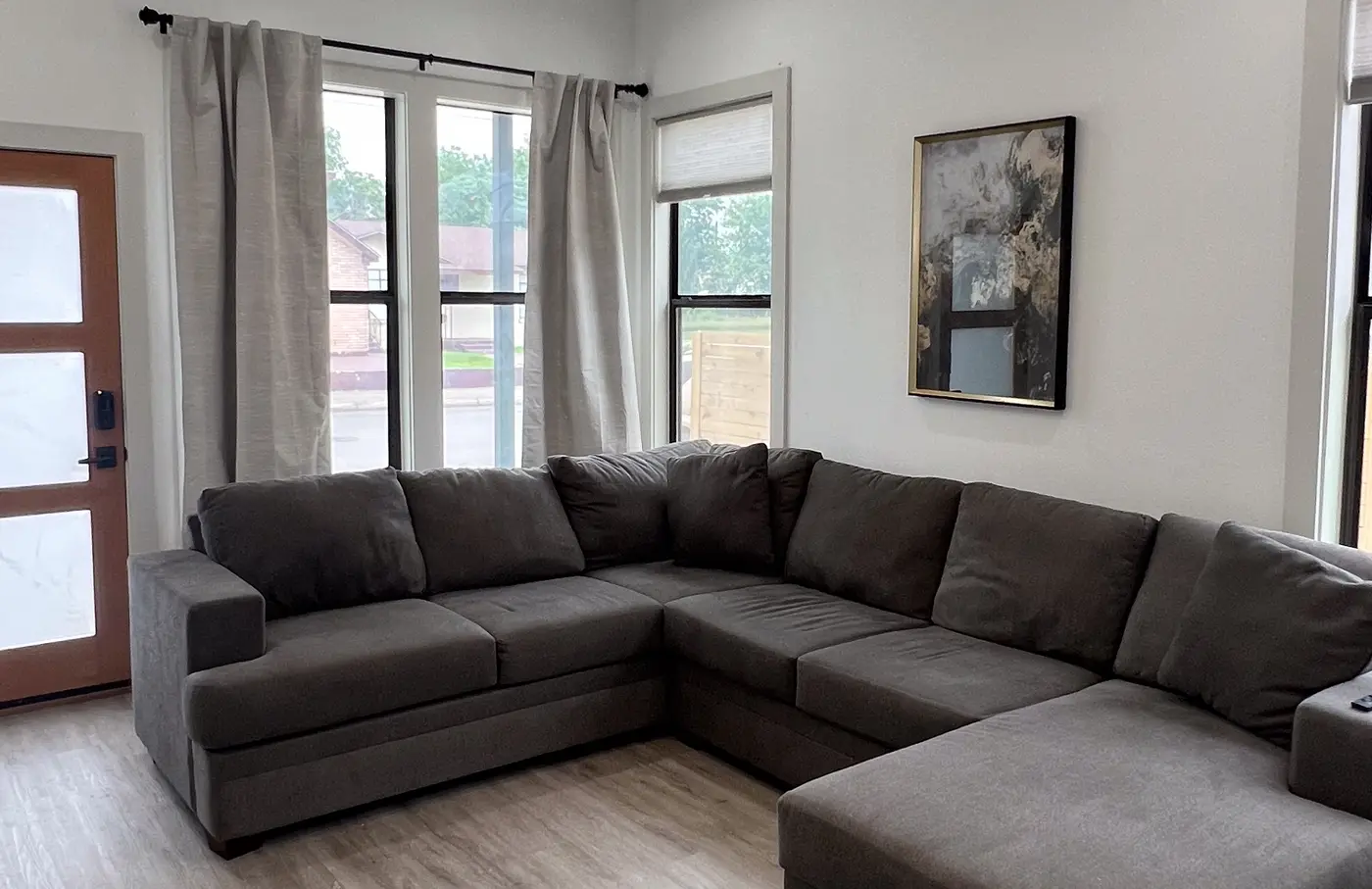
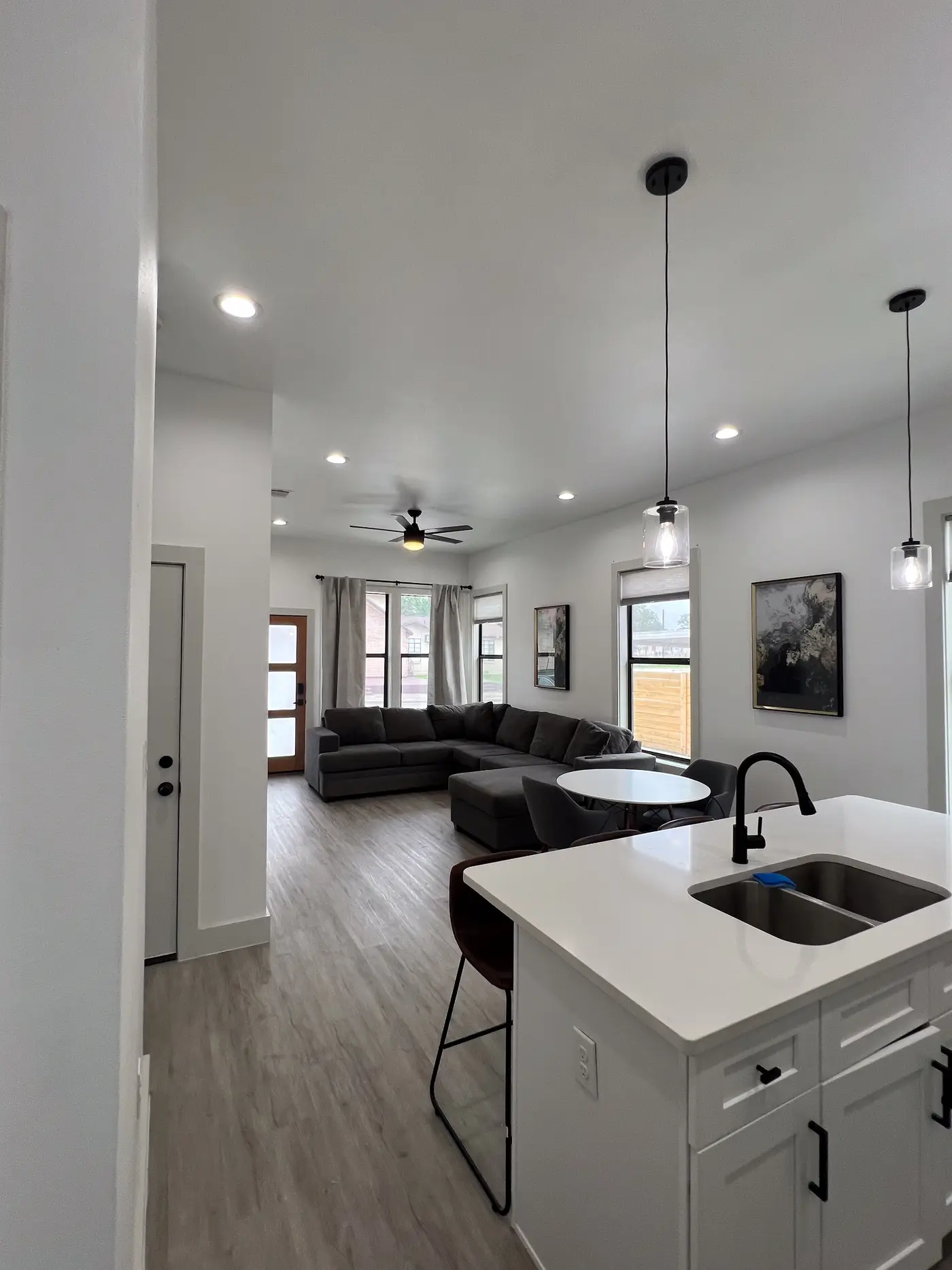
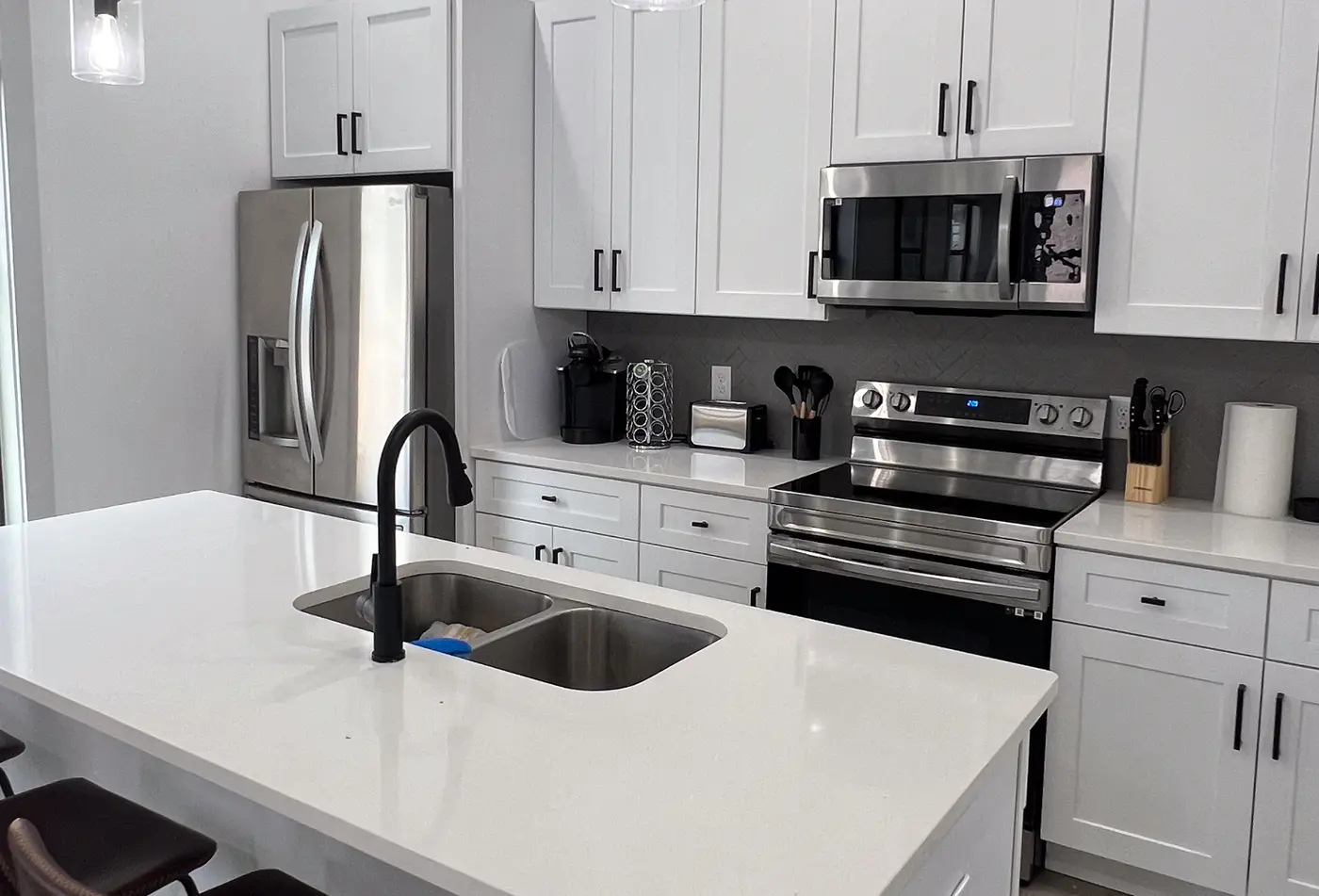
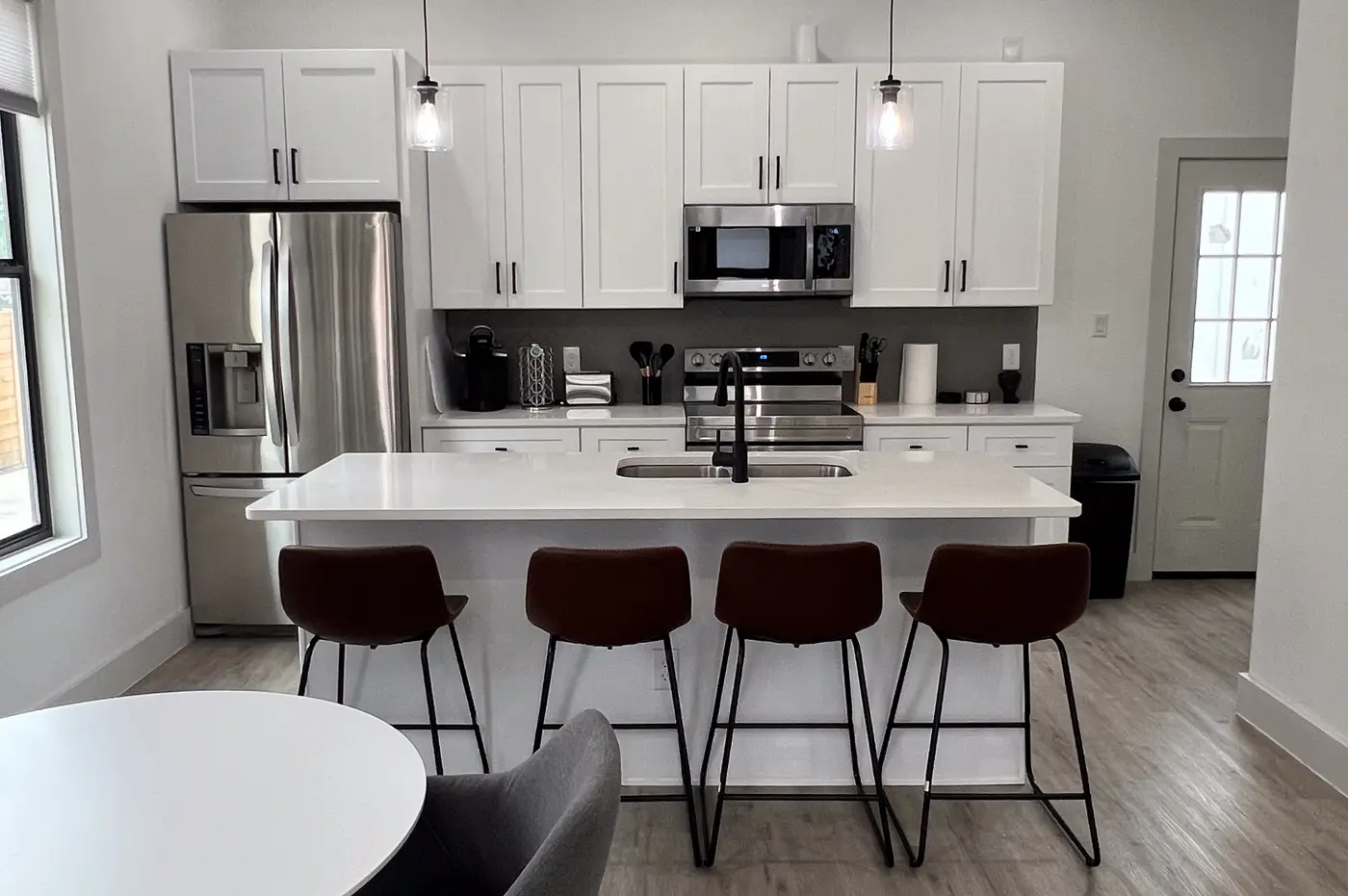
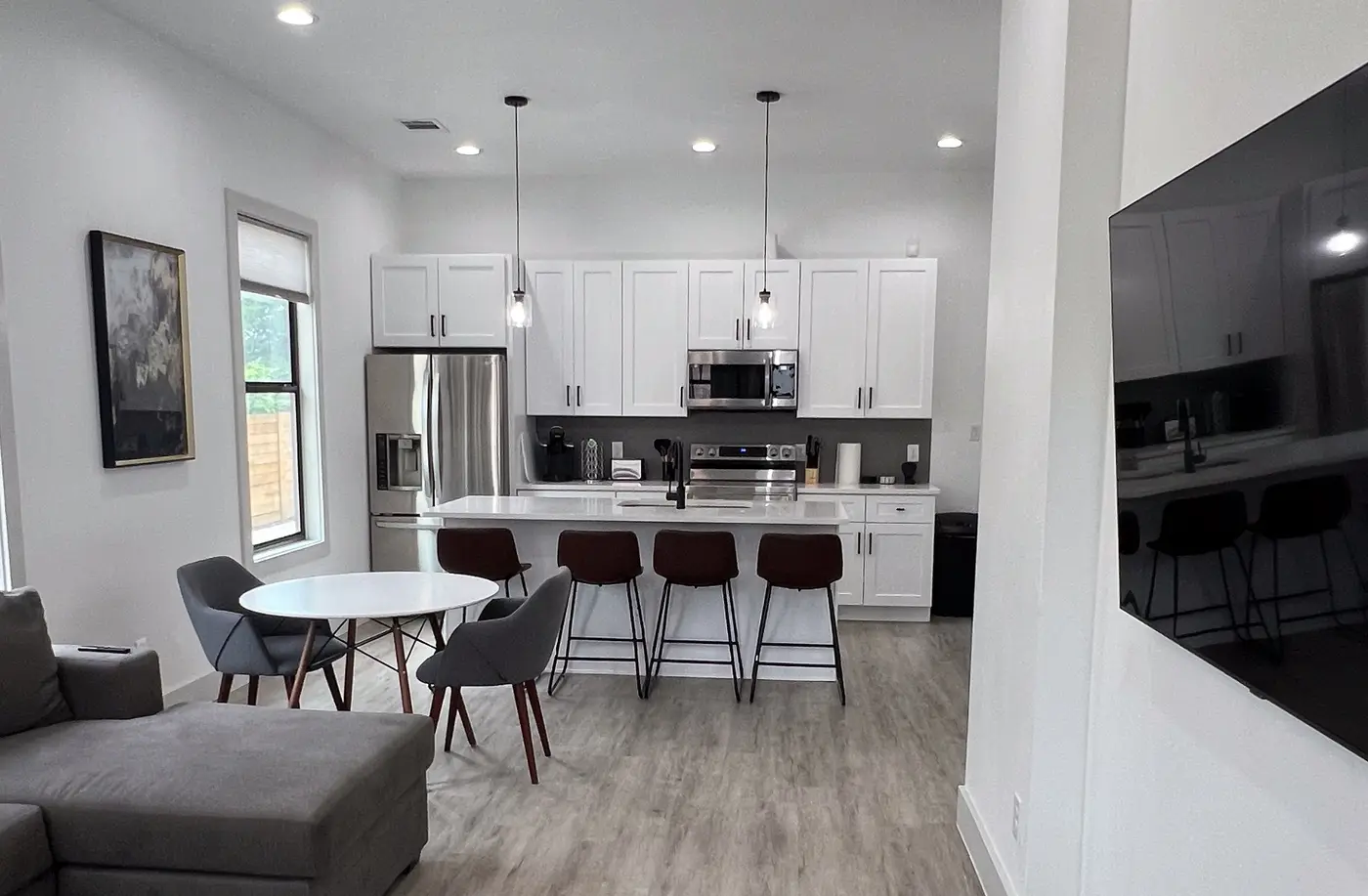
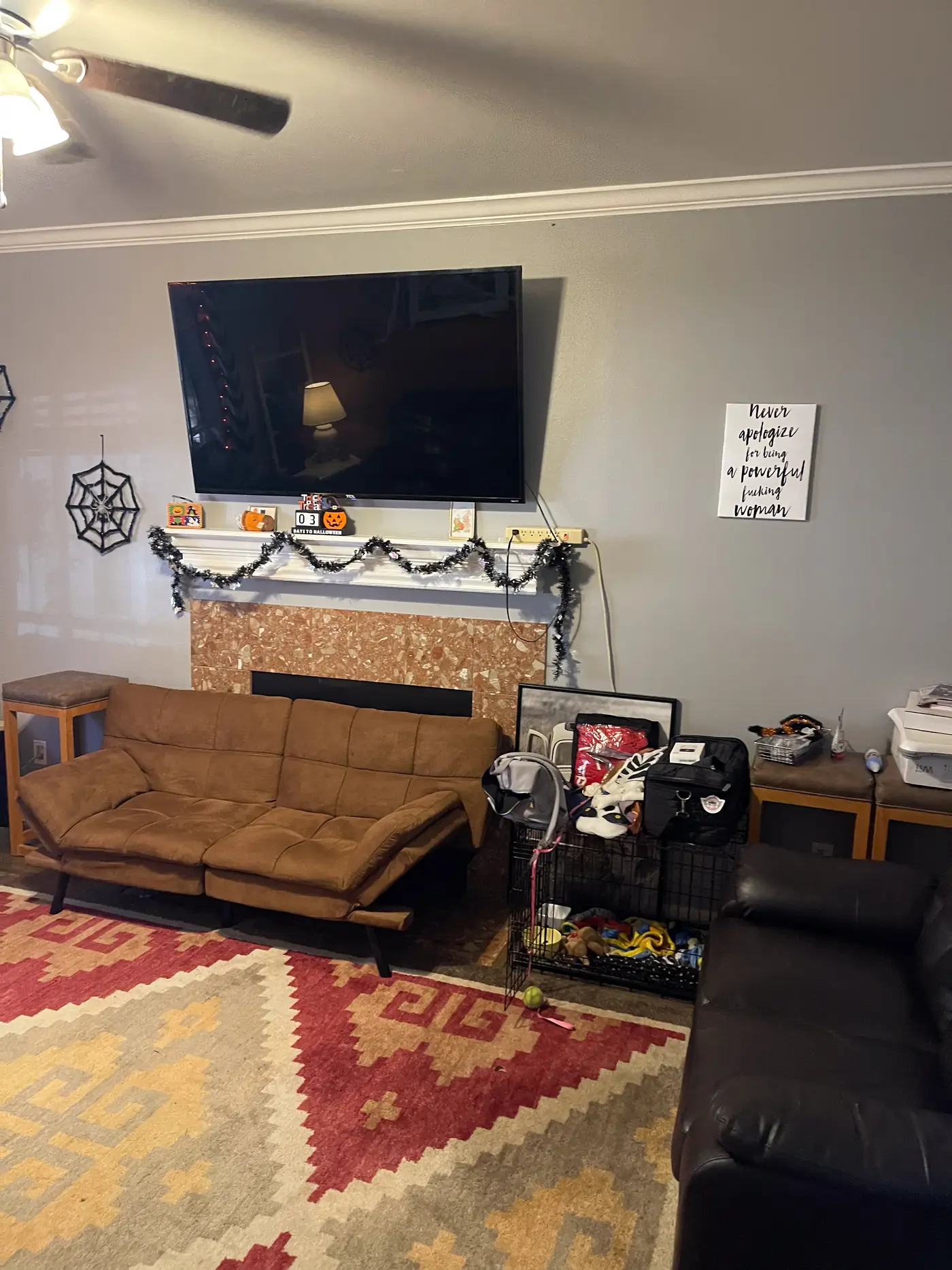
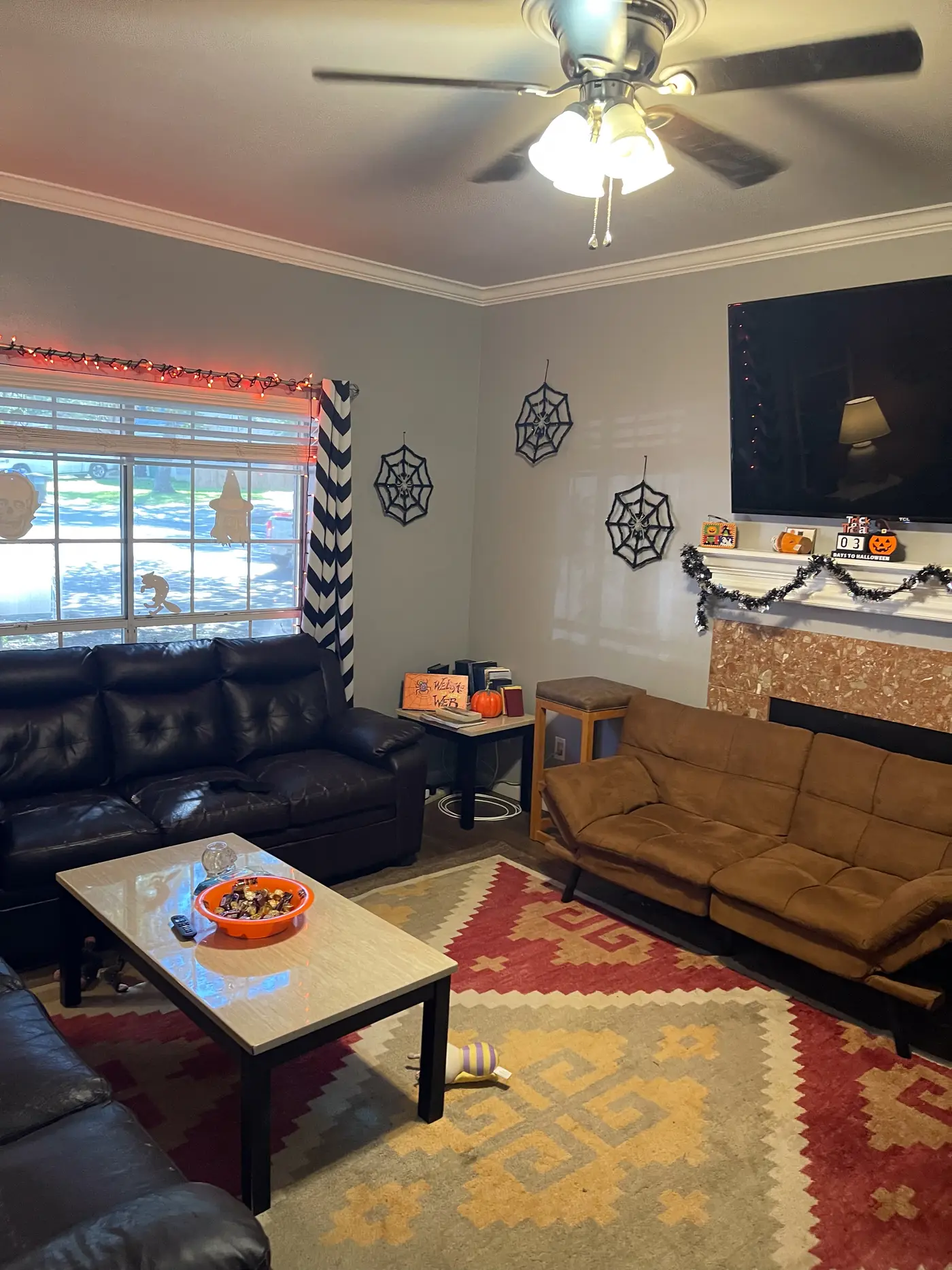
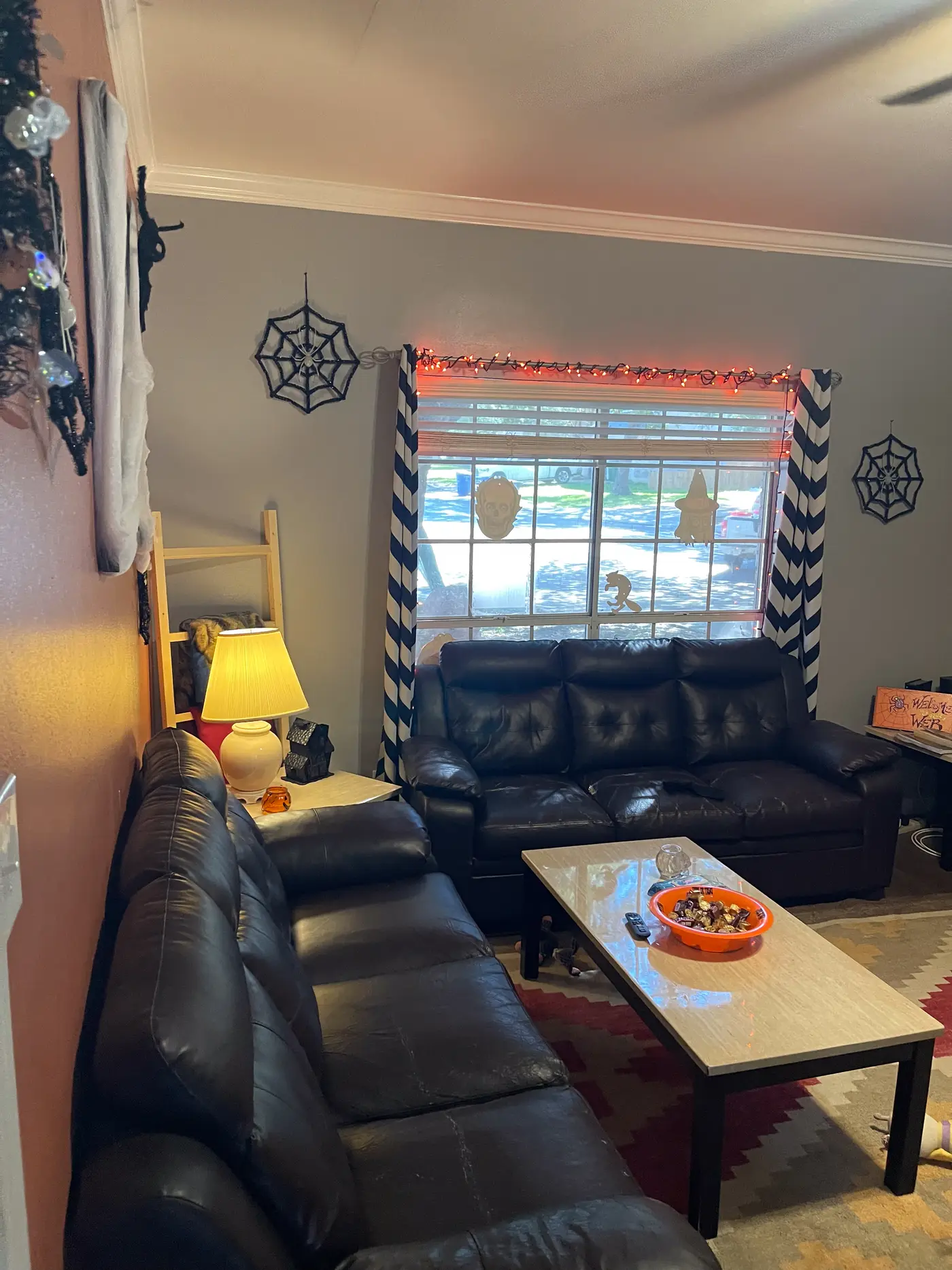
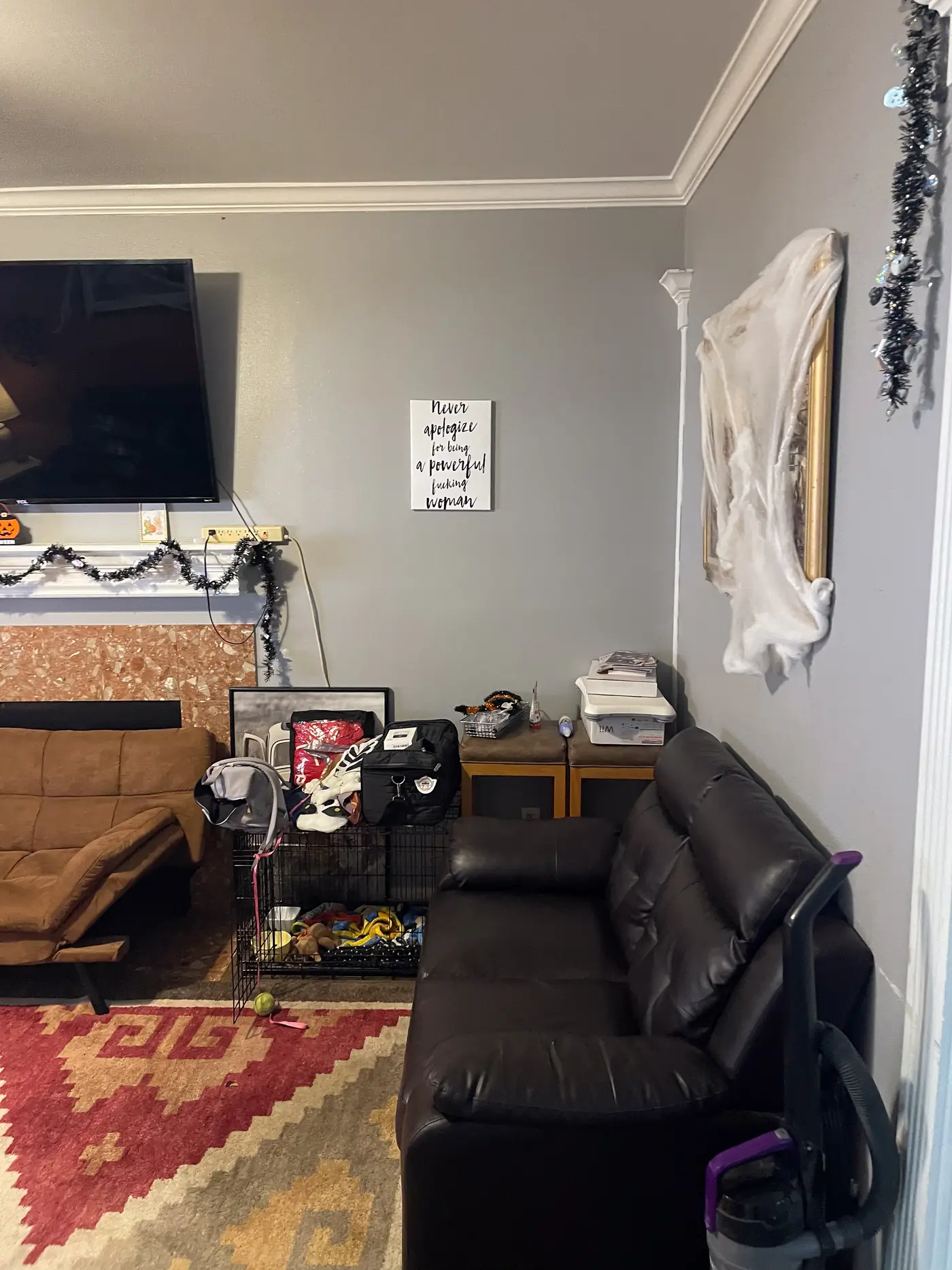
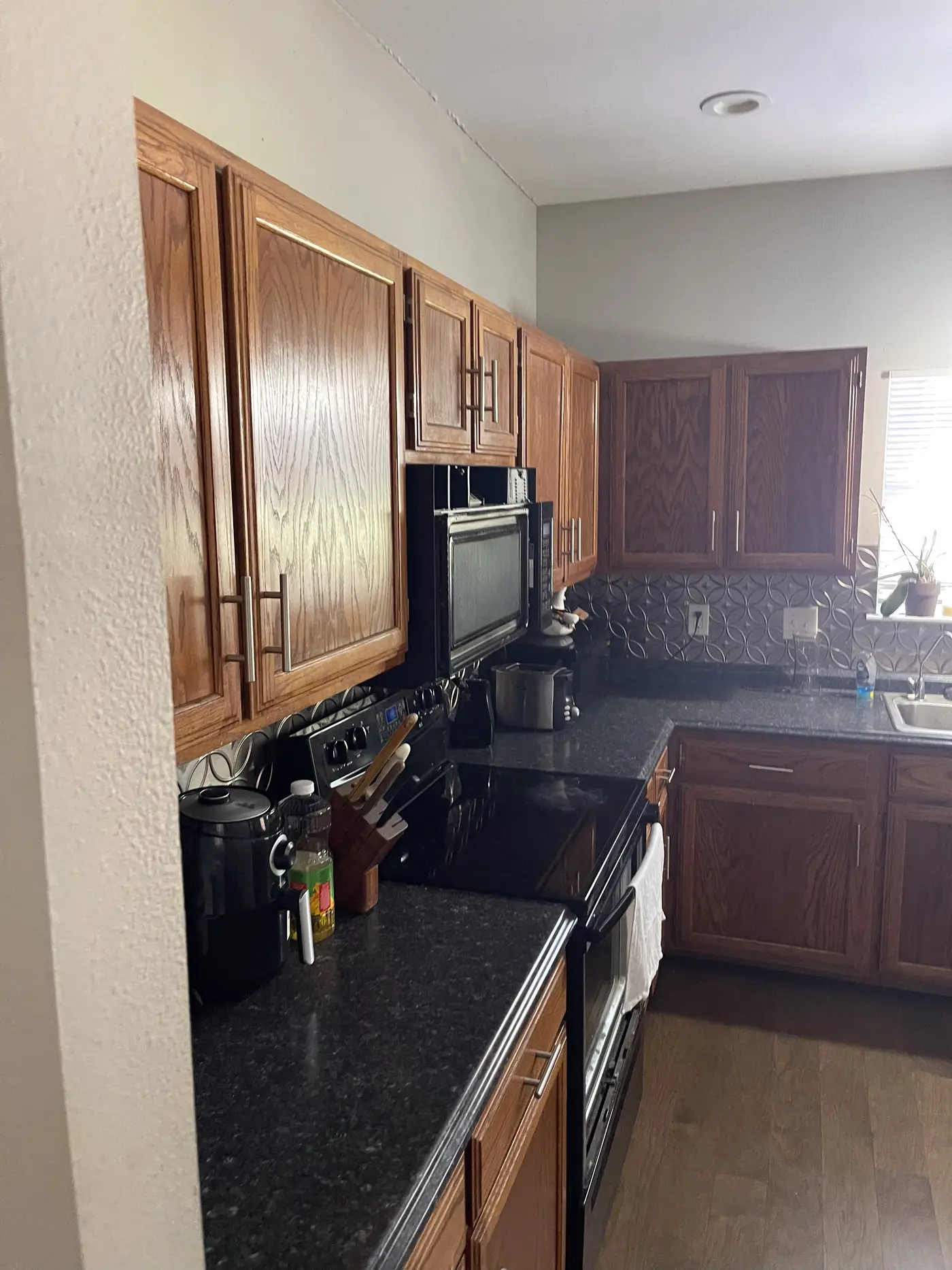
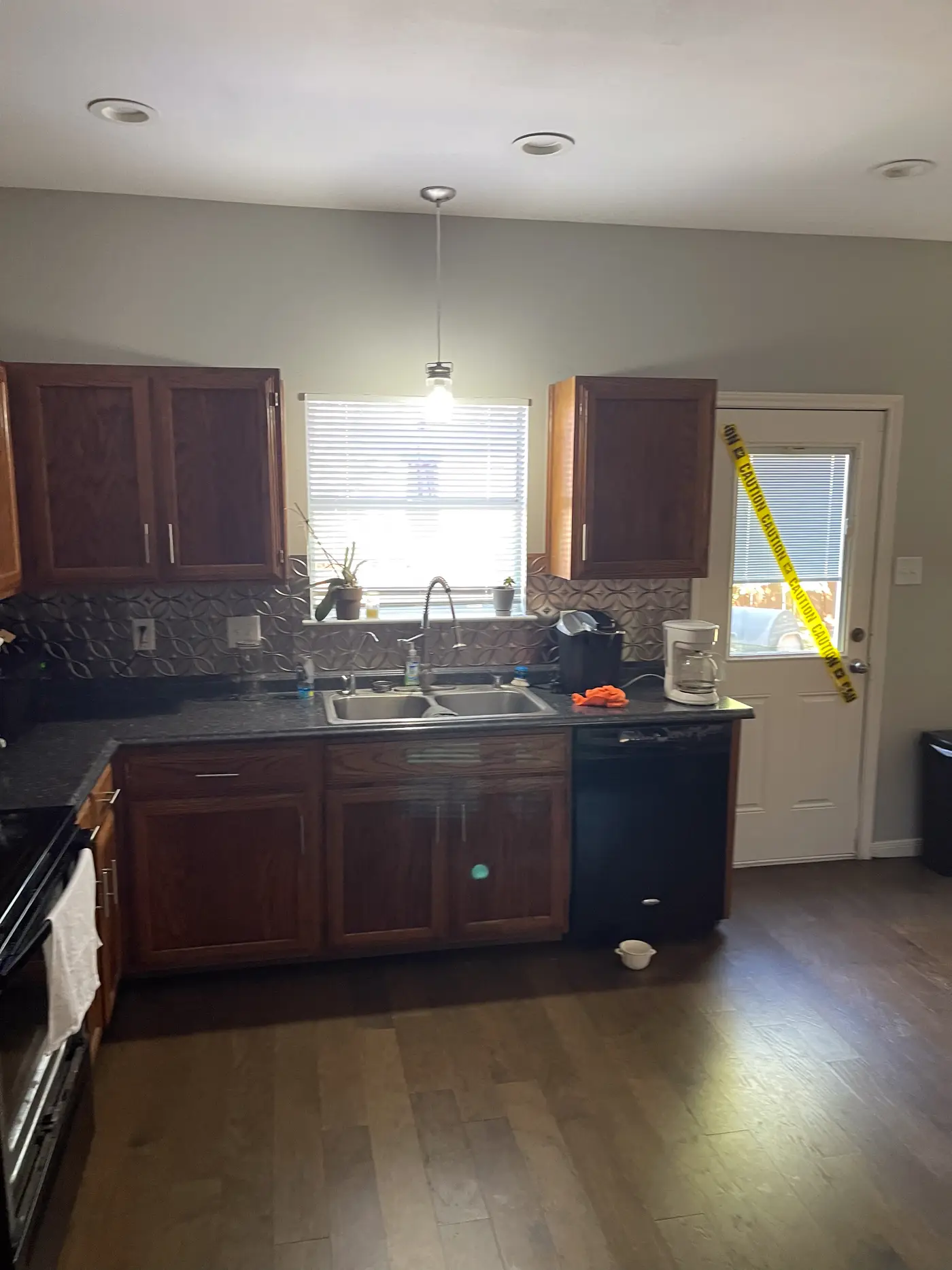
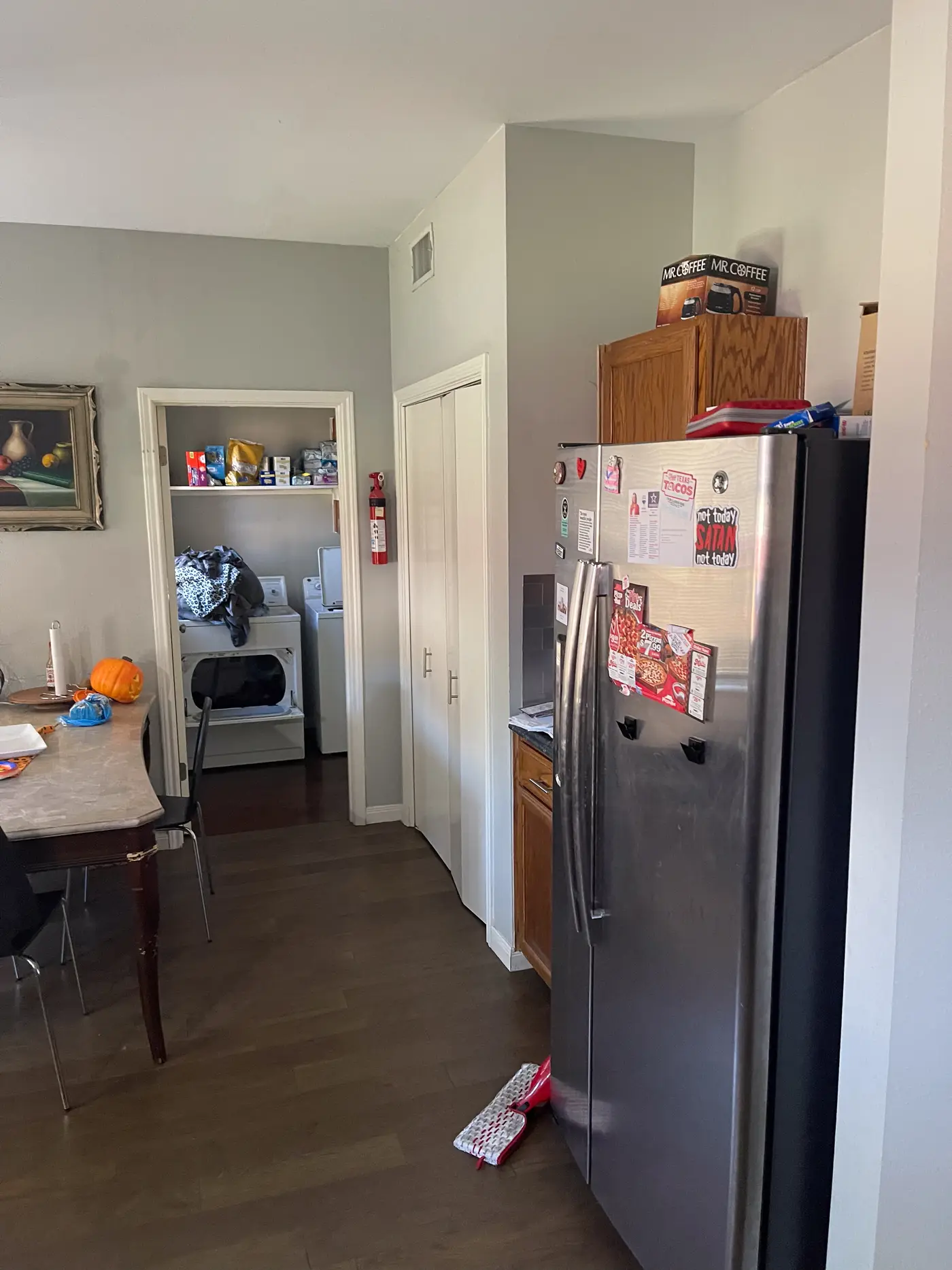
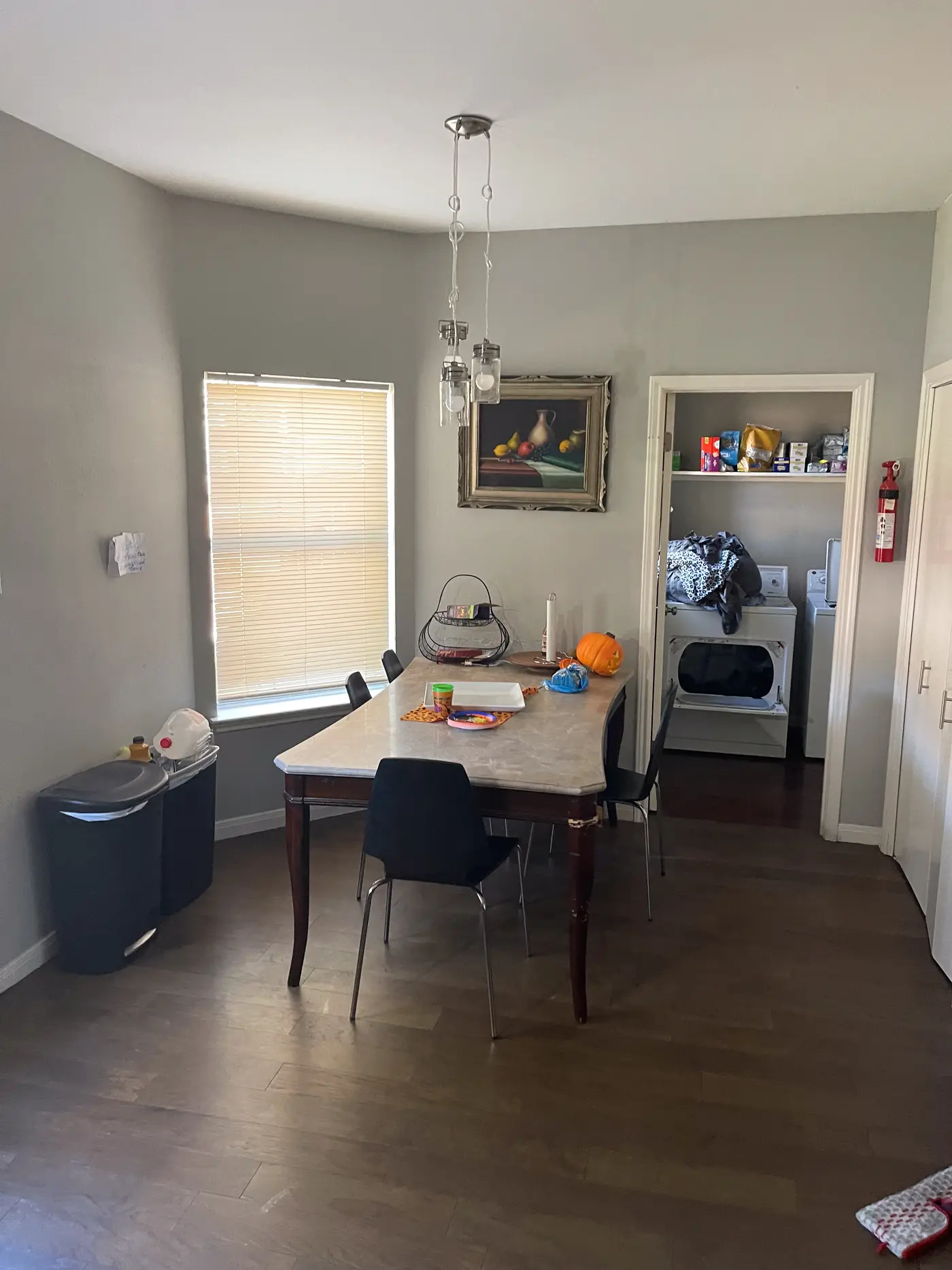
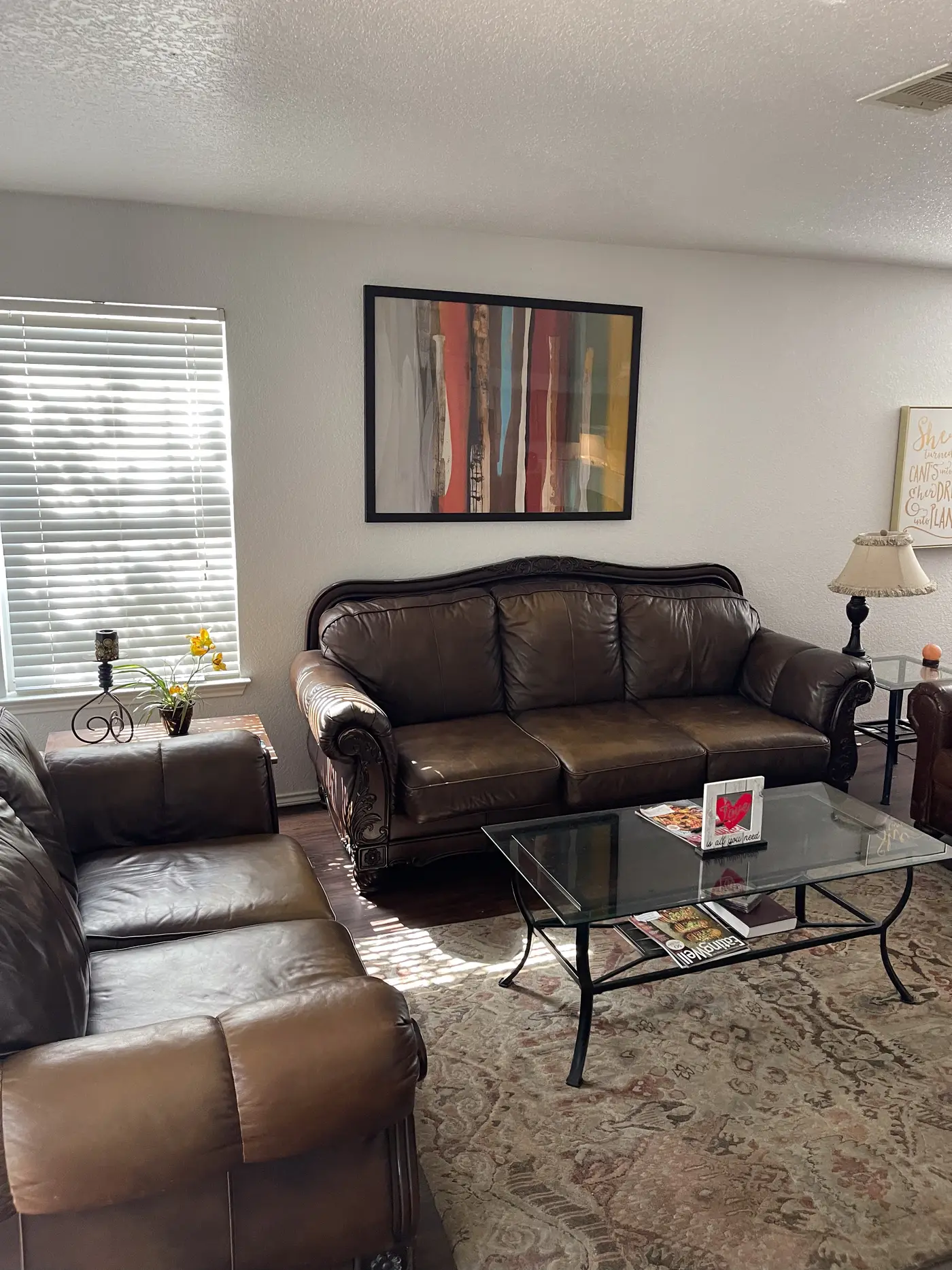
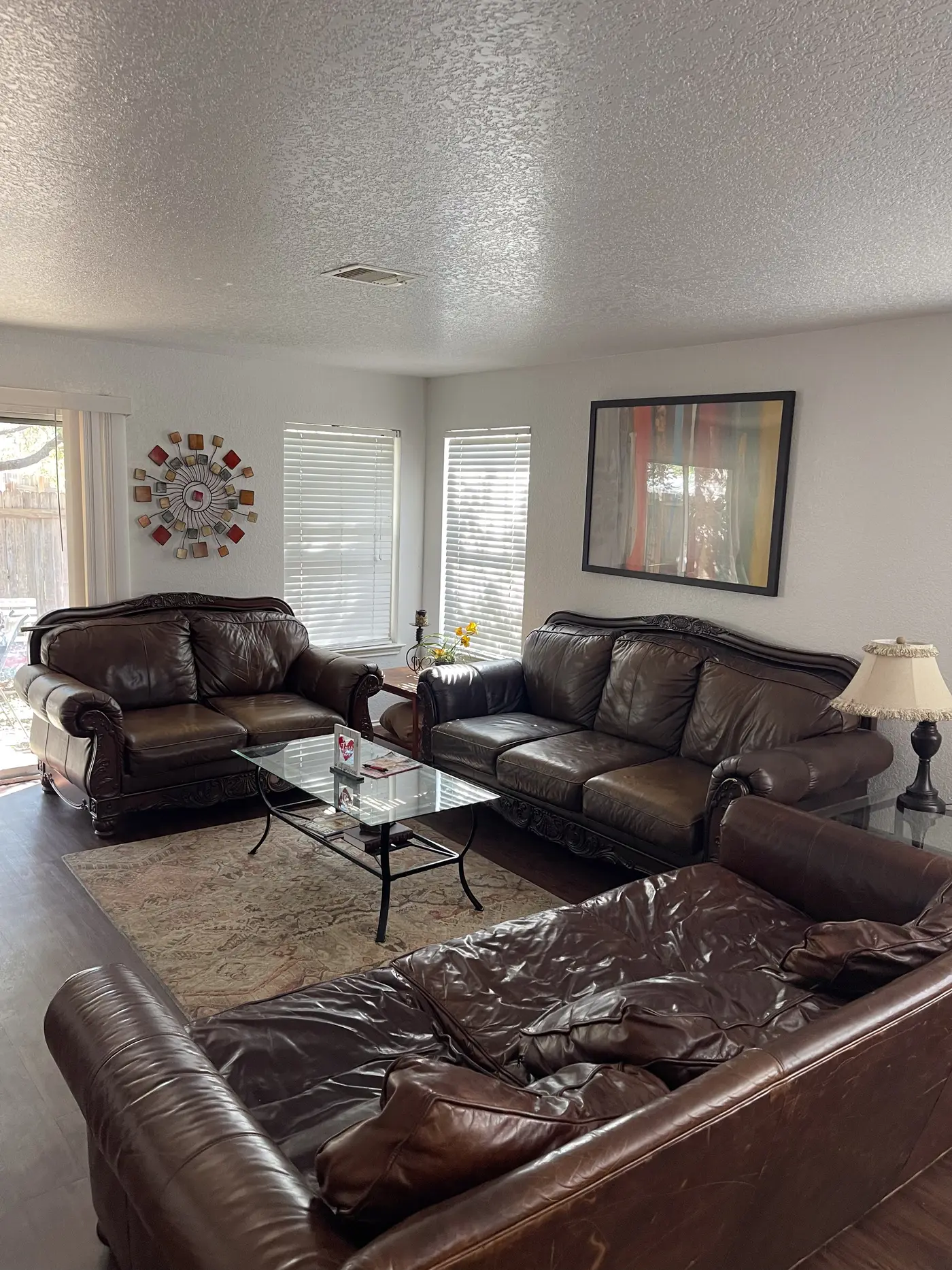
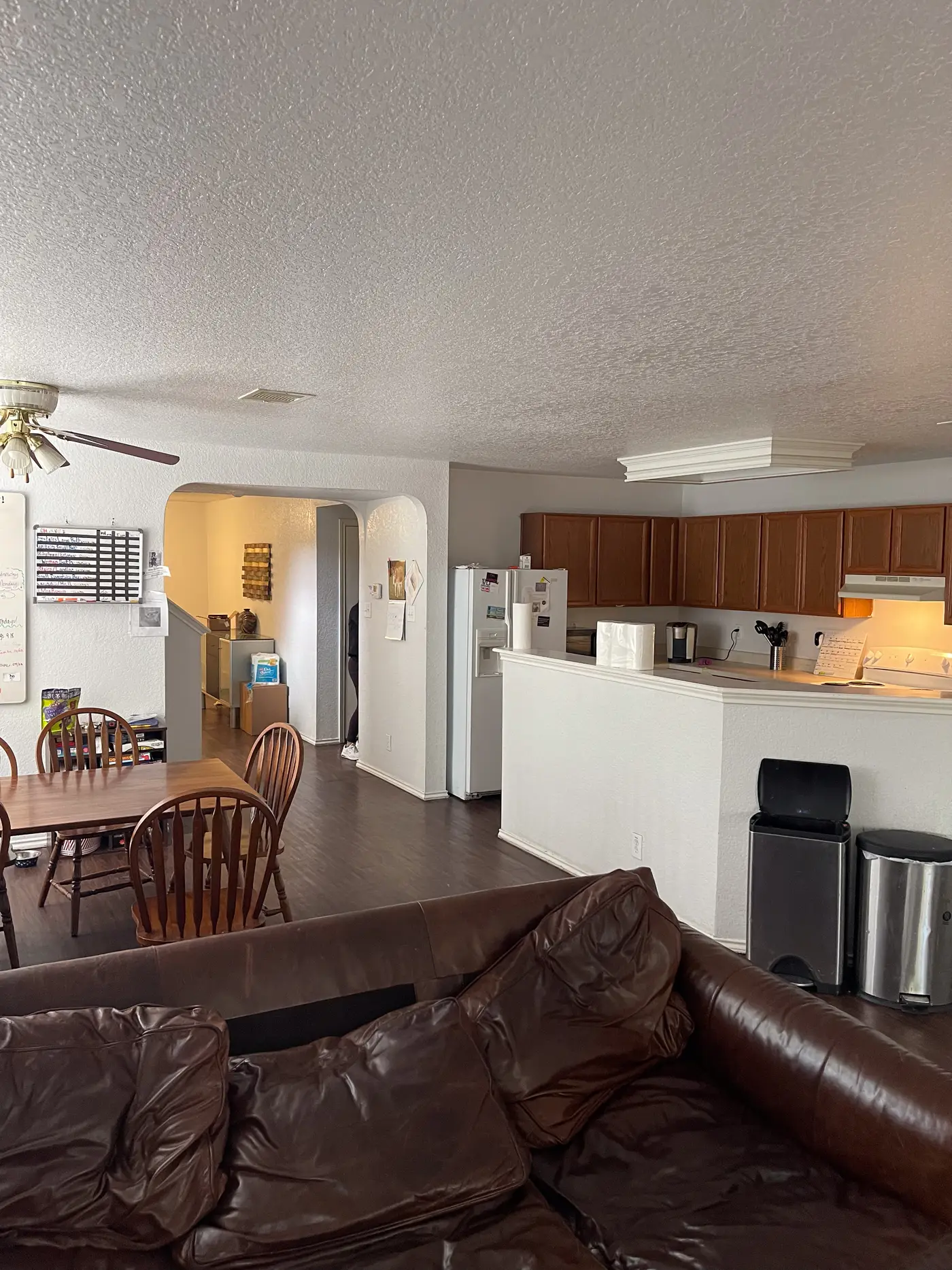
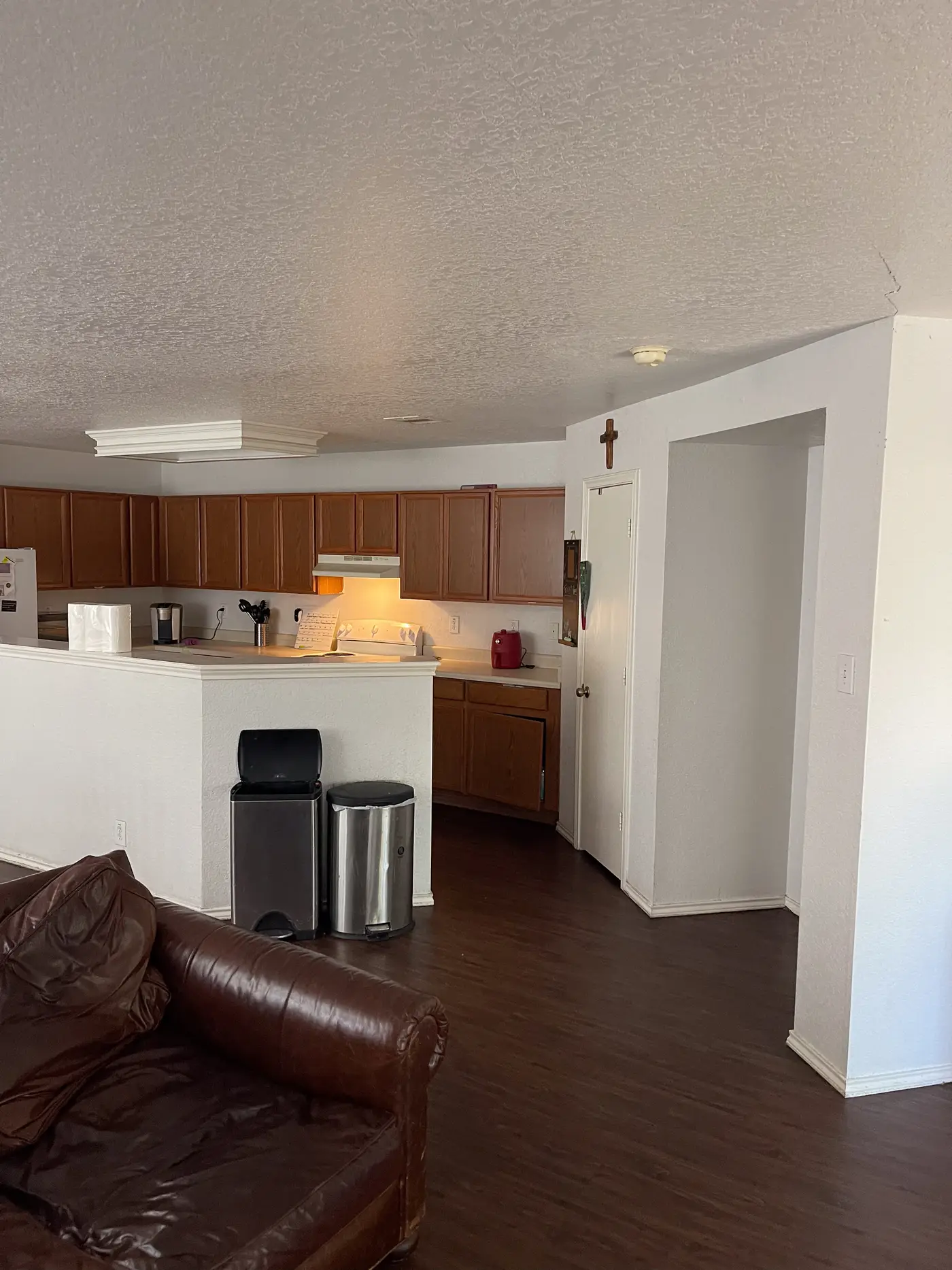
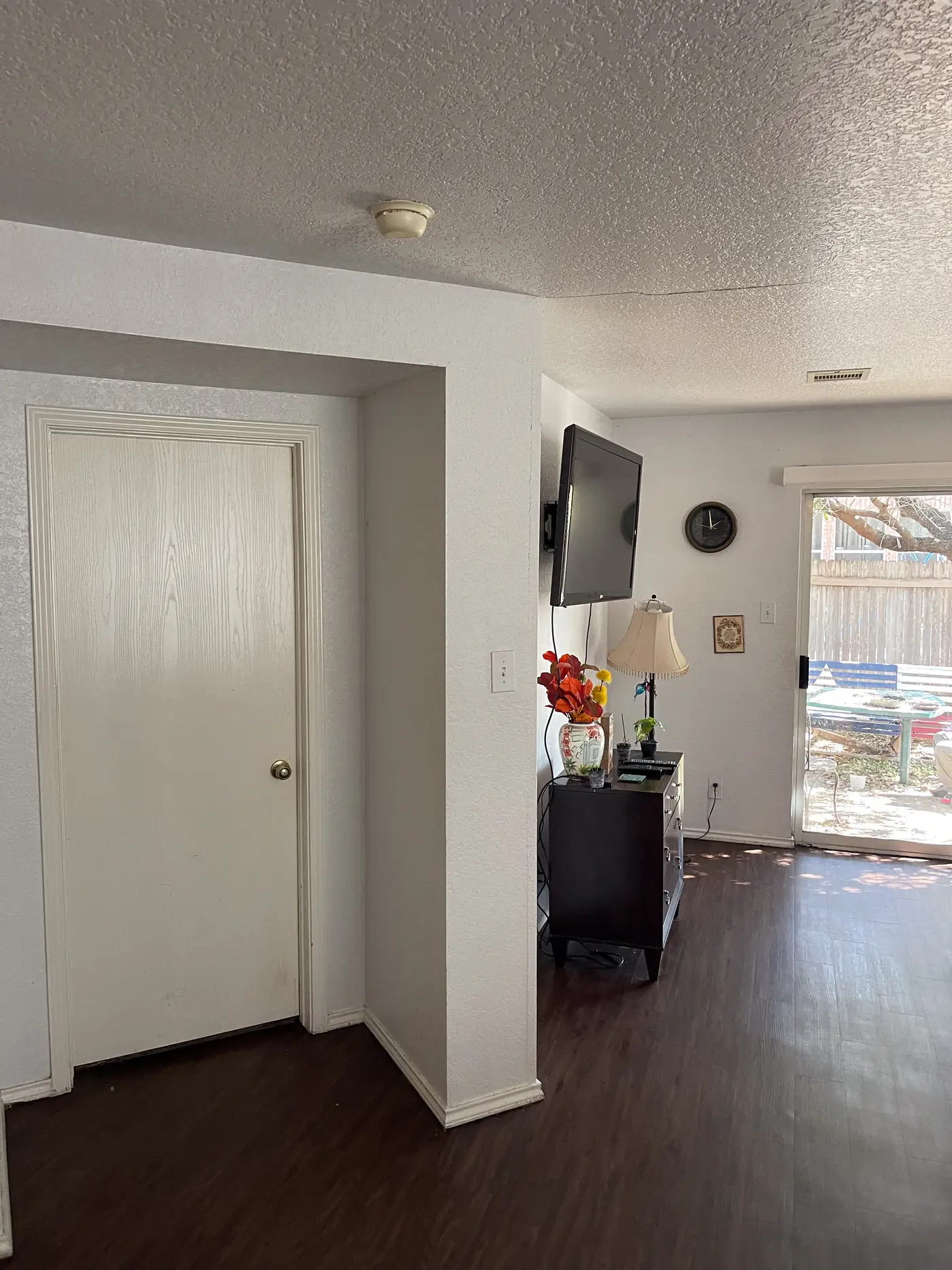
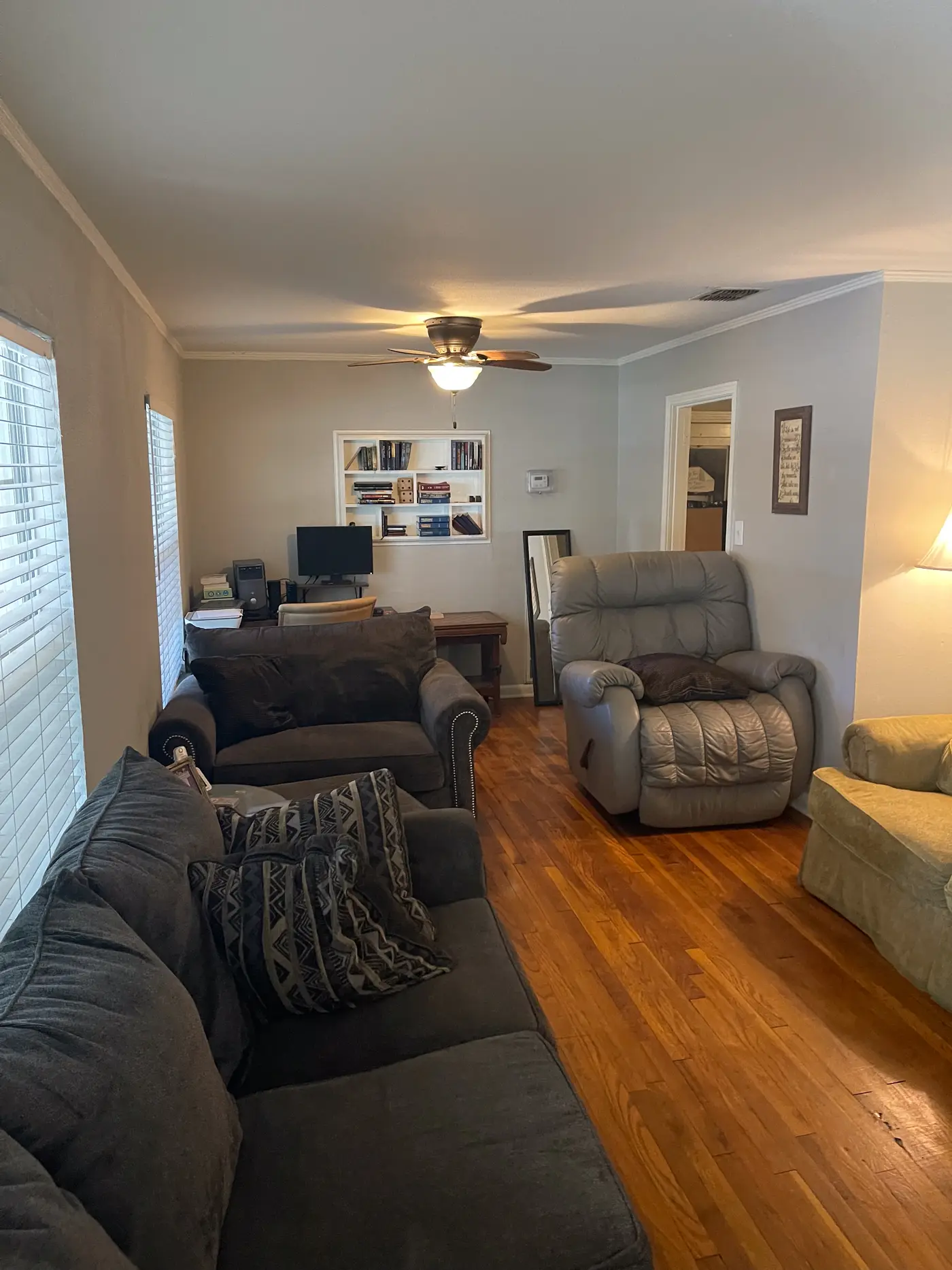
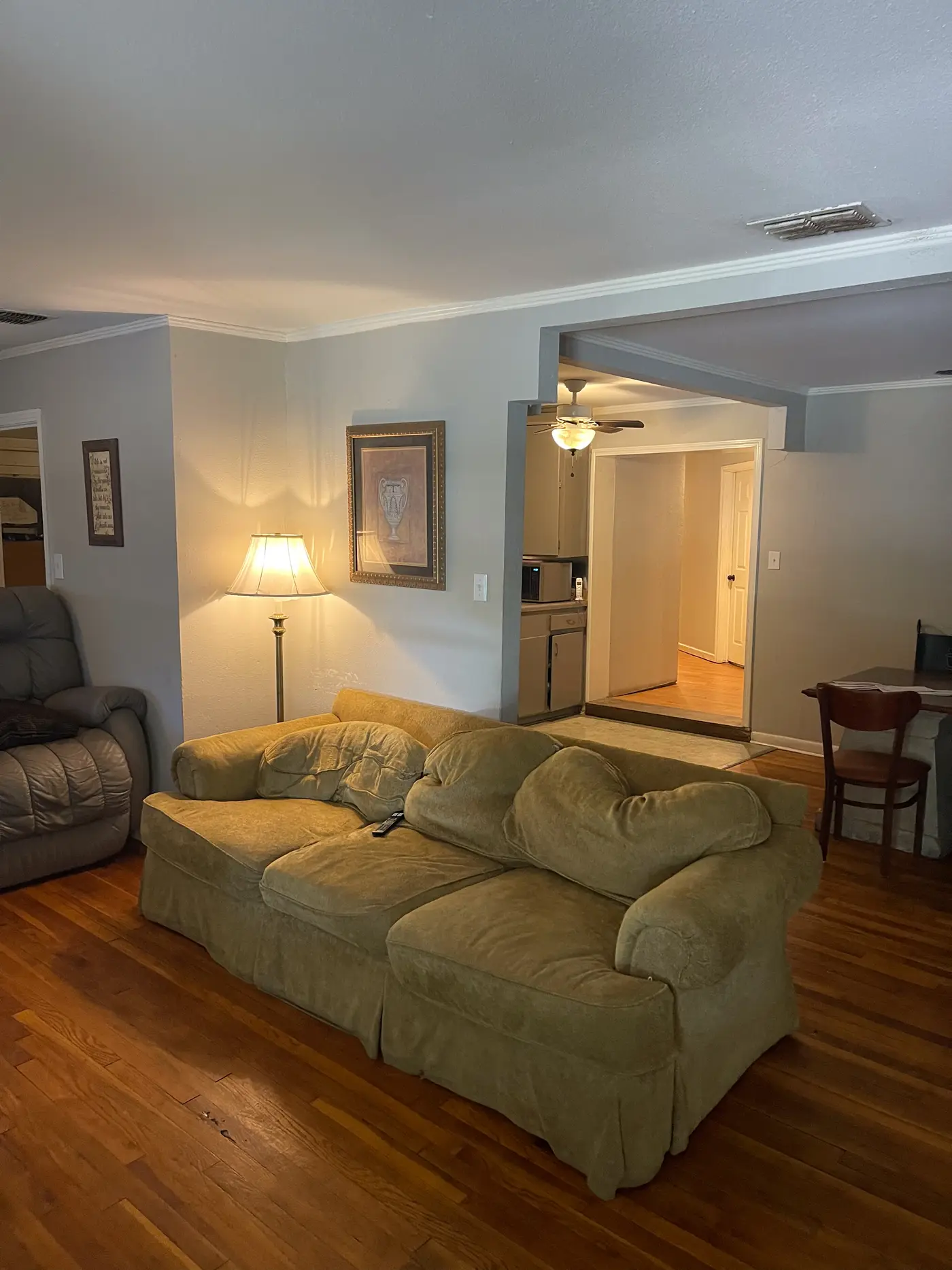
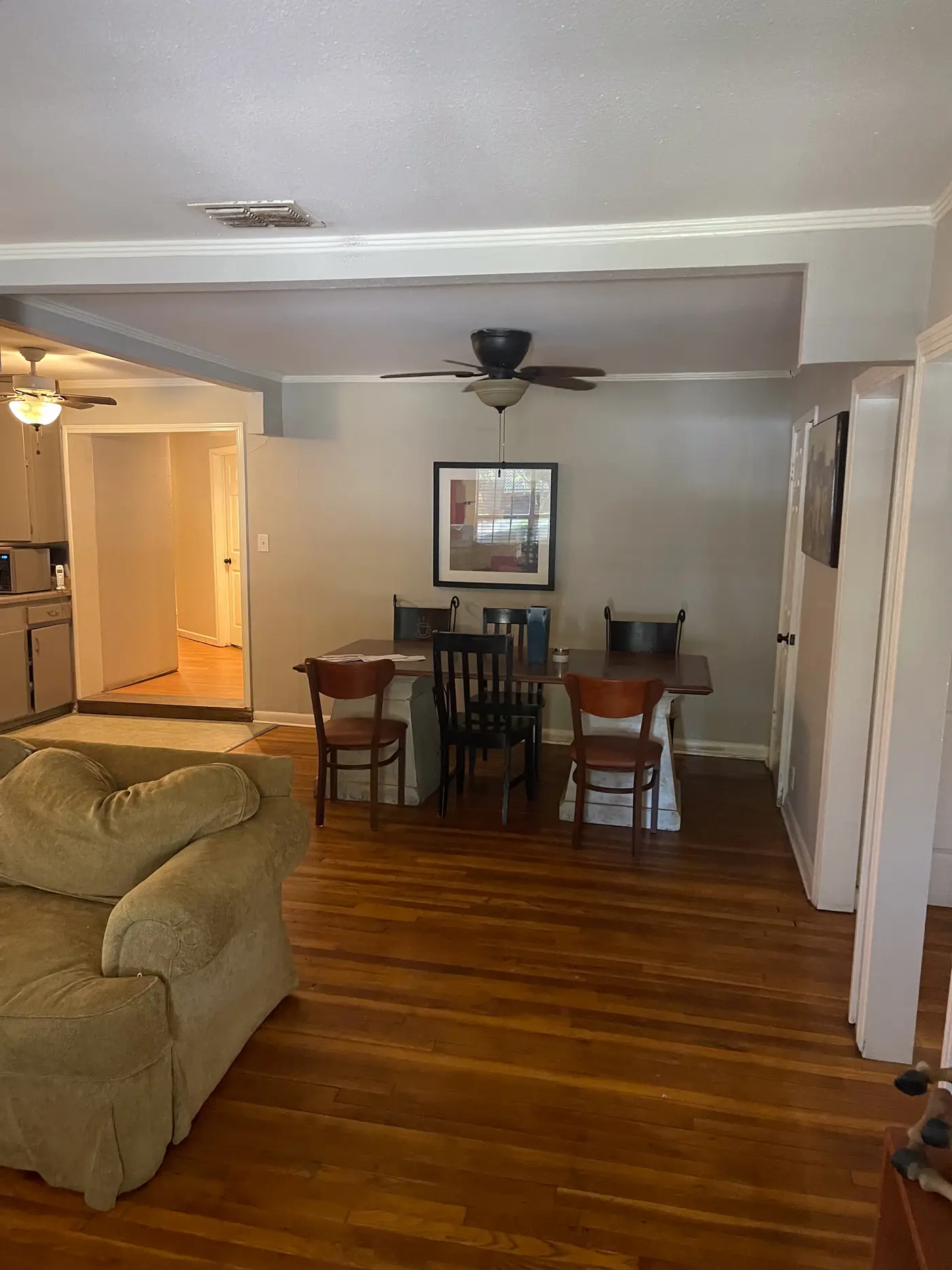
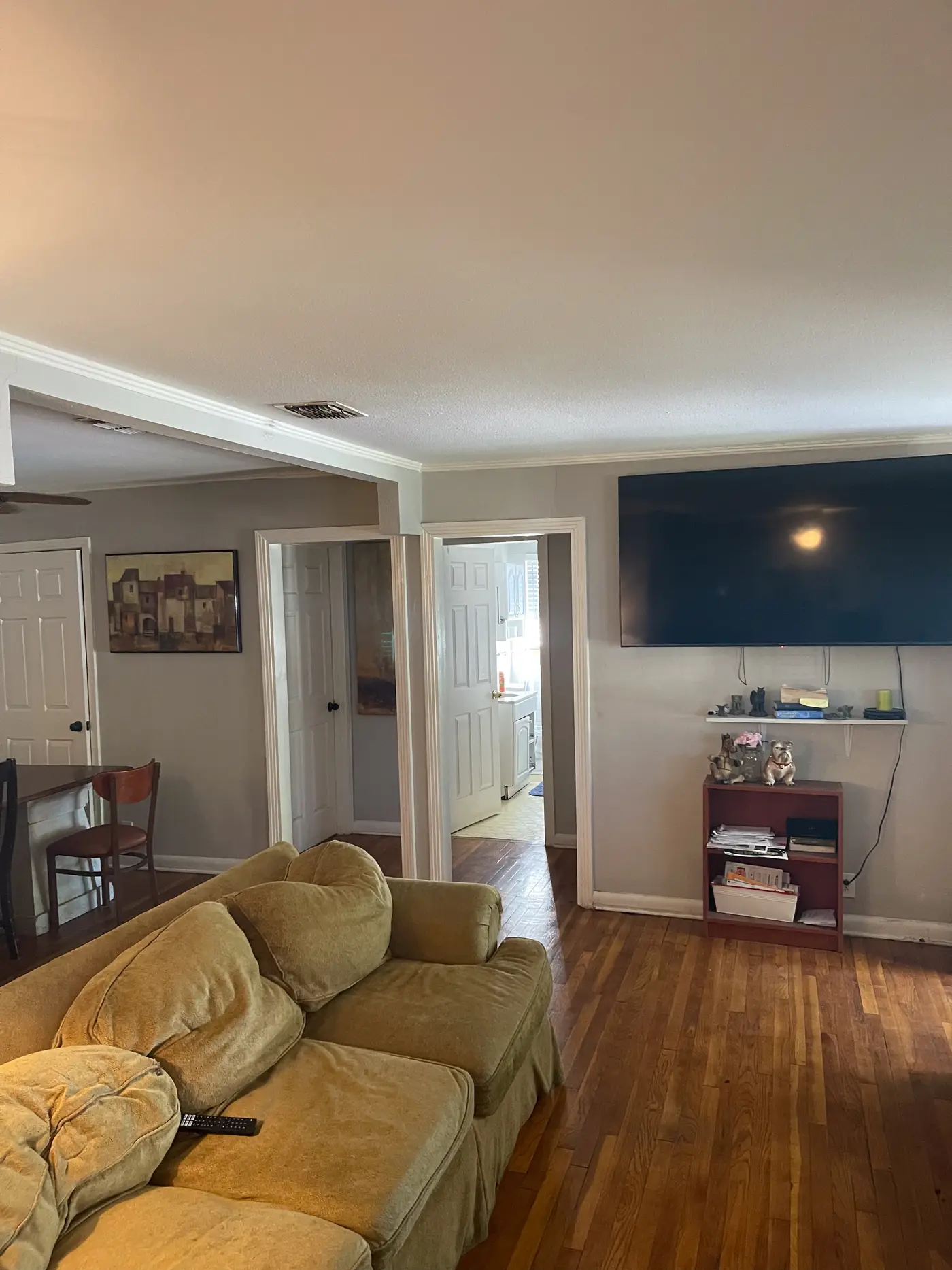
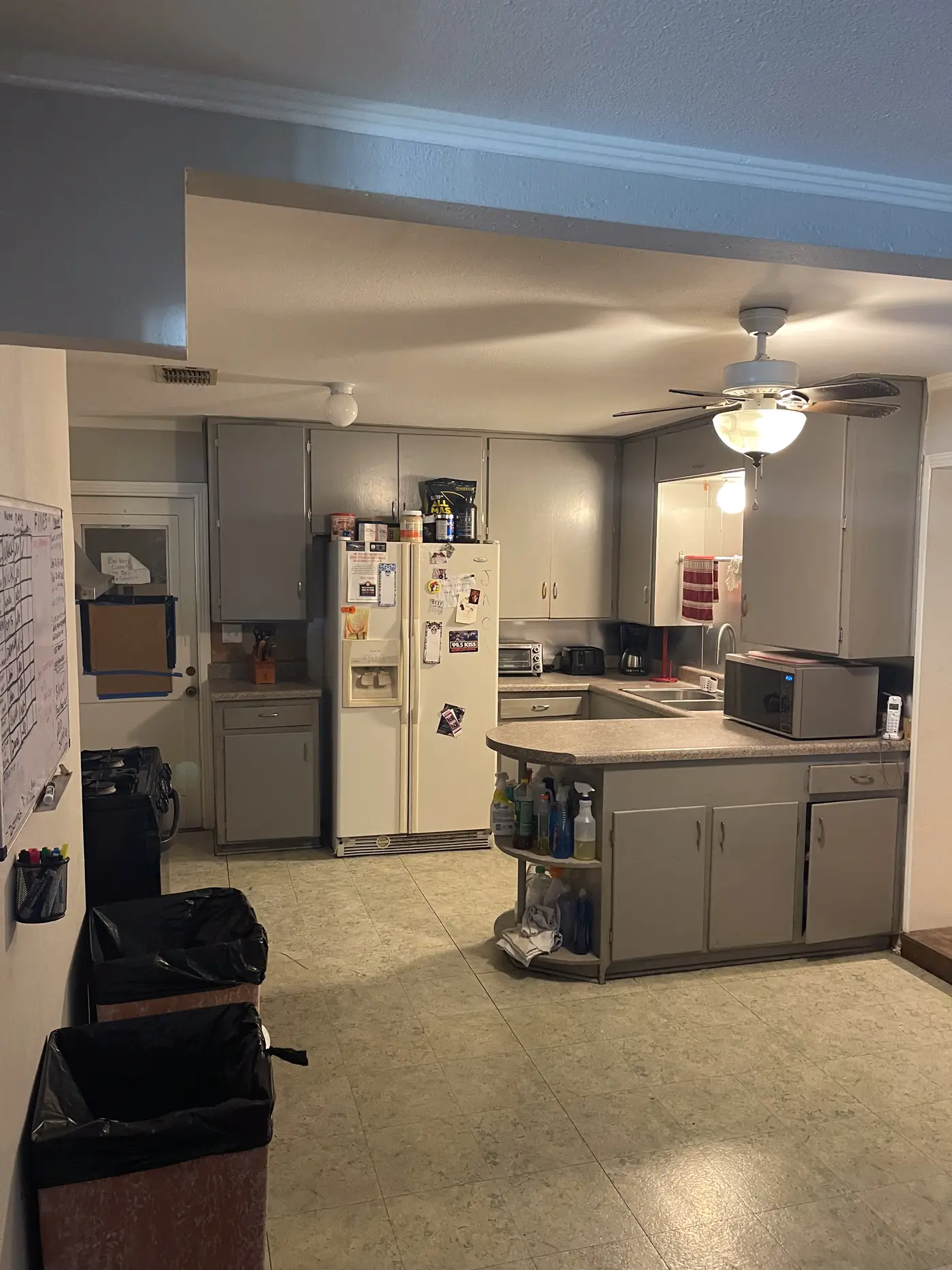
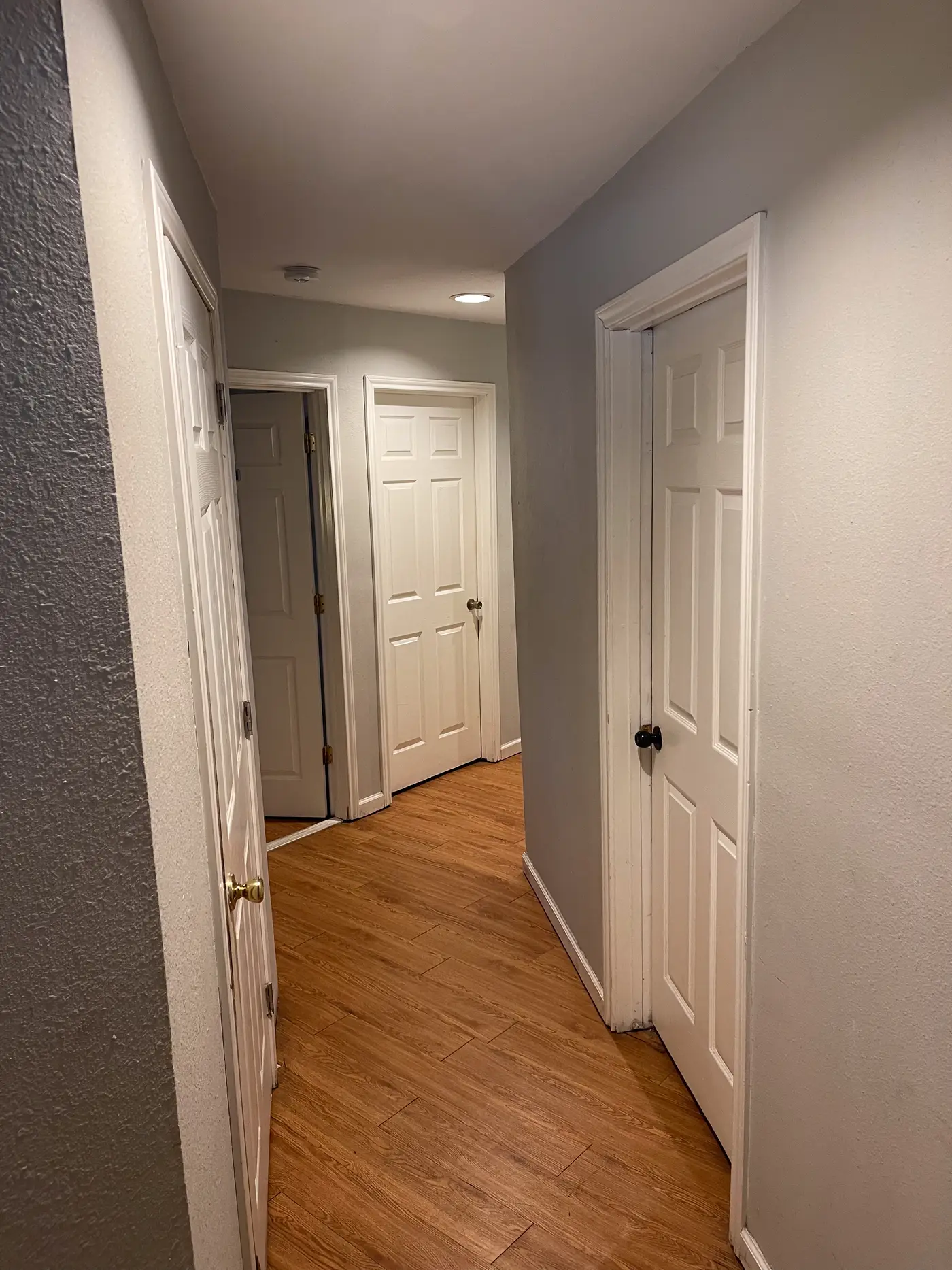
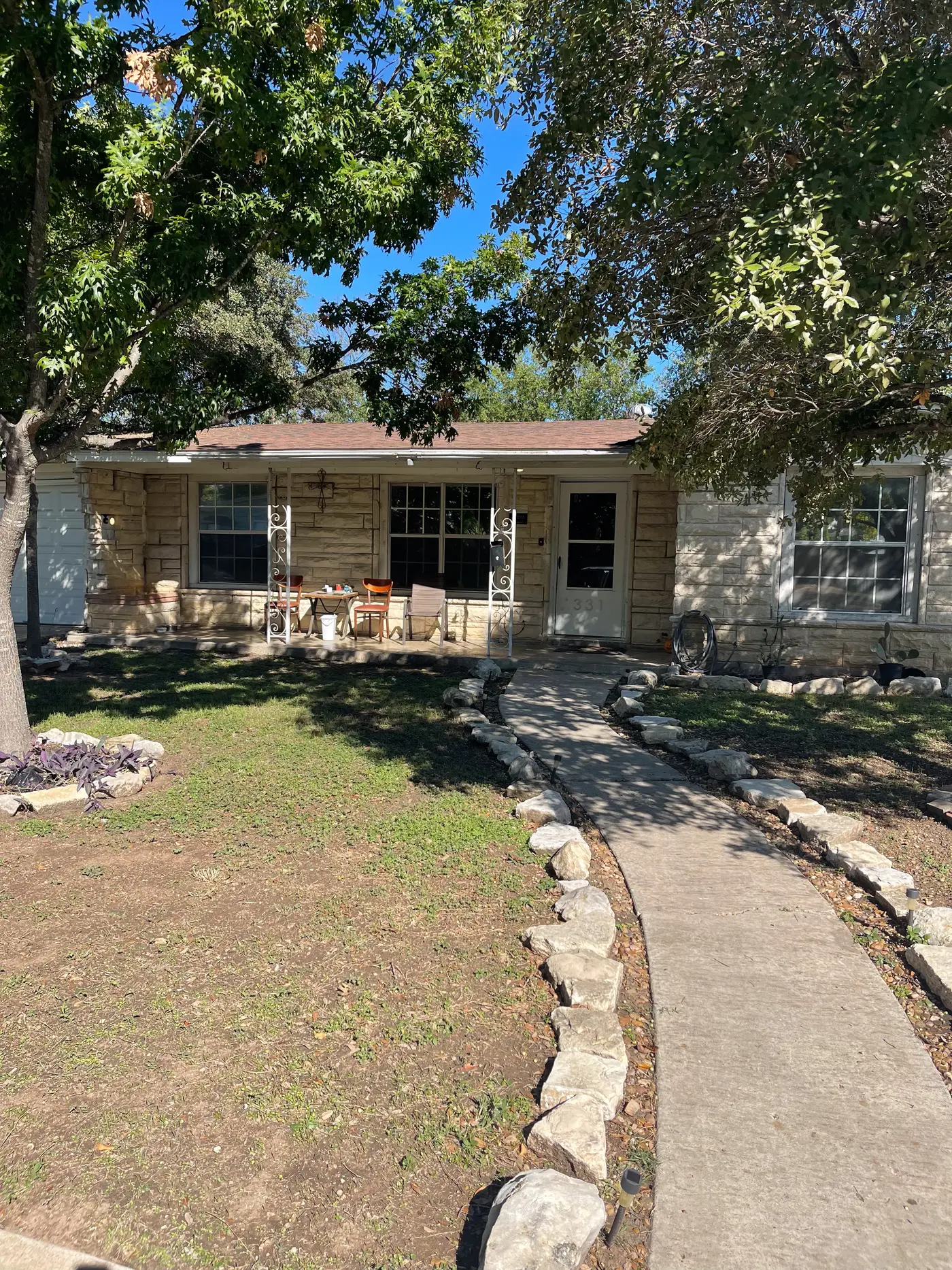
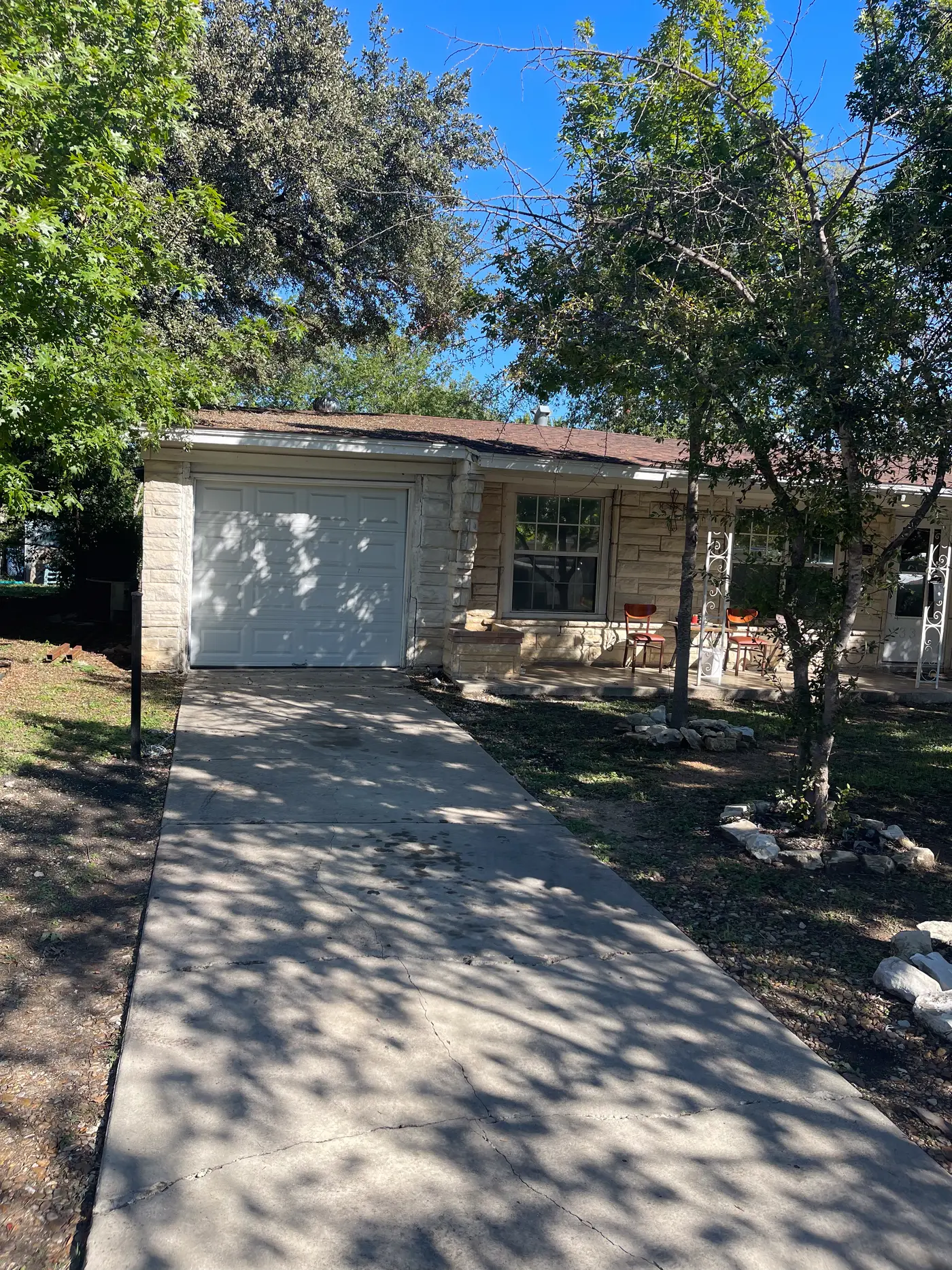
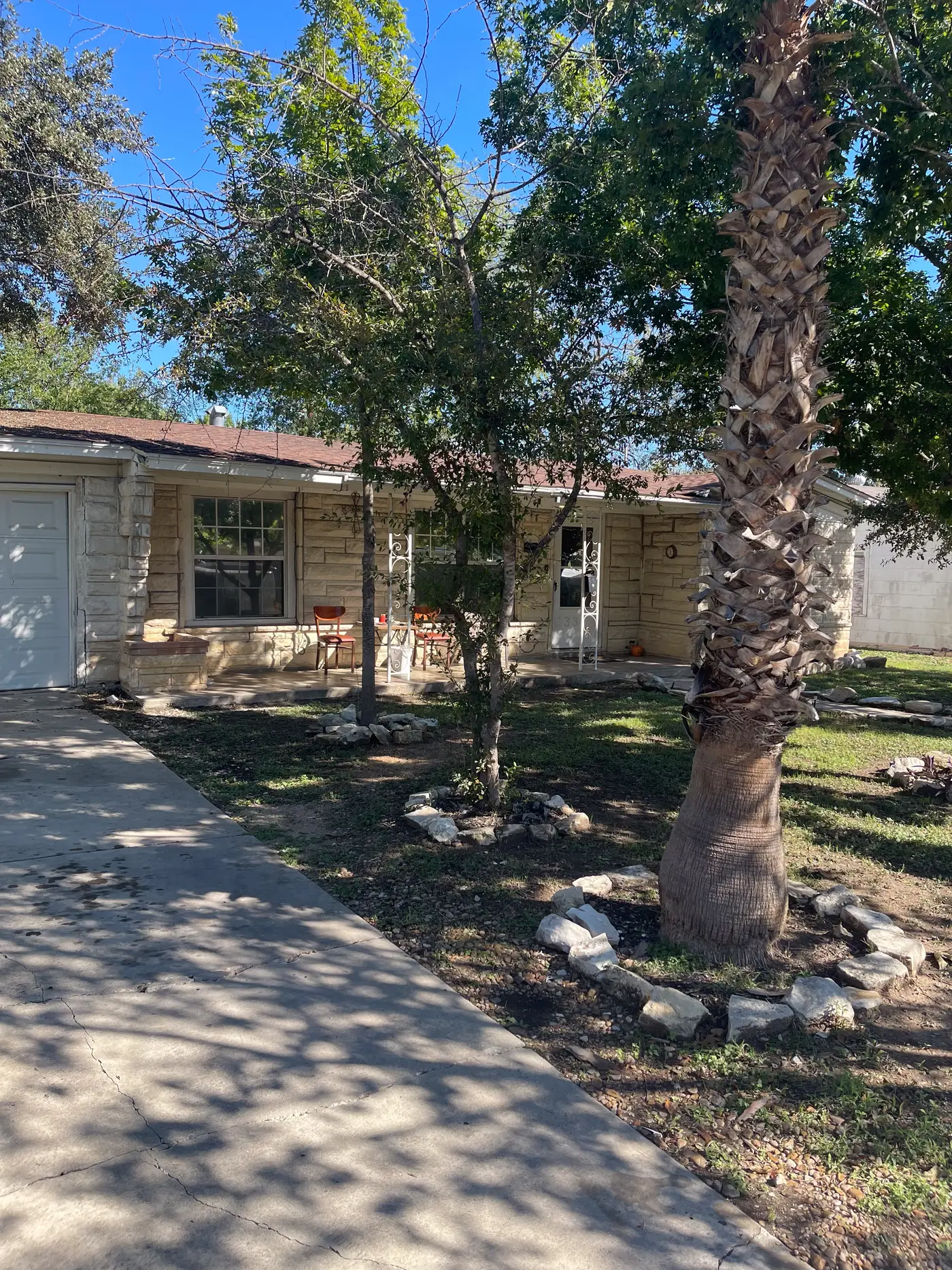
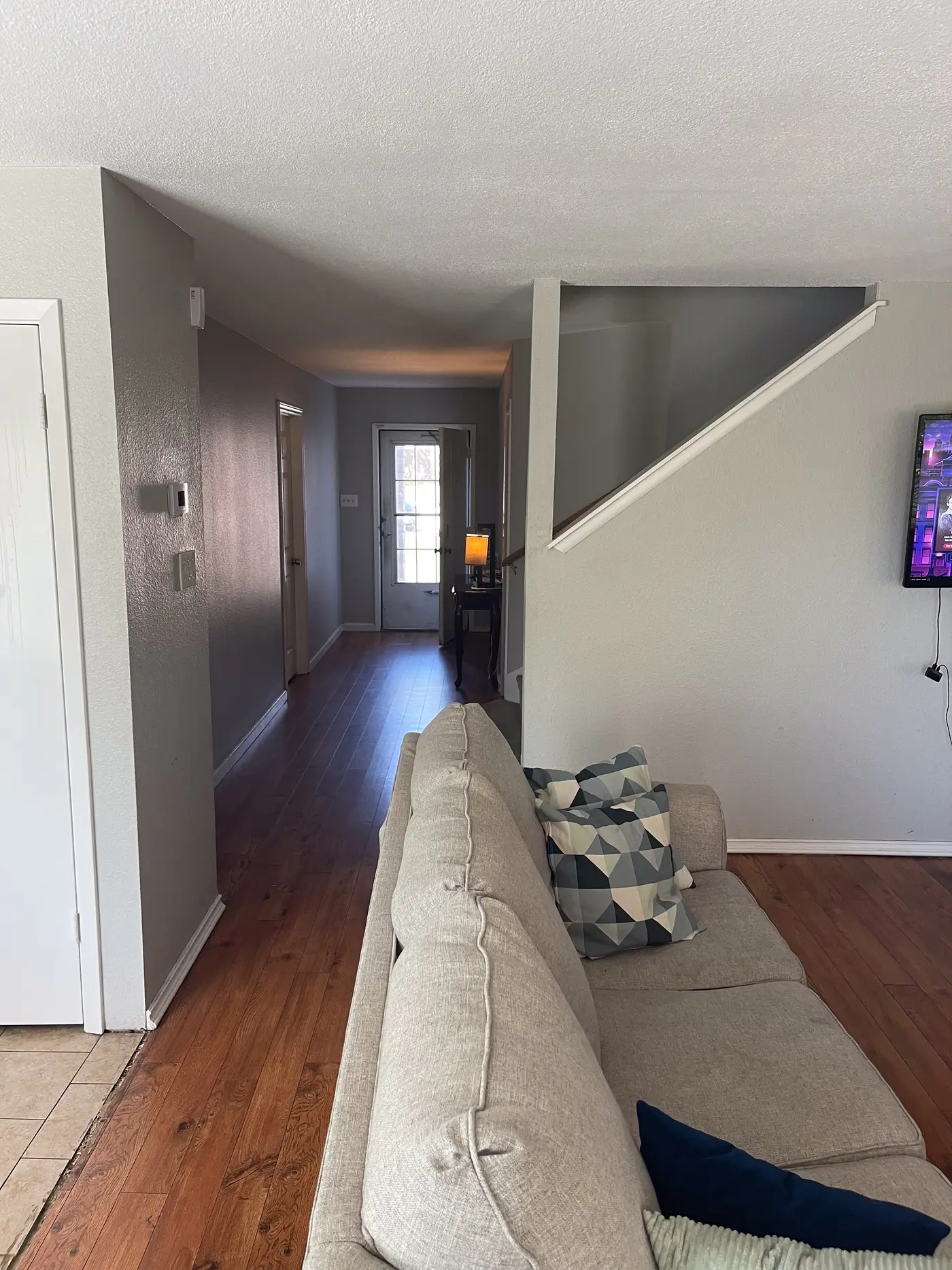
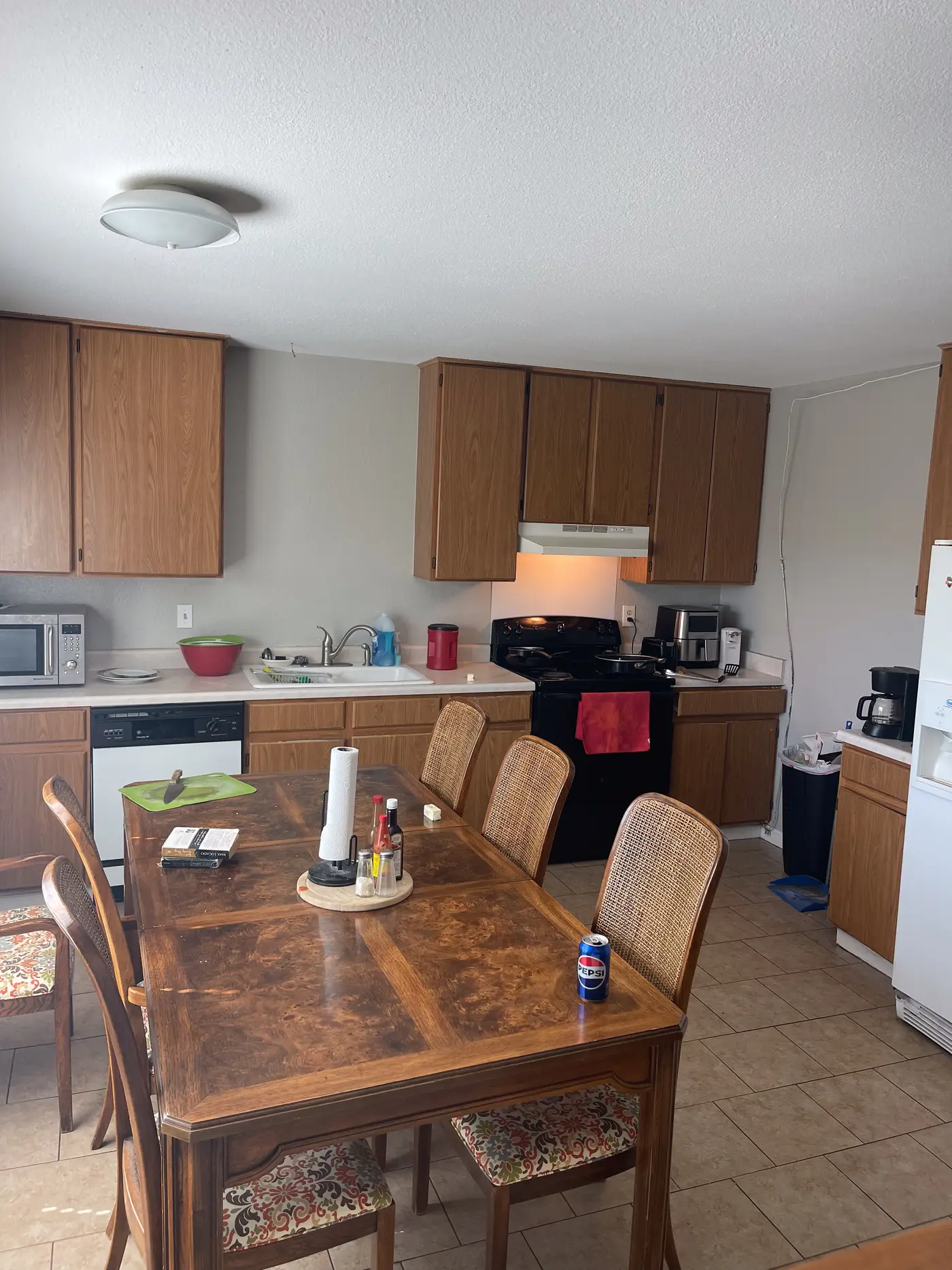
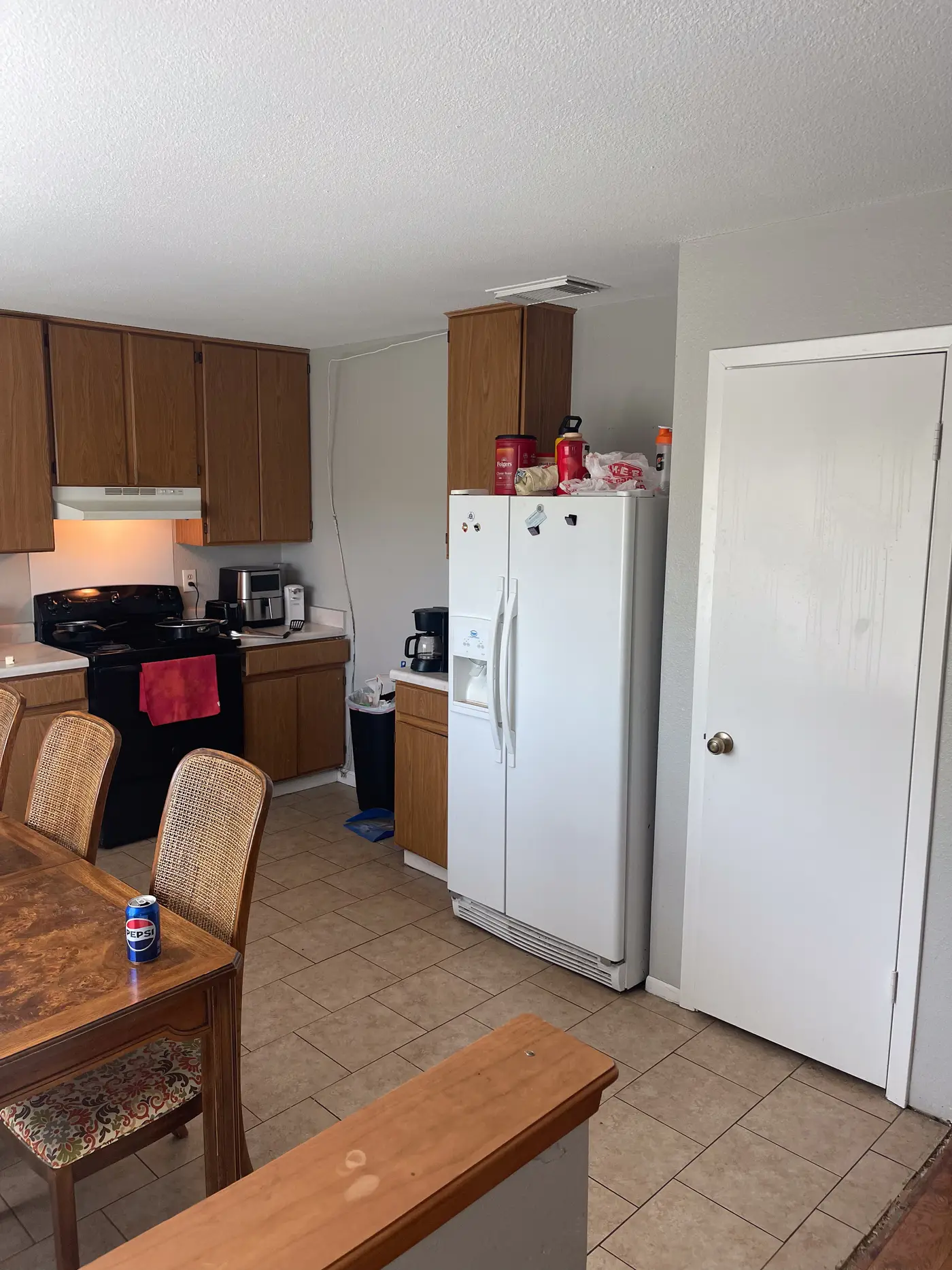
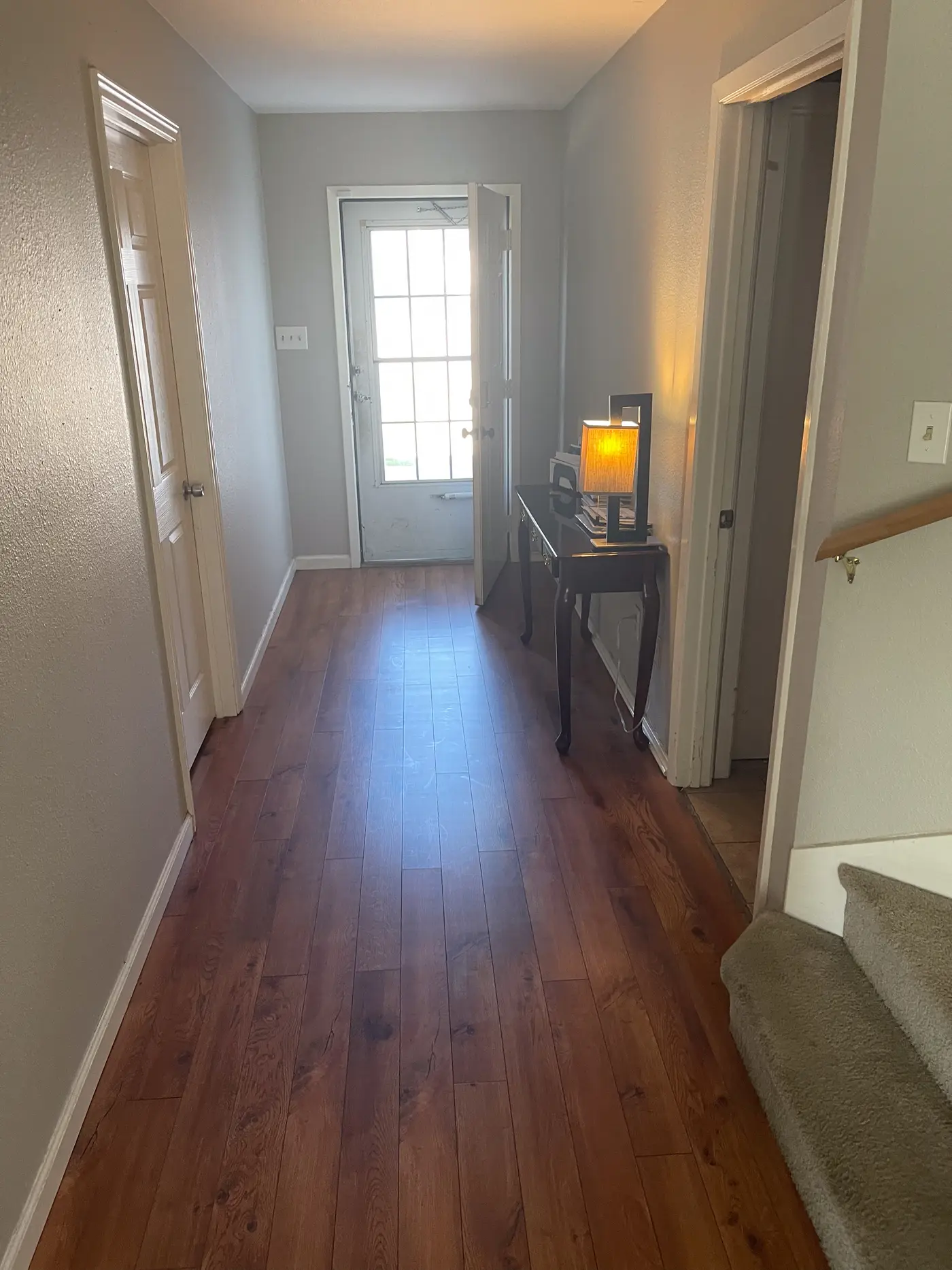
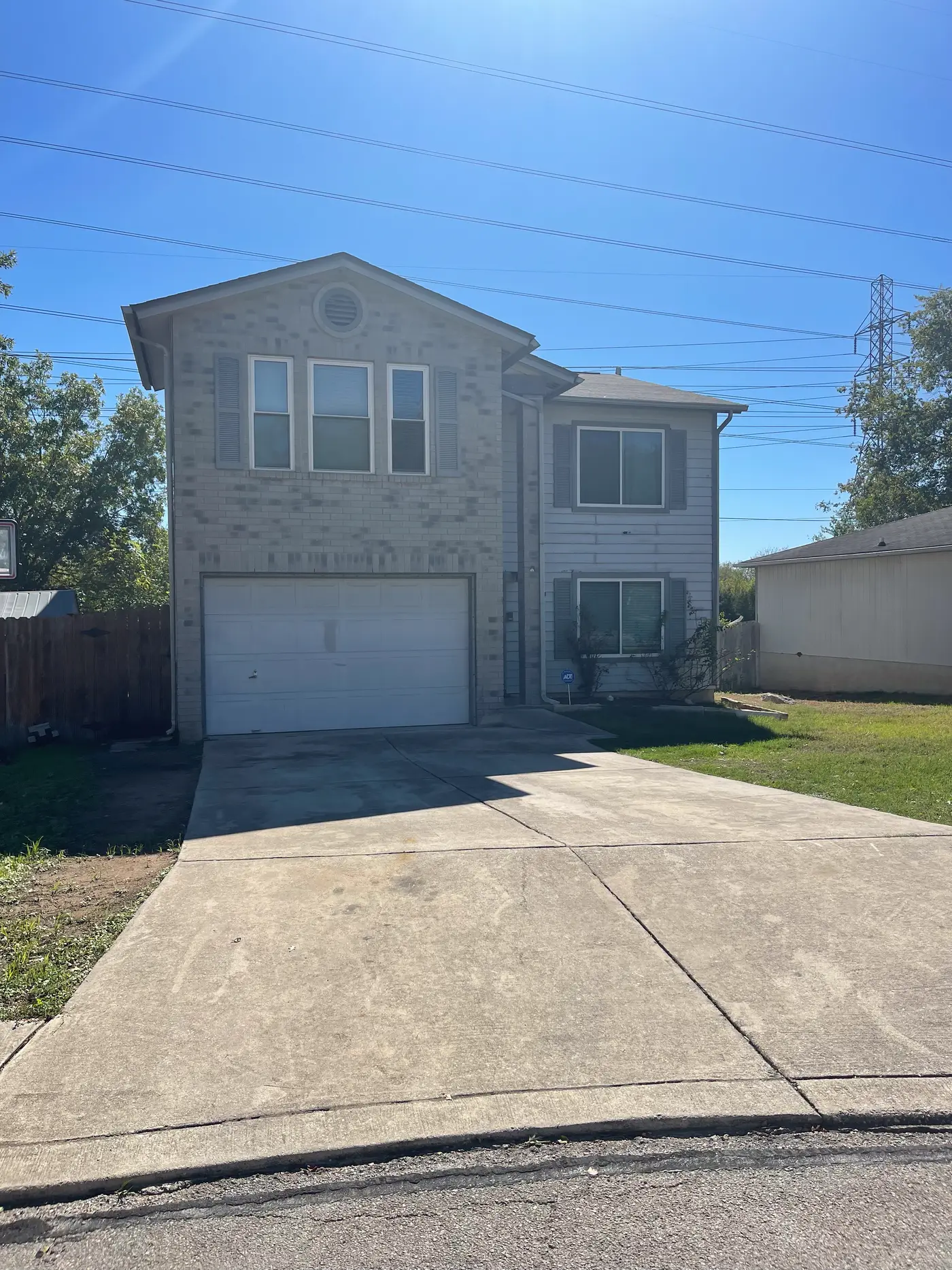
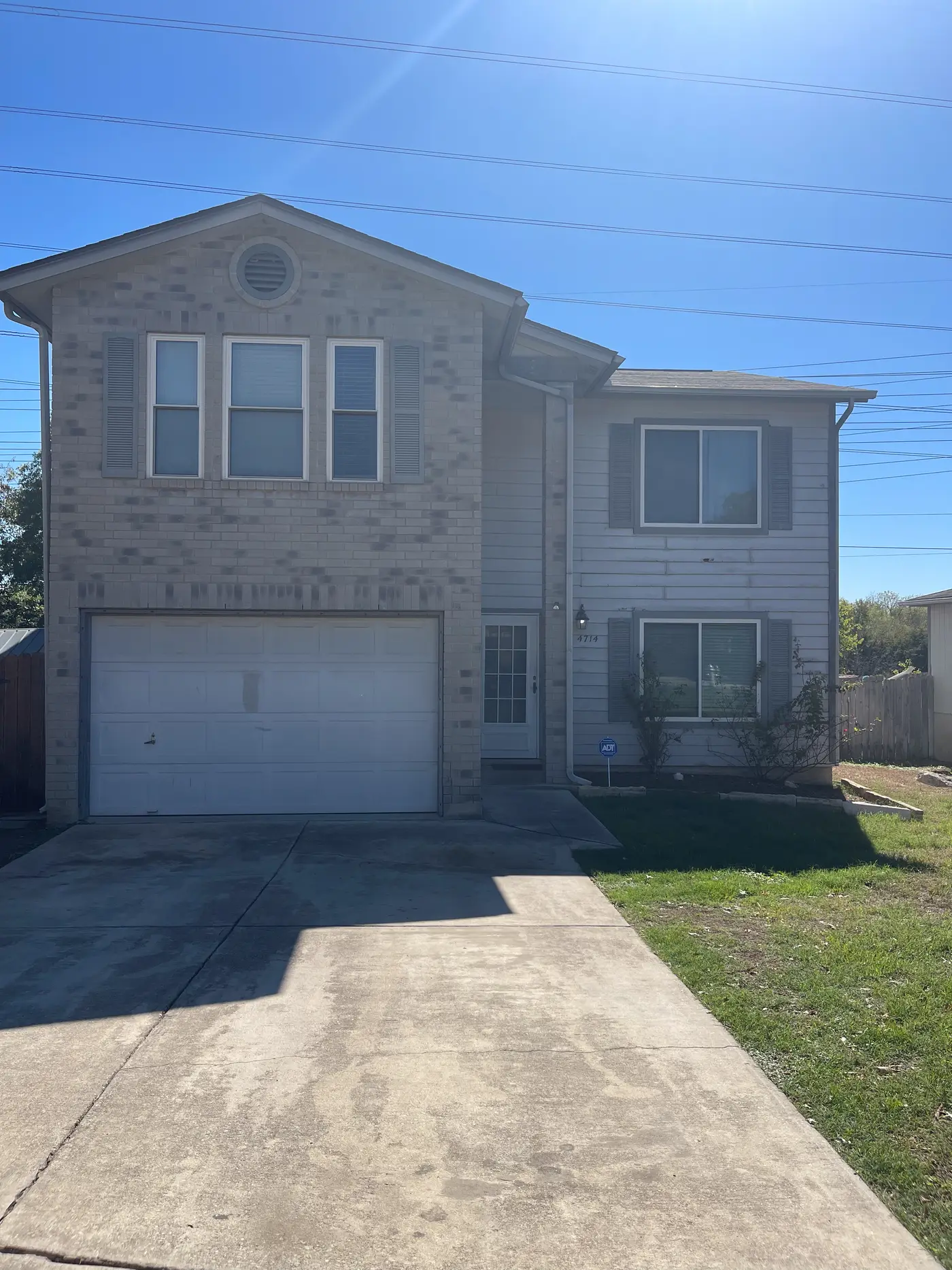
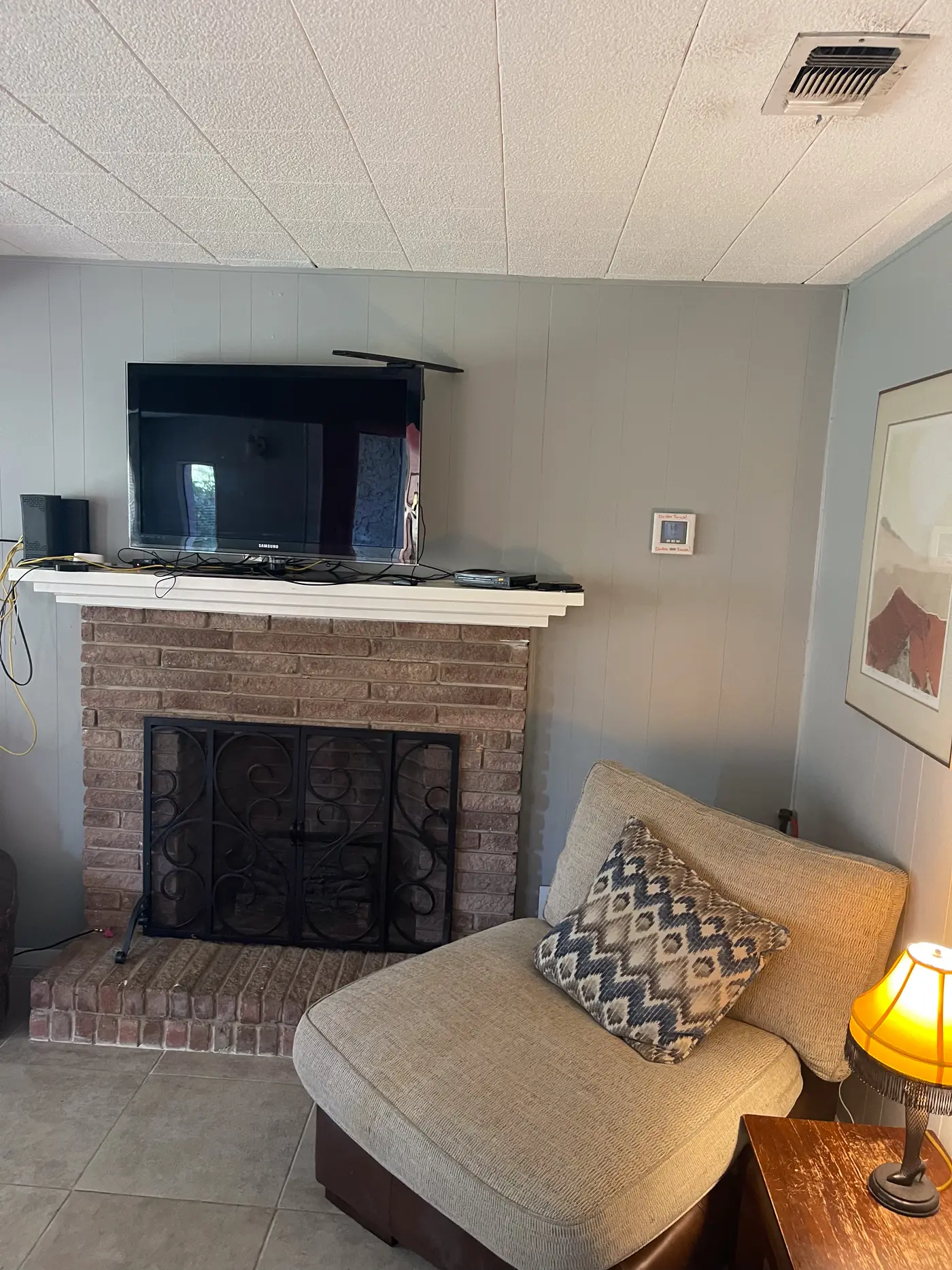
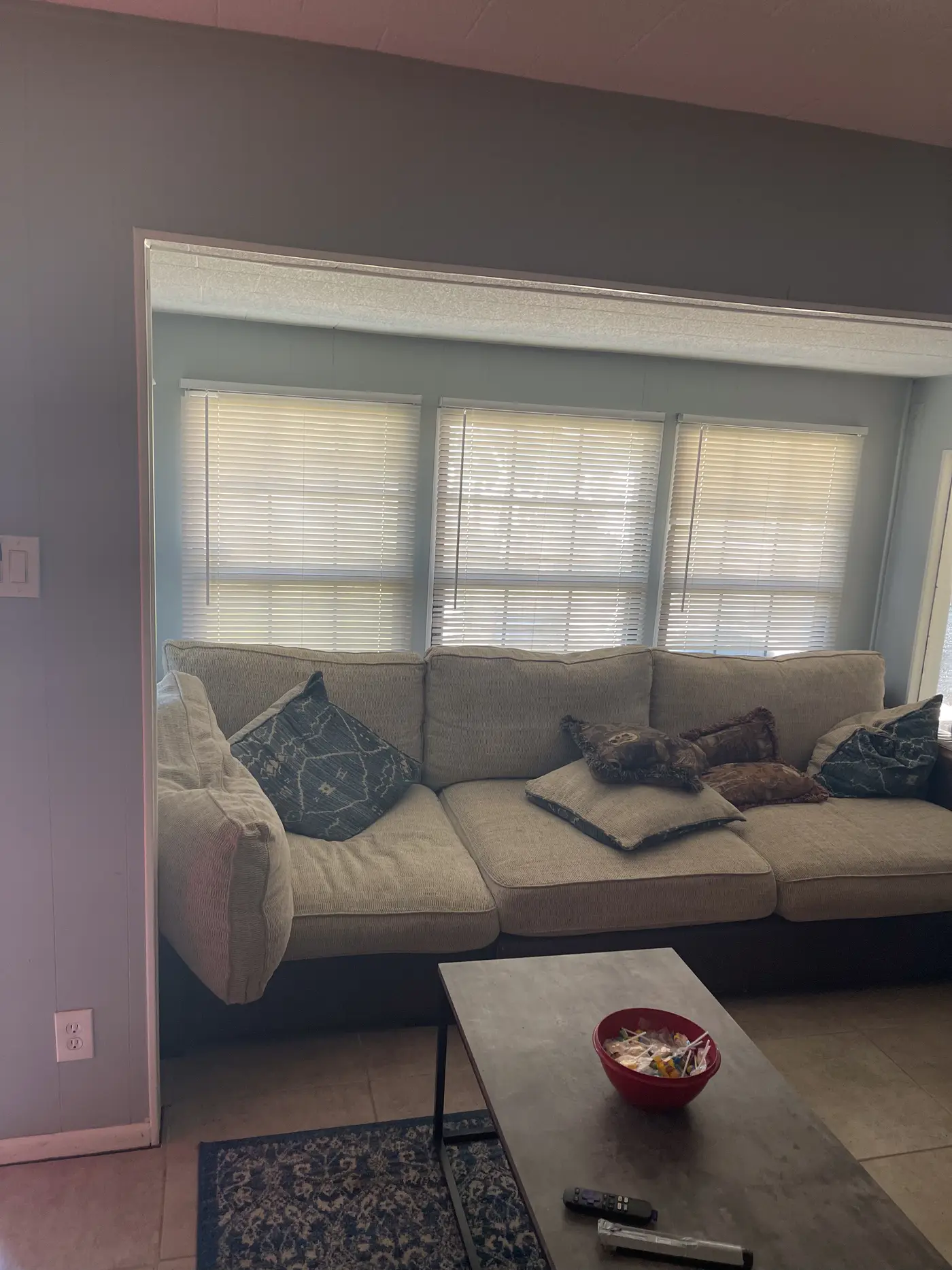
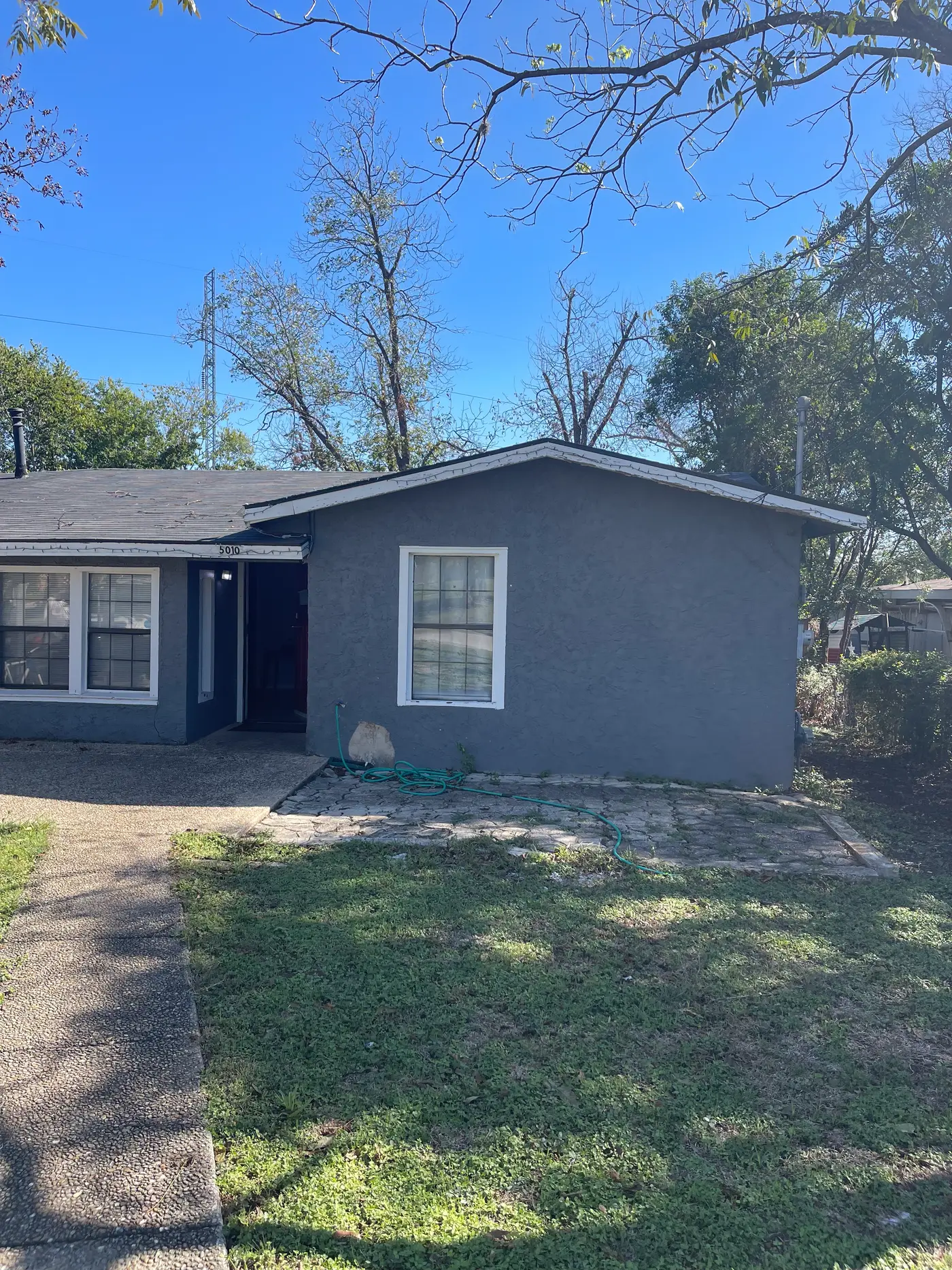
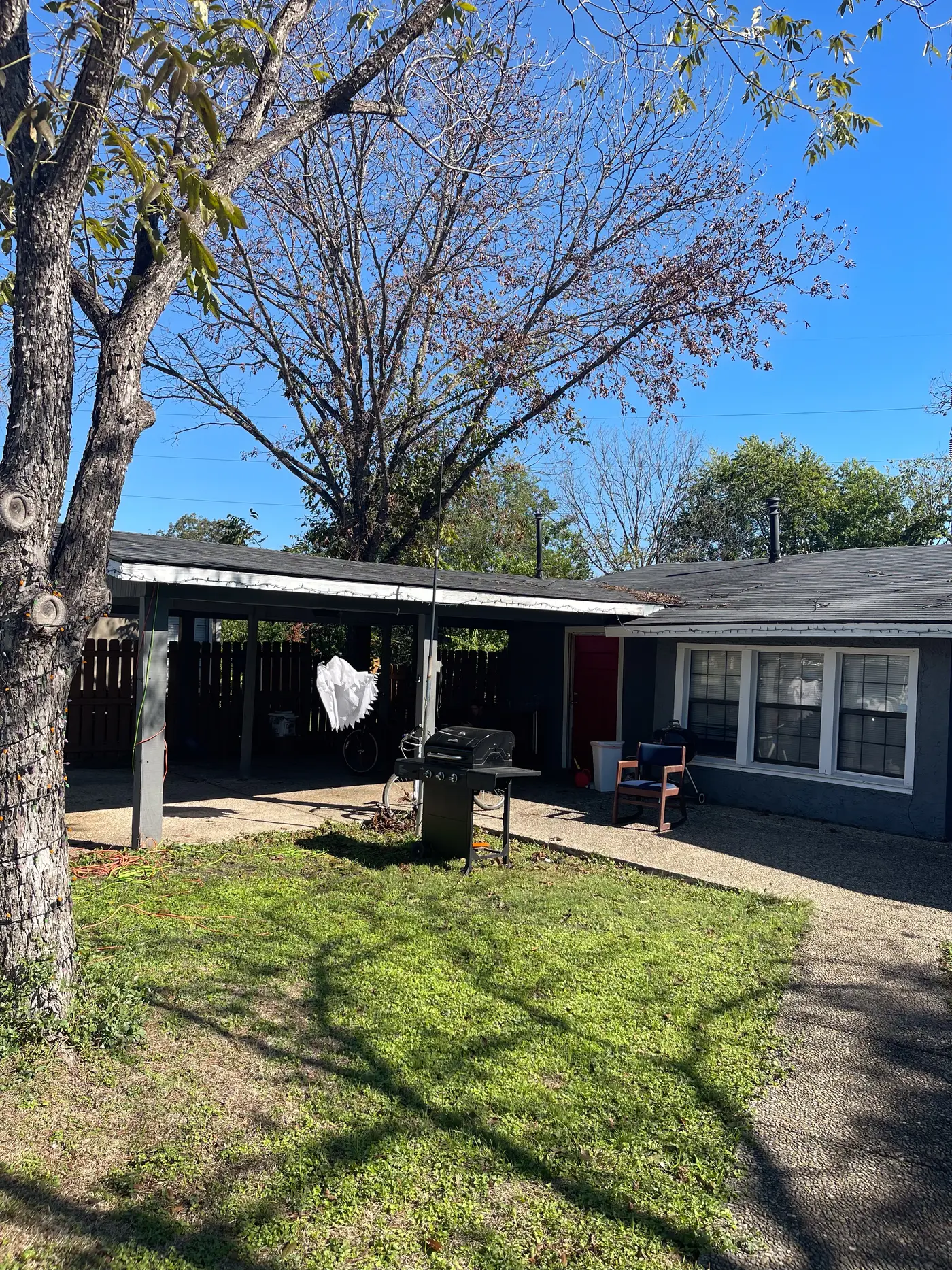
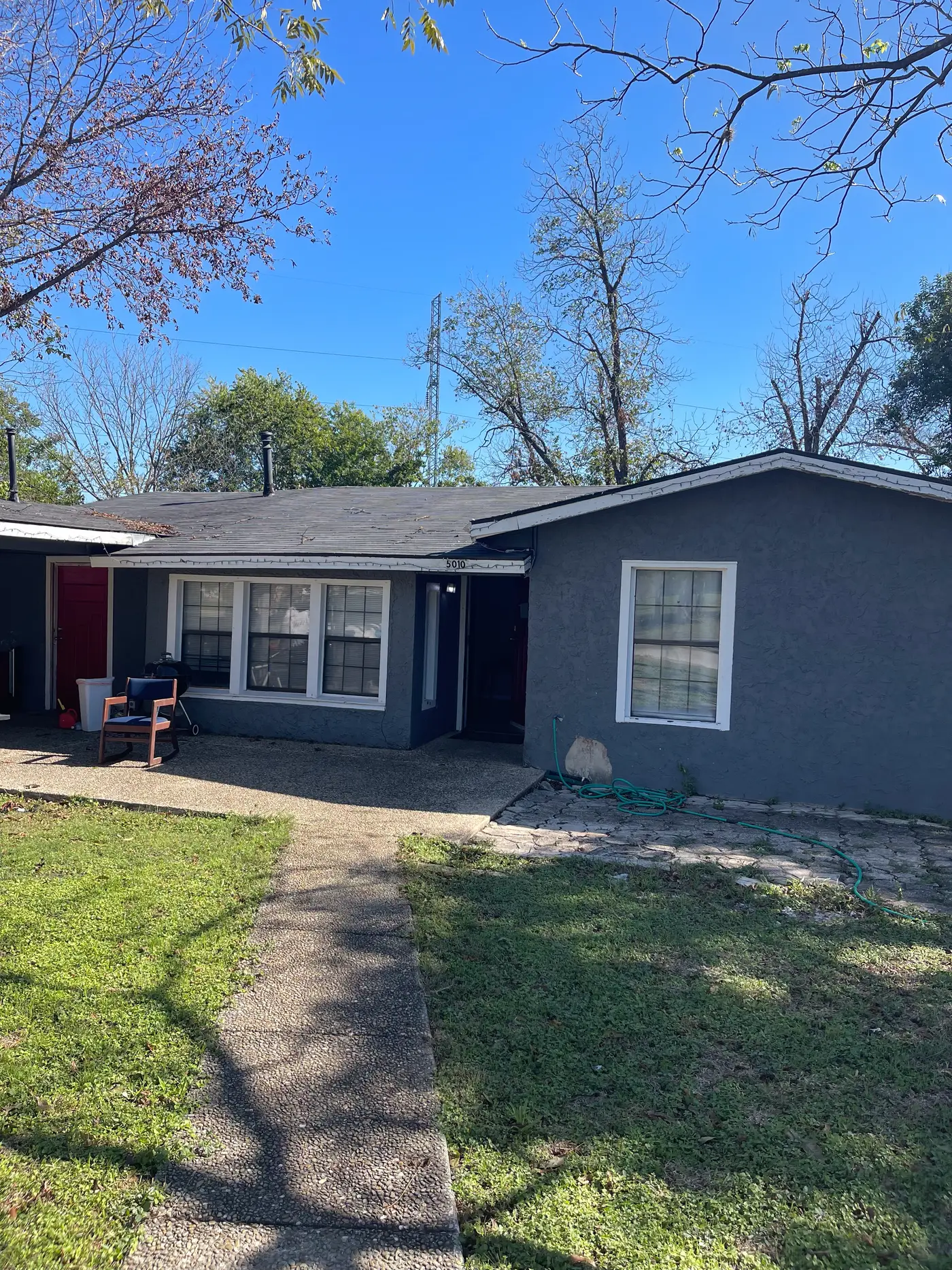
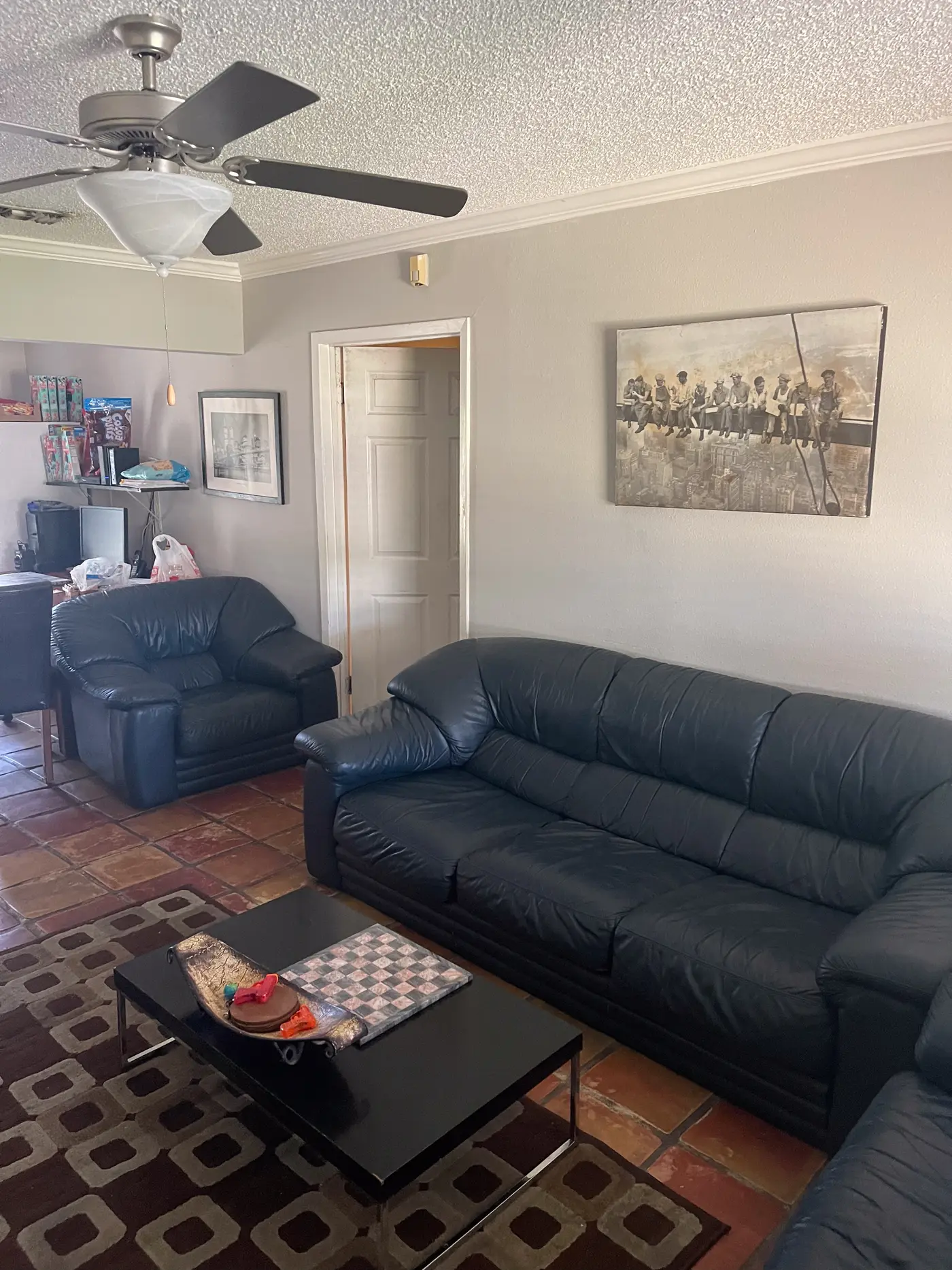
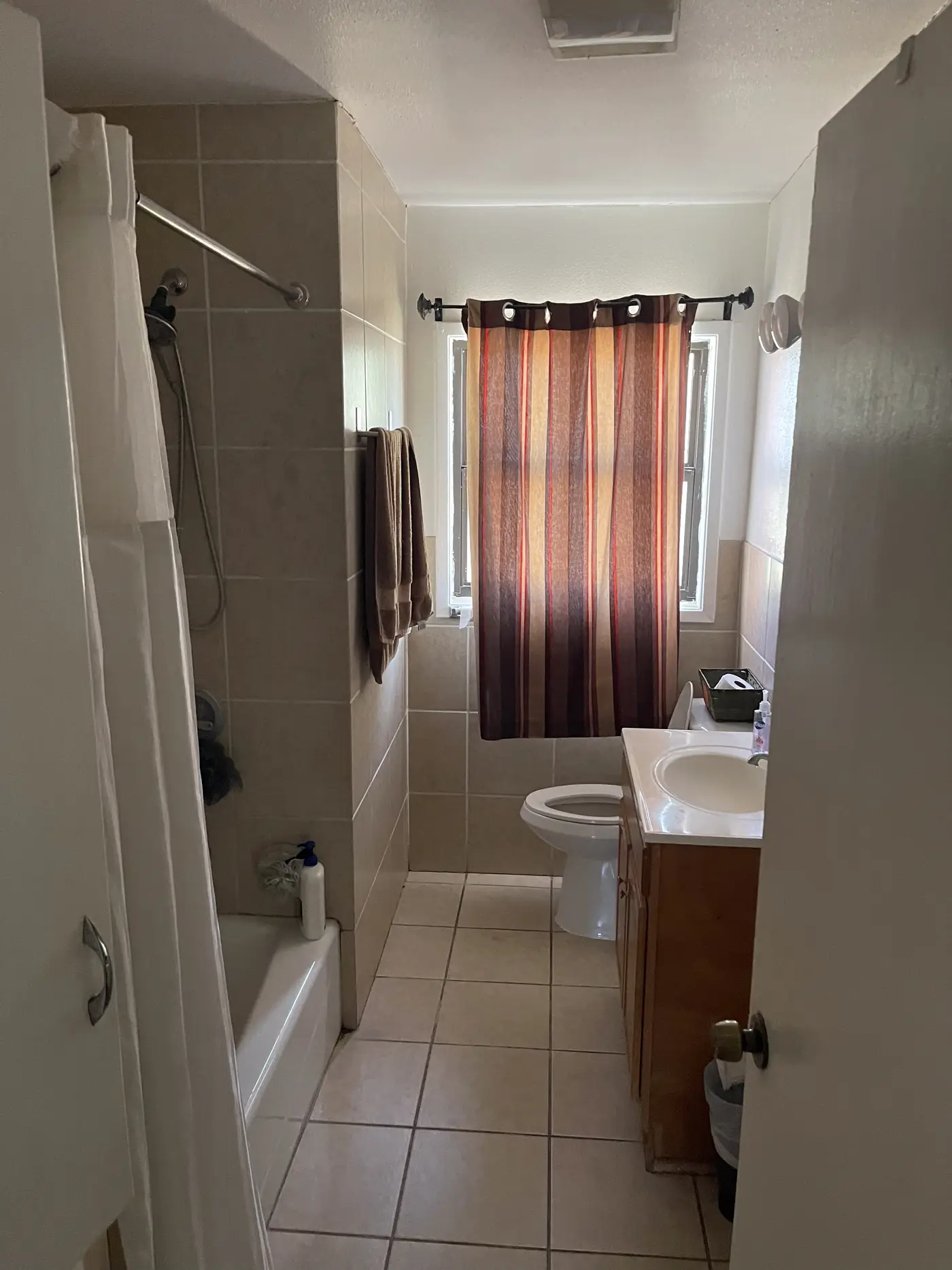
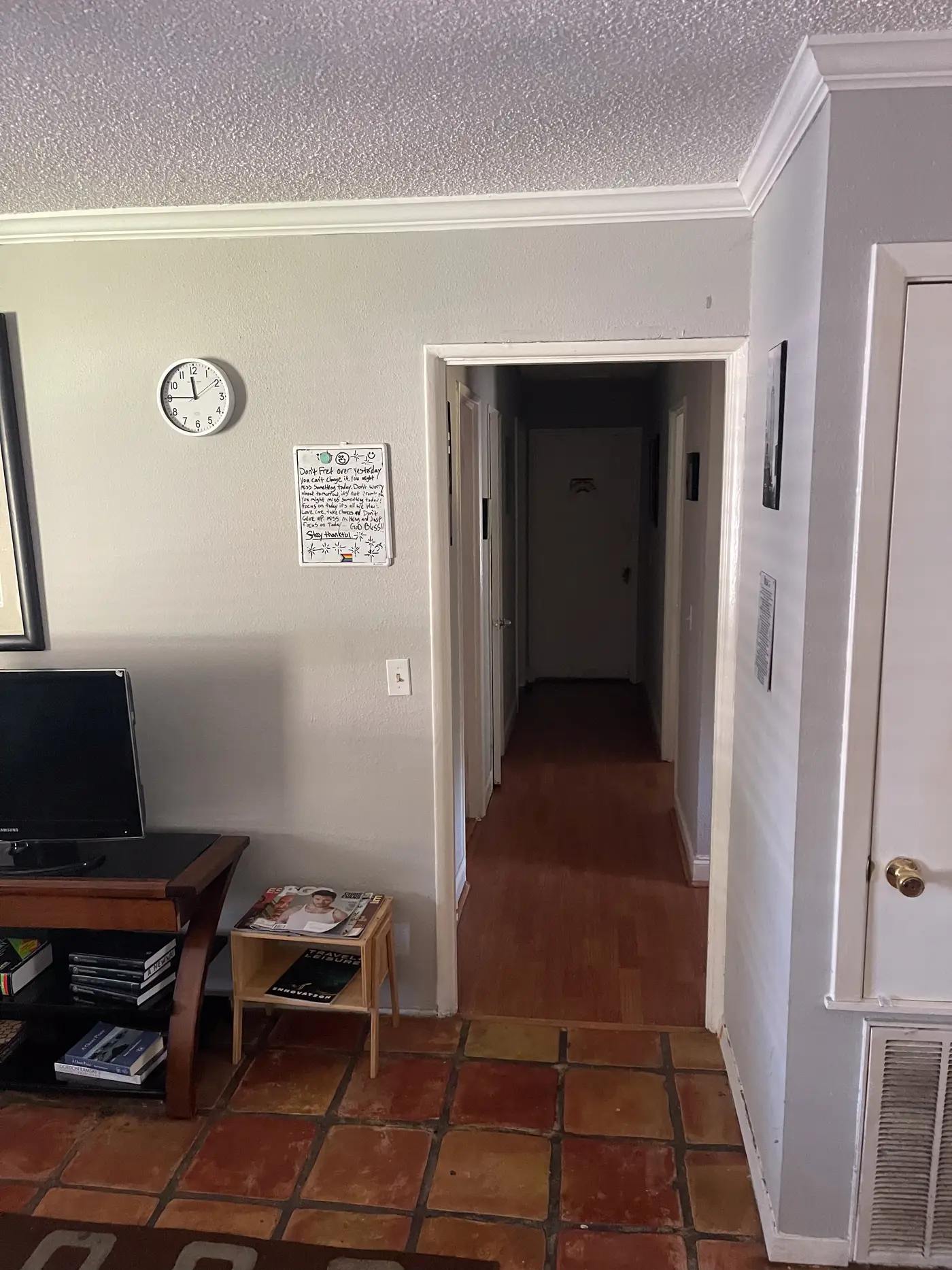
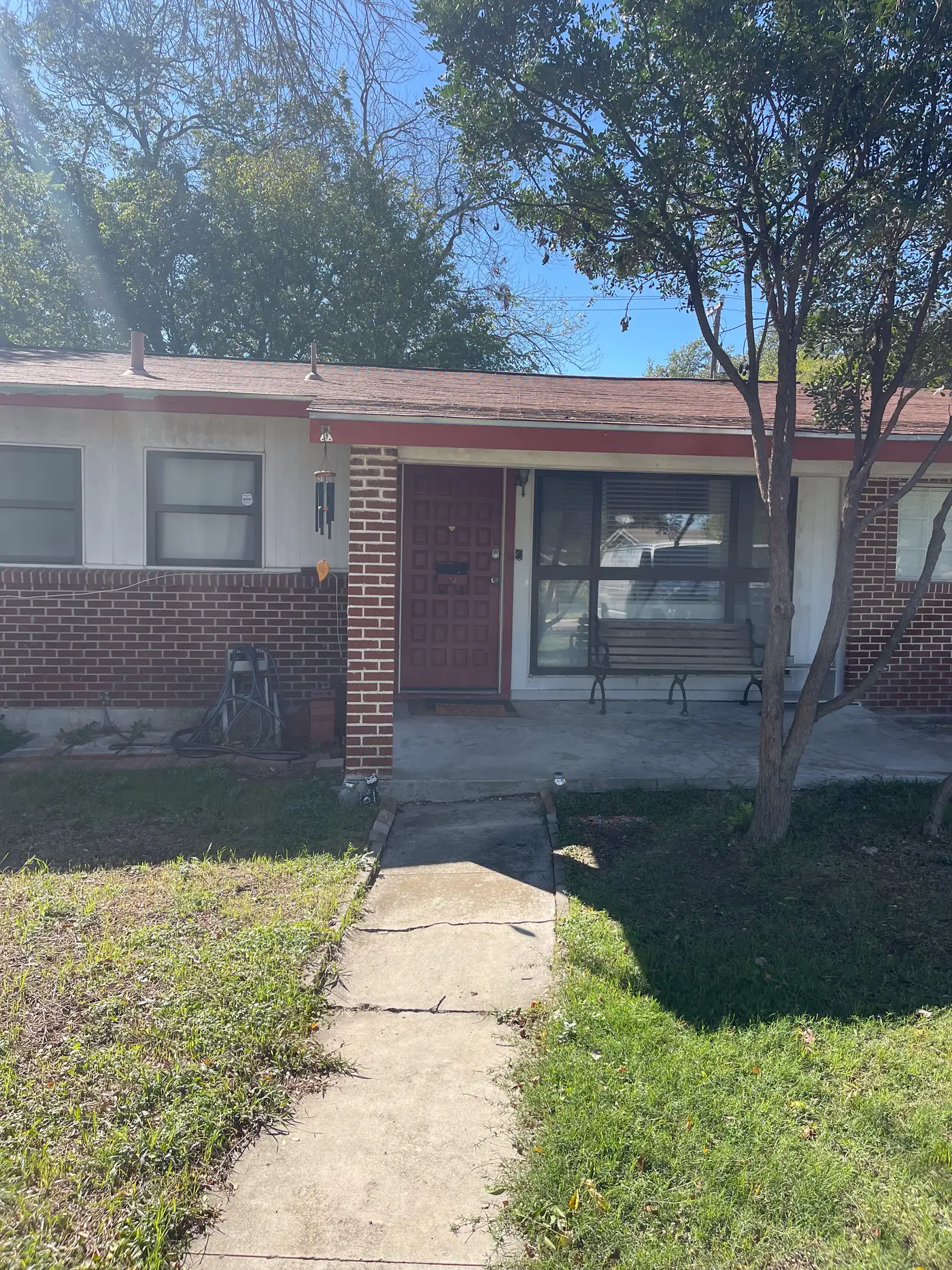
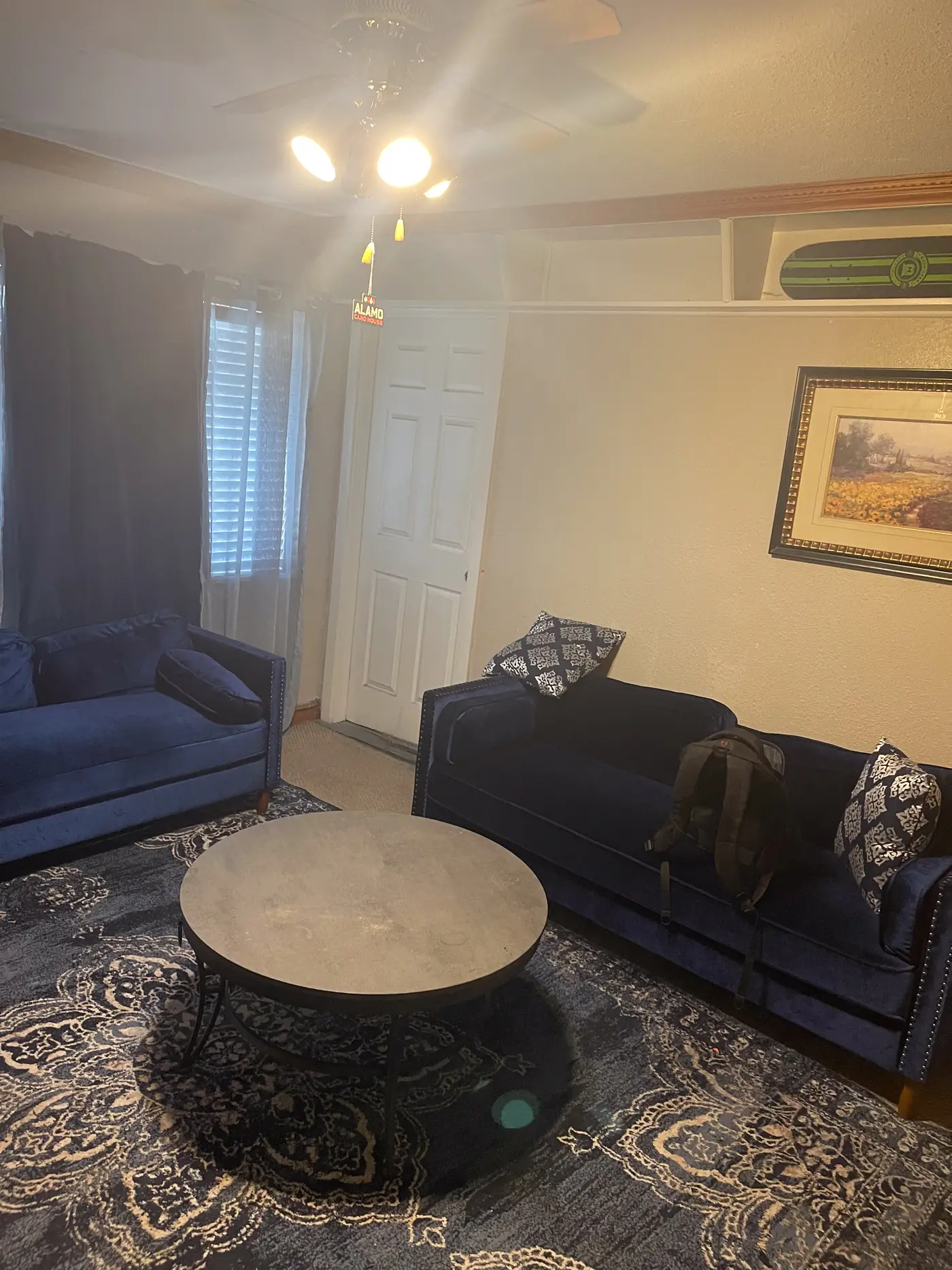
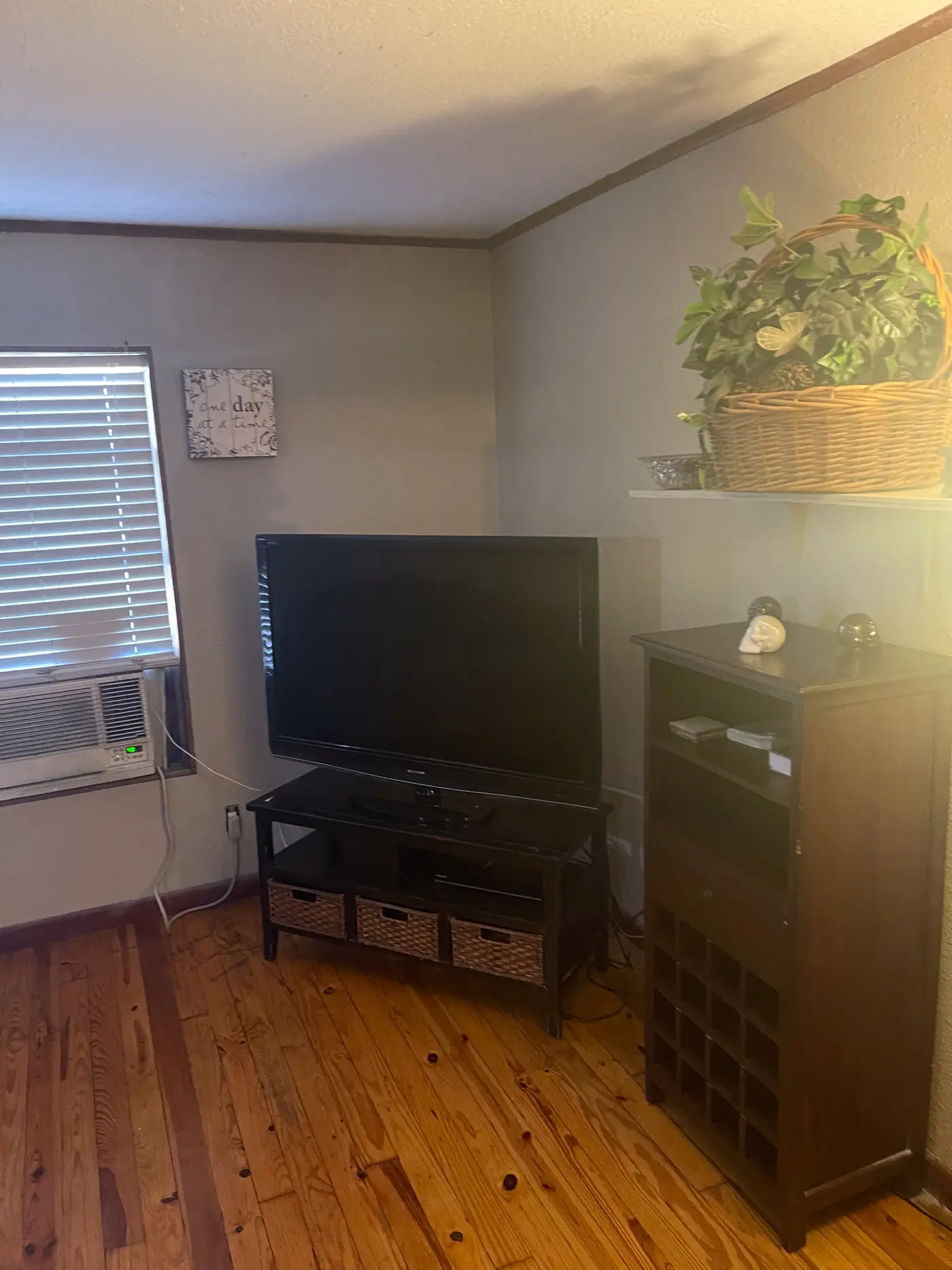
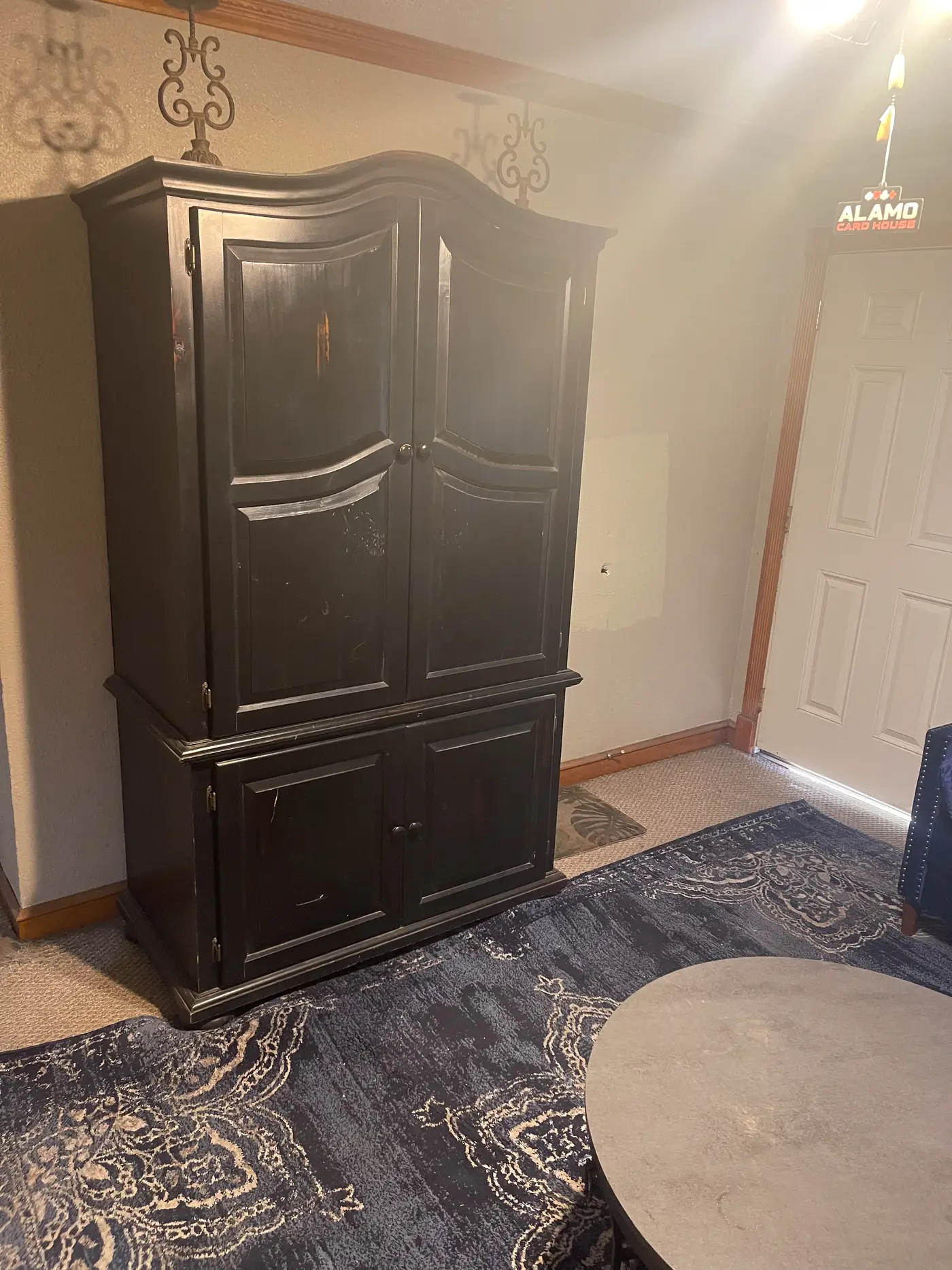
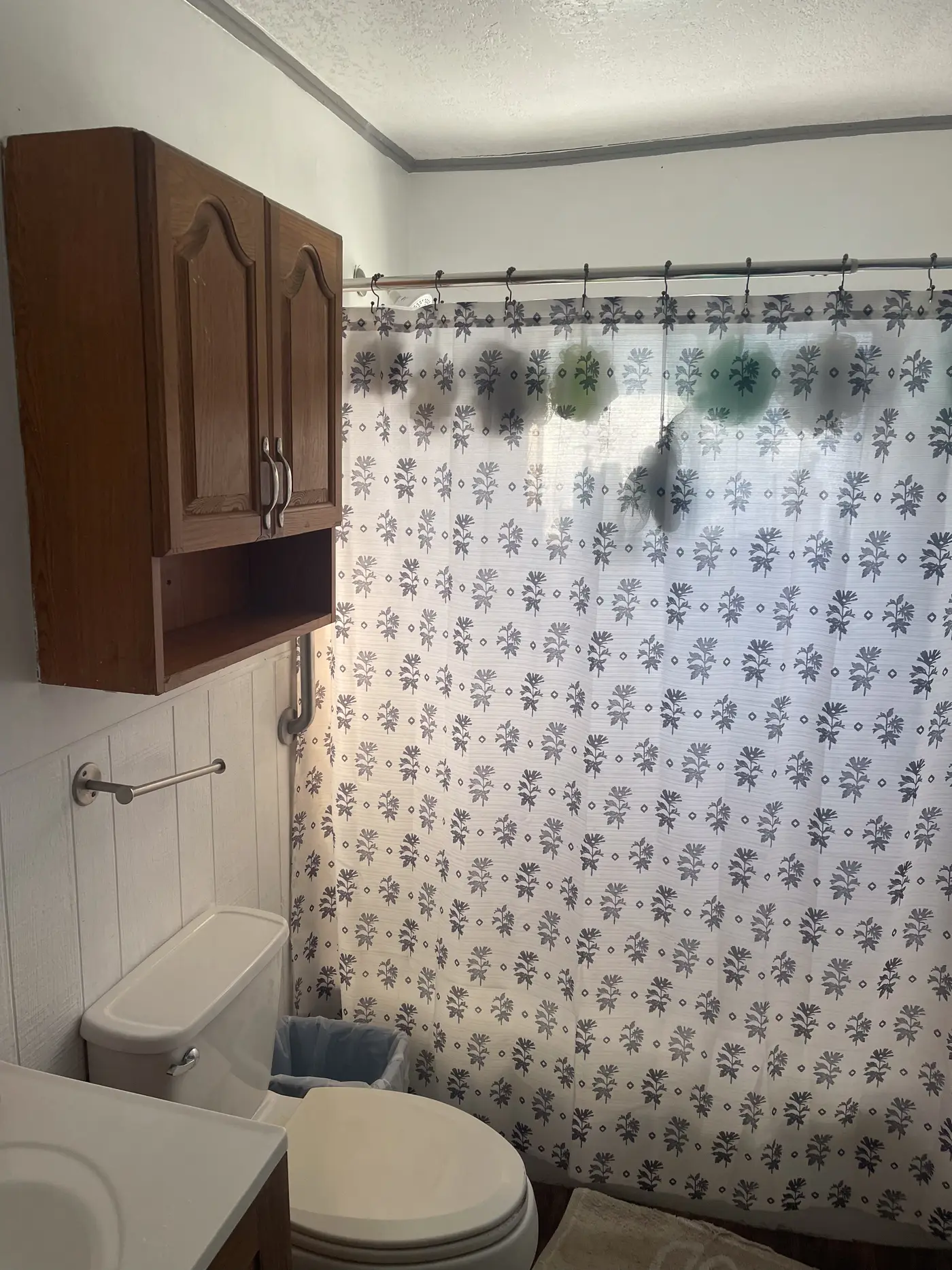
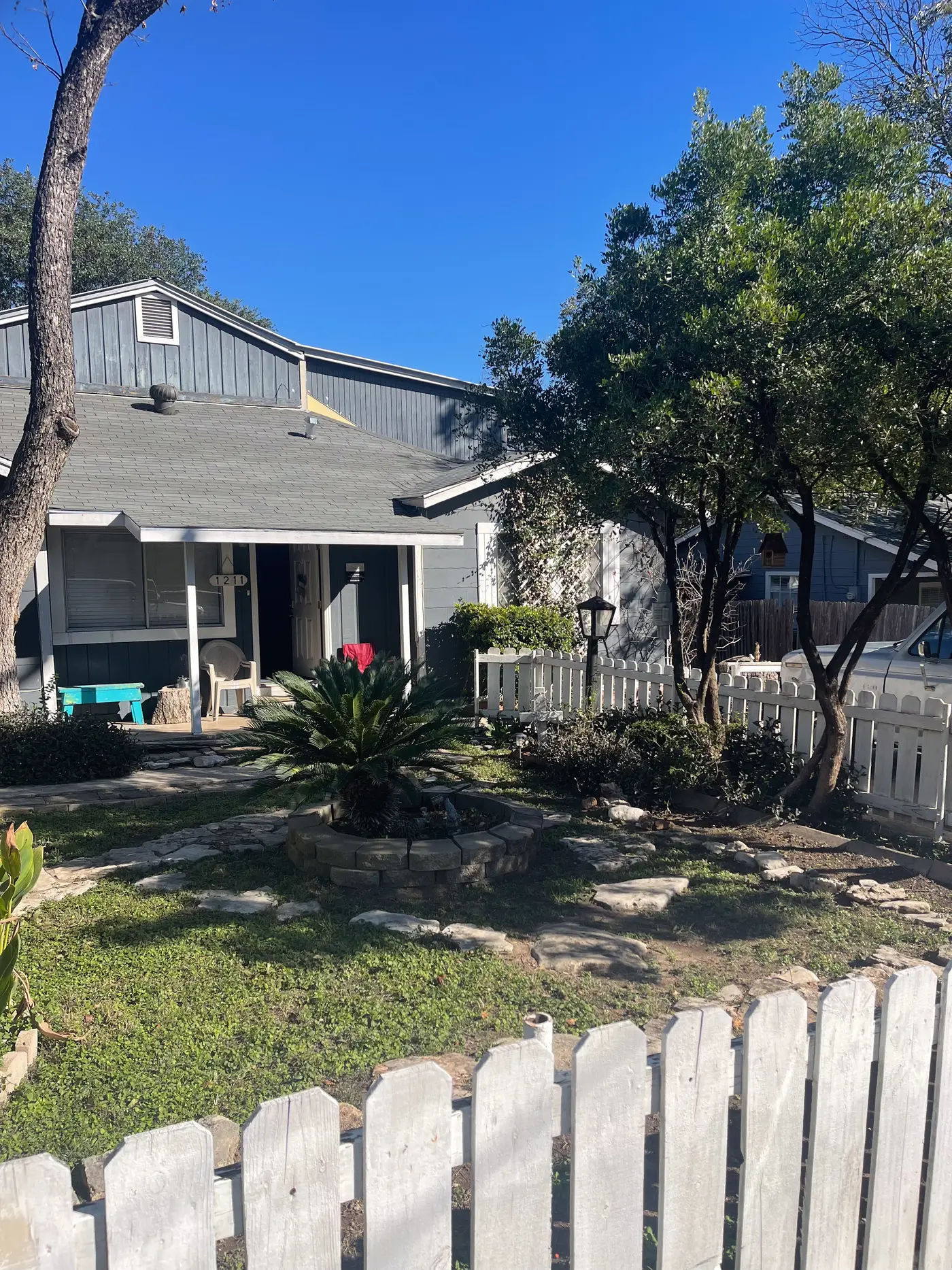
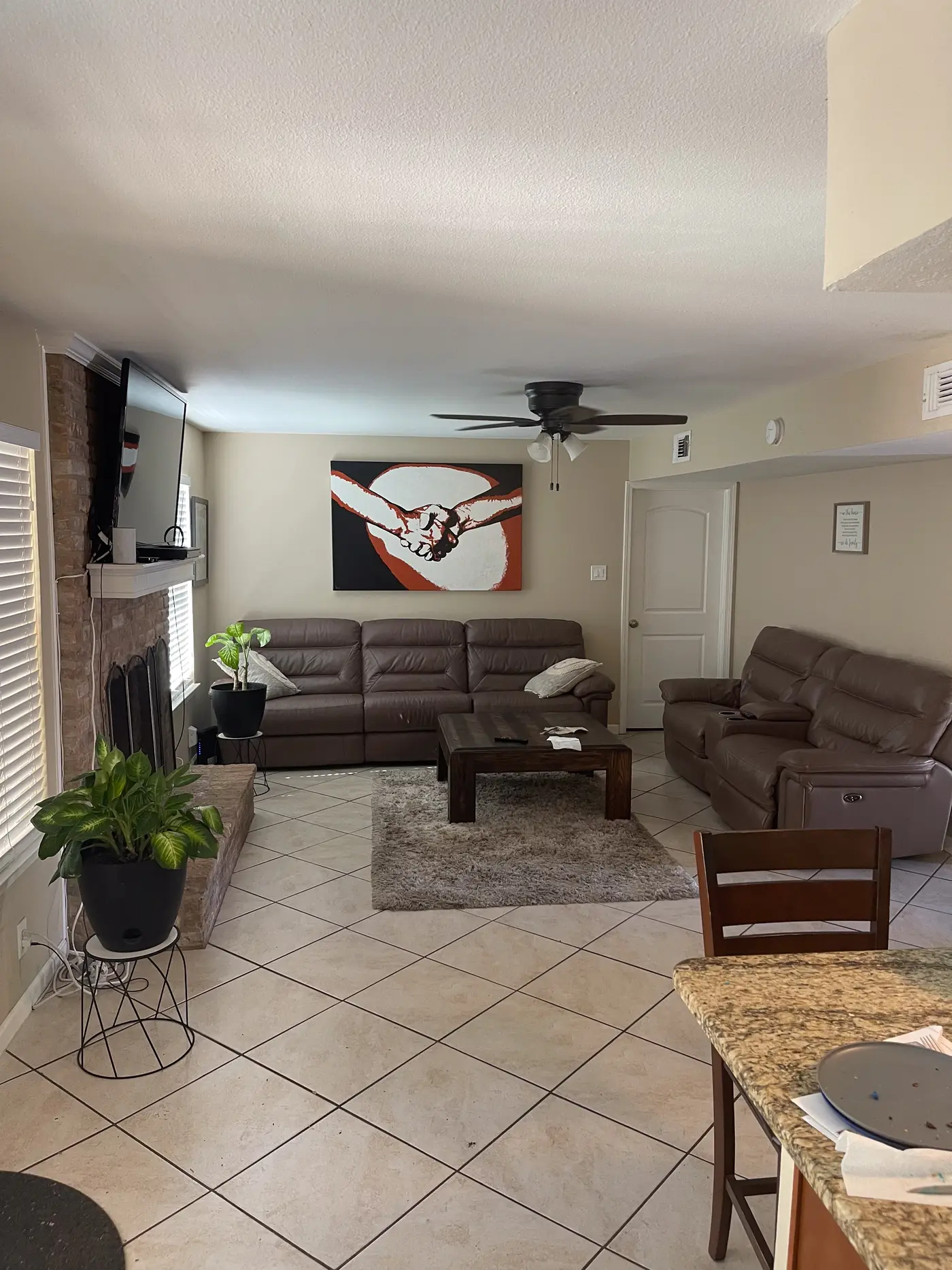
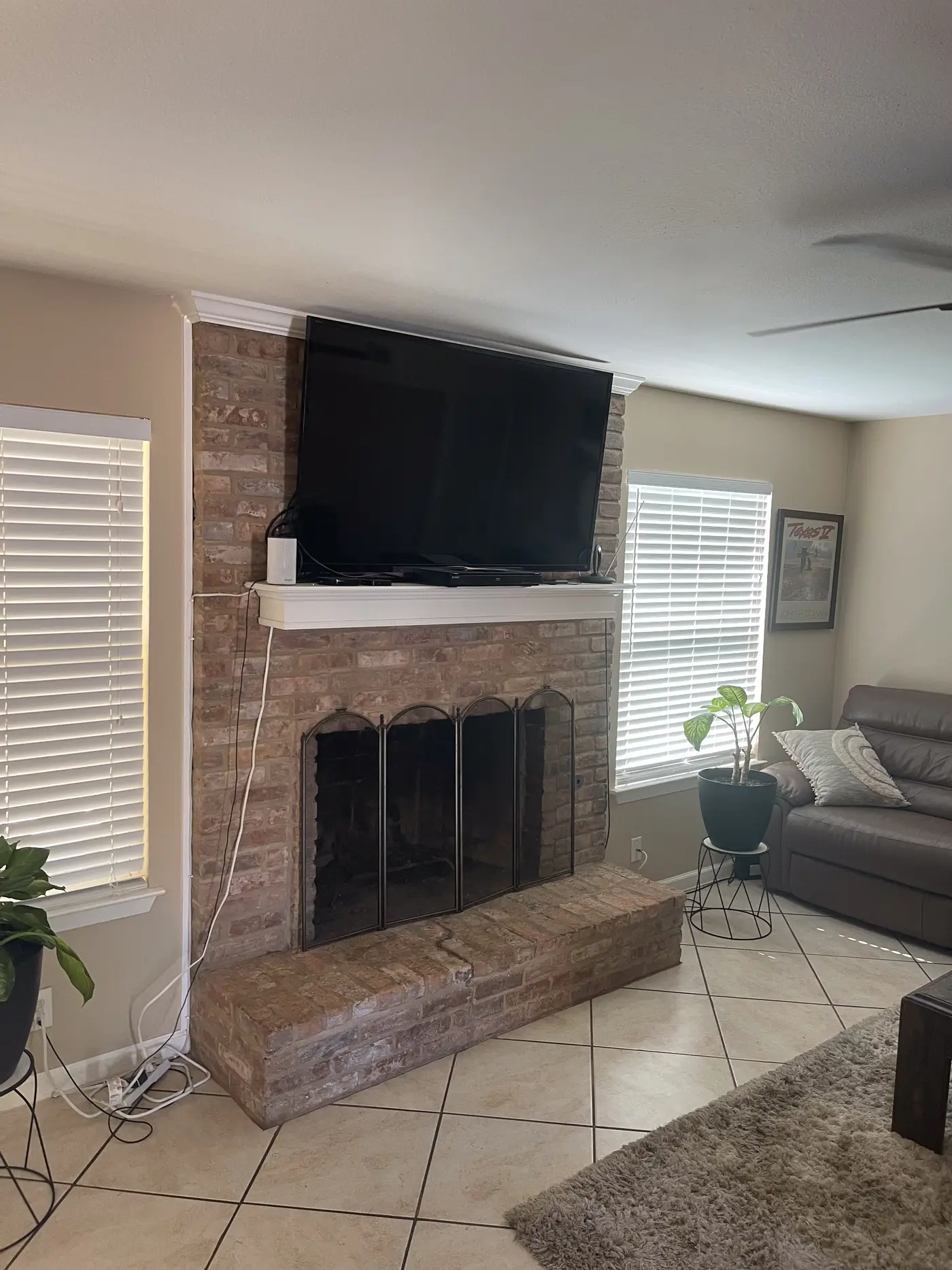
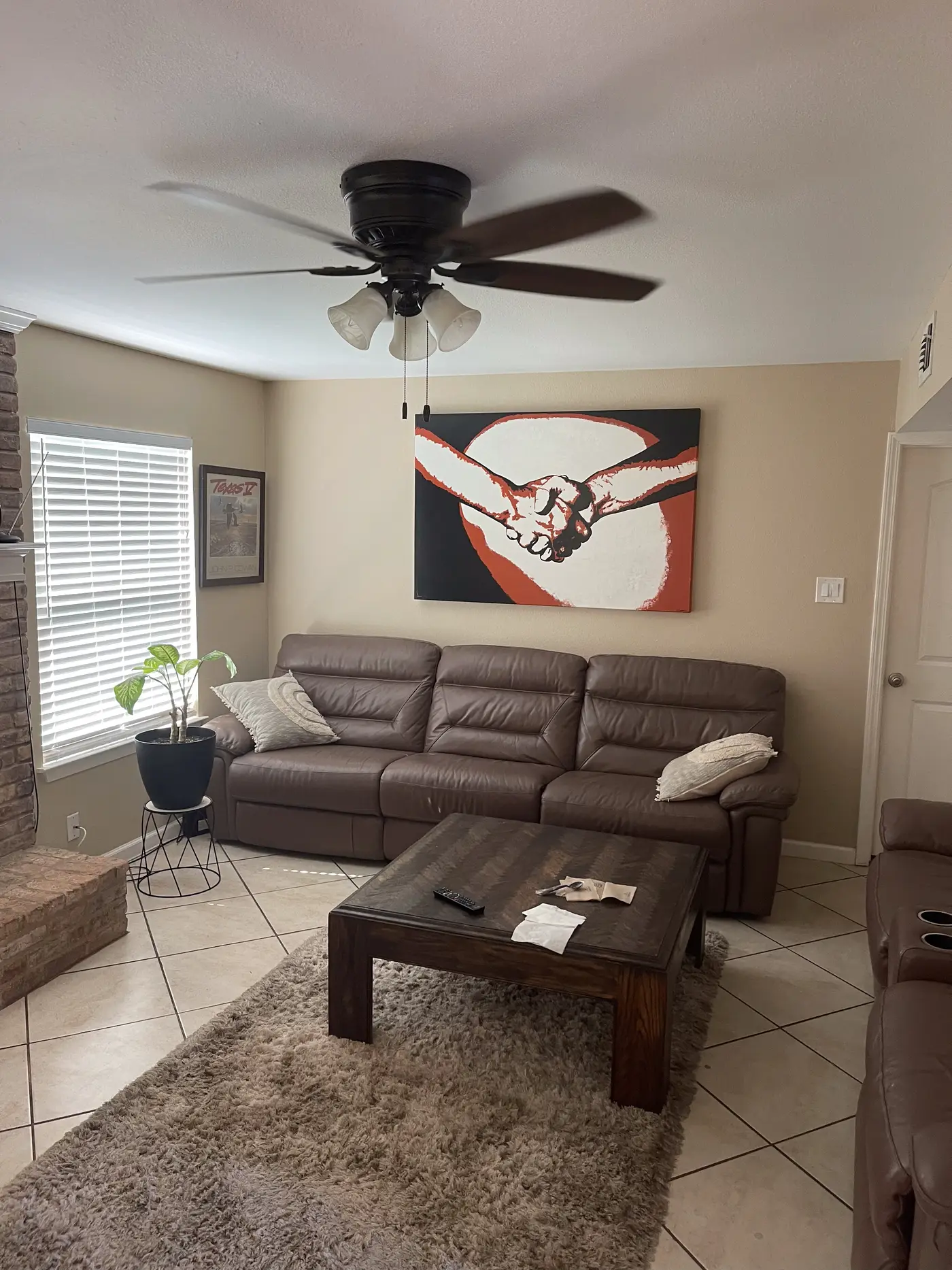
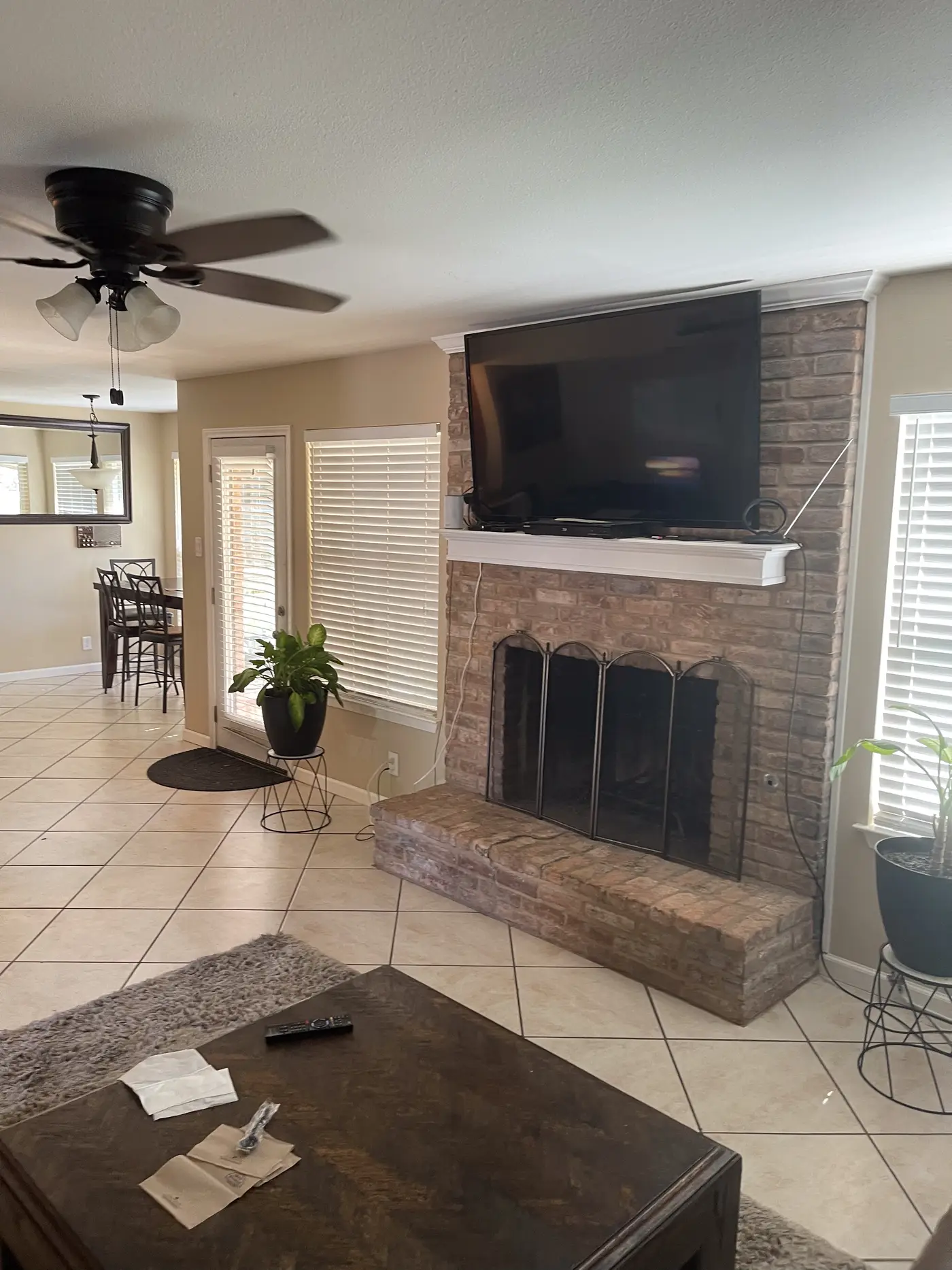
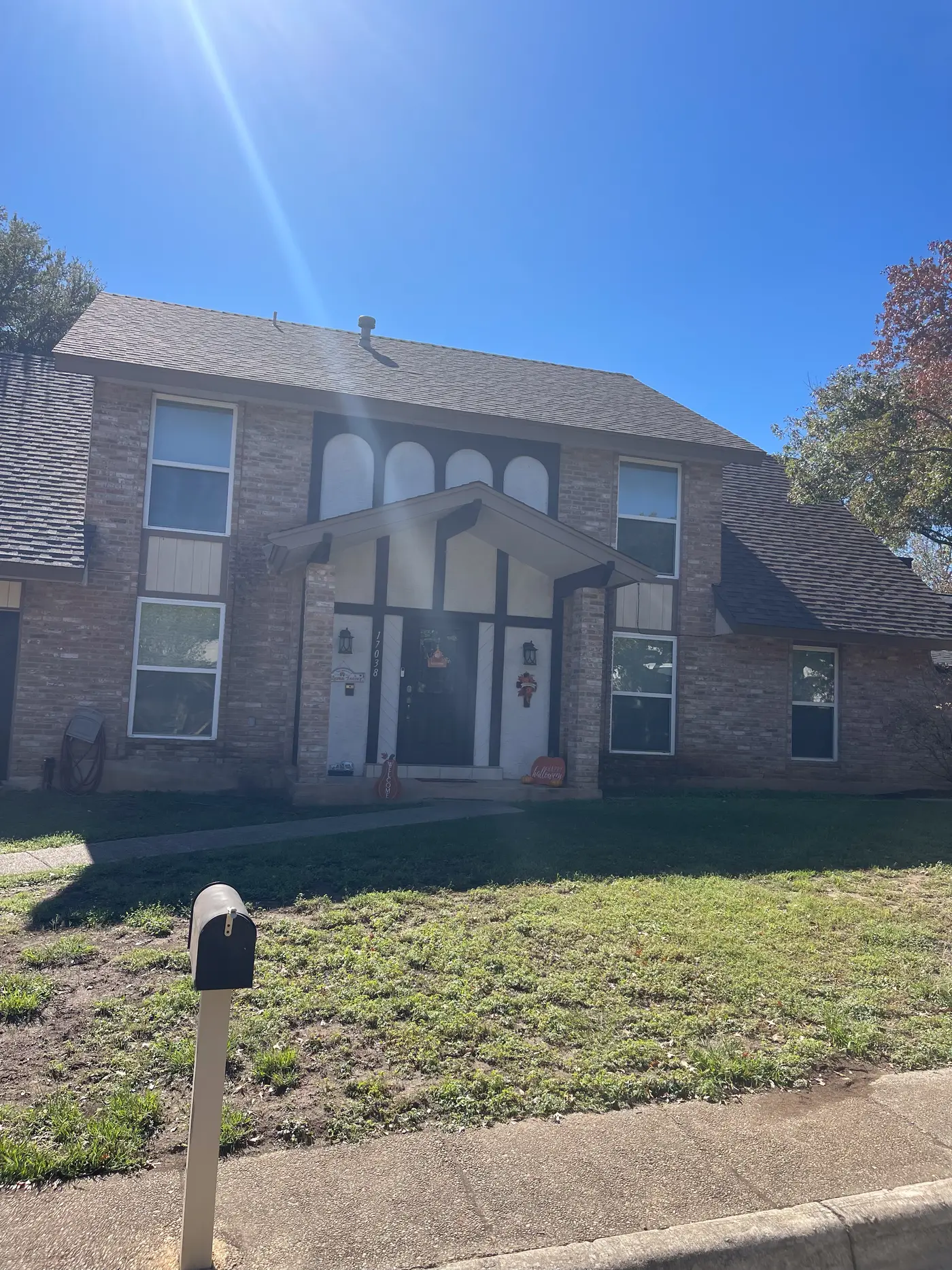
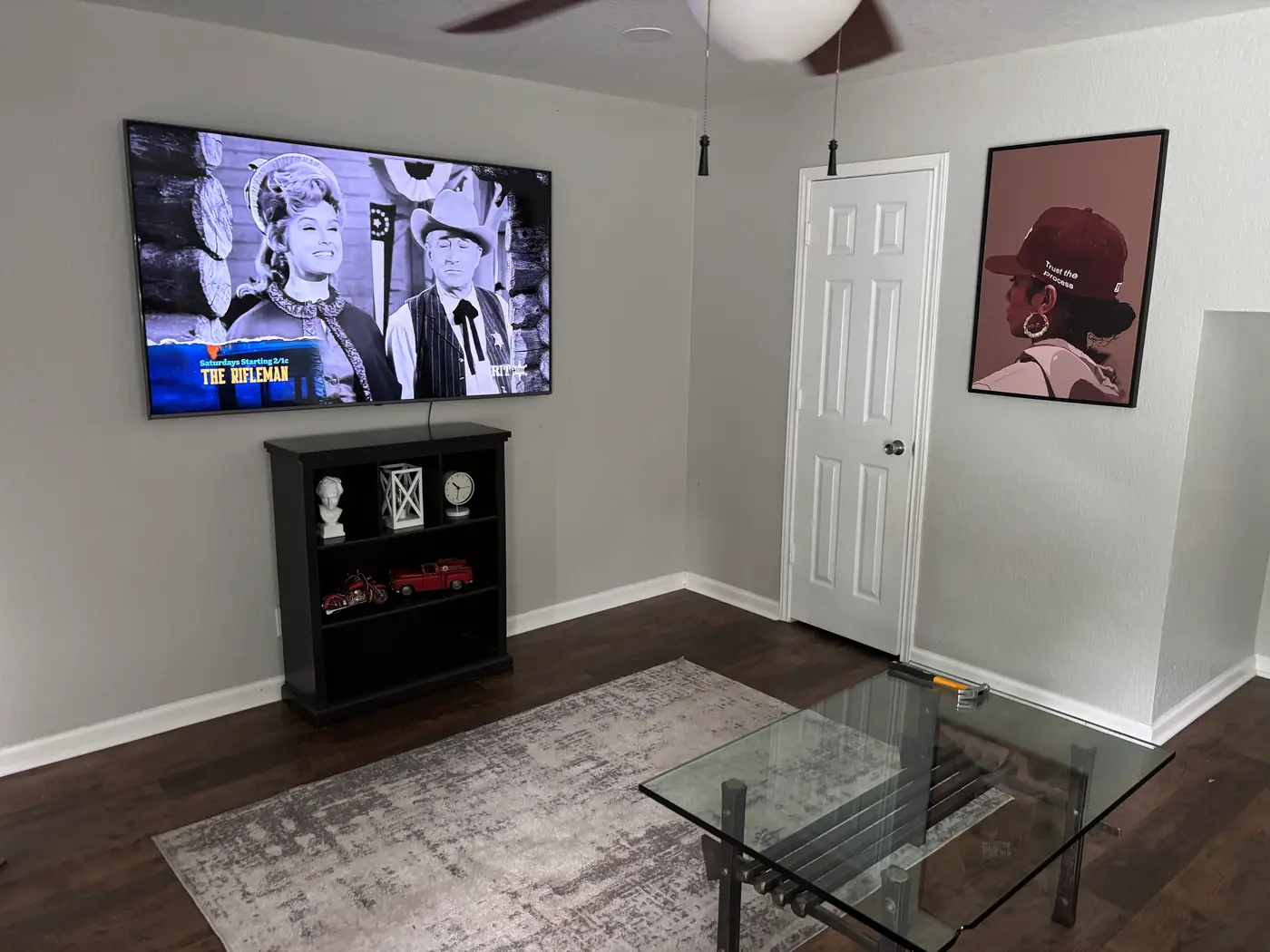
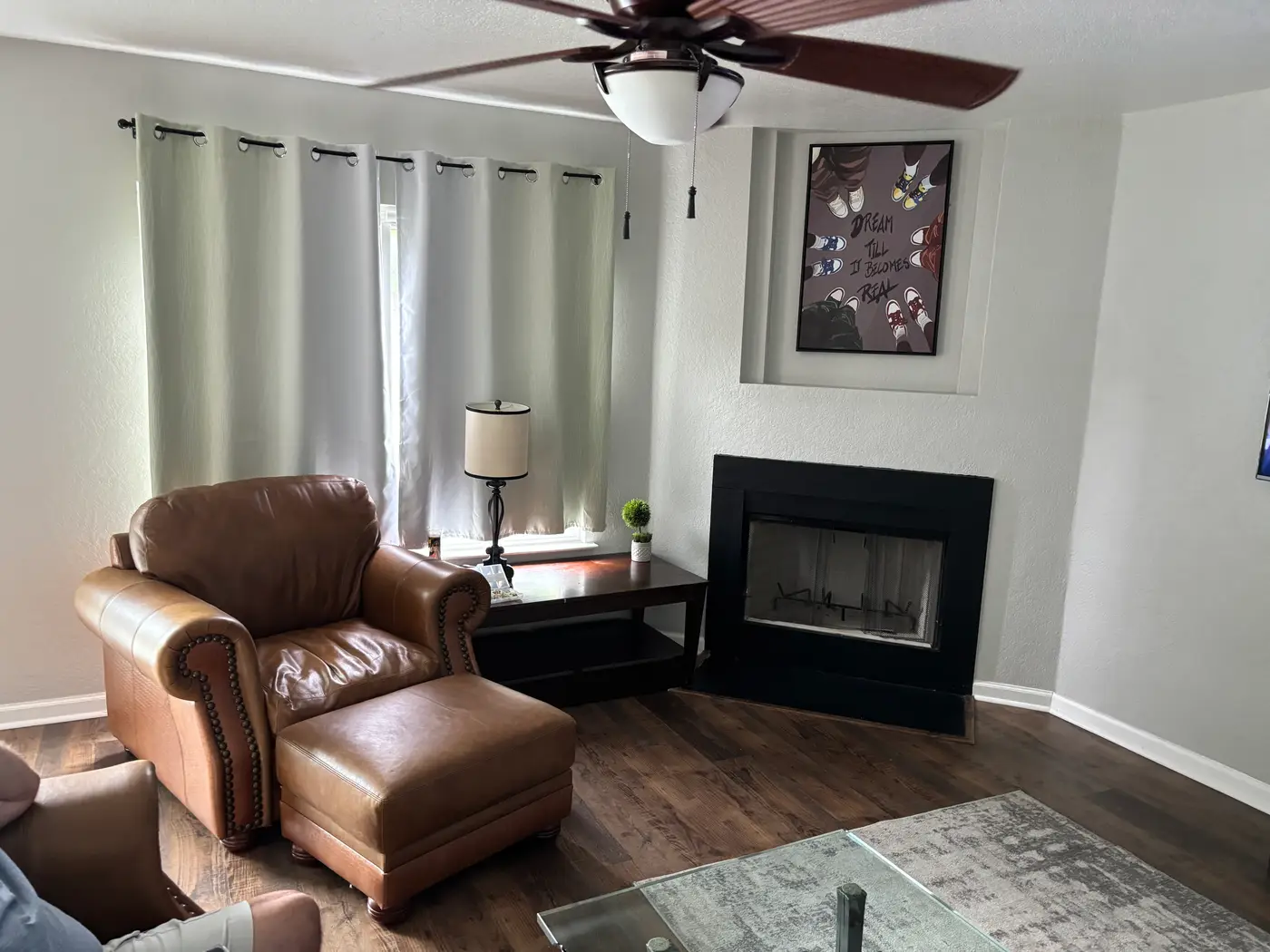
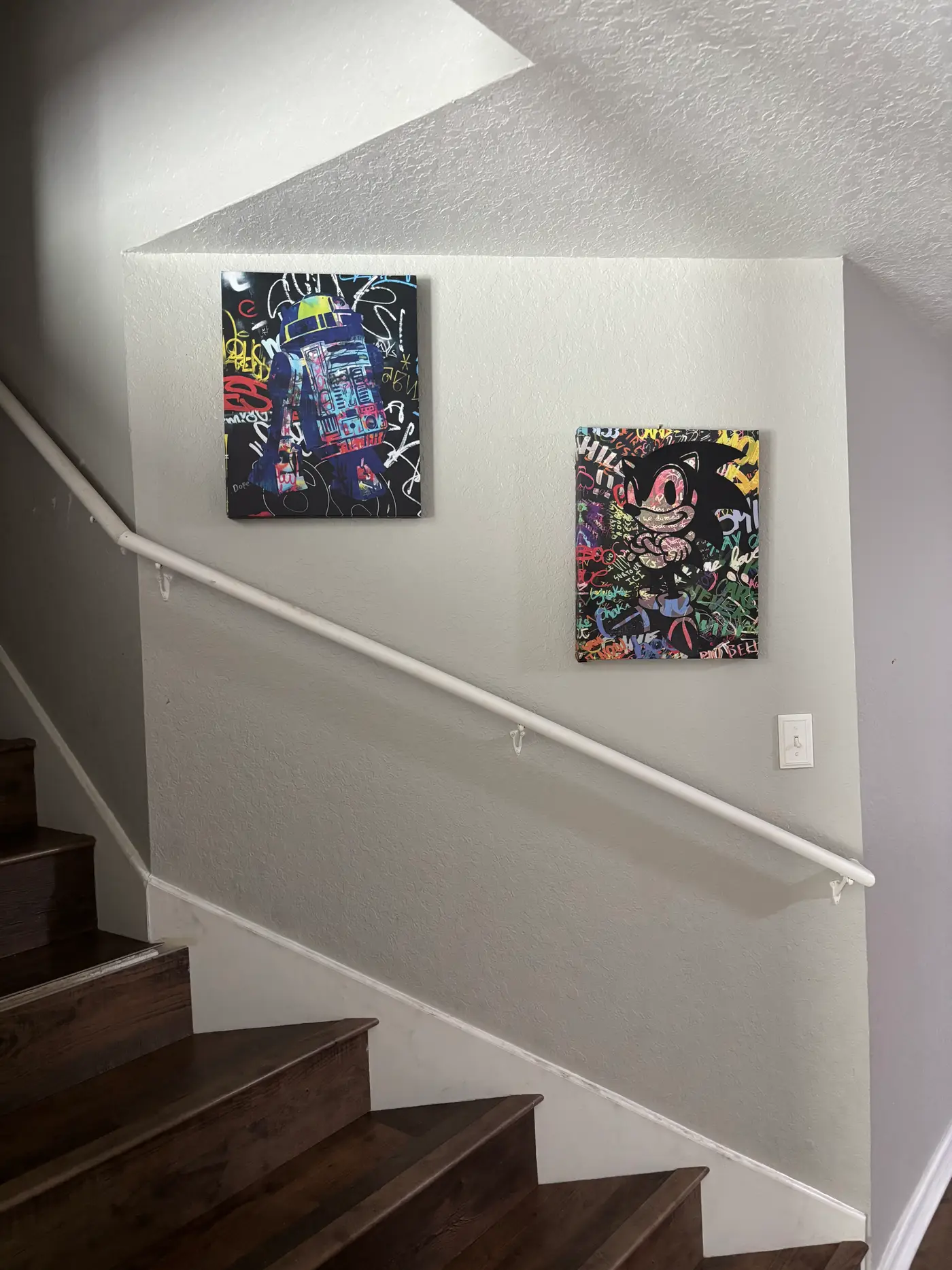
Inside the San Antonio homes


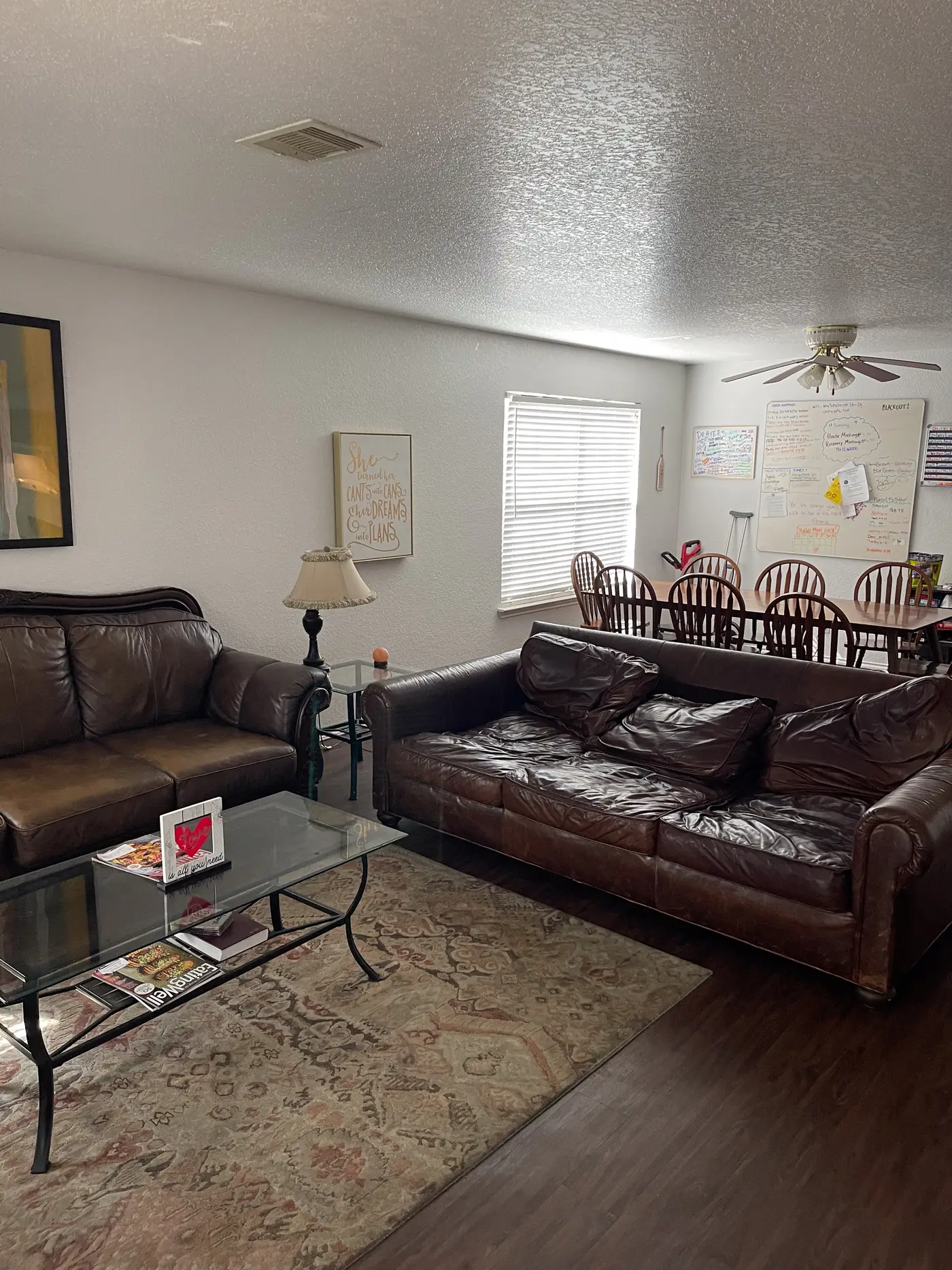
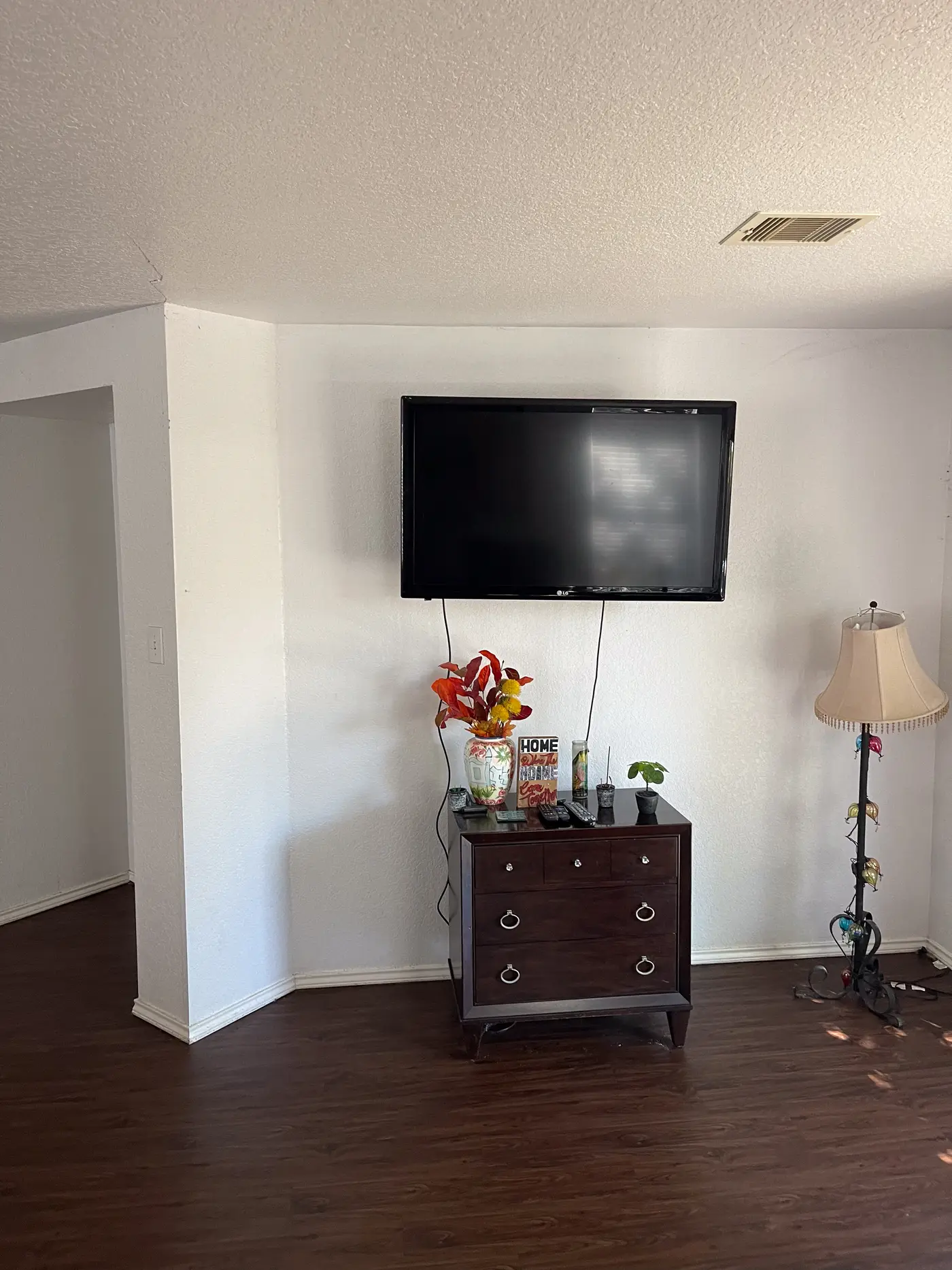
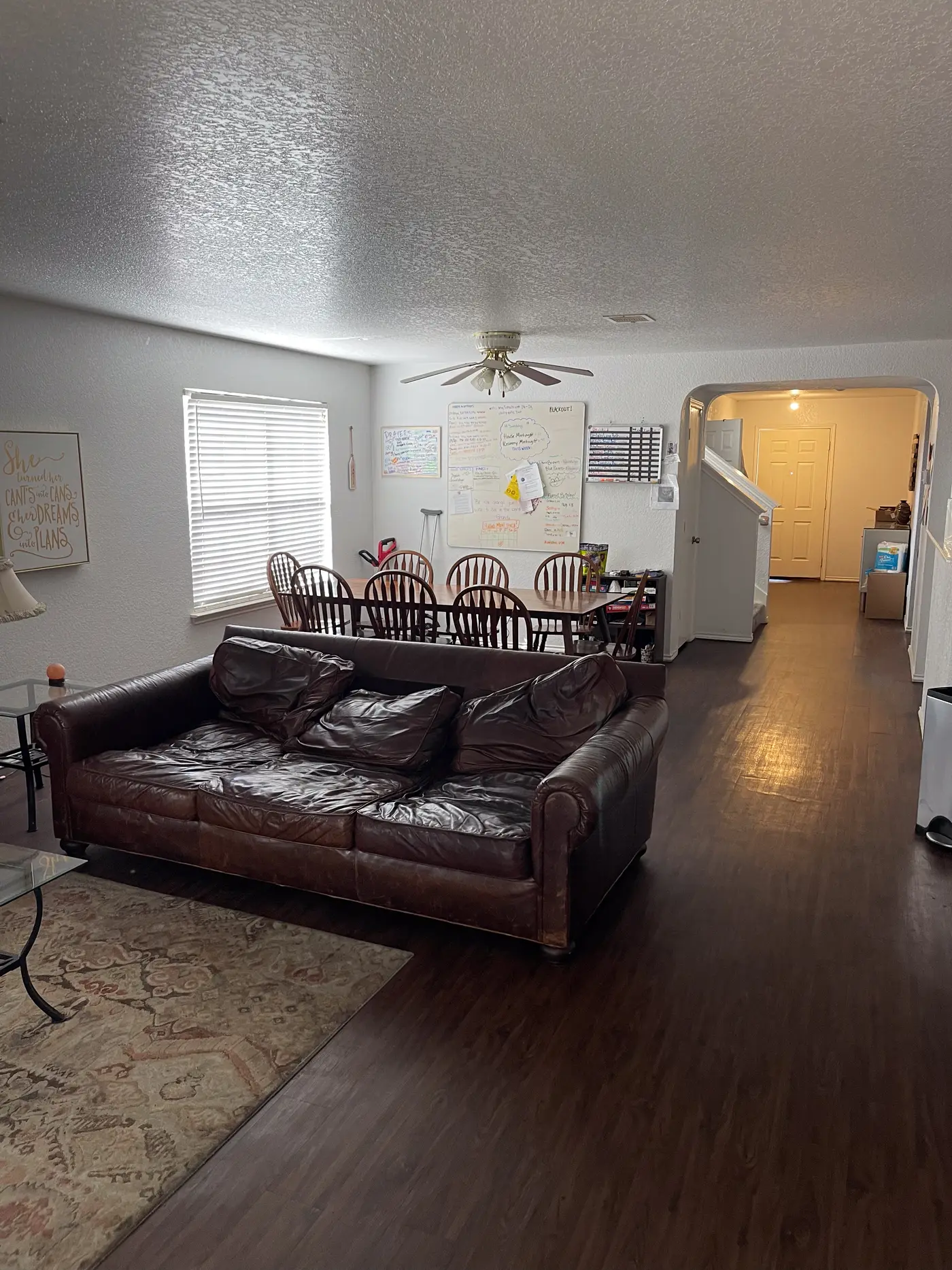
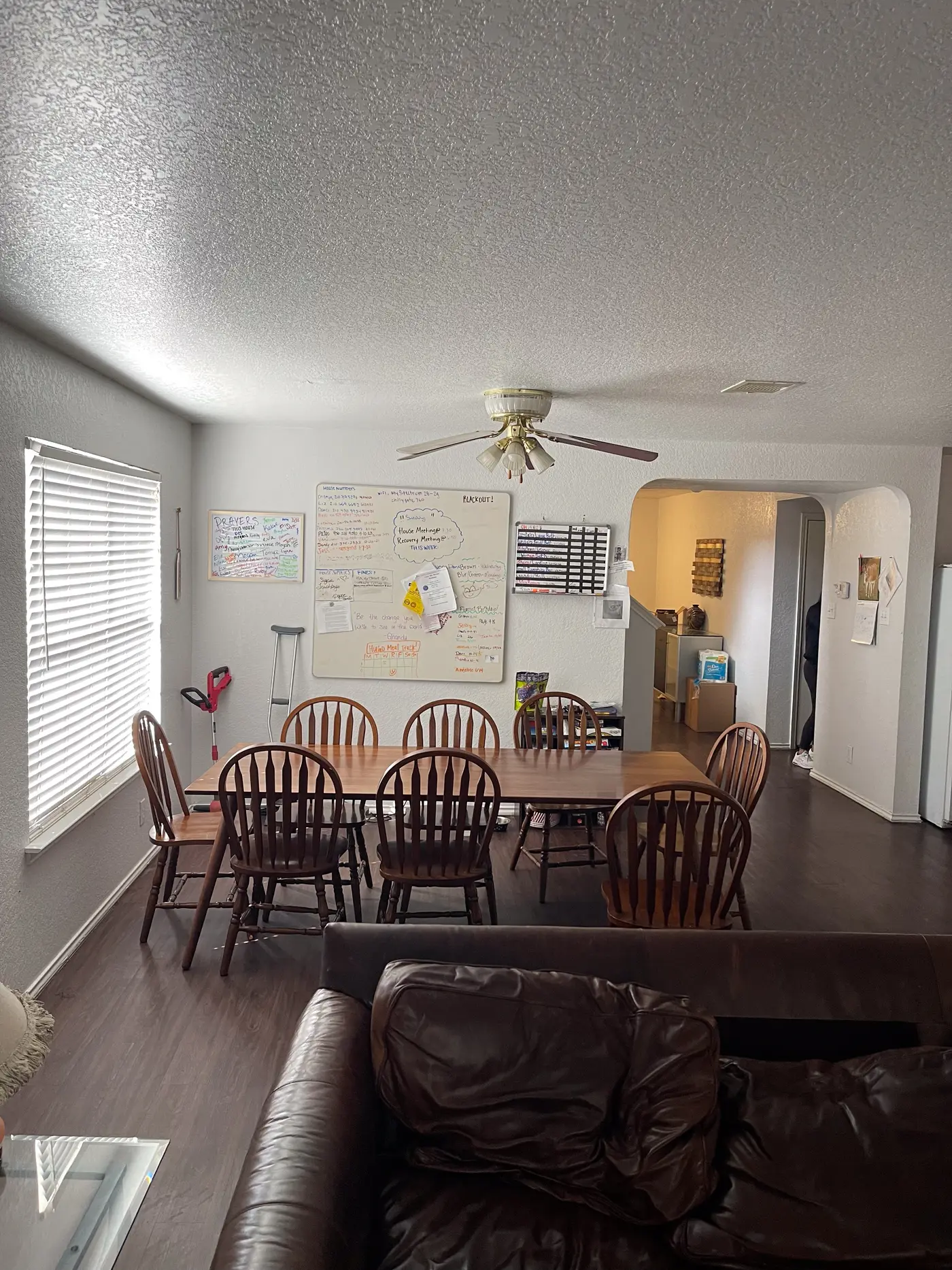
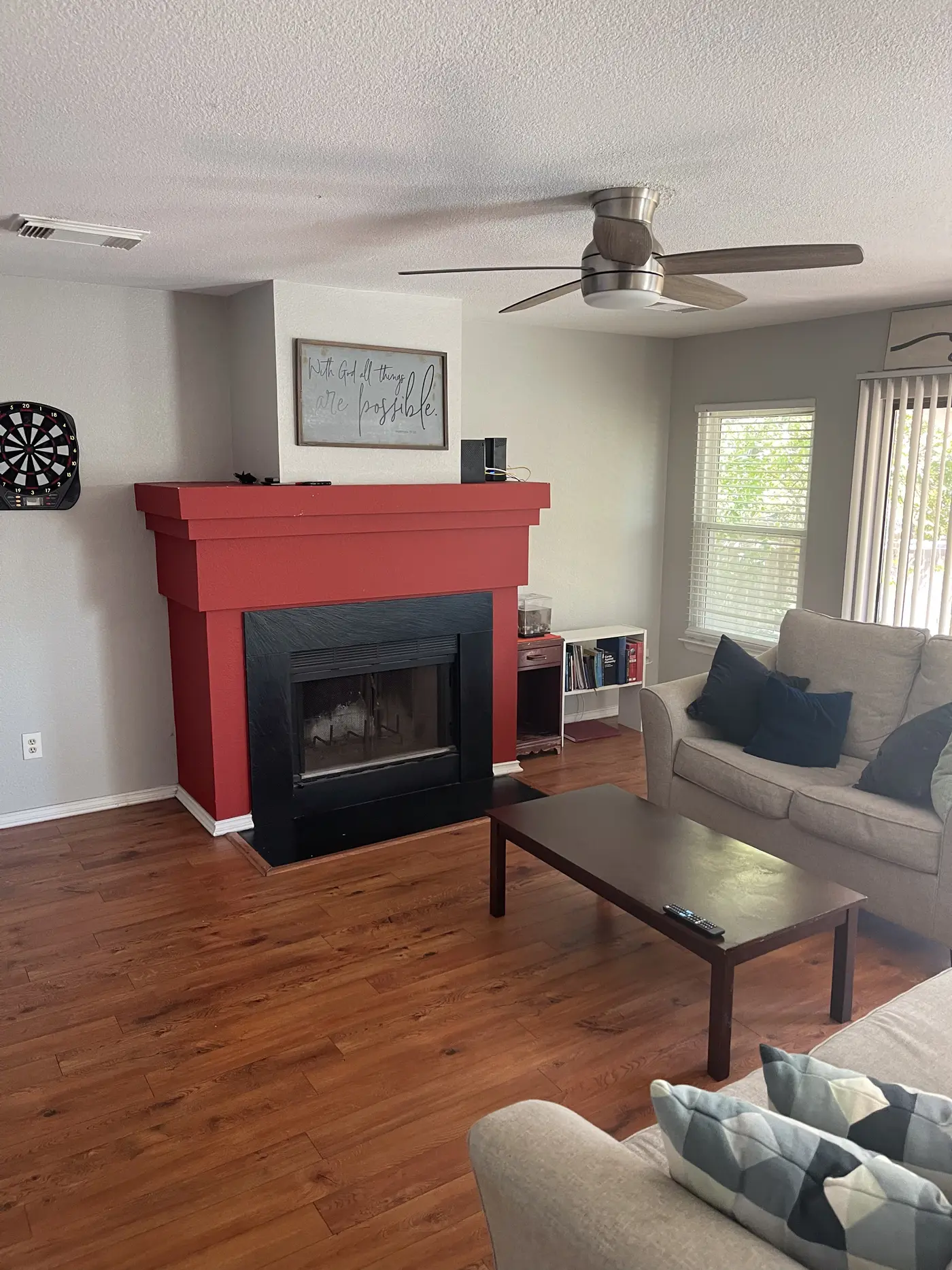
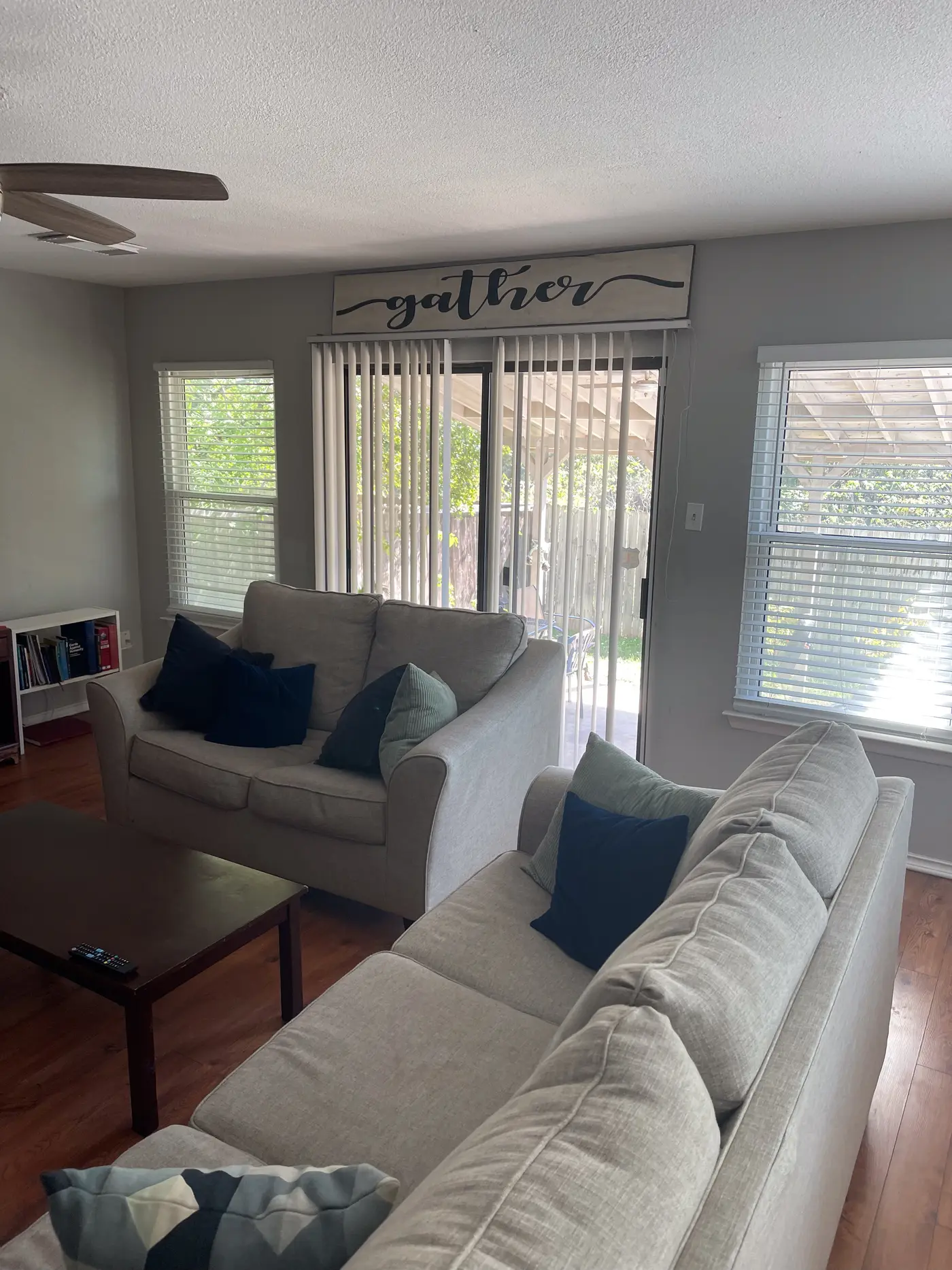
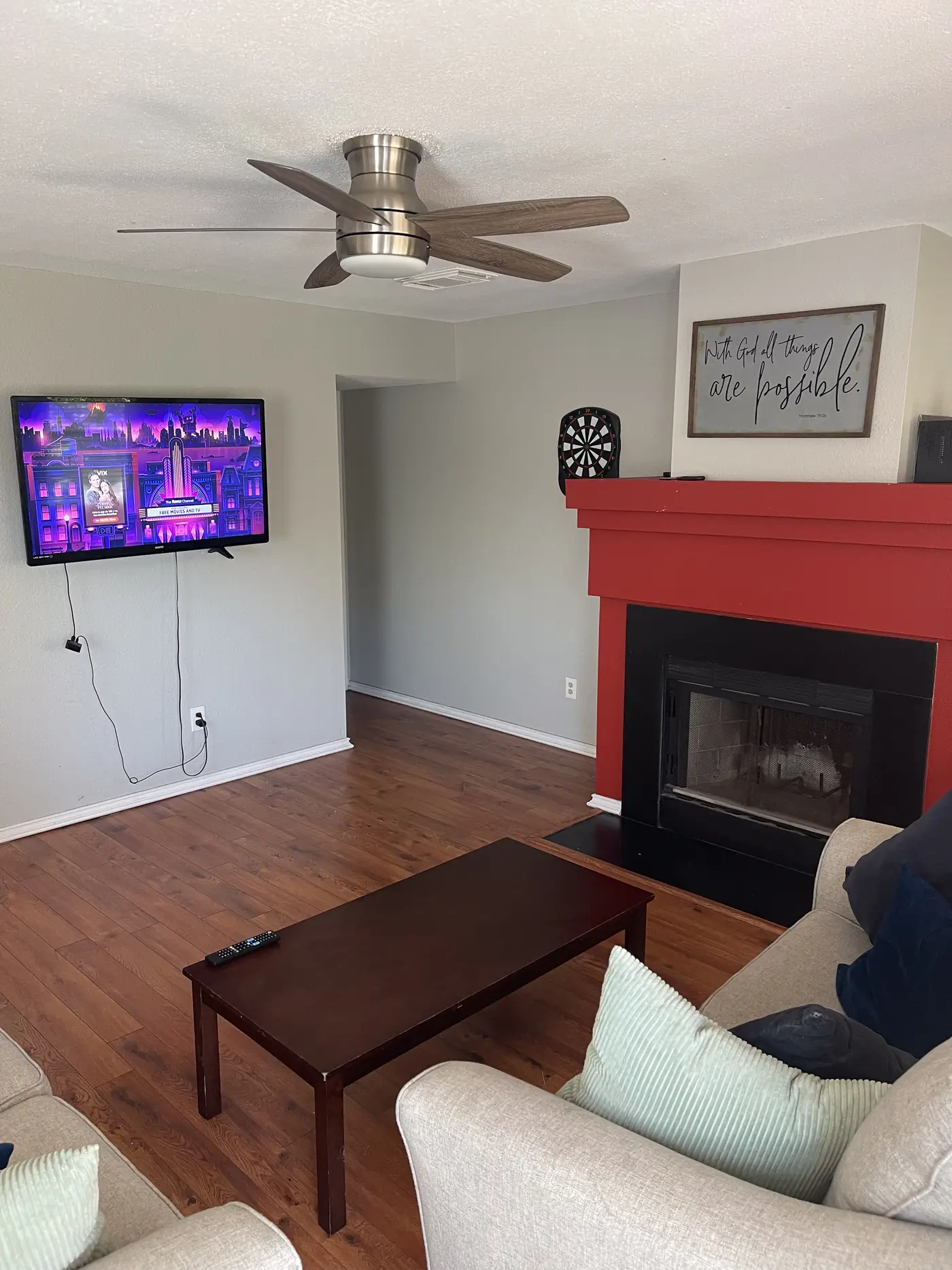
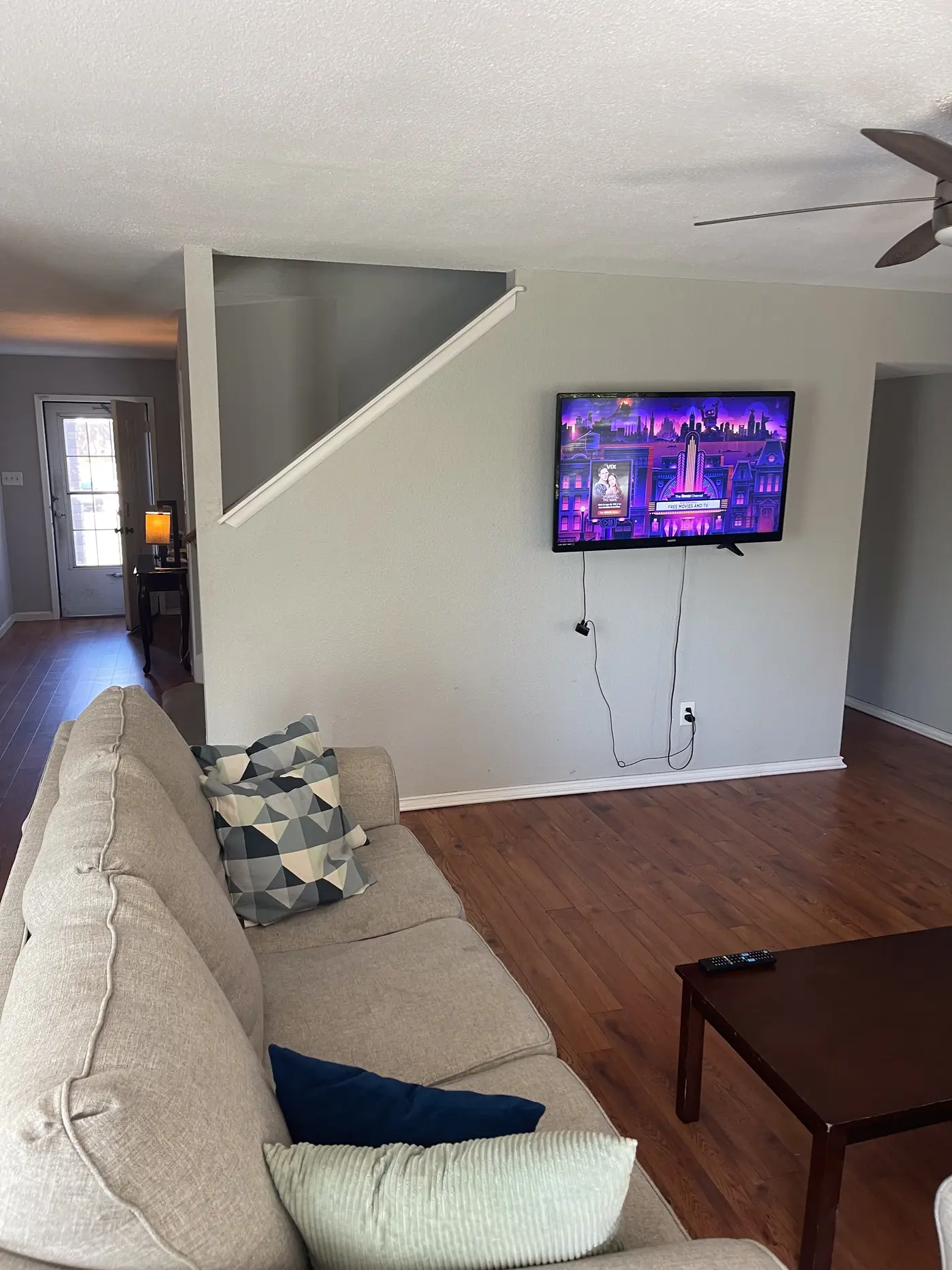
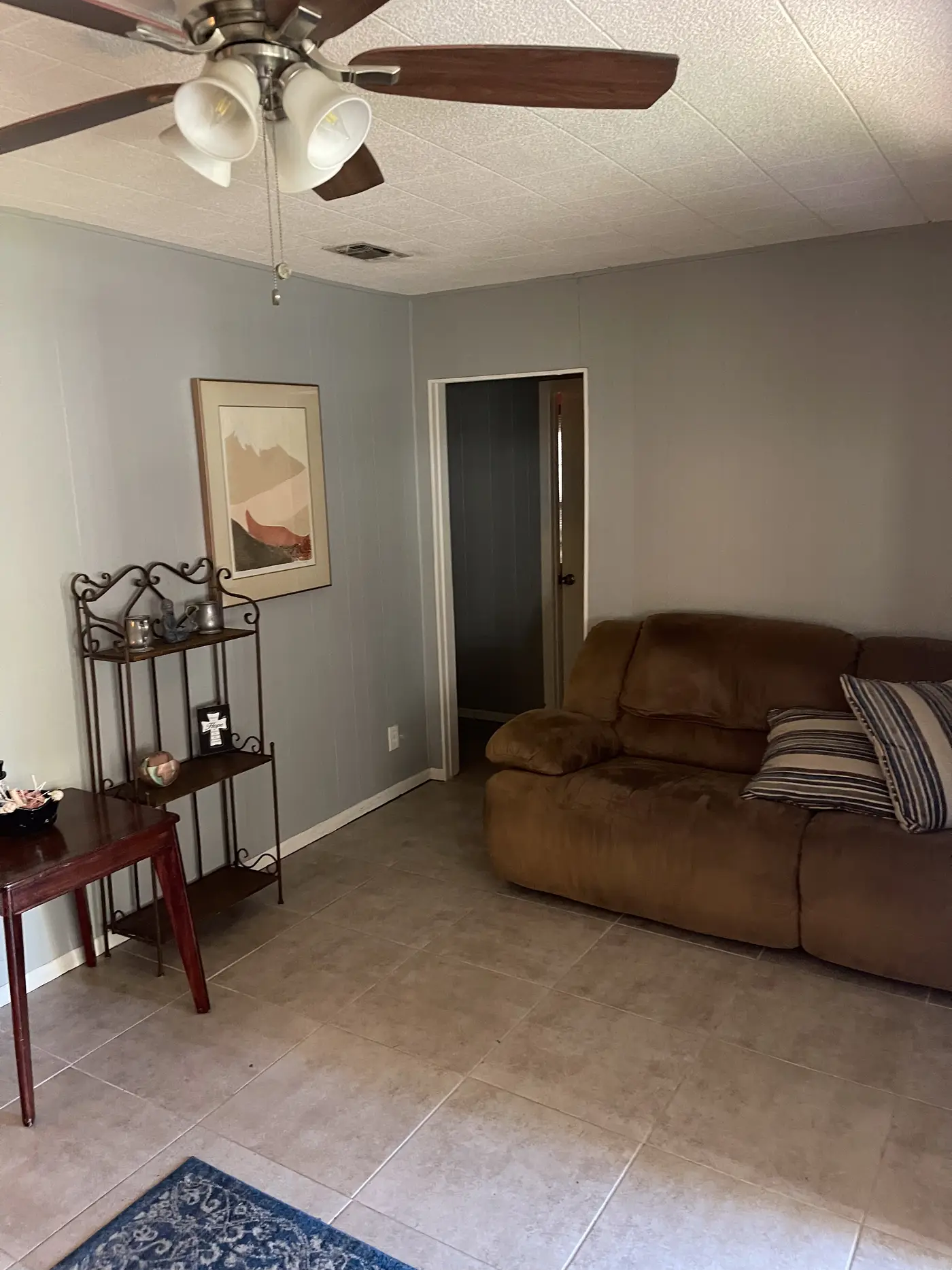
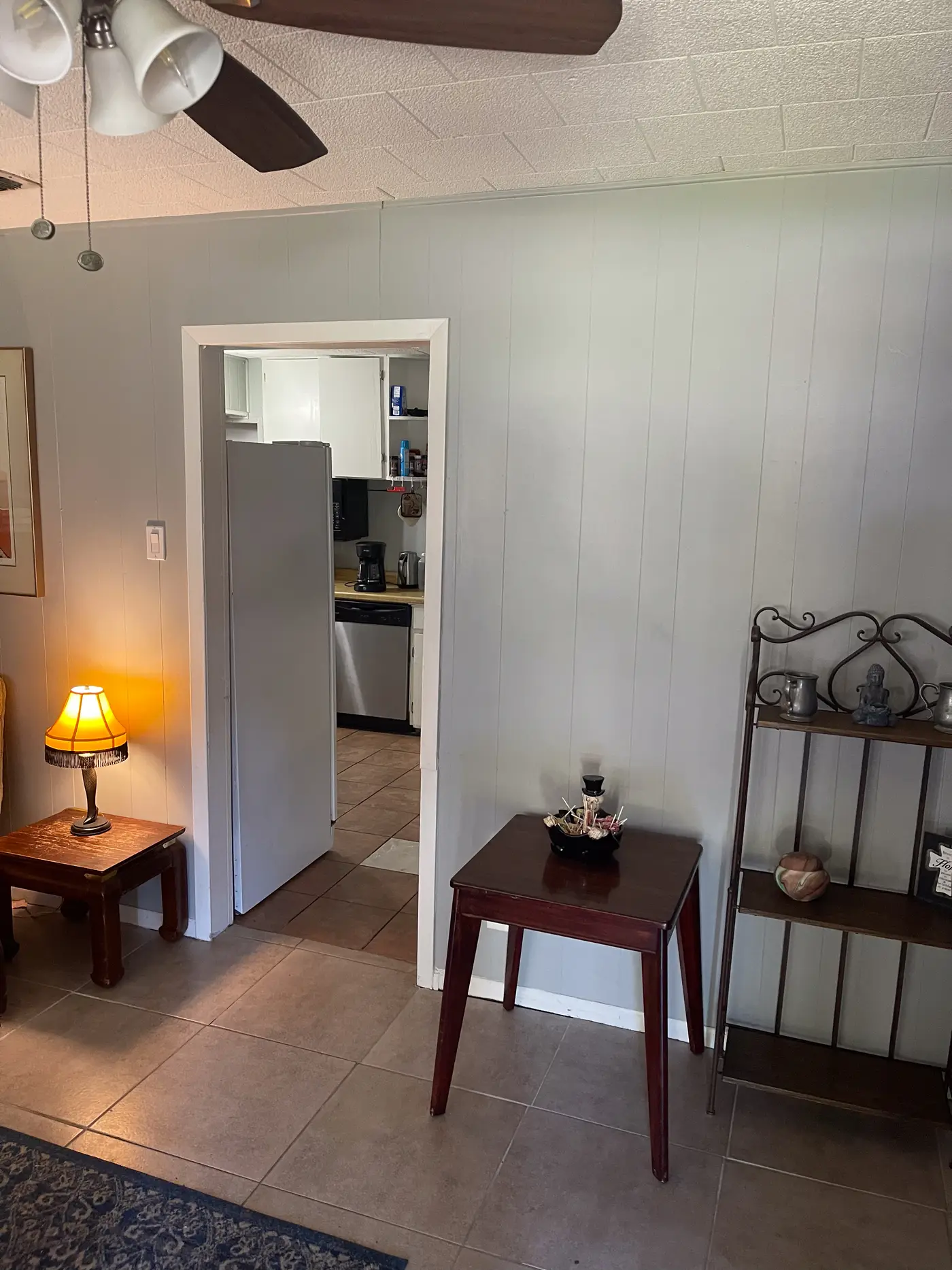
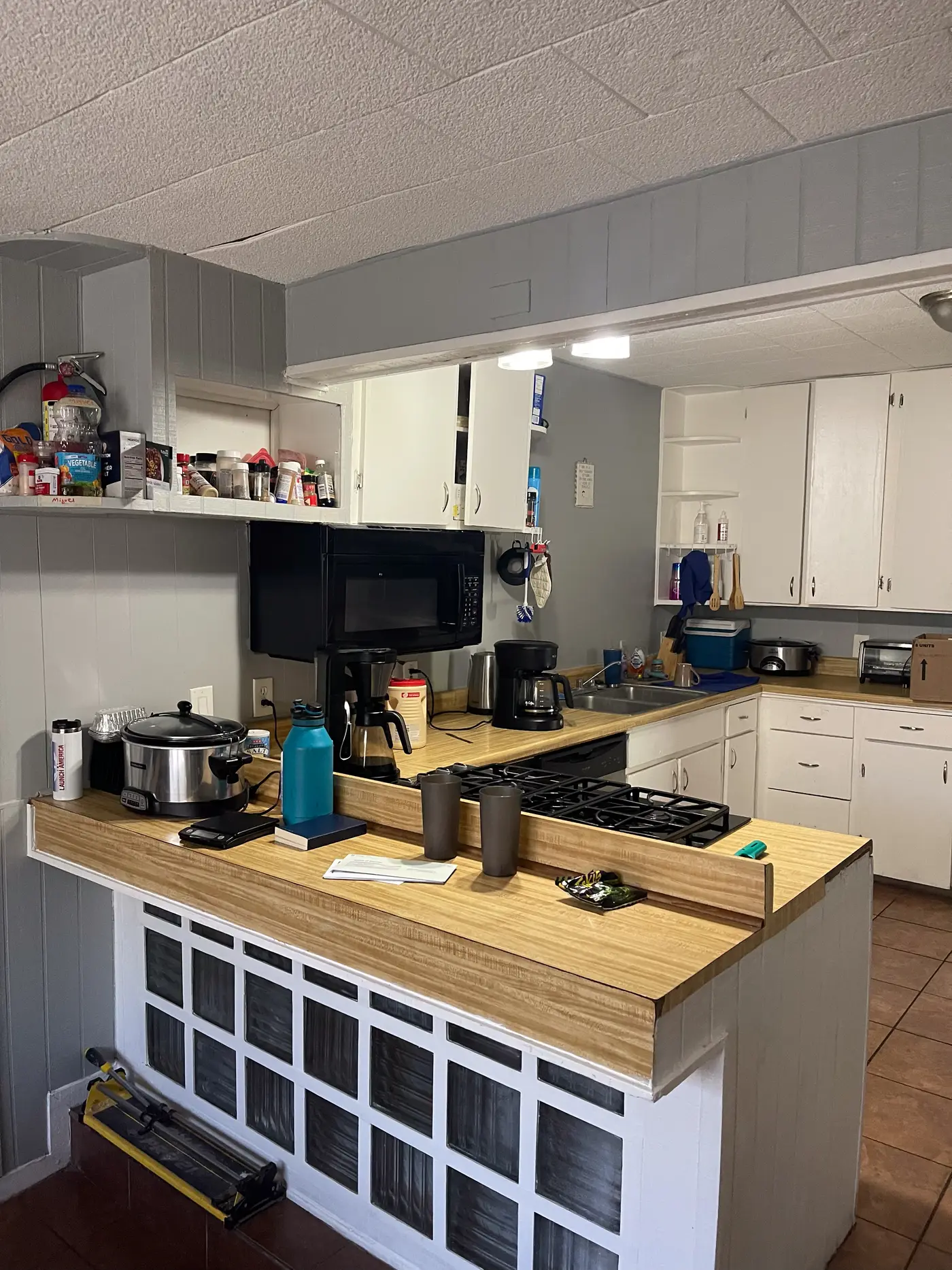
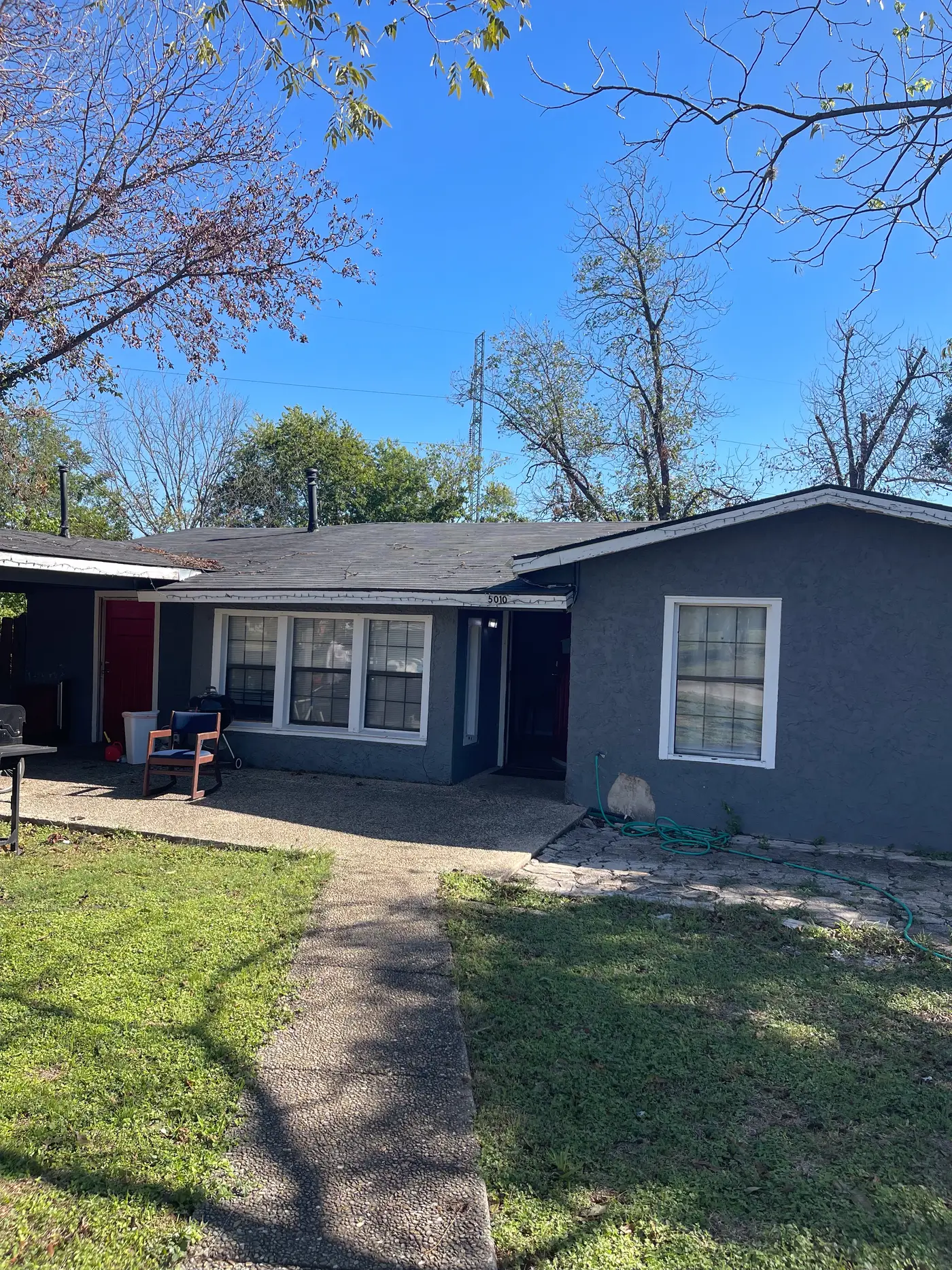
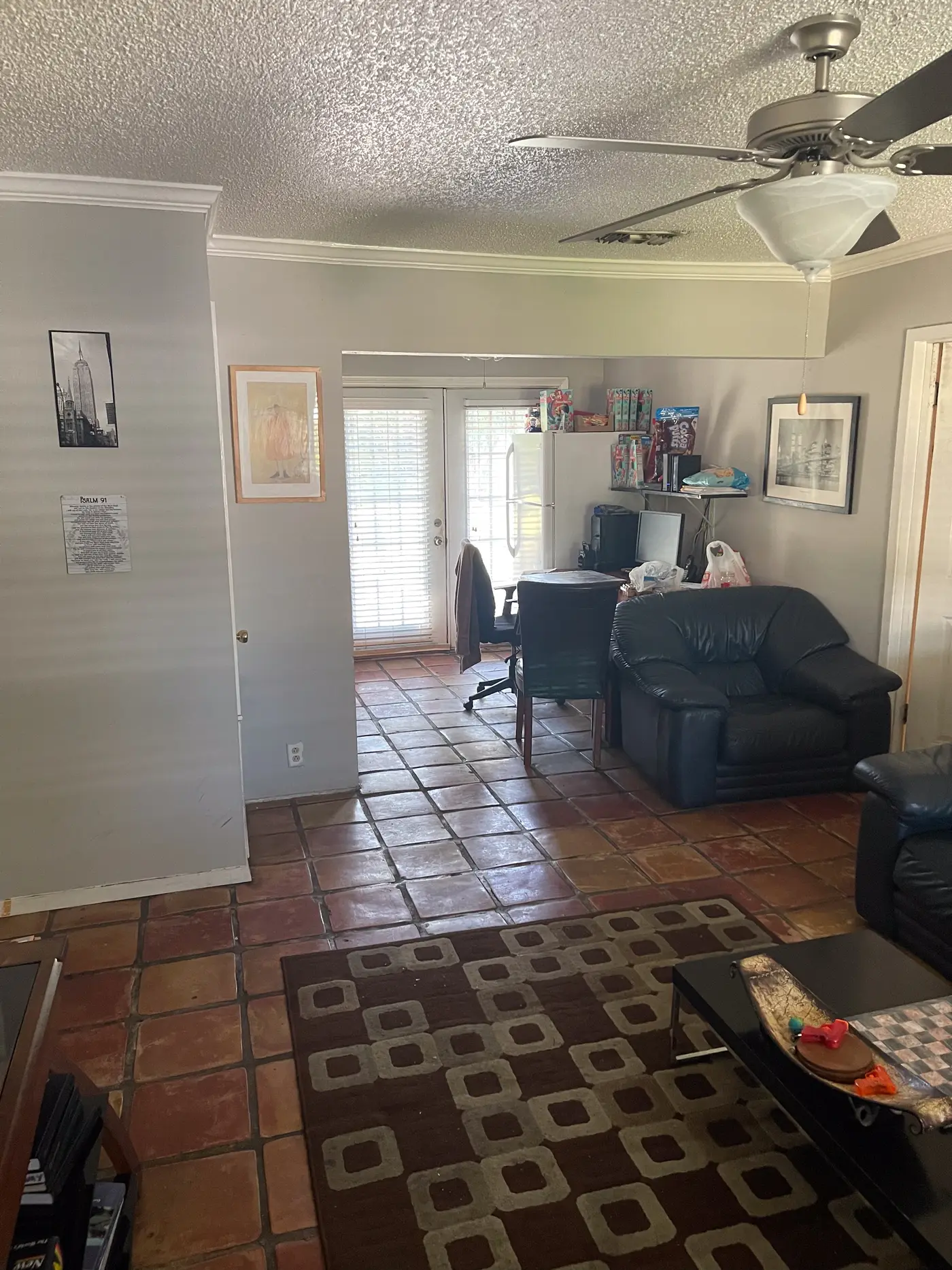
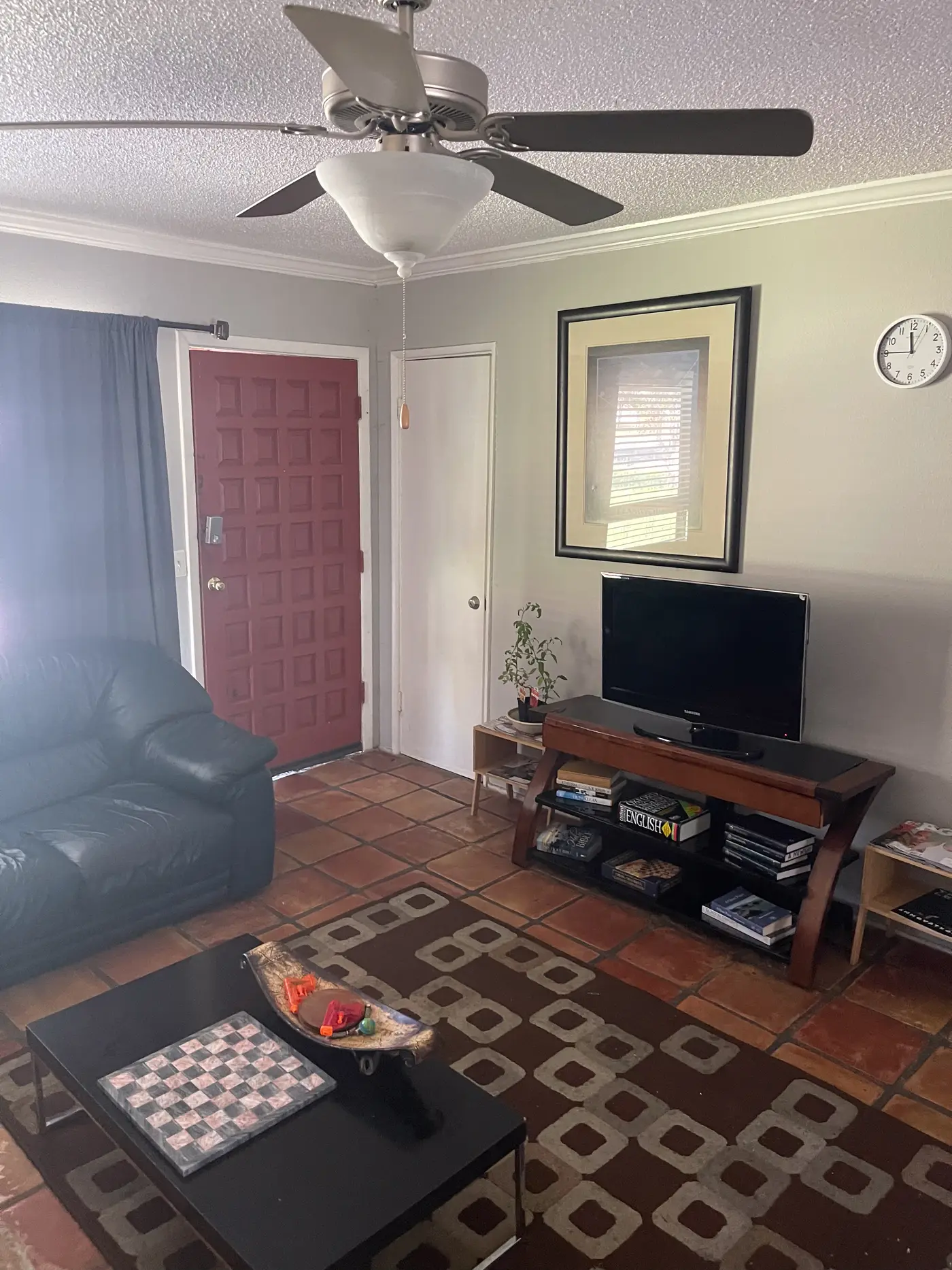
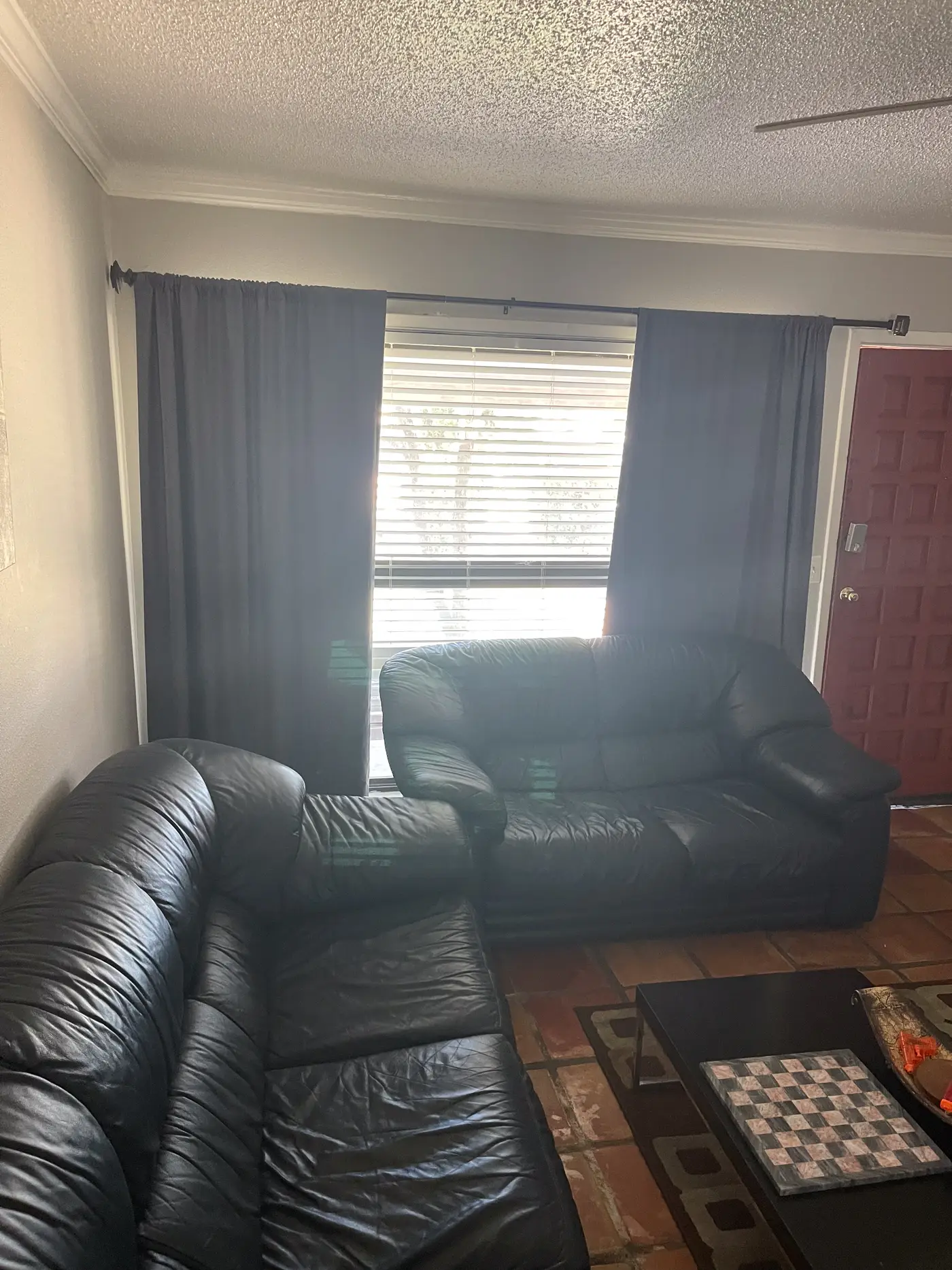
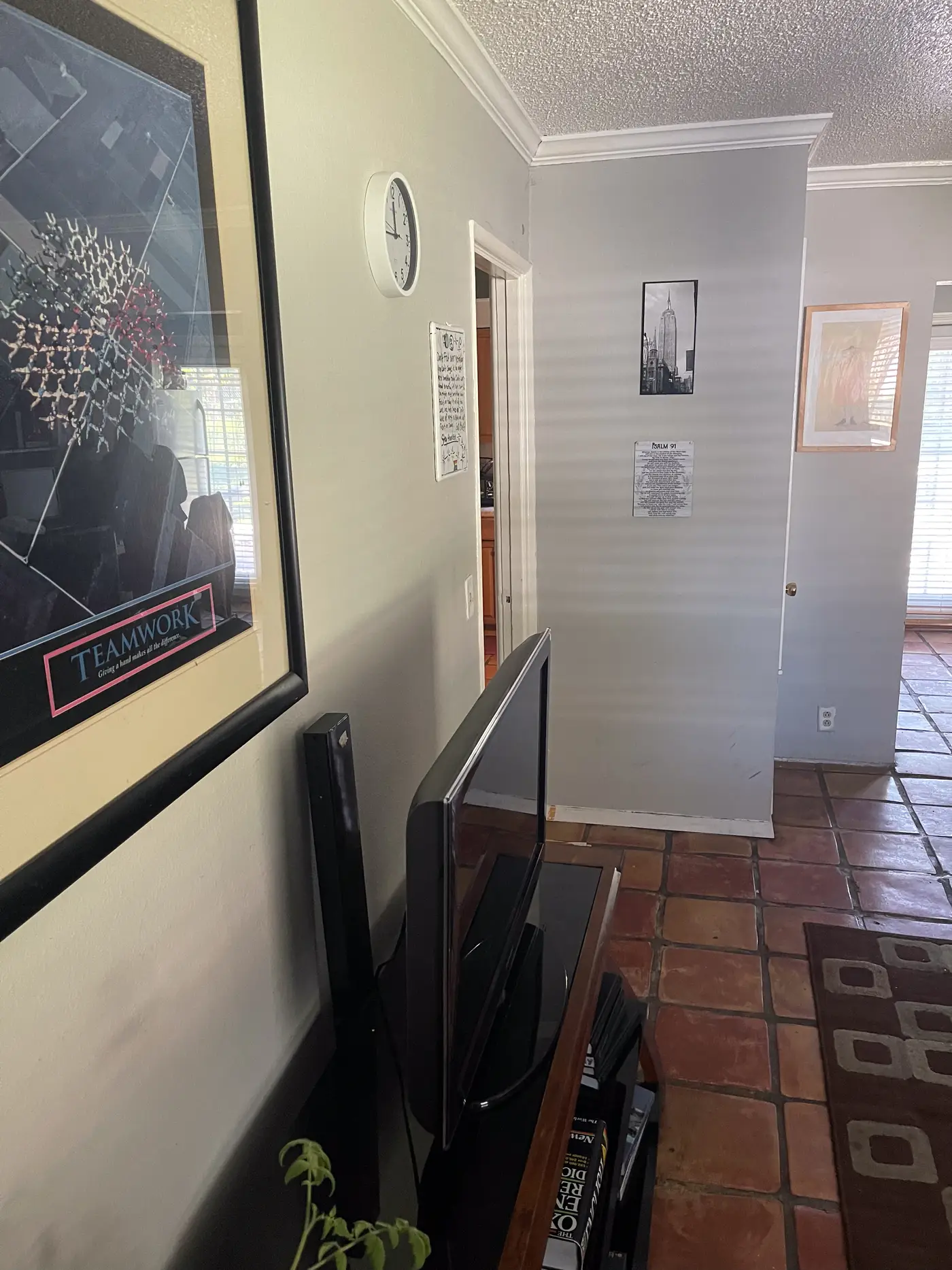
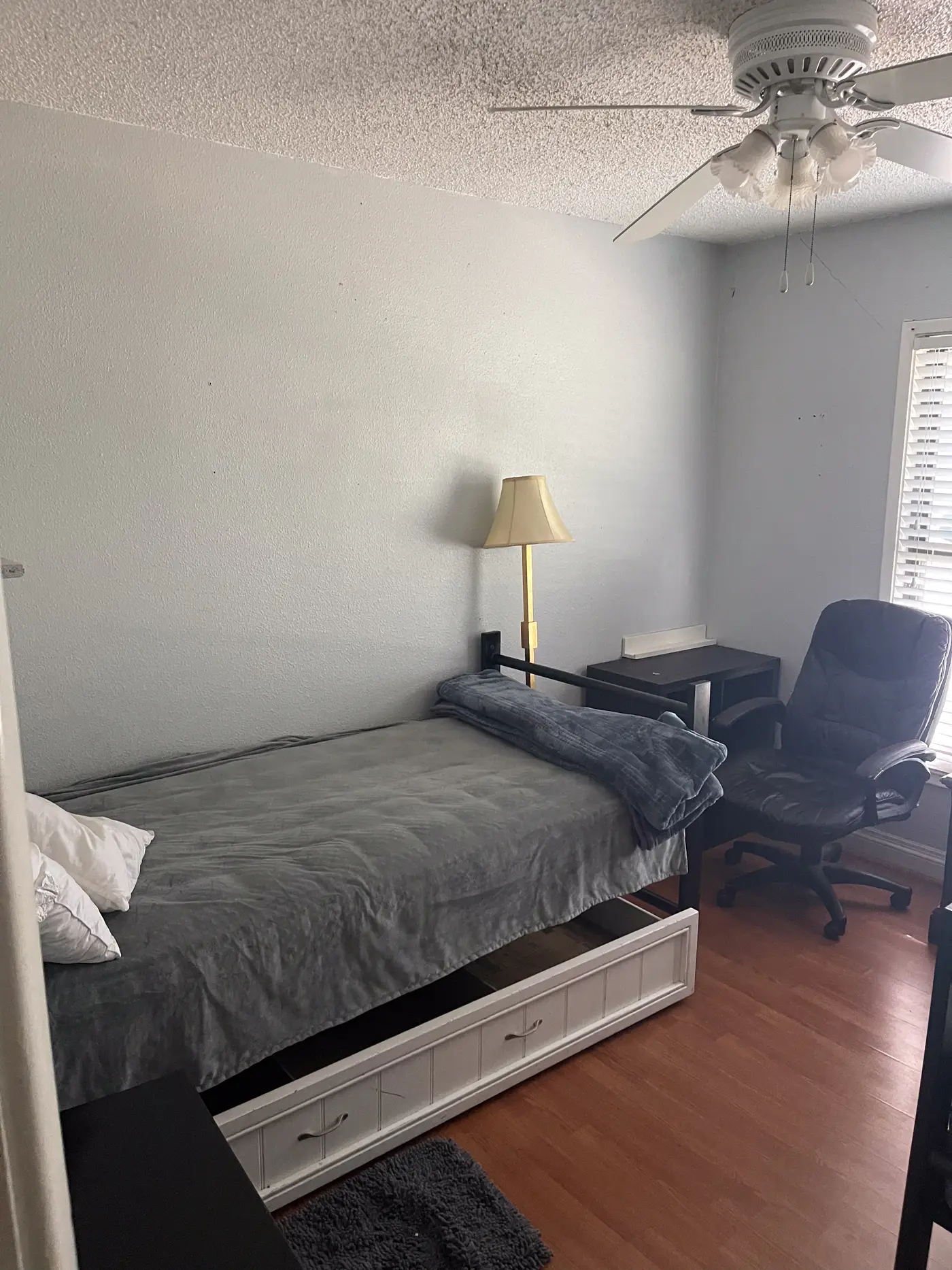
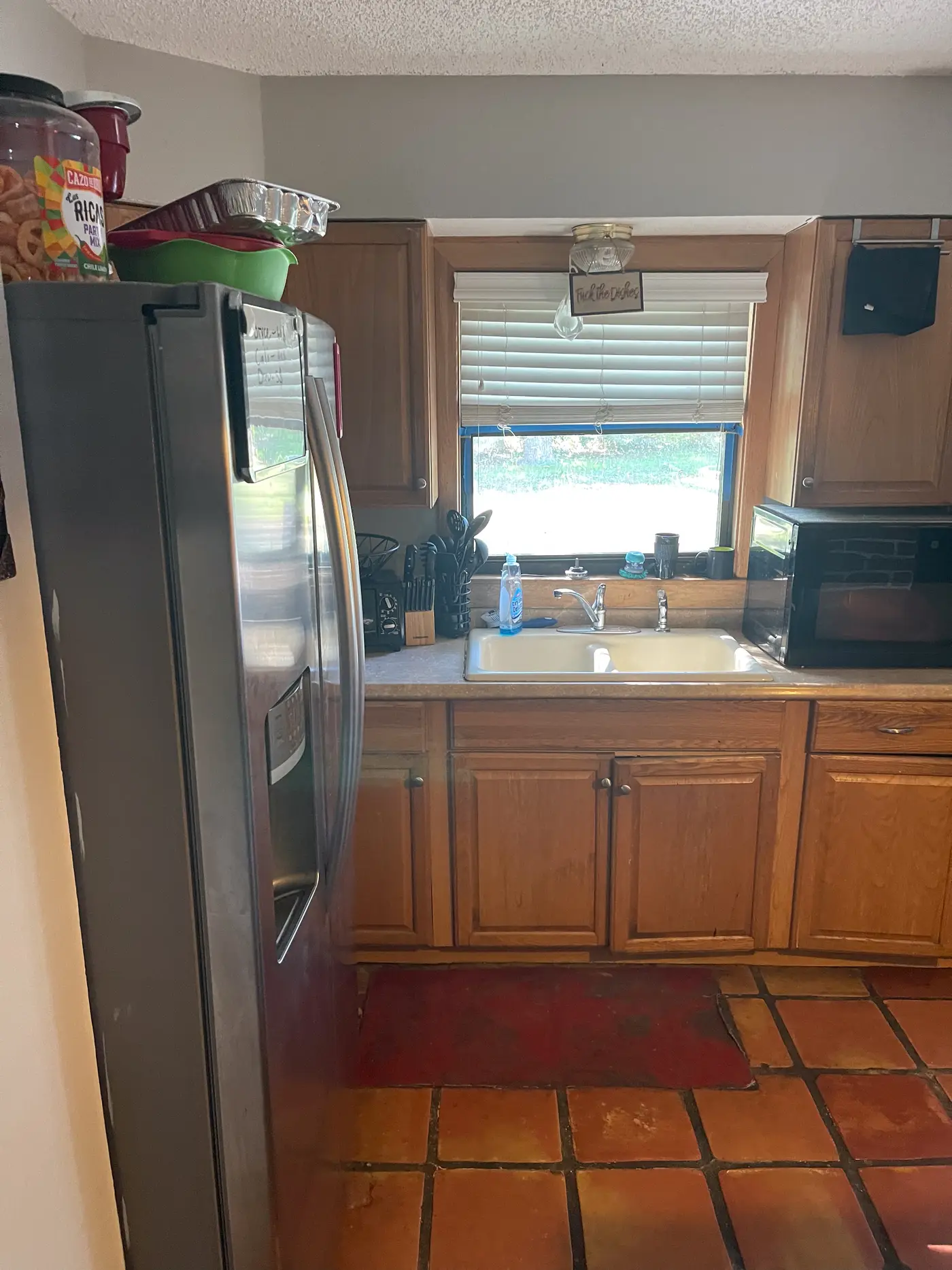
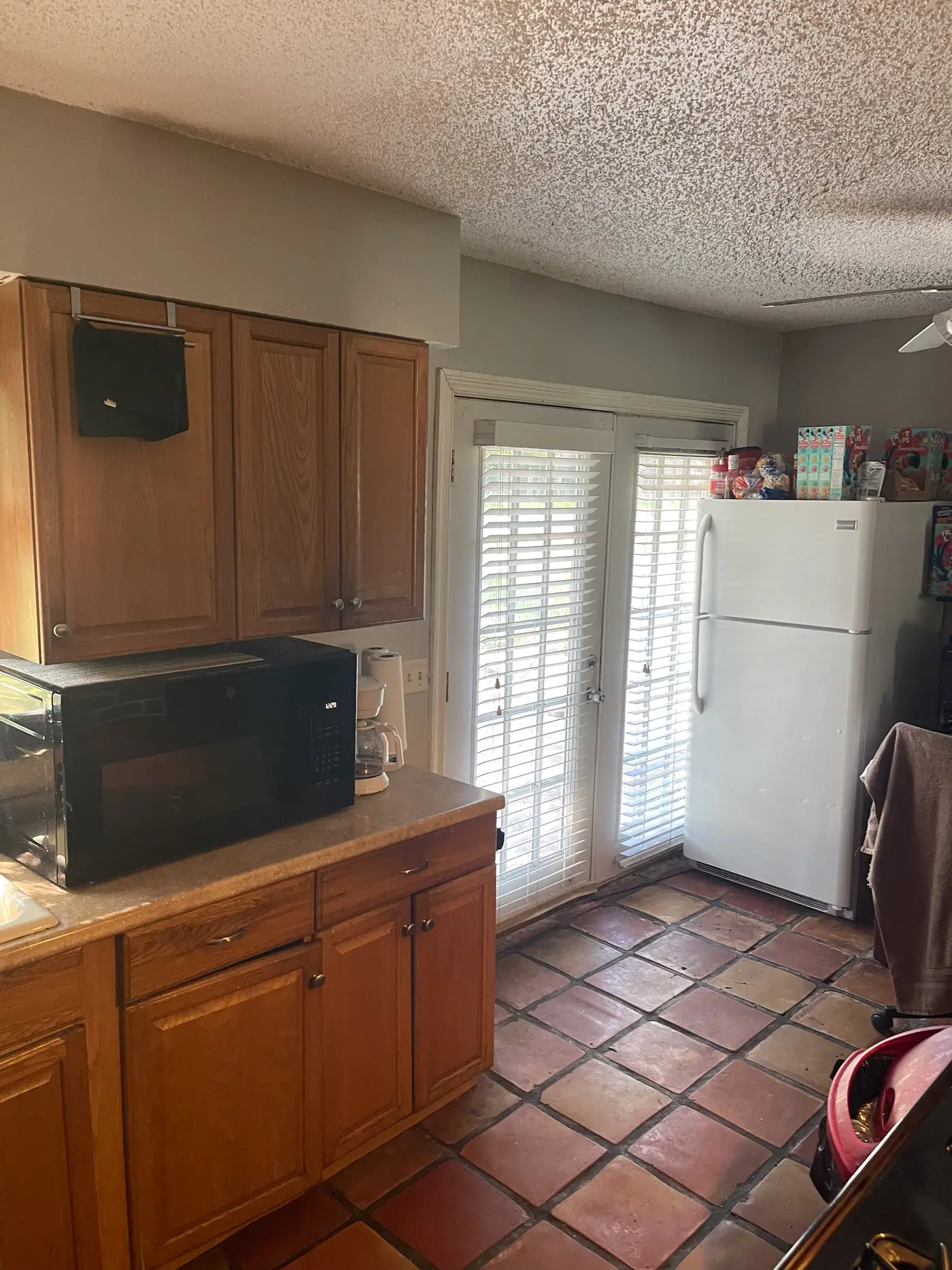
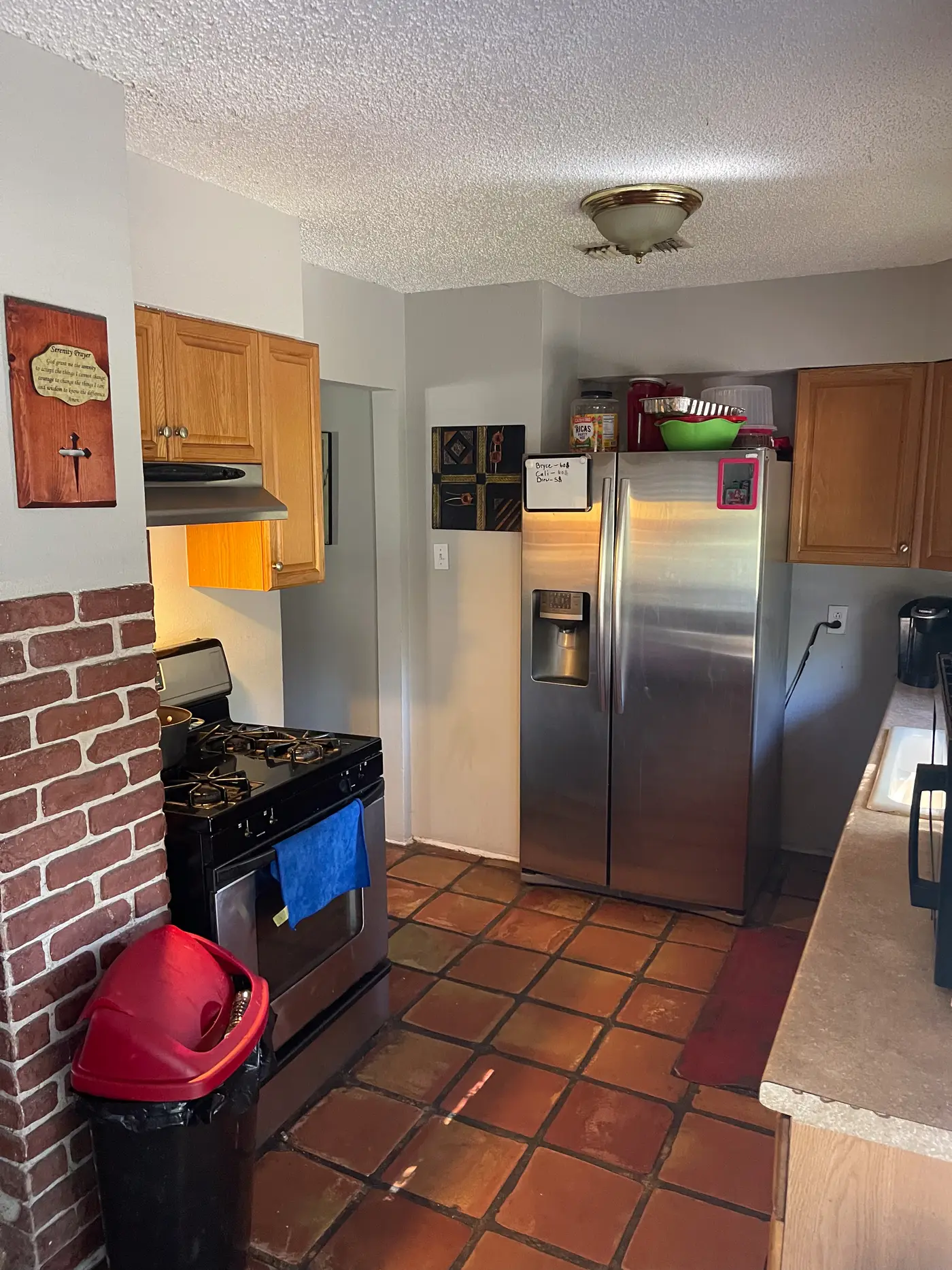
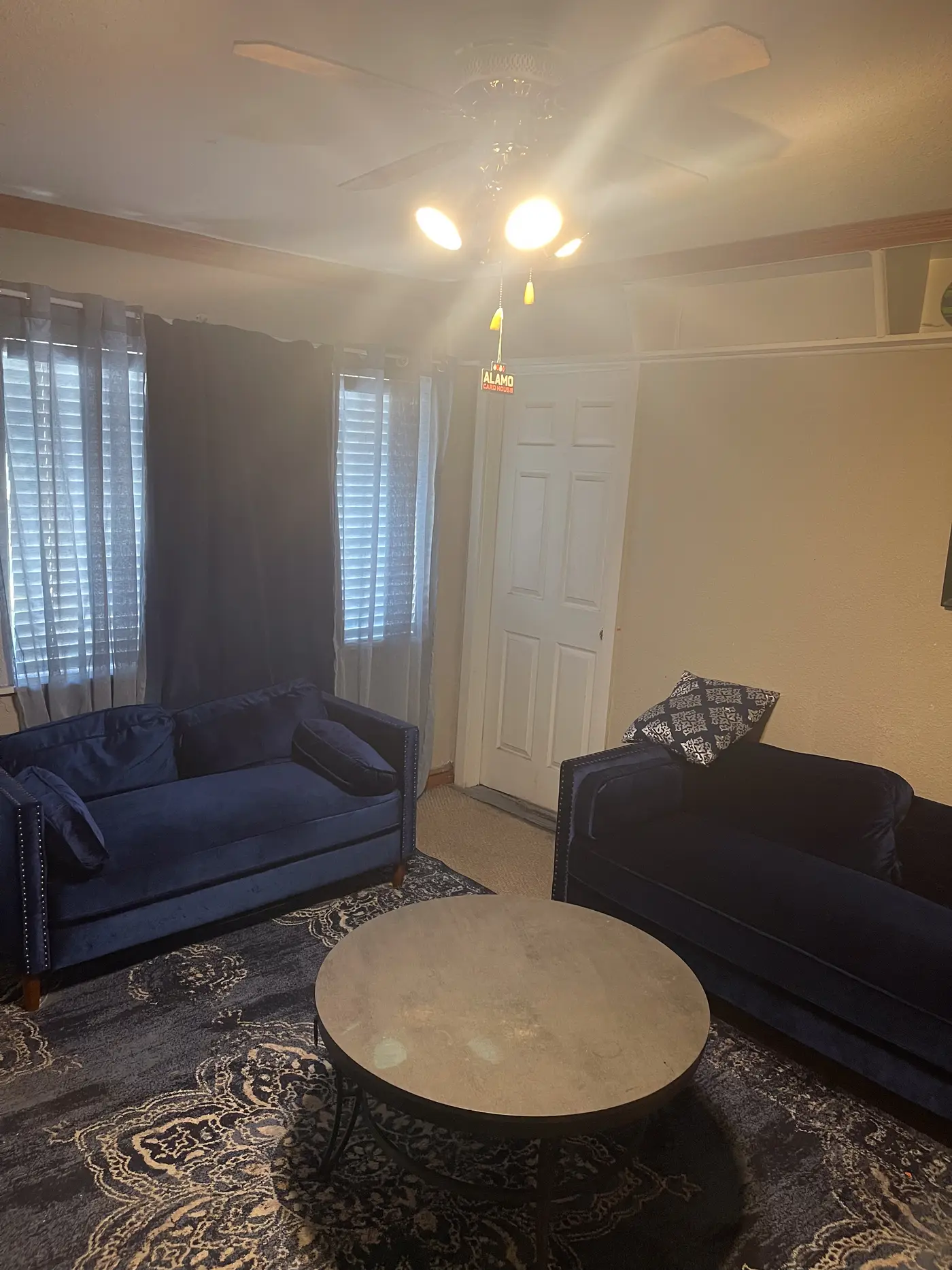
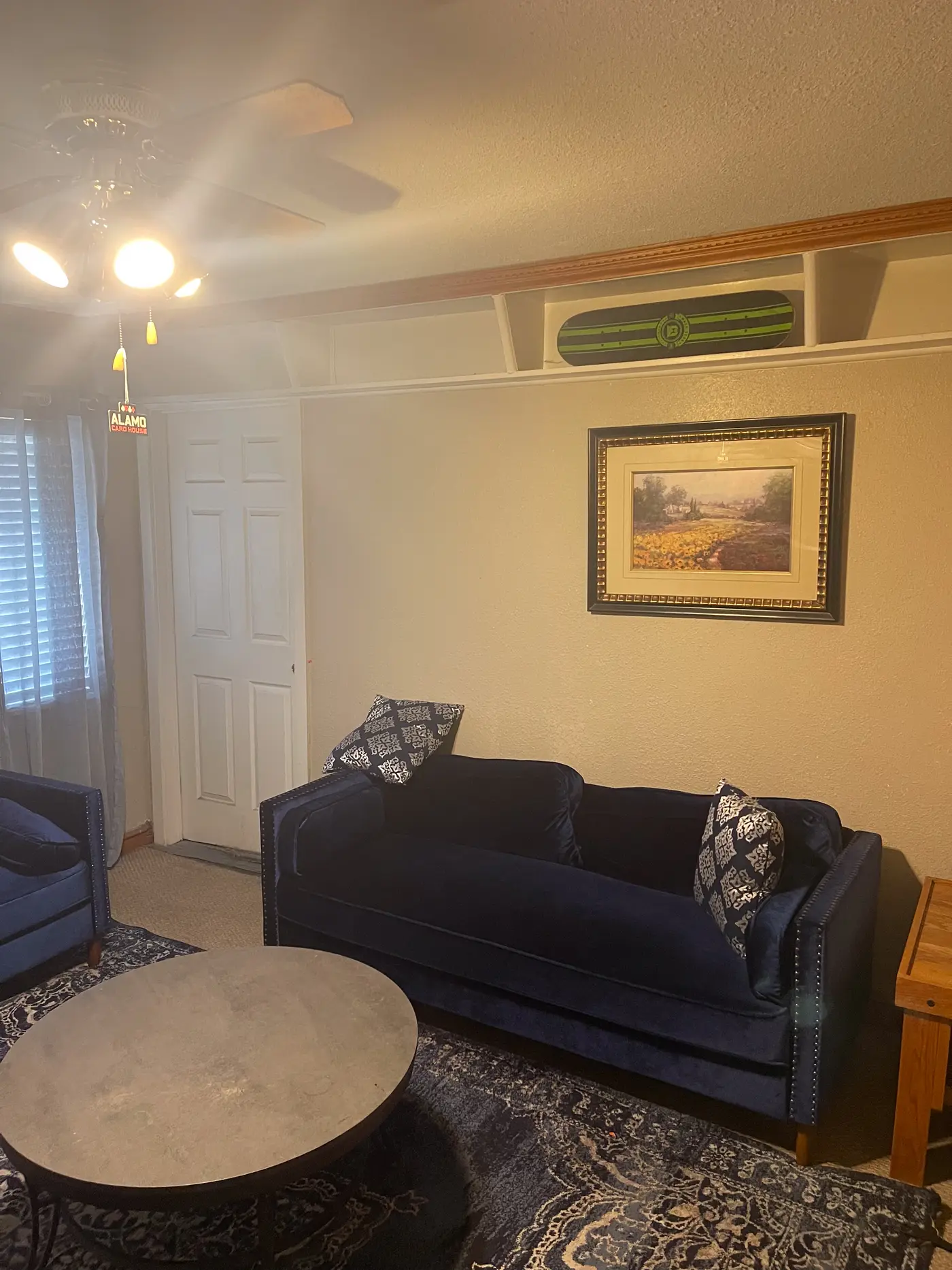
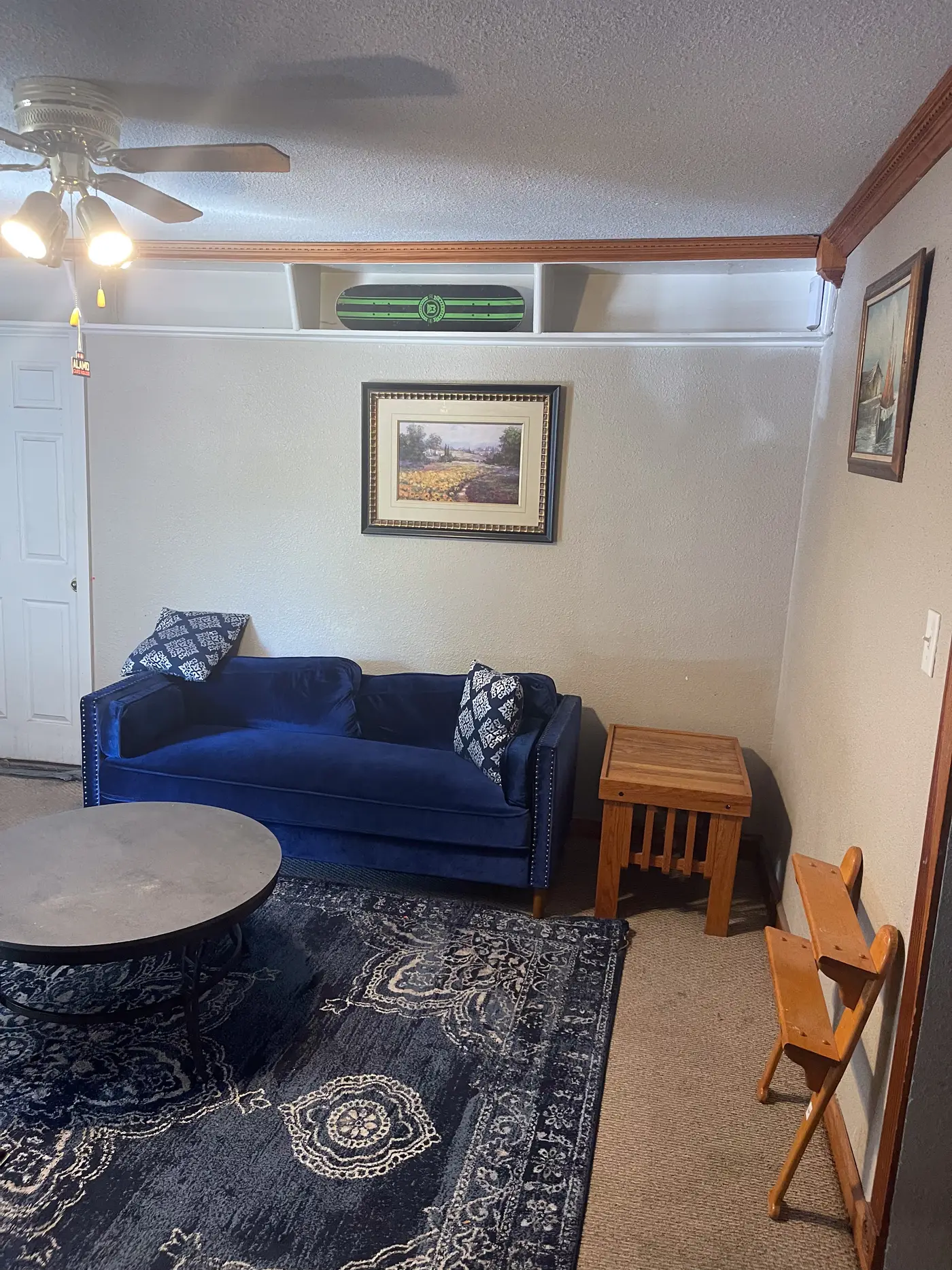
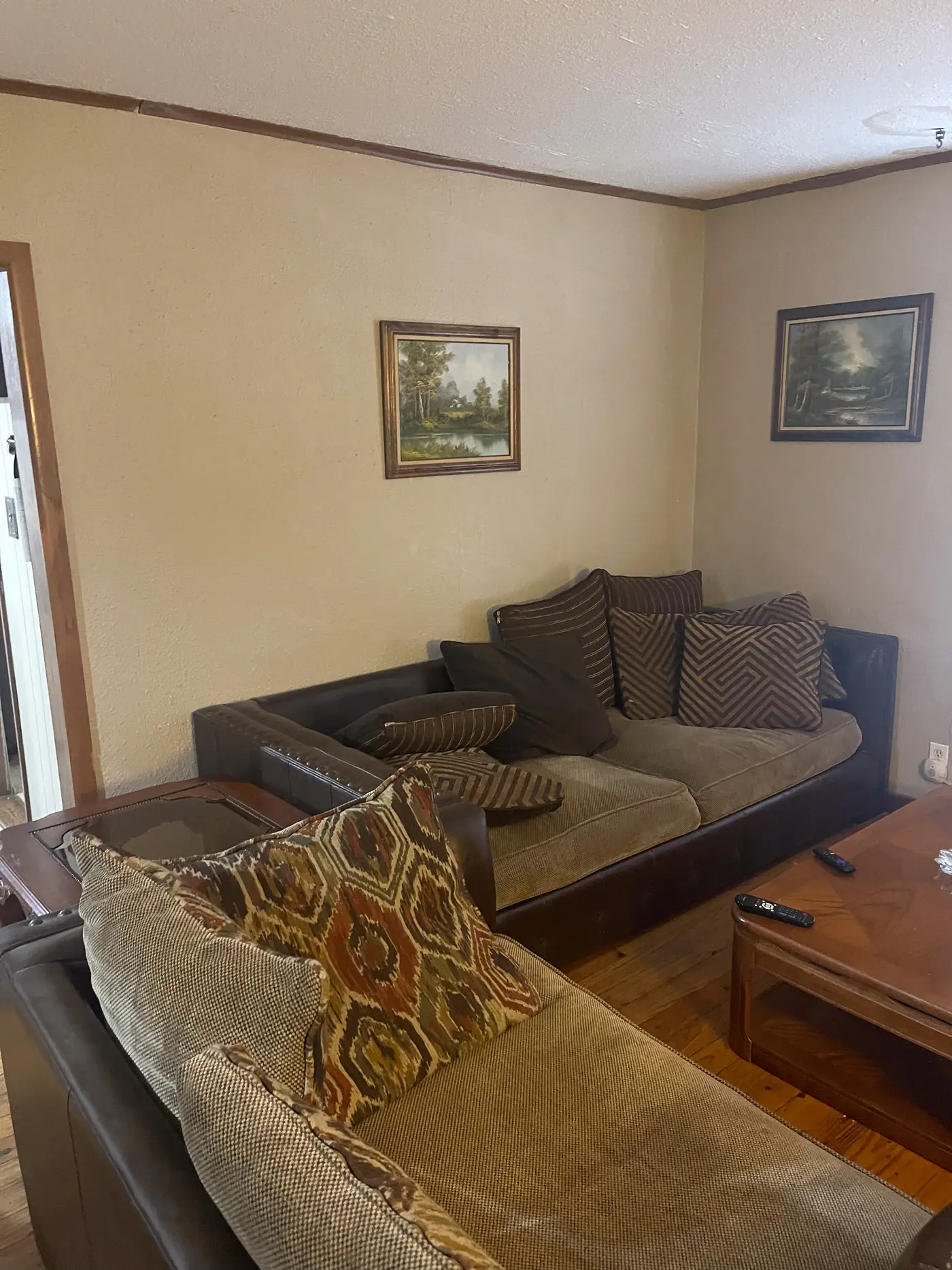

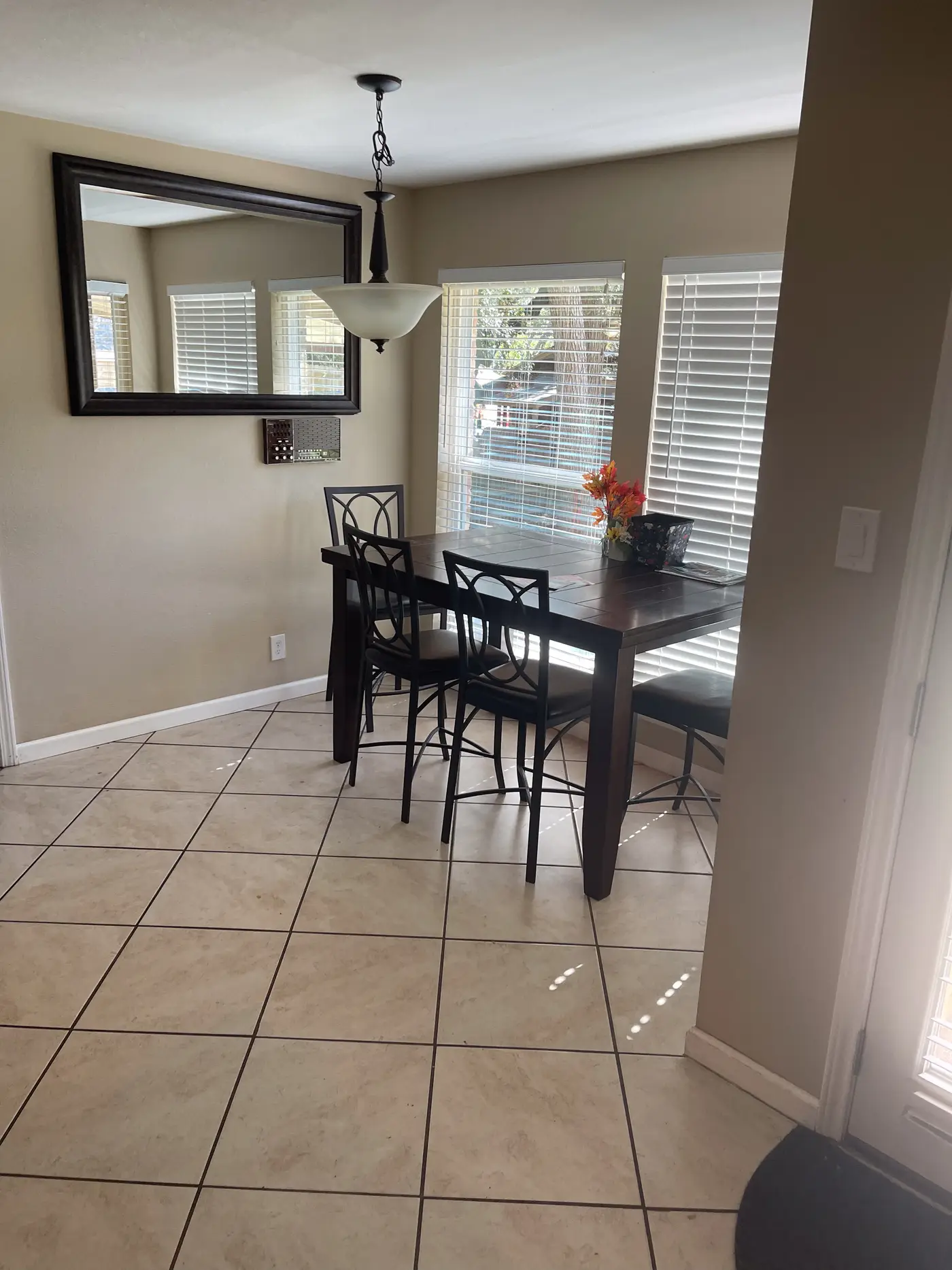
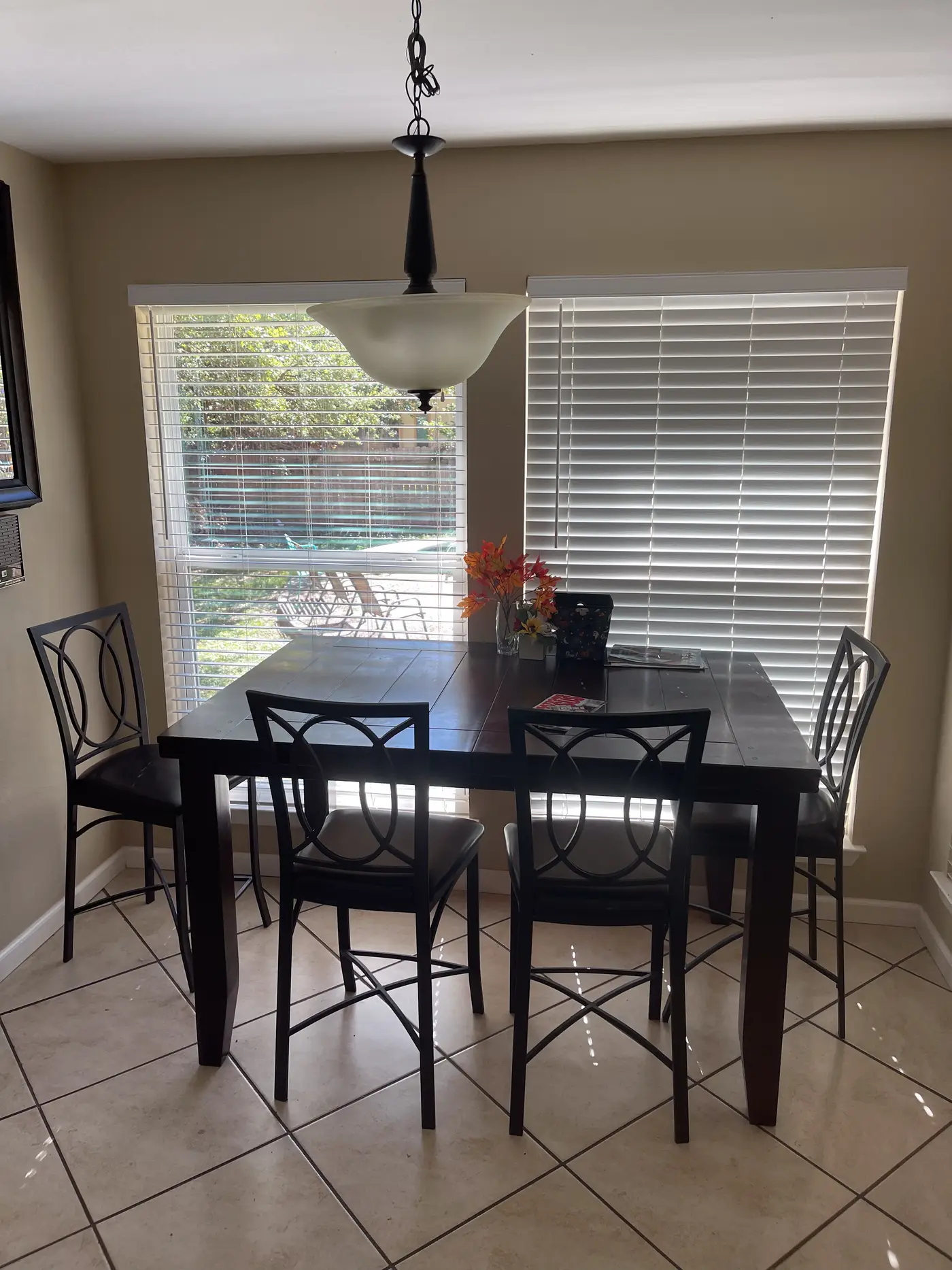

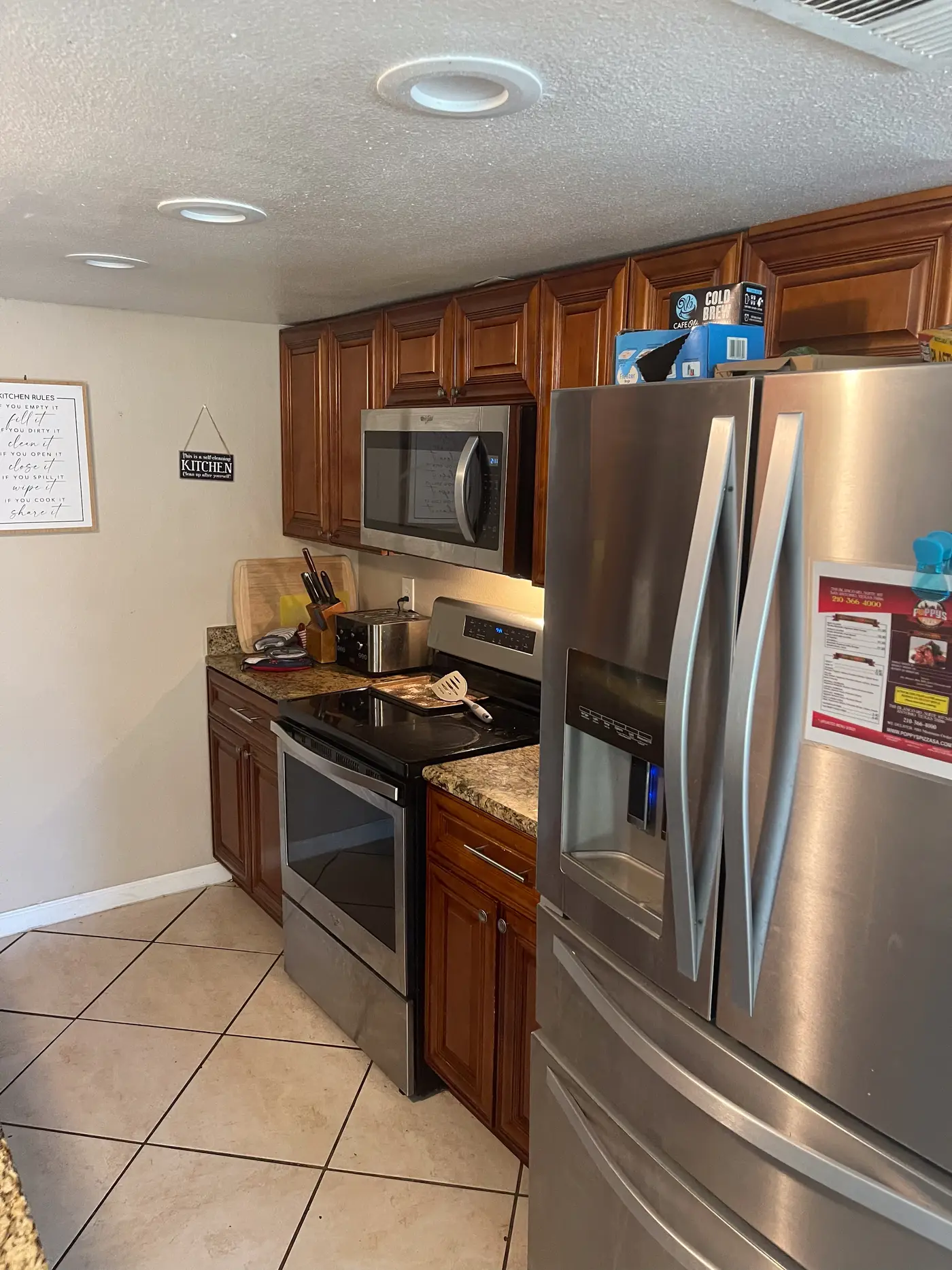

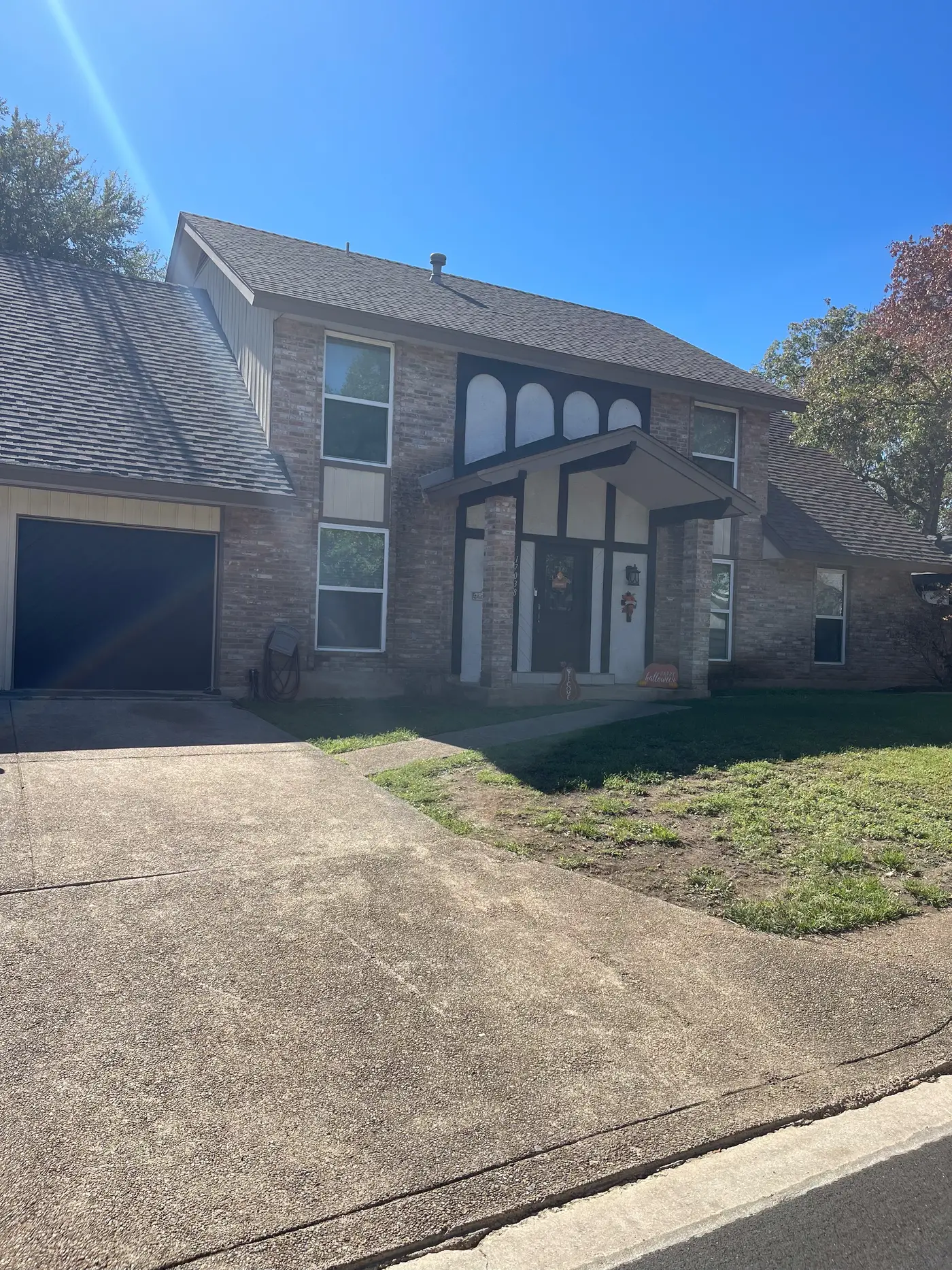
3) Tour for fit and safety
During a tour, look for clean, well‑maintained spaces; posted rules; and respectful interactions. Ask how conflicts and relapses are handled.
4) Confirm the support network
Ask how the home helps with meeting schedules, transportation, employment resources, or school plans. Inquire about links to IOP/aftercare.
5) Review the agreement
Read the resident agreement, testing policy, curfew, guest rules, and reimbursement terms. Ensure costs and what’s included are clear.
6) Plan the transition
Coordinate with your current treatment team for a warm hand‑off. Many homes can admit quickly when space is available. (Ask about waitlists and move‑in checklists.)
To build day‑to‑day momentum once you move in, review these effective strategies for sober living in San Antonio.
What “Best Sober Living Homes” Means, In Practice
- Aligned with standards (NARR/TROHN) and transparent policies.
- Consistent accountability (testing, curfews, meetings) that’s fair and clear.
- Stable leadership (on‑site manager, documented procedures).
- Peer community that models recovery and offers realistic encouragement.
- Real‑life readiness: support for work, school, family, and transportation.
- Clear boundaries about substances, safety, and residents’ rights.
Medical Disclaimer
The information on this page is for educational purposes only and is not a substitute for professional medical advice, diagnosis, or treatment. Sober living homes, including those mentioned here, do not provide medical care and should not replace detox, inpatient treatment, or any services recommended by a licensed healthcare professional. Decisions about alcohol or drug use, medications, or changes to your treatment plan should always be made with your doctor or a qualified addiction or mental health provider. Never start, stop, or change a prescription medication without consulting your prescriber. If you are experiencing severe symptoms, feel unsafe, or have thoughts of self-harm, call 911 in the United States or seek emergency medical help right away. For confidential emotional and crisis support, you can dial 988 to reach the Suicide & Crisis Lifeline, available 24 hours a day.
Select Our 514 Craigmont Ln, San Antonio, TX Location
Select LocationVisit Our 5203 El Sueno St, San Antonio, TX Location
Select LocationChoose Our 13807 Fairway Crest, San Antonio, TX Location
Select LocationEudaimonia's Success Stories – Real People, Real Freedom
How Eudaimonia Recovery Homes Support Sober Living in San Antonio
Eudaimonia Recovery Homes offers a structured, alcohol‑ and drug‑free setting for people searching “Sober Living Near Me” in San Antonio. The program turns the idea of sober living into daily practice through clear house rules, curfews, routine drug and alcohol screening, and peer accountability.
On‑site house managers and scheduled meetings help residents build steady routines for work, school, and family life. Gender‑specific residences across the city allow you to choose a location and community that fit your needs. Eudaimonia sober living homes emphasize transparency with written expectations and straightforward fee information, so you know what is included before you move in. Residents can also connect with local mutual‑help groups and outpatient services for continued support without the intensity of inpatient care.
During tours, staff explain admissions steps, waitlists, and how the house handles relapses or conflicts, which makes comparing options easier. These features align with what the best sober living homes provide, safety, stability, and practical support, while leaving space for you to decide if the environment is the right fit.
Your Future Is Waiting
Tell us what you are looking for and admissions will walk you through the houses, the phases, and what a room actually costs.


